
Reviewed · COOKING CLASSES
Private Authentic Cape Malay Cooking Class in Manenberg with Locals
Food tells Cape Town’s story. This private class brings you into Ruth’s home in Manenberg, where sisters Colleen and Ruth share family recipes, cooking tips, and a warm welcome. I like the personal setting, and I like that you prepare a full meal rather than a single dish.
The menu covers the whole Cape Malay table: samosas, tomato bredie, yellow rice, and dessert, with pastries and alcoholic drinks included. The main point to consider is transport, since hotel pickup is not provided and you must make your own way to Manenberg.
The class lasts about two hours, but the complete experience takes roughly four and a half hours. You get private instruction, a shared meal, and time to hear about the family methods behind the food, not just a quick recipe demonstration.
In This Review
- Five things to know before booking
- Why this Manenberg cooking class feels different
- Arriving in Manenberg at 10:00 a.m.
- Starting with Cape Malay pastries and samosas
- Cooking tomato bredie with family guidance
- Sitting down for the meal you helped make
- What the private format is worth at $92
- Who will enjoy this four-and-a-half-hour experience
- Practical planning for a smooth visit
- Is this Cape Malay class worth booking?
- FAQ
- Where does the Cape Malay cooking class take place?
- What time does the experience start?
- How long does the full experience last?
- What dishes will I prepare?
- Is the cooking class private?
- Are drinks included?
- Is hotel pickup included?
- Can I cancel for a full refund?
Five things to know before booking
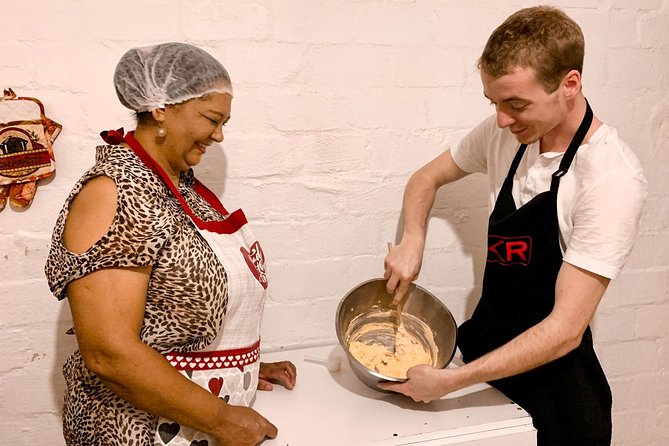
- You cook in Ruth’s home in Manenberg: This is a neighborhood-based food experience, not a polished restaurant lesson.
- Colleen and Ruth teach family recipes: The cooking draws on recipes passed down through generations of their family.
- The menu is a complete three-course meal: You prepare samosas, tomato bredie, yellow rice, and dessert.
- Private means personal attention: Only your group takes part, so you can ask questions and work at your own pace.
- The experience begins at 10:00 a.m.: Plan your transport carefully because pickup and drop-off are not included.
Why this Manenberg cooking class feels different
Cape Malay food is one of Cape Town’s most distinctive food traditions. It is known for warm spices and bold combinations of sweet, sour, and savory flavors. This class gives you a way to understand those flavors through your hands, not just through a restaurant meal.
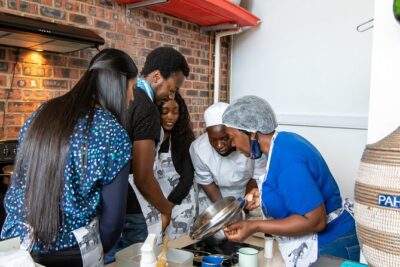
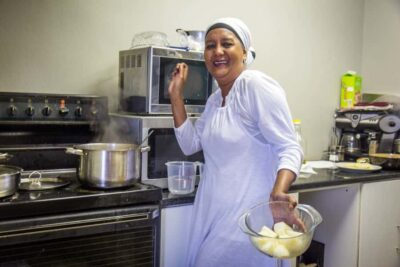
I like the choice of a home kitchen. You are not simply seated at a counter while an instructor performs a recipe. You meet Colleen and Ruth at Ruth’s house and take part in preparing food from their family tradition. That setting gives the class a personal scale and makes the meal feel connected to real family cooking.
The private format matters. You do not have to compete with a large group for a chopping board, stove space, or the teacher’s attention. If you want to ask why a spice is used, how a stew should look, or how a pastry is folded, you can stop and ask.
The experience has received a top rating from five published reviews, and the strongest praise focuses on the welcoming atmosphere and flavorful food. One solo participant found it easy to feel at home with Colleen and Ruth, which is useful to know if you are booking alone.
A few more tours in Cape Town worth putting side by side
- Cape Town: Malay Cooking Class and Lunch in Bo-Kaap
★ 4.8 · 515 reviews - Cape Town: Cape Malay Cooking Class in Bo-Kaap
★ 4.8 · 120 reviews - Cape Town: Bo-Kapp Walking Tour and Malay Cooking Class
★ 4.7 · 105 reviews
Arriving in Manenberg at 10:00 a.m.
The meeting point is in Manenberg, Cape Town, with the class starting at 10:00 a.m. You should allow enough time to reach the address without rushing. Hotel pickup and drop-off are not included, so transport is one of the few parts you need to arrange yourself.
An Uber worked well for one solo participant, who described the ride there and back as easy. That gives you a practical option, though you should still confirm the exact meeting details after booking and leave room for traffic.
The neighborhood setting is part of the experience. You are visiting a local home rather than a cooking school built for sightseeing groups. I see that as a major benefit if you want a more personal connection to Cape Town’s food culture. It also means the surroundings may feel less formal than a central culinary studio.
Because the activity ends back at the meeting point, you can arrange a return ride from the same area. The class is private, so only your own group participates. That makes the start less confusing than joining a large tour, but you still need to be punctual for the 10:00 a.m. appointment.
Starting with Cape Malay pastries and samosas
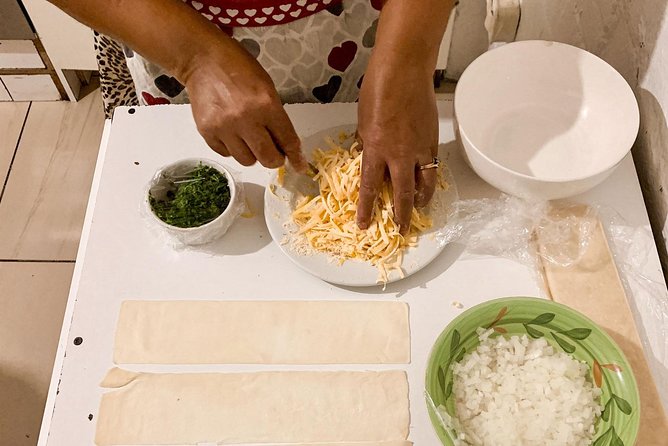
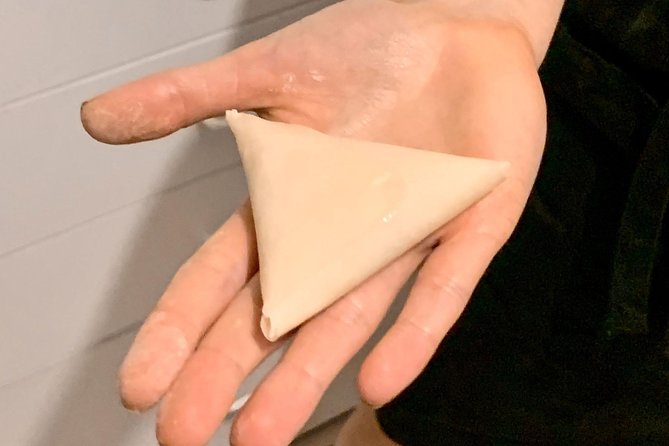
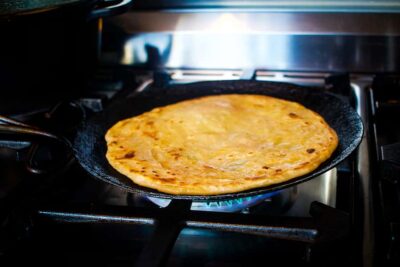
The cooking begins with a platter of Cape Malay pastries. The spread includes samosas, half-moons, and fried spring rolls, served with a traditional dhanya dipping sauce made with coriander.
This opening section gives you a useful introduction to the style of Cape Malay cooking. You are working with pastry, filling, folding, and frying, while also learning how a fresh coriander sauce adds a sharp herbal note. Samosas are familiar to many people, but making them yourself shows the small steps that are easy to miss when you only order them from a restaurant.
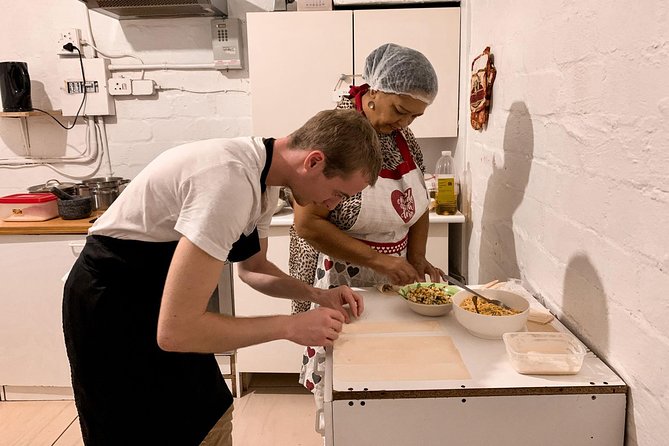
The class is hands-on, so you should expect to participate rather than simply watch. Colleen provides demonstrations and guidance, and the private format allows her to focus on your technique. If you are new to folding pastries, that individual attention can make the difference between feeling lost and getting the hang of it.
The half-moons and spring rolls add variety to the starter course. You are not making one snack in several shapes. You get a small selection of pastry treats, each with its own texture and presentation, followed by the coriander dipping sauce.
This is also a generous beginning to the meal. If you prefer a light lunch, keep that in mind before filling up on the first platter. The menu continues with a substantial stew, rice, and dessert.
Cooking tomato bredie with family guidance
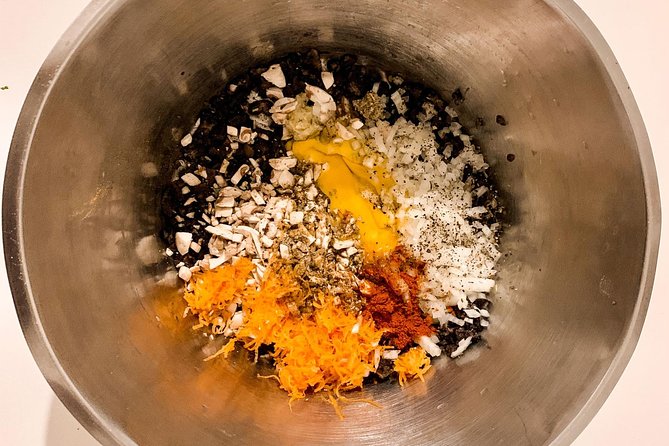
The main course is Cape Malay tomato bredie, a South African stew made with slow-cooked meat and vegetables. It is served with yellow rice and prepared from a family recipe.
The value here is time and method. A slow-cooked stew depends on how ingredients are combined and allowed to develop, not only on a list of spices. Colleen and Ruth explain the tips and techniques involved in Cape Malay cooking, giving you a better sense of how the dish reaches its final balance.
The tomato base also gives you a clear example of the cuisine’s sweet, sour, and savory character. You can expect a warming dish rather than something built around heat alone. Cape Malay food uses spice for aroma and depth, so the lesson is useful if you want to understand why the finished dish tastes layered.
Yellow rice completes the main course. Rice may seem simple beside a stew, but it carries the sauce and helps balance the meal. Preparing it as part of the class means you are learning the complete plate, not one showpiece dish with ready-made sides.
The exact family recipe is described as secret, so you should not expect every measurement to be written out for you. That is part of the appeal for some people, though cooks who want a precise recipe card may find the format less useful. You are learning techniques and family knowledge, not buying a standardized cooking manual.
A few more tours worth putting side by side
- Wine Tour: Paarl, Franschhoek & Stellenbosch incl 3 wineries
★ 5.0 · 3,940 reviews - Cape Town: Hop-On Hop-Off Bus Tour with Optional Cruise
★ 4.8 · 3,929 reviews - Cape Town: Cape of Good Hope & Penguins Day Tour with Pickup
★ 4.7 · 3,362 reviews - Zipline Cape Town – From Foot of Table Mountain Reserve
★ 5.0 · 3,179 reviews
Sitting down for the meal you helped make
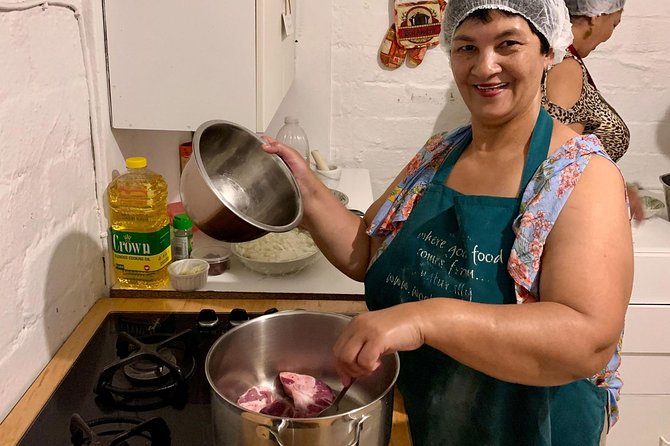
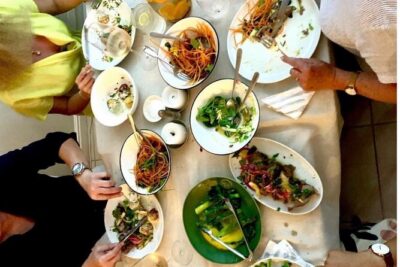
After about two hours of cooking, you sit at the table with Colleen and Ruth and eat the meal you prepared. The full experience lasts about four and a half hours, so the remaining time allows for the meal, conversation, and a relaxed pace.
I like this structure because the meal is not an afterthought. You prepare the starters, main dish, rice, and dessert, then share them with your hosts. Food tastes different when you have handled the ingredients and watched the dish take shape.
Alcoholic beverages are included, which adds to the hosted-meal feeling. If you do not drink, the key value remains the food and conversation, since the drinks are part of the package rather than its main purpose.
The dessert is included as part of the three-course menu, though the specific dessert is not named. That is worth noting if you have allergies, dietary restrictions, or a strong preference about sweets. The listed menu gives you a clear picture of the savory dishes, but not every dessert detail.
The warm welcome is one of the most praised parts of this experience. A solo participant felt like a friend from start to finish, which tells you something important about the tone. This is designed around hospitality and shared food, not a hurried lesson where the instructor sends you away as soon as the final dish is plated.
What the private format is worth at $92
At $92 per person, this is more expensive than simply ordering Cape Malay food at a local restaurant. You are paying for more than lunch, though. The price includes a private cooking class, the food for a full meal, alcoholic beverages, and gratuities.
The private format is the main value. If you are traveling as a couple, family, or small group, you get the teacher’s undivided attention. You can ask questions that might be impossible in a crowded class, and the pace can better match your cooking experience.
You also receive a cultural introduction through a family home and recipes passed down through generations. That kind of access is hard to measure against a menu price. If your goal is simply to eat cheaply, this is not the right choice. If you want a personal food experience with instruction and conversation, the cost is easier to justify.
Group discounts are available, which may improve the value for a larger private party. Since the activity is private, check the final price for your group before booking. Gratuities are already included, so you do not need to calculate a tip at the end.
Who will enjoy this four-and-a-half-hour experience
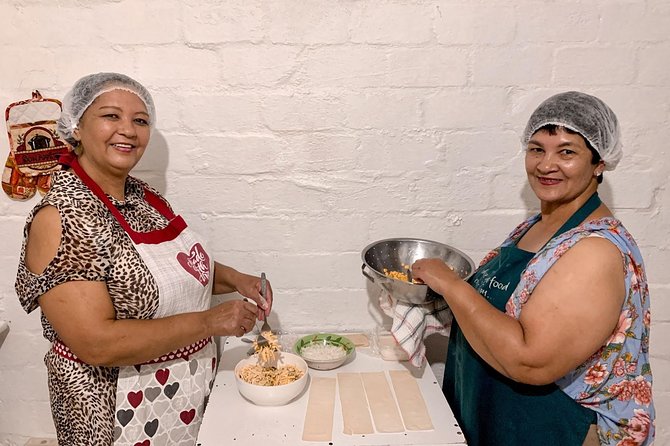
I would recommend this class most strongly if you enjoy food, small-group experiences, and meeting local people in a home setting. It suits cooks who like learning by doing, but you do not need to be an expert. The private lesson gives you room to ask basic questions and follow demonstrations closely.
Solo visitors are also a good match. The personal welcome from Colleen and Ruth can make the experience feel social without requiring you to join a large group of strangers.
Families and couples may appreciate the private setup, especially if everyone wants to take part in the cooking. Group discounts can help if several people are booking together, though the four-and-a-half-hour duration may be long for anyone who prefers quick sightseeing stops.
This is less suitable if you want a central Cape Town activity with hotel transport included. It is also not ideal if you are looking for a fast class, a highly formal culinary school, or a menu with every dish and dessert specified in advance.
Service animals are allowed. The available information does not provide detailed guidance about general dietary requirements, kitchen access, or mobility needs, so ask about those points before booking if they matter to you.
Practical planning for a smooth visit
Book with enough lead time for confirmation. Confirmation is provided within 48 hours of booking, subject to availability. Since the class begins at 10:00 a.m., do not leave your transport plans until the last minute.
Wear something comfortable for a home cooking session, and arrive ready to work with food for several hours. The experience includes alcoholic drinks, but you can focus on the cooking and meal itself if you do not drink.
Keep your schedule open after the class. The hands-on cooking lasts about two hours, while the complete visit takes approximately four and a half hours. The shared meal and conversation are central to the experience, so rushing away immediately would miss part of its value.
You can cancel for a full refund if you do so at least 24 hours before the start time. Changes or cancellations made less than 24 hours in advance are not accepted for a refund, and the cut-off follows Cape Town local time.
Is this Cape Malay class worth booking?
Book it if you want Cape Town food culture in a personal setting, and if you value learning a family method as much as eating the result. The combination of Colleen and Ruth’s hospitality, a private lesson, a full menu, and a meal in Ruth’s home gives you more than a standard restaurant visit.
The best reasons to go are the one-to-one instruction, the three-course menu, and the chance to cook dishes that include samosas, tomato bredie, yellow rice, and dessert. The main drawbacks are the need to arrange your own transport, the Manenberg location, and the fact that some menu details, including the dessert, are not specified.
At $92, I would treat this as a special food outing rather than an inexpensive lunch. If that fits your budget, this is a thoughtful choice for a solo visitor, couple, family, or private group that wants a welcoming and hands-on introduction to Cape Malay cooking.
FAQ
Where does the Cape Malay cooking class take place?
The class takes place at Ruth’s home in the Manenberg neighborhood of Cape Town, South Africa.
What time does the experience start?
The class starts at 10:00 a.m.
How long does the full experience last?
The experience lasts approximately four hours and 30 minutes. The hands-on cooking portion lasts about two hours.
What dishes will I prepare?
You will prepare samosas, tomato bredie, yellow rice, and dessert. The pastry platter also includes half-moons and fried spring rolls with a traditional coriander dipping sauce.
Is the cooking class private?
Yes. Only your group participates in the activity, and the private format gives you personal attention from the host.
Are drinks included?
Yes. Alcoholic beverages are included in the experience price.
Is hotel pickup included?
No. Hotel pickup and drop-off are not included. The experience begins and ends at the meeting point in Manenberg.
Can I cancel for a full refund?
Yes. You can receive a full refund if you cancel at least 24 hours before the experience start time. Cancellations or changes made less than 24 hours before the start time are not accepted for a refund.
Newest reviews from Cape Town
- Explore Atlantis Sand Dunes with a 1hour 30mins sandboarding tour★ 5.0 · 5 reviews
- Transfer from Cape Town City Center to Cape Town Airport★ 5.0 · 5 reviews
- Pneuma private travel & tours, creating memories and friends never forgotten★ 5.0 · 5 reviews
- Private Transfer: CPT Airport to Cape Town in Luxury Van★ 4.0 · 5 reviews
- Cape Town Table Mountain and Peninsula Tour★ 5.0 · 5 reviews
- Cape of Good Hope-Cape Point & Penguins from Cape Town★ 5.0 · 5 reviews
- Cape Town Full Day Family Fun With Kids Private Tour★ 4.0 · 5 reviews
- Garden Route 5 Day Hiking & Safari Adventure from Cape Town★ 5.0 · 5 reviews
Cooking Classes, compared.
Half-Day Small Group Cooking Experience in Franschhoek
Read our review →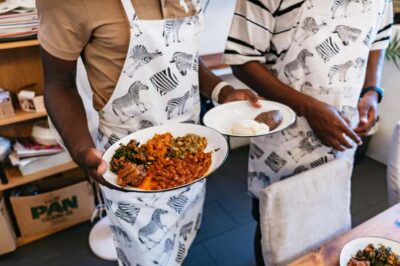
Private Cape Malay Cooking Class in Cape Town with a Local Family
Read our review →
GQ: City Walking Tour & African Cuisine Cooking Class
Read our review →Browse the lists this tour appears in