
Reviewed · BO-KAAP TOURS
Cape Town: Cape Malay Cooking Class in Bo-Kaap
Spices tell the story here. In Cape Town’s historic Bo-Kaap neighborhood, you join a local resident in a family home, prepare a three-course Cape Malay meal, and then sit down to eat what you made. I like the hands-on cooking, where you help with real tasks rather than watch a chef perform. I also like the easy conversation about family, food, and Bo-Kaap traditions.
The class costs $52 per person for two hours, including lunch and soft drinks. That is fair value for a meal, a cooking lesson, and a personal introduction to the neighborhood. The main thing to check first is access: one part of the meal may involve walking down fairly steep stairs, which was difficult for one participant with a serious back injury.
In This Review
- Key points to know before booking
- Why Cape Malay cooking matters in Bo-Kaap
- Entering a local home in the Bo-Kaap
- The first cooking tasks: starters and spice
- Making the main course from scratch
- Sitting down to eat what you made
- How much personal attention should you expect?
- What the two-hour schedule means for your day
- Is $52 good value?
- Who should book this Bo-Kaap class?
- Practical booking advice
- Should you book it?
- FAQ
- Where does the cooking class take place?
- How long does the experience last?
- How much does the class cost?
- What is included in the price?
- Is transportation included?
- What food will I cook?
- Will I have my own cooking station?
- What languages are available?
- Can I cancel for a refund?
- Can I reserve now and pay later?
- Are there any access concerns?
- Are alcohol and drugs permitted?
Key points to know before booking
- Cook in a Bo-Kaap family home: The setting feels personal and informal, rather than like a standard restaurant kitchen.
- Make several Cape Malay dishes: Past menus have included samosas, chilli bites, flatbread or roti, and chicken or beef curry.
- Expect shared preparation: You help with different parts of the meal, but you may not have your own individual cooking station.
- Hear local stories while you cook: Hosts explain Cape Malay ingredients, techniques, Bo-Kaap culture, and family traditions.
- Eat what you prepare: Lunch and soft drinks are included, so the class ends around a shared table.
- Plan your own way there: Transportation is not included, and steep stairs may be part of the route inside the home.
Why Cape Malay cooking matters in Bo-Kaap
Cape Malay food is one of Cape Town’s most distinctive food traditions. It is known for fragrant spice blends, sweet and savory notes, curries, filled pastries, breads, and carefully folded parcels such as samosas.
This class gives you a useful way to understand that food. You are not simply served a plate and told that it is traditional. You handle the ingredients, follow the techniques, and see how small details affect the final dish.
That practical side matters. You may learn how to fold a samosa so it keeps its filling while cooking, or how to combine spices for a curry without turning the dish into a blunt wall of heat. One participant particularly appreciated those small ah-ha moments.
The Bo-Kaap setting adds meaning. Instead of meeting at a cooking school designed for tourists, you enter the home of a local host. The class connects food with daily life, family customs, and the community around you.
More Bo-Kaap walks:
- Cape Town: Malay Cooking Class and Lunch in Bo-Kaap
★ 4.8 · 515 reviews - Cape Town Walking Tour: Bo-Kaap & City Highlights
★ 4.8 · 161 reviews - Bo-Kaap: Walk with a local
★ 5.0 · 131 reviews
Entering a local home in the Bo-Kaap
The activity takes place in the heart of Bo-Kaap, with the class hosted by a local resident. Several hosts have led these sessions, including Shafeeqah, Fuad, Jacinda, and Jasmina, so your exact host may vary.
The mood is friendly and social. You can expect to meet other people in the class, work alongside them, and share jobs in the kitchen. The hosts are praised for making people feel at home, with several participants describing the visit as feeling like time spent with family.
That warmth is one of the strongest reasons to choose this activity. A standard food tour can tell you what Cape Malay cooking is. Sitting in a home while the host explains how food fits into family life gives you a more personal connection.
The trade-off is that a home kitchen is not arranged like a professional cooking studio. One four-star assessment points out that this is not the traditional format where each person has a private station. The group works together on starters and the main course, while the dessert may already be prepared.
If you want to sharpen restaurant-style knife skills at your own workstation, this may feel less structured. If you want conversation, shared cooking, and a local meal, the informal setup is part of the appeal.
The first cooking tasks: starters and spice
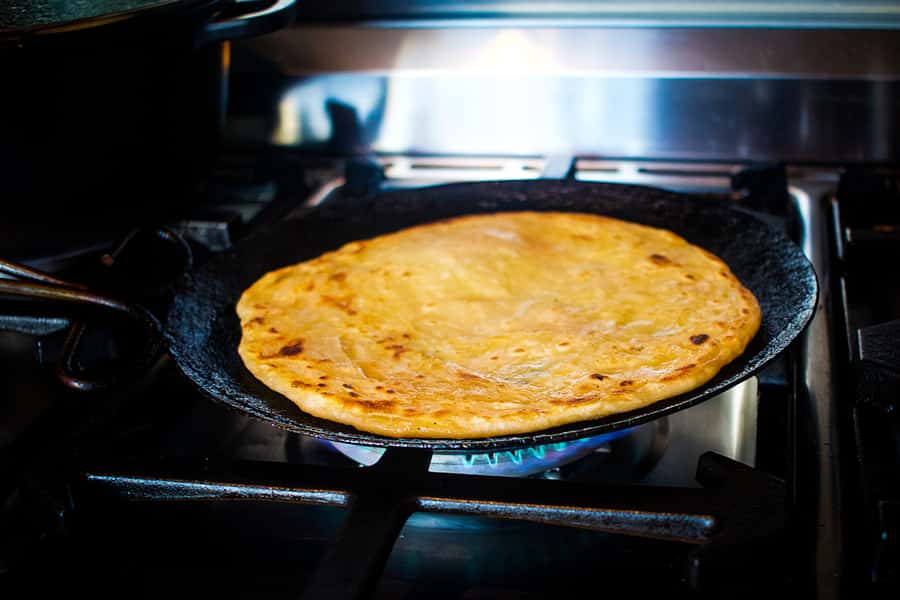
The two-hour session begins with preparation from scratch, using fresh ingredients and Cape Malay spices. The exact menu can vary, but past classes have included chilli bites and samosas.
Starters are a good way to get everyone involved. You may chop, mix, shape, fill, or fold, depending on the dish and the needs of the group. The class is designed for participation, and the host encourages everyone to take part.
Samosas are particularly useful for learning because their shape is not just decorative. If the fold is loose, the filling can escape during cooking. If it is tight and neat, the parcel holds together. This is the sort of simple kitchen lesson you can remember and use at home.
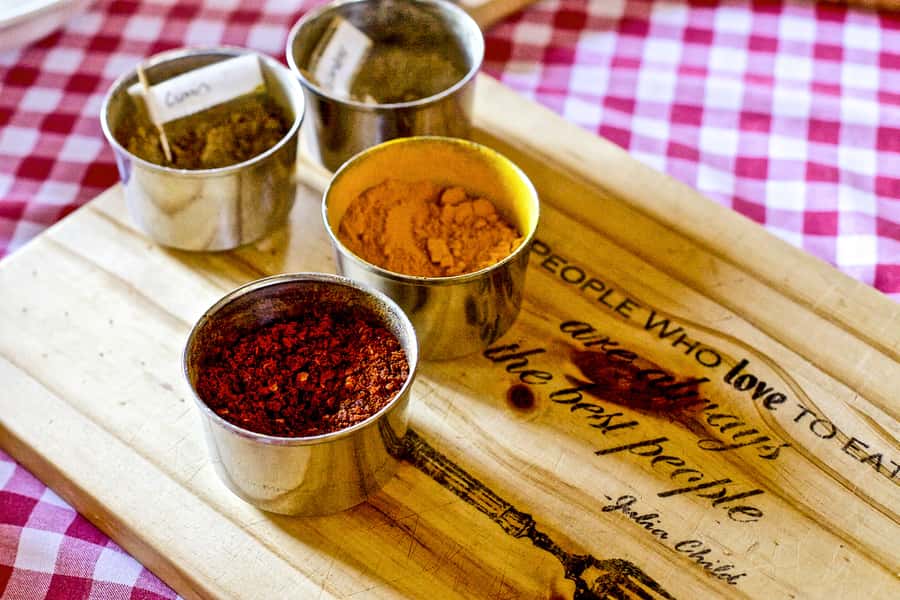
The spice explanation also gives the class more depth. You learn about the ingredients used in Cape Malay cooking and how they fit together. The goal is not simply to follow a recipe line by line. The host explains the methods and tools used to produce familiar dishes.
Families with teenagers have enjoyed this part of the class, even when younger participants were not eager at first. That suggests the activity works best when everyone is willing to roll up their sleeves, rather than sit back and wait for lunch.
Making the main course from scratch
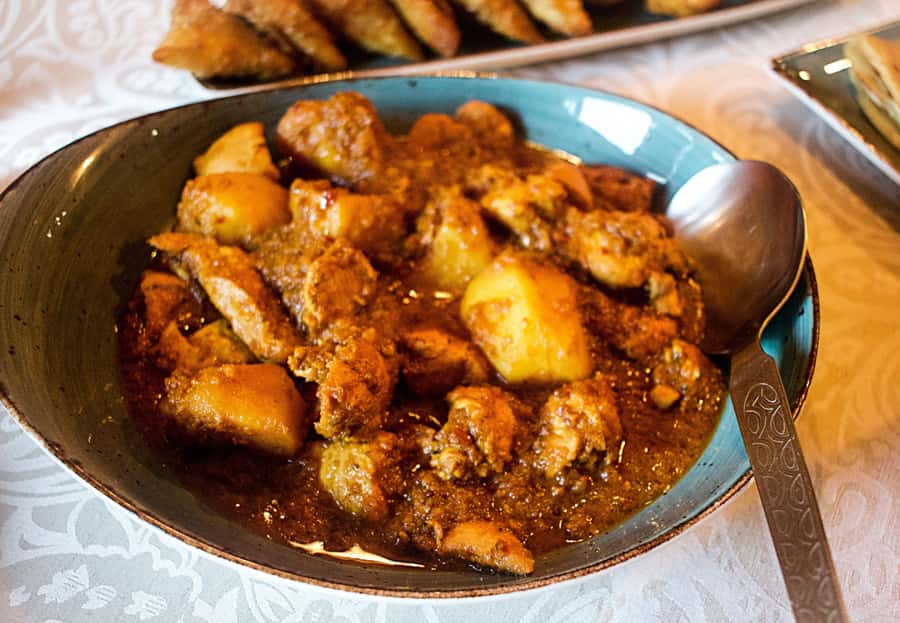
The main course has included chicken curry and beef curry on different occasions. The supplied description does not promise one fixed protein, so you should check the menu when booking if that matters to you.
The curry is the centerpiece of the session. You help prepare the ingredients, work with the spice mixture, and take part in the process before sitting down to eat. The class gives you enough time to understand the broad method without turning the afternoon into a long technical workshop.
Flatbread or roti has also appeared in the menu. Making bread alongside curry helps you understand how the meal works as a whole. The bread is not just an extra item on the plate. It is part of how you enjoy the sauce and balance the meal.
A practical strength of the class is that jobs are shared. You may not personally cook every component, but you are not just watching someone else prepare lunch. The arrangement lets a group produce several dishes within two hours.
That format is especially useful for families, couples, and small groups with mixed cooking ability. A confident home cook can help with technique, while a beginner can handle straightforward preparation and still learn something useful.
A few more tours in Cape Town worth putting side by side
- Cape Town: Bo-Kapp Walking Tour and Malay Cooking Class
★ 4.7 · 105 reviews - Private Surf Lesson
★ 5.0 · 53 reviews - Private Surf Lesson in Cape Town – Transport & Photos Included
★ 5.0 · 50 reviews - Muizenberg Cape Town: Private Surf Lesson
★ 5.0 · 37 reviews
Sitting down to eat what you made
Once the food is ready, you sit with the host for the meal. Lunch and soft drinks are included in the $52 price, so there is no need to arrange a separate restaurant stop immediately afterward.
Eating the finished dishes is more satisfying because you helped make them. You can taste how the spice mixture developed, see if your samosa folding worked, and compare notes with the other people at the table.
The meal also keeps the social side going. Conversation may turn to family, local traditions, the history of the Bo-Kaap, and the Cape Malay community. This is where the activity feels less like a cooking demonstration and more like a cultural visit built around food.
The food receives especially strong praise. Past participants describe the dishes as delicious, plentiful, and among the best meals of their time in Cape Town. That is not a guarantee of your exact menu, but it tells you the class takes the eating part seriously.
Dessert may be prepared before the class rather than made by the group. This is worth knowing if you are booking mainly for pastry or dessert instruction. The three-course meal is included, but the hands-on work is concentrated on the starters and main dish.
How much personal attention should you expect?
The class is described as interactive, but no group size is provided. You should expect a shared kitchen format rather than a private lesson.
That can be a strength. Group cooking creates conversation, and several participants enjoyed meeting new people while working on the same dishes. A multinational class has also been successfully guided by the chef-host, with clear demonstrations and tips that worked for different levels of experience.
It can also mean that you will not control every stage of every recipe. If someone else is shaping one dish, you may be helping with another. Go in expecting to contribute to a shared meal, not to produce three complete dishes alone.
Hosts are described as patient, organized, kind, and easy to chat with. Shafeeqah was praised for making participation attainable, while Fuad was described as organized and hospitable. The names and host arrangements can change, but the teaching style appears to favor encouragement over pressure.
English and Afrikaans are the available languages. If you need detailed dietary adjustments, contact the provider before booking. One family found the host understanding of dietary restrictions, but the activity does not list a standard dietary menu or specific substitutions.
What the two-hour schedule means for your day
Two hours is long enough for cooking, conversation, and a full meal, but short enough to fit neatly into a Cape Town sightseeing plan. You could schedule it around time in Bo-Kaap or use it as a focused food-and-culture activity during a free morning or afternoon.
Starting times are subject to availability. The activity may be offered as a morning or evening experience, since one family enjoyed a morning session and another attended in the evening.
Allow extra time around the two-hour class if you are planning another appointment. The stated duration covers the activity itself, and transportation is not included. You need to make your own way to Bo-Kaap and arrange your onward journey.
The home setting also means you should pay attention to the physical layout. One participant reported walking down steep stairs when it was time to eat. That detail was not clear before booking and caused difficulty for someone with a back injury.
If stairs are a concern, ask about access before paying. The information provided does not describe full step-free access, so you should not assume that every part of the home is accessible.
Is $52 good value?
At $52 per person, this is more than the price of a casual Cape Town lunch. But the fee covers a cooking class, the meal you prepare, soft drinks, local instruction, and time in a Bo-Kaap family home.
I consider that good value if you want a personal cultural activity rather than food alone. You are paying for participation and conversation as much as for the curry. The experience also gives you recipes and techniques you may be able to repeat at home, although the exact recipes are not specified.
The value is weaker if you want a formal culinary course with individual equipment, advanced instruction, or a fixed menu guaranteed in advance. You may share tasks with the group, and dessert can be prepared ahead of time.
The rating of 4.8 out of 5 from 120 bookings supports the idea that the format works well for most people. The praise is consistent around the food, the warmth of the hosts, the cultural explanations, and the chance to cook rather than simply eat.
Who should book this Bo-Kaap class?
I would choose this for:
- Couples wanting a relaxed cultural activity
- Families with older children or teenagers
- Solo visitors who enjoy meeting people over food
- Home cooks curious about Cape Malay spices and methods
- Anyone who prefers a local home to a formal cooking school
- Visitors with a free morning or evening in Cape Town
It is also a smart choice when rain or tired feet make another sightseeing activity less appealing. You spend the session indoors, with a practical task and a meal at the end.
I would think twice if you need step-free access, a private cooking station, or firm control over the menu. The class is social and shared, not a custom-designed lesson.
Practical booking advice
The experience allows free cancellation up to 24 hours before the start time for a full refund. You can also reserve now and pay later, which helps if your Cape Town schedule is still changing.
Alcohol and drugs are not allowed. The class includes soft drinks, but no alcoholic beverages are part of the stated inclusions.
Ask about dietary restrictions before booking, even though one host successfully accommodated a family’s needs. Also ask about the day’s dishes if you have a strong preference for chicken, beef, or a particular starter.
Wear something comfortable for cooking and expect to be standing and moving around the kitchen. The supplied information does not specify a dress code, equipment list, or group size, so practical questions are best directed to Cape Malay Cook Up before you reserve.
Should you book it?
Book this if you want to understand Bo-Kaap through its food and people, not just photograph its streets. The best parts are the shared work, the generous hosts, the spice lessons, and the meal you help create.
The activity is not a formal chef-training course. It may not give you your own station, and the dessert may already be made. Steep stairs could also be a serious issue for anyone with limited mobility.
For most visitors, though, the balance is excellent. At $52, you get a two-hour cooking session, lunch, soft drinks, and a personal conversation about Cape Malay culture in a local home. That is a memorable way to spend part of your Cape Town stay.
FAQ
Where does the cooking class take place?
The class takes place in a local resident’s home in the historic Bo-Kaap neighborhood of Cape Town, in South Africa’s Western Cape.
How long does the experience last?
The cooking class lasts two hours. Starting times vary, so you need to check availability for the date you want.
How much does the class cost?
The listed price is $52 per person.
What is included in the price?
The price includes the cooking class, lunch, and soft drinks.
Is transportation included?
No. You must arrange your own transportation to and from the Bo-Kaap neighborhood.
What food will I cook?
You prepare a three-course Cape Malay meal from scratch. Past menus have included samosas, chilli bites, flatbread or roti, and chicken or beef curry. The exact menu can vary.
Will I have my own cooking station?
Not necessarily. The format is shared, with the group helping prepare different parts of the starters and main meal. Dessert may be prepared before the class.
What languages are available?
The hosts or greeters speak English and Afrikaans.
Can I cancel for a refund?
Yes. You can cancel up to 24 hours in advance for a full refund.
Can I reserve now and pay later?
Yes. The activity offers a reserve-now, pay-later option, so you do not have to pay at the time of booking.
Are there any access concerns?
One participant reported steep stairs inside the home when walking to the dining area. If stairs or mobility are a concern, ask about access before booking.
Are alcohol and drugs permitted?
No. Alcohol and drugs are not allowed during the activity.
Newest reviews from Cape Town
- Explore Atlantis Sand Dunes with a 1hour 30mins sandboarding tour★ 5.0 · 5 reviews
- Transfer from Cape Town City Center to Cape Town Airport★ 5.0 · 5 reviews
- Pneuma private travel & tours, creating memories and friends never forgotten★ 5.0 · 5 reviews
- Cape Town Table Mountain and Peninsula Tour★ 5.0 · 5 reviews
- Private Transfer: CPT Airport to Cape Town in Luxury Van★ 4.0 · 5 reviews
- Cape Town Full Day Family Fun With Kids Private Tour★ 4.0 · 5 reviews
- Cape of Good Hope-Cape Point & Penguins from Cape Town★ 5.0 · 5 reviews
- Cape Town: Shark Cage Diving Tour (with Breakfast & Lunch)★ 4.8 · 5 reviews
Bo-Kaap Tours, compared.
Cape Town Walking Tour: Bo-Kaap & City Highlights
Read our review →



Cape Town Township Tour Including Langa Township and Bo-Kaap
Read our review →

Full-Day Kirstenbosch, Bo-Kaap, and Penguins Tour
Read our review →Browse the lists this tour appears in