
Reviewed · COOKING CLASSES
Cape Town: Authentic African Cuisine Cooking Experience
The best Cape Town souvenirs are recipes. This hands-on class at Pahari African Restaurant gives you a close look at African food, from ground mealie meal to slow-cooked beef bones and greens. I especially like the family recipes and the chance to eat together after cooking. I also like that Florence, a co-owner, learned from her mother and shares food traditions passed down through generations.
The main consideration is the menu’s hearty, meat-centered nature. Vegetarian and vegan options are available, but you should mention your preference when booking. I would also note that dessert is not part of the experience, which may matter if you expect a full multi-course restaurant meal.
In This Review
- Key points to know before booking
- Why this Cape Town cooking class feels personal
- Meeting Florence at Pahari African Restaurant
- African drinks and starter snacks begin the experience
- Cooking Sadza, the meal’s essential foundation
- Stews, greens and chakalaka fill the table
- Vegan and vegetarian choices are available
- The communal meal is the real payoff
- What the history lesson adds
- Is $71 good value for 150 minutes?
- Who will enjoy this class most?
- Booking details and practical advice
- Should you book the Pahari African cooking experience?
- FAQ
- Where does the cooking class take place?
- Who should I ask for when I arrive?
- How long does the experience last?
- What language is the class conducted in?
- How many people can join the class?
- What food is included?
- Are vegetarian and vegan options available?
- Are drinks included?
Key points to know before booking
- Florence leads a family-rooted experience: She learned African cooking from her mother and has spent two decades in food service with her husband.
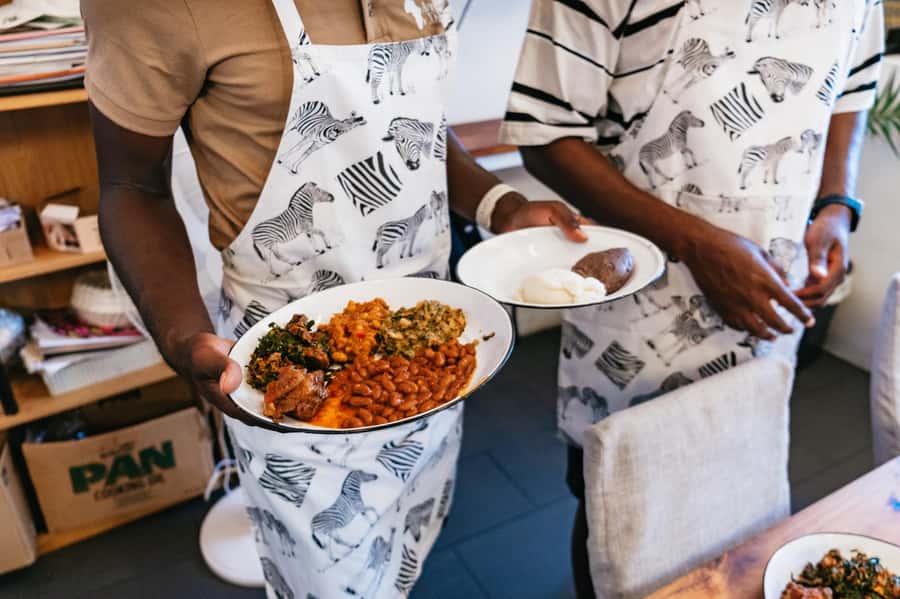
- You cook a complete meal: The menu includes Sadza, chicken stew, beef bones with green vegetables, chakalaka and sugar beans.
- The meal is shared communally: After cooking, you sit down with the hosts and eat in the style of an African home.
- Drinks are part of the price: You receive African juice, African beer and African tea or coffee.
- The class stays small: A maximum of 10 people makes hands-on participation more realistic.
- Some starters may be adventurous: One family group tried caterpillars and termites, though starter choices can vary.
Why this Cape Town cooking class feels personal
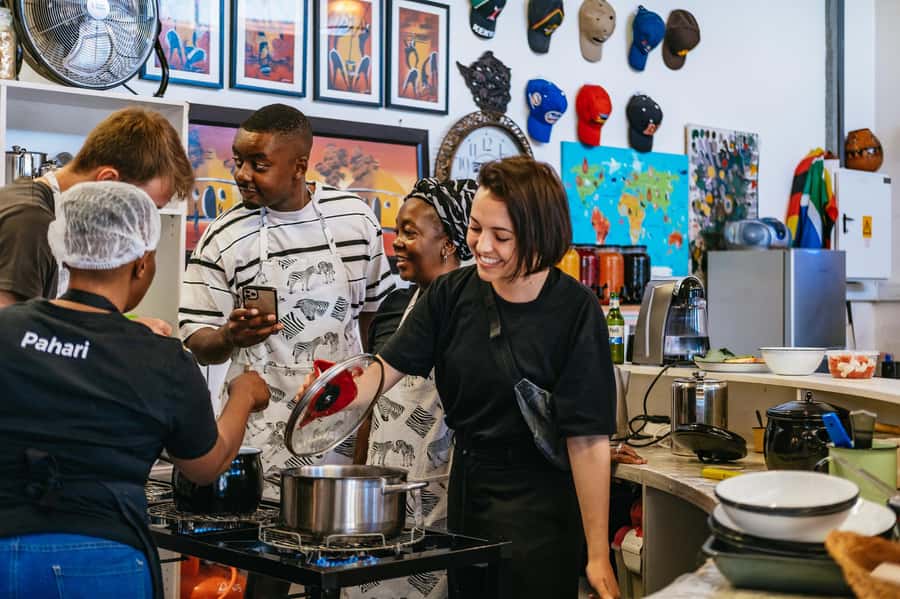
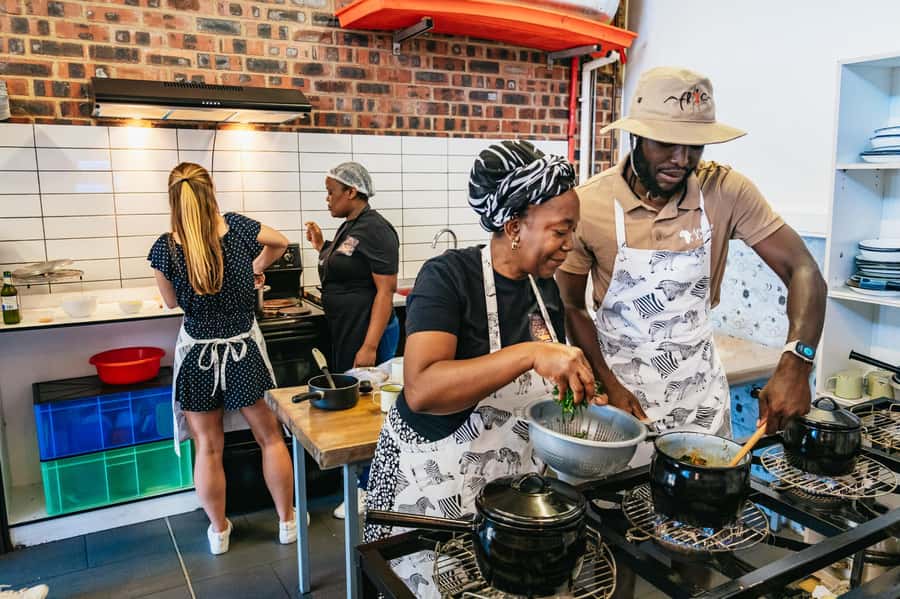
Many food classes are really demonstrations with a little stirring added. This one is designed around participation. You are expected to contribute, work with the ingredients and follow each dish from its early preparation to the meal at the table.
That matters because African food is not just a list of recipes. The host explains where the ingredients come from, how dishes changed over time and how cooking knowledge moved through families. I find that context useful because it helps you understand why a meal is built around staples such as Sadza, beans, vegetables and stewed meat.
The class takes place in a separate room next to Pahari African Restaurant. That gives the session a private, relaxed setting rather than putting you in the middle of a busy dining room. You can book it for family, friends, colleagues or a small mix of people from different countries.
The activity lasts 150 minutes. That is long enough for instruction, cooking, conversation and a proper meal, but it still fits neatly into a Cape Town evening or afternoon plan. Since the class is limited to 10 people, you have a better chance of handling ingredients yourself instead of watching from the back.
A few more tours worth putting side by side
- Wine Tour: Paarl, Franschhoek & Stellenbosch incl 3 wineries
★ 5.0 · 3,940 reviews - Cape Town: Hop-On Hop-Off Bus Tour with Optional Cruise
★ 4.8 · 3,929 reviews - Cape Town: Cape of Good Hope & Penguins Day Tour with Pickup
★ 4.7 · 3,362 reviews
Meeting Florence at Pahari African Restaurant
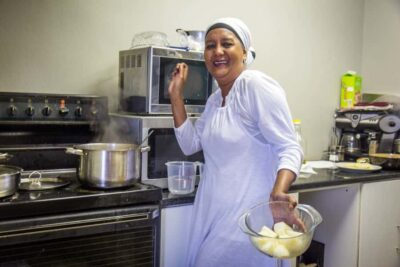
You arrive at Pahari African Restaurant and ask for Florence. She is a co-owner of the restaurant and has been involved in food service with her husband for around two decades.
Florence’s cooking knowledge began at home. She learned from her mother at an early age, and the recipes used in the class have been passed through the family. I like that the experience is tied to a real restaurant and a family food tradition, rather than being built only for tourists.
The cooking instruction is in English. Florence and the kitchen team explain the steps as you work, so this is a good choice if you want a social class with plenty of direct guidance. You should not expect a formal culinary school lesson with technical restaurant training. The appeal is home-style food, cultural explanation and shared cooking.
Caleb also helps with the cultural and food background, according to the experience details shared by a family who attended. He explained the history of traditional African cuisine and the origins of the ingredients, including a focus on local and organic produce. The balance between food preparation and conversation is one of the strongest parts of the session.
African drinks and starter snacks begin the experience
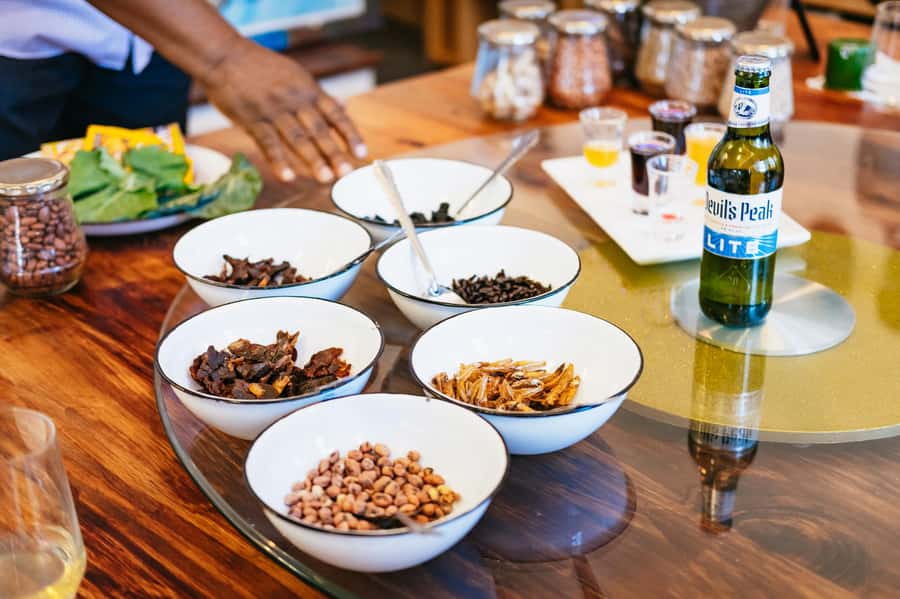
The class starts with a welcome selection of African drinks. Included choices are African juice, African beer and African tea or coffee. The hot beverage comes at the end, while the juice and beer help set the tone before cooking begins.
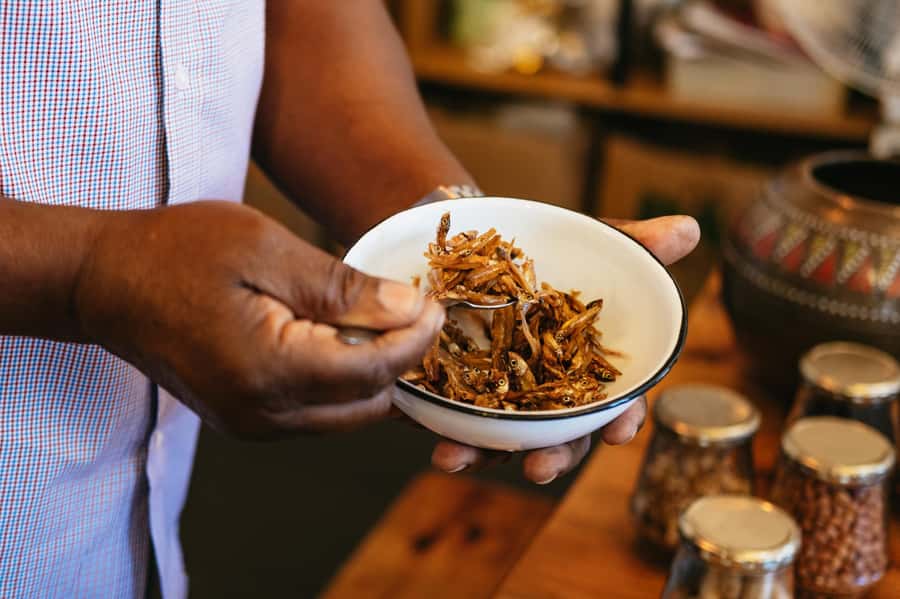
Starter snacks are also included. The exact selection may vary, but one family group was offered caterpillars and termites and found them surprisingly tasty. If you are curious about less familiar African foods, this can be a memorable part of the meal. If you are cautious, you can simply ask what is being served before trying anything.
I appreciate that the food and drinks are part of the $71 price rather than being added later. You are paying for instruction, a full cooked meal, cultural background and refreshments. Compared with a standard restaurant dinner, the price is higher, but it includes nearly two and a half hours of activity and personal teaching.
Cooking Sadza, the meal’s essential foundation
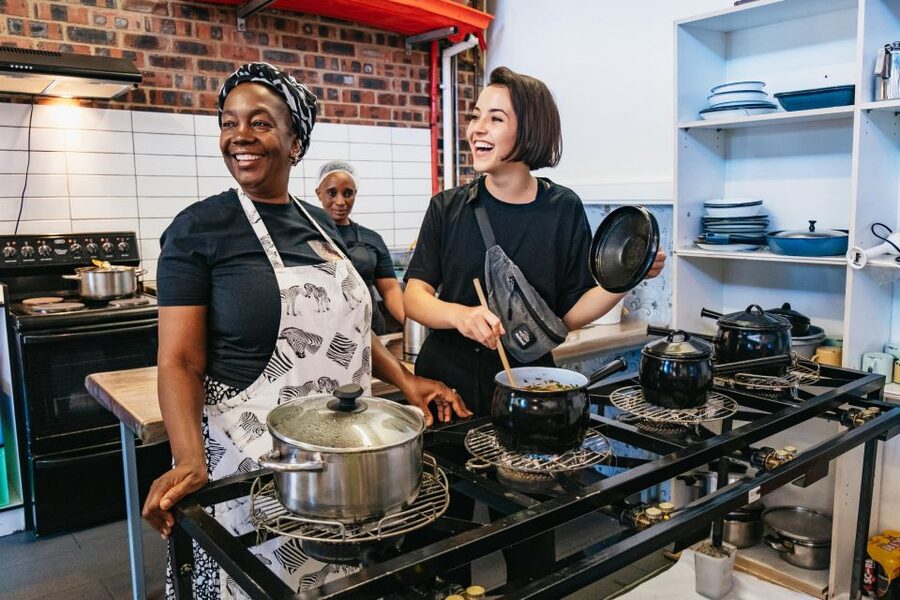
The central starch is Sadza, made from ground mealie meal. In some Southern African settings, you may also hear a similar preparation called pap. It is a filling staple and an important part of understanding how the rest of the meal comes together.
You learn how to prepare it step by step rather than receiving it already finished. This is useful because Sadza is simple in appearance but central to the meal. It provides the base for stews, beans, vegetables and sauces.
The class encourages you to get your hands dirty. That phrase is meant quite literally in the practical sense, so I would wear comfortable clothes and avoid treating the session like a polished cooking demonstration. The point is to take part, not keep your hands perfectly clean.
You can request an easy-to-follow recipe after the class. That gives the experience value beyond the day itself. Sadza, beans and vegetable dishes are also the sort of food you can adapt at home without needing a long list of specialist equipment.
A completely different kind of day out on the same trip:
- Zipline Cape Town – From Foot of Table Mountain Reserve
★ 5.0 · 3,179 reviews - Cape Town: Table Mountain Cable Car, Hop-On Hop-Off Bus Tour
★ 4.6 · 3,157 reviews - Cape Point and Boulder’s Penguins Full Day Tour
★ 5.0 · 3,118 reviews - From Cape Town: Cape Point & Boulders Beach Full-Day Tour
★ 4.8 · 3,032 reviews
Stews, greens and chakalaka fill the table
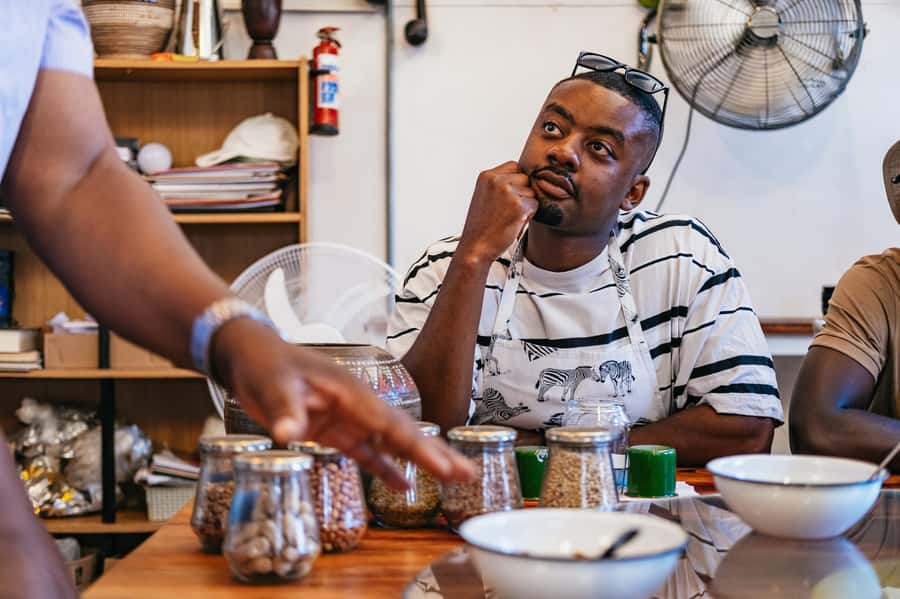
The full menu includes meaty beef bones mixed with green vegetables, chicken stew, chakalaka and sugar beans. Together, these dishes create a substantial meal with different textures and levels of spice.
The beef bones and greens bring a slow-cooked, savory quality. Chicken stew adds another main dish, while sugar beans provide a useful option for people who want something hearty without relying only on meat.
Chakalaka is a vegetable relish or stew known for its bold seasoning. Here, it works alongside the milder starch and other cooked dishes. The menu gives you a useful introduction to how African meals are often assembled: one staple, several shared sides and sauces or stews that are eaten together.
I would not book this expecting delicate portions or a dessert-led finish. The food is filling and home-style. One person who enjoyed the class still missed having a dessert. That is a fair point if you like your evening meal to end with something sweet, since dessert is not included.
Vegan and vegetarian choices are available
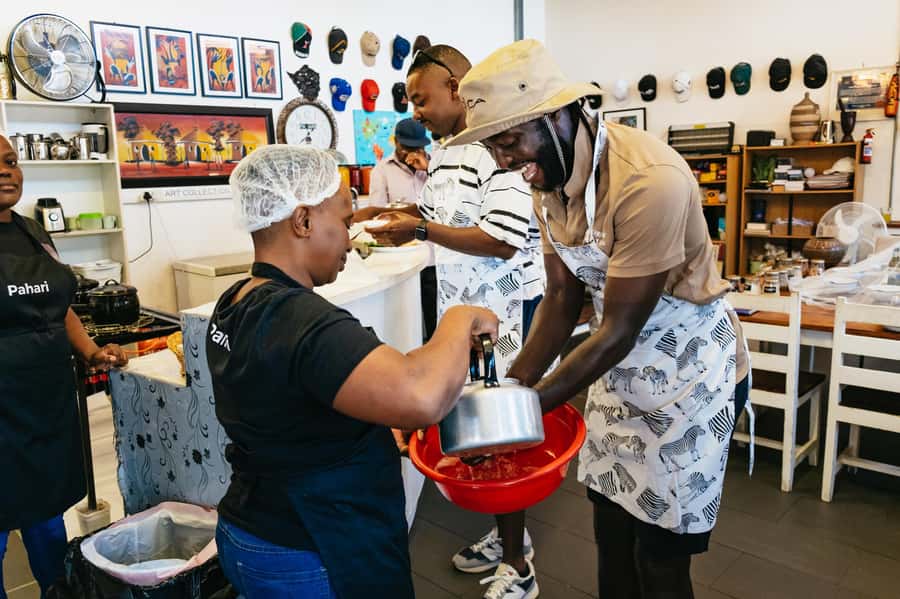
The standard menu includes beef and chicken, but vegan and vegetarian options can be arranged. This is important because the class is built around shared dishes, and the default meal is not vegetarian.
If you do not eat meat, mention it in advance rather than waiting until the cooking begins. The class includes sugar beans, greens and chakalaka, so there are already plant-based elements in the meal, but the exact substitutions are not specified.
I see this as a flexible experience for mixed groups. One person can follow the regular menu while another receives a suitable alternative. Still, anyone with strict dietary needs should confirm the arrangements before booking because the available information does not spell out every ingredient or substitution.
The communal meal is the real payoff
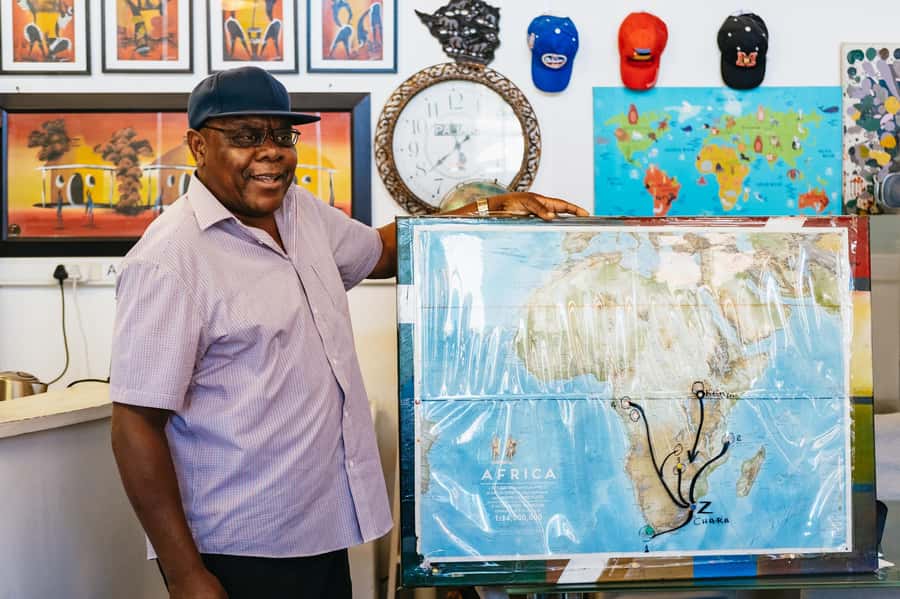
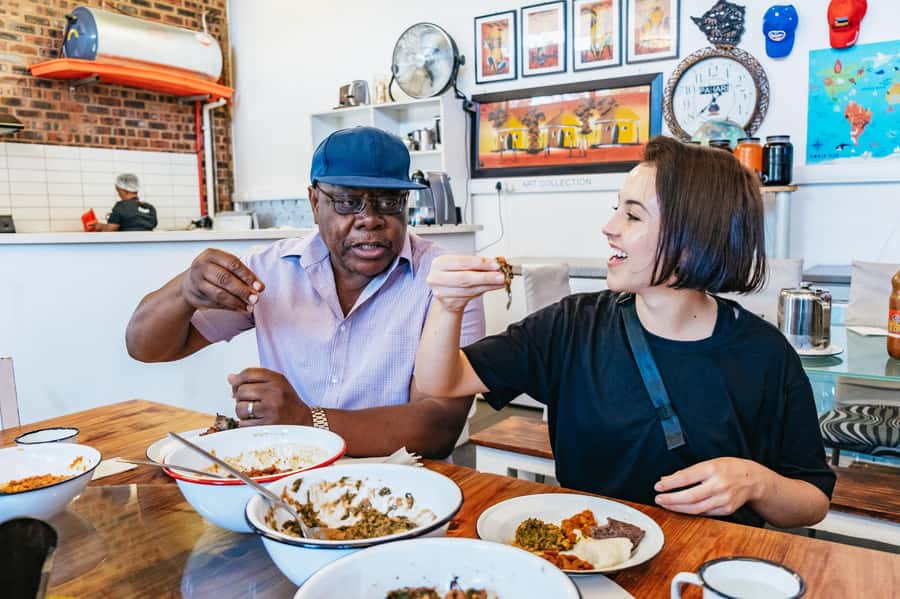
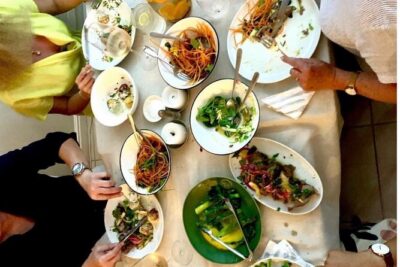
Once the cooking is finished, you sit at the table and eat together with the hosts. The meal is communal, reflecting how food is often enjoyed in an African home rather than served as a private plate for each person.
This part changes the mood of the class. You are no longer simply following instructions. You are sharing the result, talking about food and comparing cooking habits with people from other places.
The hosts make hospitality a central part of the experience. Florence and her husband have spent many years sharing their food culture and hearing what other people like to eat. That exchange is a good reason to choose this class over a standard dinner reservation.
You may also be invited to eat with your hands. One family found that more difficult than expected, especially after being used to a knife and fork. I would treat that as part of the fun, not a test of table manners. Follow the host’s example and ask for help if you are unsure.
What the history lesson adds
The cooking is the main event, but the background explanation gives the meal meaning. You learn about the history of African cuisine, the ingredients used and the way recipes changed as they passed from one generation to the next.
That information helps you see the food as living tradition rather than a fixed menu. Recipes are shaped by family habits, available ingredients and local cooking practices. The class does not only tell you what to stir into a pot. It explains why these foods belong together.
I would pay attention during this portion, even if you are eager to start cooking. The historical and cultural notes help you understand the dishes you later eat, and they make the recipe card more useful when you return home.
Is $71 good value for 150 minutes?
At $71 per person, this is not the cheapest way to have dinner in Cape Town. It can still be good value if you want more than a meal.
Your fee includes the instruction, ingredients, starter snacks, African juice, African beer, tea or coffee and the meal you prepare. You also receive cultural background and can request recipes for home use. A small group of no more than 10 people adds practical value because you should have a real role in the cooking.
The price makes less sense if you mainly want to eat quickly or sample a large number of restaurant dishes. It also may not suit someone seeking a polished, multi-course dining experience with dessert.
For me, the best value comes from the access to Florence’s family cooking knowledge and the time spent eating with the hosts. You are paying for a conversation and a shared activity as much as for the food.
Who will enjoy this class most?
I would recommend it to people who want a cultural activity that involves doing, not just looking. Couples, families, small work groups and friends can all fit the format, and the private room helps keep the atmosphere calm.
It also suits food-focused visitors who want to understand African ingredients and cooking customs. The class is especially useful if you plan to recreate the dishes later, since you can ask for an easy recipe.
Families should consider the hands-on nature of the session. Children who enjoy cooking may have a good time, but the menu includes meat, hot cooking and unfamiliar snacks, so adults should decide what works for their group.
This is less suitable if you need hotel pickup, since transport is not included. You must make your own way to Pahari African Restaurant. It is also not the best fit for someone who wants a strictly meat-free menu without arranging it ahead of time.
Booking details and practical advice
The class is offered in English and has a maximum group size of 10. Availability and starting times should be checked when you book, since the duration is fixed at 150 minutes but the available session times can change.
You can reserve now and pay later, which helps if your Cape Town schedule is still being arranged. Free cancellation is available up to 24 hours in advance for a full refund.
I would arrive ready to participate rather than dressed for a formal dinner. Since the session is hands-on, comfortable clothing makes sense. Ask for Florence when you arrive, and tell the hosts about vegetarian, vegan or other dietary needs as early as possible.
The experience has a 4.9 rating from 31 reviews, with repeated praise for the welcoming hosts, the food and the explanations of African traditions. That matches the format: the strongest reason to book is the personal hospitality, not simply the chance to make stew.
Should you book the Pahari African cooking experience?
I would book this if you want a warm, small-group introduction to African food in Cape Town. The combination of family recipes, hands-on preparation, local food context and a communal meal gives you something a restaurant dinner cannot.
I would skip it if you want a fast meal, hotel transport or a dessert-heavy menu. I would also contact the provider first if you have strict dietary requirements.
For most food lovers, families and curious first-time visitors, the $71 price is reasonable because it covers a full evening of cooking, eating and conversation. Come ready to work, ask questions and try something unfamiliar, and you will leave with both a meal in your memory and recipes you can use at home.
FAQ
Where does the cooking class take place?
It takes place in a separate room adjacent to Pahari African Restaurant in Cape Town, South Africa.
Who should I ask for when I arrive?
Ask for Florence at Pahari African Restaurant.
How long does the experience last?
The cooking experience lasts 150 minutes.
What language is the class conducted in?
The instructor teaches in English.
How many people can join the class?
The group is limited to 10 participants.
What food is included?
The meal includes Sadza made from ground mealie meal, meaty beef bones with green vegetables, chicken stew, chakalaka and sugar beans.
Are vegetarian and vegan options available?
Yes, vegan and vegetarian options are available. You should request the appropriate option when arranging your booking.
Are drinks included?
Yes. The experience includes African juice, African beer and African tea or coffee.
Newest reviews from Cape Town
- Explore Atlantis Sand Dunes with a 1hour 30mins sandboarding tour★ 5.0 · 5 reviews
- Transfer from Cape Town City Center to Cape Town Airport★ 5.0 · 5 reviews
- Pneuma private travel & tours, creating memories and friends never forgotten★ 5.0 · 5 reviews
- Cape Town Table Mountain and Peninsula Tour★ 5.0 · 5 reviews
- Private Transfer: CPT Airport to Cape Town in Luxury Van★ 4.0 · 5 reviews
- Cape Town Full Day Family Fun With Kids Private Tour★ 4.0 · 5 reviews
- Cape of Good Hope-Cape Point & Penguins from Cape Town★ 5.0 · 5 reviews
- Cape Town: Shark Cage Diving Tour (with Breakfast & Lunch)★ 4.8 · 5 reviews
Cooking Classes, compared.
Half-Day Small Group Cooking Experience in Franschhoek
Read our review →
Private Cape Malay Cooking Class in Cape Town with a Local Family
Read our review →
GQ: City Walking Tour & African Cuisine Cooking Class
Read our review →
South African Cooking in Cape Town with Local Chef Richard
Read our review →Browse the lists this tour appears in