
Reviewed · COOKING CLASSES
Cape Town: Bo-Kapp Walking Tour and Malay Cooking Class
Colorful streets lead to a memorable meal. This four-hour Bo-Kaap experience combines a local-led walk, a spice lesson, and hands-on Cape Malay cooking in a private home. I like the way it connects the neighborhood’s past with food you can actually prepare, and I like that guides such as Faldela, Gadija, Gandija, and Ilyas bring local ties and personality to the tour. The main drawback is the very small cooking area, which may mean only one or two people can work at the counter at a time.
The $68 price feels fair if you want more than a quick photo stop in Bo-Kaap. You get a walking tour, museum entry, a cooking lesson, a full meal, water, and the recipes to take home. Just note that the published details are unclear about food being included, even though the experience clearly ends with a meal, so confirm the exact inclusions when booking.
In This Review
- Key points at a glance
- Why Bo-Kaap deserves more than a photo stop
- The walking route: old buildings, faith, and community life
- The spice shop is a small stop with a big payoff
- Inside the cooking class at a Bo-Kaap home
- The meal is the real finish line
- What the $68 price delivers
- Timing, meeting point, and what to bring
- Who should book this experience
- Should you book the Bo-Kaap cooking class?
- FAQ
- Where does the Bo-Kaap walking tour and cooking class take place?
- What is the meeting point?
- How long does the experience last?
- What language is the tour conducted in?
- What food will I prepare?
- Do I eat the food I prepare?
- Is a museum visit included?
- What should I bring?
- Is water included?
- Can I cancel the booking?
Key points at a glance
- Bo-Kaap beyond the colorful houses: Walk cobbled streets, see old buildings, and learn about the Cape Malay Muslim community from a local guide.
- A local home kitchen: Prepare samosas, chicken curry, roti, chilli bites, salsa salad, and koesisters with a host who teaches practical techniques.
- The spice-shop stop: Hear about different spices, their uses, and reported health benefits before cooking.
- A sociable four hours: The experience ends around a shared table with food, conversation, and fellow participants.
- Recipes for home: You leave with recipes for the dishes prepared during the class.
- Strong guest satisfaction: The activity holds a 4.7 rating from 105 reviews, with repeated praise for the guides, food, history, and warm welcome.
Why Bo-Kaap deserves more than a photo stop
Bo-Kaap is easy to approach as a postcard subject. Its painted houses, narrow streets, and cobbled lanes make attractive pictures, but a short walk on your own can leave you with little sense of why the area matters. This experience gives the colors a human and cultural setting.
Your guide explains the traditions of the local people, points out some of the oldest buildings, and introduces the role of Islam in Bo-Kaap life. You also learn about the first and oldest mosque in South Africa and visit the cultural museum as part of the walking portion.
The exact order of these stops can vary, so do not expect a long museum visit to be the main event. One participant said the museum was not visited during their tour and suggested making separate time for it. That is useful advice: the walking route is the heart of the history lesson, while the museum may need extra attention if it is important to you.
The guides are a major part of the experience. Faldela is described as a well-known local figure with a lively sense of humor and a clear affection for the neighborhood. Gadija has led both the historical walk and cooking session, while Ilyas has been praised for showing the area as someone firmly connected to its community.
That local connection changes the tone. People in the streets recognize the guides, and the walk can include visits to small art, souvenir, and spice businesses. One particularly nice detail is the chance to meet artists in their shops rather than simply passing closed doors and painted facades.
More Walking Tours in Cape Town
- Cape Town: Nathi Langa Township Walking Tour
★ 4.9 · 493 reviews - Cape Town: Art, Culture & History Walking Tour
★ 4.9 · 392 reviews - Cape Town: Street Art Walking Tour in Woodstock
★ 4.8 · 293 reviews
The walking route: old buildings, faith, and community life
The walking section is a useful way to get your bearings before sitting down to cook. It lasts long enough to build an appetite without taking over the afternoon, and the route gives you a clearer view of Bo-Kaap as a lived-in neighborhood rather than a collection of colorful fronts.
Expect explanations of the area’s architecture, history, and community traditions. You might hear about how the houses came to be painted in bright colors, along with details about different building styles from the colonial period.
The tour also places Cape Malay culture within a Muslim setting. That matters because the cooking class is not just a lesson in recipes. The food, faith, family traditions, and local identity are connected, and the walk helps explain that connection before you start chopping and folding.
One review praised the guide for bringing local heritage to life. Another appreciated learning about the Islamic faith’s role in Cape Malay culture. This is a strong feature if you want context, but the balance may depend on the guide and the group. One person felt that discussion of current political issues, including support for Palestinians displayed around the neighborhood, was more than they expected during a cooking-focused activity.
That comment is worth keeping in mind. The tour takes place in a real community, not a stage set, so local viewpoints and current concerns may enter the conversation. If you prefer a tightly scripted sightseeing route, this may feel less controlled. If you want a more personal view of the area, it can be part of the value.
The spice shop is a small stop with a big payoff
The visit to a spice shop helps bridge the walking tour and the meal. Your guide introduces different spices, explains how they are used, and discusses their health benefits. This is not just a shopping pause. It gives you a better sense of how flavor is built in Cape Malay cooking.
Keep your phone ready if you want to record the spice explanation. One participant specifically suggested starting a video when Faldela begins explaining the spices, because she covers many varieties and uses in a lively, detailed way.
The stop is also useful for anyone who cooks at home. You are not simply told that a dish is spicy. You get a sense of which ingredients create warmth, fragrance, sweetness, or depth. The recipes you receive afterward make the lesson practical, although your home results will depend on how carefully you follow the techniques.
Some groups also visit local souvenir and art shops. These visits add a little browsing time and support small businesses, but shoppers should not expect a dedicated shopping tour. The focus remains the community and its food.
Inside the cooking class at a Bo-Kaap home
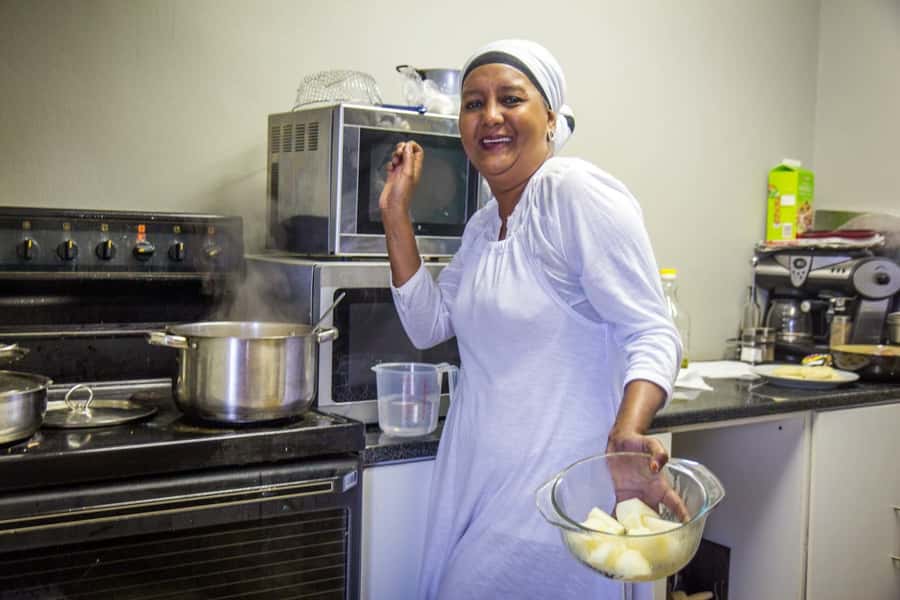
The second half takes place at your host’s home. The meeting point is a purple house with flower pots on top, a detail that should make it easier to recognize the correct place.
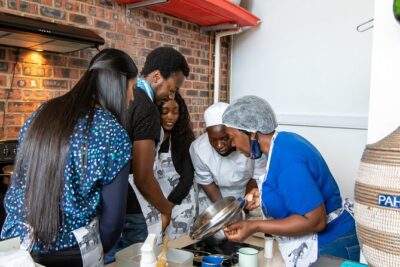
The home setting is central to the appeal. You are not seated in a large demonstration kitchen watching a chef work from a distance. The aim is to take part, ask questions, and share a meal with the host and other participants.
The menu can include several dishes:
- Samosas, folded by hand as the first course
- Chicken curry prepared from scratch
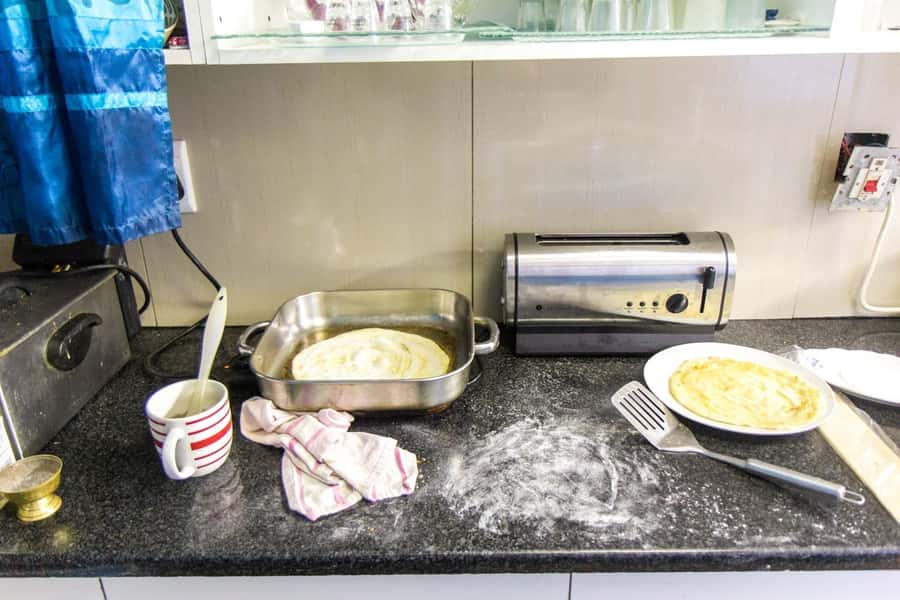
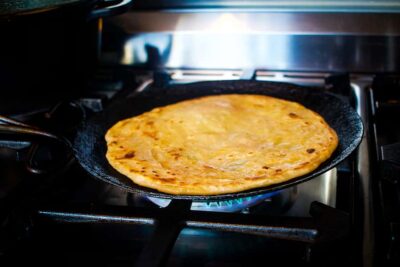
- Roti flatbread
- Sambal, described here as a salsa-style salad
- Chilli bites
- Koesisters, spicy sweet or savory donuts served with cardamom tea
The exact menu appears to vary slightly. Some accounts mention chili bites, while the main description lists samosas, chicken curry, roti, sambal, and koesisters. If a particular dish matters to you, ask at booking rather than assuming every item appears at every session.
The most praised part of the class is its practical nature. You actually fold samosas and learn how to make roti, including the tricks that create flaky layers. Several people singled out the roti lesson as something they planned to repeat at home.
The class is also organized so that beginners can take part. Faldela has been praised for getting everyone involved and for keeping the demonstration clear and relaxed. One participant who did not consider themselves a cook still found the experience worthwhile, which tells you the class is not aimed only at confident home chefs.
There is one practical limitation. The cooking area is tiny, and one person noted that only one or two people could work there comfortably at once. In a larger group, you may spend some time watching while others handle a particular step. That is not a dealbreaker, but it is worth knowing if you want constant hands-on work.
The teaching style also varies with the host. Faldela is often praised for humor, warmth, and energy. The experience has also been led by Gadija and other local hosts, so the tone may not be identical every day. Across the feedback, the common thread is personal instruction rather than formal culinary training.
A completely different kind of day out on the same trip:
- Wine Tour: Paarl, Franschhoek & Stellenbosch incl 3 wineries
★ 5.0 · 3,940 reviews - Cape Town: Hop-On Hop-Off Bus Tour with Optional Cruise
★ 4.8 · 3,929 reviews - Cape Town: Cape of Good Hope & Penguins Day Tour with Pickup
★ 4.7 · 3,362 reviews - Zipline Cape Town – From Foot of Table Mountain Reserve
★ 5.0 · 3,179 reviews
The meal is the real finish line
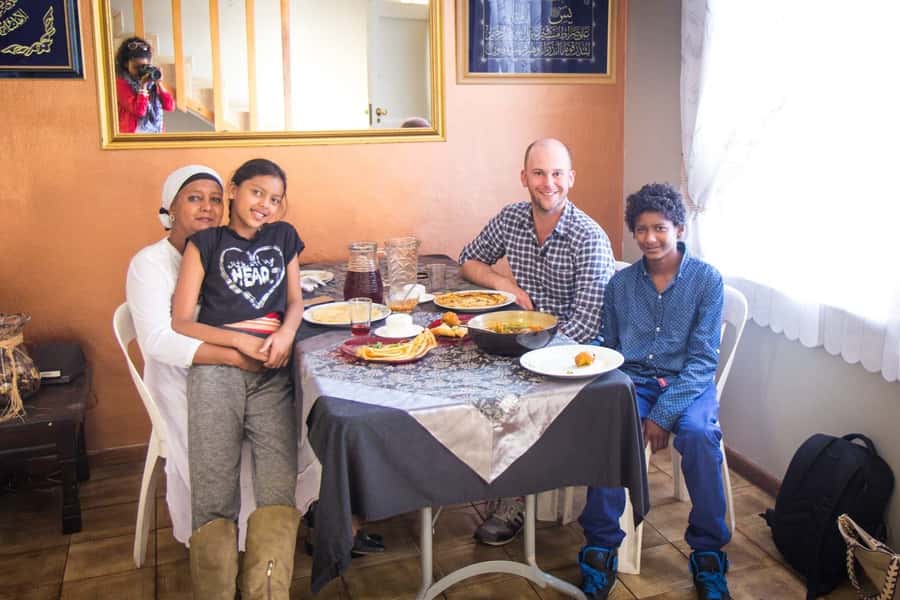
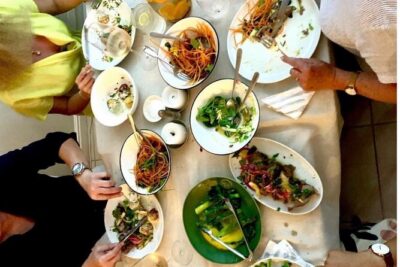
After the cooking, you sit down to eat what you have made. The meal is described as hearty, plentiful, and flavorful, with curry, roti, salad, fried bites, samosas, and dessert forming a generous spread.
This shared table is where the activity becomes more than a cooking lesson. You can talk with the host and other people in the group, compare travel stories, and ask follow-up questions about the dishes. Several people valued the chance to break bread with locals and fellow participants.
The food suits you best if you enjoy fragrant spice and generous portions. The recipes are traditional Cape Malay preparations, not a simplified tourist menu. At the same time, the class has been praised for handling dietary needs well. You should still state your requirements when booking, since the available adjustments are not listed in detail.
Dessert is traditionally served as koesisters with cardamom tea. The wording around koesisters can be confusing, since the experience describes them as spicy savory donuts, while Cape Malay versions are often sweet and aromatic. Ask your host what will be served on your date if you have a specific expectation.
The food and drink wording also deserves a careful note. The details list water and museum entry as included, while food and drinks are marked as not included. Yet the experience clearly describes cooking and eating a full meal. Since the meal is the central finish, confirm the current food policy before paying.
What the $68 price delivers
At $68 per person, this is not the cheapest way to see Bo-Kaap. You can walk through the area independently for little or no cost, and you can find separate meals elsewhere in Cape Town.
The value comes from combining several services in one half-day experience. You receive a guided cultural walk, local stories, a museum entrance fee, a spice lesson, cooking instruction, a sit-down meal, and recipes for later use. You also avoid the guesswork of trying to understand the neighborhood and dishes on your own.
I think the price works best for someone who would otherwise book a walking tour and a cooking class separately. It is less compelling if you only want photographs of the houses or if you dislike group cooking.
The recipes add lasting value. A sightseeing walk ends when you leave Bo-Kaap. Here, you can try the roti, curry, samosas, and other dishes again at home. That makes the experience a useful souvenir, especially for people who prefer skills and stories to another small object in a suitcase.
Timing, meeting point, and what to bring
The activity takes four hours, with starting times available according to the date you choose. The tour is conducted in English with a live guide.
You meet at a purple house with flower pots on the top. Pay close attention to that description, since the activity is based around a local home rather than a large commercial venue.
Wear comfortable shoes. The walk uses cobbled streets, and you will be on your feet before moving into the kitchen. No special cooking equipment is listed as necessary.
Free cancellation is available up to 24 hours before the start for a full refund. You can also reserve now and pay later, which helps if you are still arranging your Cape Town schedule.
The group size is not specified. Reviews show that the tour can go ahead even with only one participant, which is helpful for solo visitors, but the cooking space may feel crowded in a larger group.
Who should book this experience
I would recommend it most strongly to you if you want local food, neighborhood history, and direct contact with a host in one outing. It suits curious first-time visitors to Bo-Kaap, solo visitors who want an easy social activity, couples, and anyone who enjoys learning by doing.
It is also a good choice if you have already seen Cape Town’s major sights and want an afternoon with a slower, more personal feel. The walk is short enough to be manageable, while the meal gives the experience a clear payoff.
Families and mixed-interest groups may also find it works well, since you do not need advanced cooking skills. People who are not keen cooks can still enjoy the stories, spice discussion, food, and conversation.
I would think twice if you want a polished culinary school setup, a large professional kitchen, or a strict timetable with every minute planned. The home kitchen is compact, the menu can vary, and the guide’s personality shapes the experience.
Should you book the Bo-Kaap cooking class?
Yes, if you want to understand Bo-Kaap through its people and food rather than simply photograph its houses. The strongest reasons to book are the local guides, the warm home setting, the hands-on roti and samosa work, and the generous shared meal.
Go in expecting a personal community experience, not a formal museum tour or restaurant-grade cooking course. Wear good shoes, confirm the food inclusions and menu, and ask about the museum if you want a proper visit. At $68, it offers good value for a four-hour cultural and culinary outing, especially if you plan to use the recipes once you return home.
FAQ
Where does the Bo-Kaap walking tour and cooking class take place?
It takes place in Bo-Kaap in Cape Town, Western Cape, South Africa. The cooking class is held at a local host’s home.
What is the meeting point?
You meet your host at a purple house with flower pots on the top.
How long does the experience last?
The activity lasts four hours. Starting times depend on availability for your chosen date.
What language is the tour conducted in?
The live tour guide speaks English.
What food will I prepare?
The planned dishes include samosas, chicken curry, roti flatbread, sambal or salsa salad, and koesisters with cardamom tea. Some sessions may also include chilli bites.
Do I eat the food I prepare?
Yes. The experience ends with sitting down to enjoy the meal prepared during the cooking class.
Is a museum visit included?
The museum entrance fee is listed as included. The walking tour also discusses the cultural museum, but the timing of an actual museum visit may vary, so confirm this if it is important to you.
What should I bring?
Bring comfortable shoes for the walk through Bo-Kaap’s cobbled streets.
Is water included?
Yes, water is listed among the included items.
Can I cancel the booking?
You can cancel up to 24 hours in advance for a full refund. A reserve-now-and-pay-later option is also available.
More Workshops
- Cape Town: Malay Cooking Class and Lunch in Bo-Kaap
★ 4.8 · 515 reviews - Cape Town: Cape Malay Cooking Class in Bo-Kaap
★ 4.8 · 120 reviews - Private Surf Lesson
★ 5.0 · 53 reviews - Private Surf Lesson in Cape Town – Transport & Photos Included
★ 5.0 · 50 reviews
Newest reviews from Cape Town
- Explore Atlantis Sand Dunes with a 1hour 30mins sandboarding tour★ 5.0 · 5 reviews
- Transfer from Cape Town City Center to Cape Town Airport★ 5.0 · 5 reviews
- Pneuma private travel & tours, creating memories and friends never forgotten★ 5.0 · 5 reviews
- Cape Town Table Mountain and Peninsula Tour★ 5.0 · 5 reviews
- Private Transfer: CPT Airport to Cape Town in Luxury Van★ 4.0 · 5 reviews
- Cape Town Full Day Family Fun With Kids Private Tour★ 4.0 · 5 reviews
- Cape of Good Hope-Cape Point & Penguins from Cape Town★ 5.0 · 5 reviews
- Cape Town: Shark Cage Diving Tour (with Breakfast & Lunch)★ 4.8 · 5 reviews
Cooking Classes, compared.
Half-Day Small Group Cooking Experience in Franschhoek
Read our review →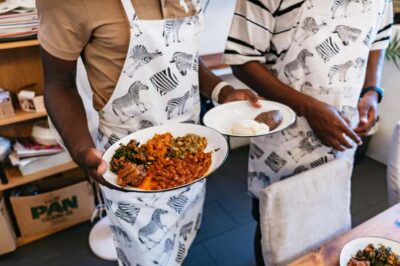

Private Cape Malay Cooking Class in Cape Town with a Local Family
Read our review →
GQ: City Walking Tour & African Cuisine Cooking Class
Read our review →
South African Cooking in Cape Town with Local Chef Richard
Read our review →Browse the lists this tour appears in