
Reviewed · COOKING CLASSES
GQ: City Walking Tour & African Cuisine Cooking Class
Start with the streets, then eat the story. This Gqeberha experience pairs a guided walk through Port Elizabeth’s historic center with a hands-on African cooking class. I like the focus on local contact and the chance to see landmarks such as the Campanile Memorial and Donkin Reserve with a guide who knows the city beyond its polished sights. I also like that you sit down with the hosts to eat what you helped prepare, rather than simply watching a demonstration.
The main caution is that the booking offers two versions: a city walk alone or the combined walk and cooking class. One recent booking received the city portion but not the cooking class, so check that you have selected the correct option and confirm the timing before setting out. The guide Rawson receives repeated praise for his friendly manner and eye for good photo stops.
In This Review
- Key points to know before you book
- Why this Gqeberha pairing works
- Starting with Gqeberha’s old streets
- Campanile Memorial and Algoa Bay views
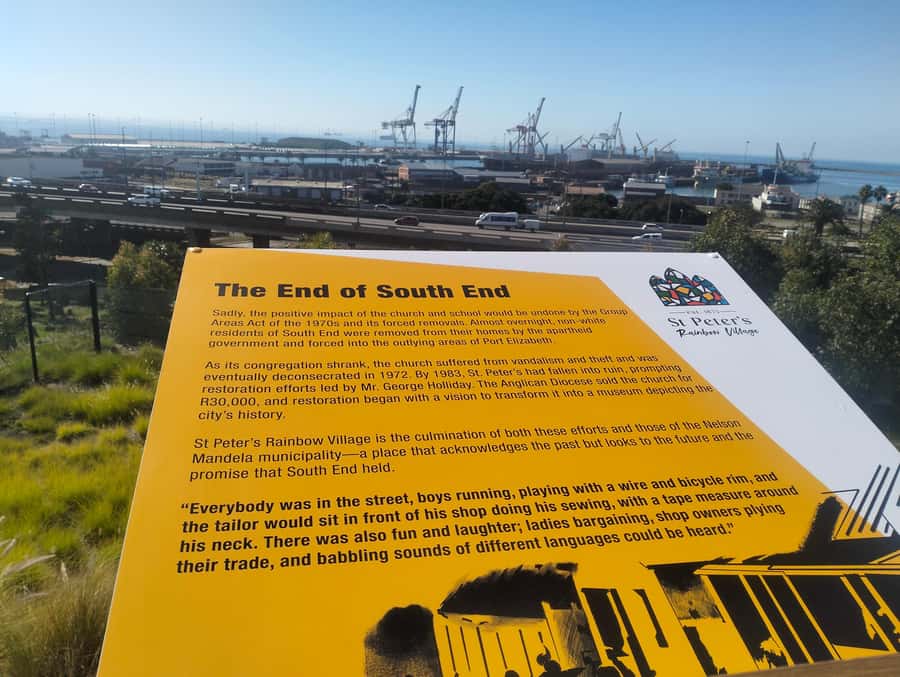
- Donkin Reserve and the city’s layered past
- Markets, street art, and everyday Gqeberha
- Moving from public streets to a home kitchen
- Eating together is part of the lesson
- What the guides add to the day
- Is $56 a fair price?
- The one booking mistake to avoid
- Who will enjoy this most?
- Should you book the combined experience?
- FAQ
- Where does the Gqeberha walking tour take place?
- How long does the activity last?
- Can I choose only the city tour?
- What food will I prepare?
- Are vegetarian and vegan options available?
- Is pickup and drop-off included?
Key points to know before you book
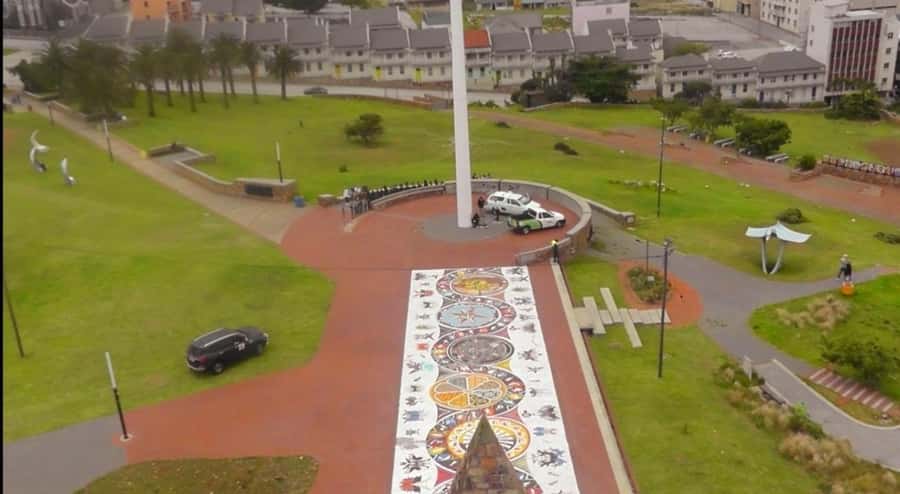
- Campanile and Donkin Reserve: The walk brings you to two of Gqeberha’s key historic sights, with views toward Algoa Bay and stories about the city’s past.
- Rawson’s personal guiding style: Rawson is praised for showing more than the polished sights, explaining places clearly, and helping solo visitors with photographs.
- A real cooking session: The combined option includes hands-on preparation of sadza, beef bones with greens, chicken stew, chakalaka, and sugar beans.
- Small-group format: With no more than 10 people, you get a better chance to ask questions and take part in the kitchen.
- Pickup and drop-off included: Pickup is offered around Port Elizabeth, with drop-off within Port Elizabeth. If you are staying in or near Addo, confirm the exact transport plan.
- Good value at $56: The price is strongest for the combined option, since it covers guiding, transport, instruction, and a substantial shared meal.
Why this Gqeberha pairing works

A city walk and a cooking class might sound like two unrelated activities. Here they fit together neatly. The walk gives you a sense of place, while the food session shows how history and daily life continue inside local homes and kitchens.
Gqeberha, formerly Port Elizabeth, is often called the Friendly City. This tour leans into that reputation through conversation, greetings, shared photographs, and food prepared with other people. It is not just a list of monuments. You get a look at how the city presents its past, how its people connect with visitors, and how familiar ingredients become filling, social dishes.
I especially like the order. You first walk through streets and public spaces, then move into a more personal setting for the meal. By the time you reach the kitchen, you have already heard about the city’s settlers, struggles, and changes. That makes the food feel connected to the place instead of being a separate cooking show.
The format is also friendly to different types of visitors. Solo visitors can join a small group without needing to arrange a private tour. Families, friends, and work groups can share a practical activity. You do not need to be an experienced cook, since the host explains the methods step by step.
More Walking Tours in Gqeberha
- Addo Elephant Park and Giraffe Walk Full Day Safari
★ 4.6 · 46 reviews - Gqeberha: City Highlights Car and Walking Tour
★ 4.5 · 45 reviews - Addo Elephant Park and Giraffe Walk Private Full Day Safari
★ 5.0 · 11 reviews
Starting with Gqeberha’s old streets
The walking portion lasts about two and a half hours according to the detailed schedule, though the overall activity is advertised as lasting from two hours to 210 minutes. That difference matters. The city-only version and the combined version may not use exactly the same timing, so check the start time and chosen option before booking.
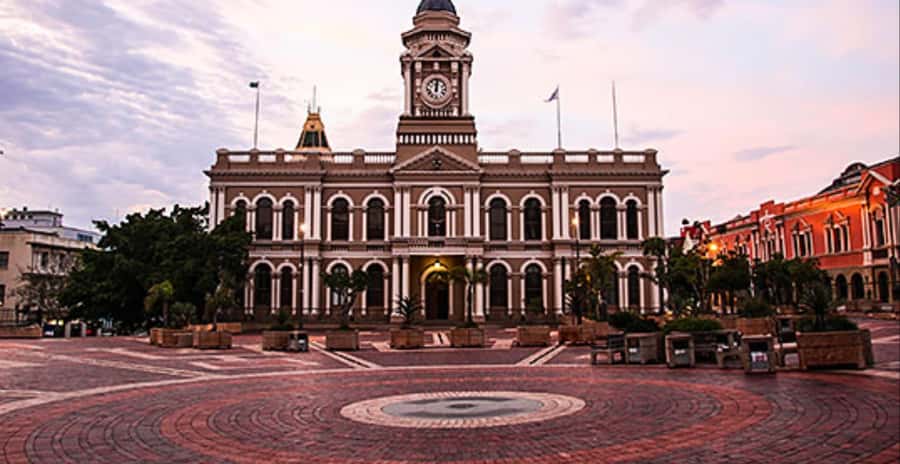
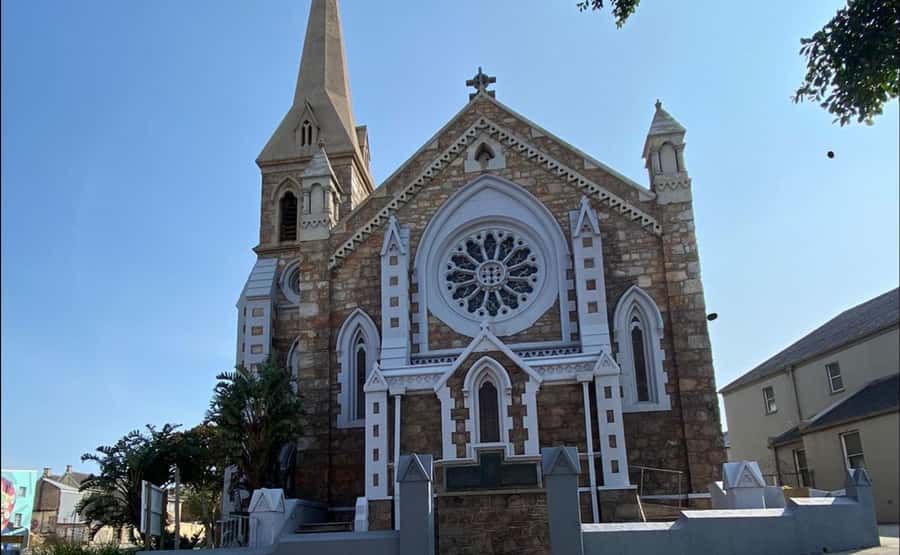
The walk is designed to give you an introduction to central Gqeberha rather than cover every corner of the city. You can expect historic streets, Victorian buildings, cobbled passages, local markets, street art, and views toward Algoa Bay. The appeal is the contrast between old public buildings and newer creative work.
The Victorian architecture helps explain the city’s colonial-era development, while the murals and market activity point to its present-day character. A good guide can connect those pieces without turning the walk into a dry lecture. Rawson appears to do this well. Several high-scoring bookings describe him as friendly, clear, and willing to show places that are not simply the shiny postcard stops.
That point is worth taking seriously. A city walk can be disappointing when it only strings together monuments with dates and names. Here, the guide’s personality seems to be a major part of the value. You are encouraged to greet people, take photographs, and notice ordinary street life as well as formal sights.
Campanile Memorial and Algoa Bay views

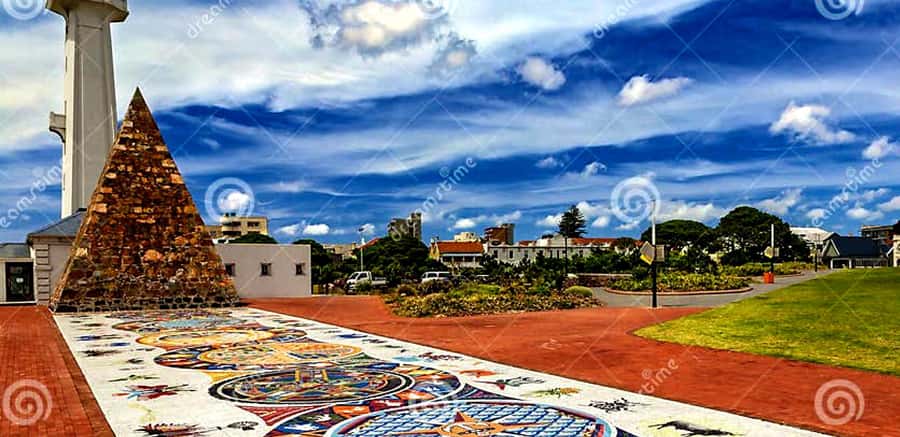
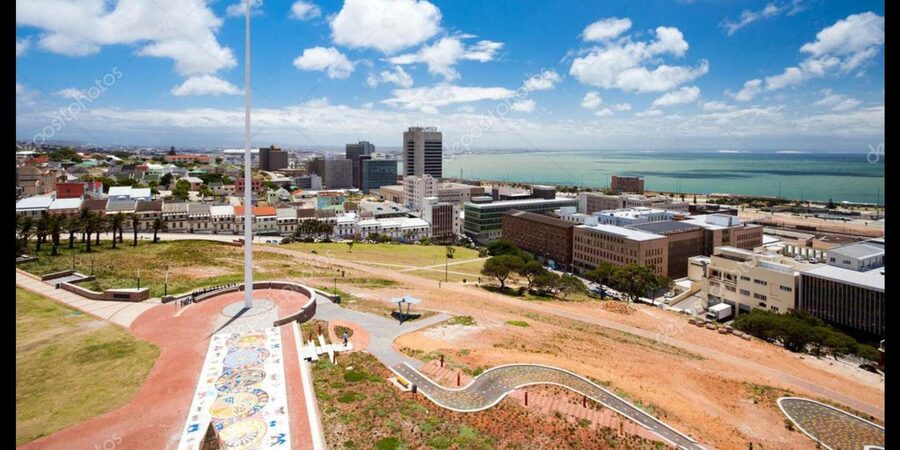
The Campanile Memorial is one of the walk’s main landmarks. Its height gives the tour a strong visual reference point and, where viewing conditions allow, broad views over the city and Algoa Bay. Even if you are not focused on architecture, the sight helps you understand Gqeberha’s coastal setting.
The Campanile also gives your guide a natural place to explain how the city developed and why the area mattered to settlers and later generations. You should expect interpretation rather than an extended museum visit. The supplied details do not promise a separate interior tour or a long climb, so treat this as a guided city stop, not a full attraction ticket.
The ocean breeze is part of the pleasure here. Bring a light layer if you are sensitive to wind, since coastal conditions can change the feel of a walking tour. Comfortable shoes are sensible because the route includes streets, walkways, and cobbled areas.
Donkin Reserve and the city’s layered past
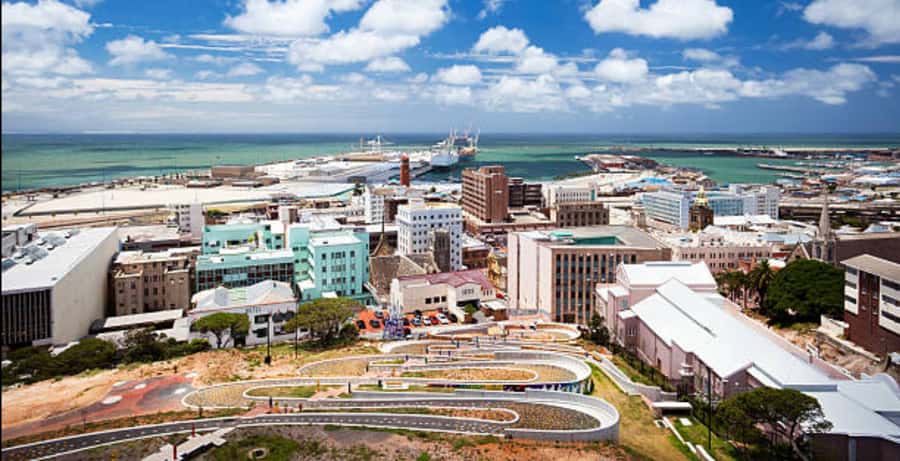
Donkin Reserve gives the walk its most reflective stop. The reserve is known for its monument, public art, and mosaics, with stories that reach back through the city’s development. Its colorful surfaces make it a natural place for photographs, but the site is more useful when your guide explains the people and events connected with it.
I like that the tour does not present Gqeberha as a place with one simple story. The supplied description points to settlers, conflict, hardship, and achievement, along with the city’s varied cultural identity. That approach gives you a better base for understanding South Africa than a quick checklist of pretty buildings.
The Japanese booking is particularly useful in showing what the walk can offer at its best. The visitor valued the small moments of greeting people and taking pictures together as much as the monuments. That tells you the experience depends partly on how open you are to conversation and informal contact. If you prefer to move quickly from sight to sight, you may find the personal exchanges slower than expected. If you enjoy meeting people, they may be the most memorable part.
More walking tours:
- Soweto: Walking Tour with a Local Guide and Lunch
★ 4.9 · 648 reviews - Plettenberg Bay: Bungee Jumping with Zipline and Sky Walk
★ 5.0 · 506 reviews - Cape Town: Nathi Langa Township Walking Tour
★ 4.9 · 493 reviews - Cape Town: Art, Culture & History Walking Tour
★ 4.9 · 392 reviews
Markets, street art, and everyday Gqeberha
The route also includes local markets, crafts, street art, and food-related stops. The market visit is described as a short part of the overall schedule, so do not expect a long shopping session or a dedicated market tour. Instead, it works as a quick look at local products, colors, flavors, and creative work.
Street art adds another useful layer. It shows you a city that is not frozen in its Victorian past. The guide can help you read the contrast between formal monuments and current artistic expression, which is one reason a walking tour is more useful early in your stay than late in your visit.
You may also encounter opportunities connected with beer, wine tasting, or lunch in the broader schedule. The exact details are not fully clear, and the listed four-minute segment is plainly too brief to describe a full tasting or meal. Confirm what is included in your selected version rather than assuming that every food and drink reference applies to the combined activity.
Moving from public streets to a home kitchen
The cooking class begins with traditional drinks and starter snacks. This opening matters because it sets a social tone before anyone starts chopping or stirring. You are welcomed into African hospitality first, then introduced to the ingredients and the food traditions behind the meal.
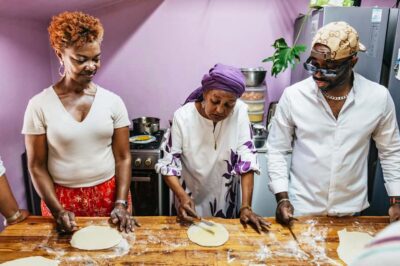
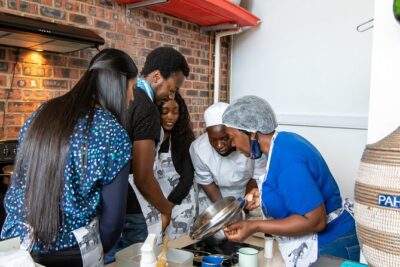
The host explains how recipes have been passed down through generations and how ingredients fit into African cooking. The class is hands-on, so you are not standing at the back while someone else does all the work. You take part in preparing the meal, with instructions given as you go.
The advertised menu is generous:
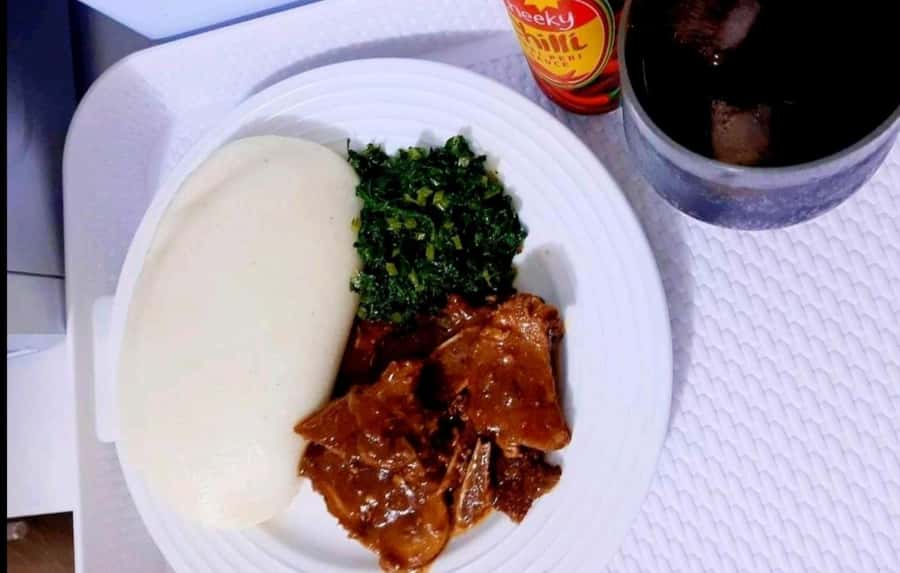
- Sadza, a ground maize staple
- Beef bones with greens
- Chicken stew
- Chakalaka
- Sugar beans
- An African hot beverage to finish
This is the sort of menu that explains why the cooking session is more than a quick tasting. Sadza provides the filling base, while the stews, beans, greens, and spicy vegetable relish add different textures and flavors. Beef bones are used for their flavor and body rather than for a neat restaurant presentation, which makes the dish a good example of home-style cooking.
Vegetarian and vegan choices are available, an important detail for anyone considering the combined option. Still, tell the provider your needs in advance. The information confirms that alternatives exist, but it does not specify the exact substitute dishes.
Eating together is part of the lesson
Once the food is ready, you eat it with the hosts and the rest of the group. The shared meal is central to the class. You are not simply handed a plate and sent on your way. The cooking, conversation, and eating are meant to happen together, in the style of a communal African home meal.
That format gives the experience its strongest cultural value. You learn how food is made, but you also see how it is served and enjoyed socially. The meal may be less polished than a restaurant tasting menu, and that is the point. It is about home cooking, generosity, and participation.
The final African hot beverage provides a simple close. You can leave with recipes and techniques to try at home, though the exact recipe handouts are not specified. If taking notes matters to you, bring your phone or a small notebook and ask questions during the preparation.
What the guides add to the day
The guide is a major reason to choose this experience instead of exploring independently. Rawson is named repeatedly in the feedback and receives praise for his warmth, clear explanations, and ability to find good city spots. One booking specifically valued that he did not show only the polished places.
That is an encouraging sign for anyone who wants a city introduction with some personality. Rawson also appears happy to take photographs, which helps solo visitors who would otherwise have to rely on hurried self-timer shots. The walk suits a solo visitor particularly well, but a group of friends or colleagues can also enjoy the relaxed pace.
The activity is conducted in English. The small group is limited to 10 participants, which should make it easier to hear the guide and take a turn in the kitchen. Group size can still affect the cooking pace, so do not expect a private lesson unless you arrange one separately.
Is $56 a fair price?
At $56 per person, the combined experience is reasonably priced if you use the pickup, join both sections, and eat the meal. You are paying for a local guide, transport around Port Elizabeth, a small-group walk, cooking instruction, ingredients, and a shared lunch or dinner-style meal.
The city-only option may offer a different price, but no separate amount is provided. That makes it hard to compare the two directly. My advice is simple: if the difference is modest, choose the combined version. The cooking class is what turns a standard city orientation into a more distinctive half-day activity.
Value depends on what you want. If you only have a short window before a flight, the walking tour alone may fit better. One booking came from someone with spare time before departure and found the city walk worthwhile. If you have enough time for the full format, the meal gives you a more personal connection than sightseeing alone.
Pickup is included from the location supplied at booking, and drop-off is offered within Port Elizabeth. Port Elizabeth and Addo are both shown among the pickup or drop-off choices, but the transport wording is not perfectly clear. If you are based in Addo, ask for confirmation of the exact pickup and return arrangements before paying.
Free cancellation is available up to 24 hours before the activity for a full refund, and you can reserve now and pay later. The experience is not considered suitable for pregnant women.
The one booking mistake to avoid
The clearest warning is the option structure. You can choose a normal city tour or a city tour with the cooking class. One three-star booking praised the city portion but said the cooking section did not happen.
That does not prove the class is routinely missed, but it does show why you should read your confirmation carefully. Make sure the booking says combined city tour and cooking class, then confirm the expected total duration and pickup time. If the price or schedule looks like a short city walk, contact the provider before the day begins.
This is especially important because the advertised duration ranges from two hours to 210 minutes, while the walking schedule lists about two and a half hours. The full combined activity should logically require more time than the walk alone, but the supplied information does not give a clean split. Clarify it rather than guessing.
Who will enjoy this most?
I would recommend the experience to you if you want an easy introduction to Gqeberha with a human touch. It works particularly well for:
- Solo visitors who want company and help with photographs
- First-time visitors looking for context before exploring alone
- Families and friends who enjoy practical activities
- Food lovers interested in home-style African cooking
- Work groups seeking a shared cultural activity
- Anyone with enough time for a walk followed by a meal
You may want the city-only option if your schedule is tight or you prefer monuments to cooking. The full experience is not ideal if you dislike group meals, cannot walk comfortably for around two and a half hours, or want a highly formal culinary lesson.
The activity is also not the right choice if you expect a luxury food tour. The value is in participation and hospitality, not rare ingredients or restaurant-style presentation. You will get more from it if you ask questions, help with the preparation, and join the conversation.
Should you book the combined experience?
Yes, if you want more than a quick look at Gqeberha. The city walk covers important sights such as the Campanile Memorial and Donkin Reserve, while the kitchen session gives you a direct way to learn about African food and share a meal with local hosts.
Book the combined option only after checking the wording, timing, and transport details. If you do that, $56 is a fair price for a small-group cultural outing that combines guiding, food, and local contact. Choose the city-only version when your schedule is short, but choose the cooking class when you want the part of Gqeberha you are least likely to arrange on your own.
FAQ
Where does the Gqeberha walking tour take place?
The walk takes place in Gqeberha, formerly known as Port Elizabeth, and includes historic streets, Victorian architecture, the Campanile Memorial, Donkin Reserve, markets, cobbled alleyways, and street art.
How long does the activity last?
The advertised duration ranges from two hours to 210 minutes. The detailed walking schedule describes about two and a half hours. Confirm the exact timing for your selected option, especially if you choose the cooking class.
Can I choose only the city tour?
Yes. The booking offers two options: a normal city tour or a combined city tour and cooking class.
What food will I prepare?
The advertised meal includes sadza, beef bones with greens, chicken stew, chakalaka, and sugar beans. A traditional drink, starter snacks, and an African hot beverage are also included.
Are vegetarian and vegan options available?
Yes. Vegetarian and vegan options are available for the cooking class. Ask the provider to confirm the suitable dishes when you book.
Is pickup and drop-off included?
Pickup is included from the location provided during booking, with pickup listed around Port Elizabeth. Drop-off is offered within Port Elizabeth. Port Elizabeth and Addo appear among the location choices, so confirm the exact transport arrangement if you are staying near Addo.
More Workshops
- Cape Town: Malay Cooking Class and Lunch in Bo-Kaap
★ 4.8 · 515 reviews - Cape Town: Cape Malay Cooking Class in Bo-Kaap
★ 4.8 · 120 reviews - Cape Town: Bo-Kapp Walking Tour and Malay Cooking Class
★ 4.7 · 105 reviews - Private Surf Lesson
★ 5.0 · 53 reviews
Newest reviews from Gqeberha
- Addo: Game Drive in Addo Elephant National Park Private★ 4.5 · 6 reviews
- Visit Port Elizabeth :Kragga Kamma Wildlife Bus/Car tour★ 3.9 · 7 reviews
- Port Elizabeth: Sundays River Cruise and Kragga Kamma★ 4.8 · 7 reviews
- Gqeberha: Park View Game Drive at Schotia Safaris with Lunch★ 5.0 · 7 reviews
- Gqeberha: 30 MINUTE HARBOUR CRUISE★ 4.3 · 8 reviews
- KRAGGA KAMMA GAME PARK★ 4.3 · 9 reviews
- Addo Elephant National Park: Full-Day Safari with Lunch★ 3.2 · 9 reviews
- Addo Elephant Park and Giraffe Walk Private Full Day Safari★ 5.0 · 11 reviews
Cooking Classes, compared.
Half-Day Small Group Cooking Experience in Franschhoek
Read our review →
Private Cape Malay Cooking Class in Cape Town with a Local Family
Read our review →
South African Cooking in Cape Town with Local Chef Richard
Read our review →Browse the lists this tour appears in