
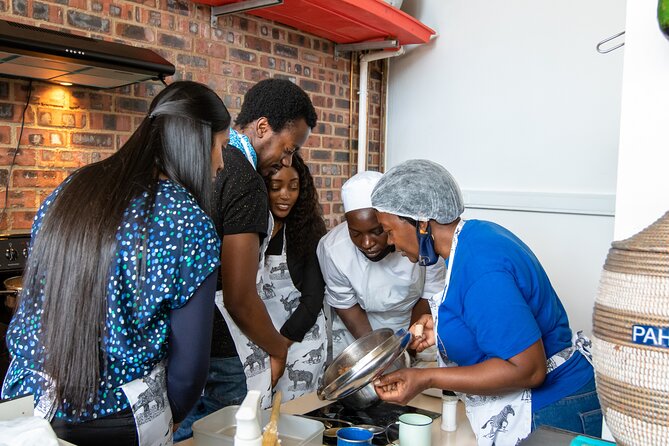
Reviewed · COOKING CLASSES
Authentic African Cuisine Cooking Experience
Come hungry, leave with recipes. This 2.5-hour Cape Town cooking experience gives you a hands-on introduction to African home cooking, from sadza and chicken stew to chakalaka and peanut-butter greens. I like the warm, personal teaching from Caleb and Florence, and I like that everyone helps prepare the meal before sitting down to eat together. The main consideration is that the cooking can feel fairly basic if you are already an experienced home cook.
The class takes place at Pahari African Restaurant in Salt River, away from the city’s most polished tourist areas. You receive African drinks and starter snacks, hear how the food developed across generations, and finish with tea or coffee. Vegetarian and vegan options are available, but you should make your needs clear when booking or on arrival.
In This Review
- Key points to know
- Arriving at Pahari African Restaurant in Salt River
- African Drinks and Starter Snacks First
- Learning the Menu Before You Cook
- Cooking With Caleb, Florence, and the Group
- Why the Communal Meal Matters
- Finishing With African Tea or Coffee
- What the $57.51 Price Gets You
- Who Will Enjoy This Experience Most?
- Practical Details Before You Book
- Should You Book the African Cooking Experience?
- FAQ
- Where does the cooking experience take place?
- How long does the cooking class last?
- What dishes will I learn to cook?
- Are vegetarian and vegan options available?
- Are drinks and food included?
- Is transportation included?
- How many people can join the class?
- Will I receive confirmation after booking?
- Can I cancel for a full refund?
Key points to know
- Caleb and Florence lead a warm, personal class with plenty of conversation and cultural background.
- You prepare several full dishes, including sadza, chicken stew, sugar beans, chakalaka, and vegetables with peanut butter.
- The meal is shared communally, reflecting the way food is often enjoyed in an African home.
- The small group size is capped at 10 people, with some sessions feeling especially intimate.
- You get more than a meal, including explanations of ingredients, food traditions, recipes, and cooking demonstrations.
- An Uber or taxi is the simplest choice, and drivers should be told clearly that you are going to Pahari African Restaurant.
Arriving at Pahari African Restaurant in Salt River
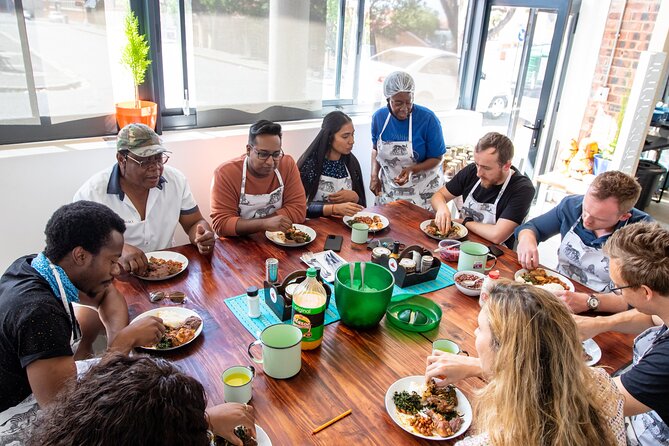
The experience begins at Pahari African Restaurant, 121 Cecil Road, Salt River, Cape Town. This is not a hotel pickup tour, so you arrange your own way there and back. The restaurant is near public transportation, and an Uber driver who knows the area may recognize the name, but it is wise to give the full restaurant name and address.
That small transport detail matters. One visitor specifically found that an Uber driver knew the restaurant and recommended it, while another offered the practical reminder to make clear that the destination is the restaurant. Cape Town has several districts and many similarly named businesses, so do not rely on a vague destination pin.
Once you arrive, expect a relaxed welcome rather than a rushed check-in. The class is limited to 10 people, which gives the hosts room to speak with the group and assign everyone a useful task. A small class also helps the meal feel social without turning into a noisy production.
The setting is part restaurant and part home-style cooking lesson. You are not simply watching a chef work at a distance. The point is to get involved, handle ingredients, and contribute to the meal.
A few more tours worth putting side by side
- Wine Tour: Paarl, Franschhoek & Stellenbosch incl 3 wineries
★ 5.0 · 3,940 reviews - Cape Town: Hop-On Hop-Off Bus Tour with Optional Cruise
★ 4.8 · 3,929 reviews - Cape Town: Cape of Good Hope & Penguins Day Tour with Pickup
★ 4.7 · 3,362 reviews
African Drinks and Starter Snacks First
The class begins with a selection of African drinks and starter snacks. The included food and beverages are not an afterthought. They give you something to taste while Caleb introduces the cooking traditions behind the meal.
The exact drink choices can vary, since the experience only promises a variety of African drinks rather than naming each one. Alcoholic beverages are included, along with coffee and tea, lunch or dinner, and snacks. If you do not drink alcohol, you still have other choices.
This opening section helps set the tone. Rather than rushing straight to chopping vegetables, the hosts use food to begin a wider conversation about African cuisine. You learn about ingredients, how recipes have changed over time, and how cooking knowledge passes from one generation to the next.
Caleb is especially strong on the explanatory side. Several people found his introduction to the food’s background, ingredients, and nutritional value useful. He also explains the meaning behind particular dishes, which gives the meal more weight than a standard recipe demonstration.
That context is valuable because the menu is not a random collection of African-themed dishes. Each item offers a different way to understand the cooking: starch, meat, vegetables, legumes, spice, and communal eating all have a place.
Learning the Menu Before You Cook
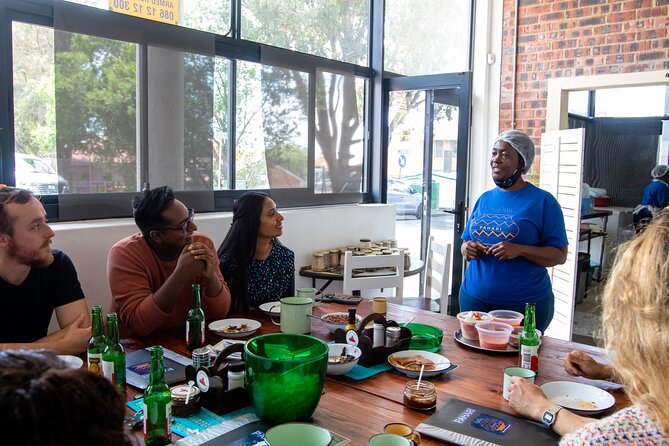
The main meal includes sadza, also called mealie pap, meaty beef bones with green vegetables, chicken stew, green vegetables with peanut butter, chakalaka, and sugar beans. You work through the dishes from preparation to serving, with the hosts showing you what to do step by step.
Sadza is the central starch in the meal. Its plain, filling character makes it a natural partner for sauces, meat, beans, and vegetables. If you have never tried it, this is a good chance to understand how a simple staple can anchor an entire meal.
The beef bones with green vegetables bring a hearty element to the table. The chicken stew offers another form of slow-cooked comfort food, while sugar beans add a filling plant-based dish. Chakalaka supplies a more strongly seasoned vegetable component, and the greens with peanut butter show how nuts can add body and flavor to vegetables.
The class also includes a traditional look at how peanut butter is made. That detail gives you a better sense of the labor and technique behind an ingredient that many people usually buy in a jar. It is one of the more memorable teaching moments because it turns a familiar product into part of the food story.
You should expect to prepare a broad menu rather than master one recipe in fine technical detail. Each person has an opportunity to contribute, and groups may divide the work so several dishes are ready within the two-and-a-half-hour period.
This is good for beginners and for people who want a relaxed cultural activity. If you have taken many professional cooking classes, you may find the lesson less demanding. One critical opinion described it as more suited to basic cooks, even while praising the finished food. That is a fair warning: the experience is built around participation and cultural exchange, not advanced knife skills or restaurant-level technique.
Cooking With Caleb, Florence, and the Group
The strongest part of the experience is the way the hosts combine instruction with hospitality. Caleb usually handles much of the background discussion, while Florence takes an active role in the cooking. Several people singled out Florence’s kindness and patient manner, with one person affectionately calling her Aunty Florence.
That warmth changes the feel of the class. You are not just following instructions from a stranger. You are being invited into the stories and habits behind the food. The hosts talk, answer questions, demonstrate techniques, and encourage people to take part.
The small maximum of 10 people helps here. With a full group, you will still share duties, but there should be more opportunity to ask questions than in a large cooking workshop. With only two people, the lesson can feel especially intimate. One couple found that their small session felt almost like a private lesson.
The group also shapes the evening. You may be cooking with family, friends, work colleagues, or people from other parts of the world. The format gives everyone a reason to talk because each person has a task and a dish to discuss.
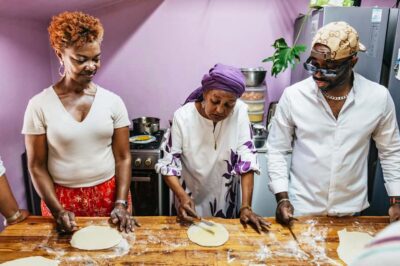
I particularly like the fact that you are not expected to sit quietly and watch the hosts do everything. The food is prepared by the group, and the act of working together is part of the cultural lesson. You might chop, stir, season, shape, or help with another part of the meal, depending on how the work is divided that day.
The experience is family-friendly in spirit. Two children, ages 11 and 14, reportedly enjoyed trying unfamiliar foods and eating with their hands. That does not mean every child will love every dish, but the format gives younger participants something active to do instead of asking them to sit through a lecture.
A completely different kind of day out on the same trip:
- Zipline Cape Town – From Foot of Table Mountain Reserve
★ 5.0 · 3,179 reviews - Cape Town: Table Mountain Cable Car, Hop-On Hop-Off Bus Tour
★ 4.6 · 3,157 reviews - Cape Point and Boulder’s Penguins Full Day Tour
★ 5.0 · 3,118 reviews - From Cape Town: Cape Point & Boulders Beach Full-Day Tour
★ 4.8 · 3,032 reviews
Why the Communal Meal Matters
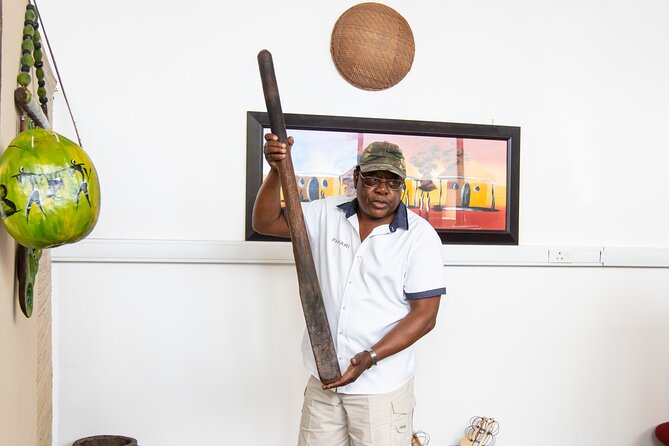
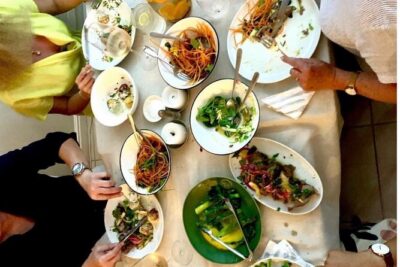
After the cooking is complete, everyone sits down to eat together. This communal meal is not simply a convenient way to finish the class. It reflects the social role of food in an African home, where cooking and eating can bring a group together.
The meal is served after everyone has contributed, so you have a clear sense of what went into it. Dishes that may have seemed unfamiliar at the start become easier to understand once you have helped prepare them.
Eating with your hands may be part of the experience. For some people, that is a fun change from restaurant etiquette. For others, it may feel unfamiliar at first. The hosts present it as part of the meal’s traditional style, and children in particular may enjoy the freedom of it.
The food itself receives steady praise. The main dishes are described as delicious, tasty, and satisfying, with the hosts’ friendly company adding to the pleasure. The class does not depend on fancy presentation. Its strength is generous food, shared conversation, and the satisfaction of making a complete meal together.
Vegetarians and vegans are accommodated. One family specifically appreciated that a vegetarian participant could take part in the same overall experience. Since the standard menu includes beef, chicken, and sugar beans, you should mention dietary needs clearly so the hosts can guide you toward the suitable preparations.
Finishing With African Tea or Coffee
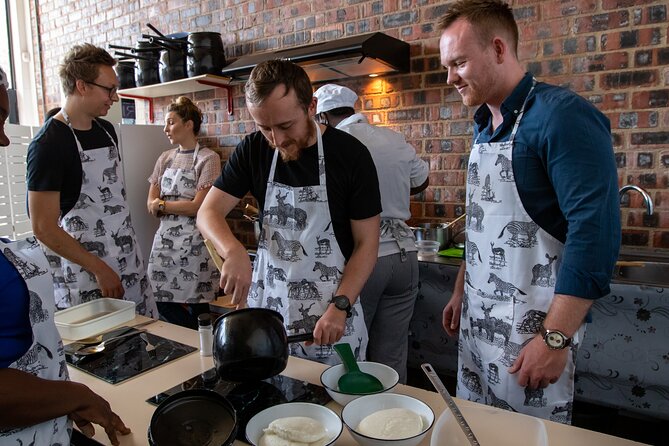
The experience ends with an African hot beverage, either tea or coffee. This is a small closing touch, but it gives the class a natural finish rather than sending you away as soon as the plates are cleared.
By this point, you have tasted the starter snacks, helped cook several dishes, heard the food’s background, and shared a meal with the hosts and group. Tea or coffee lets the conversation continue a little longer and gives you time to ask about recipes or ingredients.
Some people received recipes, photos, and videos after the experience. That was not stated as a formal inclusion for every booking, so you should not count on it as guaranteed. Still, it is worth asking the hosts about recipes if you want to recreate the food at home.
What the $57.51 Price Gets You
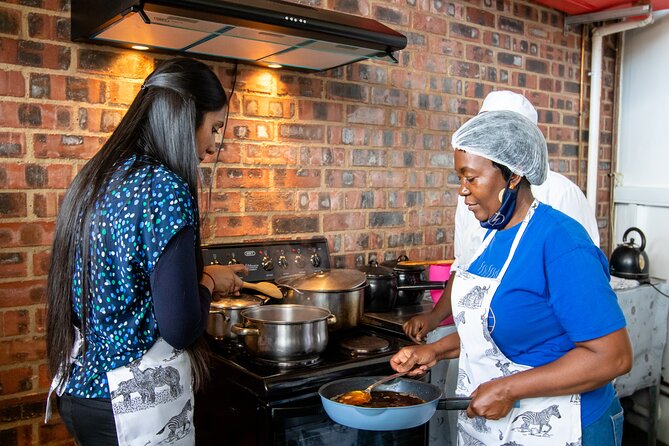
At $57.51 per person, this is not the cheapest meal you can buy in Cape Town. It is also not priced like a quick restaurant lunch. You are paying for instruction, food, drinks, cultural explanation, and about two and a half hours with a small group.
The value is strongest if you want an activity rather than a meal alone. The included lunch or dinner, snacks, alcoholic beverages, and tea or coffee cover a good part of the evening’s spending. You also leave with a better understanding of dishes you might otherwise order without knowing how they are made.
I would compare the price with a standard restaurant meal plus a separate cultural activity. Here, those two things are combined. You get to meet the people preparing the food, ask direct questions, and take part in the work.
The value is less convincing if your main goal is advanced culinary training. The class is designed for participation and introduction. An experienced cook may want more detailed technique, more time on each recipe, or a more demanding menu.
The fact that the experience is commonly booked about 33 days ahead suggests that planning early is sensible, particularly if you have only a few nights in Cape Town. Availability can matter more than saving a few dollars because the group is capped at 10 people.
Who Will Enjoy This Experience Most?
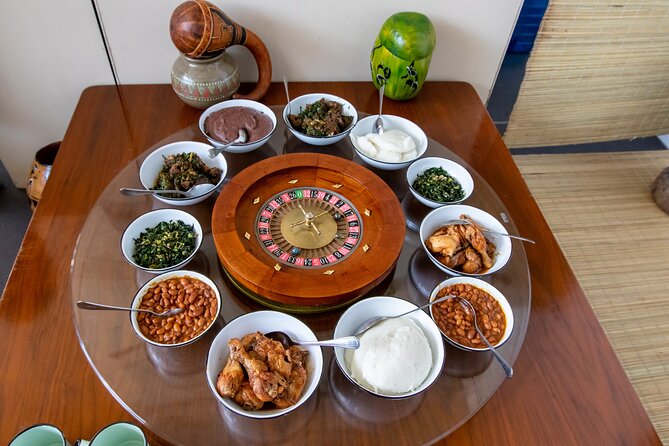
I would choose this cooking class if you want a personal introduction to African food and do not mind leaving the city center for Salt River. It suits people who enjoy conversation, shared meals, and learning through doing.
It is a strong choice for:
- Couples who want an intimate evening activity
- Families with older children who enjoy hands-on projects
- First-time visitors seeking a cultural introduction to Southern African food
- Vegetarian or vegan diners who want an adapted menu
- Small groups looking for a social meal
- Anyone who collects recipes and food stories while travelling
You may want something else if you prefer a formal culinary school setting, advanced instruction, or a quiet restaurant meal. The atmosphere is warm and interactive, so you should be comfortable cooking alongside other people and sharing the finished food.
The location also matters. This is not a sightseeing tour with Cape Town landmarks between stops. The focus stays on food, people, and conversation. That can be a welcome change after a day of visiting major attractions.
Practical Details Before You Book
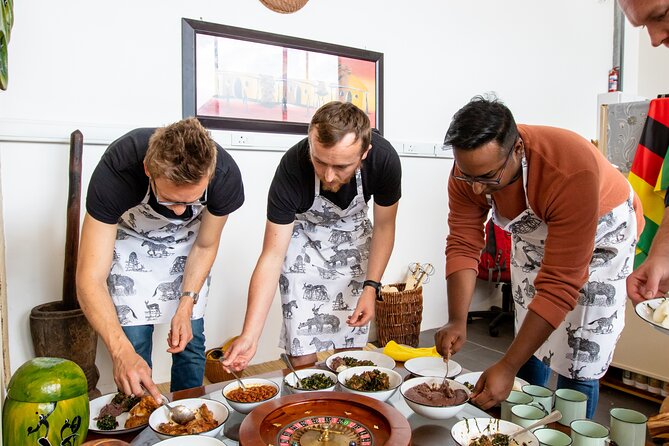
The experience lasts approximately 2 hours and 30 minutes and ends back at the restaurant. Private transportation is not included, so you are responsible for reaching 121 Cecil Road and returning afterward.
You receive confirmation when you book, and mobile tickets are accepted. The activity is near public transportation, though the provided information does not specify routes, fares, or walking times. For an Uber or taxi, use the complete restaurant name and street address.
Free cancellation is available if you cancel at least 24 hours before the local start time. Changes or cancellations inside that 24-hour window are not accepted for a refund.
The menu contains meat, vegetables, beans, and peanut butter, with vegetarian and vegan choices available. If you have allergies or strict dietary requirements, ask the hosts about the exact preparation before eating, since the available information does not list every ingredient or cross-contact detail.
Should You Book the African Cooking Experience?
Yes, if you want a friendly, food-centered cultural experience rather than a polished cooking-school lesson. The best reasons to book are Caleb’s food history explanations, Florence’s warm teaching style, the chance for every person to help, and the communal meal at the end.
I would book it early if this appeals to you, since the experience is often reserved well ahead and accepts no more than 10 people. Give yourself enough time to reach Salt River, and tell your driver you are going to Pahari African Restaurant.
Skip it if you want advanced culinary training or a tightly structured technical workshop. For most visitors who want good food, personal contact, and a meaningful introduction to African cooking, the $57.51 price is fair, and the hosts make the evening feel genuinely welcoming.
FAQ
Where does the cooking experience take place?
It takes place at Pahari African Restaurant, 121 Cecil Road, Salt River, Cape Town, South Africa.
How long does the cooking class last?
The experience lasts approximately 2 hours and 30 minutes.
What dishes will I learn to cook?
The menu includes sadza, also called mealie pap, meaty beef bones with green vegetables, chicken stew, green vegetables with peanut butter, chakalaka, and sugar beans.
Are vegetarian and vegan options available?
Yes. Vegetarian and vegan options are available.
Are drinks and food included?
Yes. The experience includes snacks, lunch or dinner, alcoholic beverages, and coffee or tea.
Is transportation included?
No. Private transportation is not included. The experience starts and ends at Pahari African Restaurant.
How many people can join the class?
The activity has a maximum of 10 participants.
Will I receive confirmation after booking?
Yes. Confirmation is received at the time of booking, and the experience accepts mobile tickets.
Can I cancel for a full refund?
Yes, if you cancel at least 24 hours before the experience start time. Cancellations or changes made less than 24 hours in advance are not accepted for a refund.
Newest reviews from Cape Town
- Explore Atlantis Sand Dunes with a 1hour 30mins sandboarding tour★ 5.0 · 5 reviews
- Transfer from Cape Town City Center to Cape Town Airport★ 5.0 · 5 reviews
- Pneuma private travel & tours, creating memories and friends never forgotten★ 5.0 · 5 reviews
- Cape Town Table Mountain and Peninsula Tour★ 5.0 · 5 reviews
- Private Transfer: CPT Airport to Cape Town in Luxury Van★ 4.0 · 5 reviews
- Cape of Good Hope-Cape Point & Penguins from Cape Town★ 5.0 · 5 reviews
- Cape Town Full Day Family Fun With Kids Private Tour★ 4.0 · 5 reviews
- Cape Town: Shark Cage Diving Tour (with Breakfast & Lunch)★ 4.8 · 5 reviews
Cooking Classes, compared.
Half-Day Small Group Cooking Experience in Franschhoek
Read our review →

Private Cape Malay Cooking Class in Cape Town with a Local Family
Read our review →
GQ: City Walking Tour & African Cuisine Cooking Class
Read our review →
South African Cooking in Cape Town with Local Chef Richard
Read our review →Browse the lists this tour appears in