
Reviewed · BO-KAAP TOURS
Cape Town: Malay Cooking Class and Lunch in Bo-Kaap
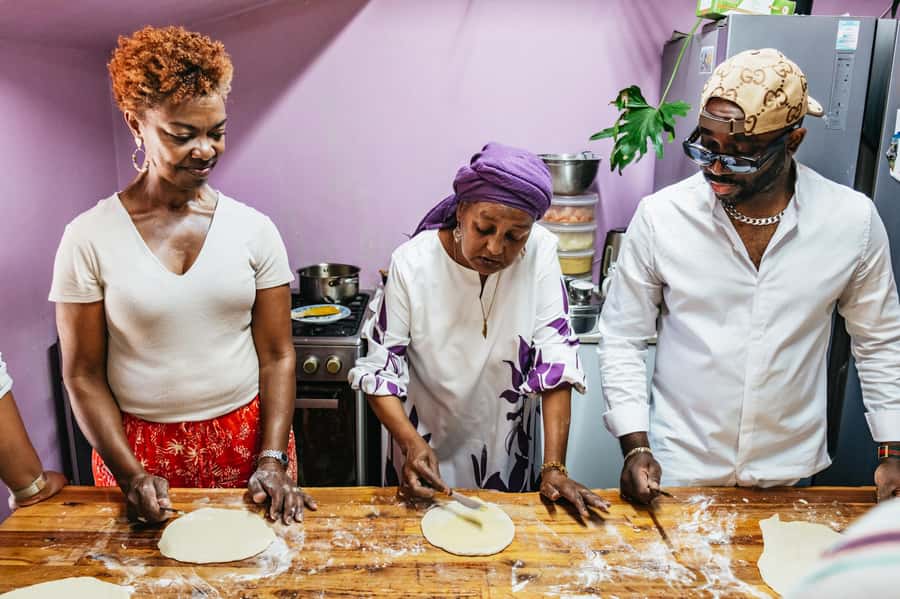
Come hungry, leave with recipes. This 150-minute experience brings you into a local home in Bo-Kaap, where Faldela teaches Cape Malay cooking with plenty of humor, spice knowledge, and warm conversation. I especially like the home setting and the chance to eat food you helped prepare, rather than simply ordering a plate at a restaurant. The main consideration is that group sizes can vary, so a larger class may give you less individual cooking time.
I also like how the class connects food with the story of Cape Malay culture. You see Bo-Kaap’s colorful houses, learn how ingredients such as turmeric, fennel, tamarind, ginger, and star anise work, and share lunch with people from several countries. At $49 per person, it is good value if you want a personal cultural experience, though it is less suited to anyone seeking a quiet, highly structured chef’s workshop.
In This Review
- Key points at a glance
- Starting at 109 Wale Street in Bo-Kaap
- Why Cape Malay food matters here
- Meeting Faldela in her kitchen
- Cooking curry, rotis, samosas, and more
- The lunch is part of the lesson
- A cultural experience, not just a recipe lesson
- What the $49 price includes
- Who will enjoy this Bo-Kaap cooking class?
- Timing, cancellation, and simple planning
- Is this Cape Town cooking class worth booking?
- FAQ
- Where does the Cape Malay cooking class take place?
- How long does the experience last?
- What is included in the price?
- Are alcoholic drinks included?
- Do I need cooking experience?
- What food might I learn to make?
- What spices are used?
- Is the class taught in English?
- Is the activity wheelchair accessible?
- Can I cancel the booking?
Key points at a glance
- Cook in a Bo-Kaap home: The class takes place at a local residence at 109 Wale Street, not in an anonymous commercial kitchen.
- Learn Cape Malay flavors: Expect spice combinations, stews, curries, roti, samosas, and other dishes that may vary by session.
- Meet Faldela: Her friendly style, humor, personal stories, and clear explanations are central to the experience.
- See the colorful neighborhood: The class begins in one of Cape Town’s most recognizable areas, with painted homes climbing toward Signal Hill.
- Eat what you make: Lunch, ingredients, equipment, and soft drinks are included.
- Bring your appetite, not your cooking résumé: Several dishes are prepared together, and no previous cooking experience is needed.
Starting at 109 Wale Street in Bo-Kaap
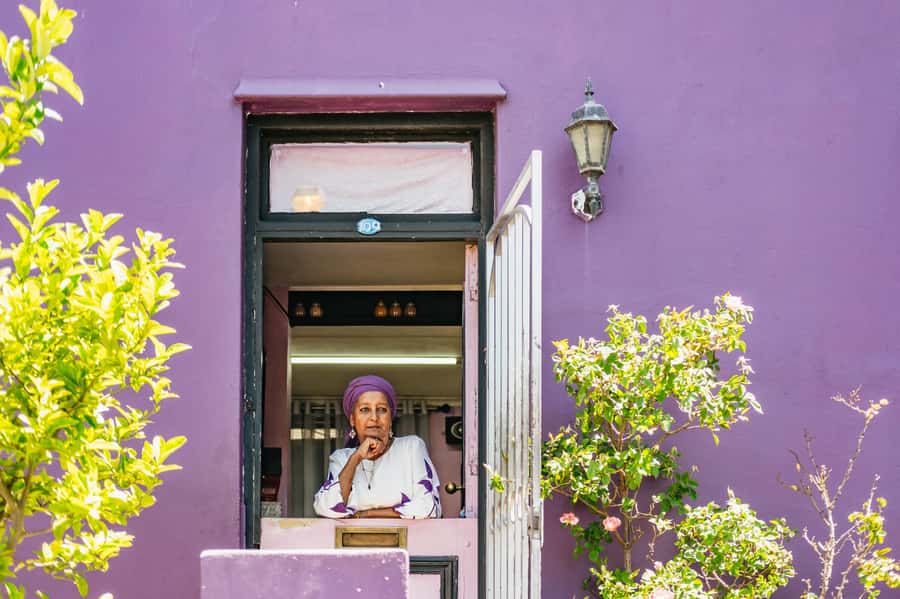
Your meeting point is 109 Wale Street in Schotsche Kloof, within Bo-Kaap. The address puts you close to the neighborhood’s familiar rows of brightly painted homes, including shades such as hot pink and burnt orange, set against the lower slopes of Signal Hill.
The setting matters. Bo-Kaap is not just a colorful backdrop for photographs. It is the place where the food, community, and family traditions behind the class belong. Before cooking begins, you have a chance to take in the neighborhood and photograph the houses. Keep this part focused and respectful. People live here, so the best approach is to enjoy the architecture without treating the streets like a film set.
The activity returns to the same address after lunch, which keeps the logistics simple. Transportation is not included, so you need to make your own way to Wale Street. Since no transfer is provided, allow enough time to find the address and arrive ready for the start.
One practical warning comes from the timing: arriving too early may mean waiting outside until the hosts are ready. Aim to arrive close to the scheduled start rather than half an hour ahead.
More Bo-Kaap walks:
- Cape Town Walking Tour: Bo-Kaap & City Highlights
★ 4.8 · 161 reviews - Bo-Kaap: Walk with a local
★ 5.0 · 131 reviews - Cape Town: Cape Malay Cooking Class in Bo-Kaap
★ 4.8 · 120 reviews
Why Cape Malay food matters here
The class introduces Cape Malay cuisine as a blend shaped by African traditions and by Malaysian and Indonesian people brought to the Cape by the Dutch during the 17th and 18th centuries. That background gives the meal more meaning than a simple cooking demonstration.
You are not only learning which spices go into a curry. You are seeing how food carries memory, family practice, migration, and community identity. Faldela’s explanations also cover the uses and properties of individual spices, which gives you a better feel for why the dishes taste the way they do.
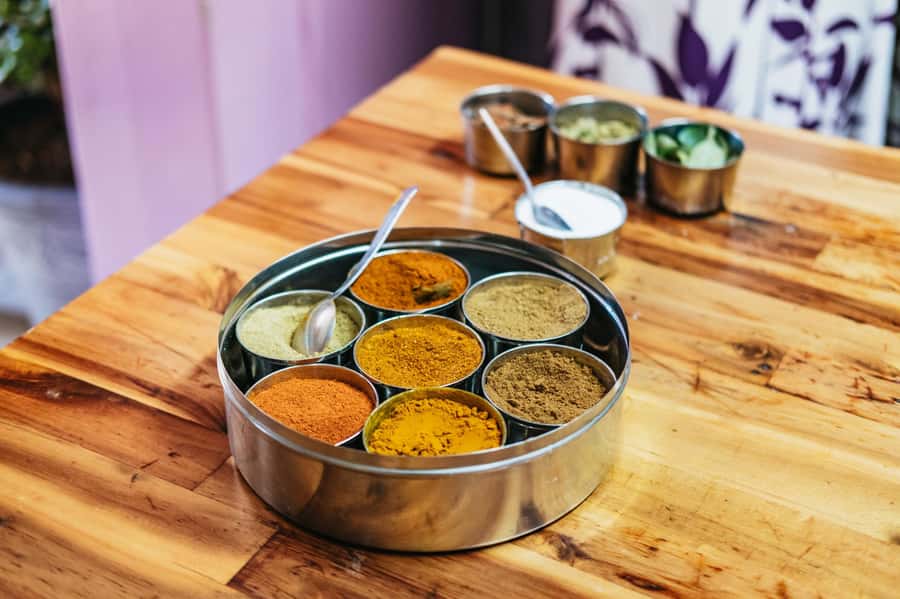
The seasoning is a major part of the lesson. You may work with ginger, fennel, star anise, tamarind, and turmeric, with turmeric providing a distinctive color and aroma. These are not thrown into a pot at random. The class focuses on the techniques that bring the flavors together in stews, roasts, and sauce-heavy curries.
For you, the practical benefit is clear: the dishes should be easier to recreate at home because you learn how the ingredients function, not just a list of measurements. Several people have particularly enjoyed the explanations of spice uses and health properties.
Meeting Faldela in her kitchen
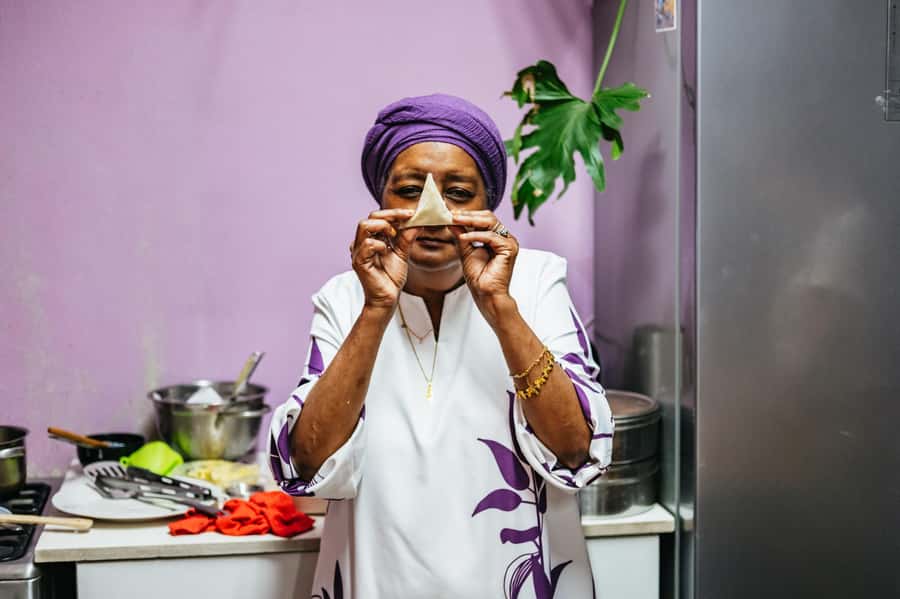
Faldela is the heart of the experience. Her teaching style is warm, funny, and informal, with personal stories about family and local life woven into the cooking. You can expect a relaxed atmosphere rather than a stern lesson where everyone must perform each step perfectly.
She is also good at making the class feel personal. Her ability to remember names, home countries, and interests helps turn a mixed group into a shared table. That social side is one reason the class works well for solo visitors, couples, and friends who want to meet other people during a Cape Town stay.
Her daughter or sister may also help host the class, depending on the session. The hosts welcome you into their home, and that changes the tone of the afternoon. You are not standing behind a restaurant counter watching a chef work. You are being invited into a family space and asked to take part.
That does mean the experience is personal and somewhat informal. If you prefer exact timing, individual workstations, and a formal culinary syllabus, this may feel loose. If you enjoy conversation, laughter, and learning through demonstration, the relaxed approach is a major advantage.
Cooking curry, rotis, samosas, and more
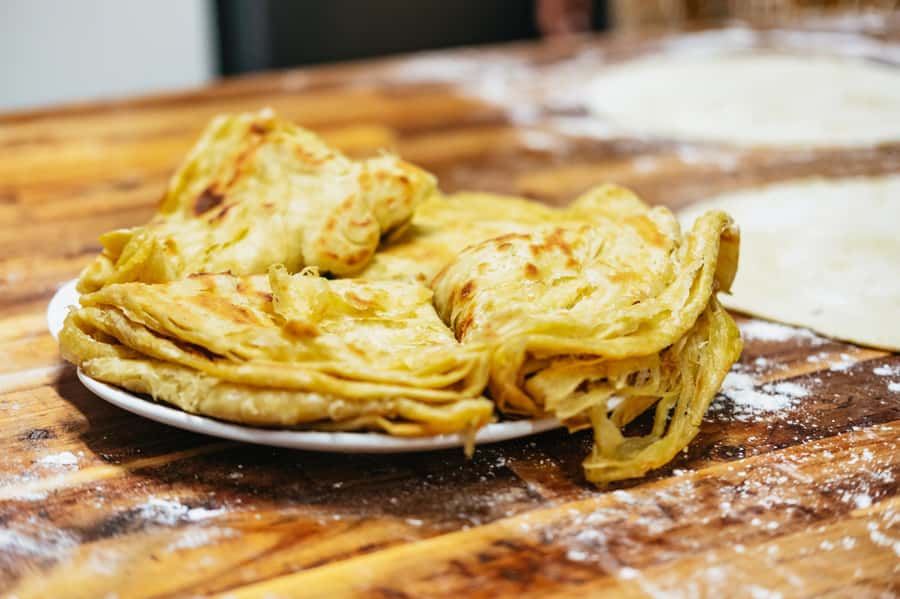
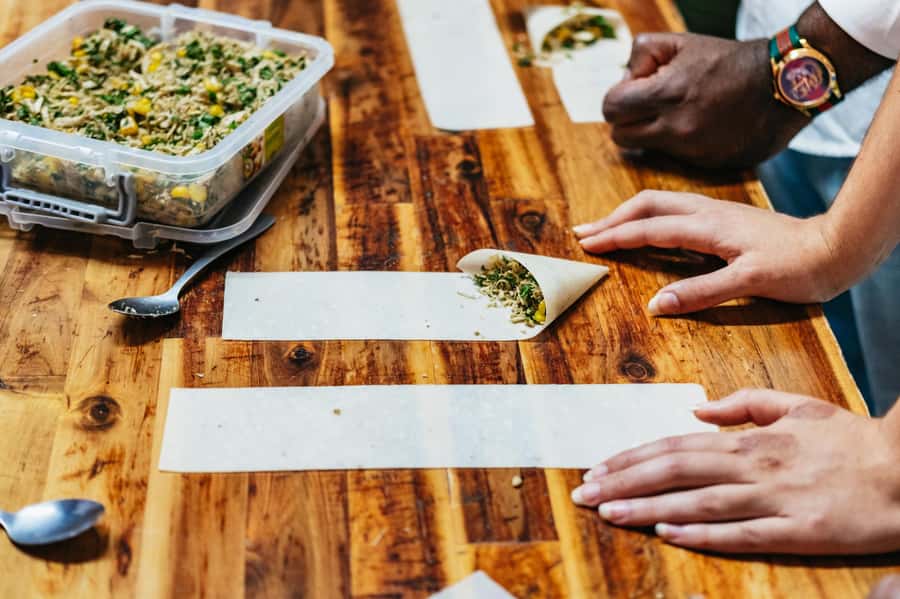
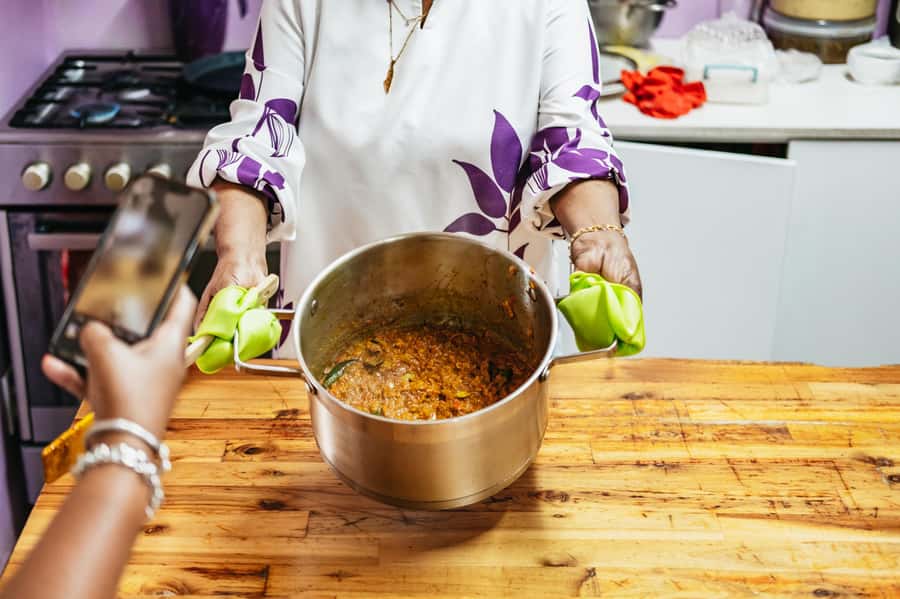
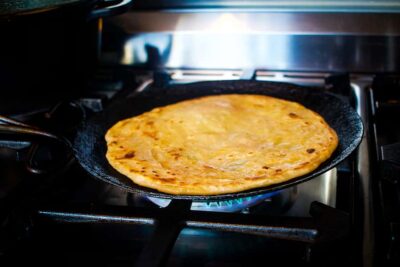
The exact menu can vary, but the class may include Cape Malay curry, stews, roasts, rotis, samosas, sauces, salad, juice, and dessert. You work with the ingredients provided and use the equipment at the home, so there is no need to bring cooking supplies.
The class is designed for beginners. You do not need previous cooking experience, and the teaching style avoids pressure. You can expect to help with several stages of preparation, although the amount of hands-on work depends on the size of the group.
This point is worth considering before you book. In a smaller session, you may get more direct time with each task. In a larger group, the experience can feel more social, but you may spend more time watching while others handle a particular step. One person specifically found that a large group meant less individual cooking. That is not a flaw for everyone, but it matters if your main goal is to practice every technique yourself.
The menu also gives you useful variety. Making a curry teaches you about spice balance and sauce. Preparing roti introduces a different kind of hands-on work. Samosas add shaping and filling. Even if you do not master every dish, you come away with a better sense of how Cape Malay meals are built.
A few more tours in Cape Town worth putting side by side
- Cape Town: Bo-Kapp Walking Tour and Malay Cooking Class
★ 4.7 · 105 reviews - Private Surf Lesson
★ 5.0 · 53 reviews - Private Surf Lesson in Cape Town – Transport & Photos Included
★ 5.0 · 50 reviews - Muizenberg Cape Town: Private Surf Lesson
★ 5.0 · 37 reviews
The lunch is part of the lesson
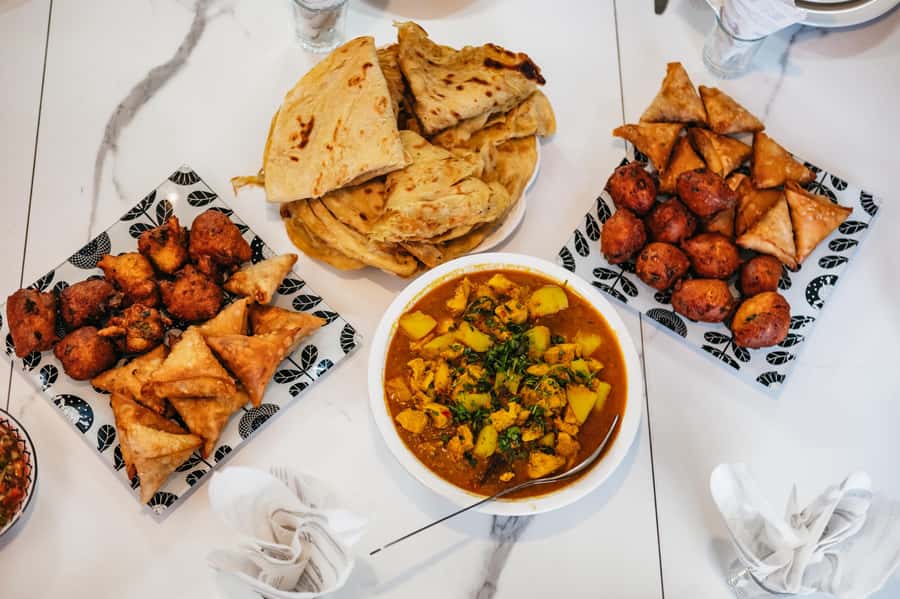
After the cooking, everyone sits down to eat the food prepared during the class. This is not a small tasting. The meal is described as generous, and the spread may include the main dishes along with salad, juice, dessert, and soft drinks.
I like this format because the meal lets you judge the results immediately. You can taste how the spices work together and compare your experience with the finished dish. It also gives the class a natural ending, with time to talk rather than rushing straight out after the last pan is finished.
The food receives some of the strongest praise. The curry, rotis, samosas, and accompanying dishes have been described as delicious, with some people saying the meal was better than similar food they later tried elsewhere. That is a useful reminder not to treat the cooking as a token activity before lunch. The lunch is the payoff, and it is made more satisfying because you helped create it.
Soft drinks are included. Alcohol is not included and is specifically not allowed, along with smoking, pets, and drugs. If you want wine or beer with your meal, this is not the right setting.
A cultural experience, not just a recipe lesson
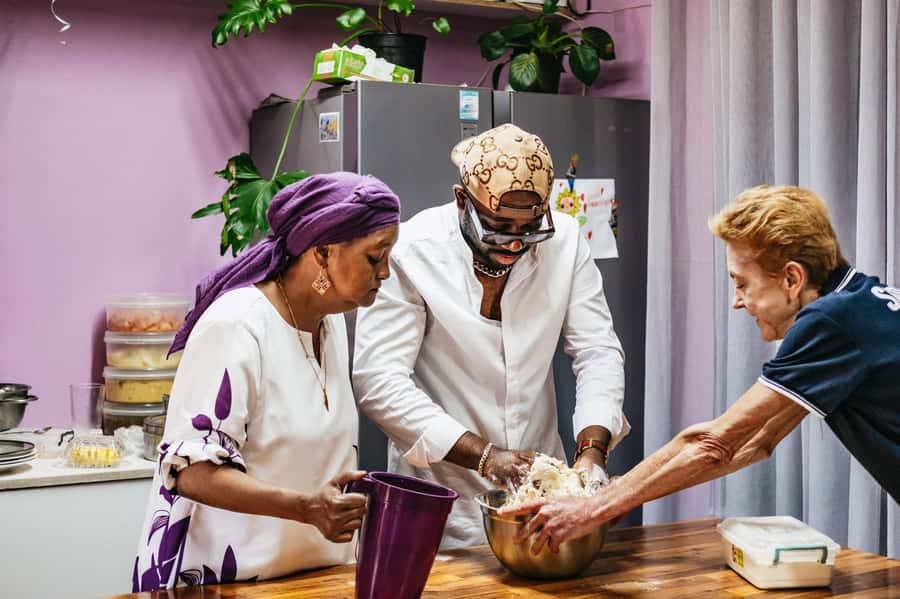
The best part of the class is the exchange around the food. Faldela talks about her heritage, family, spices, and community while you cook. You get a close look at local tradition without reducing it to a short neighborhood speech or a museum display.
The shared table adds another layer. Classes can bring together people of different ages and nationalities, and the cooking gives everyone an easy way to talk. If you are traveling alone, this offers a more natural social setting than sitting by yourself at a restaurant.
You should also understand what the word local means here. The experience takes place in a private home, but it is still a paid activity with a scheduled meeting point and a prepared format. It offers a genuine personal welcome, while remaining a tourism experience. That balance is normal and does not diminish the value, as long as you arrive with realistic expectations.
Respect is important. You are entering someone’s home and learning about a living culture. Listen carefully, ask questions politely, and treat the hosts and the neighborhood with the same care you would want in your own community.
What the $49 price includes
At $49 per person, the price includes the cooking class, ingredients, equipment, chef instructor, lunch, and soft drinks. It does not include transportation or alcoholic drinks.
I consider that fair value. You receive two and a half hours of instruction, a substantial meal, a local cultural encounter, and the chance to take the recipes home. A restaurant meal alone would give you the food, but not the preparation, conversation, or context.
The value is strongest if you want one activity to cover several interests at once: food, neighborhood culture, meeting local people, and a shared meal. It is less compelling if you only want to eat Cape Malay food, since a restaurant visit would likely be a simpler choice.
Recipe sharing is an important bonus. Several participants have appreciated receiving the recipes after the class, and that gives the experience a life beyond Cape Town. You can shop for the spices at home and try to reproduce the meal for family or friends.
Who will enjoy this Bo-Kaap cooking class?
I would recommend it most strongly to:
- First-time cooking class participants: The atmosphere is patient and low-pressure.
- Solo visitors: The shared format makes it easy to meet people.
- Food-focused visitors: You learn the role of individual spices and eat a full meal.
- Families and mixed-age groups: The activity is social and does not depend on advanced skills.
- Visitors seeking local contact: You spend time in a home with a Cape Malay host.
- People with dietary needs: Faldela has accommodated dietary requirements with ease, though you should communicate them when booking.
You may want to choose another activity if you dislike group participation, cannot stand informal home settings, or need guaranteed one-on-one instruction. Also remember that the class is conducted in English, so you need enough English to follow the teaching and conversation.
The experience is wheelchair accessible, which makes it available to more people than many older-home cooking activities. Still, the supplied information does not describe the exact access arrangements inside the home, so it is sensible to confirm any specific mobility needs in advance.
Timing, cancellation, and simple planning
The total duration is 150 minutes, or two and a half hours. Starting times vary, so you need to check availability for the date you want.
The class begins and ends at 109 Wale Street. Since transport is not included, plan your route separately. Wear something comfortable for cooking, and arrive ready to participate rather than simply observe.
The activity allows free cancellation up to 24 hours before the start for a full refund. You can also reserve now and pay later, which helps if your Cape Town schedule is still changing.
The rules are straightforward: no pets, smoking, alcohol, or drugs. Soft drinks are provided, so you do not need to arrange drinks for lunch.
Is this Cape Town cooking class worth booking?
Yes, if you want a personal food experience with real cultural context. The strongest reasons to book are Faldela’s warmth and humor, the home setting, the excellent meal, and the chance to carry the recipes into your own kitchen.
At $49, the class gives you more than lunch. It gives you time in Bo-Kaap, practical cooking skills, stories about Cape Malay life, and a shared experience with a mixed group. The only real caution is that the amount of individual cooking may depend on the group size.
Book this if you want to cook, talk, laugh, and eat. Skip it if you want a polished restaurant-style demonstration with guaranteed personal workstation time. For most visitors who value local contact and memorable food, this is one of the more rewarding ways to spend an afternoon in Cape Town.
FAQ
Where does the Cape Malay cooking class take place?
The class takes place at a local home at 109 Wale Street, Schotsche Kloof, Cape Town, in the Bo-Kaap neighborhood.
How long does the experience last?
The experience lasts 150 minutes, or two and a half hours.
What is included in the price?
The price includes the cooking class, ingredients, equipment, chef instructor, lunch, and soft drinks.
Are alcoholic drinks included?
No. Alcoholic drinks are not included, and alcohol is not allowed during the activity.
Do I need cooking experience?
No. The class is suitable for beginners, and previous cooking experience is not required.
What food might I learn to make?
The dishes may include stews, roasts, sauce-heavy curries, rotis, samosas, salad, juice, and dessert. The exact menu can vary.
What spices are used?
The class may use ginger, fennel, star anise, tamarind, and turmeric, among other ingredients.
Is the class taught in English?
Yes. The live tour guide and instruction are in English.
Is the activity wheelchair accessible?
Yes, the activity is listed as wheelchair accessible.
Can I cancel the booking?
Yes. You can cancel up to 24 hours in advance for a full refund. You can also reserve now and pay later.
More Lunch Experiences
- From Cape Town: Big Five Game Reserve with Lunch
★ 4.6 · 2,409 reviews - Wine Tour to Stellenbosch & Franschhoek with Tastings & Lunch
★ 5.0 · 828 reviews - Stellenbosch & Franschhoek 20 Wine Tasting + Lunch Shared Tour
★ 4.5 · 290 reviews - Cape Town: Coastal Cruise & 2-Course Lunch Combo
★ 4.8 · 253 reviews
Newest reviews from Cape Town
- Explore Atlantis Sand Dunes with a 1hour 30mins sandboarding tour★ 5.0 · 5 reviews
- Transfer from Cape Town City Center to Cape Town Airport★ 5.0 · 5 reviews
- Pneuma private travel & tours, creating memories and friends never forgotten★ 5.0 · 5 reviews
- Private Transfer: CPT Airport to Cape Town in Luxury Van★ 4.0 · 5 reviews
- Cape Town Table Mountain and Peninsula Tour★ 5.0 · 5 reviews
- Cape of Good Hope-Cape Point & Penguins from Cape Town★ 5.0 · 5 reviews
- Cape Town Full Day Family Fun With Kids Private Tour★ 4.0 · 5 reviews
- Garden Route 5 Day Hiking & Safari Adventure from Cape Town★ 5.0 · 5 reviews
Bo-Kaap Tours, compared.
Cape Town Walking Tour: Bo-Kaap & City Highlights
Read our review →



Cape Town Township Tour Including Langa Township and Bo-Kaap
Read our review →
Full-Day Kirstenbosch, Bo-Kaap, and Penguins Tour
Read our review →Browse the lists this tour appears in