

Reviewed · WALKING TOURS
Cape Town: Street Art Walking Tour in Woodstock
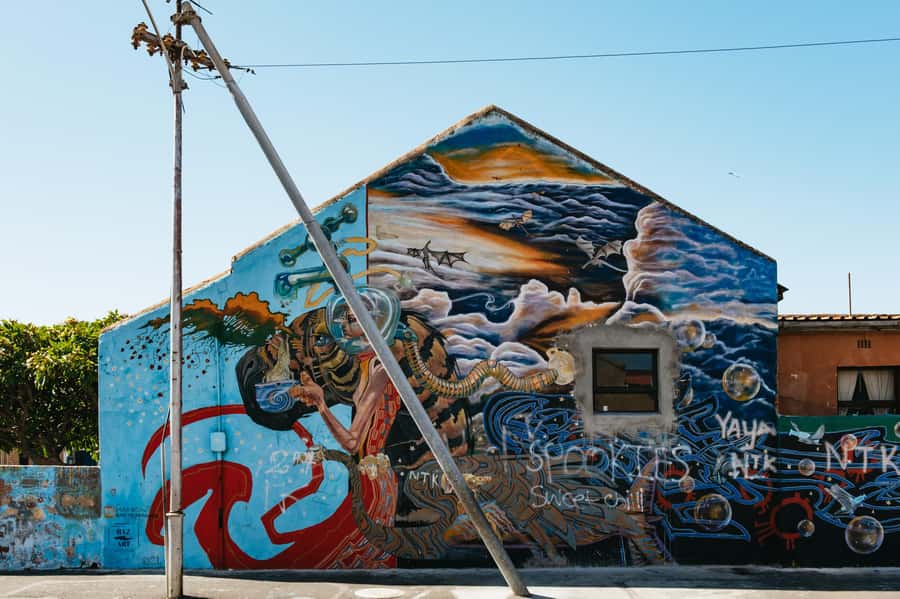
Art tells the neighborhood’s story. This two-hour walk through Woodstock and Salt River offers far more than colorful walls. I like the way local guides explain the artists, political themes, and community meaning behind each mural. I also like the route’s mix of creative spaces, working neighborhoods, and well-known art stops, giving you a fuller view of Cape Town beyond the main tourist areas.
The main drawback is value. At $37 per person, this is not a cheap stroll, especially if you mainly want photographs. A Sunday departure can also feel quiet, with shops and workshops closed. Still, the guides bring enough context and personality to make the walk worthwhile for anyone who wants to understand the art rather than simply pass it with a camera.
In This Review
- Key points to know before you go
- Why Woodstock is a good setting for street art
- Meeting at Salt Circle Arcade
- The Woodstock Exchange and the first murals
- Woodstock Brewery and the art of everyday places
- Salt Orchard and a short coffee pause
- The Old Biscuit Mill and a changing neighborhood
- Salt River Nature Park and a different pace
- The final Woodstock and Salt River sections
- What the guides add to the experience
- The art, politics, and difficult subjects
- Is $37 a fair price?
- Who will enjoy this walk most?
- Practical advice for a better walk
- Should you book the Woodstock street art tour?
- FAQ
- How long is the Cape Town street art walking tour?
- Where does the tour start?
- What language is the tour conducted in?
- Is hotel pickup included?
- What should I bring?
- Does the tour operate in bad weather?
Key points to know before you go

- The guide makes the difference: Mandy, Diego, Chandy, Terrence, Sipho, Sipo, Shandy, and Xolani have all led this walk, with praise focused on their warmth, storytelling, and local insight.
- The art carries a message: Expect discussion of culture, politics, identity, community struggles, and the artists’ own inspirations.
- The route covers more than Woodstock: You also walk through Salt River and visit creative venues, a brewery, a nature park, and the Old Biscuit Mill area.
- Two hours is a useful length: You see a good range of murals without committing half a day to walking.
- Sunday is quieter: This can make the walk calmer, but some businesses and workshops may be closed.
- Bring walking essentials: Comfortable shoes, sunscreen, a camera, and some cash are specifically recommended.
Why Woodstock is a good setting for street art

Woodstock is one of Cape Town’s creative cultural centers, but the tour does not treat it as a simple open-air gallery. The murals sit among homes, businesses, workshops, cafés, and streets with their own social and political stories.
That setting matters. A mural is easier to understand when you know something about the area around it, the artist who made it, and the issues it addresses. The guide connects those pieces for you, explaining not only what you are looking at but why it appears there.
The walk also moves into Salt River, giving you a broader sense of the district. You are not confined to a polished arts quarter. Instead, you see how public art fits into ordinary community life.
I especially like that the experience includes both internationally recognized artists and newer local work. The result is an art route that keeps changing. A wall you see today may not be the wall you would see on a future visit, so this is not the sort of attraction that can be fully reduced to a fixed checklist.
More Walking Tours in Cape Town
- Cape Town: Nathi Langa Township Walking Tour
★ 4.9 · 493 reviews - Cape Town: Art, Culture & History Walking Tour
★ 4.9 · 392 reviews - Cape Town: Langa Township Walking Tour
★ 4.8 · 272 reviews
Meeting at Salt Circle Arcade
The tour begins at Salt Circle Arcade, where you meet the guide at Shop 5. This is a practical starting point because the walk later returns to the same place.
The opening section includes a guided visit, sightseeing, a photo stop, shopping, and a short workshop listed at about 10 minutes. You may also have time for tea and views along the way. These details give the beginning a less hurried feel, allowing the guide to introduce the area before the route becomes a steady mural walk.
Use this first part to ask questions. If you are curious about how street art differs from graffiti, how artists gain permission to use walls, or how a certain work relates to local life, this is the right time to set the tone.
The meeting point is specific, but you should still leave enough time to locate Shop 5 inside the arcade. Hotel pickup and drop-off are not included, so you need to make your own way there and back.
The Woodstock Exchange and the first murals
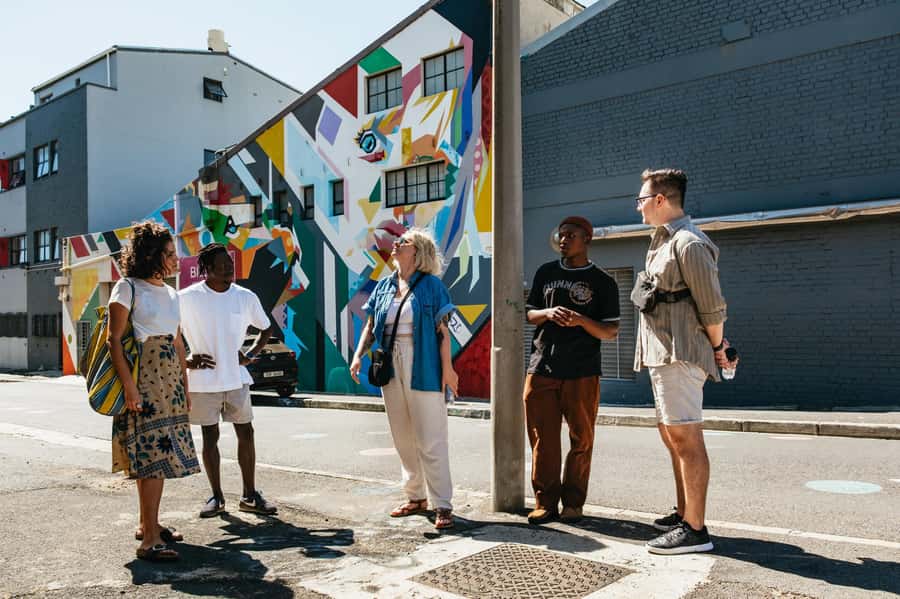
The route continues to The Woodstock Exchange for roughly 15 minutes. This stop combines a photo opportunity with more guided sightseeing and walking.
The value here is not simply the building or the chance to take a picture. It helps place the artwork within Woodstock’s creative economy. The guide can explain how artists, small businesses, and cultural projects fit into the neighborhood’s changing identity.
This is also where the walk begins to show its balance. You are not spending two hours looking at one type of mural. Some works may catch your eye for their scale or color, while others need explanation before their meaning becomes clear.
You should expect regular stops rather than a fast march. That is good for photographs and questions, though anyone hoping to cover a very large number of artworks may find the pace more thoughtful than extensive.
Woodstock Brewery and the art of everyday places

The stop at Woodstock Brewery lasts about 10 minutes and includes a photo stop, sightseeing, and a guided explanation. It is a short pause, but it helps keep the route connected to places people actually use.
A brewery may sound less important than a major mural, yet it shows how the arts and local businesses share the same streets. The tour’s appeal comes partly from these transitions between art, commerce, public space, and residential areas.
Do not expect a full brewery tour or a tasting to be included. The information provided identifies it as a stop on the walking route, not as a separate food or drink experience. If you want refreshments, you should budget separately.
A completely different kind of day out on the same trip:
- Wine Tour: Paarl, Franschhoek & Stellenbosch incl 3 wineries
★ 5.0 · 3,940 reviews - Cape Town: Hop-On Hop-Off Bus Tour with Optional Cruise
★ 4.8 · 3,929 reviews - Cape Town: Cape of Good Hope & Penguins Day Tour with Pickup
★ 4.7 · 3,362 reviews - Zipline Cape Town – From Foot of Table Mountain Reserve
★ 5.0 · 3,179 reviews
Salt Orchard and a short coffee pause
Unit B10 at Salt Orchard receives about 20 minutes, making it one of the longer stops. Here you can expect a visit, coffee, a photo stop, and more conversation about the art and the area.
This section may be especially appealing if you enjoy the workshop side of Cape Town’s creative culture. The route is not limited to finished murals on exterior walls. It also points toward spaces where creative work is made, displayed, or supported.
Several people who took private versions of the walk hoped to see more inside artists’ studios. That is useful to keep in mind. The tour can offer contact with the local creative scene, but access to every studio is not guaranteed.
The coffee break also gives your feet a brief rest. Still, this remains a walking tour, not a café crawl. The coffee is part of the stop, not the main event.
The Old Biscuit Mill and a changing neighborhood
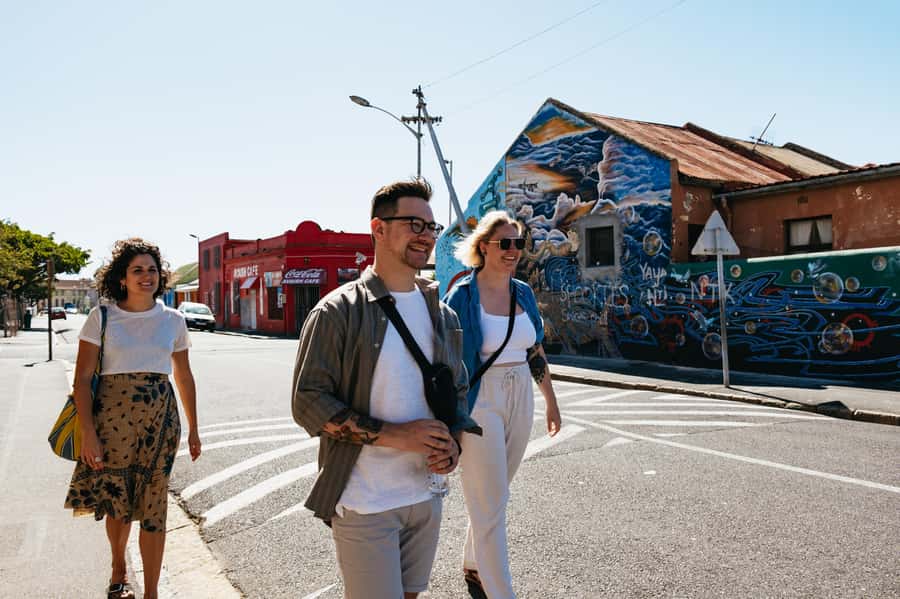
The walk then reaches The Old Biscuit Mill for about 15 minutes. You have time for photographs, sightseeing, and more explanation from the guide.
This stop gives you a chance to consider Woodstock’s changing character. The guide may connect the art to the area’s past, present, and future, as well as to questions about redevelopment and community change.
That context is one of the strongest reasons to book a guide. You can see attractive murals on your own, but you cannot easily know the circumstances behind them. One guide might explain an artist’s personal connection to a work, while another may focus on a social or political message.
The area can feel different depending on the day. On a Sunday, some businesses may be closed and the streets may lack the usual activity. That makes the walk quieter and potentially easier for photographs, but it can reduce the sense of everyday energy.
Salt River Nature Park and a different pace
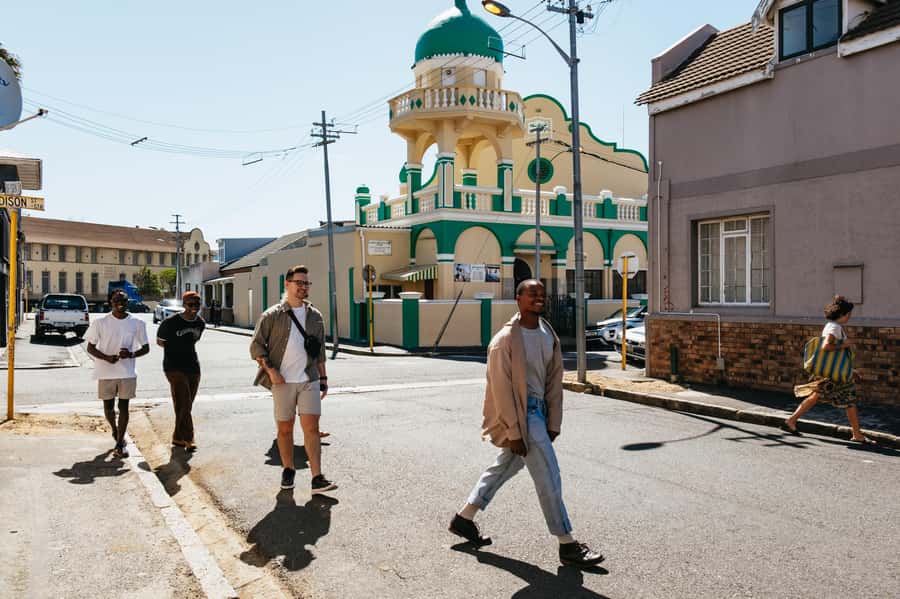
Salt River Nature Park is given around 20 minutes, one of the longest sections of the route. You can expect a visit, guided sightseeing, and walking, with another chance to photograph the surroundings.
This stop breaks up the built-up feel of the mural route. It also gives the guide room to talk about Salt River as part of the wider cultural and social story rather than treating it as a separate sightseeing box.
The route’s movement between streets, creative venues, and open space is helpful for first-time visitors. You get a better sense of how the districts connect, instead of seeing only a few famous walls and then leaving.
Because the experience takes place outside, the weather matters. The tour runs rain or shine, so sunscreen is sensible even on a cooler day, and comfortable shoes are more important than fashionable ones.
The final Woodstock and Salt River sections
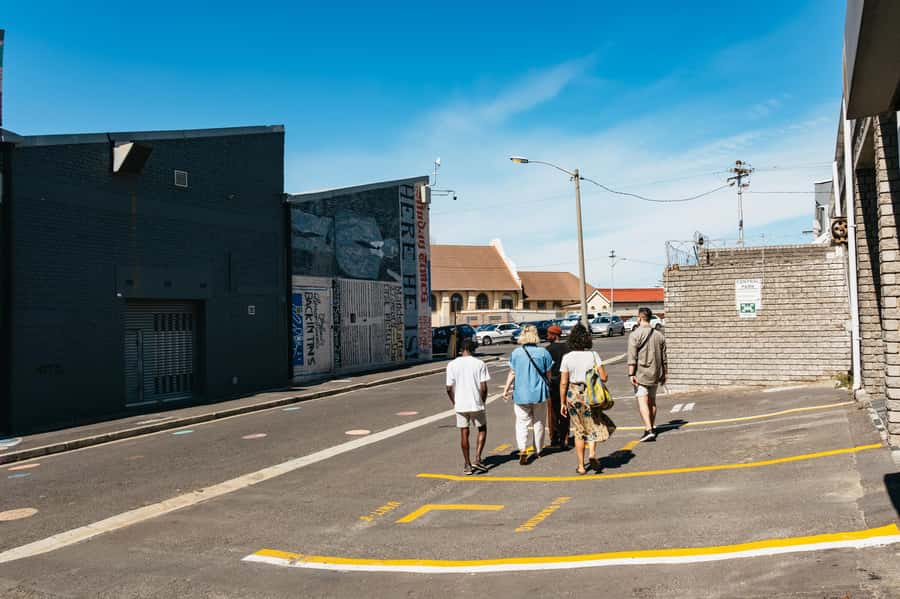
The last parts of the route move through Woodstock for about five minutes and Salt River for another five minutes before returning to Salt Circle Arcade.
These sections are short, but they round out the walk by linking the earlier stops. You may see additional murals, hear a final piece of local history, or have time to ask about artists and places you passed earlier.
The return to the original meeting point makes planning easier. You do not have to arrange a second pickup in an unfamiliar part of Cape Town. Hotel transport is not provided, though, so your onward travel remains your responsibility.
What the guides add to the experience
The most praised part of this walk is the guiding. Mandy has been described as welcoming, well prepared, friendly, and clear. Diego is repeatedly praised for his humor, local connections, passion for art, and ability to explain both individual artists and wider themes.
Chandy, also spelled Shandy in some accounts, receives similar praise for his storytelling and local knowledge. Terence and Terrence are described as engaging guides who adjusted explanations for different ages, including a parent and a 10-year-old child. Sipho and Sipo are also praised for discussing South African society as well as the murals.
The guide you receive may vary, so you should not book expecting one particular person unless the provider confirms it. The consistent pattern is more important: the guides are presented as personable and able to connect the art with history, culture, and politics.
Some tours have been private because only one person or one small booking had reserved a particular departure. That can lead to a more personal conversation, though the group size is not fixed in the information provided.
I like that the guides do not appear to treat the neighborhood as a backdrop. Several accounts describe guides greeting local people and helping visitors feel welcome. That is a valuable difference between observing a place and having a respectful introduction to it.
The art, politics, and difficult subjects
You should come prepared for art with political and cultural content. The murals may address social struggles, identity, conflict, displacement, and current events. One account specifically warns that some Palestinian-related content may feel offensive to Jewish visitors.
That does not make the route unsuitable, but it does make the tone important. This is not a neutral collection of decorative images. The guide explains the messages and the conditions that shaped them, which can lead to serious discussion.
If you prefer street art only as a source of colorful holiday photographs, you may find some sections heavier than expected. If you want to understand how public art can express disagreement, memory, hope, or community pride, this subject matter is a major strength.
The walk also helps you see that street art is not fixed. Local artists continue to add new work, while older pieces may change or disappear. The guide’s current knowledge is therefore more useful than an old self-guided map.
Is $37 a fair price?
At $37, the price is reasonable for a visitor who values explanation and local contact, but it may feel high if you judge the experience only by walking distance.
You are paying for two hours with an English-speaking local guide, not for entry to a major museum or a long list of included extras. There is no hotel transport, and refreshments beyond the scheduled coffee stop are not clearly included. The tour’s value comes from interpretation.
A self-guided walk would cost less, and you could still photograph many murals from public streets. The tradeoff is that you would miss the background about the artists, the meaning of the works, the neighborhood’s history, and the social issues raised by the art.
One visitor considered the tour slightly overpriced despite praising the guide and the artwork. That is a fair warning. I would book it if you enjoy conversation, context, and meeting a local person. I would skip it if you want a quick, inexpensive photo walk.
Who will enjoy this walk most?
This tour suits you if you enjoy contemporary art, local history, photography, or city walks that move beyond standard sightseeing. It is also a good choice if you want an introduction to Cape Town’s creative side without giving up the chance to learn about ordinary neighborhood life.
Families can enjoy it, provided everyone is comfortable walking for two hours and discussing mature political or social themes. The guide can make the material lively, and one guide successfully balanced the walk for an adult and a 10-year-old.
The tour is also useful for repeat visitors who have already seen Cape Town’s major attractions. It offers a different view of the city and takes you into districts that many first-time visitors might otherwise overlook.
You may want to choose another activity if you dislike outdoor walking, need a tightly scheduled indoor attraction, or want guaranteed access to artists’ studios. The tour is wheelchair accessible, but the provided details do not explain the surface conditions or exact route requirements, so it is wise to confirm any specific mobility needs before booking.
Practical advice for a better walk
Wear shoes you can comfortably use for two hours. The route includes repeated walking between stops, and a good pair of shoes will matter more than anything else you pack.
Bring sunscreen and a camera. Carry some cash as well, since the tour specifically recommends it and the route includes places where you may want to make a small purchase or pay for an extra drink.
Try a weekday if you want more activity around the creative venues. Sunday can be pleasant and calm, but several businesses may be closed, which can reduce the local atmosphere and your chance of seeing workshops open.
The tour is conducted in English. Free cancellation is available up to 24 hours before the start for a full refund, and you can reserve while paying later, which helps if your Cape Town schedule is still shifting.
Should you book the Woodstock street art tour?
Book this walk if you want the stories behind Cape Town’s murals, not just the murals themselves. The strongest reason to go is the guide: Mandy, Diego, Chandy, Terence, Sipho, Sipo, Shandy, and Xolani have all been praised for making the art easier to read and the neighborhoods easier to understand.
I would rate it highly for art lovers, curious first-time visitors, families with older children, and anyone seeking a less standard Cape Town outing. The $37 price asks you to value local interpretation, so make the call based on that rather than on the number of walls you will photograph.
If you book, allow the full two hours, wear sensible shoes, and consider a weekday departure. That gives you the best chance of combining strong art, open businesses, and the lively local setting that makes this walk more than a collection of murals.
FAQ
How long is the Cape Town street art walking tour?
The tour lasts two hours and returns to Salt Circle Arcade after visiting Woodstock and Salt River.
Where does the tour start?
Meet the guide at Shop 5 inside Salt Circle Arcade.
What language is the tour conducted in?
The live guided tour is conducted in English.
Is hotel pickup included?
No. Hotel pickup and drop-off are not included, so you need to arrange your own transportation to and from Salt Circle Arcade.
What should I bring?
Bring comfortable shoes, a camera, sunscreen, and cash.
Does the tour operate in bad weather?
Yes. The tour takes place rain or shine.
Newest reviews from Cape Town
- Explore Atlantis Sand Dunes with a 1hour 30mins sandboarding tour★ 5.0 · 5 reviews
- Transfer from Cape Town City Center to Cape Town Airport★ 5.0 · 5 reviews
- Pneuma private travel & tours, creating memories and friends never forgotten★ 5.0 · 5 reviews
- Private Transfer: CPT Airport to Cape Town in Luxury Van★ 4.0 · 5 reviews
- Cape Town Table Mountain and Peninsula Tour★ 5.0 · 5 reviews
- Cape of Good Hope-Cape Point & Penguins from Cape Town★ 5.0 · 5 reviews
- Cape Town Full Day Family Fun With Kids Private Tour★ 4.0 · 5 reviews
- Cape Town: Shark Cage Diving Tour (with Breakfast & Lunch)★ 4.8 · 5 reviews
Walking Tours, compared.

Soweto: Walking Tour with a Local Guide and Lunch
Read our review →




Browse the lists this tour appears in