
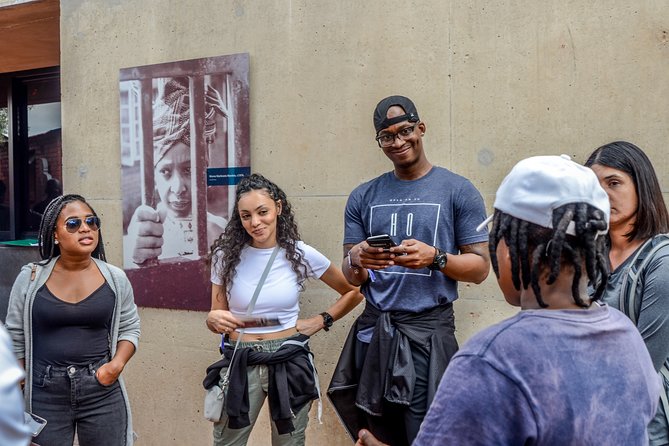
Reviewed · SOWETO TOURS
Soweto Walking Tour with Lunch
Soweto tells South Africa’s story on foot. This four-hour tour brings you to the places where the 1976 uprising unfolded, then connects that past with daily life in the township today. I like the local guides, especially Maweza and Mulalo Mphuma, whose personal ties to Soweto add weight to the history. I also like the kota lunch at Orlando Towers, a filling local meal rather than a generic tourist snack. The main drawback is that entry to Mandela House is not included, and the walking route leaves little time for shopping or browsing vendors.
The tour costs $40.26 per person and does not include hotel pickup or drop-off. You choose a morning or afternoon departure, and the group can reach up to 100 people, although the quality of the experience depends heavily on how clearly you can hear and interact with your guide.
In This Review
- Key things to know before booking
- Why Soweto is best understood on foot
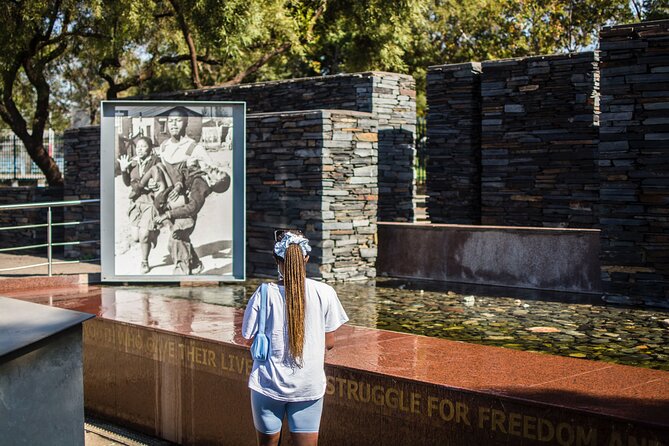
- Starting with Hector Pieterson and the 1976 uprising
- Walking Moema Street and following the youth of 1976
- Vilakazi Street and two Nobel Peace Prize homes
- Mandela House: an important extra cost
- Tutu House and the role of faith
- Baragwanath Road and the shape of Soweto
- Orlando Towers and the kota lunch
- The guides make the largest difference
- Is $40.26 good value?
- What to bring and how to prepare
- Who will appreciate this Soweto walk?
- Should you book the Soweto Walking Tour with Lunch?
- FAQ
- Where does the Soweto walking tour begin?
- How long does the tour last?
- What time of day can I take the tour?
- Is lunch included?
- Is admission to Mandela House included?
- Are hotel pickup and drop-off included?
- Which places does the walking route visit?
- Who leads the tour?
- What is the cancellation policy?
Key things to know before booking

- The tour begins at the Hector Pieterson Museum, where you get the essential background to the Soweto uprising before walking through nearby streets.
- Maweza is praised for combining formal study with lived experience, making the discussion of apartheid personal as well as factual.
- Vilakazi Street is home to both Nelson Mandela’s former house and Desmond Tutu’s house, an unusual concentration of South African history.
- You enter an informal settlement area, where the tour addresses present-day unemployment and living conditions rather than stopping with the apartheid story.
- The kota lunch is served at Orlando Towers, and it is described as filling enough that you should arrive hungry.
- Bring cash for optional tips, particularly if more than one local guide helps with parts of the walk.
Why Soweto is best understood on foot

Soweto is not just a collection of famous addresses. Its meaning comes from the connection between homes, streets, schools, memorials, churches, and working-class neighborhoods. Walking helps you see those links at a human pace.
The route focuses on the history of resistance to apartheid, but it does not present Soweto as a frozen museum. You hear about the 1976 student uprising, the people affected by it, and the continuing social and economic problems facing parts of the community.
That balance is one of the tour’s strongest features. A guide such as Maweza can explain major events, then add personal and family experiences that make the subject easier to understand. He is also praised for answering questions clearly and creating a safe, friendly atmosphere.
The tour is still a serious experience. Much of the subject matter involves police violence, poverty, displacement, and the loss of young lives. You should come ready to listen respectfully rather than treating the walk as a quick photo stop.
More Walking Tours in Johannesburg
- Soweto: Walking Tour with a Local Guide and Lunch
★ 4.9 · 648 reviews - Johannesburg: Local Food Tasting Guided Walking Tour
★ 4.7 · 192 reviews - Johannesburg: City Centre Walking Tour
★ 4.8 · 152 reviews
Starting with Hector Pieterson and the 1976 uprising
The meeting point is the Hector Pieterson Museum and Memorial. The first discussion lasts about 30 minutes and sets up the rest of the walk.
Hector Pieterson became a symbol of the Soweto uprising after he was killed during the student protests of June 1976. The uprising began when schoolchildren resisted the forced use of Afrikaans in education, but the causes ran wider, including poor schooling, racial control, and the wider system of apartheid.
Starting here is a sensible choice. Without this background, later stops on Moema Street and Vilakazi Street can feel like disconnected landmarks. The guide explains how students organized, how the authorities responded, and how the events affected Soweto and the country.
Admission to the museum is listed as free, but the tour description says entry fees in general are not included. Since the meeting takes place at the museum and the stop is built around the memorial area, check the current arrangements before you arrive if entering the museum itself is important to you.
Walking Moema Street and following the youth of 1976
The next section takes about 20 minutes along Moema Street. Here, the focus shifts from the broad story to the streets connected with the student protests.
You hear about the shooting, local living conditions, and what happened after the uprising. This is where a local guide can add useful detail. The road is not simply a backdrop for photographs. It helps you picture how young people moved through their own neighborhood during a moment of national crisis.
The pace also matters. The route gives you time to ask questions instead of rushing between sites by vehicle. Several people have valued the chance to stop and think about what they were seeing, rather than receiving only a short speech at each landmark.
The tradeoff is that a walking tour cannot cover every part of Soweto in four hours. This is a focused route, not a full township survey. If your main goal is to visit many museums, memorials, or shopping areas, you may need a separate outing.
Vilakazi Street and two Nobel Peace Prize homes
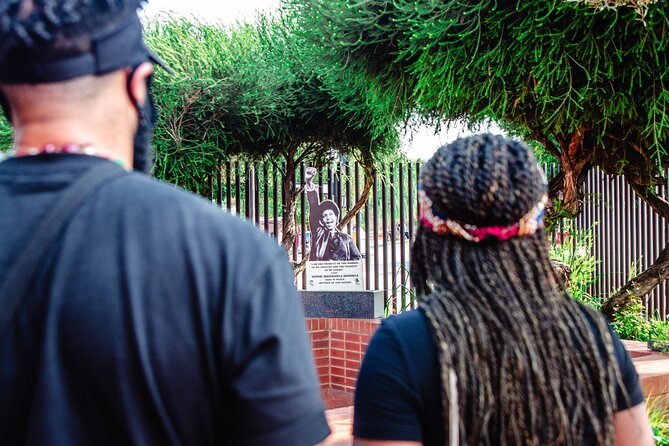
From Moema Street, the walk continues to Vilakazi Street, one of the best-known streets in Johannesburg. The listed stop is brief, about 10 minutes, but the location has unusual importance.
Nelson Mandela and Archbishop Desmond Tutu both lived on Vilakazi Street. That gives the neighborhood a rare connection to two Nobel Peace Prize winners and two major figures in the struggle against apartheid.
The value here is not only the famous names. You can consider how political leaders remained connected to an ordinary residential area rather than operating only from grand government buildings or distant institutions.
The short scheduled time suggests that this part of the route is mainly an orientation and photo stop. If you want a long visit to the street’s restaurants, shops, or other attractions, do not expect the walking tour to provide much free time. One useful tip from the tour experience is to save vendor browsing for another moment, since the route is fairly structured.
More Soweto tours:
- Johannesburg: Hop-On Hop-Off Bus with Optional Soweto Tour
★ 4.6 · 985 reviews - Soweto /Johannesburg and Apartheid Museum Guided Full Day Tour
★ 5.0 · 932 reviews - Johannesburg Hop-On Hop-Off City Tour with Soweto Option
★ 4.5 · 768 reviews - Half-Day Tour of Soweto Tour
★ 4.5 · 712 reviews
Mandela House: an important extra cost
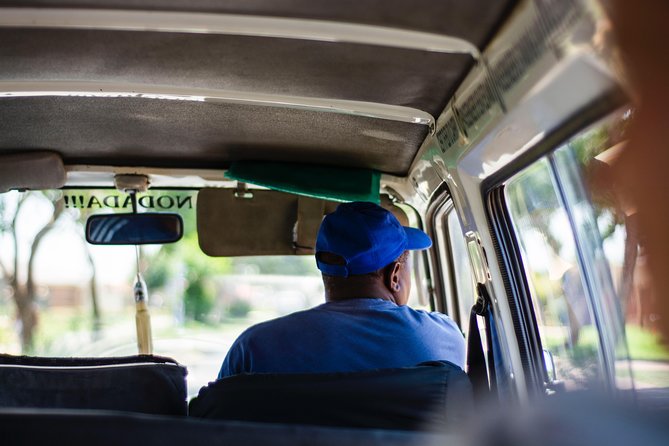
Mandela House is the iconic home associated with Nelson and Winnie Mandela. The tour allows about 20 minutes at the stop, but admission is not included in the $40.26 price.
That detail affects the value calculation. The tour gives you the neighborhood context and takes you to the house, but you may need to pay separately if you want to enter. For some people, seeing the exterior and hearing the guide’s explanation will be enough. For others, the interior is the reason to visit Vilakazi Street in the first place.
I would check the admission cost and opening arrangements before booking if your budget is tight. The tour description does not state the current entry price, so it would be unwise to assume that museum or house admissions are covered.
The stop also helps show the difference between public legend and private space. Mandela House is not just a political monument. It represents the home life of a family whose public role shaped South Africa.
Tutu House and the role of faith
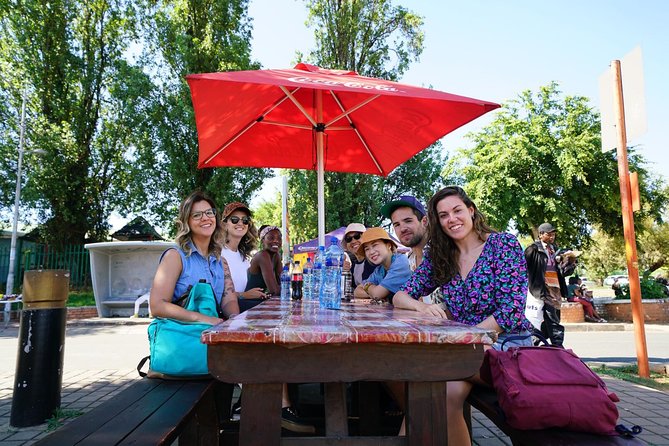
The walk then passes Tutu House, associated with Archbishop Desmond Tutu. The scheduled stop is about 10 minutes.
Tutu used his position in the Anglican Church to oppose apartheid and later became a central voice in the country’s transition. The guide explains his role and the way religion became part of the resistance to racial rule.
This short stop works best when placed alongside Mandela House. One house represents a major political leader and former president. The other points to the moral and religious pressure placed on the apartheid government.
Because the visit is brief and the house is listed as a free stop, you should think of it as part of the wider neighborhood story rather than a full museum visit. The guide’s explanation is the main attraction.
Baragwanath Road and the shape of Soweto
Baragwanath Road receives about 30 minutes. This section introduces the first formal houses that helped form the township.
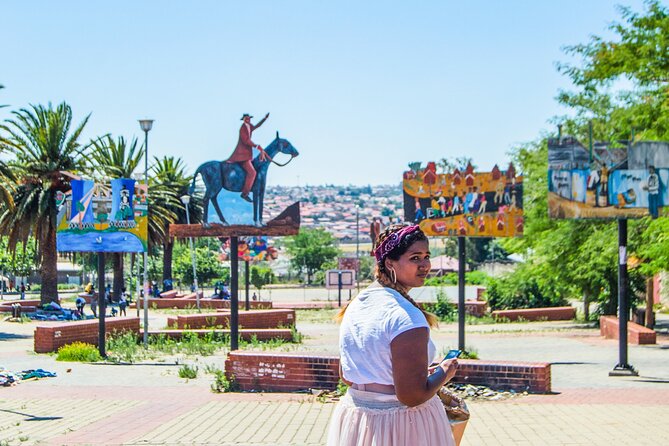
That detail is important because Soweto was not created as a casual collection of homes. Its development was tied to apartheid-era planning, labor control, and the forced separation of communities by race. The road lets the guide explain how the township grew and how its different areas developed.
The tour also addresses social differences within Soweto. The area includes established neighborhoods as well as informal settlements, and the guide helps you understand that Soweto is not socially or physically uniform.
This is one reason I prefer the walking format. From a vehicle, you may notice only broad contrasts. On foot, the change in housing and street life becomes easier to see. You also have a better chance to ask what you are looking at instead of guessing.
The route can include an informal camp where the guide discusses unemployment and living conditions. That is a valuable part of the experience, but it calls for sensitivity. You are passing through a real community, not a staged display. Follow your guide’s instructions about photography and avoid treating residents’ homes as tourist scenery.
Orlando Towers and the kota lunch
The final destination is Orlando Towers, where the tour spends about an hour. The towers provide a memorable setting for photographs and the included lunch.
A kota is a South African township sandwich, generally made as a substantial meal rather than a light bite. The exact ingredients are not specified here, but the tour describes it as a local burger and includes bottled water. Several accounts of the experience describe the lunch as filling and enjoyable, so plan to eat it as your main midday meal.
The timing makes sense. After several hours of walking and discussion, you will likely appreciate something substantial. Orlando Towers also gives the day a more relaxed finish after the serious memorial and political sites.
Lunch is included, but other food, drinks, purchases, and costs are not. The towers are also the final stop, not a promise of a longer restaurant or shopping visit. If you want time with vendors, set aside another part of your Johannesburg schedule.
The guides make the largest difference
The strongest praise is directed at the guides, particularly Maweza, also spelled Mawesa in some tour details, and Mulalo Mphuma. Maweza is described as a Soweto native who combines detailed knowledge of South African history with personal experience of apartheid and its aftermath.
That combination matters. A guide can recite dates and names, but this tour works best when the explanation connects to family stories, local streets, and current conditions. Maweza is also praised for adjusting his pace, welcoming questions, and accommodating older family members.
Mulalo Mphuma is also described as inviting and well prepared. If a second guide or trainee joins part of your walk, that may explain the use of different guides at different points. One useful practical detail is that local guides may assist with different sections, so bring some cash if you would like to offer tips.
The guide’s personality will shape the day. The tour is promoted as a local experience, and the feedback strongly supports that claim. Still, a group of up to 100 people would be too large for an intimate discussion. Ask about the expected group size when booking if personal interaction is a priority.
Is $40.26 good value?
At $40.26 per person, the price is reasonable for a four-hour guided experience that includes lunch and bottled water. The value comes mainly from the guide, the walking route, and the local context, not from paid attractions.
You should budget extra for Mandela House if you plan to go inside. Hotel transportation is also not included, so you must arrange your own way to the meeting point and away from Orlando Towers afterward.
The tour is typically booked about 15 days ahead. That suggests you should not leave it until the last day of a short Johannesburg visit, particularly if you need a specific morning or afternoon time.
The free cancellation policy adds useful flexibility. You can cancel at least 24 hours before the local start time for a full refund. Cancellations or changes within 24 hours are not refunded or accepted.
What to bring and how to prepare
Wear comfortable shoes. Four hours on foot, with stops for discussion, calls for practical footwear more than smart clothing.
Bring water if you prefer more than the included bottle, some cash for tips or personal purchases, and a phone that can display your mobile ticket. The tour is near public transportation, but pickup and drop-off are not included.
You should also prepare yourself emotionally. The Hector Pieterson stop and the informal settlement section can be difficult. Listen first, ask thoughtful questions, and follow local guidance about taking photographs.
Morning and afternoon options make it easier to fit the tour around other Johannesburg plans. The kota is served at the end, so consider the timing when planning your meals.
Who will appreciate this Soweto walk?
I would recommend it most strongly to you if you want to understand why Soweto matters, not merely photograph its famous landmarks. Students, families, first-time visitors to Johannesburg, and anyone interested in apartheid history should find the route useful.
It also suits visitors who prefer conversation and local interpretation to a large sightseeing bus. A 15-year-old has reportedly enjoyed the experience, which suggests that the material can work for teenagers when presented clearly.
You may want another type of outing if you have limited walking ability, dislike serious historical discussions, or mainly want shopping and food. The guide has been praised for helping older participants, but the tour remains a walking experience and no detailed accessibility information is provided.
Should you book the Soweto Walking Tour with Lunch?
Book it if you want a serious, local-led introduction to Soweto and can accept that the day will include painful history as well as ordinary township life. The route links Hector Pieterson, the 1976 uprising, Mandela, Tutu, formal housing, an informal settlement, and Orlando Towers in a clear four-hour arc.
I especially like the blend of memorial sites and present-day discussion. Just confirm the meeting point, check the separate cost of Mandela House, arrange your own transport, and bring cash for tips. If you do those things, the $40.26 price offers solid value for a focused and thoughtful Soweto visit.
FAQ
Where does the Soweto walking tour begin?
The tour begins at the Hector Pieterson Museum and Memorial in Soweto.
How long does the tour last?
The experience lasts approximately four hours.
What time of day can I take the tour?
You can choose a morning or afternoon departure.
Is lunch included?
Yes. The tour includes a local burger-style kota sandwich and bottled water. Lunch is served at Orlando Towers.
Is admission to Mandela House included?
No. Admission to Mandela House is not included in the tour price.
Are hotel pickup and drop-off included?
No. You need to arrange your own pickup and drop-off.
Which places does the walking route visit?
The route includes the Hector Pieterson Museum and Memorial, Moema Street, Vilakazi Street, Mandela House, Tutu House, Baragwanath Road, and Orlando Towers.
Who leads the tour?
The tour is led by a local guide from Soweto. Guides named in the tour information and experience details include Maweza, also written as Mawesa, and Mulalo Mphuma.
What is the cancellation policy?
You can cancel at least 24 hours before the experience starts for a full refund. Cancellations or changes made less than 24 hours before the start time are not refunded or accepted.
More Lunch Experiences
- Full-Day Soweto, Apartheid Museum and Lunch Tour
★ 5.0 · 410 reviews - Soweto: Guided Bicycle Tour with Lunch
★ 4.9 · 292 reviews - Johannesburg and Soweto Apartheid Full Day Tour w/Lunch
★ 4.9 · 219 reviews - Guided Bicycle Tour of Soweto with Lunch
★ 5.0 · 180 reviews
Newest reviews from Johannesburg
- Cradle of Humankind and Maropeng Day Tour from Johannesburg★ 4.0 · 5 reviews
- Explore Soweto 8 Hour Tour with Lunch and Museum Visit★ 5.0 · 5 reviews
- 3 Day All Incl. Private Kruger Park Safari Incl. Transfer From Johannesburg★ 5.0 · 5 reviews
- Harties cableway Tour★ 4.5 · 5 reviews
- Pretoria Historical Tour★ 4.0 · 5 reviews
- Constitutional Hill and Soweto 5 hours tour.★ 5.0 · 5 reviews
- 5 Day Kruger National Park and Panorama Route Safari★ 4.5 · 5 reviews
- Luxury Car Johannesburg Airport Private Transfer★ 5.0 · 5 reviews
Soweto Tours, compared.
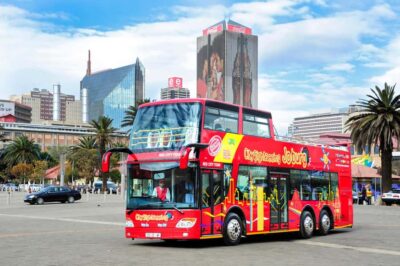

Soweto /Johannesburg and Apartheid Museum Guided Full Day Tour
Read our review →
Johannesburg Hop-On Hop-Off City Tour with Soweto Option
Read our review →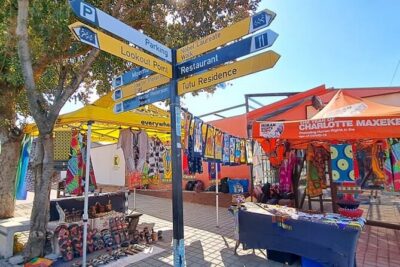

Soweto: Walking Tour with a Local Guide and Lunch
Read our review →
Jo’berg in 1 Day: Soweto, Apartheid Museum & City Tour
Read our review →
Full-Day Tour with Soweto and Apartheid Museum
Read our review →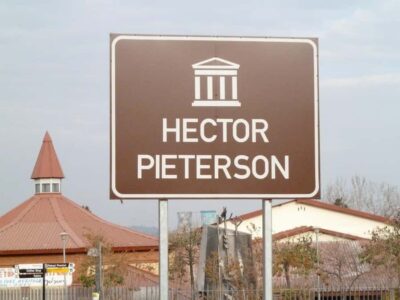
Browse the lists this tour appears in