
Reviewed · SOWETO TOURS
Explore Soweto 8 Hour Tour with Lunch and Museum Visit
Soweto tells South Africa’s story. I like the way this full-day outing links major places of memory, from FNB Stadium and Vilakazi Street to the Hector Pieterson Museum and Apartheid Museum. I also like that lunch at Sakhumzi Restaurant is included, along with hotel pickup, bottled water, WiFi, and an air-conditioned vehicle.
The main caution is the pace. Eight hours covers a lot of ground, and the schedule gives only 30 minutes at the Hector Pieterson Museum and two hours at the Apartheid Museum. If you prefer slow museum visits or long conversations at each stop, this may feel tightly packed.
In This Review
- Key points to know before booking
- Why this day works for first-time Johannesburg visitors
- A 9 a.m. start and a small-group ride
- FNB Stadium, where football meets national memory
- Soweto and Vilakazi Street, the human center of the day
- Hector Pieterson Museum and the 1976 uprising
- Mandela House and the personal side of history
- Lunch at Sakhumzi, with pap and chakalaka
- Two hours at the Apartheid Museum
- What the guide adds to the experience
- Who should book this tour?
- Should you book the Soweto eight-hour tour?
- FAQ
- How long does the Soweto tour last?
- What time does the tour start?
- Is pickup available?
- What is included in the price?
- Is alcohol included with lunch?
- How large is the tour group?
- Can I cancel for a full refund?
Key points to know before booking
- FNB Stadium brings sport and politics together: See the calabash-shaped stadium linked to the 2010 FIFA World Cup and major moments in modern South African history.
- Soweto gets more than a drive-by visit: The tour allows about four hours in the township area, including Vilakazi Street, Mandela House, and the Hector Pieterson site.
- The Hector Pieterson Museum is brief but serious: Thirty minutes offers an introduction to the 1976 uprising, though it will not allow time for every display.
- Lunch is part of the cultural experience: Sakhumzi Restaurant serves a buffet with pap, chakalaka, grilled meats, and vegetarian choices.
- The Apartheid Museum anchors the day: Two hours here gives you time to work through exhibits on racial classification, protest, resistance, and the road to democracy.
- A small group should make the day easier: The maximum is 10 people, with a guide, air-conditioned transport, WiFi, and pickup offered.
Why this day works for first-time Johannesburg visitors
Johannesburg can feel sprawling. Important places sit far apart, and the city’s history is not always easy to read from the street. This tour helps you connect the dots in one day, moving from sport and public celebration to apartheid, youth protest, family life, food, and democracy.
The strongest part is the range. You are not looking at one museum for eight hours. Instead, the day gives you different ways to understand the city. FNB Stadium shows national pride and shared spectacle. Soweto offers streets and homes tied to the struggle for freedom. The museums provide the wider political story.
I especially like the presence of a guide for this route. The tour description promises historical and cultural explanation during the drive and at the stops. Guide Thabang Msiza is named in several supplied comments, and his smooth driving, clear explanations, and thoughtful ordering of the day receive repeated praise. The exact guide may vary, but Thabang is a useful sign of the personal service the company aims to provide.
The overall score is 4.8 from five published ratings. That is a small sample, so I would not treat it as final proof. Still, the praise is consistent: clear explanations, a comfortable and clean vehicle, good timing, and an enjoyable full day.
More Museums in Johannesburg
- Soweto /Johannesburg and Apartheid Museum Guided Full Day Tour
★ 5.0 · 932 reviews - Jo’berg in 1 Day: Soweto, Apartheid Museum & City Tour
★ 4.8 · 524 reviews - Johannesburg: Full-Day Tour with Soweto and Apartheid Museum
★ 4.8 · 478 reviews
A 9 a.m. start and a small-group ride
The tour starts at 9 a.m. and lasts about eight hours. Pickup is offered, although the supplied details do not specify every pickup location, so you should confirm your exact collection point when booking.
Transport is by air-conditioned vehicle, with WiFi on board and bottled water included. Those details matter in Johannesburg, where a day of sightseeing can involve a fair amount of driving. A comfortable vehicle gives you time to rest between stops, while a group limit of 10 keeps the outing more personal than a large coach tour.
The small-group format is also useful for questions. Soweto and apartheid history raise difficult subjects, and a guide who can explain context while responding to your interests is more valuable than a simple transfer between attractions.
The tour is offered at $114.03 per person. That price includes transport, lunch, bottled water, WiFi, and admission to the Hector Pieterson Museum, Mandela House, Sakhumzi Restaurant, and Apartheid Museum. FNB Stadium and the wider Soweto visit are listed without a separate admission charge.
For a full day with two museums and lunch, the price is reasonable if you want convenience and interpretation. You are paying not only for entry tickets, but also for the vehicle, route planning, driving, and a guide. The value is weaker if you already have private transport and prefer to explore museums alone.
The average booking point is 140 days before the tour. That is a useful warning to plan ahead, especially if you have fixed Johannesburg dates. The group is small, and available spaces may be limited.
FNB Stadium, where football meets national memory

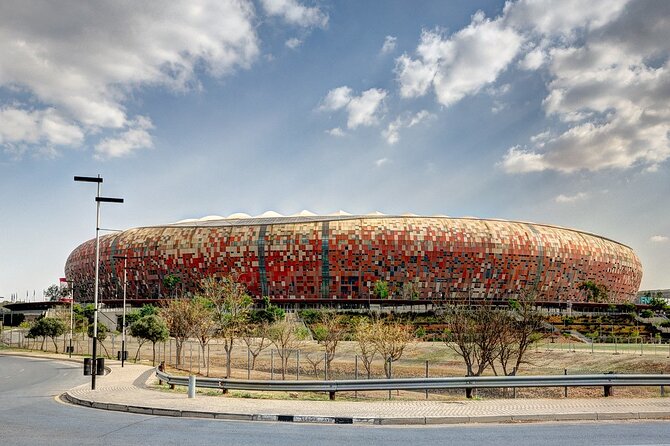
FNB Stadium, also called Soccer City, is the first listed stop. It is Africa’s largest stadium and is known for its calabash-inspired design, shaped like a traditional African cooking pot.
The stadium hosted the opening and closing ceremonies of the 2010 FIFA World Cup. For football fans, that alone makes it a worthwhile sight. But the site also carries political meaning. Nelson Mandela delivered his first speech in Johannesburg after his release there, and the stadium has hosted concerts by performers including Beyoncé and U2.
That mix is what makes the stop useful. You are not seeing only a sports venue. You are seeing a place associated with celebration, international attention, popular music, and a defining period in South Africa’s transition.
The supplied details do not give a separate visit duration or promise an interior stadium tour. I would therefore treat FNB Stadium as a viewing and orientation stop rather than expect a long behind-the-scenes stadium experience. If you want access to specific stadium areas, ask before booking.
Soweto and Vilakazi Street, the human center of the day
The tour spends about four hours in Soweto, making this more than a quick photo stop. Soweto means South Western Townships, and the area is closely tied to the anti-apartheid movement and the fight for equal rights.
Vilakazi Street is one of the best-known addresses in the township. It is famous for having been home to two Nobel Prize winners, Nelson Mandela and Desmond Tutu. That fact gives the street unusual historical weight, but it is also a place where everyday life, food, homes, and public memory meet.
I like that the tour does not reduce Soweto to a collection of political landmarks. The description presents it as a living cultural center as well as a place of struggle and resilience. You may see contemporary local life alongside sites connected to the past.
The key thing to remember is that Soweto is not a museum. Conditions, noise, traffic, and the feel of the streets can change during the day. Your guide’s role matters here. The best value comes from the explanation of what you are seeing, not from simply being driven past a famous address.
More Soweto tours:
- Johannesburg: Hop-On Hop-Off Bus with Optional Soweto Tour
★ 4.6 · 985 reviews - Johannesburg Hop-On Hop-Off City Tour with Soweto Option
★ 4.5 · 768 reviews - Half-Day Tour of Soweto Tour
★ 4.5 · 712 reviews - Soweto: Walking Tour with a Local Guide and Lunch
★ 4.9 · 648 reviews
Hector Pieterson Museum and the 1976 uprising
The Hector Pieterson Museum and Memorial is one of the most important stops, and also one of the shortest. The scheduled visit lasts 30 minutes.
Hector Pieterson was 12 years old when he was killed during the Soweto Uprising on June 16, 1976. Students were protesting the forced use of Afrikaans as the language of instruction in schools. A photograph of Hector being carried by another student, with his sister running beside them, spread around the world and drew attention to the violence of apartheid.
The museum honors Hector and the young people who took part in the protest. Its purpose is not simply to recount one tragic death. It shows how student resistance became a major turning point in the wider fight against apartheid.
Thirty minutes is enough to understand the central story and pay your respects. It is not much time for a careful look at every exhibit. If this history matters greatly to you, stay focused and listen closely to the guide’s introduction. You may also want to return independently if your schedule allows.
This stop can be emotionally heavy. That is not a flaw, but you should know what kind of day this is. The tour moves between food, sport, homes, and museums, yet the painful parts of South Africa’s past are treated as central, not decorative.
Mandela House and the personal side of history
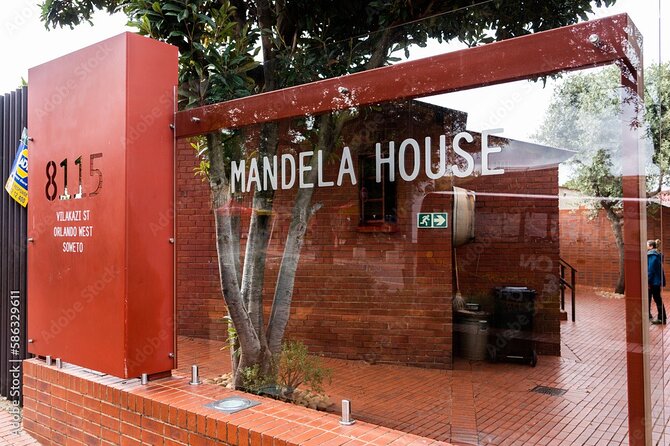
Mandela House sits on Vilakazi Street and was once Nelson Mandela’s home. It is now a museum with original furnishings, photographs, and personal items connected to his family life and political career.
This is a smaller-scale experience than the Apartheid Museum. Instead of beginning with national policy and racial classification, Mandela House brings the story closer to one person’s home. You get a sense of the domestic setting behind the public figure.
I find that contrast valuable. It is easy to think of Mandela only as a president or global symbol. A house visit helps you picture the ordinary rooms and family life that existed before imprisonment and office. The setting also links Mandela directly to Soweto rather than leaving his story in the abstract.
The details provided do not state a fixed time for Mandela House. The actual time available may depend on traffic, museum flow, and how the guide manages the day. If you want a very detailed house visit, ask how long the group usually spends inside.
Lunch at Sakhumzi, with pap and chakalaka
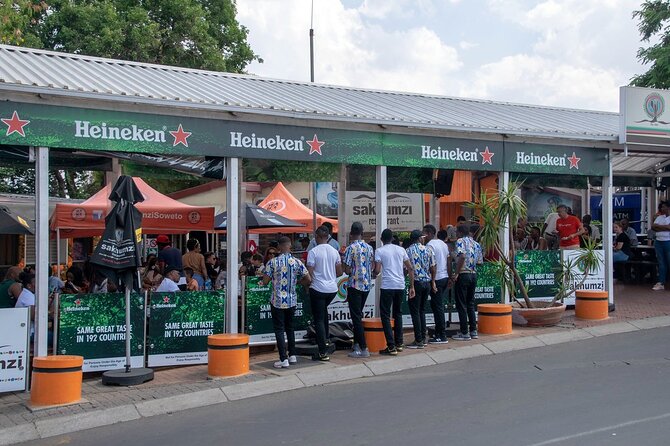
Lunch at Sakhumzi Restaurant is scheduled for one hour on Vilakazi Street. This is a smart placement because it keeps the meal close to Mandela House and the other Soweto sights.
The meal is buffet-style, with traditional South African dishes such as pap, chakalaka, grilled meats, and vegetarian options. Pap is a maize-based staple, while chakalaka is a seasoned vegetable relish. Together with grilled meat, these dishes give you a basic introduction to everyday South African flavors without requiring you to plan a separate restaurant visit.
The setting is part of the appeal. Sakhumzi is described as welcoming and often accompanied by local music. You get a break from museums while staying connected to the area you are exploring.
One hour is enough for a proper meal, but it may feel short if the restaurant is busy or you want a long, relaxed lunch. Alcohol is not included, so budget separately if you choose to order drinks beyond the supplied meal and water.
Some of the tour feedback refers to lunch at Chaf Pozi rather than Sakhumzi. Since the named restaurant in the current details is Sakhumzi, I would confirm the lunch venue before departure. This is a small but useful point, especially if you have dietary needs or a strong preference about where you eat.
Two hours at the Apartheid Museum
The Apartheid Museum receives the longest fixed museum visit, at two hours. That is appropriate. The museum covers racial classification, segregation, resistance movements, apartheid policy, Nelson Mandela, and the transition to democracy through photographs, films, personal accounts, and interactive displays.
The museum’s design also supports the subject. The supplied description notes that the architecture has symbolic meaning, so pay attention to the way the building guides your movement and frames the exhibits.
Two hours should let you grasp the main structure of the story and spend time with selected displays. It is not enough to read every panel closely, especially if you want to follow each individual account. I would choose your priorities early rather than rush through the final rooms.
The Apartheid Museum pairs well with the Hector Pieterson Museum. Hector Pieterson focuses closely on youth protest and one decisive day in Soweto. The Apartheid Museum widens the view, explaining the policies, institutions, resistance, and political change that shaped the country.
This is the intellectual anchor of the tour. If you have limited time in Johannesburg, the combination of Soweto and the Apartheid Museum gives you more context than either stop alone.
What the guide adds to the experience
The route depends heavily on the guide. The best accounts of the day praise detailed explanations, smooth driving, good route planning, and a pleasant manner. Thabang Msiza is specifically named as a guide who contacted a customer before the trip, which helped create confidence before arrival in South Africa.
That kind of contact is useful. A pre-tour message can clarify pickup arrangements and reduce uncertainty, particularly if you are arriving from abroad. It also suggests a service style that values communication, though you should still confirm the practical details yourself.
A good guide can explain why FNB Stadium matters, place the 1976 uprising in context, and help you understand how Mandela House fits into Soweto’s broader story. Without that narration, several stops risk becoming short photo opportunities.
The tour description uses both Khambanathi Tours and Legacy Auto Innovations in its provider information. I would check the confirmation for the exact operating name and pickup contact. This should not stop you booking, but it is sensible to remove any confusion before the 9 a.m. start.
Who should book this tour?
I would choose this experience if you are visiting Johannesburg for the first time and want a structured introduction to the city’s political and cultural history. It also suits you if you value a guide, do not want to arrange separate taxis, and like having lunch and museum admission handled in one booking.
It is a good fit for visitors interested in Nelson Mandela, apartheid, the 1976 Soweto Uprising, football, and South African food. Families and mixed-interest groups may appreciate the variety, since the day includes a stadium, streets, a historic home, lunch, and two museums.
I would think twice if your main goal is an unhurried museum study. The Hector Pieterson visit is short, and the day covers several major places. You should also avoid expecting a detailed interior tour of FNB Stadium unless that is confirmed in advance.
Most people can participate, and the maximum group size is 10. The vehicle is air-conditioned, and WiFi and water are included. Free cancellation is available if you cancel at least 24 hours before the 9 a.m. start. Cancellations or changes made within 24 hours are not accepted for a refund.
Should you book the Soweto eight-hour tour?
Book it if you want one well-organized day that connects Soweto with Johannesburg’s major historical museums. The strongest value is the combination of transport, a small group, lunch, admissions, and guide-led context.
The day is not designed for slow, independent exploration. It is a broad introduction with some emotionally demanding stops and a fair amount of scheduled movement. For a first visit, that is often exactly what you need. Plan early, confirm pickup and the lunch venue, and ask how much time is normally allowed at Mandela House and FNB Stadium.
FAQ
How long does the Soweto tour last?
The tour lasts approximately eight hours.
What time does the tour start?
The stated start time is 9 a.m.
Is pickup available?
Yes. Pickup is offered, but the supplied details do not specify every pickup location. Confirm your exact pickup point after booking.
What is included in the price?
The price includes an air-conditioned vehicle, WiFi on board, lunch, bottled water, and admission to the included museum and attraction visits listed for the tour.
Is alcohol included with lunch?
No. Alcoholic beverages are not included.
How large is the tour group?
The maximum group size is 10 people.
Can I cancel for a full refund?
Yes, if you cancel at least 24 hours before the experience start time. Cancellations or changes made less than 24 hours before the start are not eligible for a refund.
More Lunch Experiences
- Full-Day Soweto, Apartheid Museum and Lunch Tour
★ 5.0 · 410 reviews - Soweto: Guided Bicycle Tour with Lunch
★ 4.9 · 292 reviews - Soweto Walking Tour with Lunch
★ 5.0 · 288 reviews - Johannesburg and Soweto Apartheid Full Day Tour w/Lunch
★ 4.9 · 219 reviews
Newest reviews from Johannesburg
- Cradle of Humankind and Maropeng Day Tour from Johannesburg★ 4.0 · 5 reviews
- 3 Day All Incl. Private Kruger Park Safari Incl. Transfer From Johannesburg★ 5.0 · 5 reviews
- Harties cableway Tour★ 4.5 · 5 reviews
- Pretoria Historical Tour★ 4.0 · 5 reviews
- Constitutional Hill and Soweto 5 hours tour.★ 5.0 · 5 reviews
- 5 Day Kruger National Park and Panorama Route Safari★ 4.5 · 5 reviews
- Luxury Car Johannesburg Airport Private Transfer★ 5.0 · 5 reviews
- Pilanesberg National Park Safari in Open Vehicle from Johannesburg★ 5.0 · 6 reviews
Soweto Tours, compared.

Soweto /Johannesburg and Apartheid Museum Guided Full Day Tour
Read our review →
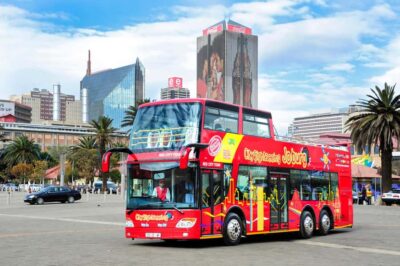
Johannesburg Hop-On Hop-Off City Tour with Soweto Option
Read our review →

Soweto: Walking Tour with a Local Guide and Lunch
Read our review →
Jo’berg in 1 Day: Soweto, Apartheid Museum & City Tour
Read our review →
Full-Day Tour with Soweto and Apartheid Museum
Read our review →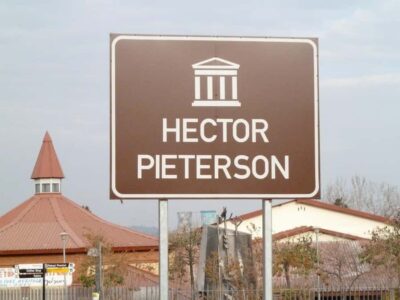
Browse the lists this tour appears in