
Reviewed · APARTHEID MUSEUM TOURS
Johannesburg and Soweto Apartheid Full Day Tour w/Lunch
History comes alive on Johannesburg’s streets. This eight-hour tour links central Johannesburg, Constitutional Hill, Soweto, and the Apartheid Museum into one demanding but worthwhile day. I especially like the way it combines major sights with a local guide, and the lunch at a Soweto shebeen gives the day a useful cultural break.
The strongest feature is the guiding. James, Vincent, Pascal, Lauren, Ruth, and others have been praised for clear explanations, personal stories, language skills, and a calm approach to city travel. The main drawback is the packed schedule: two hours at the Apartheid Museum may not satisfy visitors who want to read every display, and the museum is closed on Mondays and Tuesdays.
In This Review
- Key points to know before booking
- Why this full-day Johannesburg tour works
- Seeing Johannesburg through its towers and bridges
- Constitutional Hill, from prison to democracy
- The Apartheid Museum deserves careful planning
- Entering Soweto and following the 1976 student uprising
- Vilakazi Street and the Mandela family connection
- What the guides add to the day
- The main drawbacks to consider
- Who should book this Johannesburg and Soweto day?
- Should you book it?
- FAQ
- How long does the Johannesburg and Soweto tour last?
- What is the tour price?
- Is hotel pickup included?
- Which languages are available?
- Is the Apartheid Museum open every day?
- Is lunch included in the price?
- Can children join the tour?
Key points to know before booking
- The guide makes the difference: Guides such as James, Vincent, Pascal, Lauren, and Ruth are praised for history, local context, humor, and personal attention.
- Johannesburg and Soweto are treated as one story: The tour connects city development, forced removals, protest, resistance, and democracy.
- Constitutional Hill adds real weight: The former prison and military fort shows how law and state power affected ordinary people.
- Soweto includes major political landmarks: You visit Hector Pieterson Memorial, Vilakazi Street, and the outside of Nelson Mandela’s house.
- The local lunch is part of the experience: Food at a famous shebeen offers a taste of Soweto’s social life, though one meal is paid separately.
- Plan around museum opening days: The Apartheid Museum is open Wednesday through Sunday, so Monday and Tuesday bookings require particular care.
Why this full-day Johannesburg tour works
Johannesburg can be hard to read at street level. Its districts, towers, former mining wealth, new developments, townships, and security concerns do not fit into a simple sightseeing route. A private car or small guided vehicle helps you cover ground while someone explains what you are seeing.
This tour costs $93 per person and lasts about eight hours. That is fair value if you have limited time in Johannesburg and want transport, a guide, several major sites, bottled water, WiFi, and museum entry arranged together. You also avoid trying to connect central Johannesburg and Soweto independently in one day.
The day begins with hotel pickup, usually between 8am and 9am. Allow up to an hour for collection, depending on your hotel and the other pickups. That early uncertainty matters if you have a fixed evening flight or another appointment.
The vehicle is air-conditioned, which is useful during a long day of driving and sightseeing. Pickup and return are available from hotels in Johannesburg and surrounding areas. Children must be accompanied by an adult, and unaccompanied minors cannot join.
More Full-Day Tours in Johannesburg
- Soweto /Johannesburg and Apartheid Museum Guided Full Day Tour
★ 5.0 · 932 reviews - Full Day Ultimate Pilanesberg National Park Safari from Johannesburg or Pretoria
★ 4.5 · 718 reviews - Johannesburg: Full-Day Tour with Soweto and Apartheid Museum
★ 4.8 · 478 reviews
Seeing Johannesburg through its towers and bridges
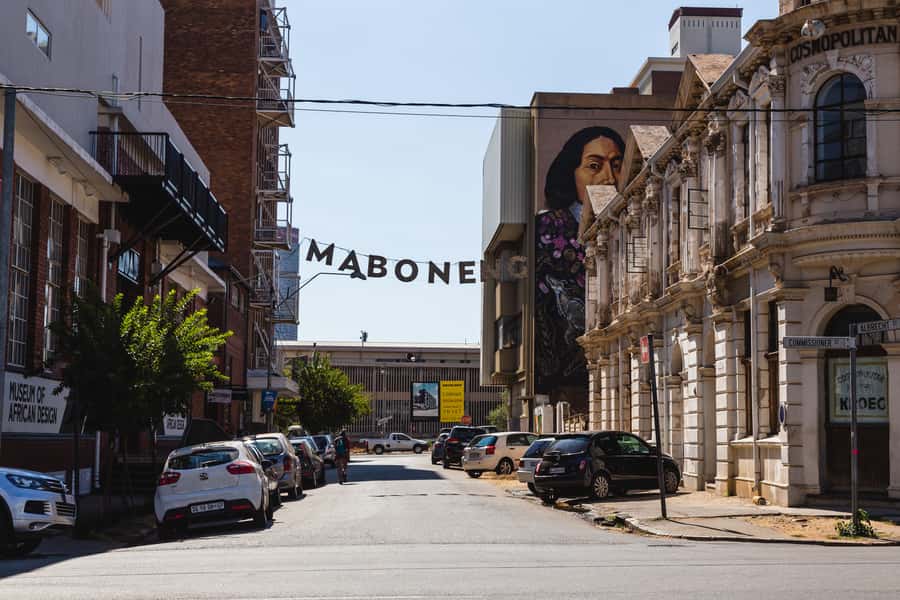
The first part of the route introduces you to central Johannesburg by road. You pass the Hillbrow Tower, Ponte City, Sentech Tower, Carlton Centre, and Nelson Mandela Bridge. These are not just photo stops. Together, they show the city’s changing identity, from mining-era power to modern telecommunications and major urban redevelopment.
The Hillbrow Tower is one of Africa’s tallest towers. Ponte City, with its distinctive cylindrical form, is one of Johannesburg’s most recognizable buildings. Carlton Centre gives you a sense of the city’s vertical ambition, while the Nelson Mandela Bridge represents a later, more polished civic image.
Do not expect a long walking tour of every building. Much of this section is viewed from the vehicle, with stops shaped by traffic, safety, and the day’s timing. That is a sensible arrangement in a city where moving efficiently between districts matters.
The best guides add the missing links. Vincent has been praised for explaining history, landmarks, and culture while also adjusting his pace to the group. James has been described as especially good at connecting Johannesburg’s past with personal stories. If you have a particular interest, such as architecture, politics, mining, or daily life, tell your guide early.
Constitutional Hill, from prison to democracy
Constitutional Hill is one of the day’s most important stops. The site was once a prison and military fort. Today, its museum explains South Africa’s movement toward democracy and the years of legal and social control under apartheid.
This visit gives structure to the history you will hear later in Soweto. Apartheid was not only a set of attitudes or neighborhood divisions. It was enforced through laws, courts, police, prisons, and restrictions on movement. Constitutional Hill helps you see how those systems operated.
The site can be emotionally heavy. You may hear about imprisonment, unequal justice, and the treatment of political opponents. That is exactly why it belongs on a Johannesburg history tour, but it also means you should not expect a light sightseeing stop.
One useful feature of a guided visit is the chance to ask questions as the story unfolds. Past guides have been praised for explaining difficult subjects without turning the tour into a lecture. James, in particular, has been singled out for making the prison and court material clear and personal.
If the Apartheid Museum is closed during your chosen booking, Constitutional Hill may receive more attention. One guest described this substitution as worthwhile and said the prison and court visit did not feel like a lesser replacement. Still, check the schedule before booking if the Apartheid Museum is your main reason for taking the tour.
The Apartheid Museum deserves careful planning

The Apartheid Museum is the emotional center of the itinerary. Its displays examine the creation, enforcement, and eventual collapse of apartheid, using historical material to show how the system shaped everyday life and national politics.
The museum is open Wednesday through Sunday. It is closed on Mondays and Tuesdays, so do not assume the full advertised route operates unchanged every day. Some previous bookings took place on a Monday or Tuesday and missed both the Apartheid Museum and, on at least one occasion, the Hector Pieterson Museum.
The museum visit is generally allocated about two hours. That is enough to see the principal sections and understand the broad story, but it may feel short if you read every panel. One person specifically wished for more time and found it necessary to move quickly through some of the material.
I suggest treating this as a focused introduction rather than a complete museum study. Read the sections that speak most strongly to you, then ask your guide about anything you missed. If museums are your priority, arrive mentally prepared to choose.
The combination of Constitutional Hill and the Apartheid Museum works well. Constitutional Hill shows the machinery of the state. The Apartheid Museum gives the wider national account. Soweto then brings the story into streets, homes, schools, and memorials.
More apartheid history tours:
- Jo’berg in 1 Day: Soweto, Apartheid Museum & City Tour
★ 4.8 · 524 reviews - Full-Day Soweto, Apartheid Museum and Lunch Tour
★ 5.0 · 410 reviews - Half Guided Day Tour of Soweto And Apartheid Museum
★ 5.0 · 356 reviews - Ultimate Johannesburg Soweto Experience with Apartheid Museum
★ 5.0 · 313 reviews
Entering Soweto and following the 1976 student uprising
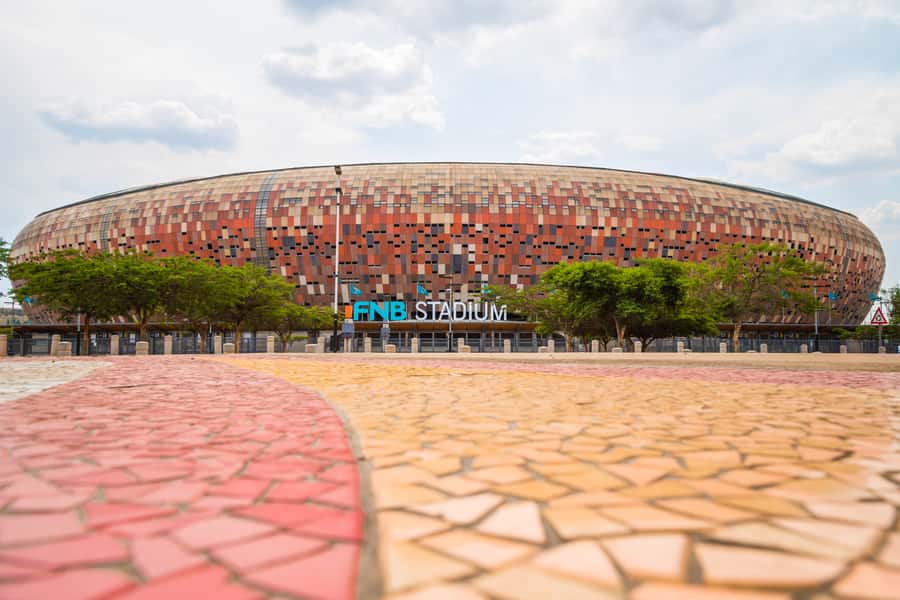
The tour then leaves central Johannesburg for Soweto, the township most closely linked with the anti-apartheid struggle and the student uprisings of 1976. This is not presented only as a place of suffering. Your guide also explains its communities, public life, famous residents, and ongoing change.
The Hector Pieterson Memorial is a key stop. It recalls the student uprising and the police violence that followed. The memorial is powerful because it connects a national political crisis with young people, schools, families, and local streets.
Allow yourself time to absorb the site. This is not a place for rushed photographs and a quick return to the vehicle. A guide can explain why the events mattered and how they fitted into the wider resistance movement.
The route includes views of an informal settlement, Baragwanath Hospital, and the Soweto cooling towers. These sights help you see more than the famous political addresses. They point to the scale of the township and to the gap between postcard images and ordinary urban life.
You may not stop at every location for long. Some roads are viewed from the vehicle, and guides may decide that stopping is not appropriate in a particular spot. That is one reason a local guide matters. The day aims to show Soweto respectfully, not turn poverty into a spectacle.
Vilakazi Street and the Mandela family connection
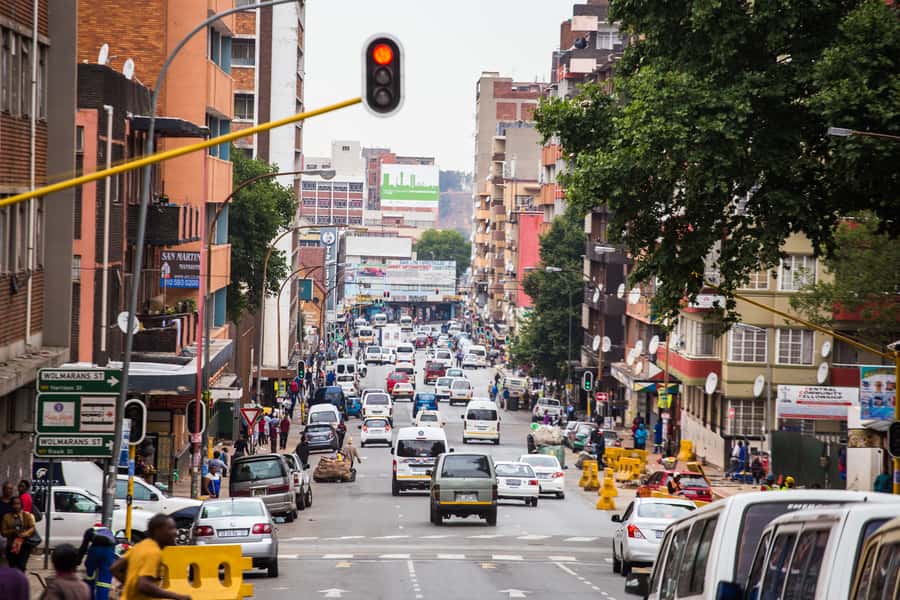
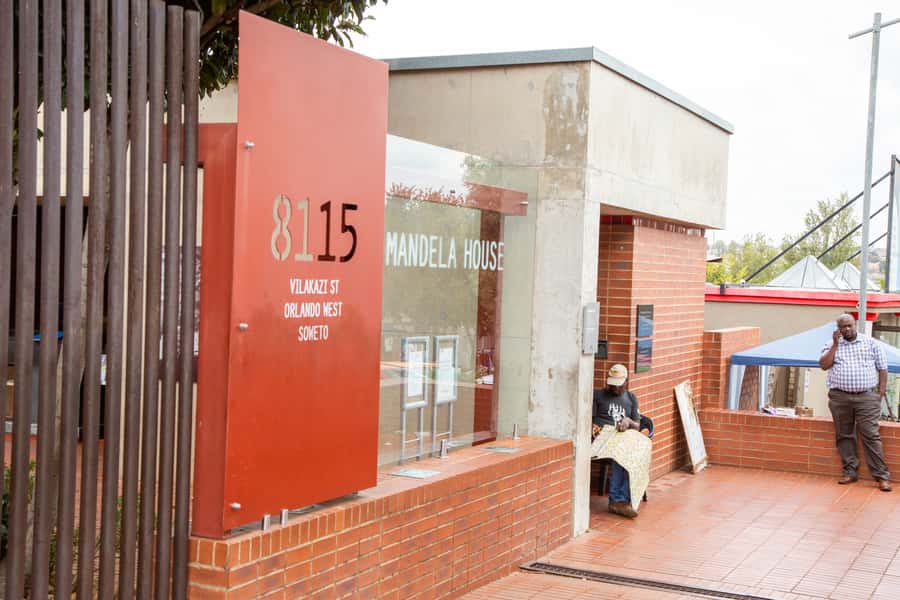
Vilakazi Street is one of the tour’s most memorable areas. It is associated with both Nelson Mandela and Desmond Tutu, two figures who shaped South Africa’s political and moral life. The itinerary includes views of Mandela’s house, Desmond Tutu’s house, and Winnie Mandela’s house.
The Mandela House visit is a highlight for many people. It gives a more personal setting to a story often told through prisons, speeches, elections, and monuments. You can better understand the contrast between Mandela’s international importance and the ordinary residential place connected with his family life.
The exact amount of time at each house can vary, so ask your guide how the schedule is arranged. One person especially appreciated having enough time at the Apartheid Museum and Mandela House, while another found the overall day full but worthwhile.
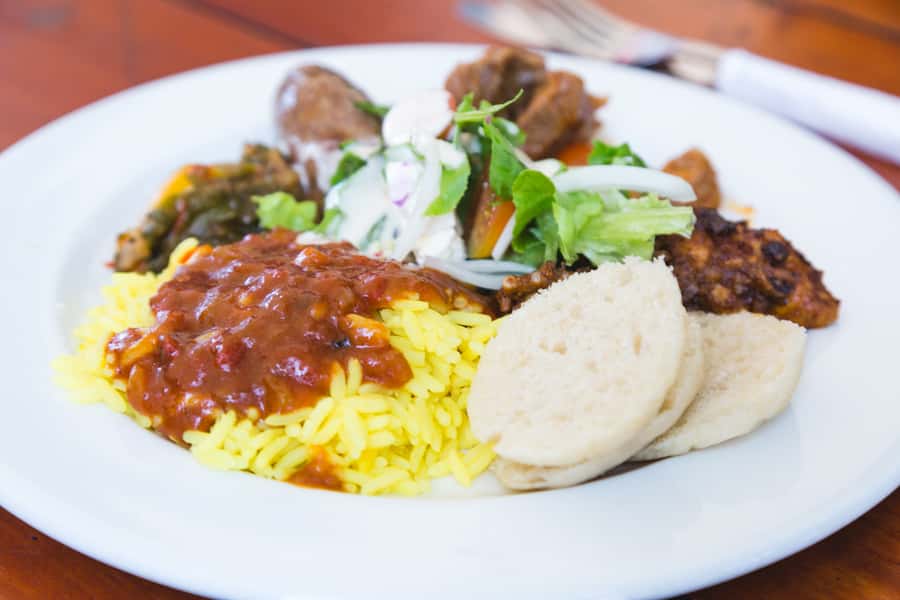
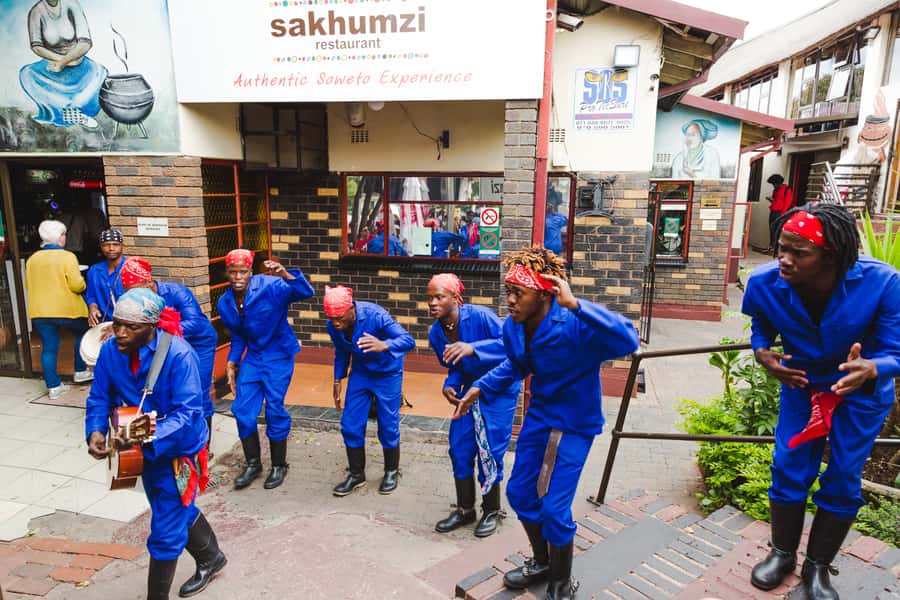
Vilakazi Street also gives you a chance to pause for food and local atmosphere. The included lunch is served at a famous local shebeen, described by past guests as a typical African restaurant and buffet-style meal. This is one of the day’s more social moments.
The meal is not included in the tour price according to the additional comments supplied for the experience, so budget for it separately. One earlier guest considered the price high for Soweto, although they also said the food was good. That is a fair point: the lunch is valuable as a cultural stop, but it is not simply a cheap meal.
What the guides add to the day

The guide is the central reason this tour earns such strong praise. The recorded rating is 4.9 from 219 reviews, and the compliments are unusually consistent. People repeatedly describe their guides as warm, clear, patient, and highly informed.
Ruth has been praised for her personal stories as someone from Soweto. Her background helped connect the township’s political history with lived experience. James has also been described as having grown up in Soweto, giving him a personal way to explain how the area changed over time.
Vincent receives frequent praise for his command of South African history, roads, landmarks, and culture. He also guides in French, which is useful if you prefer to discuss difficult historical subjects in that language. The tour offers English, French, and Portuguese.
Lauren is praised for being friendly and adaptable. One solo woman was pleased to receive a female guide, Nomonde, and felt comfortable asking questions throughout the day. Other guides, including Pascal, Eric, Christian, Alain, Celvin, and Sam, have also been praised for careful explanations and friendly service.
The group size is not specified, and some bookings have felt like private tours when only one or two people were booked. Do not count on a private outing, but you may get one if demand is light. A smaller group can make it easier to ask questions and adjust the pace.
The main drawbacks to consider
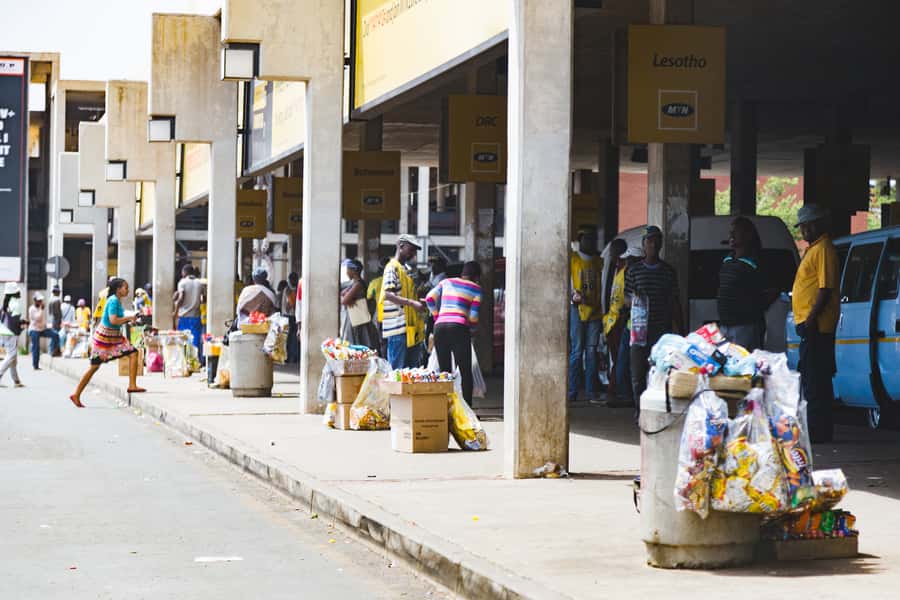
The biggest issue is time. Eight hours sounds generous, but Johannesburg and Soweto cover a lot of ground, and the day includes several major sites. You will spend part of the tour in the vehicle, which is necessary but can make the schedule feel full.
The Apartheid Museum is the clearest pressure point. Two hours provides an introduction, not a slow visit. If you want to study every display, a separate museum visit may suit you better.
The opening-day problem is also serious. The Apartheid Museum is closed Monday and Tuesday. Past experiences also report Hector Pieterson Museum closures on some of those days. Confirm the exact route for your date before paying, especially if these museums are your priorities.
Lunch is another small consideration. The shebeen setting is part of the appeal, but the food cost is separate and may feel high compared with local prices. Bring some South African rand for personal expenses and any purchases.
Finally, this is a history-first tour. The subject matter includes prison, police brutality, forced separation, protest, and injustice. You should choose it because you want to understand Johannesburg, not simply collect city views.
Who should book this Johannesburg and Soweto day?
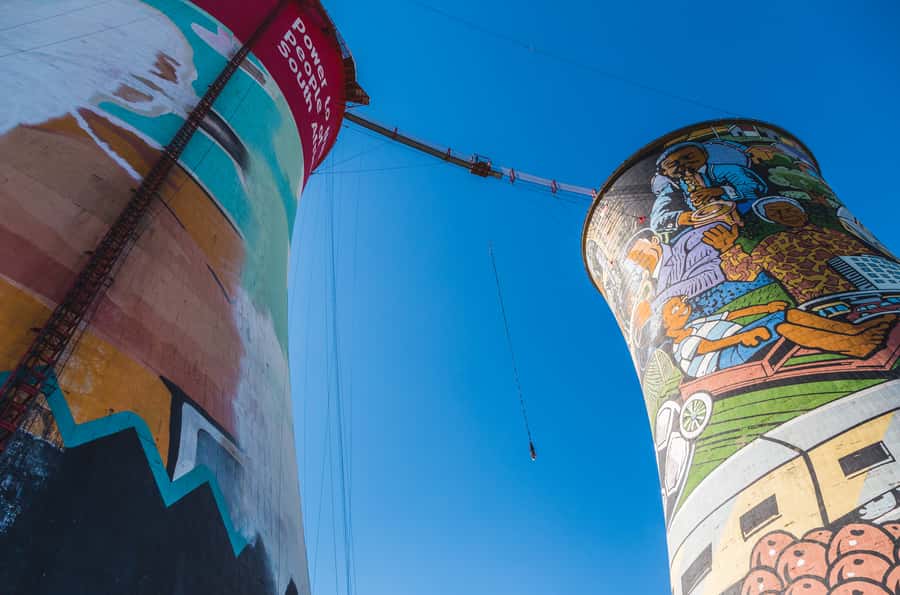
I would choose this tour if you have one full day in Johannesburg and want a clear introduction to the city’s history. It is especially useful for first-time visitors, solo travelers who want hotel pickup, and anyone who prefers an expert explanation over arranging several separate taxis and museum visits.
It also suits families with older children, provided an adult accompanies them and everyone is ready for serious subject matter. The casual dress code and comfortable walking shoes are practical choices. You will move between a vehicle, museums, memorials, and urban streets.
I would hesitate if you have already visited Constitutional Hill, the Apartheid Museum, and Soweto. In that case, a more specialized architecture, food, art, or contemporary city tour could give you something new.
The $93 price is reasonable when you value transport, entry to the Apartheid Museum, hotel pickup and drop-off, water, WiFi, and a guide across a full day. It is less compelling if you only want a quick overview or plan to spend most of your time inside one museum.
Should you book it?
Book this tour if you want context, not just photographs. Its strength is the connection between Johannesburg’s towers, Constitutional Hill, the Apartheid Museum, and Soweto’s memorials and homes.
Choose a Wednesday through Sunday date if the Apartheid Museum matters to you. Ask for a guide whose language and interests match your own, and tell the guide what you hope to learn. If you can accept a full schedule, separate lunch costs, and emotionally serious subject matter, this is a strong-value way to understand Johannesburg in one day.
FAQ
How long does the Johannesburg and Soweto tour last?
The tour lasts eight hours, including hotel pickup and drop-off.
What is the tour price?
The listed price is $93 per person.
Is hotel pickup included?
Yes. Pickup and drop-off are included from hotels in Johannesburg and surrounding areas. Pickup may take up to one hour, with collection generally scheduled between 8am and 9am.
Which languages are available?
The live guide is available in English, French, and Portuguese.
Is the Apartheid Museum open every day?
No. The Apartheid Museum is open from Wednesday through Sunday and closed on Mondays and Tuesdays.
Is lunch included in the price?
Lunch at a famous local shebeen is part of the planned experience, but personal expenses are not included. Earlier tour information also notes a separate charge for the meal, so budget extra for lunch.
Can children join the tour?
Children can join if accompanied by an adult. Unaccompanied minors are not allowed.
More Lunch Experiences
- Soweto: Guided Bicycle Tour with Lunch
★ 4.9 · 292 reviews - Soweto Walking Tour with Lunch
★ 5.0 · 288 reviews - Guided Bicycle Tour of Soweto with Lunch
★ 5.0 · 180 reviews - Johannesburg: Soweto Apartheid & Township Tour with Lunch
★ 4.8 · 80 reviews
More Soweto Tours
- Johannesburg: Hop-On Hop-Off Bus with Optional Soweto Tour
★ 4.6 · 985 reviews - Johannesburg Hop-On Hop-Off City Tour with Soweto Option
★ 4.5 · 768 reviews - Half-Day Tour of Soweto Tour
★ 4.5 · 712 reviews - Soweto: Walking Tour with a Local Guide and Lunch
★ 4.9 · 648 reviews
Newest reviews from Johannesburg
- Cradle of Humankind and Maropeng Day Tour from Johannesburg★ 4.0 · 5 reviews
- Explore Soweto 8 Hour Tour with Lunch and Museum Visit★ 5.0 · 5 reviews
- 3 Day All Incl. Private Kruger Park Safari Incl. Transfer From Johannesburg★ 5.0 · 5 reviews
- Harties cableway Tour★ 4.5 · 5 reviews
- Pretoria Historical Tour★ 4.0 · 5 reviews
- Constitutional Hill and Soweto 5 hours tour.★ 5.0 · 5 reviews
- 5 Day Kruger National Park and Panorama Route Safari★ 4.5 · 5 reviews
- Luxury Car Johannesburg Airport Private Transfer★ 5.0 · 5 reviews
Apartheid Museum Tours, compared.

Soweto /Johannesburg and Apartheid Museum Guided Full Day Tour
Read our review →
Jo’berg in 1 Day: Soweto, Apartheid Museum & City Tour
Read our review →
Full-Day Tour with Soweto and Apartheid Museum
Read our review →
Full-Day Soweto, Apartheid Museum and Lunch Tour
Read our review →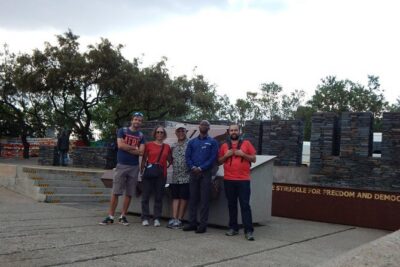
Half Guided Day Tour of Soweto And Apartheid Museum
Read our review →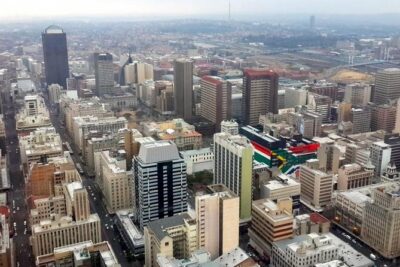
Ultimate Johannesburg Soweto Experience with Apartheid Museum
Read our review →
Soweto: Hop-On Hop-Off Bus, City Tour and Apartheid Museum
Read our review →Johannesburg Full-Day Tour(Soweto/Jo-Burg & Apartheid Museum)
Read our review →Browse the lists this tour appears in