
Reviewed · WORKSHOPS
Koeksister and Samoosa Class by the Malay Cook Up
Cape Malay flavor starts in the kitchen. This two-hour class in a Bo-Kaap home brings you close to two much-loved South African treats: the savory samoosa and the sweet-spicy koesister. I like the warm, informal setting and the chance to cook beside an accomplished Cape Malay host rather than simply watch a demonstration. I also like the balance of savory and sweet, followed by a sit-down tasting and conversation.
The main point to check is how much of the cooking will be done by you. The class is described as hands-on and from scratch, but one participant found the samoosa pastry was store bought and the fillings were prepared in advance. The koesister section appears to offer more direct work, so ask what will be prepared on the day if full participation matters to you.
In This Review
- Key points at a glance
- Why these two snacks matter in Bo-Kaap
- The first hour: preparing the samoosas
- The koesister lesson brings more hands-on work
- Tasting turns a lesson into a shared meal
- A relaxed two-hour pace
- What the $23 price really buys
- Who will enjoy this Bo-Kaap cooking class
- How to prepare for a better class
- Should you book the Malay Cook Up class?
- FAQ
- How long does the class last?
- What dishes will I learn to make?
- Is the tasting included?
- Are ingredients and equipment provided?
- Where does the class take place?
- Which languages are available?
- Can I cancel for a refund?
Key points at a glance
- Two Cape Malay classics: Learn about samoosas, crisp pastry triangles with savory filling, and koesisters, sweet-spicy doughnuts.
- A home-kitchen setting: The class takes place in Bo-Kaap, where these foods are closely linked to the area’s earliest inhabitants.
- Two hours with tasting included: You cook, hear local background, then sit down with the host to enjoy the results.
- A relaxed personal welcome: Several participants praised the friendly atmosphere and the feeling of being comfortable in the host’s home.
- A useful value at $23: Ingredients, equipment, instruction, tasting, and local context are included.
- A small hands-on caution: The koesister work may be more active than the samoosa preparation, depending on the day.
Why these two snacks matter in Bo-Kaap
This class is not simply a lesson in folding pastry and shaping dough. The samoosa and koesister are tied to the Cape Malay community and to the early inhabitants of Bo-Kaap. Both foods remain part of everyday South African eating, across cultural and religious lines.
That context gives the cooking more meaning. You are not just learning two recipes picked at random. You are working with foods that carry family, faith, celebration, and neighborhood traditions. The local background shared during the class helps explain why these snacks matter beyond their attractive shapes and good flavors.
I especially like the pairing. A samoosa gives you spice, filling, and crisp pastry. A koesister brings sweetness, warm spice, and a softer doughnut texture. Together, they make a compact lesson in contrast. You do not spend two hours preparing only one type of food.
The class is held in a home kitchen in Bo-Kaap. That setting should appeal to you if you prefer a personal meeting over a formal cooking school. It also means the experience is likely to feel informal and social. Several participants appreciated being welcomed into the home and feeling comfortable there.
A few more tours in Cape Town worth putting side by side
- Cape Town: Malay Cooking Class and Lunch in Bo-Kaap
★ 4.8 · 515 reviews - Cape Town: Cape Malay Cooking Class in Bo-Kaap
★ 4.8 · 120 reviews - Cape Town: Bo-Kapp Walking Tour and Malay Cooking Class
★ 4.7 · 105 reviews
The first hour: preparing the samoosas
The samoosa is the savory half of the class. You learn how the pastry triangle is assembled and how the filling is handled, with the cook guiding the process step by step.
The shape is part of the fun. A samoosa is more than a folded snack, since the pastry must hold its filling and cook into a crisp triangle. The class gives you a chance to see how the pieces are put together and how the traditional snack reaches its familiar form.
Here is where you should set your expectations carefully. The experience description presents the food as made from scratch, but Tanya’s account gives a more qualified picture. She found that the pastry was store bought and that the fillings had already been prepared. Her criticism was not that the food tasted poor. Instead, she wanted more time with the dough, spices, ingredients, smells, and cooking steps.
That is a fair point. If you want to learn every stage of samoosa making, especially homemade pastry, this class may not provide the full lesson you expect. Making pastry from scratch can take time, and a two-hour session covering both savory and sweet dishes may need to simplify some steps.
Still, the prepared elements do not make the samoosa portion worthless. You can learn the assembly, folding, handling, and general method. You also get the chance to ask questions while working beside the host. For a short cultural cooking session, that may be enough. For a serious pastry lesson, it may leave you wanting more.
I recommend contacting the provider before booking if the dough is the main reason you are interested. Ask whether the pastry and filling will be prepared in advance, or if participants will handle at least part of those steps. That simple question can prevent a mismatch between your expectations and the actual class.
The koesister lesson brings more hands-on work
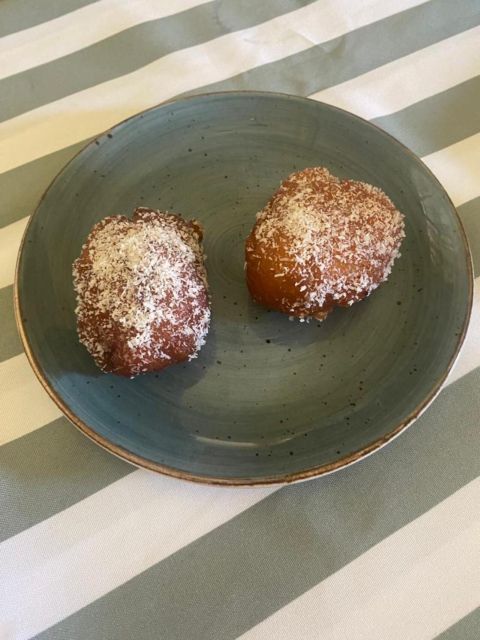
The koesister is the sweet-spicy doughnut of the class. Its name and style may be unfamiliar to many visitors, which makes this part especially useful for anyone who wants to move beyond the usual South African food checklist.
The dough is prepared and shaped under guidance. Compared with the samoosa section, this part appears to involve more direct participation. Tanya found the koesister work more interactive and enjoyed the finished taste. That distinction matters if you are choosing this activity for practical cooking rather than for a demonstration.
The flavor also gives the class a clear Cape Malay identity. The koesister is sweet, but the spice keeps it from tasting like an ordinary doughnut. It offers a different idea of what a fried sweet can be, and it pairs well with the savory samoosa.
You should not expect a polished restaurant-style lesson with a formal chef’s uniform and timed stations. The appeal here is the home setting, the informal coaching, and the chance to make a traditional item with someone who knows the food well. Brandon described the class as relaxed and enjoyable for family and friends, and later repeated the recipes at home with his own group. That suggests the lesson can be useful beyond the day itself, at least for those who want to practice.
The recipe value depends on how clearly the host explains quantities, technique, and timing. The provided details confirm that authentic ingredients are used and local history is shared, but they do not promise a printed recipe book or a full written lesson. Bring a phone or notebook if you want to remember details, provided the host is comfortable with that.
Tasting turns a lesson into a shared meal
At the end, you sit with the host and eat the samoosas and koesisters you helped prepare. This closing meal is an important part of the experience. It gives you time to taste the results, compare the savory and sweet elements, and talk without rushing back to the worktable.
I like this format because food makes conversation easier. You can ask about the dishes, the neighborhood, and the role of Cape Malay cooking in South African life. The class is not only about taking home a technique. It is also about sharing food in the place where the tradition is lived.
The home setting adds to that feeling. Sara specifically appreciated the lovely home and the woman hosting the experience. Andrea also found the welcome warm and comfortable. Those comments point to one of the strongest features here: the tone is personal rather than commercial.
That may not suit everyone. If you prefer a large class with a busy kitchen, many dishes, and lots of equipment, this could feel modest. The supplied information does not specify group size, so you should not assume either a private lesson or a large cooking school session. The format is best understood as a guided home-kitchen workshop.
A few more tours worth putting side by side
- Wine Tour: Paarl, Franschhoek & Stellenbosch incl 3 wineries
★ 5.0 · 3,940 reviews - Cape Town: Hop-On Hop-Off Bus Tour with Optional Cruise
★ 4.8 · 3,929 reviews - Cape Town: Cape of Good Hope & Penguins Day Tour with Pickup
★ 4.7 · 3,362 reviews - Zipline Cape Town – From Foot of Table Mountain Reserve
★ 5.0 · 3,179 reviews
A relaxed two-hour pace
The class lasts two hours, including the tasting. That is long enough to cover both dishes without turning the experience into a full-day cooking course.
The timetable should feel manageable for most people. You move through the samoosa and koesister preparation, receive explanations and local background, then eat what you have made. The pace also leaves room for conversation, which is part of the point of holding the session in a home.
There is a tradeoff. Two hours is efficient, but it limits how many steps can be handled in detail. If the dough, filling, or frying process requires advance preparation, the class can show the key stages without asking you to wait through long periods.
I would treat this as a cultural food workshop, not as professional culinary training. You are paying for contact with Cape Malay cooking, friendly instruction, ingredients, equipment, and a tasting. You are not paying for a full kitchen apprenticeship.
English and Afrikaans are offered. That gives you a practical choice of language during instruction and conversation. The information does not specify whether other languages are available, so do not count on that.
What the $23 price really buys
At $23 per person, this is a reasonably priced food activity, especially because the fee includes a two-hour class, all ingredients, equipment, tasting, and local background. You do not need to buy cooking supplies or arrange a separate meal afterward.
The value is strongest if you care about personal contact and cultural context. A basic snack tasting would cost less, but it would not show you how the food is prepared or introduce you to a Cape Malay home kitchen. A formal cooking class might offer more detailed technique, but could also cost more and feel less personal.
The price is less compelling if your only goal is mastering homemade samoosa pastry. Because at least one participant found key samoosa components prepared ahead of time, you should confirm the amount of hands-on work before booking. The koesister portion may provide the stronger practical lesson.
I also see value in the fact that the class covers both a savory and a sweet dish. You get more range from the same booking, and the final tasting feels like a small meal rather than a single sample. For a visitor with limited time in Cape Town, that combination makes sense.
The rating is 4.8 from nine reviews, with praise focused on interaction, taste, welcome, and the relaxed atmosphere. One three-star account provides a useful counterpoint about the prepared samoosa elements. I would give more weight to that specific warning than to a general statement that the class is simply amazing, because it tells you what to ask before you reserve.
Who will enjoy this Bo-Kaap cooking class
This experience should suit you best if you enjoy:
- Small-scale food experiences with a personal host.
- Learning about Cape Malay culture through everyday dishes.
- A relaxed activity for family or friends.
- Sampling food you helped prepare.
- Trying a sweet and savory pairing in one session.
- Cooking experiences that include conversation and local background.
It may be less suitable if you need exact culinary instruction from raw ingredients at every stage. The class may also disappoint you if you expect to prepare the samoosa dough and filling entirely from the beginning.
Children and younger participants are not specifically discussed in the available information, so I would ask the provider about age suitability before booking for a family group. The same applies to dietary needs. Authentic ingredients are used, but no details are provided about vegetarian, vegan, halal, gluten-free, or allergy-friendly options.
Alcohol and drugs are not allowed. That is the only stated restriction. If you have a food allergy or a strict dietary requirement, contact the provider before paying rather than relying on assumptions.
How to prepare for a better class
Go in ready to participate, but keep your expectations realistic. You will receive equipment and ingredients, so you do not need to bring kitchen supplies. The important preparation is deciding what you want from the class.
If your priority is cultural contact, conversation, and tasting, the format should suit you well. If your priority is recipe precision, ask about the samoosa pastry and filling before booking. You can also ask how much of the koesister dough you will prepare yourself.
Wear something comfortable for a kitchen setting, though no special clothing is listed as required. Since you will eat the results at the end, arrive ready for a snack-sized meal rather than a full restaurant lunch or dinner.
The reserve-now, pay-later option can help if your Cape Town schedule is still changing. You can cancel up to 24 hours in advance for a full refund. Keep that deadline in mind when your plans become firm.
Should you book the Malay Cook Up class?
Book it if you want a friendly Bo-Kaap food experience with authentic Cape Malay flavors, local background, and a relaxed tasting at the end. The strongest reasons are the home setting, the warm welcome, and the chance to work with both a savory samoosa and a sweet-spicy koesister.
Book with caution if homemade samoosa pastry is your main goal. The class description promises a from-scratch process, but the most detailed critical account found the pastry and filling prepared in advance. Ask the provider exactly which steps you will do yourself.
For $23, I consider this a good-value introduction to Cape Malay cooking, provided you see it as a cultural kitchen visit with practical elements rather than a complete pastry course. You will likely leave with new flavors, a better sense of Bo-Kaap food traditions, and at least one recipe worth trying again at home.
FAQ
How long does the class last?
The workshop lasts two hours, including the tasting at the end.
What dishes will I learn to make?
You will learn about samoosas, savory pastry triangles, and koesisters, traditional sweet-spicy doughnuts.
Is the tasting included?
Yes. The class includes tasting, and you sit with the host at the end to enjoy the snacks you prepared.
Are ingredients and equipment provided?
Yes. All equipment and ingredients are provided, including authentic ingredients used for the dishes.
Where does the class take place?
The class takes place in a home kitchen in Bo-Kaap, in South Africa’s Western Cape.
Which languages are available?
The class is offered in English and Afrikaans.
Can I cancel for a refund?
Yes. You can cancel up to 24 hours in advance for a full refund. You can also reserve and pay later, so no payment is required today.
Newest reviews from Cape Town
- Explore Atlantis Sand Dunes with a 1hour 30mins sandboarding tour★ 5.0 · 5 reviews
- Transfer from Cape Town City Center to Cape Town Airport★ 5.0 · 5 reviews
- Pneuma private travel & tours, creating memories and friends never forgotten★ 5.0 · 5 reviews
- Private Transfer: CPT Airport to Cape Town in Luxury Van★ 4.0 · 5 reviews
- Cape Town Table Mountain and Peninsula Tour★ 5.0 · 5 reviews
- Cape of Good Hope-Cape Point & Penguins from Cape Town★ 5.0 · 5 reviews
- Cape Town Full Day Family Fun With Kids Private Tour★ 4.0 · 5 reviews
- Cape Town: Shark Cage Diving Tour (with Breakfast & Lunch)★ 4.8 · 5 reviews
Workshops, compared.


Private Surf Lesson in Cape Town – Transport & Photos Included
Read our review →
Jeffreys Bay: Private Surfing Lesson for Beginners
Read our review →
Browse the lists this tour appears in