

Reviewed · APARTHEID MUSEUM TOURS
Soweto & Apartheid Museum Combo Tour
The past is never far away. This eight-hour private tour links the Apartheid Museum with Soweto’s most important places, giving you both the national story and the personal places where it unfolded. I like the museum’s serious, well-planned presentation and the chance to see Vilakazi Street, home of Nelson Mandela and another Nobel Peace Prize winner. The main drawback is the pace: several stops are brief, and lunch is not included.
You also get an air-conditioned vehicle, bottled water, pickup, and all listed admission fees. I especially like that the tour is private, so you can ask questions without competing with a busload of people. Guide Shaun receives repeated praise for friendly explanations, safe driving, and making solo visitors feel at ease.
In This Review
- Key points to know before booking
- Why pair the Apartheid Museum with Soweto?
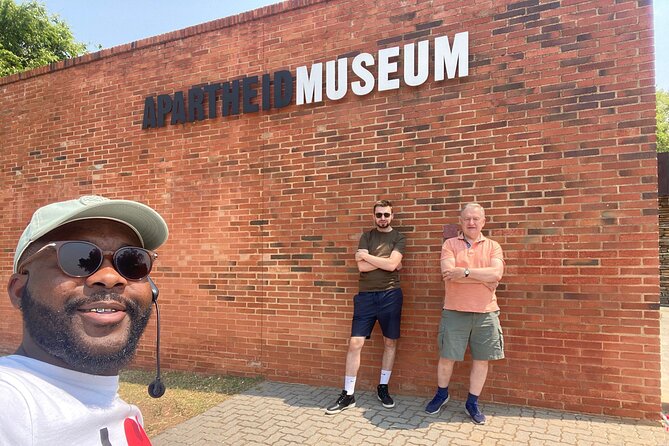
- Three hours at the Apartheid Museum
- The cooling towers and a surprising piece of Soweto
- Walter Sisulu Square and the Freedom Charter
- Regina Mundi, the church that opened its doors
- Mandela’s House on Vilakazi Street
- Hector Pieterson Museum and Memorial
- What the private tour feels like on the road
- Is $114.33 a fair price?
- Who should book this day?
- Final verdict: a strong history day with a brisk Soweto route
- FAQ
- Where does the Soweto and Apartheid Museum Combo Tour take place?
- How long does the tour last?
- Is hotel pickup offered?
- Is this a private tour?
- What is included in the price?
- Is lunch included?
- Which sites are visited in Soweto?
- Can service animals participate?
- Can I cancel for a full refund?
Key points to know before booking

- Three hours inside the Apartheid Museum gives you the most detailed part of the day, with exhibits on apartheid, the Soweto uprising, segregation, and South Africa’s difficult road toward democracy.
- Soweto’s major landmarks fit into one route, including Walter Sisulu Square, Regina Mundi Catholic Church, Mandela’s House, and the Hector Pieterson Memorial.
- The private format matters, especially if you want to ask direct questions about politics, daily life, and local culture without a fixed group schedule.
- A former power station adds an unexpected stop, with cooling towers linked to the world’s first bungee jump between cooling towers.
- The price is $114.33 per person, including transport, water, taxes, and admissions, but not lunch. Value improves when shared by a small private group.
- You need a full day, with roughly eight hours set aside and a start window between 9:00 and 11:00 in the stated operating period.
Why pair the Apartheid Museum with Soweto?

The Apartheid Museum gives you the national framework. Soweto gives that history streets, buildings, churches, homes, and names.
That pairing is the strongest idea behind this tour. At the museum, you learn how apartheid was created and enforced, including the forced separation of Black and white South Africans and the political events that challenged the system. In Soweto, you see places tied to resistance and public memory.
I find this approach far more useful than visiting either place alone. A museum can leave you with dates and policies but little sense of place. A drive through Soweto can feel interesting but disconnected if you do not understand the events behind the landmarks. The two halves fill in each other’s gaps.
The day also touches South Africa’s wider 20th-century story, including the country’s experience during the world wars and the Soweto uprising. This is not a light sightseeing outing. You should expect difficult subjects, emotional memorials, and a direct look at state oppression.
At the same time, the experience is not presented only as a story of suffering. The Apartheid Museum also points toward South Africa’s democratic future, while Soweto shows a living urban culture shaped by music, food, fashion, art, and film.
More Museums in Pretoria
- Johannesburg Full-Day Tour(Soweto/Jo-Burg & Apartheid Museum)
★ 5.0 · 110 reviews - Soweto and Apartheid Museum Guided Tour
★ 5.0 · 38 reviews - Soweto & Apartheid Museum Tour
★ 5.0 · 20 reviews
Three hours at the Apartheid Museum
Set aside the full three hours here. That is not filler time.
The museum deals with the rise and fall of apartheid and explains the systems that separated South Africans by race. You learn how segregation was put into practice, how it shaped daily life, and how resistance grew. The Soweto uprising receives particular attention, making the museum a useful introduction before you visit the related sites later in the day.
The museum is described as one of the leading institutions in the world devoted to 20th-century history. That is a large claim, but the allotted time gives you a clue about its importance within this tour. You are not being rushed through a small display before lunch. This is the day’s main historical stop.
I would begin with an open schedule and a willingness to read. Three hours can pass quickly in a museum dealing with politics, law, protest, violence, and democratic change. If you prefer a quick overview, the visit may feel long. If you want context for Soweto, it is essential.
The museum’s value is also emotional. Apartheid can sound like an abstract political term until you see how government policy controlled movement, residence, education, and opportunity. The exhibits help connect those rules to real people and later resistance.
A practical point: admission is included, so you do not need to budget a separate museum ticket. The private vehicle then takes you into Soweto, where the history becomes more local and more personal.
The cooling towers and a surprising piece of Soweto
During the drive, you pass the former site of a coal-fired power station. Its cooling towers are associated with the world’s first bungee jump between two cooling towers.
This is a short drive-by rather than a listed long visit, but it breaks up the heavier historical material. It also shows how old industrial sites can take on new uses and meanings. The towers are not just relics of the power station. They have become a recognizable landmark and an adventure-sports site.
Do not expect a full bungee-jumping activity to be included. The information describes passing the site, not jumping. Still, it is a memorable visual detail and one of the more unexpected moments on a route otherwise focused on political history.
Walter Sisulu Square and the Freedom Charter
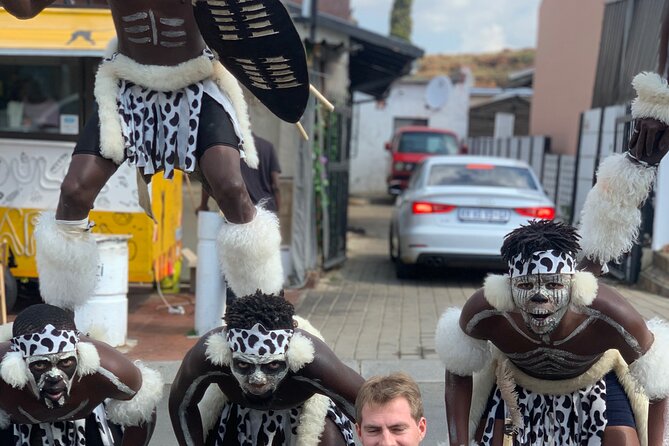
The stop at Walter Sisulu Square lasts about 20 minutes and has no separate admission fee.
This is the place connected with the Freedom Charter, a key document in South Africa’s struggle against apartheid. The square also has links with musicians, artists, and film productions, giving the site a cultural life beyond its political role.
Twenty minutes is enough for an introduction and a look around, but not for a long, unhurried visit. I would treat it as a focused stop where your guide’s explanation matters. Without context, a square can look like an ordinary public space. With the story of the Freedom Charter, it becomes a place tied to the country’s democratic hopes.
The visit also helps you see Soweto as more than a collection of memorials. It is a place where political history, popular culture, and everyday city life overlap. That broader view is one reason I prefer this route to a narrow apartheid-history tour.
More apartheid history tours:
- Apartheid History of South Africa (Full day Experience with lunch
★ 4.5 · 24 reviews - Soweto & Apartheid Museum Guided Tour
★ 5.0 · 18 reviews - Soweto, Apartheid Museum & Constitution Hill Day Tour
★ 5.0 · 12 reviews - Soweto and Apartheid Museum
★ 4.5 · 11 reviews
Regina Mundi, the church that opened its doors
The Regina Mundi stop lasts about 20 minutes, with admission included.
This Catholic church played an important role during the anti-apartheid struggle and opened its doors to people involved in resistance during the Soweto uprising. Churches could provide shelter, gathering space, and a degree of protection when public protest faced state force. Regina Mundi’s role gives you a different view of the struggle, one rooted in a working place of worship rather than a formal government building.
The short visit means you may not have time for a long, quiet look at every detail. Still, the stop is worthwhile because it shows how religious institutions became part of the political story.
I would listen closely to the explanation here. The church’s importance comes less from grand architecture than from what happened inside and around it. This is one of those places where a local guide can add far more than a signboard.
Mandela’s House on Vilakazi Street
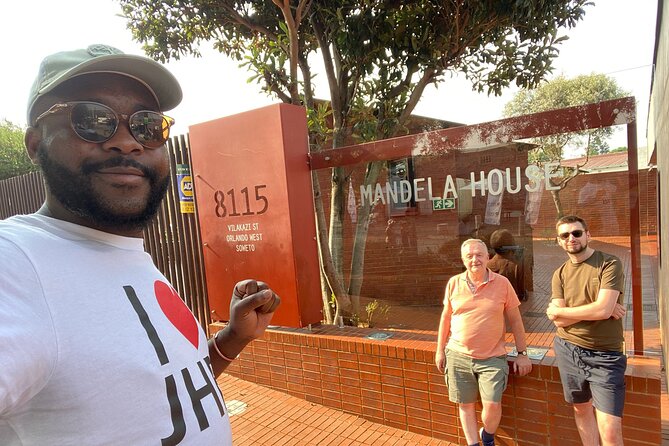
Mandela’s House is scheduled for about 30 minutes, with admission included.
This was Nelson Mandela’s family home, a place connected with the man who became a central figure in South Africa’s democratic transition. The stop brings the national story down to the scale of a home, a family, and a neighborhood.
The tour description also connects Soweto with two Nobel Peace Prize winners. Mandela’s House is one of the clearest reminders of that extraordinary concentration of political history in this part of the city.
Half an hour gives you a meaningful visit, though not a leisurely one. You should expect the stop to be structured around seeing the house and hearing its significance rather than spending an entire afternoon on Vilakazi Street. The tour does not promise extended shopping, dining, or free time there.
That limitation can be useful if you have only one day in the area. You see one of Soweto’s best-known landmarks without losing the rest of the route. If you want long browsing time on the street, however, ask about the schedule before booking.
Hector Pieterson Museum and Memorial
The final listed stop is the Hector Pieterson Museum and Memorial, with about 30 minutes included.
Hector Pieterson became an enduring symbol of the 1976 Soweto uprising, when students protested against the apartheid education system. The museum and memorial focus attention on the young people who took part in that uprising and on the events that made the site internationally known.
This stop works especially well after the Apartheid Museum. Earlier, you learn about apartheid as a system. Here, you confront a particular uprising and the students who became part of its history.
Again, 30 minutes is a useful introduction but a tight visit for anyone who likes to read every panel. I would not plan to absorb every detail in a hurry. The day covers a lot, and this is one stop where a short guide-led explanation can help you focus on the central story.
The emotional weight of this visit may be greater than the time suggests. Give yourself a quiet moment before moving on.
What the private tour feels like on the road
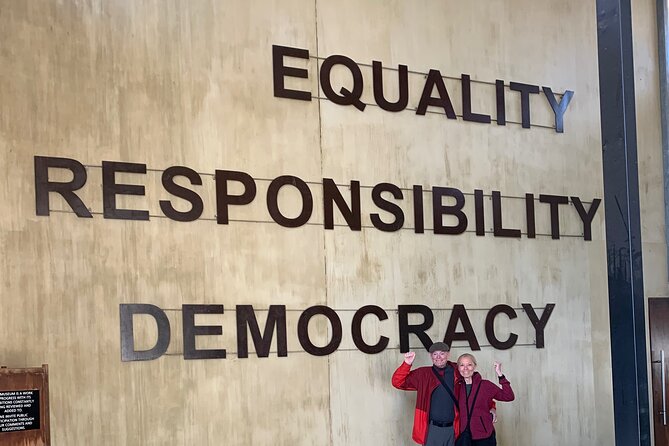
The private format is one of the experience’s strongest features. Only your group participates, so you are not tied to the questions or energy of strangers. That makes a difference on a subject as serious and personal as apartheid.
Guide Shaun is repeatedly praised for his friendly manner, clear storytelling, reliable service, and careful driving. A solo visitor felt confident exploring Soweto with him, while another person valued the way he shared information about both history and local culture. Those details suggest a guide who does more than point at buildings from a vehicle.
You may also have opportunities for cultural exchange during the day. Some past outings included sharing a meal with the guide, but lunch is not part of the standard price, so do not assume that food is included. The reviews also describe warm hospitality and a relaxed relationship with the guide. That can make a long eight-hour day feel more personal.
Pickup is offered, but the supplied details do not specify every pickup location or whether an extra fee applies in certain areas. Confirm the meeting point when you book. The listed operating window is 9:00 to 11:00 each day in the stated date range, so clarify your exact start time as well.
The air-conditioned vehicle is a practical plus in Gauteng’s heat. Bottled water is included, along with taxes and listed admission fees. Most people can participate, and service animals are allowed. The tour is also near public transportation, though pickup means you may not need to reach the starting point by transit.
Is $114.33 a fair price?
At $114.33 per person, this is not a cheap quick outing. It is an eight-hour private tour with transport, museum and site admissions, bottled water, taxes, and a guide.
The price looks more reasonable if you are a solo visitor or a small group that values convenience and local interpretation. You would otherwise need to arrange transport between the Apartheid Museum and several Soweto sites, work out admission costs, and manage the route yourself. The private vehicle also removes the stress of navigating an unfamiliar city during a tightly scheduled day.
For a larger group, group discounts may improve the deal. Ask for the exact price before booking, since the stated rate is per person and the discount terms are not provided.
The biggest omission is lunch. You should budget separately and ask when and where a meal can fit into the schedule. Some past tours included lunch with the guide, but that appears to have been part of the day’s arrangement rather than a listed inclusion.
I would call the tour good value for someone with one free day who wants both major historical interpretation and direct access to Soweto landmarks. It is less attractive if you already have transport, prefer to explore at your own pace, or want long visits at each individual museum.
Who should book this day?
I would recommend it to first-time visitors to Johannesburg or Pretoria who want a clear introduction to apartheid and Soweto in one day. It is also a strong choice for solo visitors who would rather not manage the route alone.
Families and small private groups may appreciate the flexible setting, though the subject matter is serious. Older children and teenagers studying South African history could find the museum and memorial especially meaningful, but parents should decide if they are ready for difficult material.
This is also a good fit if you value conversation. Shaun’s friendly style and willingness to share cultural details are central to the experience. You may learn about food, music, daily life, and current culture alongside the formal history.
I would hesitate if your priority is a slow cultural day. The schedule includes five major stops after the museum, and several receive only 20 or 30 minutes. You will see a lot, but you will not have unlimited time at every site.
Book at least 24 hours before the start if you want the full refund option. Cancellations made less than 24 hours before the start are not refunded, and changes inside that period are not accepted. The tour may also be moved or refunded if poor weather or an insufficient number of participants causes cancellation.
Final verdict: a strong history day with a brisk Soweto route
Book this tour if you want the Apartheid Museum and Soweto’s principal landmarks handled in one private day. The best features are the careful route, included admissions, air-conditioned transport, and the chance to ask a local guide direct questions.
Go in knowing that this is an overview, not a slow neighborhood wander. The museum gets proper time, while the Soweto stops are compact introductions. With Shaun as your guide, the day appears especially strong for solo visitors and small groups who want a safe, friendly, well-explained experience.
Bring patience, curiosity, and a separate lunch budget. You will leave with more than a list of sights: you will have seen where political change was organized, challenged, remembered, and carried into everyday South African life.
FAQ
Where does the Soweto and Apartheid Museum Combo Tour take place?
The experience is listed in Pretoria, South Africa, and visits the Apartheid Museum and several sites in Soweto.
How long does the tour last?
The tour lasts approximately eight hours.
Is hotel pickup offered?
Pickup is offered, but the supplied details do not specify every pickup location. Confirm the exact pickup arrangement when booking.
Is this a private tour?
Yes. Only your group participates in the private activity.
What is included in the price?
The price includes an air-conditioned vehicle, bottled water, all fees and taxes, and the listed admission tickets.
Is lunch included?
No. Lunch is not included in the tour price.
Which sites are visited in Soweto?
The route includes Walter Sisulu Square, Regina Mundi Catholic Church, Mandela’s House, and the Hector Pieterson Museum and Memorial. The vehicle also passes the former coal-fired power station cooling towers.
Can service animals participate?
Yes. Service animals are allowed.
Can I cancel for a full refund?
Yes, if you cancel at least 24 hours before the experience start time. Cancellations within 24 hours are not refunded. Weather or minimum-participant cancellations may result in a different date or a full refund.
More Soweto Tours
- Johannesburg and Soweto tour
★ 5.0 · 231 reviews - Soweto Half Day Tour
★ 5.0 · 231 reviews - Soweto walking tour with a taxi ride
★ 4.5 · 42 reviews - Soweto, Kliptown, Eldorado Park Tour
★ 5.0 · 41 reviews
Newest reviews from Pretoria
- Half-Day Lion and Safari Park Tour★ 5.0 · 5 reviews
- 2 Day Pilanesberg national park Guided Tour★ 5.0 · 5 reviews
- Johannesburg and Soweto Private Guided Tour with Shebeen Lunch.★ 5.0 · 5 reviews
- 3 Day Kruger National Park tour★ 5.0 · 5 reviews
- Pilanesberg National Park Full-Day Tour from Johannesburg★ 5.0 · 5 reviews
- Johannesburg and Apartheid museum tour★ 5.0 · 5 reviews
- Constitutional Hill,Johannesburg City and Apartheid Museum with Soweto Day Tour★ 5.0 · 5 reviews
- Pretoria Capital City Tour from Pretoria, every TUESDAY★ 4.5 · 5 reviews
Apartheid Museum Tours, compared.

Soweto /Johannesburg and Apartheid Museum Guided Full Day Tour
Read our review →
Jo’berg in 1 Day: Soweto, Apartheid Museum & City Tour
Read our review →
Full-Day Tour with Soweto and Apartheid Museum
Read our review →
Full-Day Soweto, Apartheid Museum and Lunch Tour
Read our review →
Half Guided Day Tour of Soweto And Apartheid Museum
Read our review →
Ultimate Johannesburg Soweto Experience with Apartheid Museum
Read our review →
Soweto: Hop-On Hop-Off Bus, City Tour and Apartheid Museum
Read our review →
Johannesburg and Soweto Apartheid Full Day Tour w/Lunch
Read our review →Browse the lists this tour appears in