
Reviewed · APARTHEID MUSEUM TOURS
Soweto and Apartheid Museum Guided Tour
History comes alive on Johannesburg’s streets. This six-hour outing brings together Soweto, Mandela House, and the Apartheid Museum, giving you a useful first look at the city’s past and present without having to arrange several separate visits. I especially like the included hotel pickup and the chance to hear local context from guides such as Emmah, Nic, Nick, and John Mashala.
I also like that the price includes entrance fees, lunch, snacks, bottled water, and transport. That makes the $187.48 cost easier to assess, especially if you are visiting Johannesburg for only a short time. The main drawback is the pace: two hours at the Apartheid Museum plus several Soweto stops can feel full, and one report found the included meal disappointing for the price.
In This Review
- Key points to know before booking
- Why this six-hour outing works well for a first visit
- Starting with Johannesburg’s City of Gold
- Two hours inside the Apartheid Museum
- Seeing Soweto beyond a postcard
- Vilakazi Street and the Mandela House visit
- Hector Pieterson Museum and Memorial
- Lunch, transport, and what the $187.48 price covers
- The guides are the tour’s main strength
- Timing, comfort, and practical limits
- Who should book this Johannesburg tour?
- Should you book the Soweto and Apartheid Museum Guided Tour?
- FAQ
- How long does the Soweto and Apartheid Museum Guided Tour last?
- Is hotel pickup and drop-off included?
- What is included in the tour price?
- Are drinks included with lunch?
- How much time is spent at the Apartheid Museum?
- Can children join the tour?
Key points to know before booking

- The Apartheid Museum gets two hours: This is the tour’s most substantial museum visit, so you have time to take in its powerful exhibits rather than make a quick stop.
- Mandela House is on Vilakazi Street: You visit the famous street first, then spend about 30 minutes inside the house associated with Nelson Mandela.
- Soweto is seen from several angles: The outing includes the Orlando Towers area, Soweto streets, Mandela House, and the Hector Pieterson Museum and Memorial.
- Local guides make the difference: Emmah was praised for warmth and patience, while Nic, Nick, Lambert, Sylvan, and John Mashala were singled out for clear explanations and strong local knowledge.
- The price covers most major costs: Transport, admissions, lunch, snacks, and water are included, but drinks are not.
- The group may be small or large: The maximum is 30 people, though some departures have operated as private or very small groups.
Why this six-hour outing works well for a first visit
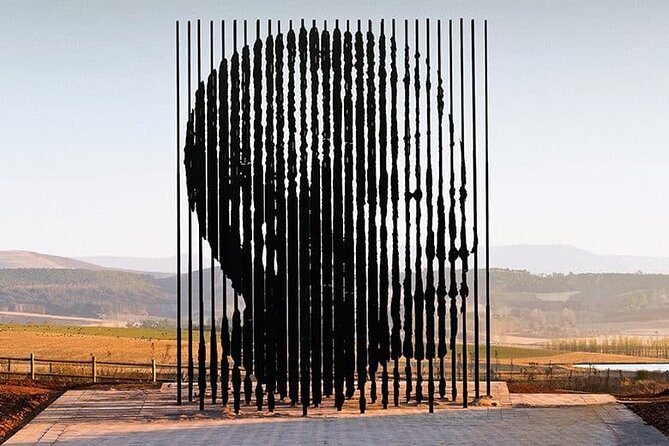
Johannesburg can feel difficult to understand at first. Its important places are spread across a large urban area, and the city’s story is tied to gold mining, segregation, resistance, democracy, and present-day inequality. This tour gives you a guide, a vehicle, and a clear route through several major places.
The value is not only in checking off sights. A good guide can explain why a hospital, a stadium, a tower, or a residential street matters. Several guides received strong praise for doing exactly that. Nic was described as a steady source of local information, while Emmah was appreciated for being friendly, patient, and reassuring. John Mashala was praised for giving detailed explanations while keeping the day organized.
You should expect a mix of driving and short visits. The tour does not spend the entire day walking, which helps in a city where distances matter. At the same time, you will not get long, leisurely periods at every place. The six-hour duration is useful for orientation, but anyone wanting a slow museum visit or extended time in Soweto may want a separate follow-up day.
The tour is listed in connection with Pretoria, but the stated transport service provides pickup and return at your Johannesburg hotel. Confirm your pickup point carefully when booking, especially if you are staying outside Johannesburg proper.
More Museums in Pretoria
- Johannesburg Full-Day Tour(Soweto/Jo-Burg & Apartheid Museum)
★ 5.0 · 110 reviews - Soweto & Apartheid Museum Tour
★ 5.0 · 20 reviews - Soweto & Apartheid Museum Guided Tour
★ 5.0 · 18 reviews
Starting with Johannesburg’s City of Gold
The city portion helps explain how Johannesburg grew after the discovery of gold. You may pass major roads, public buildings, hospitals, sports facilities, and central districts while your guide points out how the city developed and how apartheid shaped daily life.
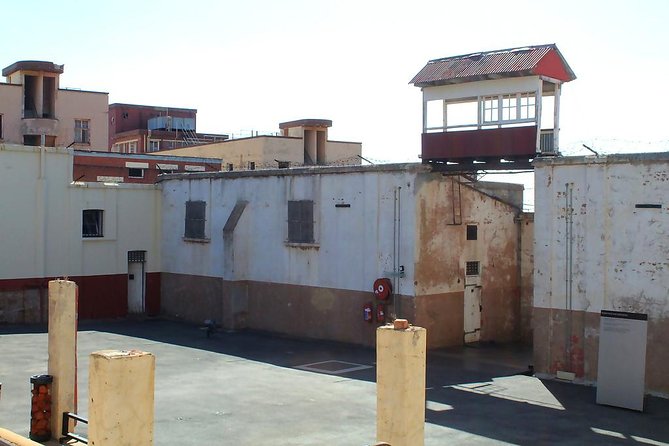
Some departures have included views of Constitution Hill and its former prison complex, as well as the 2010 World Cup stadium. These places may be part of the city drive rather than fixed walking stops, so do not assume you will have a long visit at each one. Their value is in the added context: the prison speaks to the country’s political past, while the stadium reflects a more recent chapter in South Africa’s public life.
A drive through central Johannesburg can also feel confronting. One account described seeing parts of downtown while feeling secure in the vehicle. That is an important practical benefit of having a local guide and arranged transport. You can observe more than you might comfortably manage alone, while receiving an explanation of what you are seeing.
The city drive is best treated as an introduction, not a full exploration of Johannesburg. If you want cafés, markets, galleries, or extended time around one neighborhood, this is not the right format. If you want a broad orientation before deciding where to return, it is useful.
Two hours inside the Apartheid Museum
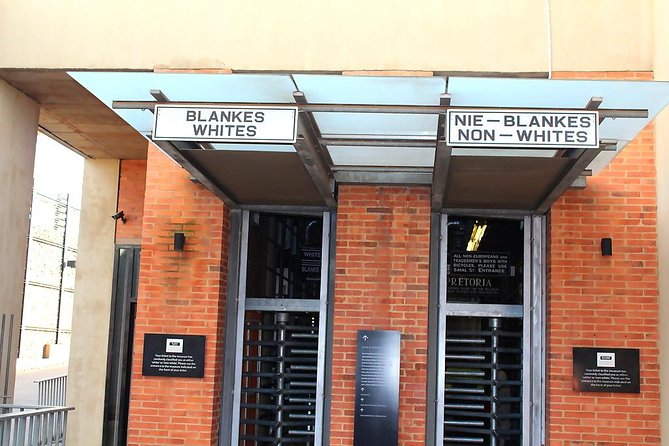
The Apartheid Museum is the emotional center of the day. The planned visit lasts about two hours, and admission is included. That length matters because the subject requires attention. You are not simply looking at a few objects and moving on. The museum helps set the political and human context for what you later see in Soweto.
The exhibits deal with apartheid and the events that shaped modern South Africa. The experience can be difficult, but the museum gives you a framework for understanding the forced separation, political repression, resistance, and social damage that affected the country.
Several people described the museum as exceptionally well done and emotionally powerful. One person connected a display about Nelson Mandela to an honorary degree from Kentucky State University, a personal detail that made the visit especially meaningful. That is often how museums work best: a large national story suddenly connects with something familiar from your own life.
The two-hour timing is a good compromise. You should have enough time to read and reflect, though you may need to choose carefully if you read every panel. If museums tend to move slowly for you, keep your pace in mind so the rest of the group is not delayed.
This is also the point where the tour’s educational purpose becomes clearest. You are not visiting an attraction in isolation. The museum gives meaning to the streets, homes, memorials, and places of protest that follow.
Seeing Soweto beyond a postcard
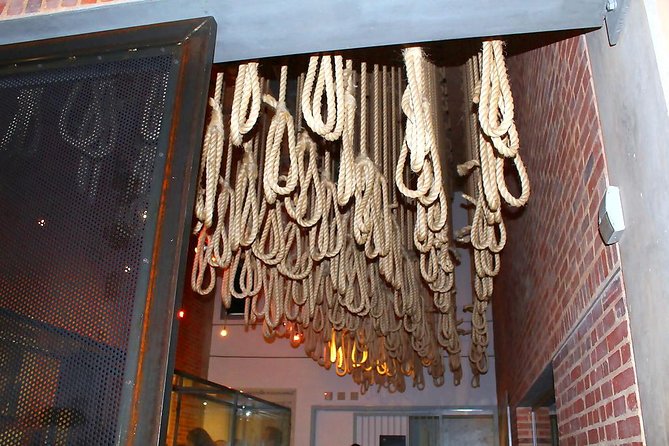
Soweto is not one single attraction. It is a large area with many neighborhoods and layers of history. The tour takes you through its streets, past the famous towers, and toward places linked to Nelson Mandela and the 1976 youth uprising.
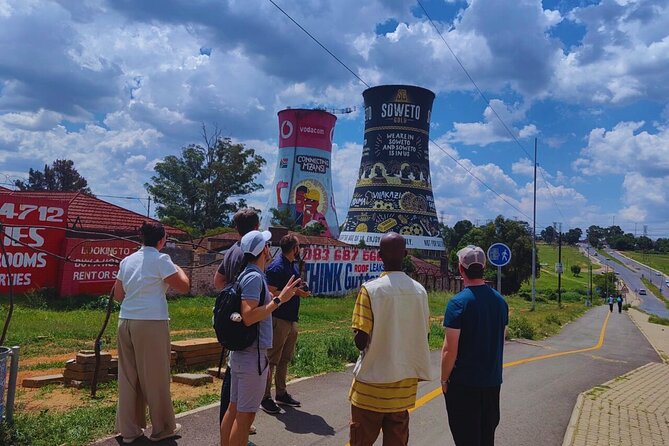
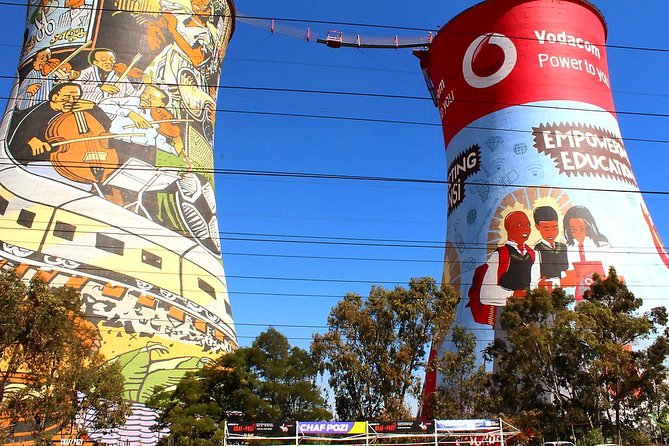
The Orlando Towers are among the most recognizable sights in Soweto. Your guide explains their importance as you see them from the route. They are visually striking, but the useful part is the story attached to them. Without context, they are simply large painted towers. With explanation, they become part of Soweto’s identity and changing public image.
The drive through Soweto is equally important. You may see signs of the divisions created under apartheid and the uneven living conditions that remain. One person found it sad to see how some people continue to live. That reaction is worth taking seriously. This is not a polished sightseeing loop that hides difficult realities.
You should approach the Soweto section with respect. The area is home to ordinary families, not a museum set. A good guide helps you understand what you are seeing without turning residents into scenery. The strongest comments about the guides focused on their ability to explain both the past and present of South Africa.
The exact amount of time spent outside the vehicle may vary. Traffic affects the schedule, and transfer times are approximate. You will get a broad view rather than a detailed walk through every part of Soweto.
More apartheid history tours:
- Apartheid History of South Africa (Full day Experience with lunch
★ 4.5 · 24 reviews - Soweto, Apartheid Museum & Constitution Hill Day Tour
★ 5.0 · 12 reviews - Soweto and Apartheid Museum
★ 4.5 · 11 reviews - Johannesburg,Soweto & Apartheid museum tour
★ 5.0 · 10 reviews
Vilakazi Street and the Mandela House visit
Vilakazi Street is a special stop because it is associated with both Nelson Mandela and Archbishop Desmond Tutu, although the supplied schedule specifically centers on Mandela House. The street has become one of Soweto’s best-known addresses, so it can feel more visitor-oriented than the surrounding residential areas.
You have about 30 minutes on Vilakazi Street, followed by another 30 minutes at Mandela House. That gives you time to see the setting and then focus on the house itself. The short visit means you should not expect a long, unhurried architectural tour.
Mandela House is moving because it brings a national story into a domestic setting. Instead of hearing only about political leaders in grand public buildings, you see the place where Nelson Mandela once lived. One person called the house fascinating but also noted that it can feel somewhat touristy. Both impressions can be true.
I would pay attention to the modest scale of the house and the contrast between its public importance and its ordinary residential character. The visit works best when you allow yourself to think about the people and decisions connected with the place, rather than treating it as a photo stop.
Because admission is included, you do not need to calculate another entrance charge during the day. Still, 30 minutes goes quickly. Listen closely to your guide and use your time inside efficiently.
Hector Pieterson Museum and Memorial
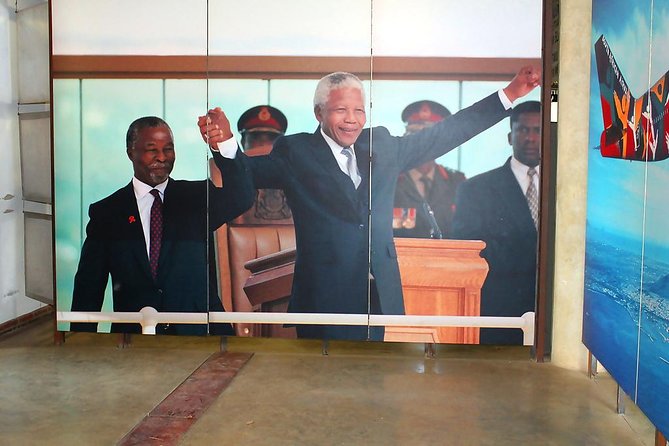
The Hector Pieterson Museum and Memorial receives about 30 minutes. It focuses on the student uprising and the young people affected by apartheid-era policies. This stop adds an essential youth perspective to the day.
The museum is tied to the famous photograph of Hector Pieterson, whose death became a symbol of the 1976 Soweto uprising. The subject is painful, and the short visit may feel emotionally intense. It is also one of the places where the political story becomes personal.
After the Apartheid Museum, this stop may seem brief, but the two locations serve different purposes. The Apartheid Museum gives you a broad national framework. The Hector Pieterson Museum narrows the focus to students, protest, and the consequences of state violence.
Your guide’s explanation matters here. Several people praised guides for making the history understandable and connecting it to their own experiences of growing up in South Africa. That personal angle can help you grasp why this place remains important, not only as a memorial but as part of the country’s continuing conversation about education, justice, and memory.
Lunch, transport, and what the $187.48 price covers
At $187.48 per person, this is not a budget sightseeing trip. The price makes more sense if you value convenience and a guide who can handle the route. You are paying for hotel pickup and drop-off, a driver-guide, entrance fees, lunch, snacks, bottled water, and the planning needed to fit Johannesburg, Soweto, and two museums into six hours.
The inclusion of admissions is useful. Mandela House, the Apartheid Museum, and the Hector Pieterson Museum are not places you want to skip because of several small extra charges. Transport also matters in Johannesburg, where moving between areas can take time.
The food is the weaker part of the package. Lunch is included, but one person felt it did not match the overall price. Drinks are not included, so bring extra money if you want something beyond bottled water or the provided meal.
A vehicle can make or break a long city day. One report specifically praised a new vehicle, while another described the vehicle as comfortable. That is encouraging, though the exact vehicle may vary. Group size can also change the feel of the experience. The maximum is 30 people, but some outings have been far smaller, including one solo departure and another with only three participants.
A small group gives you more chances to ask questions and may make timing easier. A full group will usually feel less personal. If you care strongly about group size, ask the operator before you commit.
The guides are the tour’s main strength
The places are important, but the guide determines how much you take away. The strongest praise went to guides who were patient, clear, friendly, and able to explain both national events and local life.
Emmah was praised for making people feel comfortable and for offering an informative account of Soweto and apartheid. Nic and Nick were appreciated for extensive local knowledge and for explaining Johannesburg’s past and present. Lambert was described as patient and informative, while Sylvan was praised for making the Apartheid Museum and Mandela House especially meaningful. John Mashala was noted for being efficient, friendly, and detailed.
There is also evidence of language flexibility, with one French-speaking guide receiving praise for leading a varied day. The guide assigned to you may differ, so treat these names as examples of the company’s stronger staff rather than a guarantee.
If you have trouble understanding an accent or a fast speaker, say so early. One solo participant appreciated a guide who patiently repeated information and answered questions about other sights. That kind of communication can make a major difference during a history-heavy day.
The tour also suits solo visitors. One person expected a group but ended up with a private outing, while another had a small group with time for conversation. The maximum of 30 means this is not always guaranteed, but the format can work well for someone who does not want to explore Johannesburg alone.
Timing, comfort, and practical limits
The stated duration is about six hours. Traffic can change the rhythm, and transfer times are approximate. Johannesburg’s size means the vehicle portion is not dead time, but you should still avoid scheduling an important flight, appointment, or evening event immediately afterward.
Children must be accompanied by an adult, and most people can participate. The information provided does not promise special access arrangements, so contact the operator directly if you have mobility or other participation concerns.
Wear comfortable clothes and shoes suitable for short walks and standing. You will spend substantial time in the vehicle, at museums, and around public streets. Bring sun protection and a little spending money for drinks, but do not count on buying extra time at each stop.
The day deals with apartheid, poverty, protest, and political violence. It is educational, but not light entertainment. I would choose it when you are ready to listen and think, not when you want a relaxed city sampler with only cheerful photo opportunities.
Who should book this Johannesburg tour?
I would recommend it most strongly to first-time visitors with limited time. You get a useful introduction to Johannesburg, a serious museum visit, and several key Soweto locations in one organized outing.
It also suits solo visitors, couples, and small groups who prefer not to arrange city transport themselves. The guide commentary adds value, particularly if you want to understand why a location matters instead of merely seeing it.
You may want another option if you prefer slow travel. The schedule is packed, the museum subjects are demanding, and some stops last only 30 minutes. It is also less appealing if the $187.48 price feels high and you would rather pay separately for a few sights at a slower pace.
The 95 percent recommendation rate and 4.8 rating from 38 ratings suggest a strong overall record, with the guides receiving the warmest praise. The food is the clearest caution, and the maximum group size is another point to check before booking.
Should you book the Soweto and Apartheid Museum Guided Tour?
Book it if you want a guided, efficient introduction to Johannesburg and Soweto, especially during a short stay. The included transport and admissions remove much of the day’s planning, while the Apartheid Museum, Mandela House, and Hector Pieterson Museum give the tour real substance.
I would book with realistic expectations: this is a fast-moving overview, not an intimate exploration of every neighborhood. Confirm the pickup location, ask about group size if that matters to you, and budget for drinks. If you do that, the tour offers a practical way to meet Johannesburg’s major historical sites with help from guides who have repeatedly been praised for patience, warmth, and clear local explanations.
FAQ
How long does the Soweto and Apartheid Museum Guided Tour last?
The tour lasts approximately six hours. Transfer times may change depending on traffic and the time of day.
Is hotel pickup and drop-off included?
Yes. Round-trip pickup and drop-off at your Johannesburg hotel are included.
What is included in the tour price?
The price includes bottled water, snacks, lunch, a driver-guide, entrance fees, and hotel transportation.
Are drinks included with lunch?
No. Drinks are not included, although bottled water is provided.
How much time is spent at the Apartheid Museum?
The planned visit to the Apartheid Museum lasts about two hours, and admission is included.
Can children join the tour?
Yes. Children can participate, but they must be accompanied by an adult.
More Soweto Tours
- Johannesburg and Soweto tour
★ 5.0 · 231 reviews - Soweto Half Day Tour
★ 5.0 · 231 reviews - Soweto walking tour with a taxi ride
★ 4.5 · 42 reviews - Soweto, Kliptown, Eldorado Park Tour
★ 5.0 · 41 reviews
Newest reviews from Pretoria
- Half-Day Lion and Safari Park Tour★ 5.0 · 5 reviews
- 2 Day Pilanesberg national park Guided Tour★ 5.0 · 5 reviews
- Johannesburg and Soweto Private Guided Tour with Shebeen Lunch.★ 5.0 · 5 reviews
- 3 Day Kruger National Park tour★ 5.0 · 5 reviews
- Pilanesberg National Park Full-Day Tour from Johannesburg★ 5.0 · 5 reviews
- Johannesburg and Apartheid museum tour★ 5.0 · 5 reviews
- Constitutional Hill,Johannesburg City and Apartheid Museum with Soweto Day Tour★ 5.0 · 5 reviews
- Pretoria Capital City Tour from Pretoria, every TUESDAY★ 4.5 · 5 reviews
Apartheid Museum Tours, compared.

Soweto /Johannesburg and Apartheid Museum Guided Full Day Tour
Read our review →
Jo’berg in 1 Day: Soweto, Apartheid Museum & City Tour
Read our review →
Full-Day Tour with Soweto and Apartheid Museum
Read our review →
Full-Day Soweto, Apartheid Museum and Lunch Tour
Read our review →
Half Guided Day Tour of Soweto And Apartheid Museum
Read our review →
Ultimate Johannesburg Soweto Experience with Apartheid Museum
Read our review →
Soweto: Hop-On Hop-Off Bus, City Tour and Apartheid Museum
Read our review →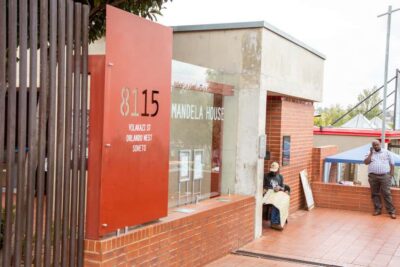
Johannesburg and Soweto Apartheid Full Day Tour w/Lunch
Read our review →Browse the lists this tour appears in