
Reviewed · CULTURAL VILLAGE TOURS
Lesedi Cultural Village Half-Day Tour
Culture comes alive beyond Johannesburg. I like the chance to see several South African traditions in one visit, and I like that hotel pickup, entrance fees, guiding, and bottled water are included. The traditional Zulu dance and shared African meal add more than a quick museum visit could offer.
The main consideration is travel time. The village is described as about an hour from Johannesburg, but the scheduled coach journey is 80 minutes each way. That leaves roughly two and a half hours at Lesedi, so this is a useful introduction rather than a slow, detailed study of every culture.
In This Review
- Key points at a glance
- Leaving Johannesburg for Lesedi
- First impressions of the traditional homesteads
- Moving between Zulu, Xhosa, and Pedi traditions
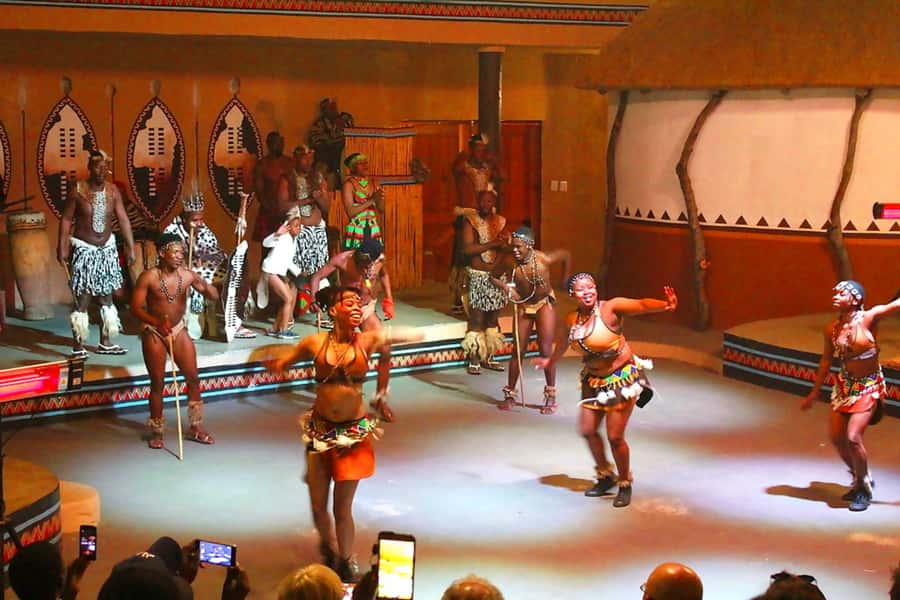
- Zulu dance brings the visit to life
- An African meal before the return journey
- Is $183 a fair price?
- Who will enjoy this half-day visit?
- Practical advice for a smoother day
- Should you book Lesedi Cultural Village?
- FAQ
- How long does the Lesedi Cultural Village tour last?
- Where does the tour begin?
- How long is the journey to Lesedi Cultural Village?
- What cultures are introduced during the tour?
- Is traditional Zulu dancing included?
- Is food included?
- Is the tour conducted in English?
- How large is the group?
- What should I bring?
Key points at a glance
- Three major cultural traditions in one visit: Learn about Zulu fighting sticks, Xhosa blankets, and Pedi drums and whistles.
- A small group of up to 15 people: The limited group size should make it easier to hear the guide and ask questions.
- Traditional dance and food are part of the visit: You get both a performance and a meal, not only a talk about customs.
- Pickup from Johannesburg is included: You do not need to arrange your own way to the village.
- English live guide and audio guide: The tour is set up for English-speaking visitors.
- Five hours door to door: It fits neatly into a Johannesburg day, though the road time takes up a large share of it.
Leaving Johannesburg for Lesedi
The day begins with pickup in Johannesburg. You are asked to wait in your hotel or accommodation lobby five minutes before the scheduled time, and it is sensible to confirm that pickup with the operator the day before.
The journey heads north through leafy Johannesburg suburbs. Then the city thins out and the surroundings take on a quieter, rural feel. That change helps frame the visit. Lesedi is not simply another city attraction. You are moving from a major urban center into a setting designed around traditional homesteads and older ways of life.
The transport is by bus or coach. The planned journey is 80 minutes in each direction, making the round trip about 160 minutes. That is the practical trade-off for a half-day visit from Johannesburg. You avoid the work of driving and navigating, but nearly half the tour is spent on the road.
Hotel pickup and drop-off are valuable here. A taxi or private transfer would add cost and planning to a $183-per-person tour. With transport already built in, the price makes more sense for visitors who want a straightforward cultural outing without hiring a car.
More Half-Day Tours in Johannesburg
- Half-Day Tour of Soweto Tour
★ 4.5 · 712 reviews - Johannesburg and Soweto: Half-Day Tour
★ 4.8 · 439 reviews - From Johannesburg: Lion & Safari Park Half-Day Tour
★ 4.6 · 384 reviews
First impressions of the traditional homesteads
At Lesedi Cultural Village, the setting changes from coach travel to a traditional-style environment. You see homesteads arranged in historical designs, giving the guide a physical backdrop for explaining how different groups lived and organized family life.
The setting matters because customs can be hard to understand as a list of facts. A homestead, a household object, or a particular piece of clothing gives those ideas a clearer shape. You are not only hearing that traditions differ. You are seeing how the village presents those differences through buildings, displays, and demonstrations.
The tour introduces several South African cultures, with special attention to the Zulu, Xhosa, and Pedi peoples. The material provided also refers to other cultural groups at Lesedi, but these three examples receive clear attention during the visit.
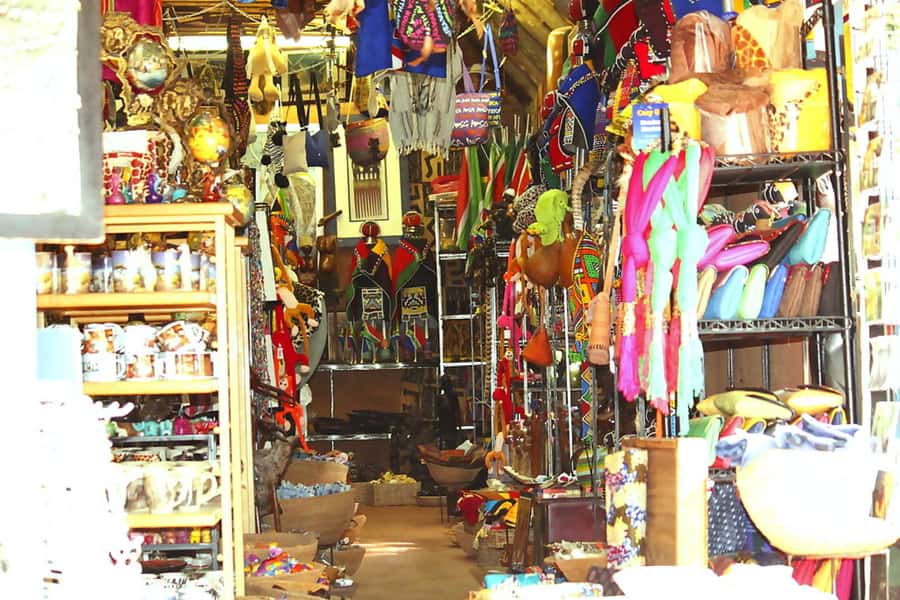
You learn why Zulu fighting sticks are important, see the trademark blankets associated with the Xhosa, and hear about Pedi drums and whistles. These details are memorable because they connect a broad cultural identity with objects and sounds you can recognize.
There is a limit, of course. A short visit cannot explain every custom, regional variation, or modern change within each culture. The most useful way to view this stop is as an introduction that gives you context, not as a complete account of South Africa’s many communities.
Moving between Zulu, Xhosa, and Pedi traditions
You are divided into groups at the village. This structure is meant to give each small group close exposure to the different traditions rather than sending everyone through one crowded presentation at once.
A group of no more than 15 is a real advantage. You should have a better chance of hearing explanations, seeing demonstrations, and asking a question without competing with a large coachload. The size also makes the visit feel more organized, though the exact pace can depend on how the groups move around the village.
The Zulu portion focuses partly on fighting sticks. That detail gives the guide an opening to explain the meaning attached to traditional objects and why they matter within a culture. It is more useful than simply seeing decorative items behind glass, because the objects are presented in relation to customs and daily life.
The Xhosa section includes the familiar blankets. Clothing and textiles often carry strong visual meaning, so this part can help you notice how cultural identity is expressed through what people wear. The tour does not promise a long textile workshop, but the blanket reference gives you a specific feature to look for.
The Pedi presentation includes drums and whistles. Sound adds variety to the visit and prepares you for the later dance performance. If you enjoy demonstrations more than formal lectures, these sections should keep the tour moving.
One point to keep in mind is that the experience presents traditions in a planned cultural village. That makes the information accessible and easy to follow, but it is also a staged setting created for education and tourism. I would treat it as a respectful introduction to selected traditions, then use museums, local guides, or further reading if you want a fuller picture.
Zulu dance brings the visit to life
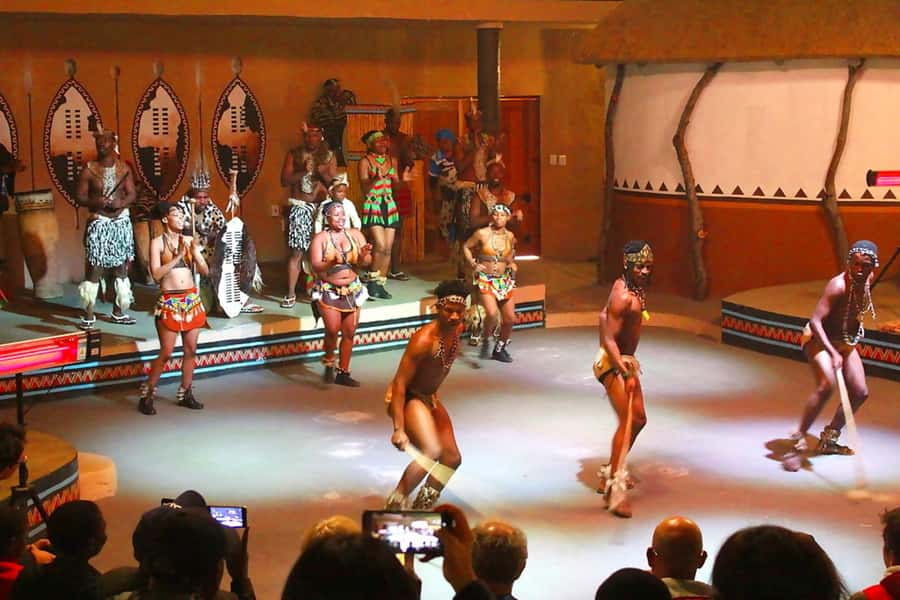
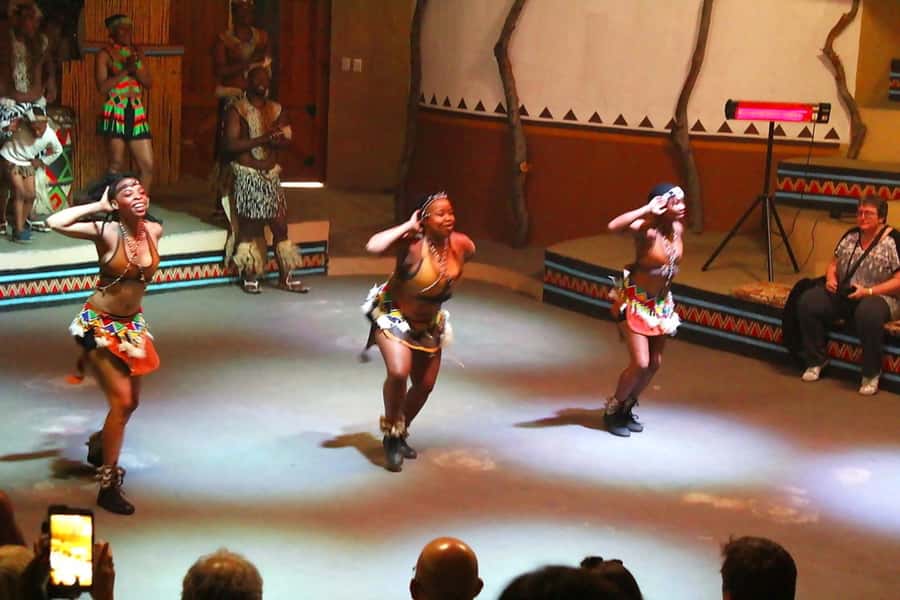
Traditional Zulu dance is one of the clearest highlights. It gives you movement, music, and group energy after the more explanatory parts of the tour.
A dance performance can communicate things that a verbal explanation cannot. You see how rhythm, posture, clothing, and coordinated movement work together. The performance also gives the visit a strong shared moment, especially for anyone experiencing South African cultural traditions for the first time.
It is worth keeping your expectations practical. This is a cultural demonstration within a five-hour excursion, not a full evening performance. The schedule allows about two and a half hours at the village for the guided visit, sightseeing, cultural presentations, dance, and food.
The dance is especially useful for families and first-time visitors who want a direct, memorable introduction. It may feel less satisfying if you are looking for a quiet, long-form conversation with cultural specialists. The small group helps, but the short format still shapes what can be covered.
More cultural village visits in Johannesburg:
- Lesedi Cultural Village and Cradle of Humankind Tour
★ 5.0 · 48 reviews - Lesedi Cultural Village Tour
★ 5.0 · 46 reviews - Lesedi Cultural Village
★ 5.0 · 45 reviews - Johannesburg: Lesedi Cultural Village Experience
★ 4.6 · 43 reviews
An African meal before the return journey
Food is included as part of the cultural visit, while alcoholic drinks are not. The meal gives you another way to connect the explanations with everyday life.
I like this part of the program because eating is more personal than looking at a display. A traditional local cuisine offers a taste of the region’s food culture and gives the day a natural pause. It also helps the visit feel like more than a series of short demonstrations.
The supplied information does not specify the exact dishes, menu, or arrangements for dietary needs. You should not book this tour expecting a particular meal unless the operator confirms it beforehand. Bottled water is included, which is useful during a busy morning or afternoon of sightseeing.
Because the meal is part of the organized village visit, it is designed for convenience and cultural introduction. It is not presented as a restaurant tour or a cooking class. If food is your main reason for booking, you may want to ask the provider for menu details before paying.
Is $183 a fair price?
The cost is $183 per person, which is not a small amount for a five-hour outing. The value depends heavily on what you would otherwise need to arrange.
The price includes hotel pickup and drop-off in Johannesburg, transport, admission, a tour guide, bottled water, the cultural program, and the traditional meal. You also get a small group capped at 15 people, plus an English live guide and an English audio guide.
That package is strongest for visitors who want ease. You do not need to find the village independently, negotiate transport, or pay separate entrance fees. The operator also handles the timing, group movement, cultural presentations, and return to your accommodation.
The value is weaker if you already have a car, prefer independent visits, or want a longer cultural program. Two 80-minute coach rides leave only about 150 minutes for the village portion. You are paying for a packaged half-day with transport and structure, not for a full day of detailed cultural study.
I would compare the cost with private transport, admission, and the value of your time. For a solo visitor or couple who wants a simple Johannesburg outing, the included logistics may justify the price. For a larger group splitting private transport, the per-person cost may feel less attractive.
Who will enjoy this half-day visit?
This experience suits you if you want a clear introduction to South African culture without committing a full day. It is also a good match if you are staying in Johannesburg and prefer an organized pickup rather than finding your own route north.
Families may appreciate the mixture of storytelling, buildings, music, dance, and food. The program has enough variety to keep the day from becoming a long seated lecture.
It also suits first-time visitors who want to place several cultural references in context. After the tour, Zulu sticks, Xhosa blankets, and Pedi instruments will have more meaning than they did at the start of the morning.
The small group is helpful for anyone who values access to a guide. An English-speaking guide leads the experience, and an English audio guide is included as well. The available rating of 4.7 from nine verified bookings supports the idea that the experience is generally well received, though the sample is small.
Two written comments are especially useful in understanding the appeal. One person described learning a lot about a different culture. Another called it the best experience of the trip. A French-speaking participant described the day as both informative and entertaining. Those reactions point to the tour’s strongest quality: it combines education with things you can see, hear, taste, and remember.
You may want a different activity if you dislike scheduled group travel, have little patience for a long coach ride, or want detailed discussion of present-day South African life. The village gives you a focused cultural presentation, but it cannot cover every community or every side of a complex country in 2.5 hours.
Practical advice for a smoother day
Wear comfortable shoes. The visit involves moving between homesteads and cultural presentation areas, so footwear suited to walking is more useful than formal shoes.
Sunglasses are also listed among the recommended items. Bring them for the outdoor portions and the journey between areas.
Wait in your accommodation lobby five minutes before pickup. Since hotel pickup times can be affected by traffic and routing, reconfirm the precise time with Africa Moja Tours & Safaris one day before the tour.
The excursion lasts five hours, but the exact start time depends on availability. Check the departure options carefully when booking so the tour fits your Johannesburg plans.
Free cancellation is available up to 24 hours before the tour for a full refund. You can also reserve now and pay later, which helps if your schedule is still changing. Alcoholic drinks are not included, so plan around that if a beverage with the meal matters to you.
Should you book Lesedi Cultural Village?
Book this tour if you want an easy, organized introduction to several South African cultures, especially Zulu, Xhosa, and Pedi traditions. The strongest reasons are the hotel transport, small group, traditional dance, cultural explanations, and included meal.
I would book it early in a Johannesburg stay if you want cultural context before visiting other parts of South Africa. I would skip it if your priority is a long, highly detailed study or an independent local food experience.
At $183, the tour earns its price through convenience and variety rather than sheer time at the village. You get a polished half-day that is educational, visual, and easy to fit into a city visit. Just remember that the road takes up much of the schedule, and go in expecting an introduction, not the final word on South African culture.
FAQ
How long does the Lesedi Cultural Village tour last?
The tour lasts five hours in total.
Where does the tour begin?
Pickup is provided in Johannesburg, from your hotel or accommodation.
How long is the journey to Lesedi Cultural Village?
The scheduled bus or coach journey takes 80 minutes each way. The village is also described as about an hour from Johannesburg.
What cultures are introduced during the tour?
The tour introduces several South African cultures, including the Zulu, Xhosa, and Pedi peoples.
Is traditional Zulu dancing included?
Yes. Traditional Zulu dance is one of the main highlights of the experience.
Is food included?
Yes. A traditional local cuisine is included. Alcoholic drinks are not included.
Is the tour conducted in English?
Yes. It includes an English-speaking live guide and an English audio guide.
How large is the group?
The experience is offered as a small group with no more than 15 participants.
What should I bring?
Bring comfortable shoes and sunglasses. You should also confirm your pickup time with the service provider one day before the tour.
Newest reviews from Johannesburg
- Cradle of Humankind and Maropeng Day Tour from Johannesburg★ 4.0 · 5 reviews
- Explore Soweto 8 Hour Tour with Lunch and Museum Visit★ 5.0 · 5 reviews
- 3 Day All Incl. Private Kruger Park Safari Incl. Transfer From Johannesburg★ 5.0 · 5 reviews
- Harties cableway Tour★ 4.5 · 5 reviews
- Pretoria Historical Tour★ 4.0 · 5 reviews
- Constitutional Hill and Soweto 5 hours tour.★ 5.0 · 5 reviews
- 5 Day Kruger National Park and Panorama Route Safari★ 4.5 · 5 reviews
- Luxury Car Johannesburg Airport Private Transfer★ 5.0 · 5 reviews
Cultural Village Tours, compared.

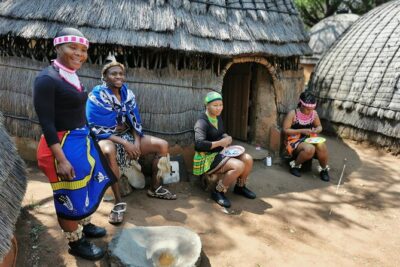
Lesedi Cultural Village and Cradle of Humankind Tour
Read our review →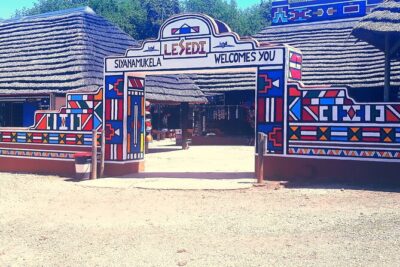
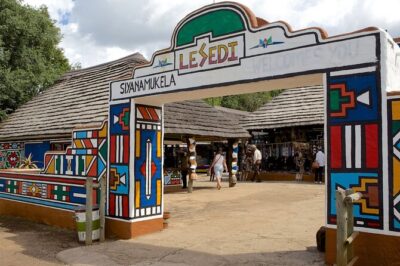


Durban City & PheZulu Cultural Village Day Tour from Durban
Read our review →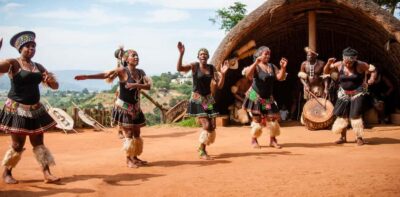
Phezulu Cultural Village & Reptile Park Day Tour from Durban
Read our review →Browse the lists this tour appears in