
Reviewed · CULTURAL VILLAGE TOURS
Lesedi Cultural Village Tour
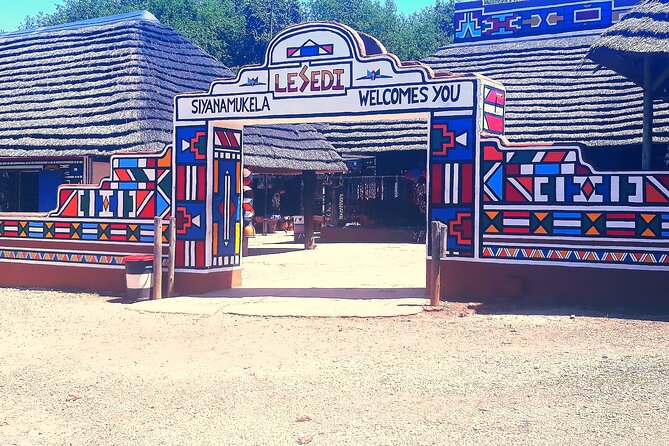
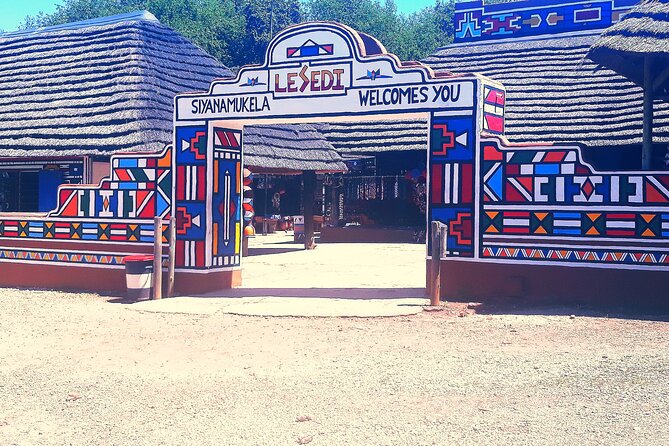
Johannesburg has a traditional side, too. The Lesedi Cultural Village tour offers a clear introduction to southern African customs, with five village settings and a lively dance performance. I like the included hotel pickup and the small group size, which can reach only 14 or 15 people. The main caution is that Lesedi is a cultural simulation, not a working village where people live.
I also like the guide-led ride, especially when your driver adds useful background before arrival. Guides named Tshepo, Bobo, Nathi, Simba, and Solly have all been praised for being warm, informative, and helpful. Still, pickup can run late, and lunch, drinks, and souvenirs cost extra.
In This Review
- Key points to know before booking
- Why Lesedi makes sense from Johannesburg
- The 10:00 a.m. pickup and ride to Lesedi
- Traditional songs set the tone
- Drumming and dancing bring the program alive
- Lunch, crafts, and the extra-cost decisions
- Is $94.90 a fair price?
- What the five-star feedback gets right
- The main drawback: staged culture and occasional delays
- Who should book this cultural tour?
- Practical advice before you go
- Should you book the Lesedi Cultural Village Tour?
- FAQ
- Where does the Lesedi Cultural Village Tour take place?
- What time does the tour start?
- How long does the experience last?
- Is hotel pickup available?
- What is included in the tour price?
- Is lunch included?
- Are drinks included?
- How many people can join the tour?
- Can I cancel for a full refund?
Key points to know before booking

- Five cultural village settings: You walk through several traditional homes and learn about different southern African peoples.
- A strong live finale: Traditional songs, drumming, and athletic dancing give the tour its most memorable moments.
- Hotel pickup at 10:00 a.m.: Air-conditioned transport and a bottle of water are included.
- Small groups help: The advertised maximum is 14, while the additional tour information allows up to 15 people.
- Lunch is optional and extra: A South African buffet is available after the show, but it is not part of the $94.90 price.
- Best for a first introduction: This works well if you want context and entertainment, but less so if you expect an untouched rural community.
Why Lesedi makes sense from Johannesburg
Johannesburg is a modern city, and its museums, shopping centers, and business districts do not always show you much about traditional life. Lesedi Cultural Village gives you a compact way to learn about several southern African cultural traditions without arranging separate visits or long-distance travel.
That convenience matters. You can be collected from your hotel, ride in an air-conditioned vehicle, and spend a half-day at one organized attraction. Entrance fees and taxes are included, as is a bottle of water. For a visitor with limited time in Johannesburg, the tour puts transport, admission, guiding, and entertainment into one booking.
I would think of Lesedi as an introduction rather than a field study. The village is designed for cultural education and tourism. You see traditional dwellings, hear explanations, and watch performances, but you are not entering an ordinary village and observing daily life as it unfolds.
That distinction is important. If you want a structured overview of cultural traditions, Lesedi can be useful and enjoyable. If you are comparing it with a personal visit to a living community, you may find the experience too staged or commercial.
More cultural village visits in Johannesburg:
- Lesedi Cultural Village and Cradle of Humankind Tour
★ 5.0 · 48 reviews - Lesedi Cultural Village
★ 5.0 · 45 reviews - Johannesburg: Lesedi Cultural Village Experience
★ 4.6 · 43 reviews
The 10:00 a.m. pickup and ride to Lesedi
The experience begins at 10:00 a.m. with pickup offered from your hotel. The exact drive time depends on where you are staying, traffic, and the route, but the total experience is advertised at about five to six hours. The village program itself is listed at four hours, so you should allow extra time for collection, the drive, and the return journey.
The vehicle is air-conditioned, a welcome feature during a warm Johannesburg day. A bottle of water is included, but other drinks are not, so you may want to carry anything else you prefer.
The ride can be more than simple transportation. Solly is praised for giving a useful introduction to the five cultural groups before reaching the village. Bobo is also described as offering strong background information on the journey there and back. That added explanation can make the village visit easier to follow, especially if you do not already know much about South African customs.
Pickup reliability deserves a little caution. One account describes an hour-long delay caused by the guide going to the wrong hotel and then meeting traffic. The guide apologized, and the group still joined the village program without missing much, but I would confirm your hotel details carefully and keep your morning flexible.
Most people can participate, and the dress code is casual. You do not need formal clothing. Comfortable shoes are sensible because the program includes walking between the village settings.
Traditional songs set the tone
On arrival, you are welcomed with local traditional songs. It is a simple start, but it immediately shifts the mood from city sightseeing to a staged cultural presentation.
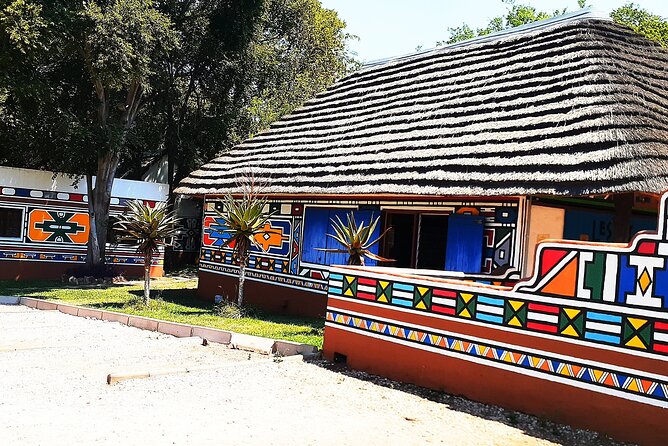
From there, a guide leads you through five village settings. The tour explains customs, homes, and traditions connected with different peoples of southern Africa. A Zulu warrior is part of the presentation, adding a clear visual link to one of the best-known cultural traditions in the region.
This section is educational rather than private or spontaneous. The value comes from having the customs explained in a short, organized format. You can ask questions, take in the design of the dwellings, and compare how each setting is presented.
I like this arrangement for first-time visitors. Five villages in one walk give you a broad outline, and you do not need to spend days arranging separate cultural encounters. The tradeoff is that each tradition receives only part of a half-day. You will come away with useful starting points, not a complete understanding of any one community.
The experience also depends on the quality of the guide. A good guide connects the displays to wider history and everyday customs. Several guides associated with this tour have been praised for doing exactly that, particularly during the drive. Your experience may feel more informative when that context is provided before you arrive.
Drumming and dancing bring the program alive
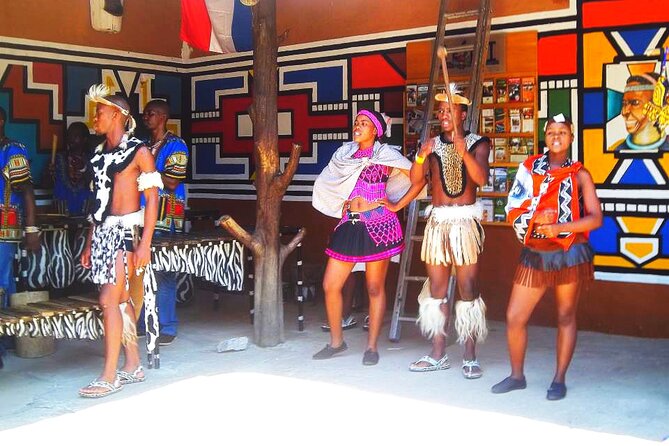
After the walk, the group attends a traditional music and dance performance. The show is one of the strongest parts of the experience.
The program includes dancing, and some accounts also describe drumming lessons or audience participation. That gives you more to do than simply sit and watch. You may be invited to follow a rhythm or take part in a basic activity, depending on the way the session is run.
The dancers are repeatedly praised for their energy and athletic ability. This is the moment when the tour shifts from explanation to performance, and it gives the afternoon a clear high point. The songs, drums, and movement make the cultural material easier to remember than a talk alone.
You should also keep your expectations in check. This is a scheduled show for an audience, so it is polished and entertaining. It is not an unplanned ceremony or an ordinary community gathering. Some people will appreciate that clarity and energy. Others may find the presentation too tourist-oriented.
For families and first-time visitors, I think the performance is a real advantage. It breaks up the walking tour and gives younger visitors something active to enjoy. It also helps explain why the experience receives such strong overall ratings, despite the staged setting.
A few more tours worth putting side by side
- From Johannesburg: Pilanesberg Nature Reserve Game Safari
★ 4.8 · 1,327 reviews - Johannesburg: Hop-On Hop-Off Bus with Optional Soweto Tour
★ 4.6 · 985 reviews - Soweto /Johannesburg and Apartheid Museum Guided Full Day Tour
★ 5.0 · 932 reviews - Johannesburg Hop-On Hop-Off City Tour with Soweto Option
★ 4.5 · 768 reviews
Lunch, crafts, and the extra-cost decisions
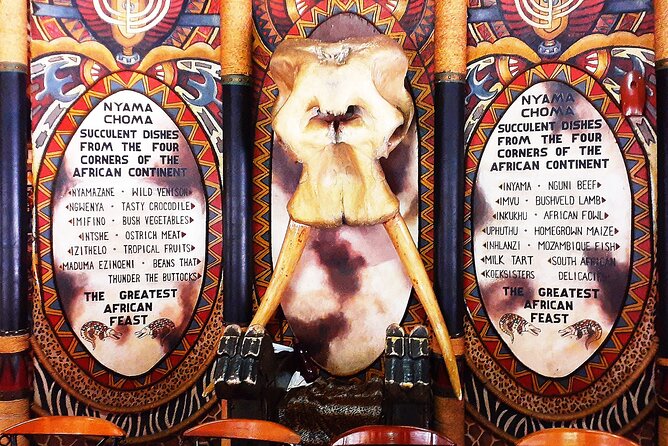
After the performance, a buffet lunch with traditional South African dishes is available. Lunch is not included in the tour price, and drinks are also excluded. Dinner is not part of the experience either.
The meal can be well timed. After walking through the village and watching the show, you may be ready for something more substantial than the included bottle of water. One account describes the buffet as tasty and reasonably priced, while another points out that it arrives at just the right moment after the dancing.
Because the meal is optional and separate, the $94.90 price does not cover everything you may spend on the day. Plan for lunch if you want to eat at the village, and keep extra money for drinks and crafts.
The craft market comes after the meal. You can browse handmade African items and purchase souvenirs. This creates a direct way to support the people working at the cultural attraction, though it also adds to the commercial feel that some visitors dislike.
One useful detail: do not expect every village setting to have its own souvenir stall. The craft shopping takes place after the main program rather than throughout the walk. That keeps the cultural tour moving, but it means the shopping portion comes at the end.
Is $94.90 a fair price?
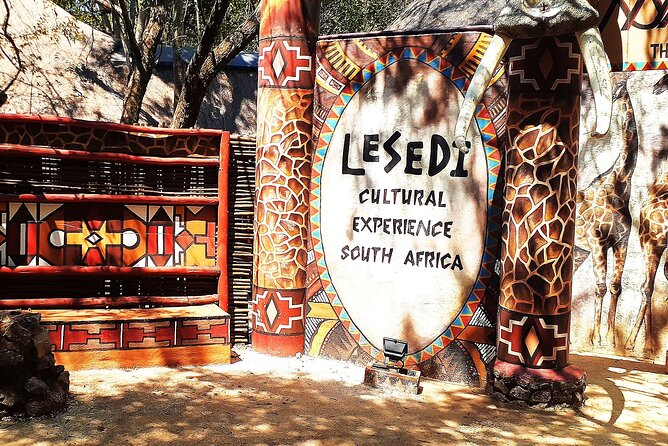
At $94.90 per person, this is not the cheapest half-day activity around Johannesburg. Its value depends on how much you would otherwise need to arrange yourself.
The price includes pickup, return transport, entrance fees, taxes, and a guide. You also receive air-conditioned transportation and water. For someone who wants a simple booking with hotel collection, that package has practical value.
Lunch, drinks, and crafts are not included, so your real spending may be higher. Group discounts are offered, which could make the outing more attractive for families or parties traveling together.
The small group promise also matters. A maximum of 14 is highlighted, while the additional information allows up to 15 people. Either way, this is smaller than a large coach excursion. A small group makes it easier to hear the guide, ask questions, and stay connected during the walk.
The best value comes when you want several elements in one outing: transport, a guided cultural introduction, village displays, a performance, and optional lunch. If you only want to see a dance show, the price may feel high. If you want an organized cultural overview from Johannesburg, it is easier to justify.
What the five-star feedback gets right
The strongest praise focuses on the guides and the combination of learning with entertainment. Tshepo is described as an excellent driver and tour host. Solly receives praise for explaining the five cultural groups before arrival. Simba is described as warm, engaging, friendly, and helpful during what became a private tour.
That matters because the drive is part of the experience. A quiet driver who only handles the road would make the trip feel like a transfer. A guide who explains what you are about to see gives the village more meaning.
The village staff also receive praise for being welcoming and willing to answer questions. That is useful in a cultural setting where you may not know which details are appropriate to ask about. The best approach is to stay curious and respectful, and to listen closely during the explanations.
The performance is the other consistent strength. Dancing, drumming, music, and audience involvement create a happy, social finish. Even people who are less interested in formal cultural displays may enjoy this portion.
The high rating of 4.8 from 46 reviews and the 96 percent recommendation figure suggest that the tour usually delivers what it promises. Those numbers do not remove the need to understand the format, but they do point to a generally reliable experience.
The main drawback: staged culture and occasional delays
The central limitation is simple: Lesedi is not an actual village where the featured communities live. It is a recreated cultural attraction. The homes and presentations are arranged to teach visitors about traditions in a controlled setting.
That makes the experience easier to understand, but it also makes it less spontaneous. You follow a set route, watch a planned show, and shop at a craft market. If you want a quiet, personal encounter with everyday life, this may feel too polished.
The word commercial also fits the experience for some people. The performance and souvenir market are part of the attraction, not an accidental addition. I would not book Lesedi expecting a remote or untouched setting.
There is also a small risk of transport frustration. One pickup was an hour late, though the guide eventually arrived and the group still had a good day. Double-checking your hotel name and pickup details is sensible, especially if you have another appointment later.
The program can also run longer than the four-hour village listing once transportation is counted. Treat the five to six-hour estimate as the more useful planning figure.
Who should book this cultural tour?
I think Lesedi suits you if:
- You have limited time in Johannesburg.
- You want a guided introduction to several southern African traditions.
- You prefer hotel pickup instead of arranging transport.
- You enjoy music, dancing, and some audience participation.
- You are traveling with family or a small group.
- You want the option of a buffet and craft shopping after the main program.
I would think twice if you have already visited living cultural communities and want something less staged. You may find the displays repetitive or too commercial, especially if you are hoping for the kind of personal encounter associated with rural community visits.
The tour is also a good fit for people who like context. Guides such as Solly and Bobo have been praised for adding background on the journey, which can turn the outing from a simple attraction visit into a more useful lesson about the country.
Practical advice before you go
Book ahead if your dates are fixed. The experience is commonly reserved about 22 days in advance, which suggests that leaving it until the last minute may not be wise during busy periods.
Wear casual clothing and comfortable shoes. The program includes walking through the five settings, so practical clothes will serve you better than anything formal.
Confirm the pickup location and start time. The scheduled start is 10:00 a.m., and a clear hotel address may help prevent the kind of delay caused by a wrong hotel.
Bring money for lunch, drinks, and crafts. The entrance, taxes, transport, and water are included, but those extras are not.
Free cancellation is available if you cancel at least 24 hours before the local start time. Changes or cancellations within 24 hours are not refunded, and the tour requires a minimum number of participants. If that minimum is not met, you are offered another date or experience, or a full refund.
Should you book the Lesedi Cultural Village Tour?
Book it if you want a convenient, entertaining first look at southern African cultural traditions from Johannesburg. The combination of hotel pickup, a small group, five village settings, clear guiding, and a lively dance performance gives you plenty for a half-day.
I would book it with one firm expectation: this is a cultural presentation, not a living village visit. That is not a flaw for everyone. For many people, the structure makes the experience easy to follow and enjoyable. But if authenticity means seeing ordinary community life without staging or souvenir shopping, choose a different kind of outing.
At $94.90, the tour offers fair value when you want transport and admission handled for you. Add money for lunch and drinks, allow five to six hours, and confirm pickup details. With those points understood, Lesedi is a sensible cultural stop for a first visit to Johannesburg.
FAQ
Where does the Lesedi Cultural Village Tour take place?
The tour visits Lesedi Cultural Village near Johannesburg, South Africa.
What time does the tour start?
The scheduled start time is 10:00 a.m.
How long does the experience last?
The full experience takes approximately five to six hours. The village program itself is listed as four hours.
Is hotel pickup available?
Yes. Pickup and drop-off from your hotel are offered.
What is included in the tour price?
The price includes entrance fees, all taxes and fees, an air-conditioned vehicle, and a bottle of water.
Is lunch included?
No. Lunch is not included, though a buffet with traditional South African dishes is available after the performance.
Are drinks included?
No. Drinks are not included in the tour price.
How many people can join the tour?
The tour is described as a small-group experience with a maximum of 14 people in the highlights. The additional information lists a maximum of 15 travelers.
Can I cancel for a full refund?
Yes, if you cancel at least 24 hours before the experience begins. Cancellations or changes made within 24 hours are not refunded.
Newest reviews from Johannesburg
- Cradle of Humankind and Maropeng Day Tour from Johannesburg★ 4.0 · 5 reviews
- Explore Soweto 8 Hour Tour with Lunch and Museum Visit★ 5.0 · 5 reviews
- 3 Day All Incl. Private Kruger Park Safari Incl. Transfer From Johannesburg★ 5.0 · 5 reviews
- Harties cableway Tour★ 4.5 · 5 reviews
- Pretoria Historical Tour★ 4.0 · 5 reviews
- Constitutional Hill and Soweto 5 hours tour.★ 5.0 · 5 reviews
- 5 Day Kruger National Park and Panorama Route Safari★ 4.5 · 5 reviews
- Luxury Car Johannesburg Airport Private Transfer★ 5.0 · 5 reviews
Cultural Village Tours, compared.

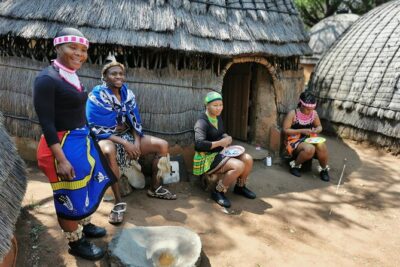
Lesedi Cultural Village and Cradle of Humankind Tour
Read our review →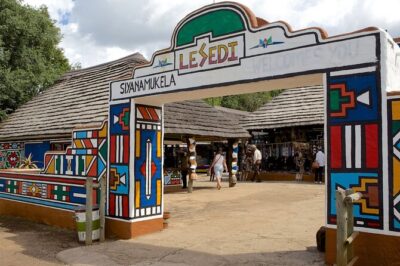


Durban City & PheZulu Cultural Village Day Tour from Durban
Read our review →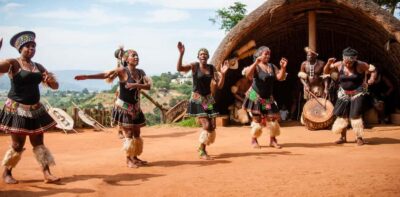
Phezulu Cultural Village & Reptile Park Day Tour from Durban
Read our review →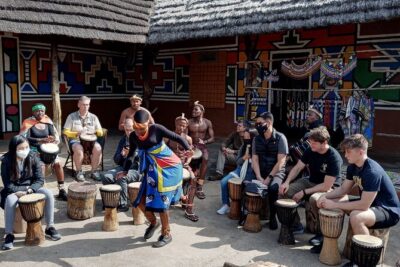
Lesedi Cultural Village & cradle of Humankind Guided Tour
Read our review →Browse the lists this tour appears in