
Reviewed · CULTURAL VILLAGE TOURS
Lesedi Cultural Village
Africa’s cultures come alive beyond Johannesburg.
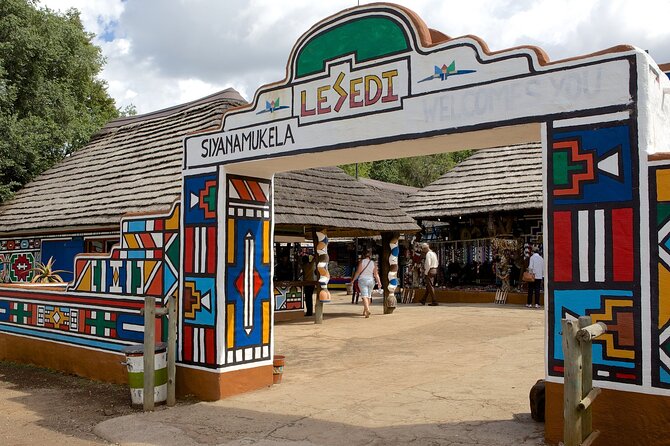
Lesedi Cultural Village offers a lively introduction to the traditions of the Xhosa, Zulu, Pedi, Basotho, and Ndebele peoples in one half-day outing. I like the mix of guided village visits and live music, and I especially like that hotel pickup removes the hassle of arranging transport outside the city. The traditional buffet, with choices such as crocodile and ostrich, adds another memorable layer.
The main caution is that this is a staged cultural attraction, not a visit to an ordinary working village. Some of the group presentation can feel planned and commercial, and the authenticity may not satisfy you if you want a quiet, open-ended encounter with daily life. Still, the performers are skilled, the teaching is clear, and the overall program gives you a useful first look at several South African cultural traditions.
In This Review
- Key points before you book
- What the Lesedi visit is really like
- The Johannesburg pickup sets the tone
- Five villages, five different cultural perspectives
- Traditional music and the tribal dance show
- Nyama Choma and the African buffet
- Is the $145.97 price fair?
- Who will enjoy this most?
- Practical tips for making the day better
- Should you book Lesedi Cultural Village?
- FAQ
- Where is Lesedi Cultural Village located?
- How long does the experience last?
- Is hotel pickup included?
- Which cultural groups are represented?
- Is lunch included?
- Are drinks included with lunch?
- Is a vegetarian meal available?
- What is the cancellation policy?
Key points before you book
- Five cultural traditions in one visit: You see representations of Xhosa, Zulu, Pedi, Basotho, and Ndebele life without arranging separate excursions.
- Music and dance are central: The program includes traditional music, storytelling, drumming, and a high-energy dance show.
- The buffet is part of the experience: Nyama Choma serves a wide selection of African dishes, including crocodile and ostrich, in North African, East African, and South African sections.
- Transport is built in: Hotel pickup and return transport from Johannesburg make this easy to fit into a city stay.
- Small groups can improve the day: The maximum group size is nine, though the format may vary depending on the booking.
- Allow five to six hours: The advertised duration is about six hours, while the village program itself is listed at roughly five hours.
What the Lesedi visit is really like
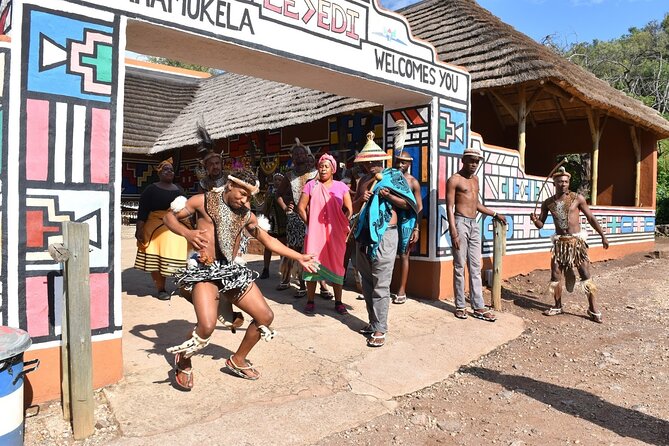
Lesedi Cultural Village is designed as a compact introduction to several southern African cultures. Rather than spending a full day in one community, you move through five traditional village areas and learn how customs, language, food, homes, music, and social life differ from one group to another.
That format is the attraction’s great strength. If you have only a short stay in Johannesburg, it gives you a broad cultural overview in one outing. You do not need to plan several long trips, and the guide helps connect the different sections into a single story.
The tradeoff is simple: this is an organized educational show. The homes and displays are arranged for visitors, and the dancing follows a planned performance. I would approach it as a cultural presentation, not as a completely spontaneous meeting with village residents.
That distinction matters. One person found the program disappointing because it did not feel authentic enough, while other experiences praised the teaching, performances, and effort to preserve cultural traditions. Both reactions make sense. You will likely enjoy Lesedi most if you value clear explanations, demonstrations, and entertainment, and less if you expect an unstructured local encounter.
More cultural village visits in Johannesburg:
- Lesedi Cultural Village and Cradle of Humankind Tour
★ 5.0 · 48 reviews - Lesedi Cultural Village Tour
★ 5.0 · 46 reviews - Johannesburg: Lesedi Cultural Village Experience
★ 4.6 · 43 reviews
The Johannesburg pickup sets the tone
Hotel pickup and drop-off are included, which is a major practical benefit. Johannesburg is spread out, and getting to an attraction outside the city can be awkward if you are unfamiliar with the area. With transport arranged, you can focus on the visit rather than on driving, parking, or finding a meeting point.
The drive can take different amounts of time depending on your hotel and the route. One account describes about an hour on the road, with the driver sharing information about Johannesburg along the way. Another describes a trip of roughly 30 minutes. That range suggests you should keep the whole afternoon or morning open rather than treating the six-hour estimate as a precise timetable.
The drivers also shape the experience. Guy received particular praise for preparing people for the visit during the ride. Simon was noted for safe driving and a reassuring manner. Another guide from Malawi kept up a pleasant conversation during the trip. These details are useful because the transfer is not just a ride to the gate. It can give you context before you arrive.
The tour includes free onboard uncapped WiFi, a handy extra during the drive. Group size is capped at nine, giving the outing a more personal feel than a large coach tour. Still, the exact setup can vary, so a small group does not guarantee a private visit every time.
Five villages, five different cultural perspectives
The first major part of the program takes you through village areas associated with the Xhosa, Zulu, Pedi, Basotho, and Ndebele peoples. Guides explain customs and everyday life, while stories and displays give you a sense of how each group is represented.
You should listen for the differences rather than trying to remember every fact. The value of the visit comes from seeing several traditions side by side. Language, clothing, domestic life, food, and social customs can be discussed in a way that helps you avoid treating South Africa as one single cultural block.
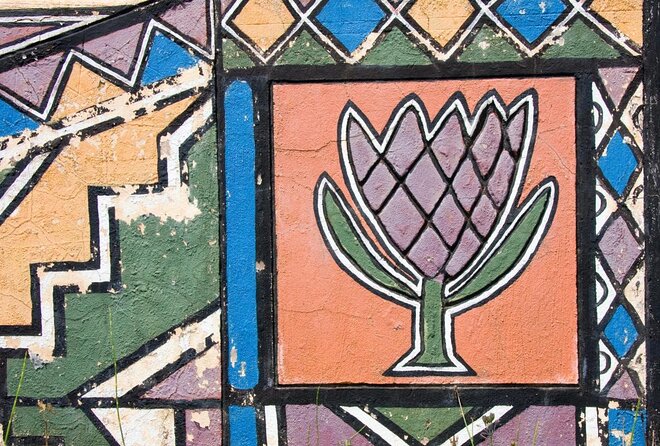
The Xhosa and Zulu sections are likely to be especially useful for first-time visitors who have heard the names but know little about daily traditions. The Pedi, Basotho, and Ndebele areas widen the picture beyond the best-known groups. The Ndebele presentation can be visually striking, while the Basotho and Pedi sections help show the variety of cultural life across the region.
I would not rush through these areas. The stories told by the people involved are more valuable than simply taking photographs of traditional structures. Pay attention to the explanations of food, family customs, language, and community life. Those details turn a collection of displays into a more meaningful lesson.
The presentation does simplify complex cultures. That is unavoidable in a half-day program covering five groups, and you should not treat it as a full study of any one tradition. Think of Lesedi as a starting point that gives you subjects to learn about later.
Traditional music and the tribal dance show
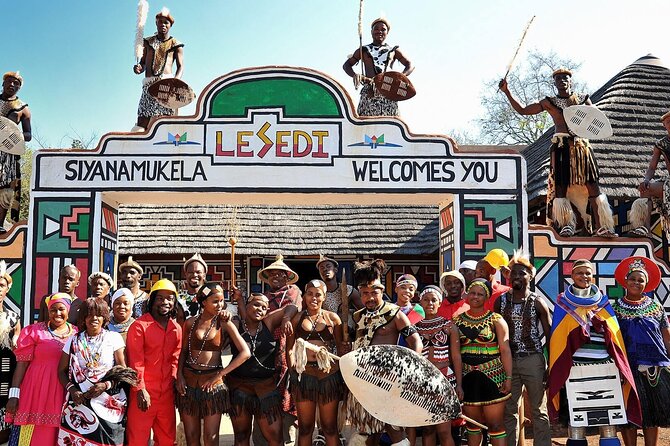
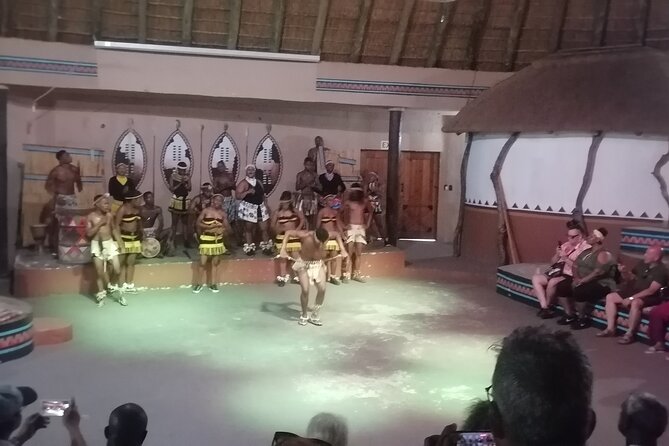
Music is woven through the visit. You hear traditional instruments, participate in group drumming, and watch a live performance featuring African music, drumming, and dance.
The dance show is one of the strongest parts of the outing. The performers bring athletic energy and obvious commitment to the stage. The movement, rhythm, and drumming make the cultural material easier to remember than a talk alone, and the performance gives the day a real sense of occasion.
At the same time, this is the part most likely to feel commercial. The main group drumming session follows a planned format, and the dance show is clearly arranged for an audience. That does not make it worthless. It simply means you should enjoy it as a polished cultural performance rather than expect a private ceremony.
A more personal drumming session may sometimes be available with a coach. One person considered this solo practice the best part of the half-day because it offered a closer connection with the music. If that option matters to you, ask about it before booking rather than assuming it is included.
The group participation is still worthwhile for families and first-time visitors. You do not need musical experience, and the shared rhythm gives the program a playful break from the explanatory sections. Children and adults who enjoy live performance will probably get the most from this portion.
A few more tours worth putting side by side
- From Johannesburg: Pilanesberg Nature Reserve Game Safari
★ 4.8 · 1,327 reviews - Johannesburg: Hop-On Hop-Off Bus with Optional Soweto Tour
★ 4.6 · 985 reviews - Soweto /Johannesburg and Apartheid Museum Guided Full Day Tour
★ 5.0 · 932 reviews - Johannesburg Hop-On Hop-Off City Tour with Soweto Option
★ 4.5 · 768 reviews
Nyama Choma and the African buffet
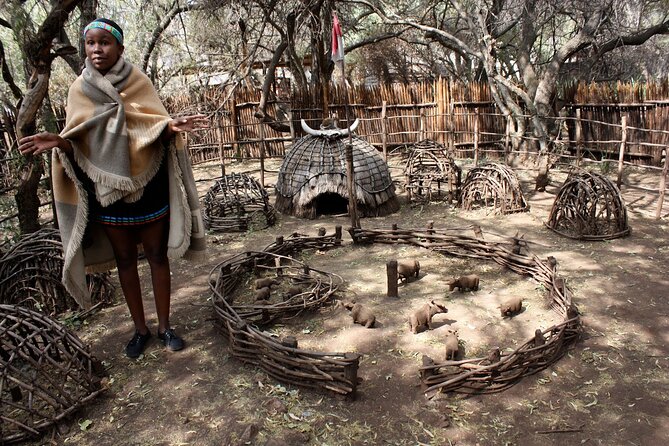
After the village program, you head to Nyama Choma for a traditional African feast. The name refers to a great African feast, and the meal is intended to be more than a quick lunch between activities.
The buffet is divided into three themed areas: North Africa, East Africa, and South Africa. That arrangement gives you a broad sample of regional cooking instead of limiting the meal to one menu. Exact dishes may vary, but the selection includes unusual options such as crocodile and ostrich.
I like this approach because food gives you another way to compare cultures. The meal is social, generous, and easy for a mixed group, since you can choose what appeals to you. One person specifically found the meal suitable even with a vegan diet, while another praised the number of available choices.
Drinks are not included, so budget separately for them. Vegetarian food is available, but you should request it when booking. The same advice applies to any special dietary need, since the supplied information confirms a vegetarian option but does not describe every possible restriction.
The buffet is a good value factor in the price. You are not paying only for entry and transport. You also receive a substantial meal and live entertainment, which makes the total cost easier to justify than a simple admission ticket.
Is the $145.97 price fair?
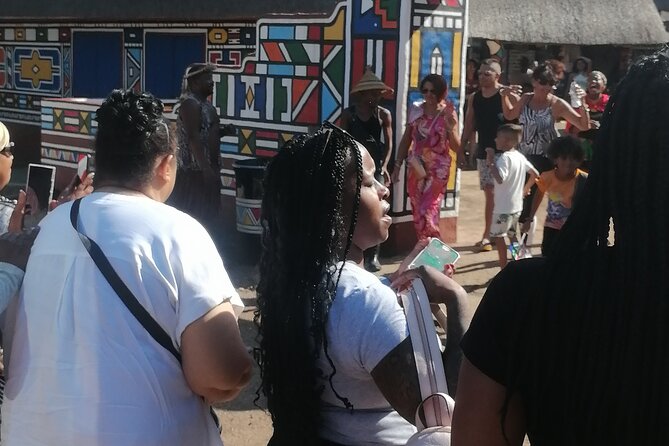
At $145.97 per person, this is not a bargain attraction if you are comparing it with a basic museum ticket. The price becomes more reasonable when you count the included hotel pickup, return transport, local guide, village admission, buffet lunch, live show, and onboard WiFi.
The small maximum group size also adds value. A group of up to nine can make it easier to hear the guide and ask questions than on a large bus. That said, the exact group arrangement can differ, and the attraction itself may still bring multiple groups together for the larger dance or meal portions.
I would compare the cost with what you would spend arranging a similar day independently. Transport outside Johannesburg, admission, a meal, and a guide can add up quickly. For a short city stay, the convenience may be worth more than squeezing out the lowest possible price.
The price is less appealing if you live nearby, already have a car, and want to spend only an hour or two at the site. It is also less suited to someone seeking a highly private cultural encounter. You are paying for a planned program with several components, not for complete flexibility.
The fact that it is often booked about 32 days ahead suggests you should not leave it until the last minute if your schedule is fixed. Free cancellation is available until 24 hours before the start time, but cancellations inside that window are not refunded, and late changes are not accepted.
Who will enjoy this most?
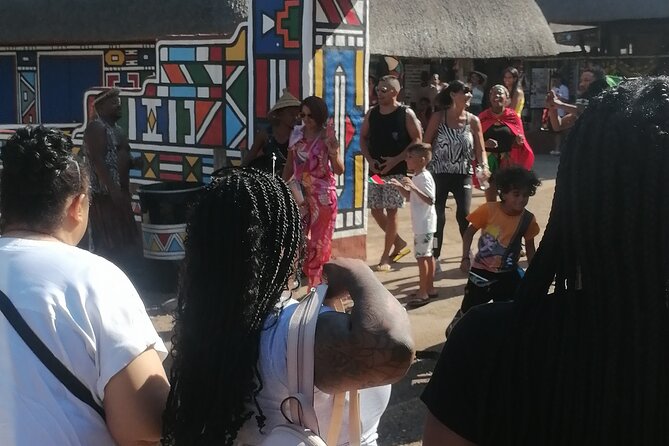
I would recommend Lesedi to first-time visitors to Johannesburg who want a clear introduction to South Africa’s cultural variety. It works especially well when you have limited time and prefer one organized outing instead of several separate trips.
Families can benefit from the balance of stories, demonstrations, drumming, dancing, and food. The performance keeps the day active, while the village sections give children something concrete to see as they learn.
It also suits people who want a low-stress excursion. Pickup, return transport, a guide, lunch, and entertainment are handled for you. Most people can participate, and the smaller group limit should help keep the day manageable.
I would be more cautious if your main goal is independent exploration. The attraction uses staged settings and planned performances, so the format may feel too polished if you want to wander freely or spend long periods speaking with local families.
Photography may be appealing, but I would put listening first. You will get more from the visit if you treat the people, music, and explanations as the main attraction rather than using the village only as a backdrop.
Practical tips for making the day better
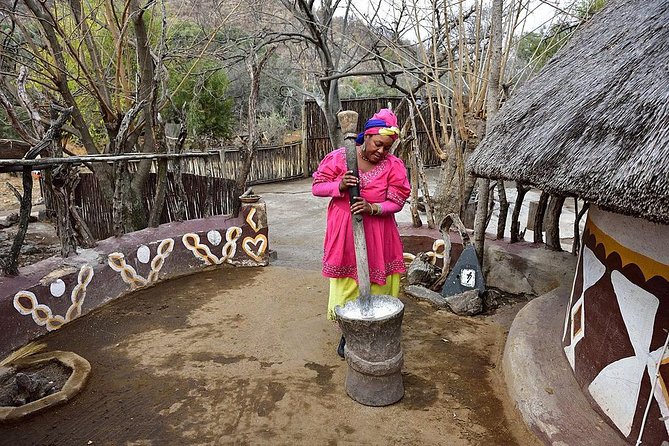
Keep the full half-day available. The official duration is approximately six hours, and the village schedule is listed at about five hours before you factor in hotel transfers.
Tell the operator about vegetarian needs when you book. Drinks are extra, so bring that cost into your planning.
Ask about any individual drumming instruction if that is important to you. The main group session may feel rehearsed, while a solo lesson with a coach can offer more direct participation.
Use the drive to ask questions. Guides such as Guy have been praised for explaining the visit before arrival, and the journey can help you understand what you are about to see.
Keep your expectations realistic. Lesedi can teach, entertain, and give you a useful cultural overview, but it cannot represent the full complexity of five peoples in one afternoon.
Should you book Lesedi Cultural Village?
Book it if you want an organized, lively introduction to five South African cultural traditions, with transport and lunch included. The dance performance, drumming, and broad cultural coverage are the strongest reasons to go, and the small group limit improves the value.
Think twice if you want an unplanned village visit or a deeply personal cultural exchange. The staged format will feel too commercial for some people, and the price is significant.
For most first-time visitors based in Johannesburg, I would book it, especially if you appreciate good logistics and a full program. Go expecting a well-run cultural show and educational outing, not untouched daily life. With that expectation, Lesedi offers a convenient and memorable way to widen your understanding of South Africa.
FAQ
Where is Lesedi Cultural Village located?
Lesedi Cultural Village is located near Johannesburg, South Africa.
How long does the experience last?
The experience lasts approximately six hours. The village program itself is listed at about five hours, with the remaining time generally allowing for transportation.
Is hotel pickup included?
Yes. Hotel pickup and drop-off from Johannesburg are included.
Which cultural groups are represented?
The visit includes traditional village areas associated with the Xhosa, Zulu, Pedi, Basotho, and Ndebele peoples.
Is lunch included?
Yes. A buffet lunch at Nyama Choma is included, with food from North African, East African, and South African themed areas.
Are drinks included with lunch?
No. Drinks are not included in the price.
Is a vegetarian meal available?
Yes. A vegetarian option is available, but you should advise the operator when booking.
What is the cancellation policy?
You can cancel at least 24 hours before the experience start time for a full refund. Cancellations or changes made less than 24 hours before the start time are not accepted, and the payment is not refunded.
Newest reviews from Johannesburg
- Cradle of Humankind and Maropeng Day Tour from Johannesburg★ 4.0 · 5 reviews
- Explore Soweto 8 Hour Tour with Lunch and Museum Visit★ 5.0 · 5 reviews
- 3 Day All Incl. Private Kruger Park Safari Incl. Transfer From Johannesburg★ 5.0 · 5 reviews
- Harties cableway Tour★ 4.5 · 5 reviews
- Pretoria Historical Tour★ 4.0 · 5 reviews
- Constitutional Hill and Soweto 5 hours tour.★ 5.0 · 5 reviews
- 5 Day Kruger National Park and Panorama Route Safari★ 4.5 · 5 reviews
- Luxury Car Johannesburg Airport Private Transfer★ 5.0 · 5 reviews
Cultural Village Tours, compared.

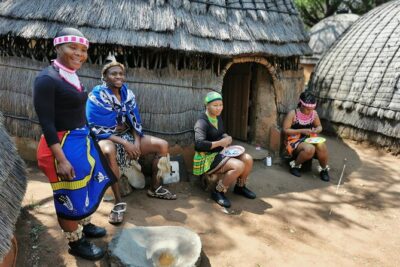
Lesedi Cultural Village and Cradle of Humankind Tour
Read our review →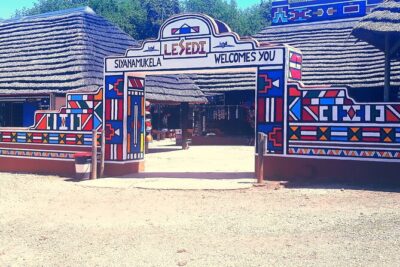
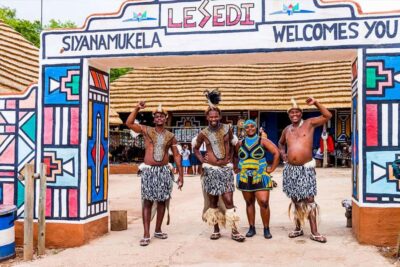
Durban City & PheZulu Cultural Village Day Tour from Durban
Read our review →
Phezulu Cultural Village & Reptile Park Day Tour from Durban
Read our review →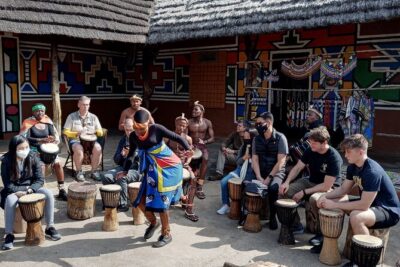
Lesedi Cultural Village & cradle of Humankind Guided Tour
Read our review →Browse the lists this tour appears in