
Reviewed · CULTURAL VILLAGE TOURS
Lesedi cultural village:
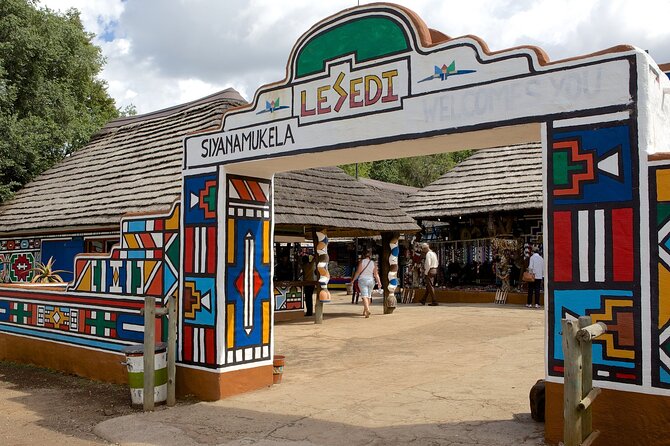
Culture comes alive through music, food, and family life. Lesedi Cultural Village gives you a friendly introduction to several South African cultural groups, with guided visits to traditional homesteads, explanations of clothing and customs, a lively dance show, and the chance to try local dishes. I especially like the small group of up to six people and the fact that private transport is included from many Johannesburg pickup points. The driver-guide can also add useful context on the road, as Thabelo did for one group, explaining Johannesburg and South Africa before arrival.
I also like the clear mix of learning and entertainment. You are not only looking at buildings from a distance. You hear about family life, child-rearing, celebrations, food preparation, and daily routines, then see singing, drumming, and dancing. The main consideration is cost: the $84 price includes transport, entry, a guide, and water, but lunch is extra at $16 per person, and the village visit itself lasts about 2.5 hours rather than a full day.
In This Review
- Key points before you book
- What Lesedi Cultural Village adds to a Johannesburg stay
- The drive from Johannesburg sets the tone
- The opening session explains what you are about to see
- Traditional homes make the differences visible
- Food turns the lesson into something you can taste
- Songs, drums, and dancing provide the grand finale
- The arts and crafts market adds time for browsing
- Is $84 good value for this day trip?
- Practical details that affect your day
- Should you book Lesedi Cultural Village?
- FAQ
- How much does the Lesedi Cultural Village tour cost?
- How long does the Lesedi Cultural Village visit last?
- Is transport included?
- Where can I be picked up?
- Is the tour wheelchair accessible?
- What language is the tour conducted in?
Key points before you book
- Five cultural groups in one visit: You see different homesteads, house designs, clothing traditions, and customs in a single outing.
- Music is part of the lesson: Expect songs, dancing, and opportunities to play drums, not just a spoken presentation.
- Small private transport group: The tour is limited to six participants, which makes questions and pickup coordination easier.
- Lunch costs extra: The local meal is optional and priced at $16 per person, so budget $100 total if you choose it.
- About 45 minutes of light walking: The site is wheelchair accessible and designed for an easy visit rather than a strenuous hike.
- Thabelo has earned special praise: If he is your driver-guide, you may get a detailed history lesson during the ride as well as at the village.
What Lesedi Cultural Village adds to a Johannesburg stay
Johannesburg can feel like a city of big subjects: politics, mining, apartheid, modern business, and rapid growth. Lesedi gives you a different entry point. Here, culture is explained through ordinary things such as houses, clothing, meals, songs, family roles, and celebrations.
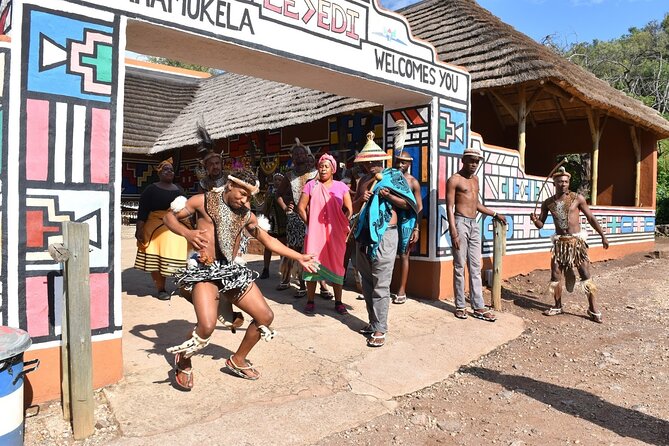
That practical focus is useful. Instead of hearing only broad statements about South African identity, you can compare how different groups build their homesteads, dress for various occasions, prepare food, and mark events such as a successful hunt or victory in war. The village presents these traditions in a way that is easy to follow during a short visit.
I would not treat the tour as a complete study of every cultural group in South Africa. It is an introduction, not a university course. But for a first visit to the country, it gives you a helpful framework for understanding the variety of traditions you may encounter elsewhere.
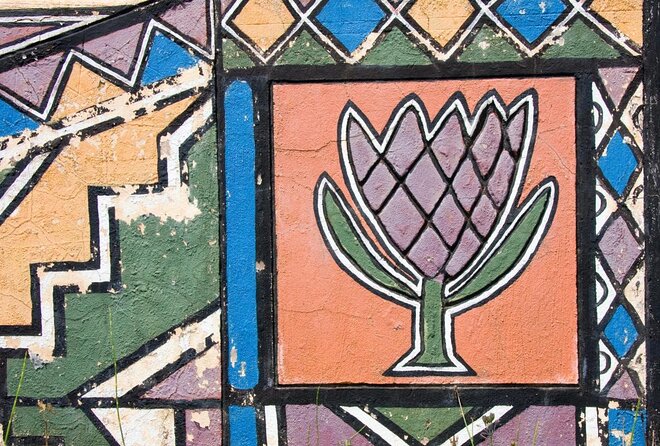
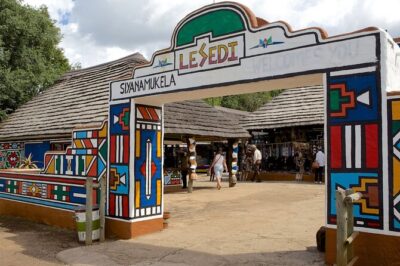
The presentation covers five groups from the area. You move between separate sections with differently designed homes and hear how daily life is organized within each tradition. The physical setting matters because architecture makes the differences easier to remember. A description of a home can feel abstract. Seeing the structure gives the explanation shape.
More cultural village visits in Johannesburg:
- Lesedi Cultural Village and Cradle of Humankind Tour
★ 5.0 · 48 reviews - Lesedi Cultural Village Tour
★ 5.0 · 46 reviews - Lesedi Cultural Village
★ 5.0 · 45 reviews
The drive from Johannesburg sets the tone
Pickup is available from many points around Johannesburg, including Maboneng Precinct, Rosebank Mall, Fourways, Sandton City, Melville, Houghton Estate, Rivonia Road, Melrose Arch, Randburg, Rosebank, Morningside, and several hotels near Sandton and O.R. Tambo International Airport.
That wide pickup network is handy if you are staying in different parts of the city or using the tour during a short stopover. You should have your pickup details ready and look for a guide with a name tag. Since several hotels and districts are covered, clear meeting instructions matter.
The private transport is one of the stronger parts of the package. You are not left to arrange a taxi or figure out a connection to the village. The driver is also your guide, so the trip can become part of the educational experience rather than dead time between attractions.
Thabelo receives particularly strong praise for explaining Johannesburg and South Africa during the drive. One group also appreciated his help when a passenger felt sick. He made a detour to a gas station for medicine because nearby pharmacies were closed. That kind of practical care is worth noting, although your exact guide will depend on the operating schedule.
The drive can also help you understand the setting before you arrive. You are moving from a major urban area to a purpose-built cultural site, so the guide’s introduction can prevent the village from feeling like an isolated performance venue. Ask questions during the ride. With only six people, you have a better chance of getting a useful answer than on a large coach tour.
The opening session explains what you are about to see
The visit begins with an introductory session about the different cultural groups represented at Lesedi. This is an important step because it gives you basic terms and a sense of what to watch for during the walk.
You will hear about culture, beliefs, dress, household life, and social customs. The opening explanation is meant to be an eye opener, especially if this is your first organized introduction to South African traditions. I like that the tour starts with context instead of sending you straight to the photo opportunities.
Pay attention to the clothing section. The clothing is explained in relation to different occasions, rather than treated simply as decoration. That helps you understand that an outfit can communicate a person’s role, status, age, or the type of event taking place.
The guide also discusses how families raise children and care for the household. These details may seem small, but they are often the most useful part of a cultural visit. They move the discussion away from costumes and toward how people conduct daily life.
Traditional homes make the differences visible
After the introduction, you take an easy walk through the village’s different sections. The walk lasts about 45 minutes and is described as light, so you do not need to prepare for a demanding outing. The area is also wheelchair accessible, which makes this a practical choice for many people who prefer to avoid uneven or strenuous sightseeing.
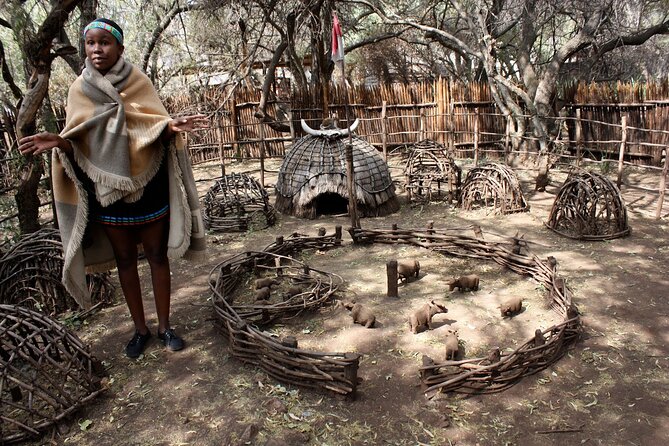
Each cultural group has its own home area and structural style. You see how the homesteads are built and hear why the forms differ. The houses are not just scenery. They provide a way to discuss family arrangements, practical needs, local materials, and the relationship between a home and the wider community.
I would bring a camera, as requested, but remember that a good photograph should not replace listening. The point of the walk is the explanation attached to each structure. Take a few pictures, then give your attention to the guide.
This section is also where the tour feels most grounded. Songs and dancing are memorable, but the homes connect the visit to ordinary routines. You can ask how meals are prepared, how children are brought up, and how family responsibilities are handled. The answers help you see cultural traditions as living practices rather than museum pieces.
The main limitation is time. The village program lasts about 2.5 hours, so each section receives an introduction rather than a long, detailed examination. If you already have serious academic knowledge of South African cultures, you may want a more specialized museum or community-led program. For a general visitor, the pace should feel manageable.
A few more tours worth putting side by side
- From Johannesburg: Pilanesberg Nature Reserve Game Safari
★ 4.8 · 1,327 reviews - Johannesburg: Hop-On Hop-Off Bus with Optional Soweto Tour
★ 4.6 · 985 reviews - Soweto /Johannesburg and Apartheid Museum Guided Full Day Tour
★ 5.0 · 932 reviews - Johannesburg Hop-On Hop-Off City Tour with Soweto Option
★ 4.5 · 768 reviews
Food turns the lesson into something you can taste
Food is one of the best ways to make a cultural visit memorable. At Lesedi, you learn how different dishes are prepared and have the option to eat a local meal and try a local drink.
The lunch costs $16 per person and is not included in the $84 tour price. That brings the total to $100 before any personal purchases. The extra charge is reasonable if you want the full experience, but you should know about it before booking.
The meal has been described as simple but varied, with delicious South African food. That is a fair expectation. Do not book this as a luxury dining event. Book it because the food adds another layer to the cultural presentation and gives you a chance to try dishes you might not order on your own.
I would choose the meal if you enjoy food as part of travel. It also saves you from needing to find lunch during the outing. If you are a picky eater, have dietary concerns, or prefer to keep the price down, you can treat lunch as optional.
The food section links well with the earlier discussion of family life. Preparing and sharing meals is not an isolated tourist activity. It gives you a practical look at ingredients, household routines, and celebration. The local drink adds a small extra touch, though the details of the drink are not specified, so you should ask your guide what is being served.
Songs, drums, and dancing provide the grand finale

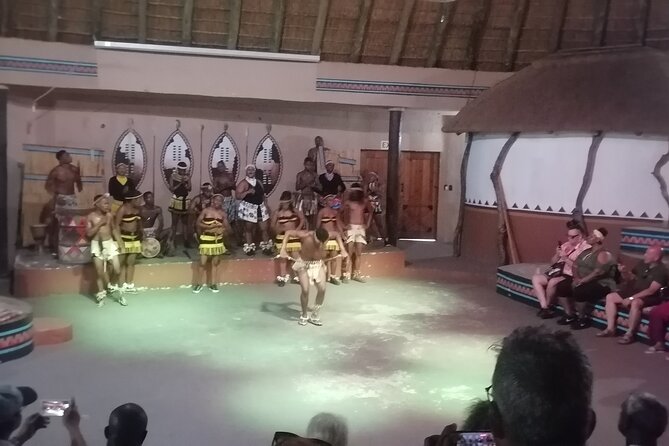
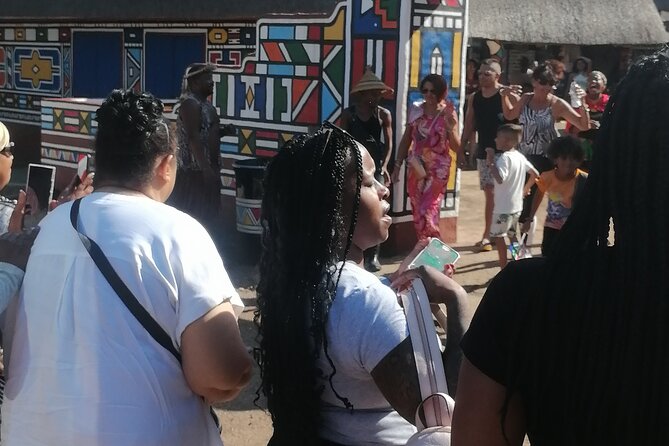
The traditional performance is the most theatrical part of the visit. You can expect songs and dancing, and one tour group also had the chance to play drums. The performance gives the visit energy after the quieter explanations of architecture and family life.
This is not a passive lecture. The music invites participation, which helps the information stick. You may remember a rhythm or movement long after you forget a list of names. The performance also shows how celebration can follow major events such as a successful hunt or a victory in war.
I like the balance here. The tour does not ask you to spend the whole morning listening to facts, but it also does not reduce culture to a dance show. You first learn about the groups, homes, clothing, and daily routines. Then the performance gives you a visible example of how music and movement can express community life.
Keep your expectations realistic. A cultural village presentation is arranged for visitors, so it is a prepared performance. That does not make it worthless, but it means you are seeing a public interpretation of tradition rather than dropping into an ordinary village gathering. The guides and performers are presenting selected parts of cultural life in a format that fits a short tour.
The arts and crafts market adds time for browsing
The program includes visits to a food market and an arts and crafts market. These stops give you time to look at local products and consider buying something connected to the visit.
I would save a little room in your budget if you enjoy crafts. The tour price does not include personal purchases, and the information provided does not specify the types or prices of items available. You should compare carefully, ask about prices, and buy only what you genuinely want.
The market also gives you a less structured pause between the guided sections. After listening to explanations and watching the performance, browsing can make the pace feel more relaxed. It is not a reason by itself to book the tour, but it rounds out the visit.
A safety briefing is included as well. That may sound routine, but it is useful at a site with several walking areas, markets, and group movements. The area is described as secure and friendly, which should help you feel at ease during the visit.
Is $84 good value for this day trip?
At $84 per person, the tour offers solid value if you need transport from Johannesburg. The fee includes private transport, a driver-guide, entry to Lesedi Cultural Village, and one bottle of water. With a maximum of six participants, you are paying more than you might for a large public bus, but you are getting a more personal setup.
The guide is the key value factor. If your driver provides the same kind of city and national history that Thabelo provided, the experience begins before you reach Lesedi. That turns a short cultural visit into a broader introduction to South Africa.
Lunch adds another $16, bringing the practical total to $100. I consider that fair for a full outing with transport and a meal, but it is not the cheapest way to fill a day. You should compare it with the cost and hassle of arranging a private ride, admission, and lunch independently.
The tour works especially well for:
- First-time visitors to Johannesburg
- People with only one free day
- Families who want an easy cultural activity
- Visitors who prefer a small group
- Anyone interested in food, music, clothing, and home life
- Cruise, airport, or short-stop visitors who need pickup flexibility
It may be less suitable if you want long, unstructured time with local communities or a highly specialized academic tour. The program is polished, scheduled, and designed to introduce several groups in one visit.
Practical details that affect your day
The overall duration is listed as one day, but the main village program takes about 2.5 hours. The rest of the time is used for pickup, driving, and return transport. Starting times vary, so check availability for the day you want.
There are 16 pickup and drop-off locations, including central Johannesburg neighborhoods, Sandton, Rosebank, Fourways, Randburg, Morningside, Melrose Arch, and both City Lodge Hotel at O.R. Tambo International Airport and Southern Sun O.R. Tambo International Airport. The return network mirrors the pickup service, though the exact order depends on the route.
The group size is limited to six, and the tour is conducted in English. Bring a camera, water is provided, and alcohol and drugs are not allowed. Wear comfortable clothing for the light walking, but there is no indication that special hiking gear is needed.
Wheelchair access is available, and the site is considered suitable for wheelchairs. Still, if you use a wheelchair, I would confirm the exact pickup arrangement and vehicle setup before the day, since general site accessibility does not automatically describe every transport detail.
Free cancellation is available up to 24 hours in advance for a full refund, and you can reserve now and pay later. Those terms are useful if your Johannesburg plans are still shifting.
Should you book Lesedi Cultural Village?
I would book this tour if you want an approachable introduction to South African cultural traditions without arranging several separate activities. The combination of private transport, a small group, traditional homes, food, markets, music, dancing, and a guide makes the $84 price sensible, especially for a first visit to Johannesburg.
Choose the $16 meal if food is part of your reason for going. Skip it if you need to hold the price at $84 or have dietary concerns. Either way, the strongest parts of the visit are the explanations of daily life and the lively final performance.
Book it with realistic expectations. You are getting a structured cultural presentation, not an unscripted visit to a rural community. For families, first-time visitors, and anyone who wants an easy half-day cultural outing with transport included, Lesedi is a worthwhile choice.
FAQ
How much does the Lesedi Cultural Village tour cost?
The tour costs $84 per person. Lunch is optional and costs an additional $16 per person, bringing the total to $100 if you choose the meal.
How long does the Lesedi Cultural Village visit last?
The main program at the village lasts about 2.5 hours. The full activity is listed as one day because it includes pickup, transport from Johannesburg, and return drop-off.
Is transport included?
Yes. Private transport and a driver-guide are included, along with one bottle of water per person and entry fees to Lesedi Cultural Village.
Where can I be picked up?
Pickup is available from 16 locations around Johannesburg, including Maboneng Precinct, Rosebank Mall, Fourways, Sandton City, Melville, Sandton-area hotels, O.R. Tambo International Airport hotels, Randburg, Houghton Estate, Rivonia Road, Melrose Arch, and Morningside.
Is the tour wheelchair accessible?
Yes. The cultural village is suitable for wheelchairs, and the visit includes about 45 minutes of light walking.
What language is the tour conducted in?
The tour is conducted in English with a live guide.
Newest reviews from Johannesburg
- Cradle of Humankind and Maropeng Day Tour from Johannesburg★ 4.0 · 5 reviews
- Explore Soweto 8 Hour Tour with Lunch and Museum Visit★ 5.0 · 5 reviews
- 3 Day All Incl. Private Kruger Park Safari Incl. Transfer From Johannesburg★ 5.0 · 5 reviews
- Harties cableway Tour★ 4.5 · 5 reviews
- Pretoria Historical Tour★ 4.0 · 5 reviews
- Constitutional Hill and Soweto 5 hours tour.★ 5.0 · 5 reviews
- 5 Day Kruger National Park and Panorama Route Safari★ 4.5 · 5 reviews
- Luxury Car Johannesburg Airport Private Transfer★ 5.0 · 5 reviews
Cultural Village Tours, compared.

Lesedi Cultural Village and Cradle of Humankind Tour
Read our review →


Durban City & PheZulu Cultural Village Day Tour from Durban
Read our review →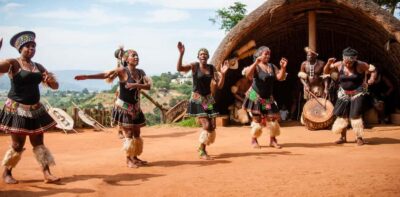
Phezulu Cultural Village & Reptile Park Day Tour from Durban
Read our review →Browse the lists this tour appears in