
Reviewed · CULTURAL VILLAGE TOURS
Lesedi Cultural Village
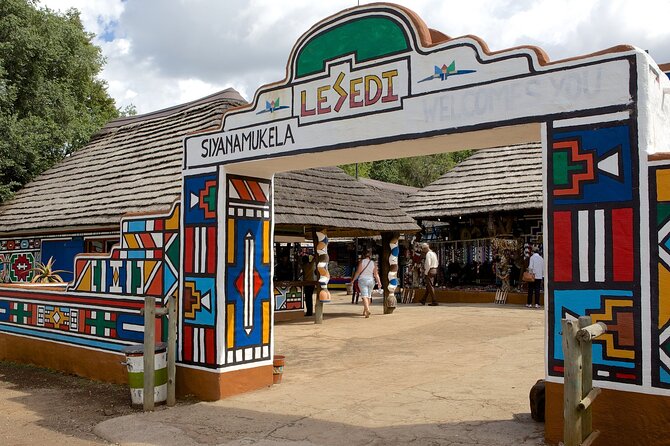
Culture comes alive through homes, music, and food. Lesedi Cultural Village gives you a compact introduction to the Zulu, Xhosa, Pedi, Basotho, and Ndebele peoples at a site near Johannesburg, within the Cradle of Humankind World Heritage Site.
I like the small group limit of nine, which should make the guided parts easier to follow and less impersonal. I also like the mix of traditional homesteads, energetic dance, music, and a buffet meal, since you get more than a quick photo stop. The main consideration is time: four hours gives you a useful introduction, but not enough room for a slow, detailed study of every culture.
In This Review
- Key points to know before booking
- Why Lesedi Works as a Johannesburg day activity
- The guided ride and the value of a good introduction
- Walking through five traditional homesteads
- Traditional dance and music provide the strongest emotional lift
- What to expect from the traditional South African buffet
- Is $143.68 per person a fair price?
- Who will get the most from this four-hour visit?
- Practical details that affect your day
- How Lesedi compares with a do-it-yourself cultural outing
- My verdict on Lesedi Cultural Village
- FAQ
- Where is Lesedi Cultural Village located?
- How long does the experience last?
- Which cultures are represented at Lesedi Cultural Village?
- Is admission included?
- Does the tour include food?
- Are music and dance performances included?
- How many people can join the activity?
- Can I cancel for a full refund?
Key points to know before booking
- Five South African cultures in one visit: See representations of Zulu, Xhosa, Pedi, Basotho, and Ndebele traditions.
- A guide adds context: Victor, one guide connected with the experience, is praised for explaining South African history during the ride to the village.
- Dance and music are central: Performances bring the cultural presentation to life and provide more than a static display of huts and objects.
- A traditional buffet is included: Expect a meal based on South African recipes, with meats, vegetables, and side dishes.
- Small-group format: The experience has a maximum of nine people, a useful size for a guided cultural visit.
- Plan around the price and timing: The listed cost is $143.68 per person, the visit lasts about four hours, and pickup is offered.
Why Lesedi Works as a Johannesburg day activity
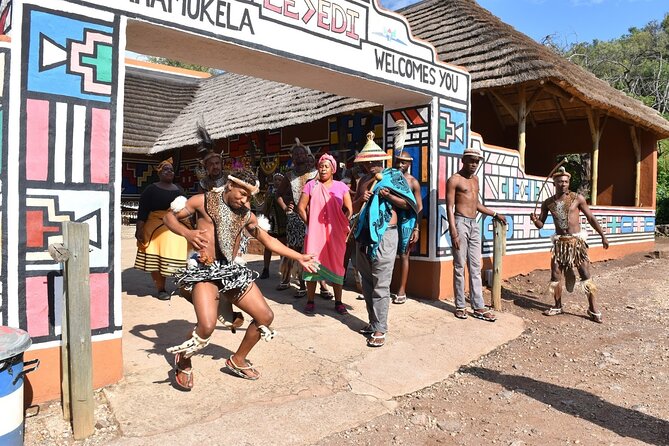
Johannesburg can feel like a large, spread-out city, so a cultural outing that gathers several traditions in one place is practical. Lesedi Cultural Village is located near Johannesburg in the Cradle of Humankind World Heritage Site. That setting gives you a chance to pair a city stay with an introduction to living South African cultural traditions.
The attraction presents five cultural groups: Zulu, Xhosa, Pedi, Basotho, and Ndebele. You move through traditional homesteads and learn about customs, rituals, and daily life. The value is not in seeing a single building or performance. It is in comparing the different styles and practices in one organized visit.
I see this as a good first cultural stop rather than a final word on South Africa’s peoples. Four hours is enough to give you a clear outline, but the format is designed for broad understanding. If you want detailed anthropology or long conversations with community members, you may find the schedule too tight.
Still, the variety is a real strength. Instead of spending a full day traveling between separate cultural attractions, you can encounter five traditions during one visit. That makes Lesedi especially useful if you have limited time in Johannesburg.
More cultural village visits in Johannesburg:
- Lesedi Cultural Village and Cradle of Humankind Tour
★ 5.0 · 48 reviews - Lesedi Cultural Village Tour
★ 5.0 · 46 reviews - Lesedi Cultural Village
★ 5.0 · 45 reviews
The guided ride and the value of a good introduction
Pickup is offered, and the experience is near public transportation. The supplied details do not specify exact pickup neighborhoods, meeting times, or vehicle arrangements, so you should confirm those details when booking. A mobile ticket is available, which keeps the admission process simple.
The guide can shape the whole outing. Victor receives especially warm praise for explaining South African history during the ride to Lesedi. That matters because the journey becomes part of the lesson rather than dead time between Johannesburg and the village.
A guide who explains the setting can help you understand why the village includes several cultural groups and what to look for in each homestead. Victor is also described as friendly, polite, and insightful. Those qualities matter on a short tour, when clear explanations and a comfortable tone can make the difference between a display that feels distant and one that holds your attention.
The group limit is nine people. That is small enough to feel more personal than a large coach tour, while still allowing the operator to keep the outing organized. A small group can also make it easier to hear the guide and ask questions, though the exact amount of interaction depends on the schedule and group.
Walking through five traditional homesteads
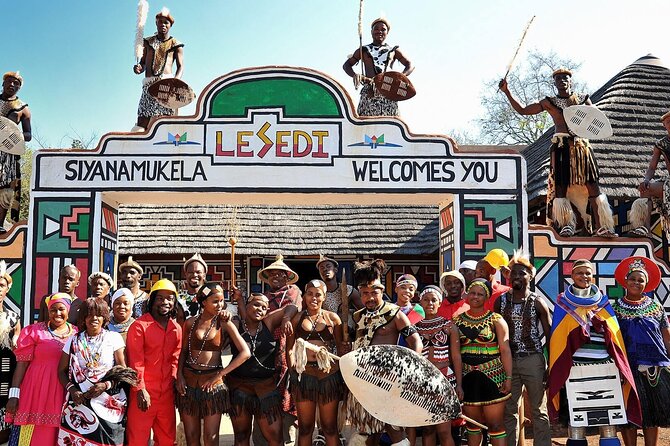
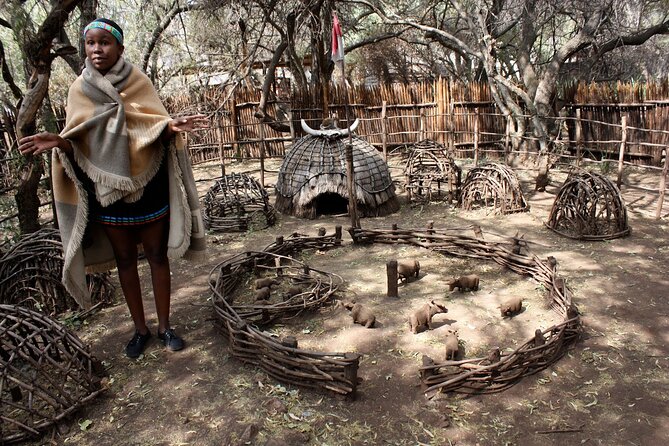
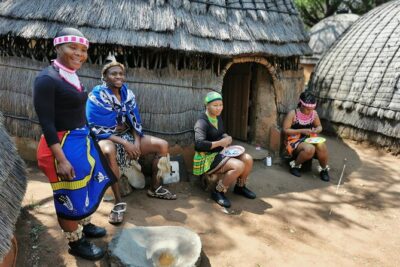
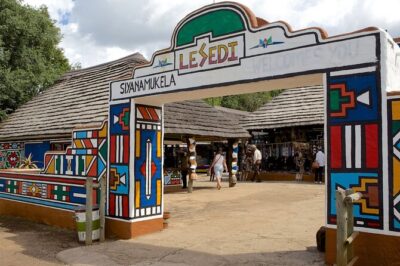
The main visit takes you through homesteads representing the Zulu, Xhosa, Pedi, Basotho, and Ndebele cultures. Each area is meant to show distinctive customs, rituals, and ways of life. You should pay attention to differences in the homes, presentation style, and cultural explanations rather than treating the village as one single version of South Africa.
The Zulu section forms part of the broader presentation of traditional South African life. The same is true of the Xhosa, Pedi, Basotho, and Ndebele areas. Because they are presented side by side, you can make useful comparisons between them.
That comparison is one of Lesedi’s best teaching tools. A short description of each group can be easy to forget, but seeing several cultural settings in one sequence gives the information a physical shape. You begin to understand that South Africa is not one cultural block with a single set of customs.
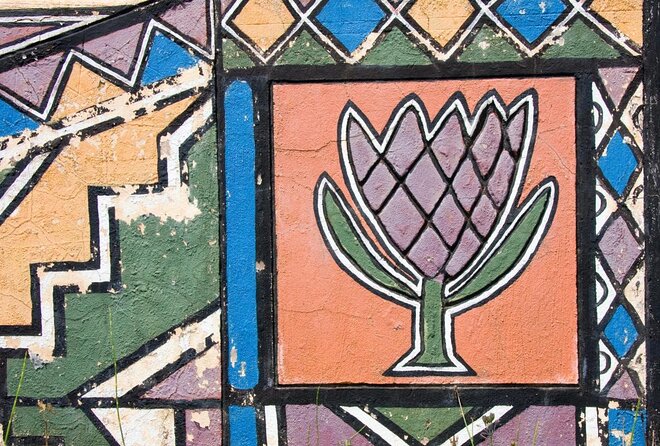
The village also includes art, music, dance, and interactive experiences. The word interactive should not lead you to expect a specific activity that is not listed, but it does suggest that the visit is more active than simply walking past displays. Follow the guide closely, and listen for the explanations behind the objects and structures.
You should also keep your expectations sensible. The homesteads are representations created for cultural presentation, not ordinary residential neighborhoods. Their purpose is to teach and interpret. That makes the experience accessible, but it also means you are seeing a planned visitor setting rather than unfiltered daily life.
Traditional dance and music provide the strongest emotional lift
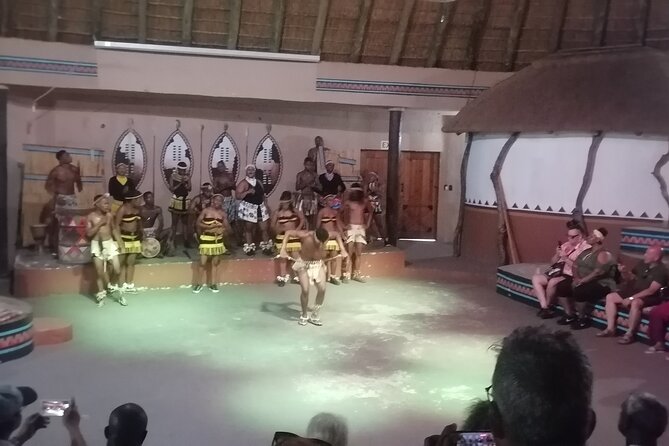
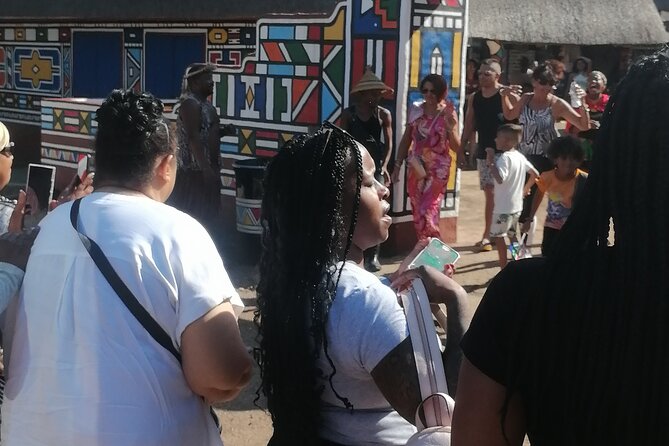
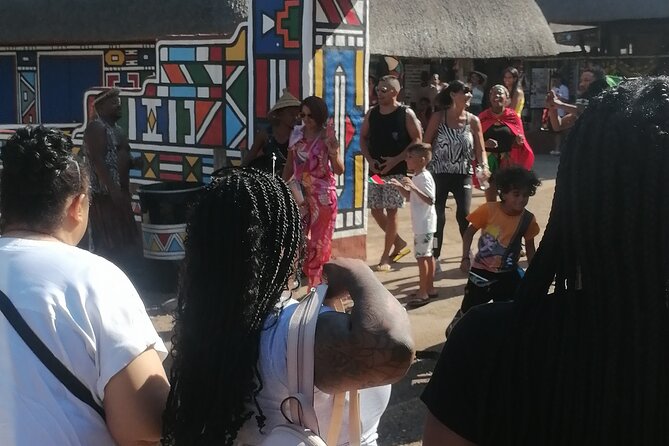
The music and dance performances are a major part of the visit. They are energetic, colorful, and tied to the cultural traditions being presented. For many people, this will be the most memorable section because movement and sound can communicate ideas that a spoken explanation cannot.
I like that the performances are paired with the homestead tours. If you only watched a dance show, you might enjoy the spectacle without understanding its place in a wider cultural setting. At Lesedi, the presentations and performances work together, giving the entertainment more context.
The dance is also a useful change of pace. Walking through homes and listening to explanations requires attention. A live performance resets the rhythm of the tour and makes the visit feel less like a museum visit. The music adds another layer, showing how cultural expression can be carried through sound as well as through buildings, clothing, and ritual.
Do not expect a long, private performance devoted to one tradition. The visit covers five groups in about four hours, so the program has to move along. Think of the dancing and music as a carefully chosen introduction to a broad subject.
If you enjoy performance as part of cultural travel, this feature adds strong value to the admission price. It gives you a direct, lively connection to the material and helps the different parts of the tour stay distinct in your memory.
A few more tours worth putting side by side
- From Johannesburg: Pilanesberg Nature Reserve Game Safari
★ 4.8 · 1,327 reviews - Johannesburg: Hop-On Hop-Off Bus with Optional Soweto Tour
★ 4.6 · 985 reviews - Soweto /Johannesburg and Apartheid Museum Guided Full Day Tour
★ 5.0 · 932 reviews - Johannesburg Hop-On Hop-Off City Tour with Soweto Option
★ 4.5 · 768 reviews
What to expect from the traditional South African buffet
Food is included as part of the experience. The buffet features traditional South African dishes prepared from recipes passed down through generations, with a selection that usually includes meats, vegetables, and side dishes.
The meal matters because food can explain daily life in a direct way. A building may show how people live, while a shared plate gives you a sense of ingredients, preparation, and the role of food in community gatherings. It also gives the tour a natural pause after the walking and performances.
The supplied information does not provide a fixed menu, so you should not book expecting particular dishes. The selection can include several meats, vegetables, and accompaniments, but the exact offerings are not stated. If you have dietary restrictions, confirm what can be provided before booking.
I consider the meal an important part of the value, not just a convenient extra. A four-hour cultural outing with guided touring, performances, and food feels more complete than one that ends after a short talk. At the same time, the meal is served in a visitor setting, so you should approach it as a cultural introduction rather than a replacement for exploring Johannesburg’s wider food scene.
Is $143.68 per person a fair price?
The listed price is $143.68 per person. That is not a low-cost attraction ticket, so the value depends on how much you want included in one outing.
You are paying for more than entry to a cultural village. The experience includes a guided visit, access to five cultural areas, traditional music and dance, and a buffet meal. Pickup is offered, and the group is capped at nine people. Taken together, those features make the price easier to justify for someone who wants a ready-made cultural excursion from Johannesburg.
The guide adds another part of the calculation. If your pickup includes a useful explanation of South African history, as it did with Victor, the transport time has educational value. That can be particularly helpful if this is your first visit to South Africa and you need background before seeing the village.
Group discounts may also be available. If you are traveling with family or friends, check the current terms before booking. A discount could make the outing more attractive for a larger party, though the group maximum remains nine people for the activity.
I would compare this price with the cost and effort of arranging separate transport, a cultural guide, a performance, and a meal. Lesedi’s advantage is convenience and variety. Its limitation is that you get a broad, planned presentation rather than a highly customized cultural study.
The experience is booked, on average, 99 days ahead. That does not guarantee that every date sells out, but it is a useful warning not to leave the decision until the last minute, especially if your Johannesburg schedule is fixed.
Who will get the most from this four-hour visit?
Lesedi suits first-time visitors who want a clear introduction to several South African cultures without committing to a long excursion. It also works well for families and small groups who appreciate a planned schedule, live performance, and a meal in the same outing.
I would recommend it to anyone who wants cultural context before exploring more of South Africa. The five homesteads give you a starting point for understanding the country’s variety, while the guide can add historical background along the way.
It may also suit visitors with only a few days in Johannesburg. Four hours is a manageable block of time, and the experience is focused enough to fit alongside other city plans, depending on the pickup and return schedule.
You may want a different type of activity if you dislike staged cultural presentations. Lesedi is designed for visitors, and its homesteads, demonstrations, and performances are organized to teach a broad audience. That does not make the material useless, but it does mean you should see the village as an interpretation of culture rather than a spontaneous slice of ordinary life.
The visit may also feel too brief if you want to study one group in depth. The advantage of five cultures in one stop comes with a tradeoff: less time for each individual tradition.
Practical details that affect your day
The experience lasts about four hours, with admission included. Pickup is offered, and the site is near public transportation, but exact pickup instructions are not provided in the available details. Check the meeting point, pickup area, and start time carefully before you leave your hotel.
Most people can participate. No special physical requirements are stated, so you should contact the provider if you have concerns about mobility or other personal needs.
The operator is Motleys Tours and Travel. Confirmation is received at the time of booking, and you can use a mobile ticket. Those details make the booking process straightforward, but they do not replace checking the practical timing of pickup.
The cancellation terms are friendly if your plans may change. You can cancel for a full refund up to 24 hours before the experience starts. Cancellations or changes made within 24 hours are not accepted for a refund, and the cutoff is based on local time.
I would leave enough room in your Johannesburg schedule for transport delays or changes, even though the advertised activity itself lasts four hours. The tour is compact, but the day still depends on the pickup arrangement.
How Lesedi compares with a do-it-yourself cultural outing
A self-guided visit can give you more freedom. You may spend longer at one display, stop for photographs when you wish, or build your own route around Johannesburg. But you would also need to arrange transport, find cultural interpretation, and organize food separately.
Lesedi gives you a single framework. The guide connects the outing to South African history, the homesteads provide a visual structure, performances add sound and movement, and the buffet finishes the experience with food. I like that clear sequence for visitors who want useful information without spending days planning.
The compromise is control. You do not set the pace for each cultural section, and the presentation follows the village’s format. If you want freedom above all else, a private or self-planned outing may suit you better. If you want a compact introduction with several elements included, Lesedi is the easier choice.
My verdict on Lesedi Cultural Village
I would book Lesedi if I wanted a practical first look at South Africa’s cultural variety from Johannesburg. The strongest reasons are the five represented cultures, the live music and dance, the buffet meal, and the chance to have historical context from a guide such as Victor.
The price is significant, but the package includes more than admission. Small-group touring, a meal, performances, and a four-hour guided format make it a reasonable choice for visitors who value convenience and structure.
I would skip it only if you want an unplanned, deeply local experience or a full day focused on one cultural group. For most first-time visitors, Lesedi offers a useful beginning, provided you understand that it is a visitor-focused cultural presentation rather than ordinary village life.
FAQ
Where is Lesedi Cultural Village located?
Lesedi Cultural Village is near Johannesburg, South Africa, within the Cradle of Humankind World Heritage Site.
How long does the experience last?
The experience lasts approximately four hours.
Which cultures are represented at Lesedi Cultural Village?
The village represents Zulu, Xhosa, Pedi, Basotho, and Ndebele cultures.
Is admission included?
Yes, the admission ticket is included in the experience.
Does the tour include food?
Yes. The experience includes a buffet of traditional South African dishes, generally featuring meats, vegetables, and side dishes.
Are music and dance performances included?
Yes. Traditional dancing and music are part of the cultural presentation.
How many people can join the activity?
The activity has a maximum of nine travelers.
Can I cancel for a full refund?
Yes. You can cancel at least 24 hours before the start time for a full refund. Cancellations or changes made less than 24 hours before the start time are not refunded or accepted.
Newest reviews from Johannesburg
- Cradle of Humankind and Maropeng Day Tour from Johannesburg★ 4.0 · 5 reviews
- Explore Soweto 8 Hour Tour with Lunch and Museum Visit★ 5.0 · 5 reviews
- 3 Day All Incl. Private Kruger Park Safari Incl. Transfer From Johannesburg★ 5.0 · 5 reviews
- Harties cableway Tour★ 4.5 · 5 reviews
- Pretoria Historical Tour★ 4.0 · 5 reviews
- Constitutional Hill and Soweto 5 hours tour.★ 5.0 · 5 reviews
- 5 Day Kruger National Park and Panorama Route Safari★ 4.5 · 5 reviews
- Luxury Car Johannesburg Airport Private Transfer★ 5.0 · 5 reviews
Cultural Village Tours, compared.

Lesedi Cultural Village and Cradle of Humankind Tour
Read our review →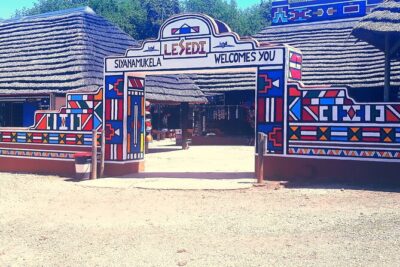


Durban City & PheZulu Cultural Village Day Tour from Durban
Read our review →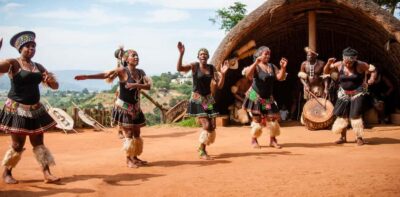
Phezulu Cultural Village & Reptile Park Day Tour from Durban
Read our review →Browse the lists this tour appears in