
Reviewed · APARTHEID MUSEUM TOURS
Half Day Soweto and Apartheid Museum Guided Tour
South Africa’s past comes into focus here. This five-hour private tour pairs the Apartheid Museum with a guided drive through Soweto, giving you both the national story and the places where that story unfolded. I like the balance between serious museum time and community landmarks, and I like that private transport lets your group keep a more flexible pace. The main consideration is that several stops are brief drive-bys, so this is an overview rather than a slow, walking tour of Soweto.
I also like the personal touch reported from guides such as Lucky, Abe, Nhlanhla, and Lekki. Their best work appears to be in explaining difficult history clearly, answering questions, and keeping the day moving. The tour costs $85.06 per person, which is fair if you value a private vehicle, hotel pickup, bottled water, and an included Mandela House visit, but lunch and drinks are extra.
In This Review
- Key points to know before booking
- Why this tour works as a Johannesburg introduction
- Houghton Estate and Munro Drive: a quick look at Johannesburg
- Two hours inside the Apartheid Museum
- FNB Stadium and the road into Soweto
- Chris Hani Baragwanath Hospital and the Soweto cooling towers
- Vilakazi Street, local food, and Mandela House
- The 1976 uprising and the missing time question
- Guide quality, group size, and the one warning
- Is $85.06 a fair price?
- Who should book this half-day experience?
- Should you book it?
- FAQ
- How long does the tour last?
- Is hotel pickup available?
- Is this a private tour?
- Is transportation included?
- Is Apartheid Museum admission included?
- Is Mandela House admission included?
- Is lunch included?
- What is the cancellation policy?
Key points to know before booking
- Two essential subjects in one morning: The Apartheid Museum explains the national system, while Soweto connects that history to real streets, homes, memorials, and public institutions.
- A private five-hour experience: Only your group participates, with air-conditioned private transport and pickup offered.
- Two Nobel Peace Prize residences: Vilakazi Street is associated with both Nelson Mandela and Archbishop Desmond Tutu.
- Two hours at the Apartheid Museum: You have time to explore its 22 exhibition areas at your own pace.
- A strong guide can shape the day: Lucky, Abe, Nhlanhla, and Lekki are praised for clear explanations, local context, safety, and efficient timing.
- Plan your own meal: Lunch, coffee, tea, and personal purchases are not included.
Why this tour works as a Johannesburg introduction
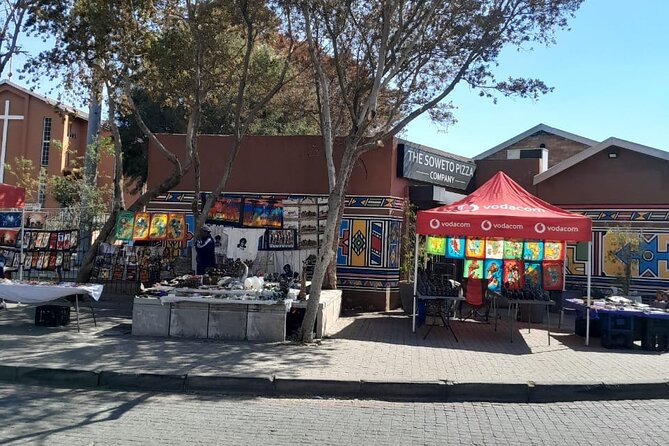
This is a history-heavy tour, but it does not leave you sitting in a museum all day. You begin with a general introduction to Johannesburg, then move through Houghton Estate, the Apartheid Museum, and several Soweto landmarks.
That order makes sense. First, you see parts of Johannesburg connected with wealth and political power. Then you confront the machinery and human cost of apartheid inside the museum. Finally, you enter Soweto, where the struggle against apartheid took visible and often tragic form.
I would choose this experience if you have only half a day and want a clear introduction rather than a specialized township food, art, or nightlife outing. The five-hour schedule covers a lot of ground, but it also means you should expect short stops at several locations.
The private format matters. Your group travels in an air-conditioned vehicle, and the driver-guide can organize the route around your interests and available time. One particularly useful detail from the feedback is that the private option worked well for a group catching a late flight. The group could keep the day efficient instead of waiting for pickups at several hotels.
Pickup is offered, and the tour returns you to the starting point or your Johannesburg accommodation. The information places the experience in Pretoria, but the itinerary is centered on Johannesburg and Soweto, so confirm the exact pickup area before you pay.
More Museums in Pretoria
- Johannesburg Full-Day Tour(Soweto/Jo-Burg & Apartheid Museum)
★ 5.0 · 110 reviews - Soweto and Apartheid Museum Guided Tour
★ 5.0 · 38 reviews - Soweto & Apartheid Museum Tour
★ 5.0 · 20 reviews
Houghton Estate and Munro Drive: a quick look at Johannesburg
The first sightseeing stop is Houghton Estate, one of Johannesburg’s affluent suburbs. Nelson Mandela lived here during his presidency and died in his Houghton home in December 2013.
The stop is scheduled for about 20 minutes. You should think of it as a short orientation, not a house visit. The appeal is the contrast: Mandela’s later home sits in a polished, wealthy part of the city, far removed in appearance from the crowded township districts that feature later in the day.
The tour then makes a 10-minute stop at Munro Drive. This national monument was built by Italian prisoners of war captured during the Second World War. From the drive, you get views over Johannesburg’s northern suburbs and the large man-made subtropical forest.
This is a scenic pause in an otherwise weighty day. It also gives your guide a chance to explain Johannesburg’s geography before you move toward the museum and Soweto. Do not expect a long walk or an extended viewpoint session. The value is in the quick visual break and the city context.
Two hours inside the Apartheid Museum
The Apartheid Museum is the core of the experience. You receive admission and about two hours to explore the galleries, usually with time to move at your own pace after the guide’s introduction.
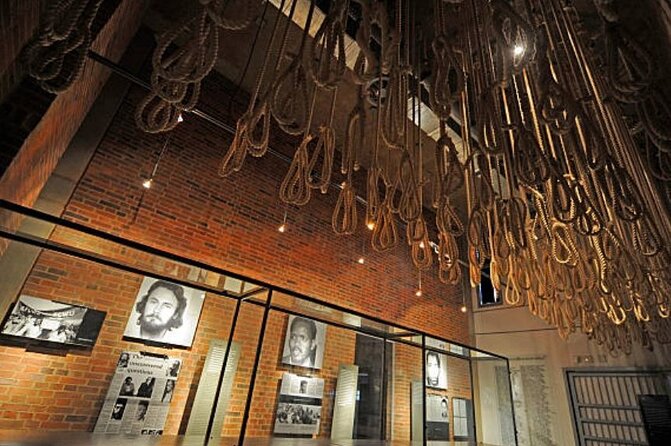
The museum presents the rise and fall of apartheid through 22 exhibition areas. Film footage, photographs, text panels, and objects show how segregation became a system of control, discrimination, and forced dependence. The material also follows the resistance that eventually helped bring the system down.
This is not a light attraction. You may need quiet time afterward to process what you have seen. The description itself warns you to allow room for shock, reflection, and relief. That emotional honesty is useful. The museum is not trying to soften the subject for comfort.
Two hours is a sensible amount of time for a first visit. You can see the principal galleries without turning every panel into a long study session. If you read every line carefully, you may want more time than the schedule allows. Your guide can help you decide where to focus, but the museum portion is largely self-directed.
I would not treat the museum as a box to tick before Soweto. It supplies the framework for everything that follows. Without it, the later stops can seem like disconnected landmarks. With it, Mandela House, Vilakazi Street, the hospital, and the memorial references carry much more weight.
One practical point is worth noting. The strongest feedback describes guides who helped organize the museum visit without rushing people. Abe is specifically praised for allowing enough time at both the museum and the Hector Pieterson Memorial area, while Nhlanhla is praised for fitting the major sights into a tight schedule. Those details suggest that guide quality and time management make a real difference here.
FNB Stadium and the road into Soweto
After the museum, the route passes FNB Stadium, Africa’s largest football stadium according to the tour information. It hosted the opening ceremony, other matches, and the final of the 2010 FIFA World Cup.
The scheduled stop is about 20 minutes, but this is primarily a drive-past landmark. You are seeing the stadium as part of Johannesburg’s modern public identity, not taking a stadium tour.
The road then reaches Diepkloof Park, described as a welcoming section of Soweto. Diepkloof Extension is associated with larger, owner-built homes and many Black professionals from the lower and upper middle class. House prices there are higher than in some other Soweto districts.
This part of the route is important because it avoids reducing Soweto to a single story of poverty or protest. You see a residential area with different income levels and housing styles. The guide can help you understand how Soweto is divided into sections and how its communities have changed.
The stop is listed at about 10 minutes, so you will mostly observe from the vehicle. That is useful for orientation, but it is not the place to expect a long conversation with residents or an extended neighborhood walk.
More apartheid history tours:
- Apartheid History of South Africa (Full day Experience with lunch
★ 4.5 · 24 reviews - Soweto & Apartheid Museum Guided Tour
★ 5.0 · 18 reviews - Soweto, Apartheid Museum & Constitution Hill Day Tour
★ 5.0 · 12 reviews - Soweto and Apartheid Museum
★ 4.5 · 11 reviews
Chris Hani Baragwanath Hospital and the Soweto cooling towers
The vehicle passes Chris Hani Baragwanath Academic Hospital, a huge public hospital occupying about 173 acres, with approximately 3,200 beds and around 6,760 staff members. It is described as the third-largest hospital in the world.
You see the hospital from the road and hear stories about its role and scale. The 10-minute stop is short, but it helps show the size and public importance of Soweto. This is one of those places that can be easy to overlook if you only visit famous political landmarks.
The two cooling towers are another memorable Soweto landmark. They rise about 100 meters and are now used as an entertainment center with a bungee jump and barbecue restaurant. The route offers panoramic township views from the top of the towers, although the exact amount of time available for going up is not clearly stated.
That last point matters. The itinerary lists the towers as a stop but does not assign a duration or state that the bungee jump is included. I would ask your operator whether your group will actually go to the top or simply see the towers from the vehicle. Do not assume the jump, restaurant, or tower access is part of the $85.06 price.
Vilakazi Street, local food, and Mandela House

Vilakazi Street is the emotional center of the Soweto portion. It is famous as the street connected with two Nobel Peace Prize laureates, Nelson Mandela and Archbishop Emeritus Desmond Tutu.
You have about 30 minutes in the area. That is enough for a short walk, photographs, and an explanation of why this street matters, though it is not enough for a long meal and a full neighborhood exploration.
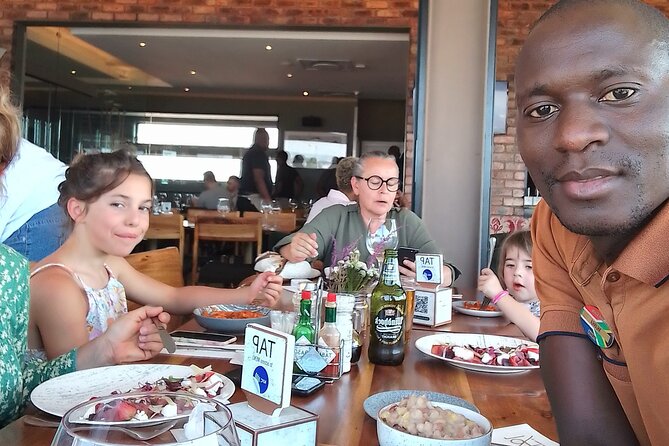
Sakhumzi Restaurant is near the Mandela House Museum and serves a Soweto-style buffet. Possible dishes include umngqusho, or samp and beans, and mogodu, or tripe. Lunch is not included, so you should budget separately if you decide to eat there. Since the scheduled Vilakazi Street stop is short, confirm with the guide whether there is time for a full meal or only a quick look.
The food option adds something valuable. You are not only looking at political landmarks, you are also seeing how the street functions as a living part of Soweto. Still, the tour does not promise lunch, coffee, or tea, so bring realistic expectations and perhaps a small amount for personal purchases.
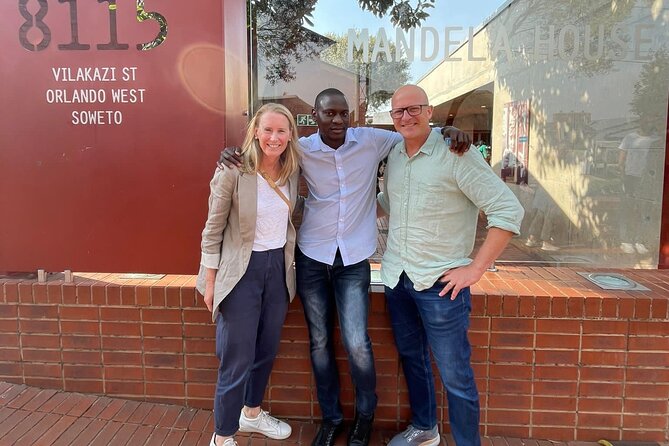
Mandela House follows with an included admission and a 30-minute visit. A site guide gives a short introduction and leads you through the former home. The house contains exhibits and objects connected with Mandela’s life, along with sound, film, interpretive panels, and guided explanations.
Thirty minutes is brief, but the compact visit suits a half-day schedule. The house is not presented as a grand residence. Its power comes from its connection to Mandela’s life and from the ordinary domestic setting. You can take photographs inside and outside, according to the tour details.
This is also where a private guide can add useful context. The feedback repeatedly emphasizes clear explanations, personal attention, and good photographs. Lekki is praised for communication, language ability, safety awareness, and making efficient use of limited time. Those are practical strengths when a visit includes several short stops.
The 1976 uprising and the missing time question
The route also passes the Hector Pieterson Memorial area, which relates to the 1976 Soweto student uprising. The memorial is named after a 13-year-old boy who was one of the victims.
The guide explains the uprising as you drive past. This is an important part of the story, but the itinerary does not clearly assign a separate admission or viewing period to the memorial. One account describes being given enough time at the Hector Pieterson Memorial, while the formal schedule describes a drive-by explanation.
I would clarify this before booking if the memorial is a priority. The distinction is simple but important: seeing a site from the vehicle is not the same as entering a museum or spending time with its displays.
The uprising belongs in this tour because it shows how young people resisted apartheid and how state violence affected ordinary families. It also gives the Soweto visit a direct connection to the museum’s broader explanation of resistance and political change.
Guide quality, group size, and the one warning
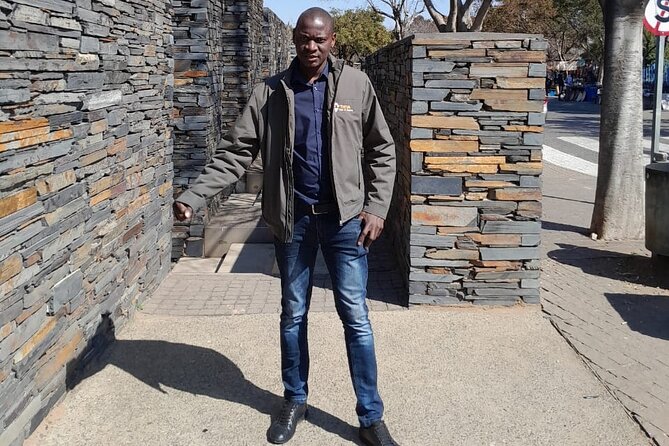
This is a private tour, so only your group participates. That usually makes a difference when you want to ask questions, adjust the pace, or return to your accommodation on time.
The strongest guide comments are specific. Lucky is praised for a clear account of apartheid and for arranging a private museum experience. Abe is described as engaging and well informed about Soweto’s community and culture. Nhlanhla is praised for balancing Johannesburg, the museum, and Soweto while keeping the timing efficient. Lekki receives particular credit for professionalism, safety, photography, and language skills.
You should not assume that every departure will feel identical. One very negative account describes receiving a quiet driver instead of the expected guide, with little explanation during the route. The operator disputed that the complaint belonged to its company and asked for more details, but the warning is still useful: confirm that your booking includes a guide, not simply transport, and ask for the guide’s name if possible.
That concern is especially relevant here because the places are not self-explanatory. A silent vehicle ride would weaken the experience considerably. The tour’s value rests on interpretation, local knowledge, and the ability to connect each stop to the larger story.
Is $85.06 a fair price?
At $85.06 per person, the cost is reasonable for a private five-hour outing if you are traveling with a small group and want transport, pickup, bottled water, and a guide in one package.
The Apartheid Museum admission and Mandela House admission are included. Private transportation is also included, which saves you from arranging separate rides between Johannesburg, the museum, and Soweto. For a couple or family, that convenience can justify the price, especially on a departure day when you need a reliable return to your accommodation.
The value is less clear if you want long visits at every site. Several stops last only 10 to 20 minutes, and some are drive-bys. Lunch, coffee, tea, and personal purchases are extra, so the final cost will be higher if you eat at Sakhumzi or shop along Vilakazi Street.
The tour is booked, on average, 29 days ahead. That suggests you should reserve early if your Johannesburg schedule is fixed, particularly if you need a private departure at a specific time.
Free cancellation is available until 24 hours before the start time. Cancellations or changes made inside that window are not refunded or accepted.
Who should book this half-day experience?
I would recommend it to first-time visitors who want historical context without committing to a full-day outing. It suits couples, families, and small groups who value private transport and want to make the most of a limited schedule.
It is also a good fit if you want both the Apartheid Museum and Soweto in one outing. Many short city tours offer one or the other. Here, the museum gives you the national framework, while the township route brings the subject into physical places.
You may want a different experience if your main goal is extended walking, local food, shopping, or long conversations in one neighborhood. The itinerary covers many locations, so its strength is breadth, not slow exploration.
Ask three questions before departure: exactly where pickup is available, whether the Hector Pieterson site is entered or only viewed from the road, and whether the cooling towers include access to the top. Also confirm that a guide will accompany you throughout.
Should you book it?
Book this tour if you want a serious, efficient introduction to apartheid, Mandela’s Soweto, and Johannesburg’s modern geography. The best version of the day includes a strong guide such as Lucky, Abe, Nhlanhla, or Lekki, enough time to absorb the Apartheid Museum, and a private schedule that keeps your return plans secure.
I would be cautious only if you expect every stop to be a full visit. With short viewing periods, this is a well-shaped overview rather than an unhurried township day. For most first visits, though, the combination of the museum, Vilakazi Street, Mandela House, and the 1976 uprising story makes the price worthwhile.
FAQ
How long does the tour last?
The tour lasts approximately five hours.
Is hotel pickup available?
Yes. Pickup is offered, and you can be returned to the starting point or your accommodation in Johannesburg.
Is this a private tour?
Yes. Only your group participates in the private activity.
Is transportation included?
Yes. The tour includes private transportation in an air-conditioned vehicle and bottled water.
Is Apartheid Museum admission included?
Yes. Admission to the Apartheid Museum is included, with approximately two hours to explore its 22 exhibition areas.
Is Mandela House admission included?
Yes. Admission to Mandela House is included, along with a short guided tour led by a site guide.
Is lunch included?
No. Lunch, coffee, tea, and personal purchases are not included.
What is the cancellation policy?
You can cancel at least 24 hours before the experience start time for a full refund. Cancellations or changes made less than 24 hours before the start time are not accepted or refunded.
More Soweto Tours
- Soweto Half Day Tour
★ 5.0 · 231 reviews - Johannesburg and Soweto tour
★ 5.0 · 231 reviews - Soweto walking tour with a taxi ride
★ 4.5 · 42 reviews - Soweto, Kliptown, Eldorado Park Tour
★ 5.0 · 41 reviews
Newest reviews from Pretoria
- Half-Day Lion and Safari Park Tour★ 5.0 · 5 reviews
- 2 Day Pilanesberg national park Guided Tour★ 5.0 · 5 reviews
- Johannesburg and Soweto Private Guided Tour with Shebeen Lunch.★ 5.0 · 5 reviews
- 3 Day Kruger National Park tour★ 5.0 · 5 reviews
- Pilanesberg National Park Full-Day Tour from Johannesburg★ 5.0 · 5 reviews
- Johannesburg and Apartheid museum tour★ 5.0 · 5 reviews
- Constitutional Hill,Johannesburg City and Apartheid Museum with Soweto Day Tour★ 5.0 · 5 reviews
- Pretoria Capital City Tour from Pretoria, every TUESDAY★ 4.5 · 5 reviews
Apartheid Museum Tours, compared.

Soweto /Johannesburg and Apartheid Museum Guided Full Day Tour
Read our review →
Jo’berg in 1 Day: Soweto, Apartheid Museum & City Tour
Read our review →
Full-Day Tour with Soweto and Apartheid Museum
Read our review →
Full-Day Soweto, Apartheid Museum and Lunch Tour
Read our review →
Half Guided Day Tour of Soweto And Apartheid Museum
Read our review →
Ultimate Johannesburg Soweto Experience with Apartheid Museum
Read our review →
Soweto: Hop-On Hop-Off Bus, City Tour and Apartheid Museum
Read our review →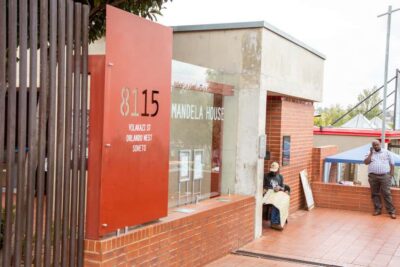
Johannesburg and Soweto Apartheid Full Day Tour w/Lunch
Read our review →Browse the lists this tour appears in