

Reviewed · TOWNSHIP TOURS
Cape Town: Langa Township Walking Tour
Cape Town has another story to tell. This 150-minute walk through Langa connects apartheid history with present-day community life, art, food, and local enterprise. I like that the guides come from Langa itself, and I like the chance to visit places such as the Langa Heritage Museum, Guga S’thebe Arts & Cultural Centre, and Langa Art Gallery on 16. The main consideration is that this is not a light sightseeing stroll. Some scenes are difficult, and the experience asks you to think carefully about poverty, history, and responsible tourism.
The strongest part is the personal welcome. Guides such as Wanda, Thando, Mzukisi, Mike, Luvuyo, and Loyiso have been praised for explaining Langa with warmth, humor, and pride. I also value the direct benefit to local people, since the tour is operated by Langa-based guides. Bring comfortable shoes, some small cash for donations or tips, and an open mind. The walk can be emotional, and the experience may feel confronting at times.
In This Review
- Five things to know before you go
- Why Langa adds an essential chapter to Cape Town
- Meeting at Guga S’thebe Arts & Cultural Centre
- Walking through Langa with a local guide
- History you can see, not just hear
- Art, murals, and the business of hope
- Food, music, and everyday conversation
- Is a township tour ethical?
- Safety, comfort, and practical planning
- Is $37 a fair price?
- Who will enjoy this Langa walk?
- Should you book the Langa Township Walking Tour?
- FAQ
- Where does the Langa Township Walking Tour begin?
- How long does the tour last?
- What language is the tour in?
- What does the price include?
- Should I bring anything?
- Can wheelchair users join?
Five things to know before you go

- Langa’s name means sun in Xhosa: The tour explains how this township was established in the 1920s and shaped by apartheid laws.
- The guide is your key connection: Local guides can explain places, people, and community projects in a way an outside coach tour cannot.
- Guga S’thebe is more than a meeting point: Expect arts, crafts, cultural activity, and possibly music or a traditional dance presentation.
- You will see both hardship and enterprise: The route may include community projects, small businesses, art spaces, homes, and areas with very limited resources.
- Small donations matter: Carry modest notes for local initiatives, but ask your guide what is appropriate rather than handing out gifts to children.
- The walking is real: The tour lasts about two hours and 30 minutes, with a guided walk, a 15-minute arts and crafts market and dance visit, and a 10-minute photo stop.
Why Langa adds an essential chapter to Cape Town
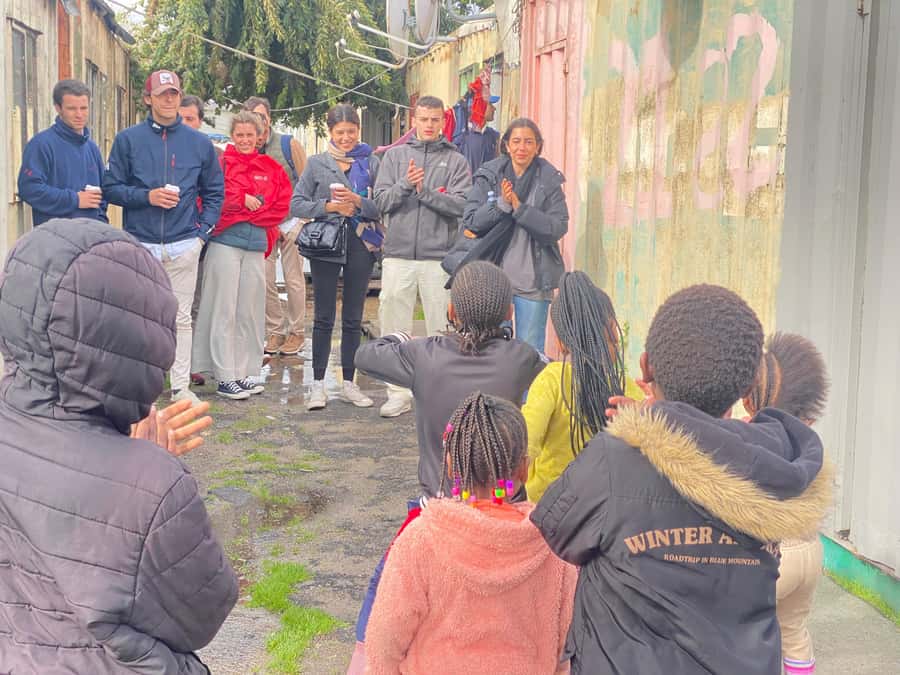
Cape Town is often presented through Table Mountain, waterfront restaurants, beaches, and grand colonial buildings. Those places matter, but they do not explain the whole city. Langa offers a direct way to understand how forced segregation shaped daily life and how residents continue to build businesses, cultural spaces, and support networks.
Langa was established in the 1920s and later became closely tied to apartheid-era controls. The name means sun in Xhosa, an appealing name for a place whose past includes surveillance, displacement, and severe economic limits. Your guide places that past beside the present, showing how old systems still affect housing, work, education, and movement.
I would not treat this as a poverty spectacle. The quality of the tour depends on the guide’s tone, and the best guides keep the focus on people rather than on photographs of deprivation. They explain the hard facts, but they also show pride, humor, creativity, and plans for the future.
That balance is one reason this tour earns such strong marks. Guides are repeatedly praised for making people feel safe, welcome, and free to ask questions. Several guides are Langa residents or closely connected to the area, which gives the walk a personal point of view rather than a generic city-tour script.
More Township Tours in Cape Town
- Half-Day Tour Through Cape Town’s Townships
★ 4.8 · 979 reviews - Cape Town: Guided Township Tour with Hotel Pickup
★ 4.4 · 536 reviews - Cape Town: Nathi Langa Township Walking Tour
★ 4.9 · 493 reviews
Meeting at Guga S’thebe Arts & Cultural Centre
The meeting point is Guga S’thebe Arts & Cultural Centre, at 42 King Langalibalele Drive. This is a useful place to begin because it introduces Langa through creativity and local activity rather than through statistics alone.
You may see arts and crafts, cultural work, and community-based projects here. The scheduled visit includes about 15 minutes at an arts and crafts market, with a traditional dance show listed as part of the stop. Some visitors have also taken part in drumming or music activities, though the exact program can vary.
The center helps set the right tone. Langa is not only a place shaped by political history. It is also a place where artists work, young people learn, and residents try to create income and opportunity close to home.
Craft purchases are not included in the $37 ticket, so budget separately if you want to buy something. That is not a flaw. Buying directly from local makers can be a more useful form of support than handing out items to children, but you should never feel pressured to purchase.
Walking through Langa with a local guide
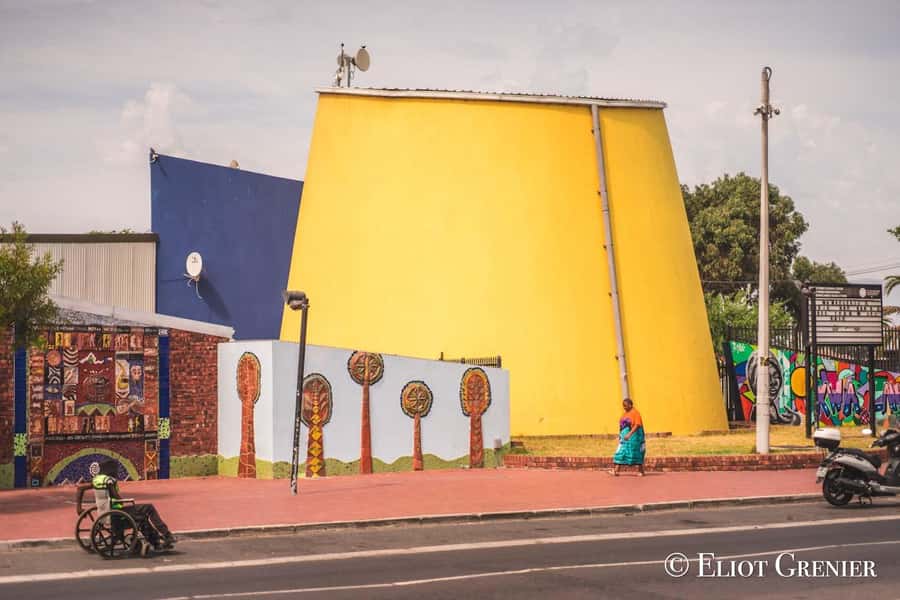
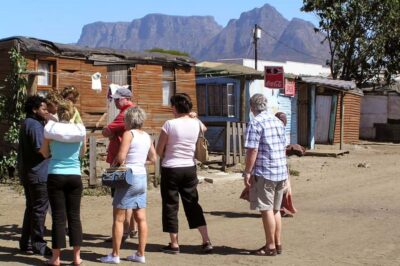
The central part of the tour lasts about two hours. This is where the experience becomes more than a museum visit. You walk through different parts of Langa while your guide explains the area’s past and present.
Expect the conversation to cover apartheid, socio-economic pressures, education, local employment, and the ways residents organize to solve problems. You might hear about cooperatives, youth programs, homework centers, childcare, social enterprises, and other projects designed to keep resources within the community.
The exact route can be shaped by the guide and the group. One visitor described a private walk tailored to personal interests, while another family saw Cloudy Deliveries, a former dompas office and courtroom, container homes, and a more prosperous section nicknamed Beverly Hills. These details show why a walking tour can reveal more than a drive-by view from a minibus.
You may also visit one local home. This can be one of the most personal parts of the morning, but it calls for courtesy. Ask before taking photographs, listen rather than compare, and remember that you are being welcomed into someone’s daily life, not entering a museum display.
The guides are especially important here. Wanda is praised for explaining Langa’s history clearly and keeping visitors comfortable. Thando is described as passionate about the community and willing to answer difficult questions. Mzukisi has been praised for sharing personal insight while waiting with a visitor until a car arrived. Mike is noted for his energy and ability to answer questions across the tour.
Those names may not be available on every departure, and you cannot assume a particular guide will lead your group. Still, the repeated praise for local guides tells you what makes this experience work: the person leading the walk matters as much as the stops.
History you can see, not just hear
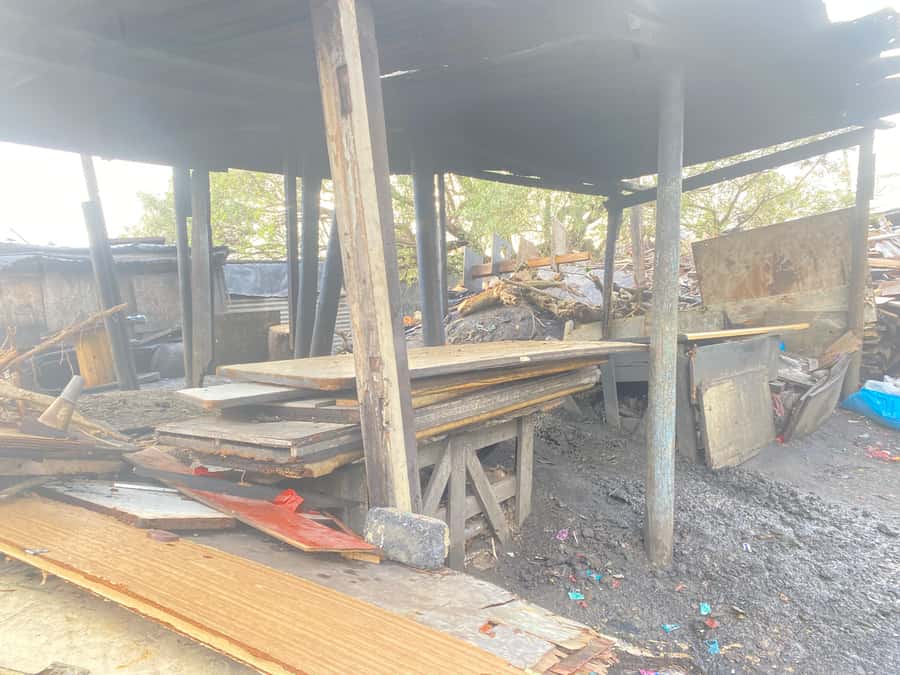
The Langa Heritage Museum gives the tour a fixed historical anchor. Exhibits help explain the township’s origins and the effect of apartheid policy on ordinary residents. This is valuable because the history becomes connected to the streets you are walking through.
The tour also points to other historical places. A former dompas office and courtroom, mentioned by one family, helps make apartheid bureaucracy tangible. A pass document was not an abstract policy. It affected where Black South Africans could live, work, and travel.
The guide’s storytelling adds the human layer. You may hear about how the community changed, how older residents remember past restrictions, and how younger people are trying to create a different future. The best discussions include both facts and lived experience.
Do not expect a large national museum with a long formal presentation. This is a neighborhood walk, and information comes through conversation, observation, and short visits. If you want a quiet, self-guided museum morning, this may feel too social. If you want context tied to real streets and local voices, it is a strong choice.
More Walking Tours in Cape Town
- Cape Town: Art, Culture & History Walking Tour
★ 4.9 · 392 reviews - Cape Town: Street Art Walking Tour in Woodstock
★ 4.8 · 293 reviews - Cape Town: Private Walking Tour with a Local
★ 4.6 · 243 reviews - The 10 Tastings of Cape Town With Locals: Private Food Walking Tour
★ 4.5 · 169 reviews
Art, murals, and the business of hope
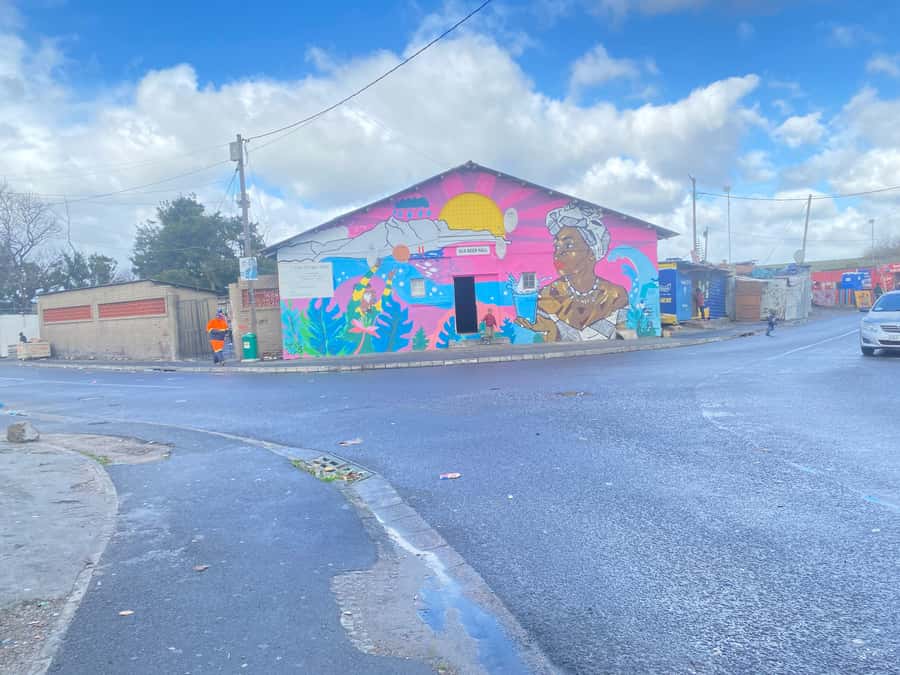
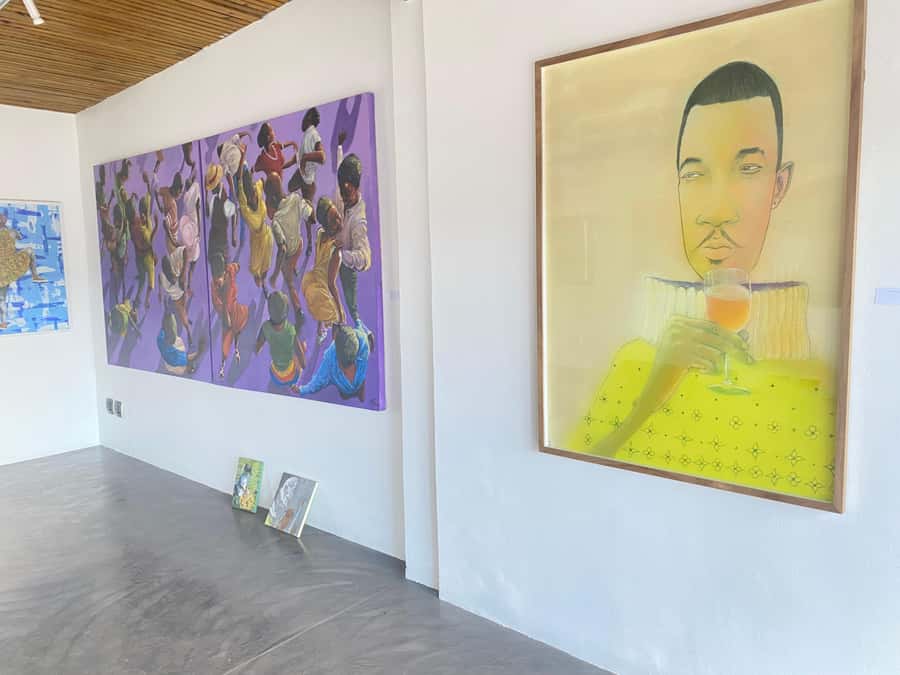
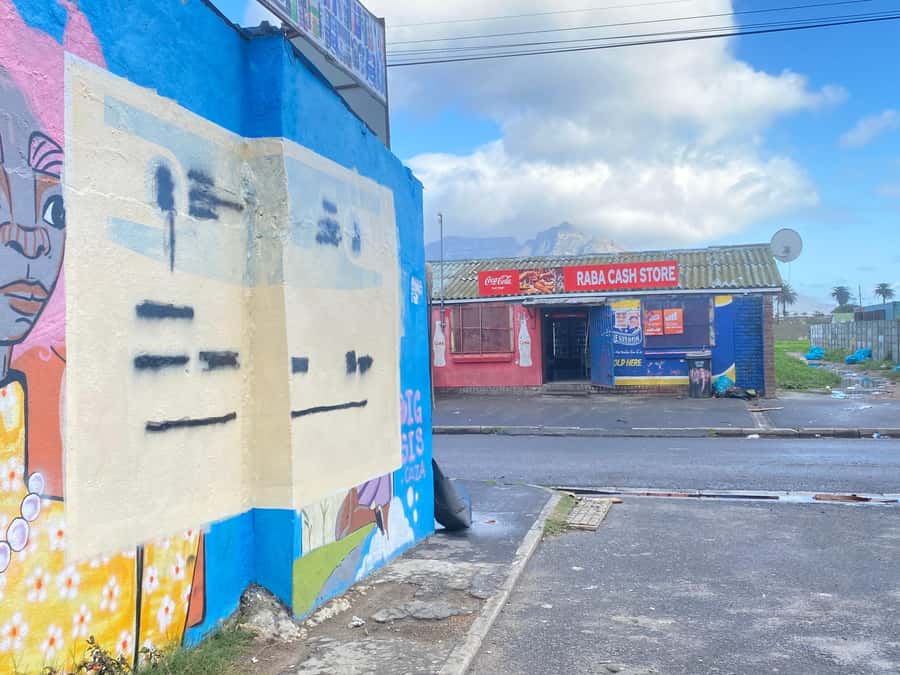
Langa’s art is not just decoration. Murals and street art can reflect struggle, identity, political memory, and hope. The guide explains how creative work helps residents tell their own story and gives young artists a place to develop skills.
Langa Art Gallery on 16 is another important stop. It offers a closer look at local artistic work and gives you a chance to support creators directly. The gallery visit also keeps the tour from being defined only by hardship. Art shows how residents interpret their surroundings and make something new from them.
Community projects provide a similar lesson. You might meet people involved in craft workshops, food projects, education, delivery services, or environmentally minded work. Not every project will be operating at full activity during your visit. One family hoped to see a soup kitchen and homework station in use, but the timing was not right.
That is worth knowing. The tour is connected to a living neighborhood, not a stage-managed attraction. A project may be quiet, a shop may be closed, or a scheduled activity may change. In exchange, you get a more honest picture of community life.
Food, music, and everyday conversation
Food can make the history easier to understand. The tour may include a stop at a local eatery or food stall, depending on the route and timing. Dishes associated with the experience include bunny chow, braai, koeksisters, samp, chakalaka, and other South African staples.
One visitor ate a fried liver sandwich with the guide. Another mentioned samp and chakalaka at Jordan Ways of Cooking Restaurant. A different group ended up sharing food and drinks in a local bar. These are not guaranteed parts of every departure, but they show how flexible the experience can be.
If food is important to you, tell the guide early. The tour can sometimes respond to the group’s interests, though you should not assume every dish or restaurant will be available.
Music and dance may also shape the visit. At Guga S’thebe, you might see a traditional dance presentation or take part in drumming. These moments are enjoyable, but they are also cultural exchanges. Watch, listen, and join only when invited.
Is a township tour ethical?
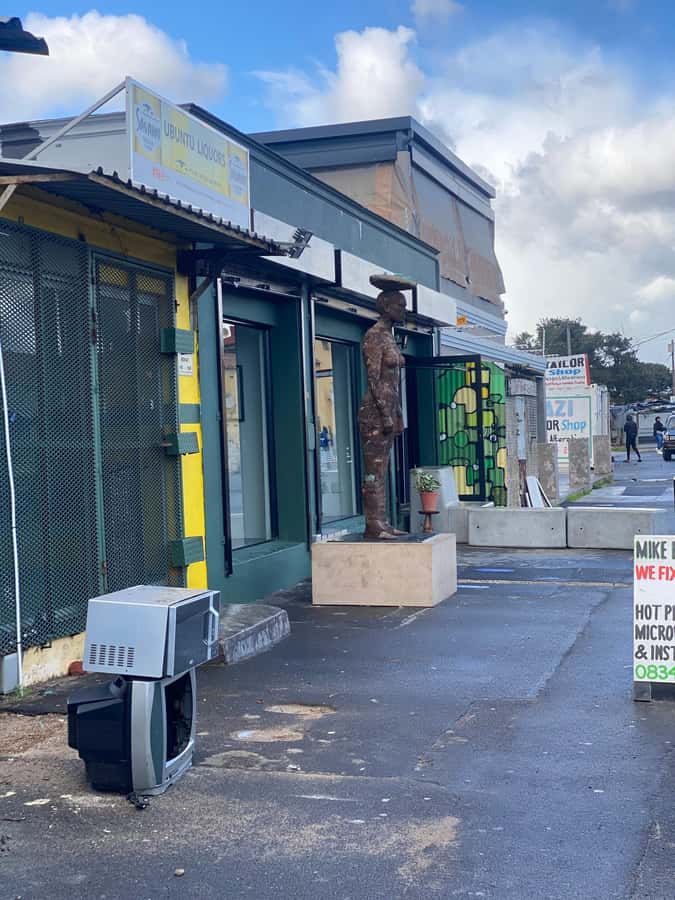
This is a fair question, and it deserves more than a quick yes or no. Any visit to a low-income neighborhood can become uncomfortable if people are treated as scenery. The responsible approach is to use a local operator, follow the guide’s rules, ask permission before photographing people, and spend money in ways that support local businesses or projects.
This tour helps on those points because it is operated by local guides and includes local homes, enterprises, art spaces, and community work. The guide is not simply narrating from a vehicle. You are meeting people through established local connections.
Still, you should remain alert to your own behavior. Do not photograph children without permission. One visitor raised a serious concern about visits to an orphanage and felt that tourists without child-protection credentials should not enter spaces with vulnerable children. The guide in that case asked visitors not to photograph the children, which was responsible, but I would still ask about the current policy before booking.
Do not bring sweets, books, or pencils for children unless your guide specifically recommends it. One guide explained that such gifts can lead to arguments and repeated requests. Donations to an established nursery or community project may be more useful, but ask your guide where money can do the most good.
Safety, comfort, and practical planning
Safety is a common concern when visiting a township. The consistent advice from this experience is to go with the guide, stay with the group, and follow local instructions. People repeatedly felt safe with guides such as Wanda, Thando, Mzukisi, Kido, and Touch.
That does not mean you should ignore normal city precautions. Keep valuables secure, avoid displaying expensive equipment, and do not wander away on your own. Let the guide decide which streets and stops are suitable.
Wear comfortable shoes and simple clothing. The walk lasts 150 minutes, and the route can include uneven surfaces and plenty of standing. Several people specifically noted that there is a lot of walking.
The supplied information creates a small accessibility contradiction. The activity details describe it as wheelchair accessible, but the restrictions also say it is not suitable for wheelchair users. Because a walking route through Langa may involve surfaces that are difficult for mobility equipment, contact the operator before paying if accessibility is important to you.
If you drive, parking near the meeting point has been described as safe, with a police station, CCTV, and a parking minder nearby. This is useful information, but conditions can change, so confirm on the day. If you use a taxi, give yourself time to locate Guga S’thebe Arts & Cultural Centre.
The tour is in English. Free cancellation is available up to 24 hours before departure, and you can reserve now and pay later. Starting times depend on availability.
Is $37 a fair price?

At $37 per person, this is not the cheapest way to spend two and a half hours in Cape Town, but the value is good if you want local context and direct community contact.
The price includes a qualified English-speaking guide, a visit to one local home, Langa Art Gallery, the community walk, and the listed cultural stops. It does not include art and crafts, food purchases, or tips.
I would carry small notes for tipping and modest donations. Several people had trouble finding enough change, so plan ahead. Tip the guide at the end if the service was good, as requested by the operator.
The bigger value is the guide’s access and understanding. A bus tour can show you streets and buildings. A local walking guide can explain why a place matters, introduce you to people, and answer questions in real time. That difference makes the fee worthwhile for visitors who want to understand Cape Town beyond its postcard sights.
Who will enjoy this Langa walk?
I recommend it most strongly to curious visitors who want history tied to everyday life. It also suits families with older children. One family found the two-hour-and-30-minute length manageable for children aged 12 and 15.
You should book it if you want to ask questions, meet local residents, look at art, hear personal stories, and accept that some moments may be uncomfortable. The walk is especially useful early in a Cape Town stay because it can change how you understand the rest of the city.
You may want to skip it if you prefer polished attractions, dislike walking, or feel uneasy about entering community spaces. It is also not the right choice for anyone who expects a guaranteed food tasting, dance performance, or fixed list of guides.
The strongest departures appear to be those where visitors communicate their interests and let the guide shape the conversation. Ask about the current route, cultural activities, food stops, and any visit involving children before you set out.
Should you book the Langa Township Walking Tour?
Yes, if you want a thoughtful and locally led side of Cape Town. The 4.8 rating from 272 reviews reflects the experience’s main strengths: warm guides, a strong sense of safety, clear historical explanations, and direct contact with Langa’s people and projects.
Book it for the human connection, not for a checklist of sights. You may see a museum, gallery, market, murals, homes, and community projects, but the lasting value comes from the conversations between those stops.
Bring comfortable shoes, small cash, and respectful curiosity. Ask before photographing, avoid handing out gifts to children, and speak with the operator about the current route and accessibility. Done with care, this is one of the most useful ways to understand the wider Cape Town story.
FAQ
Where does the Langa Township Walking Tour begin?
The meeting point is Guga S’thebe Arts & Cultural Centre at 42 King Langalibalele Drive in Langa.
How long does the tour last?
The activity lasts 150 minutes, or two hours and 30 minutes. The guided walk takes about two hours, followed by a 15-minute arts and crafts market visit and traditional dance show, plus a 10-minute photo stop.
What language is the tour in?
The tour is conducted in English with a live English-speaking guide.
What does the price include?
The $37 price includes a qualified tour guide, a visit to one local home, and a visit to Langa Art Gallery. Art, crafts, food, and tips are not included.
Should I bring anything?
Wear comfortable shoes and clothes suitable for walking. Small cash is useful for tips, local purchases, and possible donations to community initiatives.
Can wheelchair users join?
The information provided is inconsistent. The activity details describe wheelchair access, but the restrictions say it is not suitable for wheelchair users. Contact the operator before booking to confirm whether the current route can meet your needs.
Newest reviews from Cape Town
- Explore Atlantis Sand Dunes with a 1hour 30mins sandboarding tour★ 5.0 · 5 reviews
- Transfer from Cape Town City Center to Cape Town Airport★ 5.0 · 5 reviews
- Pneuma private travel & tours, creating memories and friends never forgotten★ 5.0 · 5 reviews
- Cape Town Table Mountain and Peninsula Tour★ 5.0 · 5 reviews
- Private Transfer: CPT Airport to Cape Town in Luxury Van★ 4.0 · 5 reviews
- Cape Town Full Day Family Fun With Kids Private Tour★ 4.0 · 5 reviews
- Cape of Good Hope-Cape Point & Penguins from Cape Town★ 5.0 · 5 reviews
- Cape Town: Shark Cage Diving Tour (with Breakfast & Lunch)★ 4.8 · 5 reviews
Township Tours, compared.

Half Day Township Tour in Cape Town South Africa
Read our review →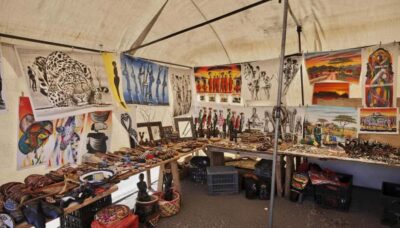


Authentic 3–4 Hour Cultural Township Experience
Read our review →Browse the lists this tour appears in