
Reviewed · APARTHEID MUSEUM TOURS
Soweto & Johannesburg and Apartheid Museum
Johannesburg makes you look twice. This eight-hour tour connects the city’s sharp contrasts with Soweto’s living communities, then gives you time inside the Apartheid Museum. I like the broad route, which includes Hillbrow, Braamfontein, Newtown, Diepkloof, Vilakazi Street, and Orlando West. I also like that hotel pickup and museum admissions are included, making a busy day easier to manage.
The tour is strongest when your guide explains how ordinary people experienced apartheid and its aftermath, rather than treating Soweto as a set of photo stops. Joseph has earned particular praise for clear explanations and thoughtful care. The main drawback is practical but important: the Apartheid Museum is closed on Mondays, and that closure is not clearly flagged when booking, so check the day before you pay.
In This Review
- Key points to know before booking
- Why this Johannesburg and Soweto route works
- Pickup across Johannesburg and Pretoria
- Hillbrow, Braamfontein, and Newtown: Johannesburg in quick chapters
- A practical stop at an African traditional medicine shop
- Entering Soweto through Diepkloof
- Orlando Towers and the streets around Vilakazi Street
- Hector Pietersen Memorial and the memory of 1976
- Two hours inside the Apartheid Museum
- The guide makes the difference
- Who gets the most from this eight-hour day
- Is $92 a fair price?
- Booking advice and final call
- FAQ
- How long does the Johannesburg and Soweto tour last?
- What does the $92 price include?
- Is lunch included?
- Which pickup locations are available?
- Which language is the tour offered in?
- Is the Apartheid Museum open every day?
- Is the tour wheelchair accessible?
- Can babies under one year join the tour?
Key points to know before booking
- Eight hours across Johannesburg and Soweto: You get a wide city tour, a full Soweto visit, and two hours at the Apartheid Museum.
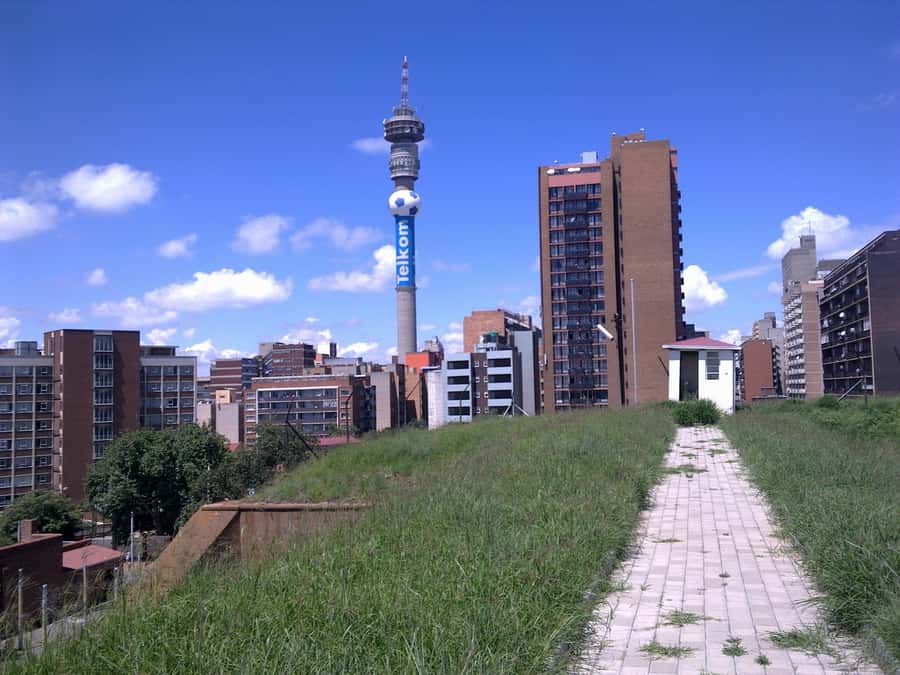
- Munro Drive viewpoint: This stop gives you a high view over Johannesburg’s leafy surroundings and helps you understand the city’s spread.
- Soweto’s contrasts are central: Diepkloof, informal housing, hostels, Baragwanath Hospital, and Orlando West show different sides of one large township.
- Vilakazi Street includes Mandela House: Nelson Mandela’s former home and the Hector Pietersen Memorial bring major historical events into a local setting.
- Joseph is a guide to look for: His clear explanations and personal care received especially warm praise, including returning the next day to return a forgotten item.
- The $92 price covers key admissions: Hotel transport, the Apartheid Museum, and Nelson Mandela House are included, but lunch and gratuities are extra.
Why this Johannesburg and Soweto route works
Johannesburg can be hard to read from a car window. One neighborhood changes quickly into another, and the city’s past is written into streets, buildings, monuments, and income gaps that are not always obvious to a first-time visitor.
This tour gives you a guide for that first reading. You move from central Johannesburg to Soweto, then spend serious time at the Apartheid Museum. That combination matters. Soweto alone can leave you with powerful images but too little national context. The museum alone can explain the political story without showing how it connects to real neighborhoods and daily life.
The day costs $92 per person. I consider that a fair price if you want transport, a guide, and admission to both Nelson Mandela House and the Apartheid Museum. Buying those elements separately may be possible, but you would still need to arrange a safe and efficient route between widely scattered parts of the city.
Lunch is paid separately, and you should budget for a tip. The suggested gratuity is 5 to 10 percent at the end of the day. That is worth remembering because the guide does much of the work that makes the route understandable.
More Museums in Johannesburg
- Soweto /Johannesburg and Apartheid Museum Guided Full Day Tour
★ 5.0 · 932 reviews - Jo’berg in 1 Day: Soweto, Apartheid Museum & City Tour
★ 4.8 · 524 reviews - Johannesburg: Full-Day Tour with Soweto and Apartheid Museum
★ 4.8 · 478 reviews
Pickup across Johannesburg and Pretoria
Pickup is available from nine locations, including O.R. Tambo International Airport, Johannesburg CBD, Rosebank Mall, Randburg, Fourways, Pretoria, Sandton City, Sandton Sun, and Kempton Park. The return options cover the same general area.
That range is useful if you are staying outside central Johannesburg or using the tour soon after arriving. It also makes the experience practical for visitors who do not want to navigate the city alone. The exact pickup time depends on your chosen location, so check availability rather than assuming every departure begins at the same hour.
Transport is by van. The first listed transfer takes about 20 minutes, though the full route can feel longer because of multiple stops and pickup arrangements. If you prefer a fast trip with very little time in the vehicle, this is not the right format. If you want a guided orientation to several districts, the driving becomes part of the experience.
The tour is wheelchair accessible according to the supplied details. Babies under one year are not accepted.
Hillbrow, Braamfontein, and Newtown: Johannesburg in quick chapters
The first city stops introduce you to Johannesburg beyond its better-known shopping and hotel districts.
Hillbrow is described as the most populated area in Johannesburg by square meter. The 30-minute guided visit is brief, but it gives the guide a chance to explain the density and changing character of this central district. You should expect an overview rather than a long walking exploration.
Braamfontein follows with about 20 minutes. This area adds another piece to the city’s urban story. Again, the value is not in checking off a neighborhood, but in hearing how the districts relate to one another as you move through the city.
Newtown receives another 20-minute guided stop. The route then continues through Johannesburg, with time to see more of the central city. The schedule is active, and some stops are guided drives or short visits rather than extended time on foot.
That is both a strength and a limitation. You cover more ground than you could on a single neighborhood walk, but you will not have the freedom to linger wherever something catches your eye. I would choose this tour for orientation and context, not for independent photography or slow exploration.
A practical stop at an African traditional medicine shop
The route includes a stop at a muti shop, described as a place connected with African traditional medicine. This is a useful reminder that local life cannot be reduced to the apartheid story alone.
The stop may interest you if you want to understand a different part of South African culture and everyday practice. Listen carefully to the guide and approach it respectfully. It is not simply a souvenir stop, and the experience is likely to be more meaningful when you treat it as a cultural introduction rather than a shopping opportunity.
The available information does not specify how long you spend there or what products are demonstrated, so you should not expect a fixed presentation. Its place in the route adds variety to a day otherwise focused on politics, neighborhoods, and memorials.
More apartheid history tours:
- Full-Day Soweto, Apartheid Museum and Lunch Tour
★ 5.0 · 410 reviews - Half Guided Day Tour of Soweto And Apartheid Museum
★ 5.0 · 356 reviews - Ultimate Johannesburg Soweto Experience with Apartheid Museum
★ 5.0 · 313 reviews - Soweto: Hop-On Hop-Off Bus, City Tour and Apartheid Museum
★ 4.5 · 250 reviews
Entering Soweto through Diepkloof
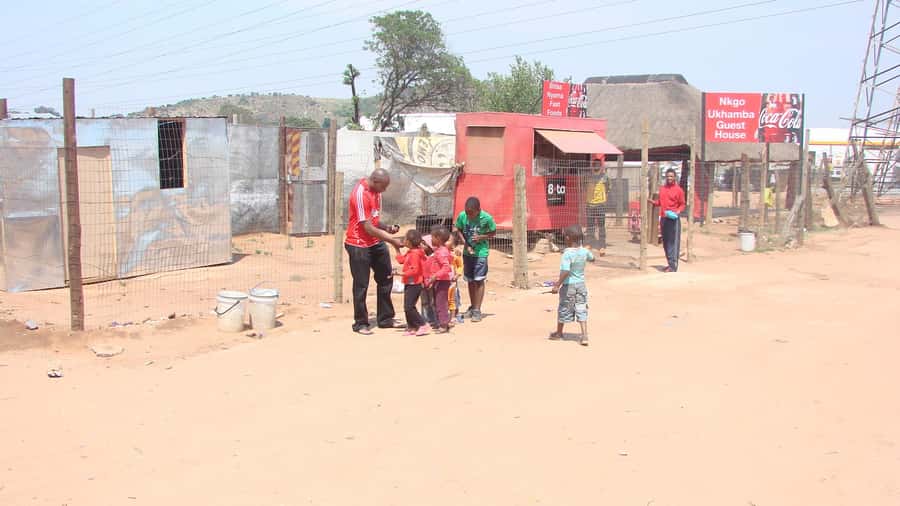
The Soweto portion is the emotional center of the day. The guide takes you through Diepkloof and points out the differences between an upper-income suburb, an informal settlement, and a hostel.
That contrast is important. Soweto is often presented only through the 16 June 1976 uprising, police violence, and resistance politics. Those events matter enormously, but a good visit also asks how people lived before, during, and after apartheid. Seeing different housing conditions helps you understand that Soweto is not one uniform place.
You may see an informal settlement with shack housing, then pass through the more affluent Diepkloof area. The point is not to treat poverty as a spectacle. It is to show the economic range within a township that is often described too simply.
The scheduled guided visit here lasts about an hour. That gives your guide enough time to explain the area and answer questions, though the precise balance between driving and walking is not specified. Wear comfortable shoes, but do not assume this is a long walking tour.
The tour also includes a drive past Baragwanath Hospital and the hostels. These places help broaden the picture beyond famous political names. A hostel can represent the harsh social engineering of apartheid-era labor systems, while a major hospital reflects the scale and importance of the area today.
Orlando Towers and the streets around Vilakazi Street
Orlando Towers are another recognizable Soweto landmark. The route allows you to see them along with upper suburbs and other sections of Soweto. They make a useful visual marker as the guide explains where you are within the township.
The visit to Vilakazi Street, in Orlando West, lasts about an hour. This is one of the most meaningful stops because the street is associated with both Nelson Mandela and Archbishop Desmond Tutu. The tour includes a drive past Tutu’s house and a visit to Nelson Mandela House Museum.
Admission to Nelson Mandela House is included in the $92 price. That saves you a separate entrance fee and gives the stop more weight than a quick exterior photo. You can connect Mandela’s public role with a specific home and street, rather than treating him as a distant historical figure.
Vilakazi Street can also feel more visitor-focused than the residential areas earlier in the day. That is not necessarily a flaw. It is simply a different mood. If you want the major Soweto landmarks, this is essential. If you prefer only quiet local streets, the stop may feel more structured than the rest of the township.
Hector Pietersen Memorial and the memory of 1976
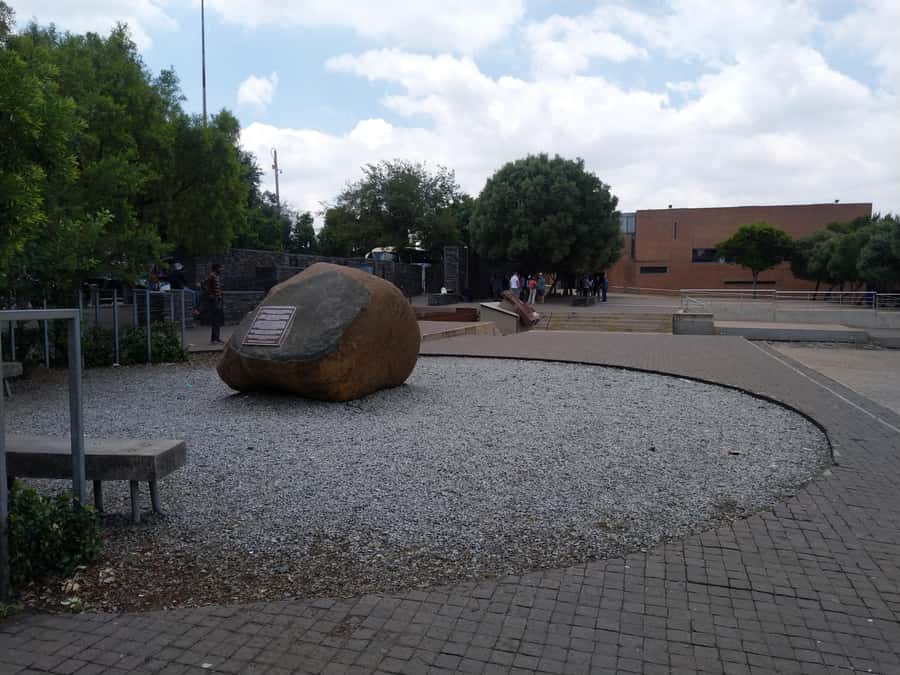
The Hector Pietersen Memorial is tied to the student uprising of 16 June 1976. That protest became one of the defining moments in the struggle against apartheid, and the memorial gives the guide a place to explain the event in human terms.
The tour does not treat Soweto as only a bloody historical site. Its stated aim is to look beyond the uprising and focus on the people of Soweto. That balance is valuable. You receive the political context, but you also see homes, hospitals, hostels, streets, and neighborhoods where people continue to live.
Allow yourself time to ask questions here. The memorial can be emotionally heavy, and a rushed visit may leave you with dates and images but little understanding. Your guide’s ability to explain clearly is especially important at this stop. Joseph was praised for making difficult material understandable and for offering insight into both the country and its people.
Two hours inside the Apartheid Museum
The Apartheid Museum receives about two hours, which is the longest single stop on the schedule. That is appropriate. This is not a quick gallery visit, and you need time to absorb its exhibits and connect them with what you have seen in Soweto.
The museum gives national and political context to the neighborhoods earlier in the day. After visiting Hillbrow, Diepkloof, Vilakazi Street, and the memorial, you can place the museum’s material in a physical setting. The sequence works well when the guide prepares you before entry and helps you make sense of the displays afterward.
Admission is included. That is one of the clearest reasons the price offers reasonable value.
Check the opening day very carefully. The museum is closed on Mondays. One guest who booked specifically to see it arrived to find it shut, although guide Joseph adapted the day by visiting a prison instead. His response was helpful, but a substitute cannot fully replace two planned hours in the museum.
If your schedule allows only one day for this subject, avoid Monday. This single check can make the difference between receiving the full experience and spending the final part of the tour with a changed plan.
The guide makes the difference
A city and township tour depends heavily on the person in the front seat. The route includes many subjects that require care: poverty, apartheid, forced separation, political violence, traditional medicine, and the economic differences within Soweto.
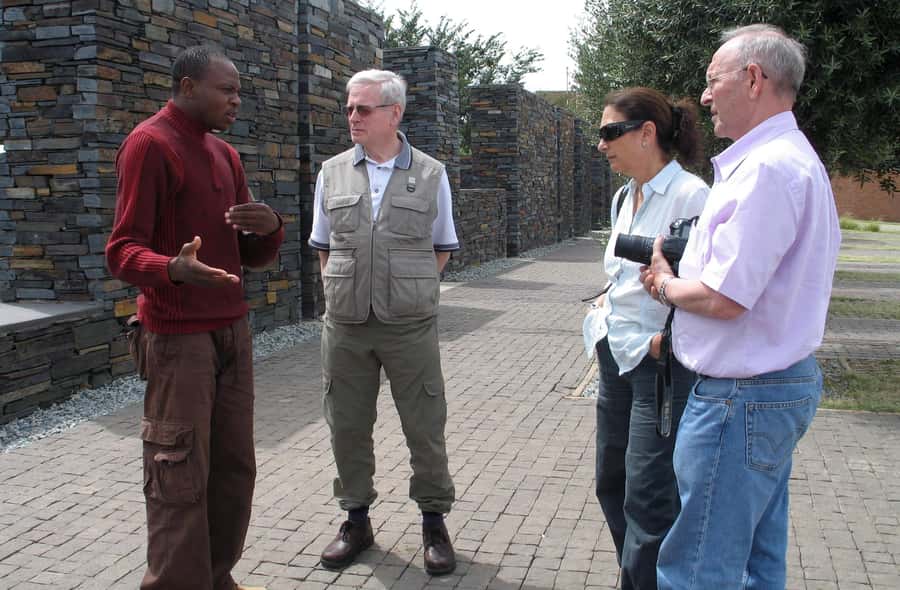
Joseph received especially strong praise for clear explanations, professionalism, and kindness. He also returned the following day to return a belonging left in the vehicle. That kind of follow-through matters because it shows attention beyond the scheduled eight hours.
The tour is offered in English or French. If you need one of those languages, confirm your preferred language when booking. The guide’s role is not just to point out buildings. It is to explain why a district matters and help you see people rather than stereotypes.
The route may use different guides, so do not assume Joseph will lead every departure. Still, the consistent praise for clear guiding suggests that the operator understands what this tour needs: strong narration, sensitivity, and a willingness to answer questions.
Who gets the most from this eight-hour day
I would recommend this tour to a first-time Johannesburg visitor who wants a broad introduction without arranging several separate trips. It suits solo visitors particularly well because hotel transport and a live guide remove much of the planning burden.
It is also a good fit if you have one full day for Johannesburg and want to combine the city center, Soweto, Nelson Mandela House, and the Apartheid Museum. The route gives you more context than a short township drive and more local connection than a museum visit alone.
You may want another option if you dislike a fixed schedule or prefer to spend an entire day in one neighborhood. The route covers a lot, so some city stops receive only 20 or 30 minutes. You will see many places, but you will not study each one at length.
Families with babies under one year cannot join. The tour is wheelchair accessible, which makes it more workable for many visitors, though you should still confirm the exact arrangements for each stop if mobility is a concern.
Is $92 a fair price?
For $92 per person, the package includes hotel pickup and drop-off, a live guide, admission to the Apartheid Museum, and admission to Nelson Mandela House. Those inclusions make the price easier to justify than a simple sightseeing drive.
Lunch is not included. You pay for your own meal, and gratuities are separate. Plan on adding a 5 to 10 percent tip if the guide provides the level of care and explanation this experience requires.
The strongest value comes from the amount of ground covered. Johannesburg and Soweto are not compact attractions that you can casually link together on foot. A van, local guide, and planned route save time and reduce the stress of working out transport between districts.
The weaker value appears if you mainly want the Apartheid Museum. In that case, a shorter museum-focused visit may suit you better. This tour earns its price through the city and Soweto sections before and after the museum.
Booking advice and final call
Check the calendar first, especially if your only available day is Monday. Confirm your pickup point, preferred language, and any mobility needs before departure, then bring room in your budget for lunch and a tip.
I would book this tour if you want an informed first look at Johannesburg and Soweto, especially as a solo visitor or someone with limited time. The city stops are brief, but the overall route is thoughtful, and the combination of Diepkloof, Vilakazi Street, Hector Pietersen Memorial, Nelson Mandela House, and the Apartheid Museum gives you a much fuller picture than any one stop could provide.
I would skip it only if you want a slow, highly personal neighborhood visit or have already spent time in Soweto. For most first-time visitors, the $92 cost is reasonable because transport, major admissions, and a full day of guiding are bundled together. The 4.7 rating from 41 bookings also fits the main strength I see here: a well-organized day made much better by a caring guide.
FAQ
How long does the Johannesburg and Soweto tour last?
The tour lasts eight hours, including the Johannesburg sightseeing, Soweto visits, and time at the Apartheid Museum.
What does the $92 price include?
The price includes hotel pickup and drop-off, a live guide, admission to the Apartheid Museum, and admission to Nelson Mandela House.
Is lunch included?
No. Lunch is paid for separately by you.
Which pickup locations are available?
Pickup is available from O.R. Tambo International Airport, Fourways, Kempton Park, Rosebank Mall, Johannesburg CBD, Randburg, Pretoria, Sandton Sun, and Sandton City.
Which language is the tour offered in?
The tour is offered in English or French.
Is the Apartheid Museum open every day?
No. The Apartheid Museum is closed on Mondays. Check your date carefully before booking.
Is the tour wheelchair accessible?
Yes. The supplied tour details describe the experience as wheelchair accessible.
Can babies under one year join the tour?
No. Babies under one year are not suitable for this activity.
More Soweto Tours
- Johannesburg: Hop-On Hop-Off Bus with Optional Soweto Tour
★ 4.6 · 985 reviews - Johannesburg Hop-On Hop-Off City Tour with Soweto Option
★ 4.5 · 768 reviews - Half-Day Tour of Soweto Tour
★ 4.5 · 712 reviews - Soweto: Walking Tour with a Local Guide and Lunch
★ 4.9 · 648 reviews
Newest reviews from Johannesburg
- Cradle of Humankind and Maropeng Day Tour from Johannesburg★ 4.0 · 5 reviews
- Explore Soweto 8 Hour Tour with Lunch and Museum Visit★ 5.0 · 5 reviews
- 3 Day All Incl. Private Kruger Park Safari Incl. Transfer From Johannesburg★ 5.0 · 5 reviews
- Harties cableway Tour★ 4.5 · 5 reviews
- Pretoria Historical Tour★ 4.0 · 5 reviews
- Constitutional Hill and Soweto 5 hours tour.★ 5.0 · 5 reviews
- 5 Day Kruger National Park and Panorama Route Safari★ 4.5 · 5 reviews
- Luxury Car Johannesburg Airport Private Transfer★ 5.0 · 5 reviews
Apartheid Museum Tours, compared.

Soweto /Johannesburg and Apartheid Museum Guided Full Day Tour
Read our review →
Jo’berg in 1 Day: Soweto, Apartheid Museum & City Tour
Read our review →
Full-Day Tour with Soweto and Apartheid Museum
Read our review →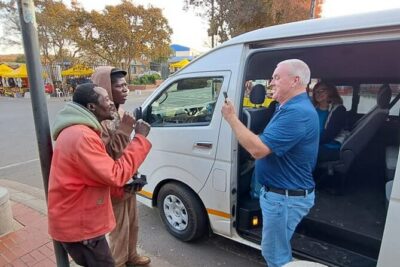
Full-Day Soweto, Apartheid Museum and Lunch Tour
Read our review →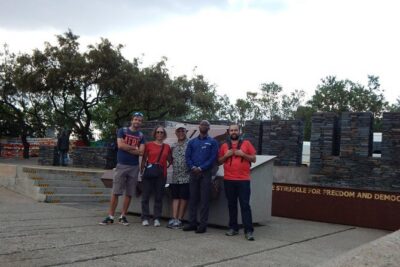
Half Guided Day Tour of Soweto And Apartheid Museum
Read our review →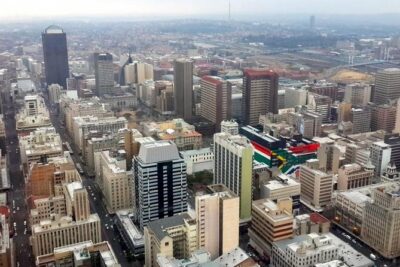
Ultimate Johannesburg Soweto Experience with Apartheid Museum
Read our review →
Soweto: Hop-On Hop-Off Bus, City Tour and Apartheid Museum
Read our review →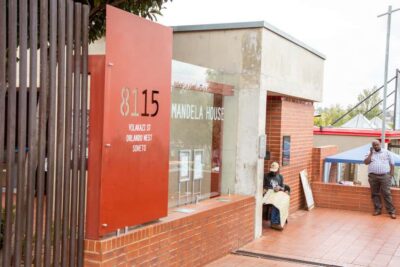
Johannesburg and Soweto Apartheid Full Day Tour w/Lunch
Read our review →Browse the lists this tour appears in