

Reviewed · APARTHEID MUSEUM TOURS
Private Tour of Johannesburg, Soweto and Apartheid Museum
Johannesburg’s past is never far away. This private eight-hour tour links Constitution Hill, the Apartheid Museum, and Soweto into one serious but well-paced day, with a Spanish-speaking guide and private air-conditioned transport. I like the personal service, especially the careful planning praised for guides Irma and Daniela, and I like how the tour connects major sites with the streets where South Africa’s political story unfolded. The main drawback is that lunch is not included, and the Apartheid Museum and Constitution Hill leave little time for a casual, unhurried visit.
I also like the tour’s range. You move from modern Sandton and Nelson Mandela Square to Johannesburg’s old center, then to prison cells, courtrooms, a football stadium, Vilakazi Street, and Mandela House. That variety helps you understand the city as a living place rather than a set of isolated attractions. Still, this is a full day built around difficult subjects, so it suits you best if you want context and serious conversation rather than a light sightseeing outing.
In This Review
- Key points to know before booking
- Why this Johannesburg tour works as a first day
- Sandton and Nelson Mandela Square
- Johannesburg’s city center and the gold rush
- Constitution Hill, prison walls and a new court
- The Apartheid Museum in 90 focused minutes
- FNB Stadium and the road to Soweto
- Walking Vilakazi Street in Soweto
- Mandela House and the personal side of the story
- What the private format adds
- Who should book this experience
- Final call: book it for context, not just sightseeing
- FAQ
- What time does the tour start?
- How long does the tour last?
- Is the tour private?
- Is a guide included in the price?
- Is lunch included?
- Can I cancel for a full refund?
Key points to know before booking
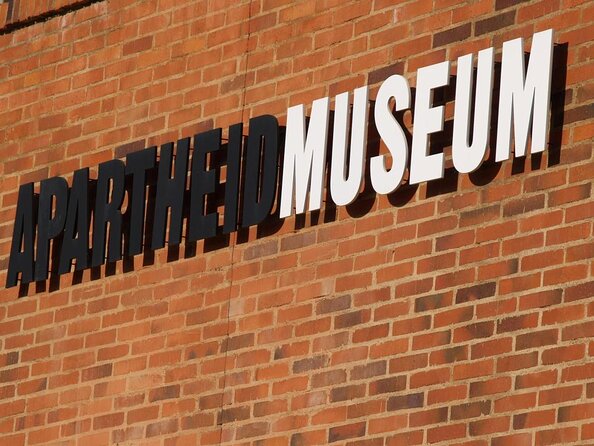
- Two major museums in one day: Constitution Hill receives about one hour, while the Apartheid Museum gets roughly 90 minutes.
- Private hotel pickup: Your group travels in a private, air-conditioned vehicle rather than joining a large shared coach.
- Spanish-language guiding: The included guide is in Spanish, with Irma and Daniela singled out for clear explanations and thoughtful organization.
- Soweto on foot: You walk along Vilakazi Street, see the home associated with Nelson Mandela, and have time for crafts and lunch.
- Historic FNB Stadium stop: You get about 15 minutes for an exterior photo of the World Cup venue and the site of Mandela’s first Johannesburg speech after prison.
- Price and flexibility: At $131.53 per person, the value improves with a small group, and cancellation is free up to 24 hours before departure.
Why this Johannesburg tour works as a first day
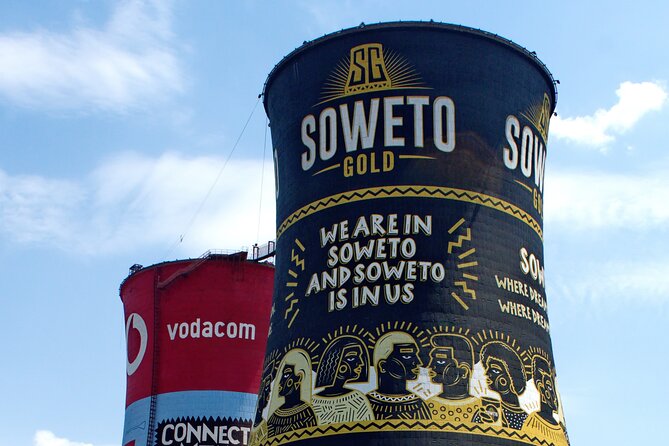
Johannesburg can be difficult to read from a car window. Modern office towers, wealthy suburbs, old mining districts, and Soweto all belong to the same city, but the links between them are not always obvious at first glance. This tour gives you a guide to those connections.
The day begins with pickup at your hotel at 9:00 a.m. That simple arrangement matters in a city where finding the right starting point can waste time. You travel with only your own party, so you can ask questions, spend a little longer at a place that interests you, or keep moving if a stop has made its point.
The tour includes private transportation, an air-conditioned vehicle, entrance fees, and taxes. Lunch is extra, and the FNB Stadium visit is an exterior photo stop rather than an inside tour. You should keep those limits in mind when comparing the price with other Johannesburg excursions.
The strongest part of the experience is the guide. Irma is praised for planning the day carefully, explaining changes in Johannesburg, and paying attention to what each person needs. Daniela is also described as a warm and capable guide who makes the apartheid period and Mandela’s role easier to understand. Since the tour is offered with a Spanish guide, it can be especially useful if you prefer to discuss complex political and social subjects in Spanish.
More Museums in Johannesburg
- Soweto /Johannesburg and Apartheid Museum Guided Full Day Tour
★ 5.0 · 932 reviews - Jo’berg in 1 Day: Soweto, Apartheid Museum & City Tour
★ 4.8 · 524 reviews - Johannesburg: Full-Day Tour with Soweto and Apartheid Museum
★ 4.8 · 478 reviews
Sandton and Nelson Mandela Square
Nelson Mandela Square is a short opening stop, listed at about 20 minutes with free admission. It sits in the financial heart of South Africa and is best known here for its large Mandela statue and the familiar photo opportunity.
I would treat this as a quick orientation rather than a major cultural visit. The square gives you a look at the polished, modern side of Johannesburg, which contrasts sharply with the sites later in the day. The contrast is useful, though the stop may feel brief if you want time for shops, restaurants, or a longer look around the surrounding Sandton area.
The drive also takes you through picturesque and modern suburbs, including an area connected with Mandela’s former residence. Your guide can explain how these districts fit into Johannesburg’s wider story. This is where a private tour earns its keep: the view outside the vehicle becomes part of the lesson instead of mere transport between attractions.
Johannesburg’s city center and the gold rush
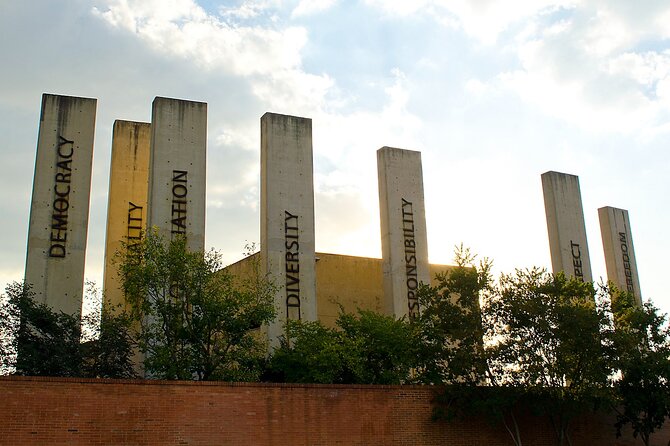
The route then heads toward central Johannesburg, where the city began after gold deposits were discovered. You pass the building known as the Top of Africa, described as the tallest building in Africa, and tour parts of the center connected with Johannesburg’s early growth.
The supplied schedule does not promise an interior visit or an extended walking tour of the Top of Africa, so you should think of this section as a guided drive and orientation. That is not a weakness by itself. Johannesburg’s center covers a lot of ground, and a guide can point out how mining wealth shaped the city without asking you to spend the entire morning on foot.
I value this section because it prevents the day from becoming only a Mandela tour. Mandela and apartheid are central themes, but Johannesburg was also created by gold, migration, industry, and unequal development. Seeing the financial districts and older central areas before visiting Soweto gives the rest of the day more meaning.
Constitution Hill, prison walls and a new court
Constitution Hill receives about one hour, with admission included. This former prison and military fort now forms a human rights precinct and houses South Africa’s Constitutional Court.
The site is powerful because the court was built on ground tied to imprisonment and political repression. The bricks and site of the old prison are linked with both Mahatma Gandhi and Nelson Mandela, who were imprisoned there at different times. You are not simply looking at a museum display. You are seeing a place where confinement and democratic law occupy the same address.
The Constitutional Court building has a design described as unique in the world. Its presence gives the visit a clear message: South Africa’s democratic institutions were built in direct conversation with the damage caused by the old system.
One hour is enough for a guided introduction, but it is not generous if you want to read every panel or explore each section slowly. I would listen closely to the guide and focus on the parts that help you understand the prison, the court, and the move toward democracy. If you have a strong interest in legal or prison history, you may wish you had more time.
More apartheid history tours:
- Full-Day Soweto, Apartheid Museum and Lunch Tour
★ 5.0 · 410 reviews - Half Guided Day Tour of Soweto And Apartheid Museum
★ 5.0 · 356 reviews - Ultimate Johannesburg Soweto Experience with Apartheid Museum
★ 5.0 · 313 reviews - Soweto: Hop-On Hop-Off Bus, City Tour and Apartheid Museum
★ 4.5 · 250 reviews
The Apartheid Museum in 90 focused minutes
The Apartheid Museum is the emotional center of the day. It opened in 2001 and presents the rise and fall of apartheid, with exhibits focused on twentieth-century South Africa and the political system that shaped daily life for decades.
The visit lasts about 90 minutes, and admission is included. That timing gives you enough space to grasp the main sequence of events, but the museum can be demanding. Its walls and displays deal with destruction, brutality, resistance, and the long struggle for democracy. You should not expect a cheerful attraction or a quick collection of photo stops.
I like the way this visit follows Constitution Hill. At the prison and court, you see the physical setting of repression and the institutions of the new South Africa. At the Apartheid Museum, you get a broader national account. Together, the sites help explain why Mandela and the democratic transition matter far beyond a handful of famous names.
The guide’s role is important here. A strong explanation can help you place dates, protests, policies, and personal stories in order. The praise for Irma and Daniela focuses on exactly this quality: they make difficult material clear, keep the day interesting, and answer questions without turning the experience into a lecture.
You should allow yourself a little quiet time. The schedule is fairly tight, and you may need to keep moving. If you want to study every exhibit in detail, an independent return visit would be worthwhile, but for a first introduction, 90 minutes is a sensible allocation.
FNB Stadium and the road to Soweto
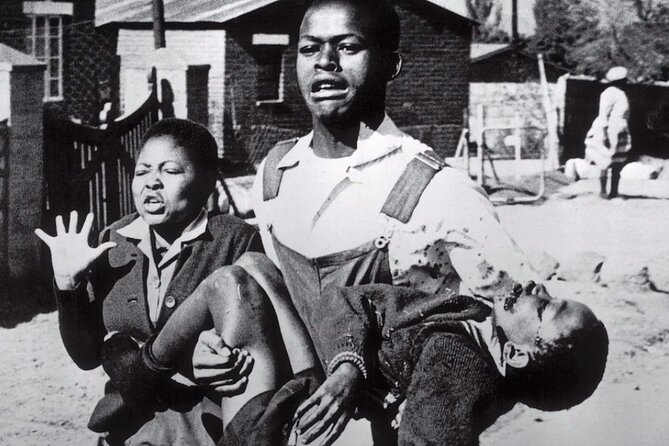
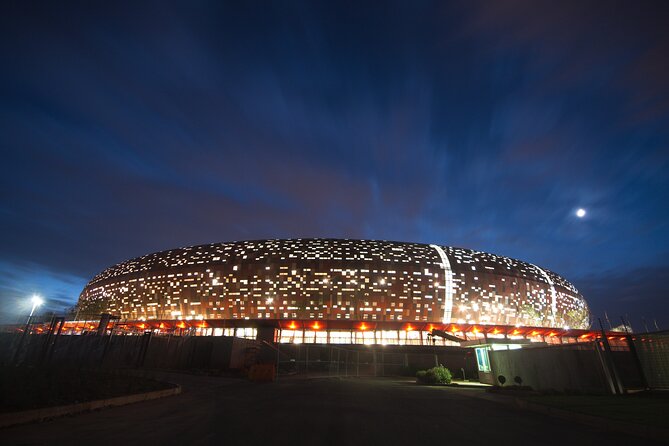
The FNB Stadium stop lasts about 15 minutes. You see the stadium from outside and take photographs, but admission is not included and the tour does not describe an interior visit.
The building is known as The Gourd because its shape recalls an African pot gourd. It was built for the 2010 FIFA World Cup, hosted the final between the Netherlands and Spain, and became Africa’s largest stadium with a capacity of 94,736.
Its political importance is just as interesting as its sporting role. Nelson Mandela gave his first speech in Johannesburg after his release from prison there in 1990. That makes the brief stop more than a stadium photo. It links a major modern event with a defining moment in South Africa’s path out of apartheid.
Fifteen minutes is enough for a quick exterior look, but not for a stadium tour or a long discussion on site. I would listen to the guide during the drive and use the stop mainly to take in the scale of the building.
Walking Vilakazi Street in Soweto
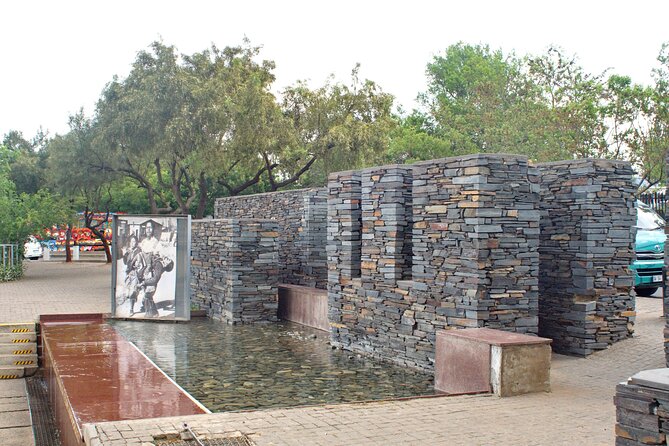
In Soweto, the tour changes pace. You walk along Vilakazi Street for about an hour, with free admission, and see a street associated with two Nobel Peace Prize winners: Nelson Mandela and Desmond Tutu.
This is one of the most memorable parts of the day because it places political history in an ordinary neighborhood setting. You are not only entering formal museums. You are walking where people live, work, sell crafts, and remember the events that shaped the country.
The schedule connects the visit with the 1976 events that influenced the freedom struggle. Your guide can explain why Soweto became such an important center of resistance and how those events changed both local politics and international opinion.
There is also room for a practical, less solemn side of the visit. You can browse craft stalls, haggle, and stop for lunch. Since lunch is not included, you should budget separately and expect the timing to depend on the group and the guide. That flexibility is useful, but you may want to ask early in the morning how much time will be allowed for eating.
Vilakazi Street can feel busier and more commercial than the museum sites, which is part of its character. The craft stalls and photo opportunities should not replace the historical context, but they do make the stop feel connected to present-day Soweto rather than frozen in the past.
Mandela House and the personal side of the story
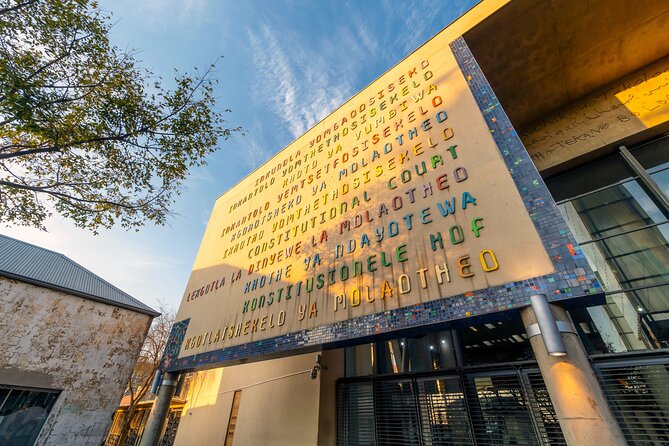
Mandela House is a short visit of about 20 minutes, with admission included. It is the home where Nelson Mandela and his family lived, and it gives you a more personal setting after the broad political account at the Apartheid Museum.
The house is on Vilakazi Street, so the two stops work naturally together. You can first understand the street and its place in South African history, then step into the domestic space associated with Mandela’s family life.
Twenty minutes is not a long visit. You will get an introduction and a sense of the site, but you should not expect a detailed house museum visit at a slow pace. If Mandela is the main reason you are visiting Johannesburg, this stop will likely feel important even though it is brief.
I appreciate that the tour does not present Mandela as an isolated hero. The route includes the prison, the court, the museum, the stadium, Soweto, and Vilakazi Street. Those places show the wider pressure, protest, and institutional change surrounding his life.
What the private format adds
A private tour changes the day in practical ways. You are not working around a large group’s pace, and only your party participates. That makes it easier to ask about a particular neighborhood, request clarification in Spanish, or spend more time discussing an exhibit.
The vehicle is air-conditioned and private, which is helpful during an eight-hour outing with several drives. Hotel pickup also removes one transportation task from your morning. The tour is designed for most people to participate, though the supplied details do not give a specific accessibility assessment for each site.
The trade-off is cost. At $131.53 per person, this is not the cheapest way to see Johannesburg, especially if you are traveling alone. For a small group, though, the price includes a full day of private transport, a dedicated guide, and admission to Constitution Hill, the Apartheid Museum, and Mandela House. The value is strongest if you care about explanation and convenience, not simply ticking off landmarks.
The booking pattern suggests people often reserve about six days ahead. I would not treat that as a fixed rule, but it is sensible to book in advance if you need a Spanish-speaking guide or have only one day in Johannesburg.
Who should book this experience
I would recommend this tour if you want a structured introduction to Johannesburg and Soweto, especially if you prefer Spanish. It suits first-time visitors, small groups, families with older children, and anyone who wants the city’s political story explained while moving between sites.
It is also a good fit if you have a limited stay. In eight hours, you cover modern Sandton, central Johannesburg, Constitution Hill, the Apartheid Museum, FNB Stadium, Vilakazi Street, and Mandela House. Doing that independently would require careful transport planning and a clear sense of how much time to allow at each place.
I would hesitate if you dislike museums, have little interest in apartheid history, or want long, relaxed stops. The schedule is full, lunch is not included, and the emotional subject matter is heavy. The FNB Stadium visit is only an outside photo stop, and the time at Mandela House is short.
Free cancellation is available if you cancel at least 24 hours before the 9:00 a.m. start. Changes made inside that window are not accepted, and poor weather can lead to a different date or a full refund.
Final call: book it for context, not just sightseeing
Book this tour if you want Johannesburg explained through its places. The best feature is not any single photo stop. It is the steady movement from gold-mining Johannesburg to the prison and court at Constitution Hill, from the Apartheid Museum to the stadium, and finally to the streets and home linked with Mandela.
The private format, Spanish guiding, and strong personal attention associated with Irma and Daniela make the $131.53 price easier to justify for a small group. I would book it for a focused, serious day that gives you a useful foundation for the city. I would skip it only if you want a slower schedule, a stadium interior visit, or a day centered on food and leisure rather than South Africa’s modern political story.
FAQ
What time does the tour start?
The tour starts at 9:00 a.m. and pickup is offered from your hotel.
How long does the tour last?
The experience lasts approximately eight hours.
Is the tour private?
Yes. Only your group participates in the private activity.
Is a guide included in the price?
Yes. A Spanish-speaking guide is included.
Is lunch included?
No. Lunch is excluded, so you should plan to pay for it separately during the Vilakazi Street stop.
Can I cancel for a full refund?
Yes, if you cancel at least 24 hours before the experience start time. Cancellations made less than 24 hours in advance are not refunded.
More Soweto Tours
- Johannesburg: Hop-On Hop-Off Bus with Optional Soweto Tour
★ 4.6 · 985 reviews - Johannesburg Hop-On Hop-Off City Tour with Soweto Option
★ 4.5 · 768 reviews - Half-Day Tour of Soweto Tour
★ 4.5 · 712 reviews - Soweto: Walking Tour with a Local Guide and Lunch
★ 4.9 · 648 reviews
Newest reviews from Johannesburg
- Cradle of Humankind and Maropeng Day Tour from Johannesburg★ 4.0 · 5 reviews
- Explore Soweto 8 Hour Tour with Lunch and Museum Visit★ 5.0 · 5 reviews
- 3 Day All Incl. Private Kruger Park Safari Incl. Transfer From Johannesburg★ 5.0 · 5 reviews
- Harties cableway Tour★ 4.5 · 5 reviews
- Pretoria Historical Tour★ 4.0 · 5 reviews
- Constitutional Hill and Soweto 5 hours tour.★ 5.0 · 5 reviews
- 5 Day Kruger National Park and Panorama Route Safari★ 4.5 · 5 reviews
- Luxury Car Johannesburg Airport Private Transfer★ 5.0 · 5 reviews
Apartheid Museum Tours, compared.

Soweto /Johannesburg and Apartheid Museum Guided Full Day Tour
Read our review →
Jo’berg in 1 Day: Soweto, Apartheid Museum & City Tour
Read our review →
Full-Day Tour with Soweto and Apartheid Museum
Read our review →
Full-Day Soweto, Apartheid Museum and Lunch Tour
Read our review →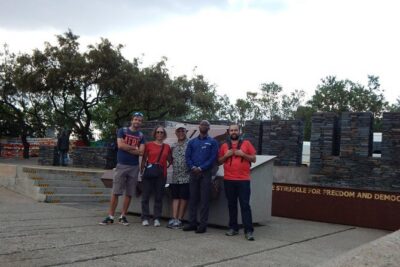
Half Guided Day Tour of Soweto And Apartheid Museum
Read our review →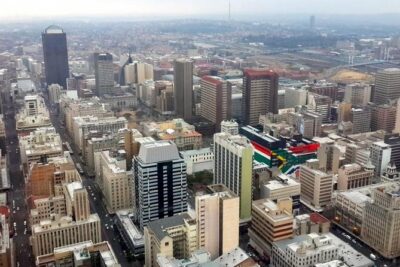
Ultimate Johannesburg Soweto Experience with Apartheid Museum
Read our review →
Soweto: Hop-On Hop-Off Bus, City Tour and Apartheid Museum
Read our review →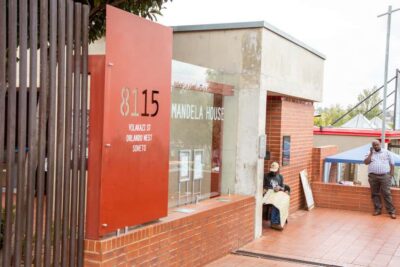
Johannesburg and Soweto Apartheid Full Day Tour w/Lunch
Read our review →Browse the lists this tour appears in