
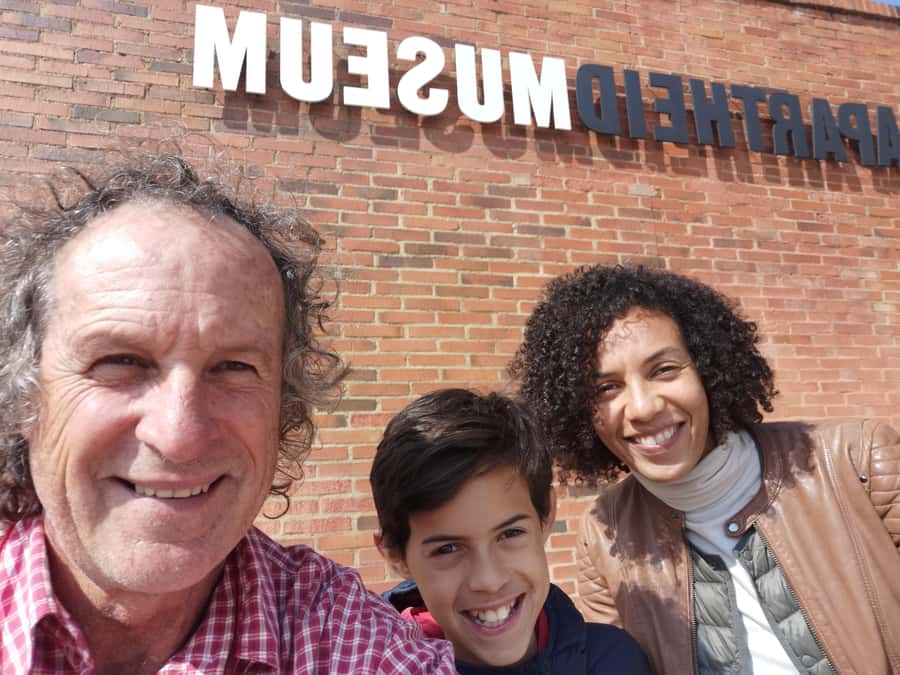
Reviewed · APARTHEID MUSEUM TOURS
Private Soweto,Mandela House,Apartheid Museum,Constitution
Johannesburg’s past is impossible to miss. This six-hour private tour links Soweto, Mandela House, the Apartheid Museum and Constitution Hill in one well-planned day, with a local guide, hotel pickup, transport, and plenty of historical context along the way. It also includes a drive past Soccer City, the stadium that hosted the 2010 World Cup final.
I especially like the morning visit to Soweto, which helps you avoid some of Johannesburg’s heavier traffic, and the fact that the guide allows two to three hours at the Apartheid Museum instead of treating it like a quick photo stop. The free Wi-Fi, comfortable car, and personal stories from guide Shane add real value.
The main concern is the word private. One booking party reported that another couple was added to the vehicle, causing almost two hours of delay during a six-hour tour. Confirm that your group will remain private before you book, particularly if personal attention and a fixed schedule matter to you.
In This Review
- Key points to know before booking
- Why this six-hour route works well
- Starting in Soweto and Vilakazi Street
- Hector Pieterson Memorial and the 1976 uprising
- A quick drive through modern Soweto
- Soccer City and the 2010 World Cup
- Spending two to three hours at the Apartheid Museum
- Constitution Hill and the former prison
- Shane’s storytelling and the guide experience
- Transport, timing and what the price includes
- Who should book this Johannesburg tour?
- Should you book it?
- FAQ
- How long does the tour last?
- What attractions are included?
- Is pickup included?
- Is the tour private?
- What language is the tour conducted in?
- Are museum tickets included in the price?
- How much time is allowed at the Apartheid Museum?
- Is food included?
- Can I cancel the booking?
Key points to know before booking

- Soweto comes first: The morning route includes Vilakazi Street, Mandela House, the Hector Pieterson Memorial, and a drive through the township.
- Four major Johannesburg sights: You visit Mandela House, the Apartheid Museum, Constitution Hill and its former prison complex.
- A guide with a personal connection: Shane is a third-generation South African and author of White Boy, a biography of a white child growing up during apartheid.
- Museum time is not rushed: The Apartheid Museum alone needs about two to three hours if you want to read and think rather than simply pass through.
- Museum admission costs extra: Mandela House is R70, the Apartheid Museum is R150, and the prison visit is R100.
- A good first-day introduction: Hotel pickup, transport, stories, and several major sights make this useful for a first visit to Johannesburg.
Why this six-hour route works well
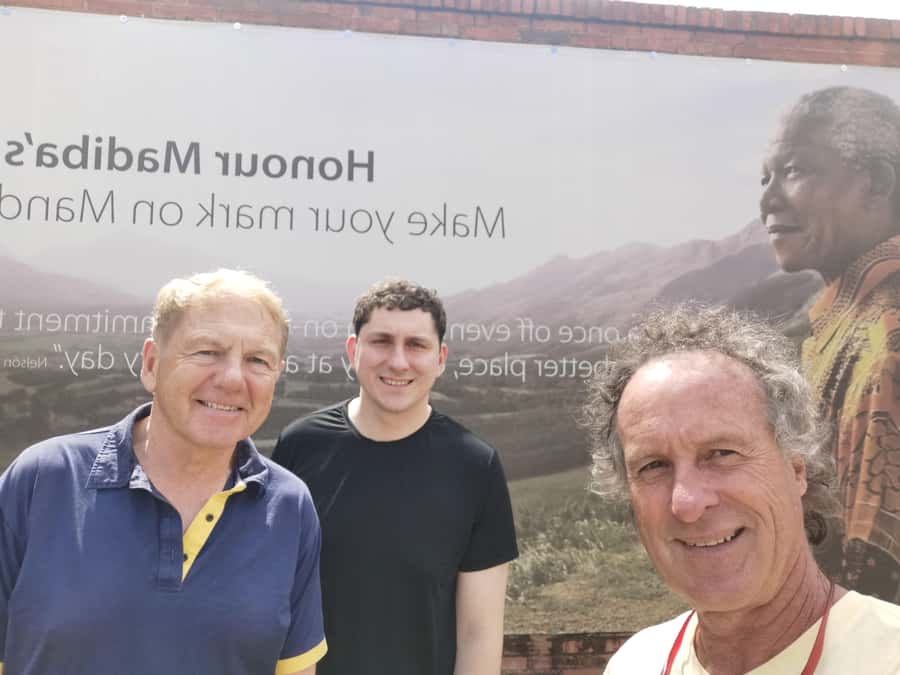
Johannesburg can feel spread out, and its most important historical sites are not clustered around one central square. A guided route saves you the trouble of piecing together Soweto, the Apartheid Museum, and Constitution Hill on your own.
The order also makes sense. You begin in Soweto in the morning, before traffic becomes a bigger problem, then continue toward the museum district and Constitution Hill. You see places connected to the struggle against apartheid, but each stop tells a different part of the story.
Soweto gives you the setting and the human scale. Mandela House shows where a major political figure lived. The Apartheid Museum explains the national system and its consequences. Constitution Hill connects apartheid-era imprisonment with South Africa’s modern legal system.
That progression is more useful than visiting four unrelated attractions. You build a clearer picture as the day goes on.
The tour costs $99 per person, before museum admission and food. That is not the cheapest way to see Johannesburg, but it can be fair value if you want door-to-door transport, an English-speaking guide, local stories, and a private vehicle. A self-guided day would cost less, but you would need to arrange transport between widely separated places and manage the timing yourself.
The value depends heavily on the promised private format. If you receive the personal service described, the price is easier to justify. If another party is added and delays eat up your day, the value drops quickly.
More Museums in Johannesburg
- Soweto /Johannesburg and Apartheid Museum Guided Full Day Tour
★ 5.0 · 932 reviews - Jo’berg in 1 Day: Soweto, Apartheid Museum & City Tour
★ 4.8 · 524 reviews - Johannesburg: Full-Day Tour with Soweto and Apartheid Museum
★ 4.8 · 478 reviews
Starting in Soweto and Vilakazi Street
Soweto is about 30 minutes from Johannesburg, depending on traffic and your pickup point. Beginning there is one of the strongest features of the schedule because the morning usually offers a better chance of moving around efficiently.
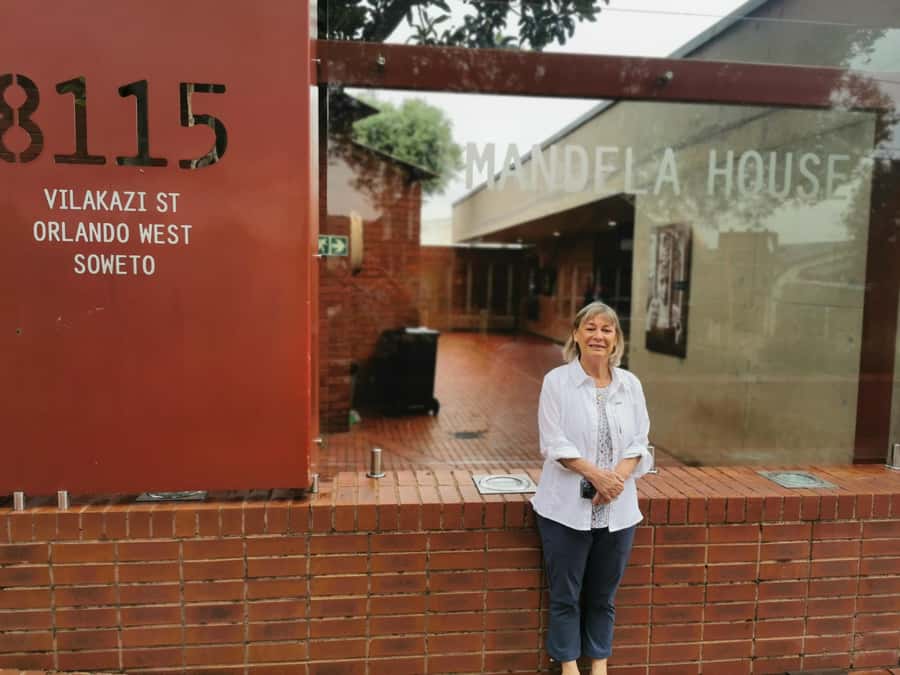
The first main stop is Vilakazi Street, one of the best-known streets in Soweto. Nelson Mandela’s former home is now Mandela House, a small museum that gives you a close look at the domestic side of his life.
The house is modest. That matters. You are not entering a grand presidential residence, but a compact home tied to a huge chapter in South African politics. The setting helps bring Mandela back from the scale of schoolbooks and public statues to the scale of rooms, belongings, and family life.
Admission to Mandela House is not included. The listed cost is R70. A guide at the house may add further explanation, while your tour guide provides the wider story around the neighborhood and Mandela’s place in it.
Vilakazi Street also has a strong connection to Archbishop Desmond Tutu. His former home is nearby, though it is now a private residence. You only drive past it, so do not expect to enter, but it is an unusual detail that makes the street important for more than one reason.
I like this stop because it lets you connect two major South African figures to one ordinary-looking urban street. It also gives your guide a natural opening to explain how Soweto changed over time.
Hector Pieterson Memorial and the 1976 uprising
The Hector Pieterson Memorial marks one of the most painful moments in South African history. It is connected to the 1976 student protests in Soweto, when young people demonstrated against the apartheid government’s education policies.
The memorial is not simply another historic building to tick off. It gives the events of 1976 a specific place and human focus. The name Hector Pieterson became known around the world after photographs of the injured boy being carried during the uprising were published internationally.
Allow yourself quiet time here. The stop is emotionally heavier than the quick drive past a famous address, and it can change how you understand the material at the Apartheid Museum later in the day.
Your guide’s role matters at this point. Shane is described as a third-generation South African who grew up in a mining village and wrote White Boy, a biography about growing up white during the apartheid era. That personal connection can add a perspective different from the official museum panels.
Still, a personal story should add to the site, not replace it. Make sure you take time to look at the memorial itself and ask questions about what you are seeing. The tour is strongest when the guide’s storytelling and the historic places work together.
A quick drive through modern Soweto
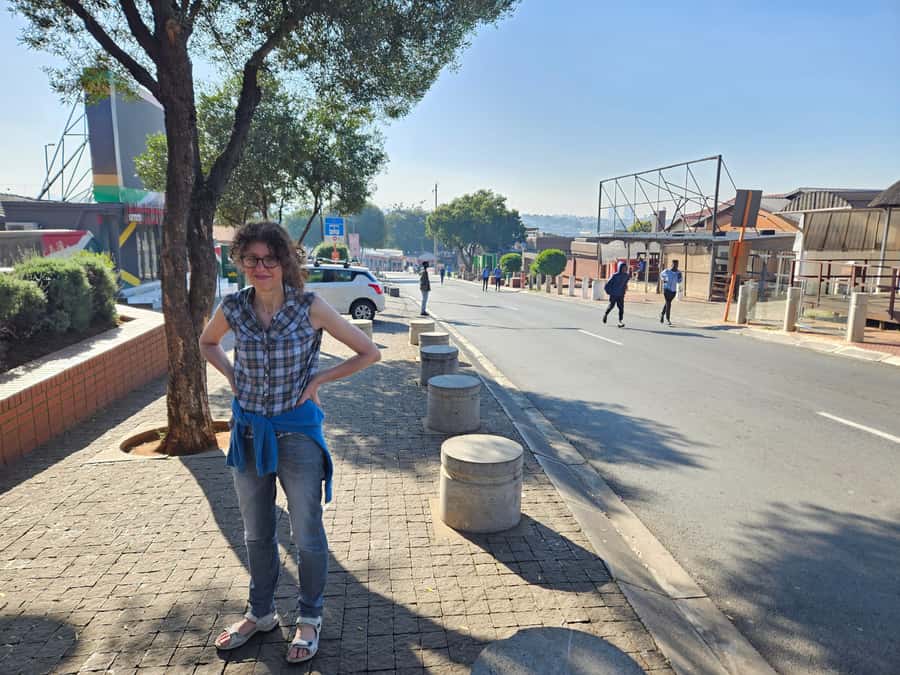
After the memorial, the route includes a drive through Soweto. This is not a full neighborhood walking tour, and you should not expect to see every part of the township in six hours.
What you do get is a broad impression of how Soweto has changed. The guide points out the contrast between its difficult past and its present-day communities. That short drive is useful because it prevents the township from being reduced to only Mandela’s house and the 1976 uprising.
Soweto is a living place, not an open-air museum. You pass ordinary streets and homes, and that is part of the point. The experience becomes more honest when you see the area as a community where people live and work, rather than only as a backdrop for political history.
The brief length is also the limitation. If your main interest is present-day Soweto, local food, street life, or extended time with residents, this tour may feel too focused on major historic sights. For a first introduction, though, the drive adds useful context without taking hours away from the museum visits.
More apartheid history tours:
- Full-Day Soweto, Apartheid Museum and Lunch Tour
★ 5.0 · 410 reviews - Half Guided Day Tour of Soweto And Apartheid Museum
★ 5.0 · 356 reviews - Ultimate Johannesburg Soweto Experience with Apartheid Museum
★ 5.0 · 313 reviews - Soweto: Hop-On Hop-Off Bus, City Tour and Apartheid Museum
★ 4.5 · 250 reviews
Soccer City and the 2010 World Cup
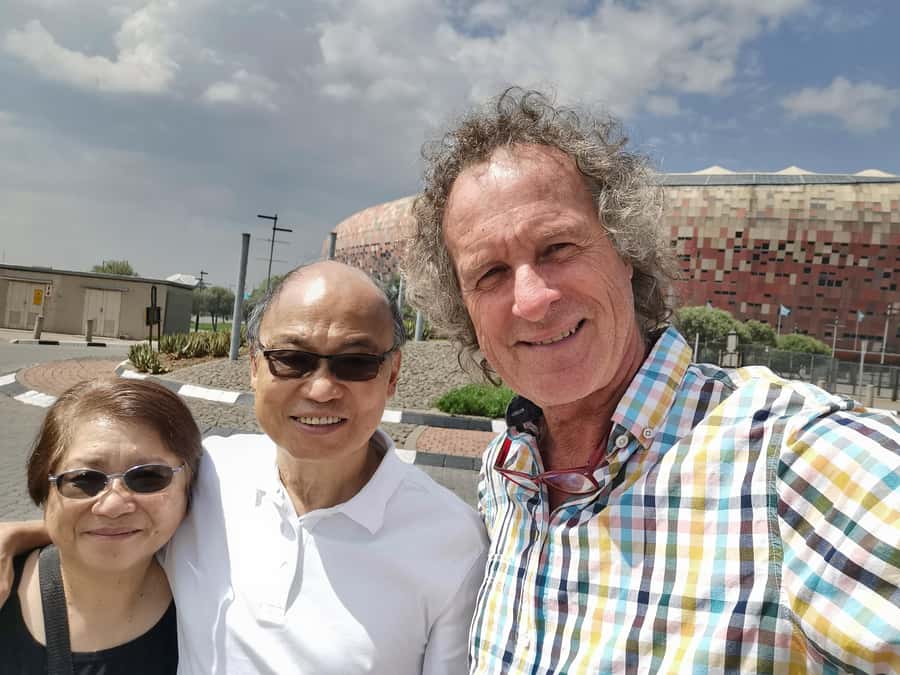
On the way to the Apartheid Museum, the vehicle passes the World Cup soccer stadium, commonly known as Soccer City. It hosted the 2010 World Cup final, making it one of Johannesburg’s most recognizable modern landmarks.
This is a drive-by stop rather than a stadium tour. You can see the building and hear about its role in the tournament, but the schedule does not promise entry or a long visit inside.
That makes it a small bonus rather than a main reason to book. Football fans will appreciate the connection, especially if they remember the 2010 final. If you are not interested in sport, it takes little time and does not distract from the historical focus of the day.
The stadium also provides a useful change of pace. After the serious atmosphere of the Hector Pieterson Memorial, a quick look at a major modern venue shows another side of Johannesburg and South Africa’s international image.
Spending two to three hours at the Apartheid Museum

The Apartheid Museum is the largest and most demanding stop on the route. The schedule allows about two to three hours, which is appropriate. You can rush through it in less time, but you will miss much of what makes the museum worthwhile.
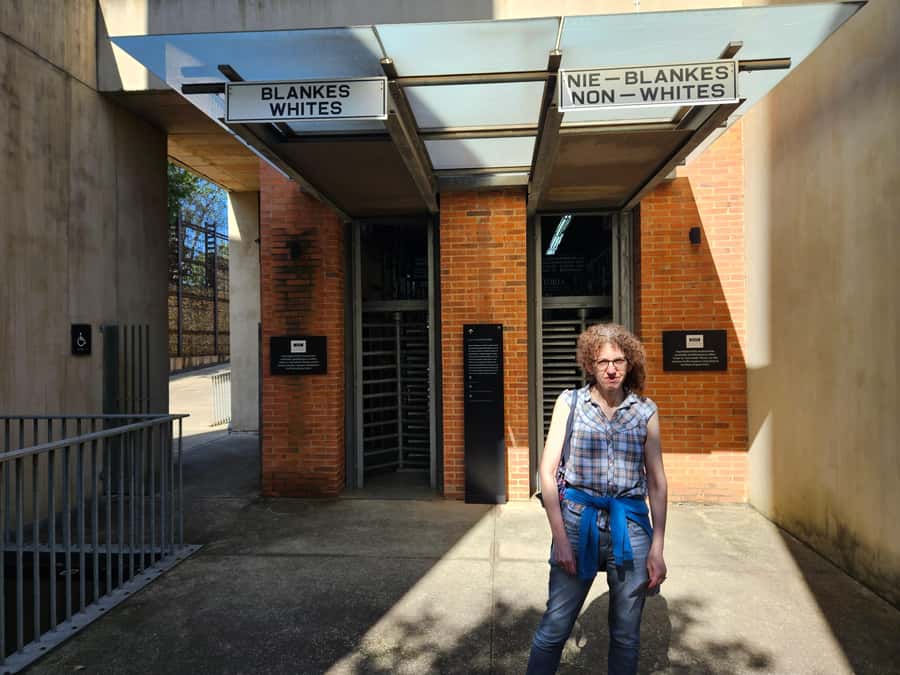
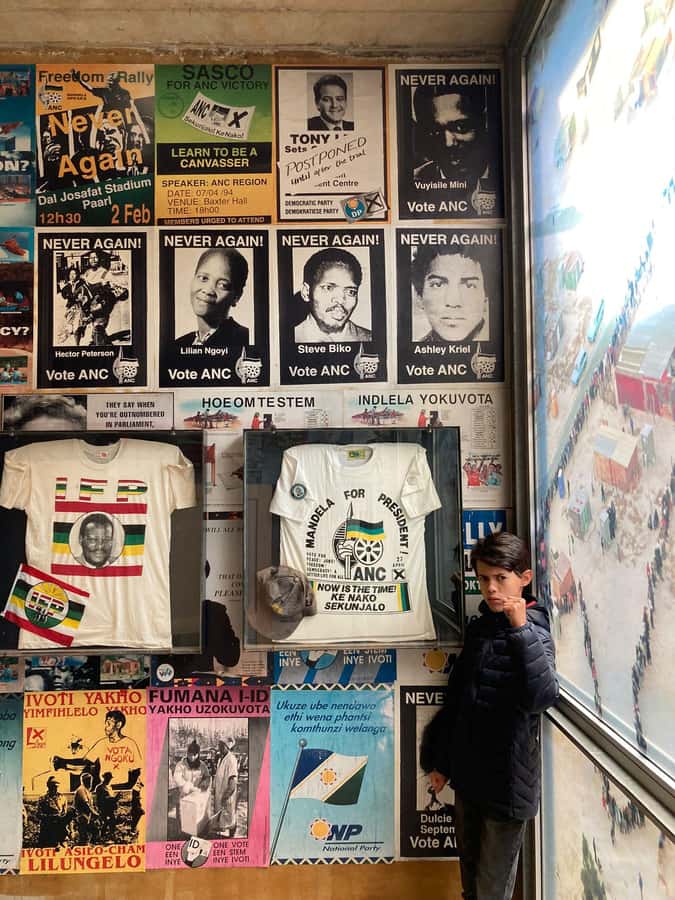
The museum examines the apartheid system, racial classification, segregation, political resistance, state violence, and the path toward democracy. Its displays require attention, so this is not a place where a guide should hurry you from room to room.
One of the best features of this tour is the stated promise that you can experience the museum at your own pace. That matters because different people need different amounts of time. You might move quickly through familiar material, then spend much longer with a personal account, photograph, or film that catches your attention.
Your guide can provide background before and after the visit, but the museum itself is where you should take control of your time. Read the first-person accounts. Pause at the photographs. Allow space for the difficult material.
Admission costs R150 and is not included in the $99 tour price. Add that cost when comparing this experience with other Johannesburg excursions.
The museum can also be tiring. After Soweto and the memorial, two or three hours of concentrated material may feel like a lot. I would avoid booking another major attraction immediately afterward. The fixed six-hour schedule gives you a full day of serious history, not a casual sightseeing loop.
Constitution Hill and the former prison
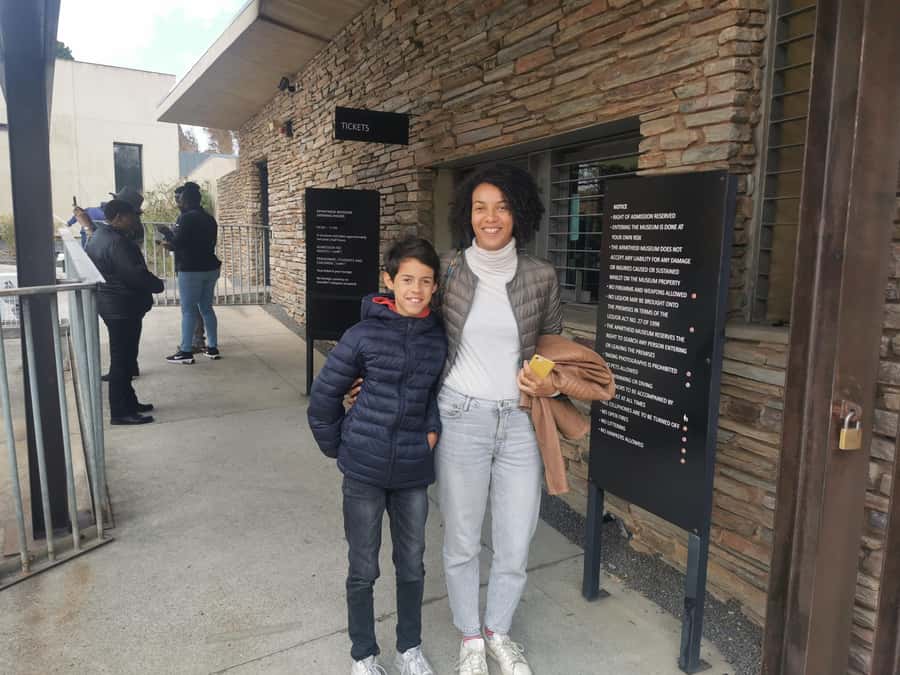
The final major stop is Constitution Hill, including the prison complex where Nelson Mandela and Mahatma Gandhi spent time. The site links South Africa’s past system of detention with the country’s present constitutional order.
The former prison gives you a direct sense of how the legal and political system treated people under apartheid. The experience is different from the Apartheid Museum because you are seeing a place associated with confinement and punishment, not only reading about events in a museum setting.
The constitutional court adds a second layer. South Africa’s new Constitutional Court represents the country’s democratic legal framework and its effort to build a different future after apartheid.
That contrast is the reason this stop belongs on the same route as Mandela House and the Apartheid Museum. You move from the home of a liberation leader, to the site of protest and state oppression, and then to institutions linked with constitutional democracy.
Prison admission is listed at R100 and is extra. The supplied information refers to the prison and the new constitutional court together, but it does not promise that every court interior or court session will be available. Think of this as a historic site visit, not a guaranteed chance to watch legal proceedings.
Shane’s storytelling and the guide experience
A major part of this tour is the person in the front seat. Shane is a third-generation South African and the author of White Boy, a biography of a white boy growing up during apartheid.
That background gives him a useful angle on the country’s past. A guide who can explain how apartheid affected different communities may help you connect the broad political story with everyday life.
The tour description also promises stories about the areas visited and South African history. Several booking parties praised Shane’s friendly manner, punctual pickup, safe driving, and ability to explain the country clearly. He also helped one couple with photographs at different stops and suggested a restaurant afterward.
Those small touches matter on a private day. You can ask questions as they arise, request a photo without handing your phone to a stranger, and get practical advice for the rest of your time in Johannesburg.
The guide’s personality is part of the value, but it can also create uneven experiences. If your group is combined with another booking, the personal attention may be reduced. One serious complaint described a delay of almost two hours and a feeling that the other couple received priority.
Because the tour is advertised as a private group experience, ask for confirmation before departure. Clarify the pickup time, the group arrangement, and how much time will be spent at each museum.
Transport, timing and what the price includes
Pickup is included from your location, and the tour uses a comfortable car with free Wi-Fi. Those are practical advantages in Johannesburg, especially when several major stops are spread across the city.
The full duration is six hours. That is long enough for a strong overview, but not long enough for extended time at every site. The Apartheid Museum receives the largest block of time, while Soweto includes several shorter stops and a drive through the township.
Included features are:
- Pickup from your location
- A private vehicle, subject to confirmation
- English-speaking guide
- Free Wi-Fi in the car
- Soweto and Vilakazi Street
- Mandela House area
- Desmond Tutu’s former home viewed from outside
- Hector Pieterson Memorial
- Soccer City viewed during the drive
- Apartheid Museum visit
- Constitution Hill and the former prison
Museum tickets, food, and drinks are extra. The listed admission costs are R70 for Mandela House, R150 for the Apartheid Museum, and R100 for the prison. That adds R320 in total, before meals and any currency changes.
The tour offers free cancellation up to 24 hours before departure and a reserve-now, pay-later option. Those terms are useful if your Johannesburg plans are still shifting. Availability and starting times need to be checked for your date.
Who should book this Johannesburg tour?
I would choose this tour if you have one day for Johannesburg and want the major apartheid-related sights explained in a sensible order. It is especially useful for first-time visitors who prefer a guide and included transport rather than arranging several rides themselves.
It also suits you if you want historical context, not just photographs. The guide’s stories, the Hector Pieterson Memorial, and the time allowed inside the Apartheid Museum give the day more substance than a standard city drive.
Families with older children may find the route useful, though the subject matter is serious. Anyone who wants a relaxed museum pace should appreciate the two to three hours at the Apartheid Museum.
I would look elsewhere if you want an extended walking tour of Soweto, a food-focused experience, or a stadium visit. The World Cup venue is only a stop-off point, and Soweto is seen through a compact morning itinerary.
I would also hesitate if you need absolute certainty that the group will remain private. The advertised format is private, but the reported group-sharing problem is too significant to ignore.
Should you book it?
Book this tour if you want a practical, history-focused introduction to Johannesburg with hotel pickup, a comfortable car, and a guide who can explain apartheid through both national events and personal experience. The route covers the city’s essential political sites, and the 4.6 out of 5 rating suggests that most bookings have gone well.
Before paying, confirm three things: that the vehicle will be reserved for your party, that your preferred pickup time is available, and that you have budgeted separately for R320 in listed museum admission. If those points are clear, this is a strong use of six hours and a good way to understand Johannesburg beyond its city center.
FAQ
How long does the tour last?
The tour lasts six hours. Starting times depend on availability.
What attractions are included?
The route includes Soweto, Mandela House, the Hector Pieterson Memorial, the Apartheid Museum, Constitution Hill and the former prison. It also includes a stop or drive past Soccer City and Desmond Tutu’s former home.
Is pickup included?
Yes. Pickup from your location is included, and you should wait at the stated pickup location.
Is the tour private?
It is advertised as a private group tour. However, one booking party reported that another couple was added, so confirm the private arrangement with AdventureTourism before departure.
What language is the tour conducted in?
The live tour guide speaks English.
Are museum tickets included in the price?
No. The listed admission costs are R70 for Mandela House, R150 for the Apartheid Museum, and R100 for the prison.
How much time is allowed at the Apartheid Museum?
You should plan for about two to three hours at the Apartheid Museum.
Is food included?
No. Food and drinks are not included in the tour price.
Can I cancel the booking?
Yes. You can cancel up to 24 hours in advance for a full refund. A reserve-now, pay-later option is also available.
More Soweto Tours
- Johannesburg: Hop-On Hop-Off Bus with Optional Soweto Tour
★ 4.6 · 985 reviews - Johannesburg Hop-On Hop-Off City Tour with Soweto Option
★ 4.5 · 768 reviews - Half-Day Tour of Soweto Tour
★ 4.5 · 712 reviews - Soweto: Walking Tour with a Local Guide and Lunch
★ 4.9 · 648 reviews
Newest reviews from Johannesburg
- Cradle of Humankind and Maropeng Day Tour from Johannesburg★ 4.0 · 5 reviews
- Explore Soweto 8 Hour Tour with Lunch and Museum Visit★ 5.0 · 5 reviews
- 3 Day All Incl. Private Kruger Park Safari Incl. Transfer From Johannesburg★ 5.0 · 5 reviews
- Harties cableway Tour★ 4.5 · 5 reviews
- Pretoria Historical Tour★ 4.0 · 5 reviews
- Constitutional Hill and Soweto 5 hours tour.★ 5.0 · 5 reviews
- 5 Day Kruger National Park and Panorama Route Safari★ 4.5 · 5 reviews
- Luxury Car Johannesburg Airport Private Transfer★ 5.0 · 5 reviews
Apartheid Museum Tours, compared.

Soweto /Johannesburg and Apartheid Museum Guided Full Day Tour
Read our review →
Jo’berg in 1 Day: Soweto, Apartheid Museum & City Tour
Read our review →
Full-Day Tour with Soweto and Apartheid Museum
Read our review →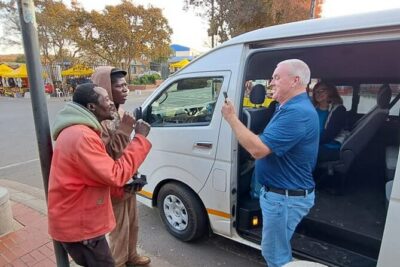
Full-Day Soweto, Apartheid Museum and Lunch Tour
Read our review →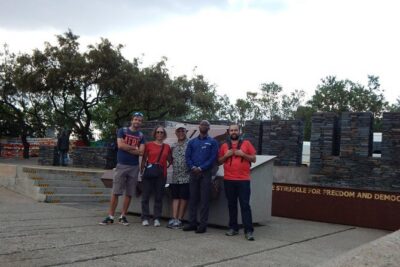
Half Guided Day Tour of Soweto And Apartheid Museum
Read our review →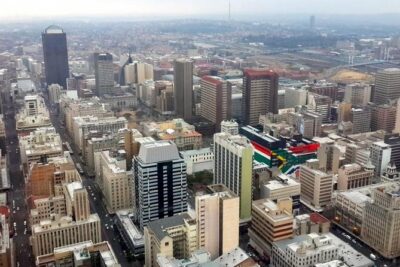
Ultimate Johannesburg Soweto Experience with Apartheid Museum
Read our review →
Soweto: Hop-On Hop-Off Bus, City Tour and Apartheid Museum
Read our review →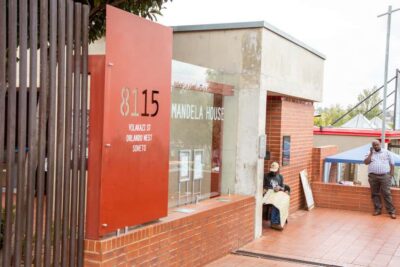
Johannesburg and Soweto Apartheid Full Day Tour w/Lunch
Read our review →Browse the lists this tour appears in