
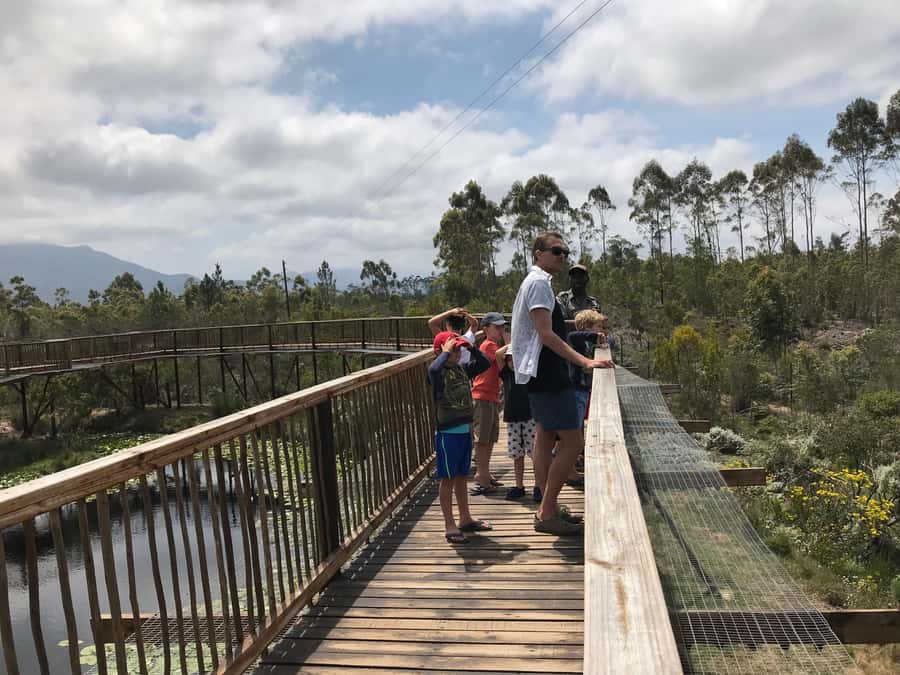
Reviewed · WILDLIFE
Plettenberg Bay: EcoKidz Family Wildlife Tour
Wild cats turn a lesson into an adventure. At Tenikwa Wildlife Rehabilitation and Awareness Centre near Plettenberg Bay, children aged 5 to 12 learn about lions, cheetahs, leopards, caracals, servals, and African wildcats while walking through the wildlife centre. I like the way the tour gives children something active to do, with an EcoKidz booklet, quiz questions, and a certificate at the end. I also like its conservation message, which connects each animal to its place in the local ecosystem rather than treating the visit as a simple photo stop.
The main drawback is that the quality can depend on the guide and the exact timing. Sandile has been praised for being warm, enthusiastic, and especially good with children, but one less positive experience found the guide quiet and said the tour lasted only about an hour. The advertised duration is 90 minutes, so I would confirm the schedule when booking, especially if you are planning lunch or another activity afterward.
In This Review
- Five things to know before you go
- Meeting the wild cats at Tenikwa
- The five-minute safety briefing
- Meerkats, owls, and the first easy wins
- Searching for African wildcats
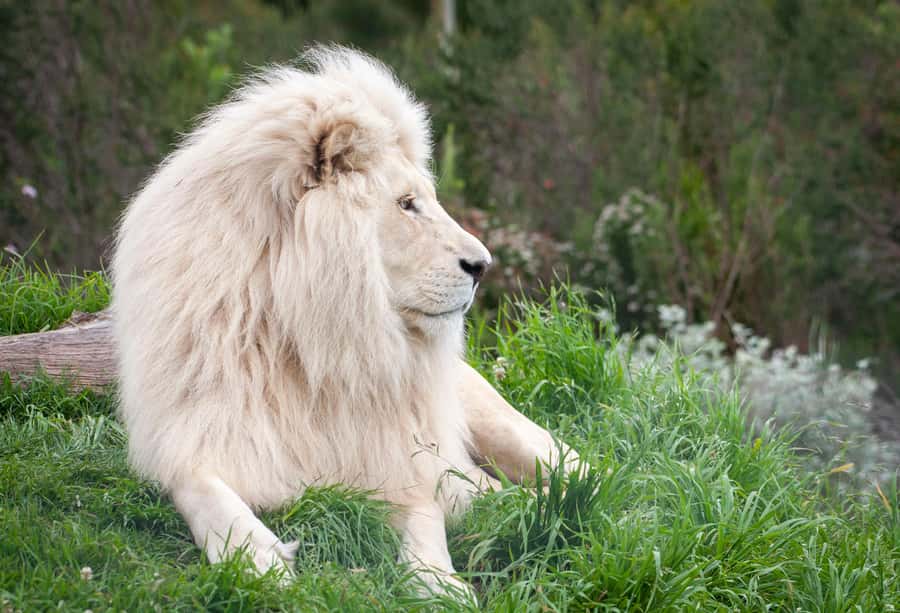
- Cheetahs, leopards, and the white lion
- Penguins preparing for release
- Completing the EcoKidz booklet and certificate
- The guide can shape the whole experience
- Timing, food, and the real value of $28
- Who will enjoy this tour most
- Practical tips for a smoother visit
- Should you book the EcoKidz Family Wildlife Tour?
- FAQ
- Where does the EcoKidz Family Wildlife Tour start?
- How do I find Tenikwa from the N2?
- How long does the tour last?
- What ages is the tour designed for?
- What animals can children see?
- Is the tour available in English?
- What does the price include?
- Are food and hotel transportation included?
- What should I bring and what is not allowed?
Five things to know before you go
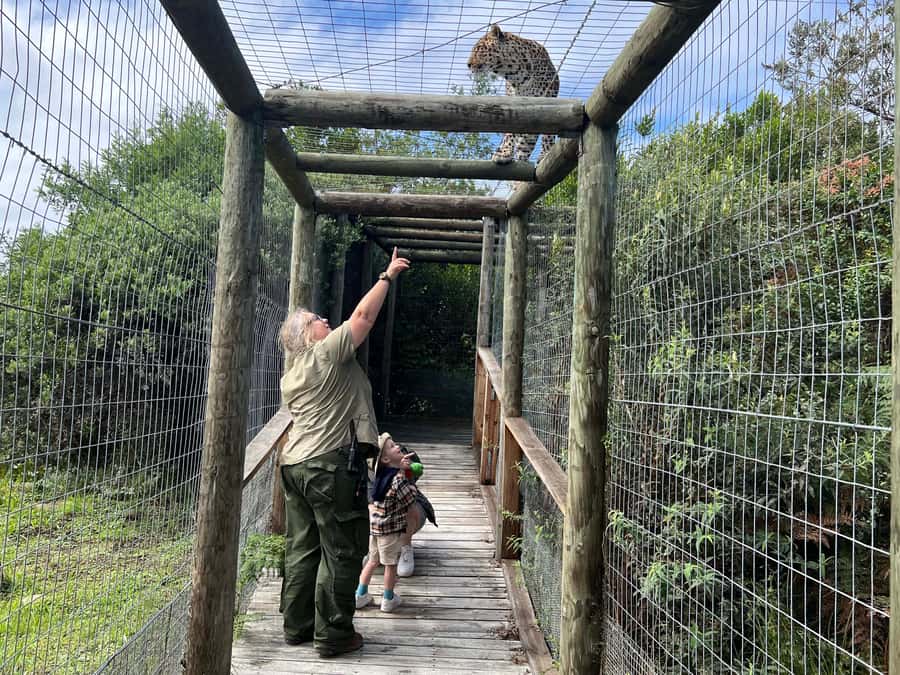
- The tour is built for children aged 5 to 12: The booklet and quiz give younger visitors a clear reason to watch and listen.
- You see more than one headline animal: The route includes meerkats, owls, penguins, cheetahs, leopards, a white lion, servals, caracals, and African wildcats.
- The conservation lesson is practical: Guides explain animal traits, ecosystem roles, and ways families can help protect the environment.
- Sandile has earned special praise: If you can request a guide, his child-friendly approach has been a real strength for families.
- The visit is outdoors in all weather: Wear walking shoes and sun protection, and use the rain jackets supplied in wet conditions.
- The $28 price includes the child’s learning extras: Each participating child receives a booklet and EcoKidz certificate, but food, drinks, and transport cost extra.
Meeting the wild cats at Tenikwa
Tenikwa Wildlife Rehabilitation and Awareness Centre sits off the N2 in the Plettenberg Bay area, close to the cluster of attractions signposted for Tenikwa, Monkeyland, and the Elephant Sanctuary. You leave the N2 at the Animal Alley turn, take the left fork marked Tenikwa, drive past Kurland Village, and keep right at the next fork. Check in at the Tenikwa reception.
That rural setting matters. You are not simply being shown animal pictures or watching a staged performance. The purpose of the centre is wildlife rehabilitation and awareness, and the tour uses the animals in its care to explain South Africa’s indigenous wild cats. The focus is on observation, animal behavior, and conservation.
Arrive 15 minutes before your start time. That gives your family time to park, use the facilities if needed, and settle children before the safety briefing. Parking is available at reception, but you are advised to leave valuables and backpacks locked in your vehicle. You may bring a camera, but selfie sticks are not allowed.
The experience is conducted in English and is wheelchair accessible. Since the visit includes walking and outdoor viewing, comfortable shoes are more useful than anything fancy. A hat, sunscreen, and water are sensible choices in warm weather. Rain jackets are provided if conditions turn wet, but this is still an all-weather program, not an indoor-only outing.
More wildlife trips in South Africa:
- Cape Town: Marine Wildlife Tour from the V&A Waterfront
★ 4.6 · 1,118 reviews - Big Five Game Reserve Wildlife Safari from Cape Town
★ 4.0 · 576 reviews - From Cape Town: South African Wildlife and Safari 2-Day Tour
★ 4.7 · 411 reviews
The five-minute safety briefing
The opening safety talk is short, about five minutes, but it sets the tone for the rest of the visit. Children learn that wildlife must be watched without touching, feeding, or teasing it. Selfie sticks are also prohibited.
These rules are not just formalities. The centre houses powerful and wild animals, so keeping hands to yourself protects both the family and the animals. I would use this moment to remind children that a good wildlife encounter does not mean getting as close as possible. It means noticing behavior while giving the animal space.
Parents should stay involved, even though a guide leads the group. Younger children may be excited by the cats and need a quick reminder to keep voices calm and bodies close to the adults. The setting is educational, but it is still a working wildlife centre.
Meerkats, owls, and the first easy wins
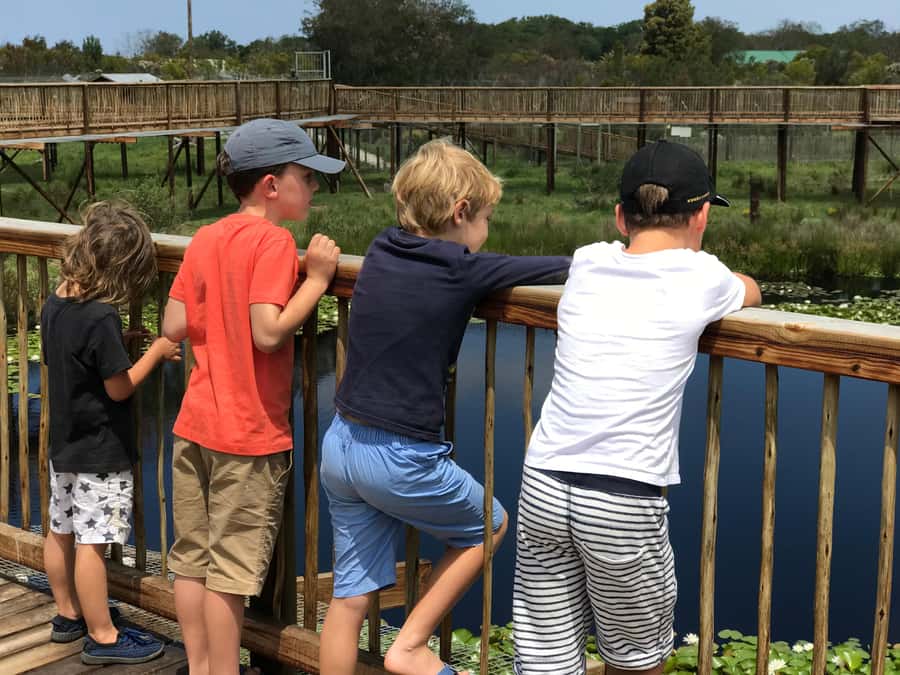
The walking portion begins with approachable animals such as the meerkats and owls. The Meerkat Meander is a useful early stop because children can begin by watching small, active animals before moving on to the larger cats.
Meerkats also offer an easy way into conservation ideas. A guide can point out how animals have particular habits and social roles, then connect those observations to the wider ecosystem. The owl visit adds another angle, showing children that South Africa’s wildlife is not limited to the animals that make the biggest impression in photographs.
This part of the route works well for children who are still getting comfortable with a guided activity. The EcoKidz booklet gives them questions to answer, so they are not expected to remember a long speech. Instead, they can look for clues in what the guide says and what the animals do.
The booklet is one of the better features of the experience. A child who might lose interest during a standard wildlife talk has a job to complete. It turns passive watching into a small treasure hunt, without making the visit feel like school.
Searching for African wildcats
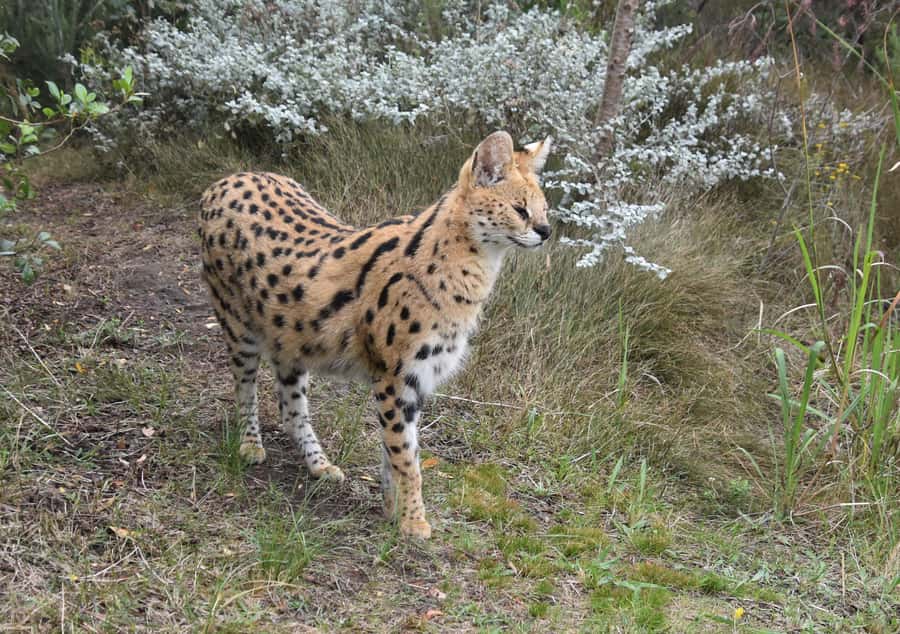
The tour then introduces the smaller native cats, including African wildcats, servals, and caracals. These animals can be less familiar to children than lions or cheetahs, which makes the guide’s explanation especially important.
You learn about the physical traits and behavior of each species, along with how it fits into the ecosystem. The point is not just to identify a cat by its spots, size, or ears. Children are encouraged to understand that every species has a role and that habitat protection affects the whole system.
The African wildcat stop may be more about careful searching than an instant photo opportunity. That is a good thing for the right family. Children have to look closely, listen, and accept that wildlife does not perform on command.
Servals and caracals help show the range within the wild cat family. Their body shapes and habits differ from those of lions and leopards, and the guide can use those differences to explain how animals adapt to their surroundings. For children, the variety helps prevent the visit from becoming one long lesson about only the biggest cats.
A completely different kind of day out on the same trip:
- Wine Tour: Paarl, Franschhoek & Stellenbosch incl 3 wineries
★ 5.0 · 3,940 reviews - Cape Town: Hop-On Hop-Off Bus Tour with Optional Cruise
★ 4.8 · 3,929 reviews - Cape Town: Cape of Good Hope & Penguins Day Tour with Pickup
★ 4.7 · 3,362 reviews - Zipline Cape Town – From Foot of Table Mountain Reserve
★ 5.0 · 3,179 reviews
Cheetahs, leopards, and the white lion
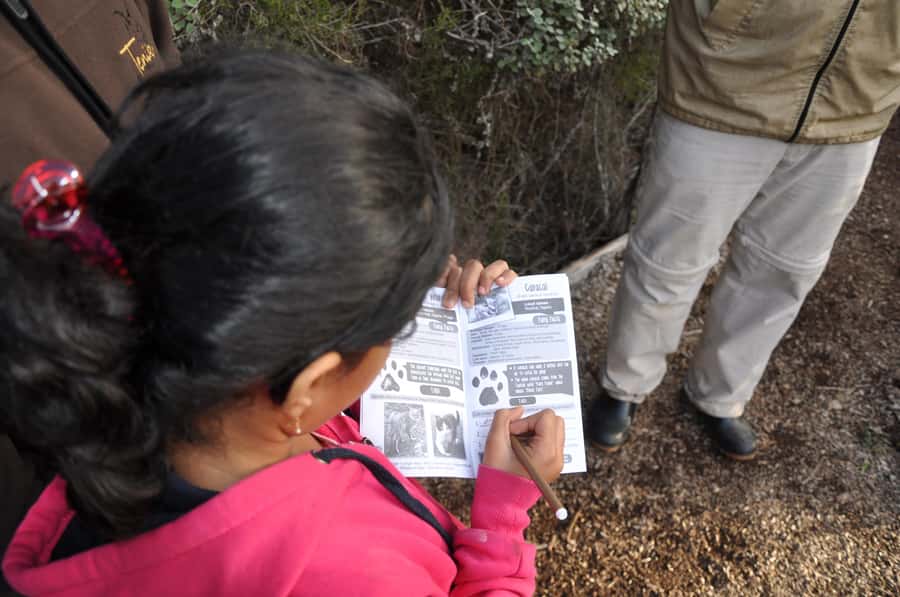
The larger cats provide the biggest visual moments of the tour. You may see cheetahs, leopards, lions, and a magnificent white lion in their enclosures. Each animal gives the guide a chance to compare size, markings, movement, and behavior.
Cheetahs are a natural favorite for children, but the educational value comes from learning how different they are from leopards and lions. The guide explains characteristics rather than presenting every animal as the same kind of predator. That distinction makes the tour more useful than a quick walk past a series of cages.
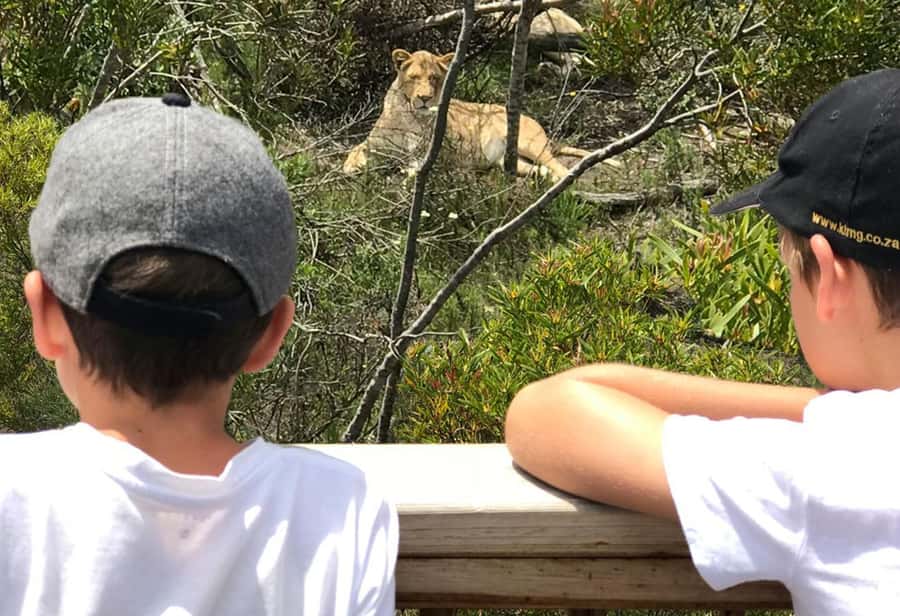
The white lion is likely to be the animal children remember most clearly. Its unusual appearance can draw attention, while the guide brings the conversation back to the animal itself and the wider need for responsible wildlife care. I would encourage children to look beyond color and ask what the animal is doing, how it moves, and how it responds to its surroundings.
One positive feature of the centre is that the full collection of animals gives the tour range. You are not paying for one guaranteed sighting and leaving. You are visiting a place where several species are part of the same conservation story.
Still, expectations should be realistic. The animals are in enclosures, not roaming freely across an open reserve. If your family wants a traditional safari with animals in the wild, this is a different type of experience. It is better suited to close observation, guided learning, and rehabilitation awareness.
Penguins preparing for release
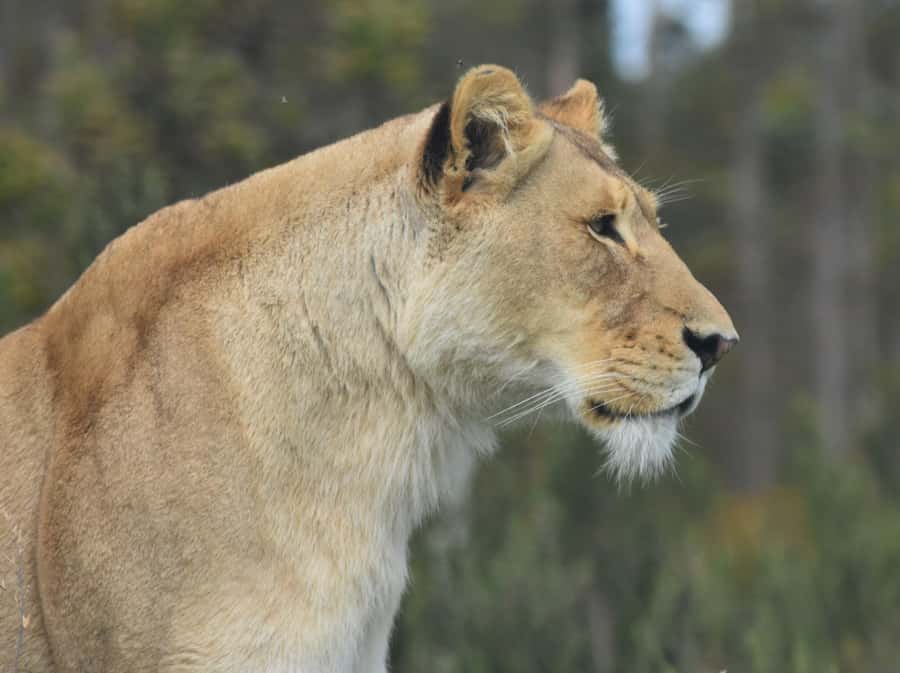
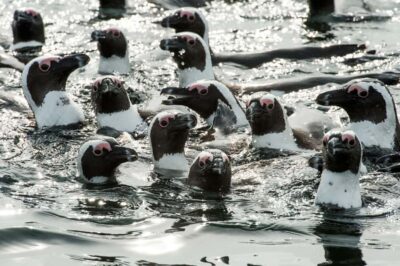
The penguin stop adds welcome variety to a tour focused on wild cats. You can see happy penguins being prepared for release, which gives children a direct example of rehabilitation work.
This is where the conservation message becomes tangible. Instead of only hearing that people can help wildlife, children see animals being cared for with the aim of returning them to the wild. The guide can connect that work to the broader question of how human choices affect wildlife and the environment.
For parents, this stop helps widen the conversation beyond large predators. Children learn that conservation also involves seabirds and other animals that may be affected by injury, pollution, habitat loss, or human activity. The experience does not need to cover every environmental issue in detail to make the point memorable.
The penguins also break up the cat-focused route. That matters for younger children, who often respond well to changes in animal type and setting. It keeps the 90-minute program moving at a family-friendly pace.
Completing the EcoKidz booklet and certificate
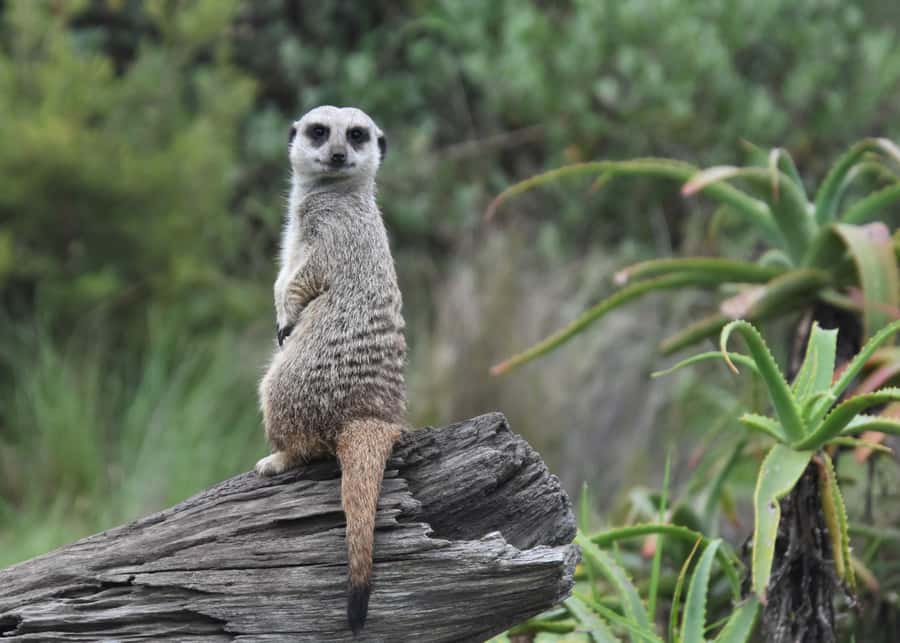
The guide assists children as they work through the EcoKidz booklet quiz. This is not a test designed to catch anyone out. It gives the guide a way to check that children are following the explanations and lets each child take part at his or her own level.
I like this format because it gives the tour a clear beginning, middle, and end. Children start with curiosity, gather information as they meet the animals, and finish by showing what they remember. The certificate then gives them a small reward they can take home.
A certificate may sound modest, but it matters to this age group. One family used it as a way for a child to share the South African experience with friends back in New Zealand. That is exactly the kind of souvenir that keeps the conservation lesson alive after the holiday.
The booklet and certificate are included for each participating child. Adults do not receive the same educational materials, so parents should treat the activity as a program designed around the children rather than a general wildlife tour with a child discount.
The guide can shape the whole experience
The guide is central to the value of this visit. A lively guide can turn animal facts into a conversation that children understand. Sandile has been singled out for his strong knowledge, enthusiasm, and ability to connect with a seven-year-old.
That kind of personal attention is worth considering when you compare this tour with simply walking through a wildlife centre alone. The guide helps children complete the quiz, explains differences among the cats, and keeps conservation topics within reach of young minds.
The experience has not been identical for every group. One less successful visit found the guide too quiet and felt the tour was not well adapted for children. That does not erase the strong feedback about Sandile and other enthusiastic guides, but it is a useful reminder to ask questions if your children need a highly interactive experience.
If guide availability can be discussed when booking, I would ask whether Sandile is working that day. If not, explain that you are booking specifically for children between 5 and 12 and would like a guide who is comfortable involving them. A good guide should invite questions instead of delivering a long talk over their heads.
Timing, food, and the real value of $28
The listed price is $28 per person. That includes an allocated English-speaking guide, the guided wildlife tour, one EcoKidz booklet quiz per participating child, an EcoKidz certificate per participating child, and rain gear in bad weather.
For a family, the price makes the most sense when you value the teaching as well as the animal viewing. You are paying for a guided program with a clear child-focused structure, not only entry to see animals. The booklet, certificate, and conservation explanations give the visit more purpose than a basic walk-through.
Food and drinks are not included. The schedule includes time for coffee, brunch, or lunch, but you should budget separately for anything you eat. Hotel pickup and drop-off are also excluded, so you need your own transport to Tenikwa.
There is some timing to clarify. The activity is advertised as approximately 90 minutes, yet the published schedule includes a five-minute safety briefing, a one-hour guided walk, 30 minutes of camp activities, 10 minutes for shopping, and 30 minutes for coffee, brunch, or lunch. Those blocks add up to more than 90 minutes.
I would not assume every listed block is part of the core guided tour. Ask Tenikwa how much time you should allow on the day, especially if you have another booking. One family found its tour lasted about an hour, so the actual guided portion may be shorter than the wider visit plan.
The flexible booking terms add some practical value. You can cancel up to 24 hours ahead for a full refund, and you can reserve now and pay later. That is useful when a family itinerary depends on weather, children’s energy levels, or changing plans.
Who will enjoy this tour most
This is best for families with children aged 5 to 12 who want wildlife viewing with a learning goal. It suits children who like animals, enjoy answering questions, or want a certificate to take home.
It is also a good choice for parents who want to introduce conservation without asking children to sit through a formal lecture. The booklet, animal variety, and short walking format keep the subject active.
The tour may be less suitable if your children are older and expect a full safari, or if they want to touch and feed animals. Neither is allowed. It may also disappoint families expecting wild animals in an open reserve, since the species are viewed in enclosures at a rehabilitation and awareness centre.
Adults who want a quiet, adult-focused wildlife talk should choose their timing carefully. The EcoKidz format is deliberately shaped around children, so expect questions, activity sheets, and a pace that keeps younger minds involved.
Practical tips for a smoother visit
Arrive 15 minutes early and check in at reception. The route includes walking, so choose comfortable shoes rather than sandals that are difficult on uneven ground.
Bring a camera if you like, but leave selfie sticks at home. Keep valuables and backpacks locked in your vehicle, as requested by the centre.
Wear a sun hat and apply sunscreen. The program runs in all weather, and rain jackets are supplied when needed. You should still dress in clothes suitable for outdoor walking.
Before the guide begins, tell your children the three basic rules: watch, do not touch, and do not feed. This makes the safety briefing easier and helps the family respect the animals.
If lunch matters to your schedule, confirm the timing and food arrangements. Coffee, brunch, and lunch are listed as possible camp activities, but food and drinks are not included in the $28 price.
Should you book the EcoKidz Family Wildlife Tour?
I would book it for a family with children aged 5 to 12, especially if you want an educational activity rather than a simple animal photo stop. The mix of wild cats, penguins, meerkats, owls, a booklet quiz, and a certificate gives children plenty to remember.
The strongest reason to go is the child-focused structure. The best guides, including Sandile, make the animals easier to understand and help children feel part of the conservation work.
I would pause if your main goal is a traditional safari or if your schedule allows no flexibility around the 90-minute timing. Confirm the actual guided duration, ask about the guide, and budget for food and transport.
For the right family, $28 is a fair price for a short, purposeful visit that links wildlife viewing with practical conservation lessons. It is a good way to help children see that caring for animals means more than admiring them.
FAQ
Where does the EcoKidz Family Wildlife Tour start?
It starts at Tenikwa Wildlife Rehabilitation and Awareness Centre near Plettenberg Bay, South Africa. Check in at the Tenikwa reception.
How do I find Tenikwa from the N2?
Look for the N2 signpost marked Tenikwa, Monkeyland, and Elephant Sanctuary. At Animal Alley, take the left fork marked Tenikwa, drive past Kurland Village, and keep right at the next fork.
How long does the tour last?
The advertised duration is approximately 90 minutes. The published schedule also includes separate time blocks for camp activities, shopping, and food, so confirm the exact timing when booking.
What ages is the tour designed for?
The EcoKidz Family Tour is ideally suited to children between 5 and 12 years old.
What animals can children see?
The experience includes meerkats, owls, penguins, African wildcats, servals, caracals, cheetahs, leopards, lions, and a white lion.
Is the tour available in English?
Yes. The tour has a live English-speaking guide.
What does the price include?
The $28 price per person includes an allocated guide, the guided wildlife tour, one EcoKidz booklet quiz for each participating child, one EcoKidz certificate for each participating child, and rain gear in wet weather.
Are food and hotel transportation included?
No. Hotel pickup and drop-off are not included, and food and drinks must be paid for separately.
What should I bring and what is not allowed?
Wear comfortable walking shoes, a sun hat, and sun protection lotion. Cameras are allowed, but selfie sticks are not. You may not touch or feed the wildlife.
Newest reviews from South Africa
- Half-Day Lion and Safari Park Tour★ 5.0 · 5 reviews
- Explore Atlantis Sand Dunes with a 1hour 30mins sandboarding tour★ 5.0 · 5 reviews
- Durban Shore Excursion: Valley of 1000 Hills and PheZulu Tour★ 5.0 · 5 reviews
- Cango Caves Oudtshoorn Day Tour★ 5.0 · 5 reviews
- Transfer from Cape Town City Center to Cape Town Airport★ 5.0 · 5 reviews
- Pneuma private travel & tours, creating memories and friends never forgotten★ 5.0 · 5 reviews
- Private Transfer: CPT Airport to Cape Town in Luxury Van★ 4.0 · 5 reviews
- Cape Town Table Mountain and Peninsula Tour★ 5.0 · 5 reviews
Wildlife, compared.
Big Five Game Reserve Wildlife Safari from Cape Town
Read our review →

2 Day South African Wildlife Tour with 4×4 Safari from Cape Town
Read our review →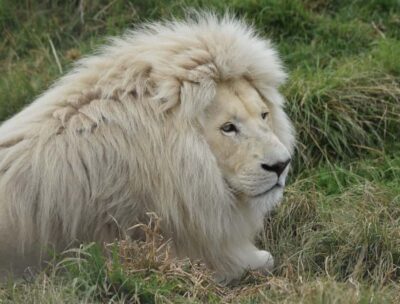
Schotia Safaris: Best Wildlife Encounters in Port Elizabeth
Read our review →
Browse the lists this tour appears in