
Reviewed · WILDLIFE
Plettenberg Bay: Wild Cat and Wildlife Guided Tour
Wild cats are only part of the story. At Tenikwa Wildlife Rehabilitation and Awareness Centre near Plettenberg Bay, you follow a guide along walkways beside rescued African cats while learning why these animals cannot return to the wild. I like the close viewing and the strong conservation message, and the $27 price is fair for an hour with a live guide. The main limitation is the short duration, especially if you want plenty of time for photographs.
This is a calm, educational visit rather than a thrilling safari. You may see lions, leopards, cheetahs, servals, caracals, meerkats, marabou storks, and the Blue Crane, South Africa’s national bird. I also like that the animals are viewed from walkways, with no touching or feeding, keeping the focus on welfare rather than staged contact.
In This Review
- Key points to know before you go
- Why Tenikwa offers more than a quick animal photo
- Reaching Tenikwa from the N2
- The five-minute safety briefing sets the tone
- One hour among lions, leopards, and smaller cats
- The guides are the heart of the experience
- Photography is good, but patience matters
- What happens after the cat walk
- Is $27 good value for one hour?
- Who will get the most from this visit?
- FAQ
- Where does the wild cat tour begin?
- How long does the guided tour last?
- Which animals can I see?
- Can I touch or feed the animals?
- Is the experience wheelchair accessible?
- What should I bring?
- Are food, drinks, and transport included?
- Should you book the Tenikwa wild cat tour?
Key points to know before you go
- The one-hour route focuses on rescued African cats, including lions, leopards, cheetahs, servals, and caracals.
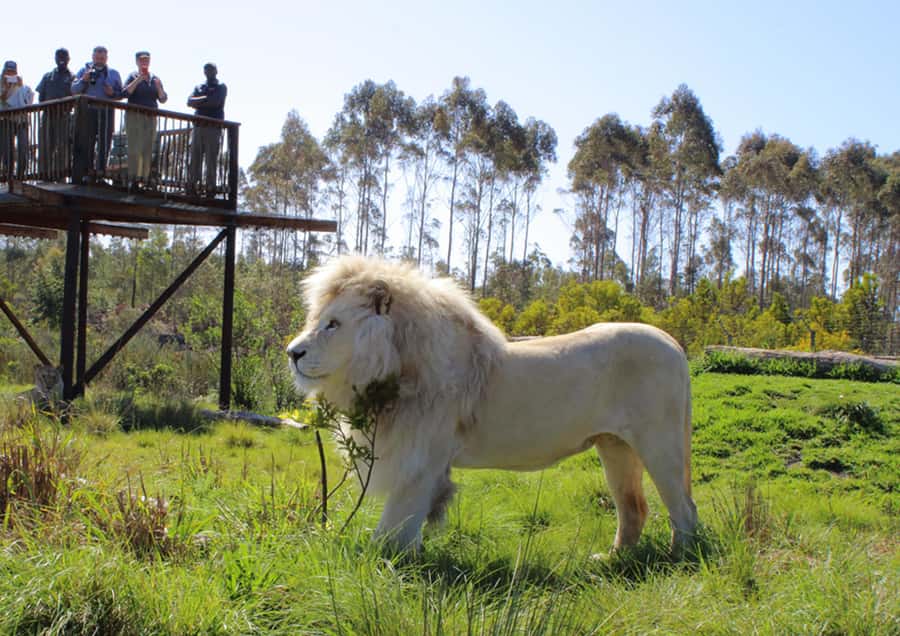
- The white lion is a major photographic highlight, though animal sightings and positions can vary.
- Guides make the visit worthwhile, explaining each animal’s background and the centre’s rehabilitation work.
- The experience begins and ends at Tenikwa, with no hotel pickup or drop-off included.
- The tour is wheelchair accessible, and comfortable shoes are the only stated item to bring.
- Allow extra time afterward for the shop and on-site coffee, brunch, lunch, or local snacks.
Why Tenikwa offers more than a quick animal photo
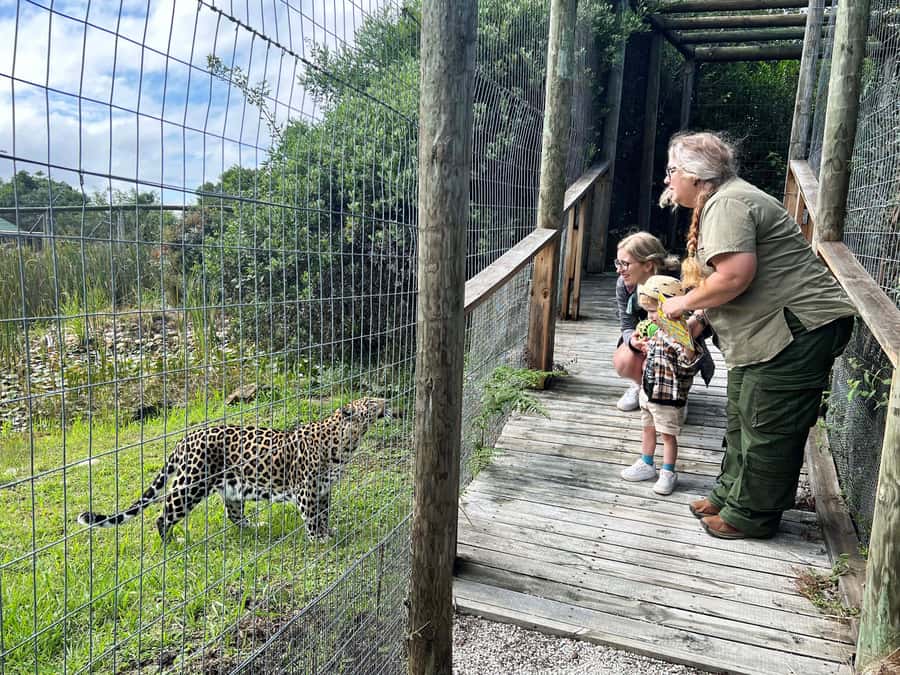
Tenikwa is not presented as a petting zoo. The point is to see indigenous wild cats at close range while understanding their needs, their past, and the limits of human care. Some animals have been rescued from situations where they can no longer survive independently, so the centre provides a permanent safe home rather than preparing every animal for release.
That distinction matters. A close view of a lion can be exciting, but the useful lesson is that proximity does not mean the animal is tame. You remain on a walkway, and you cannot touch or feed the cats. This keeps the encounter controlled and gives the guide space to explain natural behaviour without turning the animals into photo props.
The tour also puts smaller and less familiar species on the same stage. Servals and caracals can be more interesting than the headline animals because many people know little about them. The appearance of a meerkat, marabou stork, or Blue Crane adds variety and gives you a wider sense of South African wildlife.
More wildlife trips in South Africa:
- Cape Town: Marine Wildlife Tour from the V&A Waterfront
★ 4.6 · 1,118 reviews - Big Five Game Reserve Wildlife Safari from Cape Town
★ 4.0 · 576 reviews - From Cape Town: South African Wildlife and Safari 2-Day Tour
★ 4.7 · 411 reviews
Reaching Tenikwa from the N2
You make your own way to Tenikwa Wildlife Rehabilitation and Awareness Centre. From the N2, follow the turnoff marked Tenikwa, Monkeyland, Elephant Sanctuary. At Animal Alley, keep left where Tenikwa is signposted, then drive past Kurland Village.
At the fork, keep right for the Tenikwa entrance and check in at reception. Since transport is not included, this activity works best if you already have a rental car or another way to reach the centre. Do not arrive expecting a pickup from Plettenberg Bay.
The setting is part of the practical appeal. Tenikwa sits among several animal attractions in the same general area, so you can pair this visit with other stops if your day is planned carefully. Still, protect the full tour time. A late arrival could cut into the short one-hour route, and there is useful time afterward if you want food or a look through the shop.
The centre is wheelchair accessible. Comfortable shoes are sensible because the experience is a walking tour. Selfie sticks are not allowed, which is a small but welcome rule around animals and narrow viewing areas.
The five-minute safety briefing sets the tone
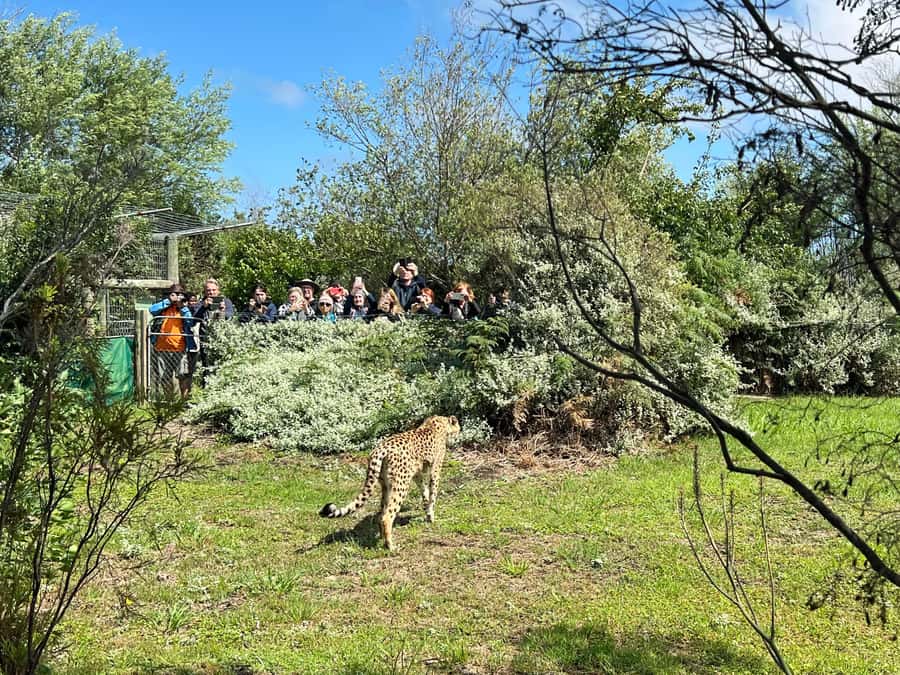
The visit starts with a safety briefing of about five minutes. This is not filler. It establishes the basic rules for being near animals that may look relaxed but remain wild.
You will be reminded that the cats are not to be touched or fed. The walkway system lets you see them at close range without entering their enclosures, and the briefing helps you understand why the separation is important.
I appreciate this approach because it prevents the common mistake of treating a conservation centre like an interactive animal encounter. You can bring a camera, but the animal’s welfare comes before the perfect portrait. Listen closely at the start, then follow the guide’s instructions when you move between habitats.
One hour among lions, leopards, and smaller cats
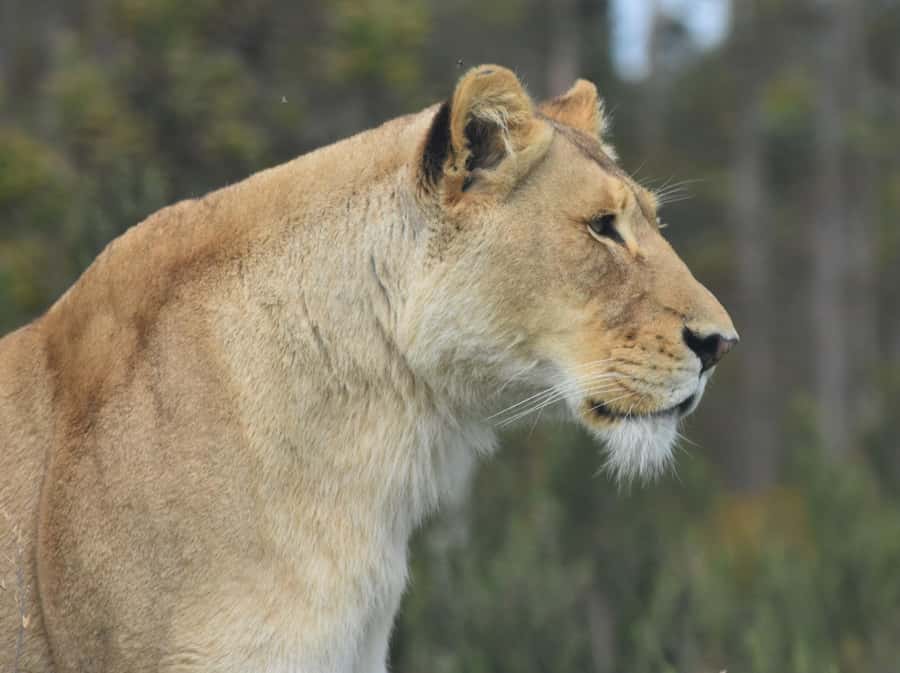
The main tour takes about one hour and moves through different habitats. Your guide explains the animals as you go, rather than leaving you to read signs and guess what you are seeing.
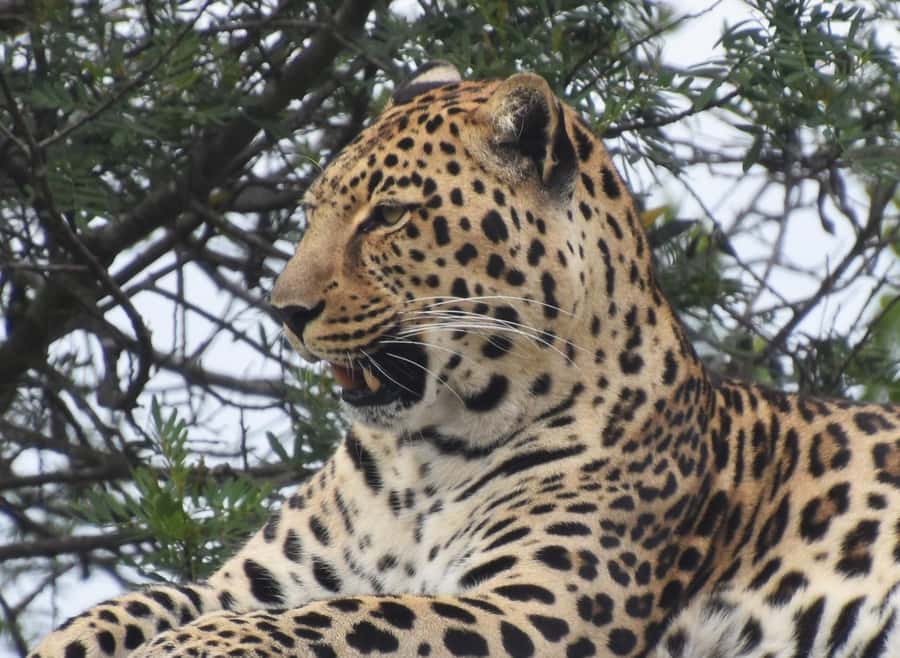
The lion will likely draw the most attention, but the tour covers several cat species. Leopards offer a reminder that African cats are not all open-country hunters. Cheetahs bring a different story, with their distinctive build and speed-focused way of life. Servals and caracals are especially useful to see in person because their names are familiar to many people, while their appearance and behaviour are less so.
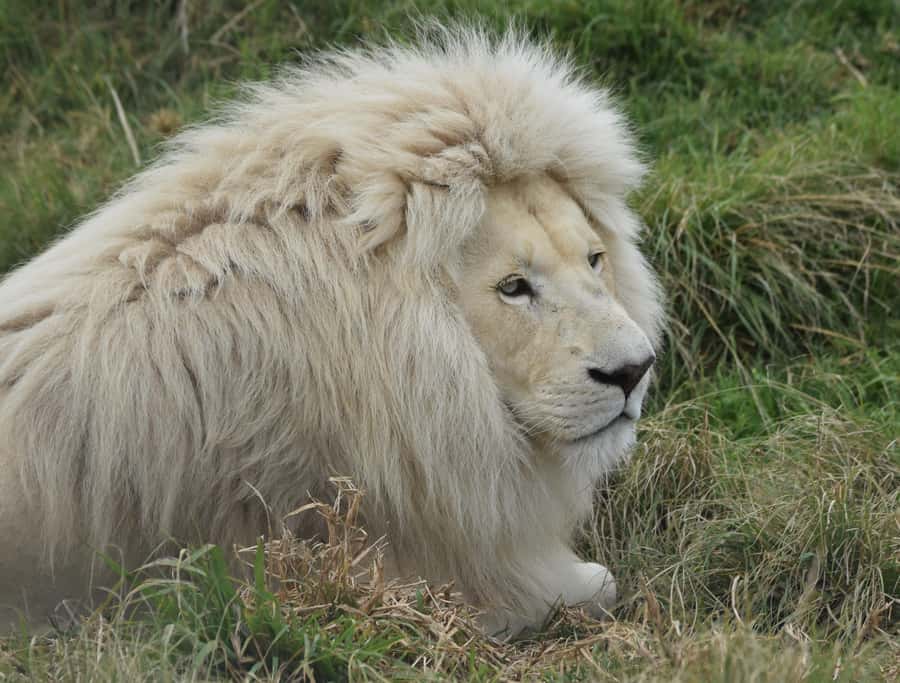
You may also see the centre’s magnificent white lion. This is one of the clearest photo opportunities in the advertised experience, though you should keep your expectations sensible. Animals move, rest, hide, and choose their own position. The guide can help you spot them and may make extra effort, but no ethical wildlife centre can promise a perfect pose.
That uncertainty is part of the difference between this visit and a display of captive animals arranged for photographs. You get a close view, but not a guaranteed performance.
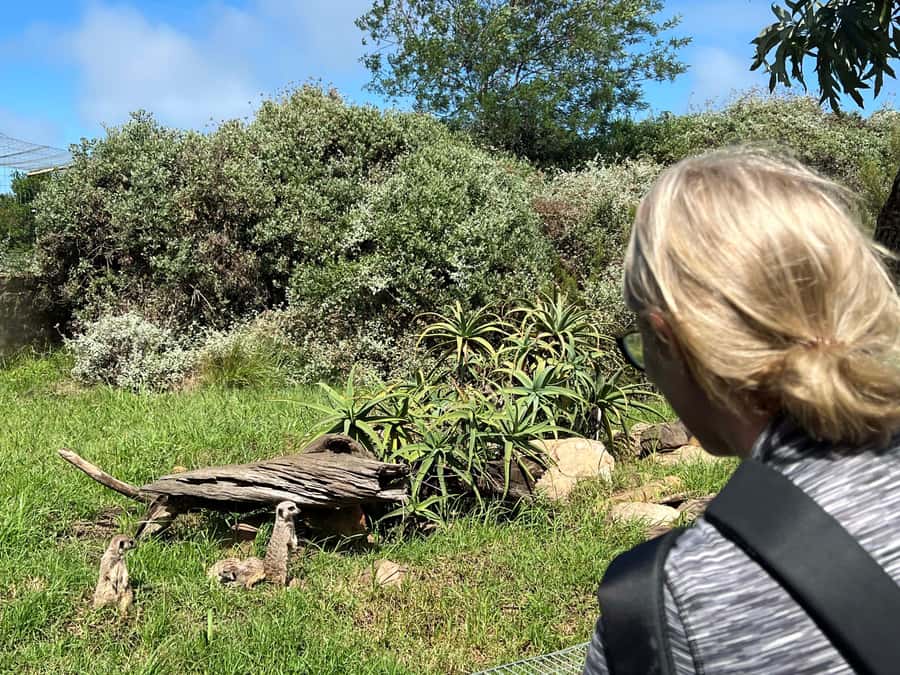
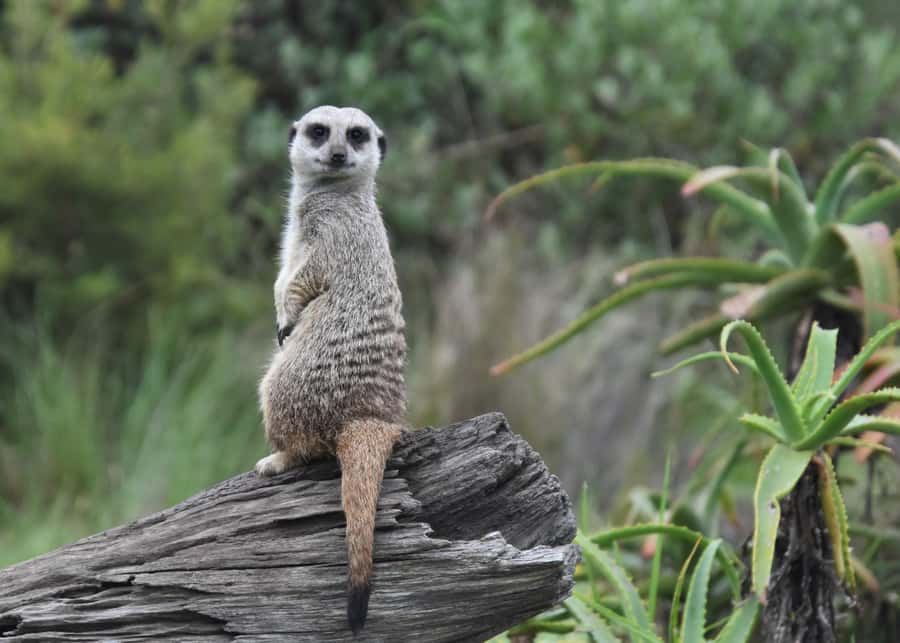
The route also includes other creatures. Meerkats can provide a change of scale after the big cats, while the marabou stork and Blue Crane broaden the visit beyond mammals. The Blue Crane is particularly meaningful because it is South Africa’s national bird, and seeing it here adds a local detail many visitors would otherwise miss.
A few more tours in South Africa worth putting side by side
- Cape Town: Robben Island Ferry Ticket and Guided Prison Tour
★ 4.1 · 1,792 reviews - Soweto /Johannesburg and Apartheid Museum Guided Full Day Tour
★ 5.0 · 932 reviews - Cape Town: Table Mountain Hike with an Expert Guide
★ 4.9 · 666 reviews - Soweto: Walking Tour with a Local Guide and Lunch
★ 4.9 · 648 reviews
The guides are the heart of the experience
The animals are the reason you arrive, but the guide determines how much you take away. Tenikwa’s guides have received especially strong praise for explaining the centre’s purpose, answering questions, and sharing the background of individual animals.
Several guide names come up in the feedback: Wazi, Davidson, Bongiwe, Daniel, and guides who have worked at the centre for many years. One guide had twelve years of experience at Tenikwa, while another extended a tour by about twenty minutes to explain more. Those details suggest a staff that knows both the animals and the centre’s work well.
I would ask questions as you walk. The most useful information is not simply the name of each species. Ask how an animal came into care, why it cannot be released, and what the centre is trying to achieve. That is where the visit moves from a photo stop to a conservation lesson.
The guides also seem to adapt well to different groups. Children can learn through the animals they already recognise, while adults can focus on rescue, rehabilitation, and the difficult choices involved in permanent care. One family described an upgraded experience in which the guide made extra effort to involve children, so families should encourage young visitors to ask questions rather than simply hurry from enclosure to enclosure.
Rain does not necessarily ruin the visit. One guest saw a range of cats during steady rain, and the tour continued with useful explanations. Still, weather may affect how active or visible the animals are, so bring sensible clothing even though comfortable shoes are the only required item listed.
Photography is good, but patience matters
The walkways let you photograph the cats from close range. That is a real advantage over a conventional safari, where an animal may be far away or partly hidden in grass.
You should bring a camera or phone, but treat photography as a bonus. The centre does not promise that every animal will face you, sit in perfect light, or remain near the walkway. If you spend the full hour chasing pictures, you may miss the guide’s best explanations.
The no-touch and no-feeding rules also improve the experience for photography. Animals are not being coaxed toward the camera, and you are not competing with other people trying to create a staged interaction. Leave the selfie stick at home, since it is specifically not allowed.
For the best result, listen first, watch the animals, and take pictures when the opportunity appears. A close portrait of the white lion may be the obvious goal, but a photograph of a serval, caracal, or Blue Crane could end up being the more distinctive memory.
What happens after the cat walk
The formal tour lasts one hour, but the full visit can take longer. After the wildlife viewing, the schedule allows around ten minutes for shopping and roughly thirty minutes for coffee, brunch, lunch, or local snacks.
The shop is useful if you want a small reminder of the centre or a conservation-themed purchase. The food stop gives you a chance to sit down and think over what you have seen. Food and drinks are not included in the $27 ticket, so budget separately if you plan to eat there.
This extra time also solves one weakness of the short tour. An hour is enough for a clear introduction to the cats, but it is not enough for a slow, all-day wildlife visit. Adding food afterward lets you make the centre part of a more relaxed stop instead of treating it as a rushed appointment.
Is $27 good value for one hour?
At $27 per person, the price is reasonable if you value a guided conservation visit and close access to several species. You are paying for the guide, the maintained viewing areas, and the chance to support a rehabilitation programme, not simply for admission to see one headline animal.
The value is strongest for first-time visitors to the region, families, and anyone interested in the difference between a sanctuary and a hands-on animal attraction. The guide’s explanations give the ticket more weight than an unguided walk around enclosures.
The price may feel less attractive if you want a long safari, a large open reserve, or guaranteed sightings of every listed species. The official route is only one hour, and animal behaviour remains unpredictable. You should also count the cost of getting there and any food you buy afterward because transport, meals, and drinks are not included.
Still, the strong overall score of 4.7 from 206 ratings fits the main strengths: caring staff, clear explanations, and a visit that feels focused on the animals. The most repeated praise goes to the guides and the centre’s welfare mission, not just the chance to take a photograph.
Who will get the most from this visit?
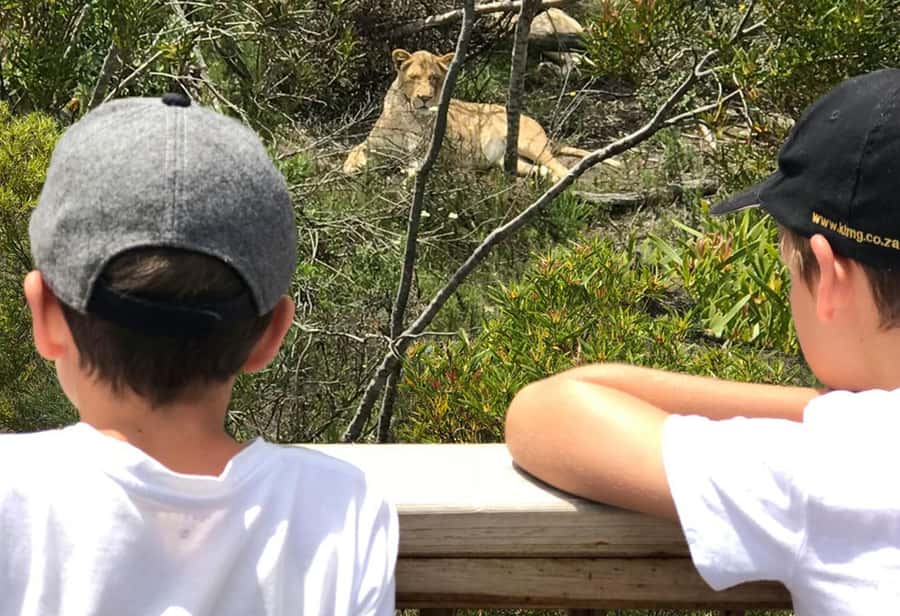
I would recommend the tour to you if you want a compact wildlife stop near Plettenberg Bay, especially if you are curious about African cats beyond the usual lion and leopard checklist. It is also a good choice for families because the route is short enough to hold children’s attention, while the guide can turn each animal into a lesson.
It suits photographers who want close views, provided they accept that the animals control the timing. It also suits people who prefer a conservation message and clear animal welfare rules over touching, feeding, or forced encounters.
You may want to skip it if you are looking for a full-day reserve experience, hotel transport, or a long and quiet photographic session. The tour is structured, brief, and guided. That is convenient for many visitors, but limiting for someone seeking a completely open-ended wildlife outing.
Free cancellation is available up to 24 hours before the start time, and you can reserve while paying later, which helps if your route around the Western Cape is still changing. Check the available starting times before building the rest of your day.
FAQ
Where does the wild cat tour begin?
The tour begins at Tenikwa Wildlife Rehabilitation and Awareness Centre. You check in at reception after following the Tenikwa signs from the N2.
How long does the guided tour last?
The guided wildlife tour lasts one hour. The schedule also allows about five minutes for a safety briefing, ten minutes for shopping, and thirty minutes for coffee, brunch, lunch, or local snacks.
Which animals can I see?
The tour includes African wild cats such as lions, leopards, cheetahs, servals, and caracals. You may also see a white lion, meerkats, marabou storks, and the Blue Crane.
Can I touch or feed the animals?
No. Visitors may get close to the animals from the walkways, but touching and feeding are not allowed.
Is the experience wheelchair accessible?
Yes, the activity is listed as wheelchair accessible.
What should I bring?
Bring comfortable shoes. Selfie sticks are not allowed.
Are food, drinks, and transport included?
No. Hotel pickup and drop-off are not included, and food and drinks are purchased separately at the centre.
Should you book the Tenikwa wild cat tour?
Book it if you want a short, well-guided introduction to South Africa’s wild cats with a clear focus on rescue and animal welfare. The strongest reason to go is not simply the white lion or the close photographs. It is the chance to understand why these animals live at Tenikwa and why responsible care sometimes means giving up the idea of release.
The one-hour format makes this easy to add to a Plettenberg Bay day, while the guides bring warmth and useful detail. I would allow extra time for food afterward, wear comfortable shoes, and arrive ready to watch rather than touch. If that sounds like your kind of wildlife experience, $27 is a sensible spend.
Newest reviews from South Africa
- Half-Day Lion and Safari Park Tour★ 5.0 · 5 reviews
- Explore Atlantis Sand Dunes with a 1hour 30mins sandboarding tour★ 5.0 · 5 reviews
- Durban Shore Excursion: Valley of 1000 Hills and PheZulu Tour★ 5.0 · 5 reviews
- Cango Caves Oudtshoorn Day Tour★ 5.0 · 5 reviews
- Transfer from Cape Town City Center to Cape Town Airport★ 5.0 · 5 reviews
- Pneuma private travel & tours, creating memories and friends never forgotten★ 5.0 · 5 reviews
- QUAD BIKE FUN RIDE IN PAARL, BATTLE BUNKER WITH WILDX★ 4.4 · 5 reviews
- Private Transfer: CPT Airport to Cape Town in Luxury Van★ 4.0 · 5 reviews
Wildlife, compared.
Big Five Game Reserve Wildlife Safari from Cape Town
Read our review →
2 Day South African Wildlife Tour with 4×4 Safari from Cape Town
Read our review →
Schotia Safaris: Best Wildlife Encounters in Port Elizabeth
Read our review →
2-Day Wildlife Tour with Safaris and Luxury Stay
Read our review →Browse the lists this tour appears in