
Reviewed · WILDLIFE
Cape Town: Marine Wildlife Tour from the V&A Waterfront
Wildlife can appear anywhere on Table Bay. This 90-minute eco-cruise combines close marine encounters with superb views of Table Mountain, Robben Island, and Cape Town’s working waterfront. I like the small-boat format, which puts you near the water and gives the crew a good chance to search for dolphins, seals, penguins, sunfish, and seasonal whales.
I also like the crew’s clear passion for local wildlife and conservation. Guides such as Francois and John have been praised for explaining animal behavior, Cape Town’s coastal ecology, and the area’s past. The main drawback is simple: nature makes no promises, and the low rear seats can make it harder to see or hear than from the raised seats toward the front.
In This Review
- Quick facts for planning your boat trip
- Finding the boat near the V&A Waterfront
- What the 90-minute cruise actually feels like
- Dolphins, seals, and penguins are the reliable stars
- Whales are seasonal, but not impossible outside winter
- Table Mountain and Robben Island look different from the sea
- The crew makes a major difference
- Seats, boarding, and comfort
- Is the $61 price fair?
- Who should book this Cape Town eco-cruise?
- FAQ
- How long is the Cape Town marine wildlife tour?
- Where does the tour meet?
- Is hotel pickup included?
- What animals can I see?
- When is the best time to see southern right whales?
- Are whales guaranteed?
- Is the tour suitable for children?
- Is the boat wheelchair accessible?
- What should I bring?
- Can I cancel the booking?
- Should you book it?
Quick facts for planning your boat trip
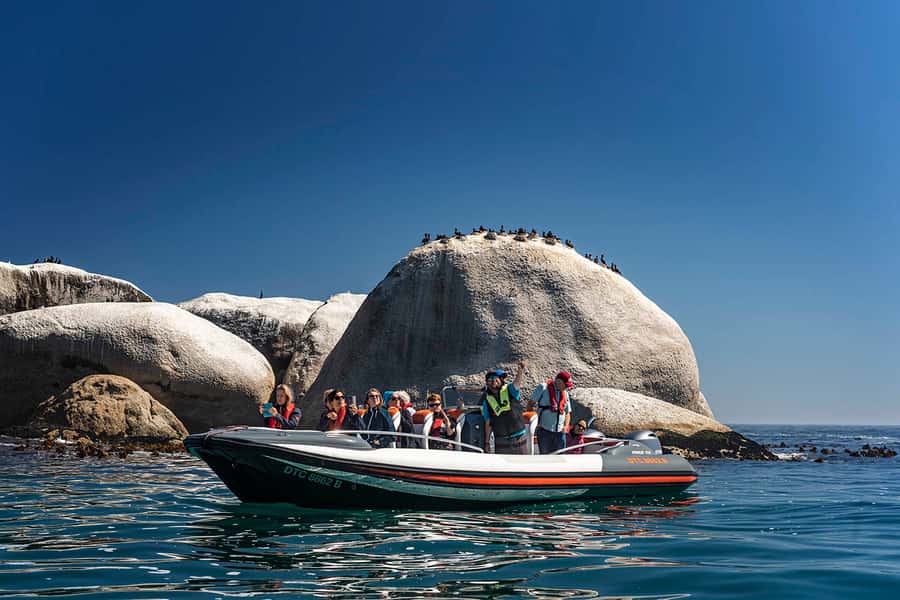
- 90 minutes on Table Bay: The cruise is short enough to fit into a busy Cape Town day, but long enough to travel beyond the immediate waterfront.
- Small, fast boat: The boat offers a more direct connection with the sea, though the ride can be bumpy and the front seats may get splashed.
- Wildlife changes by season: Southern right whales are most likely from June through November, but humpback and Bryde’s whales have appeared outside the main season.
- A full bay view: You can see Table Mountain and Robben Island from the water, a fine change from the usual city viewpoints.
- Pickup is optional: Hotel pickup and drop-off can be added, but city traffic may make the transfer much longer than expected.
- Best for active passengers: Boarding may be tricky, and the tour is not suitable for wheelchair users or people with mobility limitations.
Finding the boat near the V&A Waterfront
The meeting point is the African Eagle Marine Kiosk near the Victoria and Alfred Basin Swing Bridge. This puts you in the heart of the V&A Waterfront, where it is easy to combine the cruise with lunch, shopping, or a visit to another attraction.
If you choose the pickup option, allow extra time. The listed transfer is about 15 minutes each way, but traffic from Cape Town’s city center can stretch that journey considerably. One passenger reported spending about an hour getting from the CBD to the quay. For that reason, I would choose the meeting point yourself if you are already near the waterfront and want more control over your morning.
Arrive ready for an outdoor trip. Sunglasses, a sun hat, and sunscreen are specifically recommended. You should also expect wind and spray, particularly in the front rows and when conditions are breezy.
More wildlife trips in Cape Town:
- Big Five Game Reserve Wildlife Safari from Cape Town
★ 4.0 · 576 reviews - From Cape Town: South African Wildlife and Safari 2-Day Tour
★ 4.7 · 411 reviews - Ocean Wildlife Encounter in Cape Town
★ 5.0 · 307 reviews
What the 90-minute cruise actually feels like
The boat leaves the waterfront and begins scanning the waters of Table Bay. This is not a fixed sightseeing route with guaranteed stops. The skipper adjusts the course according to animal activity, weather, and what can be seen from the boat.
That flexibility matters. A good wildlife cruise is part search, part sightseeing, and part waiting for the right moment. You may spend several minutes watching seals near the jetties, then move farther out in search of dolphins or whales. The crew works to show you as much as conditions allow, but you should treat every sighting as a bonus rather than a promise.
The boat is described as a hydrofoil and is repeatedly praised for its speed and small size. The compact setup allows closer views of animals than a large sightseeing vessel might offer. It also means less shelter, lower seats at the back, and a stronger sense of every wave.
If you are prone to motion sickness, this is worth considering. The water may be calm, but several trips have been described as bumpy in poor weather. The ride is part of the fun for many families, especially children who enjoy the waves, but it may not suit everyone.
Dolphins, seals, and penguins are the reliable stars
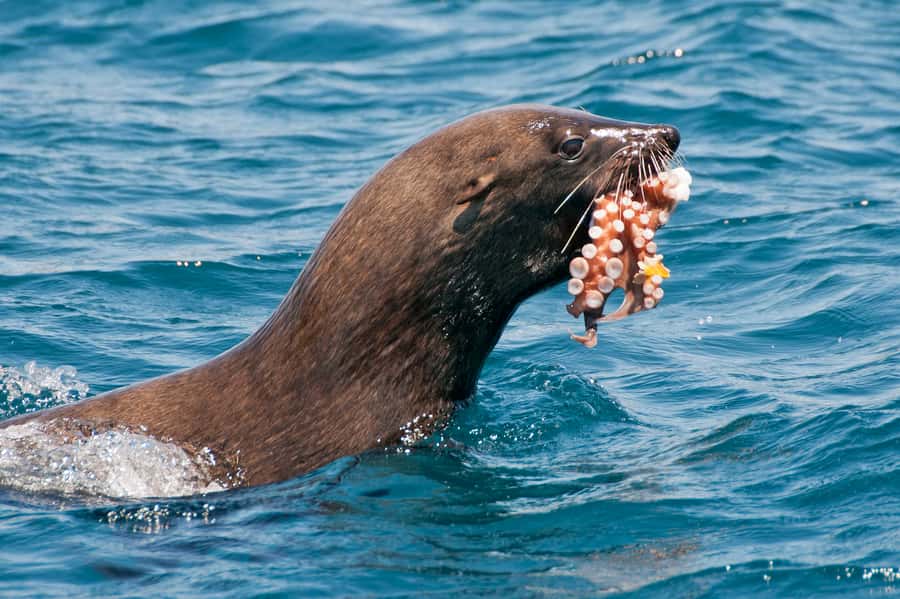
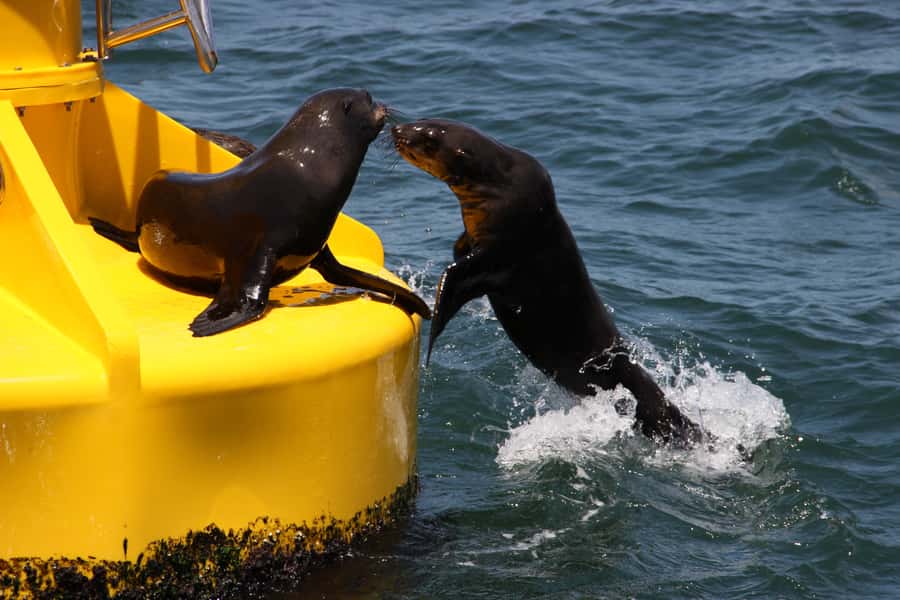
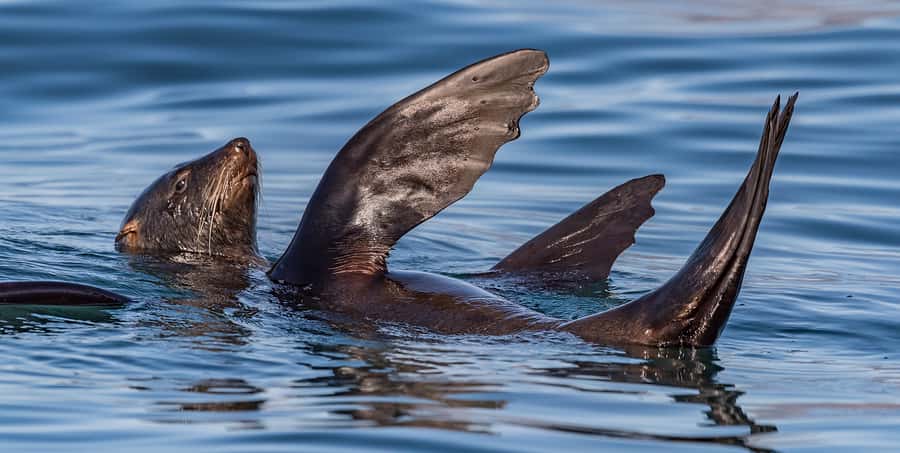
The most frequently enjoyed wildlife includes Cape fur seals, dolphins, and African penguins. Seals may be seen lounging around the waterfront jetties or resting close to the boat. Their relaxed behavior makes them a good early sighting, and they are often easier to spot than fast-moving dolphins.
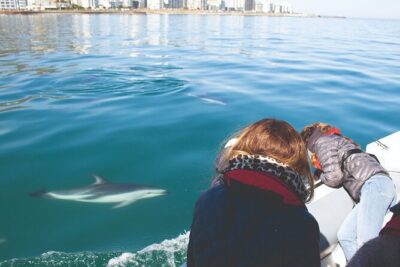
Dolphins are a different kind of thrill. You may see a few animals at a distance, or you may encounter a large pod surrounding the boat. Several trips recorded dolphins close to the vessel, with passengers watching them race alongside or break the surface in quick bursts.
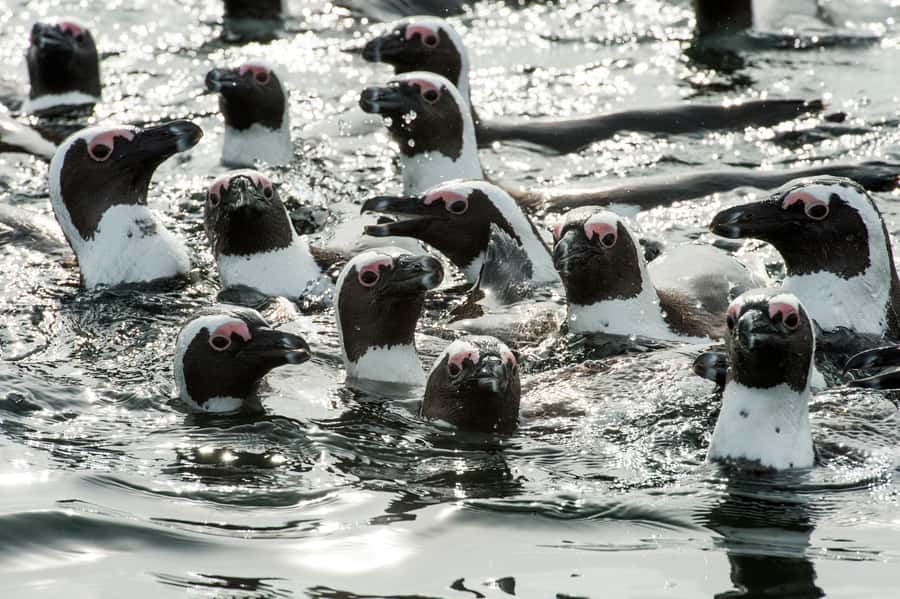
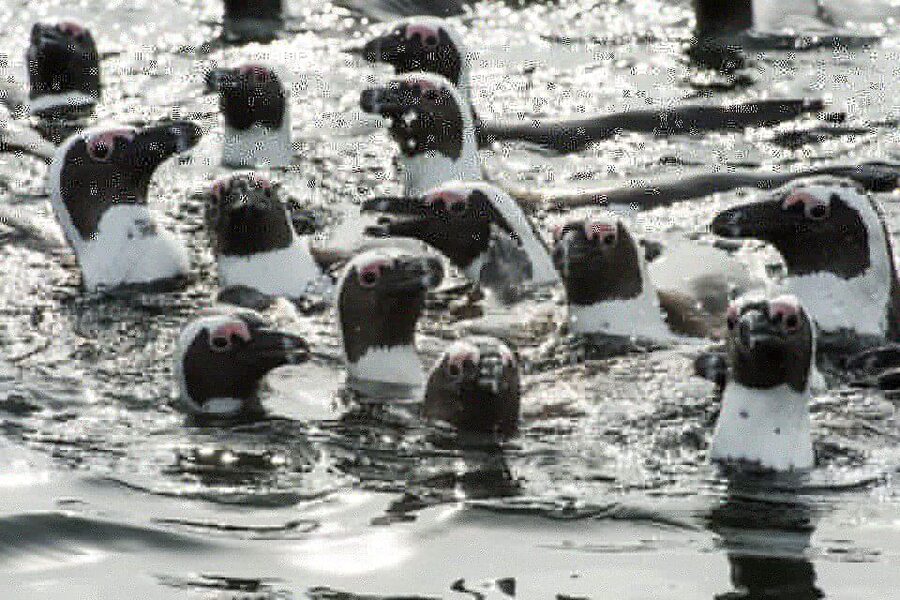
The crew may also take you toward areas where African penguins are feeding. You can watch them enter the water and return with fish for their breeding colony on Robben Island. That detail gives the sighting more meaning than simply checking penguins off a list. You are seeing part of the bay’s wider food system.
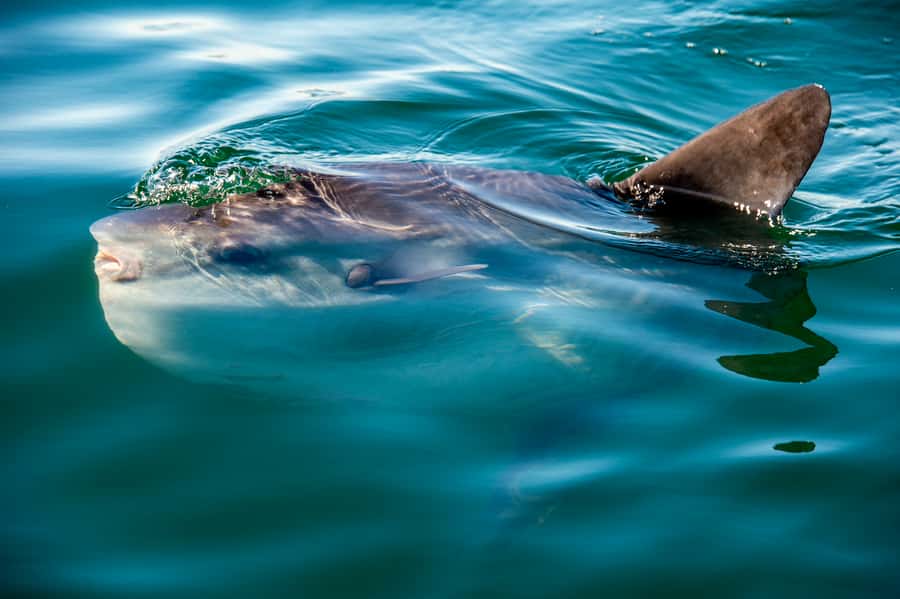
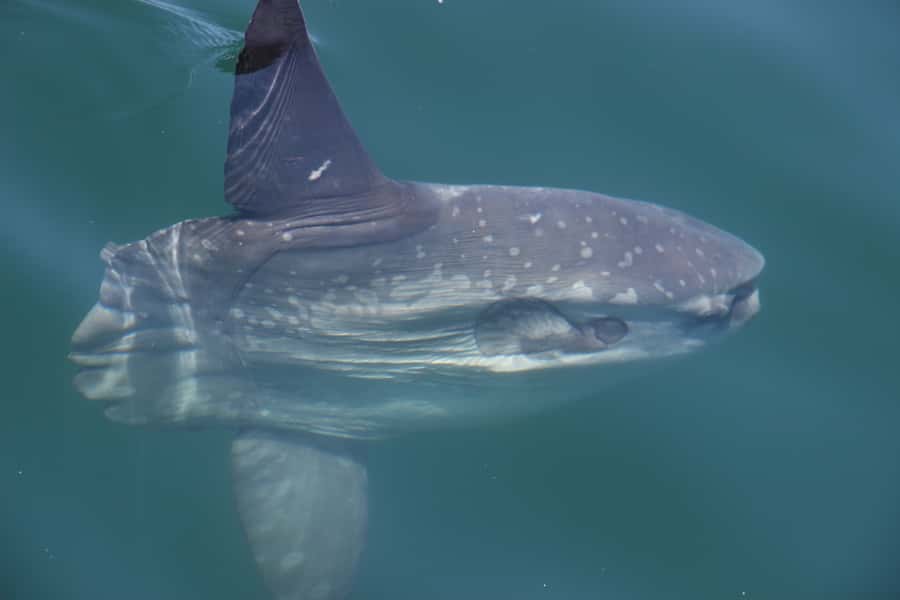
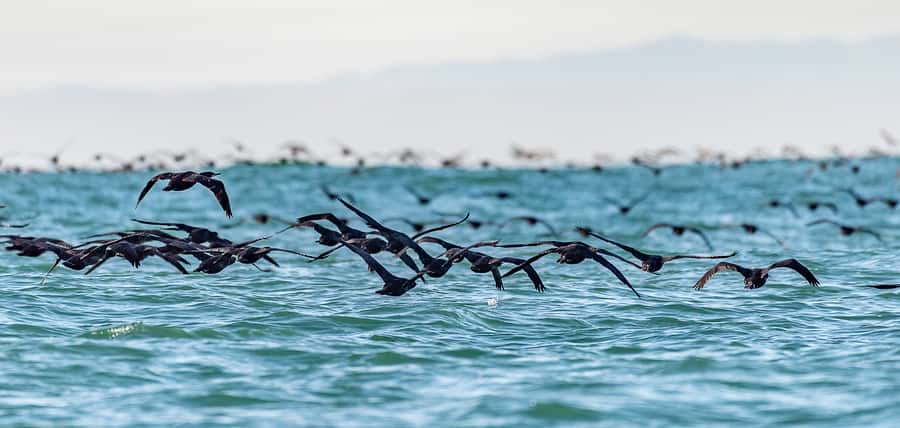
Other possible sightings include sunfish, jellyfish, cormorants, terns, gannets, and black-browed albatross. The sunfish is especially unusual. It is a large, strange-looking ocean fish that can appear near the surface, so keep scanning instead of watching only for whales.
Whales are seasonal, but not impossible outside winter
Southern right whales are most likely from June to November. That is the clearest period to plan around if whales are your main reason for booking.
Humpback and Bryde’s whales can also appear in Table Bay. Sightings have occurred in summer and early autumn, including reports of two or three humpbacks in February and March. That does not make those months a dependable whale season. It simply shows why the crew keeps looking even when the calendar is less favorable.
A whale encounter can be brief. You might see a blow, a back, or a tail before the animal disappears. On a fortunate trip, you may watch several whales at close quarters, including a mother and calf or a breaching young whale. The skipper’s local knowledge helps, but the animal decides the schedule.
This is where expectations matter most. A trip with seals, penguins, and dolphins can still be excellent without whales. One outing produced only distant dolphins, seals, and penguins, yet the guide continued searching and gave a full explanation of the bay. That is the right way to judge a nature cruise: by the effort, care, and overall setting, not by one target species.
A few more tours worth putting side by side
- Wine Tour: Paarl, Franschhoek & Stellenbosch incl 3 wineries
★ 5.0 · 3,940 reviews - Cape Town: Hop-On Hop-Off Bus Tour with Optional Cruise
★ 4.8 · 3,929 reviews - Cape Town: Cape of Good Hope & Penguins Day Tour with Pickup
★ 4.7 · 3,362 reviews - Zipline Cape Town – From Foot of Table Mountain Reserve
★ 5.0 · 3,179 reviews
Table Mountain and Robben Island look different from the sea
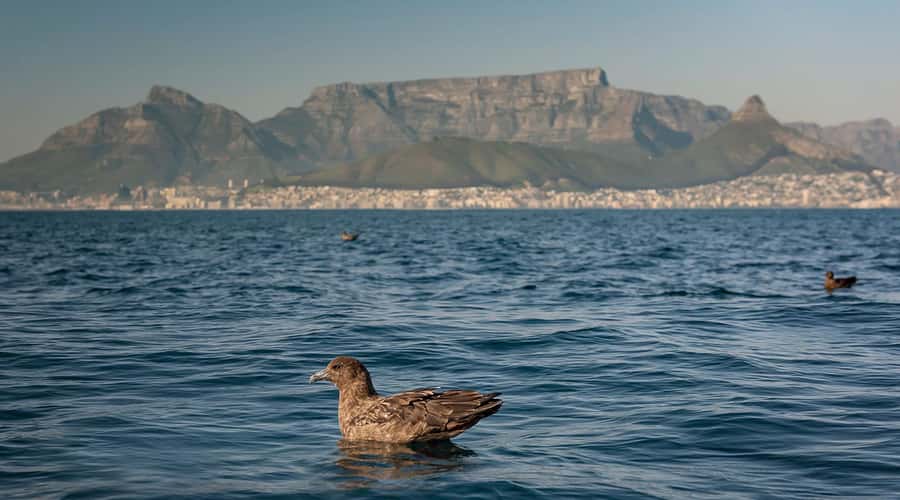
The wildlife is the main reason to book, but Cape Town’s views add real value. From the water, Table Mountain takes on a broader shape, and the city’s position between mountain and ocean becomes much easier to understand.
Robben Island also gains context when seen from Table Bay. The island is not simply a distant landmark on the horizon. The cruise helps you place it within the bay, alongside the waters where penguins feed and seabirds search for fish.
Several guides also explain local history while discussing the marine environment. That combination works well because the cruise is not just a chase for animals. You learn how the city, coastline, wildlife, and conservation efforts connect.
The view changes with the weather. Clear skies give you sharp mountain scenery, while gray conditions can make the bay feel more dramatic and open. Wind and cloud may reduce visibility, but they do not necessarily ruin the wildlife portion of the trip.
The crew makes a major difference
The strongest part of this experience is the crew’s attitude. Guides are described as friendly, funny, attentive, and eager to spend extra time searching when conditions permit. Captain Francois has been singled out for getting the boat into good positions, while John has been praised for his guiding.
The crew also appears careful around the animals. That is important on a wildlife cruise. You want a skipper who knows when to approach and when to give an animal space, rather than chasing every sighting for a better photograph.
A few practical issues are worth knowing. Commentary can be difficult to hear from the back, especially when the boat is moving or the wind picks up. One suggestion was for the guide to use a microphone. If you want the best chance of hearing the explanations, try to sit in a raised seat near the front, while remembering that the front is also where spray is most likely.
The crew may take photographs for the group, depending on the trip. Do not count on perfect images, though. Your own phone or camera should be secured carefully because the boat moves quickly and the water can be rough.
Seats, boarding, and comfort
This is an active boat trip, not a plush harbor cruise. Boarding may be awkward for some passengers, and the rear seats are lower than the raised seats toward the front. That difference affects both comfort and visibility.
Children over the age of two are allowed. Families have enjoyed the waves and the chance to see dolphins close to the boat, and the crew has been praised for helping children feel safe. Still, an adult should be ready to assist young children during boarding and while the boat is moving.
The experience is not suitable for wheelchair users or people with mobility impairments. It is also listed as unsuitable for people with heart problems. The operator can cancel or change the trip because of weather, with notice given one day before departure when possible.
Pets are not allowed. Bring sun protection, and consider a light waterproof layer if the forecast is windy. Even on a sunny day, the boat can feel cooler than the waterfront.
Is the $61 price fair?
At $61 per person, the cruise offers good value if you want both wildlife viewing and a water-level view of Cape Town. The 90-minute length is practical: it gives the crew time to travel and search, without taking half a day from a packed itinerary.
The value improves if you see several species. Dolphins, seals, penguins, seabirds, and a sunfish can make the outing feel varied even without whales. A whale sighting turns it into an exceptional deal, but it should not be the standard you use when deciding if the price is fair.
Optional hotel pickup adds convenience, especially if you are staying alone or far from the waterfront. It may not save time during heavy traffic, though. If you can reach the V&A Waterfront easily, meeting at the kiosk is likely the simpler option.
Meals and drinks are not included. That is easy to manage because the waterfront has plenty of places to eat before or after the cruise. Plan the boat trip as one part of a larger waterfront visit rather than expecting a full-day excursion with refreshments.
Free cancellation up to 24 hours before departure and the ability to reserve now and pay later make this easier to fit around a changeable Cape Town schedule. The weather policy is especially useful here, since the boat depends on safe conditions.
Who should book this Cape Town eco-cruise?
I would recommend it to you if you enjoy wildlife, short active excursions, and changing scenery. It works well for families with children over two, couples seeking a different view of the city, and solo visitors who appreciate optional hotel transport.
It is also a good choice if you have already seen Cape Town from land. The cruise adds a new angle on Table Mountain and Robben Island while showing how much life exists just beyond the waterfront.
I would be more cautious if you need step-free access, dislike small fast boats, or want a guaranteed whale encounter. The boat can be wet and bumpy, and the animals may stay far away on a particular morning.
For the best experience, choose the season that matches your priority. June through November gives you the strongest chance of seeing southern right whales. In other months, book for the whole bay experience, with whales treated as an exciting extra.
FAQ
How long is the Cape Town marine wildlife tour?
The boat portion lasts 90 minutes, or one and a half hours. If you select hotel pickup, allow additional time for the transfers.
Where does the tour meet?
Meet at the African Eagle Marine Kiosk near the Victoria and Alfred Basin Swing Bridge at the V&A Waterfront.
Is hotel pickup included?
Hotel pickup and drop-off are included only if you select that option. The return point is Cape Town City Centre.
What animals can I see?
Possible sightings include dolphins, Cape fur seals, African penguins, humpback whales, southern right whales, Bryde’s whales, sunfish, jellyfish, terns, gannets, cormorants, and black-browed albatross.
When is the best time to see southern right whales?
The best period is from June through November.
Are whales guaranteed?
No. This is a nature tour, so sightings depend on the season, weather, and animal activity. The crew searches for wildlife, but no species can be promised.
Is the tour suitable for children?
Children over two years old can join the tour. The boat may be bumpy, and children should be supervised during boarding and the ride.
Is the boat wheelchair accessible?
No. The tour is not suitable for wheelchair users or people with mobility impairments.
What should I bring?
Bring sunglasses, a sun hat, and sunscreen. A light waterproof layer may also be useful because you can get splashed, especially near the front of the boat.
Can I cancel the booking?
You can cancel up to 24 hours in advance for a full refund. The activity is also available with a reserve-now, pay-later option.
Should you book it?
Yes, if you want a lively 90 minutes on the water and can accept the uncertainty of wildlife viewing. At $61, the combination of close dolphin and seal sightings, possible penguins and sunfish, seasonal whales, and Cape Town’s mountain views makes this a solid value.
Choose a front raised seat if hearing the guide matters most, but bring protection from spray. Skip the hotel transfer if traffic is likely to slow you down. Most of all, book this for the bay itself, not just for whales. That mindset lets you enjoy the wildlife the sea offers on the day, while leaving room for the unforgettable bonus of a humpback breaking the surface beside the boat.
Newest reviews from Cape Town
- Explore Atlantis Sand Dunes with a 1hour 30mins sandboarding tour★ 5.0 · 5 reviews
- Transfer from Cape Town City Center to Cape Town Airport★ 5.0 · 5 reviews
- Pneuma private travel & tours, creating memories and friends never forgotten★ 5.0 · 5 reviews
- Cape Town Table Mountain and Peninsula Tour★ 5.0 · 5 reviews
- Private Transfer: CPT Airport to Cape Town in Luxury Van★ 4.0 · 5 reviews
- Cape Town Full Day Family Fun With Kids Private Tour★ 4.0 · 5 reviews
- Cape of Good Hope-Cape Point & Penguins from Cape Town★ 5.0 · 5 reviews
- Cape Town: Shark Cage Diving Tour (with Breakfast & Lunch)★ 4.8 · 5 reviews
Wildlife, compared.

Big Five Game Reserve Wildlife Safari from Cape Town
Read our review →
2 Day South African Wildlife Tour with 4×4 Safari from Cape Town
Read our review →

Schotia Safaris: Best Wildlife Encounters in Port Elizabeth
Read our review →
2-Day Wildlife Tour with Safaris and Luxury Stay
Read our review →Browse the lists this tour appears in