
Reviewed · WILDLIFE
Jukani Wildlife Sanctuary Admission with Guided Tour
Big cats make a strong first impression. At Jukani Wildlife Sanctuary in the Western Cape, you walk among rescued lions, tigers, leopards, jaguars, cheetahs, and pumas while a guide explains how they live and why they cannot return to the wild. I like the small groups of 16 or fewer, which make it easy to hear the commentary and ask questions. I also like that the entrance fee is prepaid, so you can go straight to the experience instead of spending part of your visit at the ticket counter. The main catch is timing: on hot days, many animals retreat into shade or shelters, leaving you with less to see.
This is a walking safari rather than a drive-through game viewing trip. You should expect a close look at animals living in permanent care, not a chance to see wild predators behaving naturally in open country. Guides such as Xola, Elvis, Riko, and Bazil have been praised for their warmth, patience, and strong animal knowledge, which matters here because the quality of the explanation adds much of the tour’s value.
In This Review
- Key details before you book
- What the 90-minute walk is really like
- Meeting the lions, tigers, leopards, and jaguars
- Smaller predators and South African animals
- Why the guide makes a difference
- Choosing the right time of day
- Is the $24.73 admission good value?
- Practical planning for families and photographers
- Getting there and handling the booking
- The conservation question behind the visit
- Should you book the Jukani guided tour?
- FAQ
- How long does the Jukani Wildlife Sanctuary tour last?
- What animals can I see at Jukani?
- Is admission included in the tour price?
- Is transportation included?
- Where does the tour start and finish?
- How many people can join the tour?
- What language is the tour conducted in?
- Should I book a morning or afternoon tour?
- Can children join the tour?
- Can I cancel for a full refund?
Key details before you book
- A 90-minute walking route: The guided visit takes about an hour and a half, although you should allow up to two hours overall.
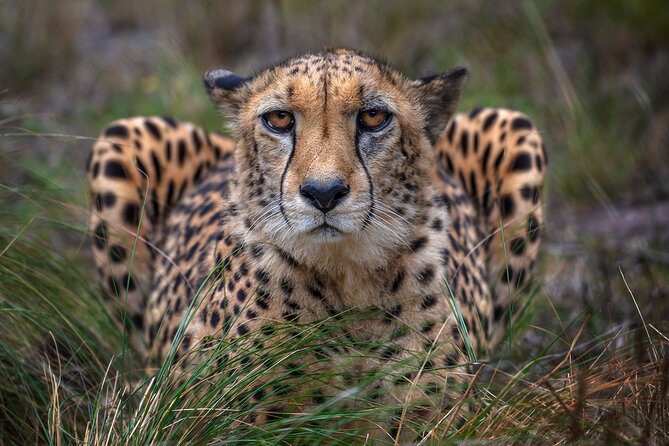
- Rescued big cats at the center: Lions, tigers, leopards, jaguars, cheetahs, and pumas are the main draw.
- A small group of no more than 16 people: You have a better chance to hear the guide and ask questions than on a large group outing.
- Late afternoon can be the smartest choice: Cooler conditions may encourage more animal activity, and feeding time can add interest.
- You pay about $24.73 per person: That includes admission and the guided experience, but not transport, food, or drinks.
- The visit begins and ends at Jukani: You must arrange your own way to N2, The Crags, 6600, South Africa.
What the 90-minute walk is really like
The visit starts at Jukani Wildlife Sanctuary, where you sign an indemnity form at reception before joining the guide. The route is on foot, so comfortable shoes and clothing suited to the weather are sensible. The sanctuary operates in all weather conditions, and the Western Cape sun can be fierce.
The guide leads you from enclosure to enclosure, pointing out the animals and explaining their biology, behavior, and conservation status. This is not simply a procession of cages and quick photographs. The useful part is learning why each animal is at Jukani and what sort of care it needs.
The central idea is permanent refuge. The animals have been rescued or rehomed from places that could no longer care for them. Some have been humanized, domesticated, or mistreated, which means release into the wild would not be safe or realistic. The enclosures are designed around the needs of individual animals, allowing them to explore a more natural setting while remaining protected.
That context changes how you view the visit. You are not watching a wild lion stalk prey across a reserve. You are seeing an individual animal that may have had a difficult past and now has a secure home. For me, that makes the guide’s explanation just as important as the animal sighting itself.
More wildlife trips:
- Cape Town: Marine Wildlife Tour from the V&A Waterfront
★ 4.6 · 1,118 reviews - Big Five Game Reserve Wildlife Safari from Cape Town
★ 4.0 · 576 reviews - From Cape Town: South African Wildlife and Safari 2-Day Tour
★ 4.7 · 411 reviews
Meeting the lions, tigers, leopards, and jaguars
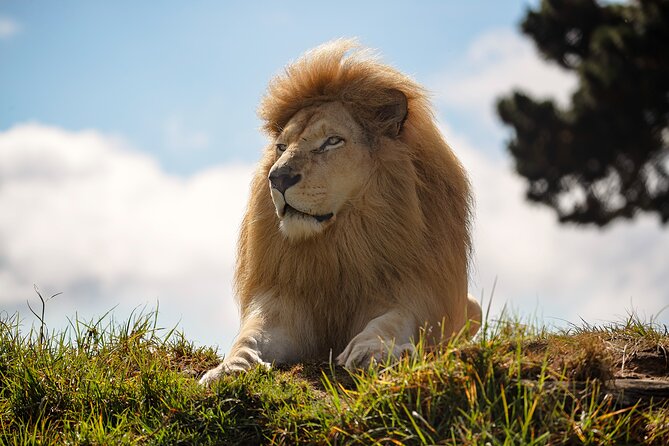
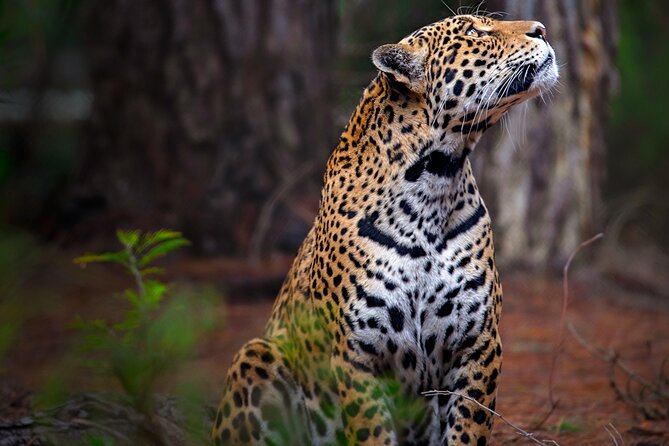
The big cats are the headline act. You may see lions, tigers, leopards, and jaguars at close range, often with clear viewing points that help you study their size, markings, and behavior.
The cats are housed in large areas with shade and spaces where they can move away from people. That is good for animal welfare, but it creates a viewing trade-off. A sanctuary cannot force an animal to perform for a crowd. If a tiger chooses to rest in a hut, you may see only part of it, or perhaps not see it at all during that portion of the walk.
This is especially important in warm weather. Late-morning visits can be disappointing if the heat sends animals out of sight. Some people have found that only a few cats were visible during a hot visit, while afternoon timing produced a better experience.
For that reason, I would choose a later tour when possible. Arriving around 3 p.m. has been recommended for cooler conditions and a chance of seeing feeding activity around 3:30 to 4 p.m. Feeding is not guaranteed as part of the published tour, so treat it as a possible bonus rather than the main reason to book.
The viewing decks are useful for photography. They can give you a cleaner angle than a low fence, although photographers may still need manual focus to avoid focusing on the wire. Bring patience. A cat lying quietly in the shade can still make a fine photograph, and waiting may reward you when it moves into view.
Smaller predators and South African animals
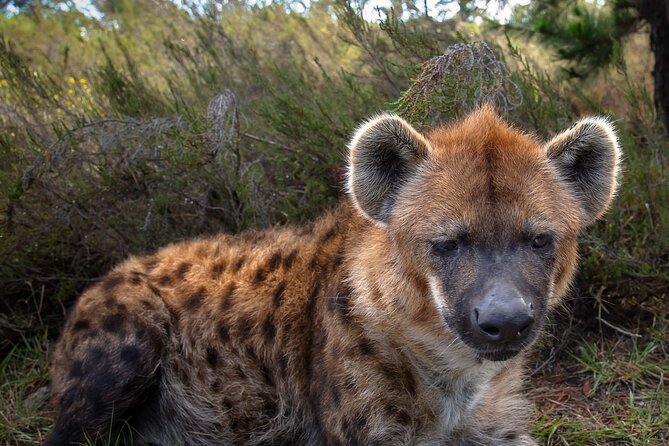
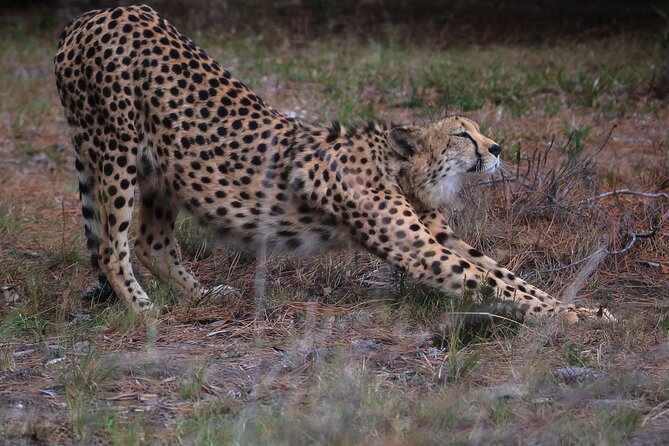
Jukani is not only a big-cat stop. The route also includes raccoons, honey badgers, caracals, zebras, springbok, and spotted hyenas. Cheetahs and tree-climbing pumas add variety to the walk.
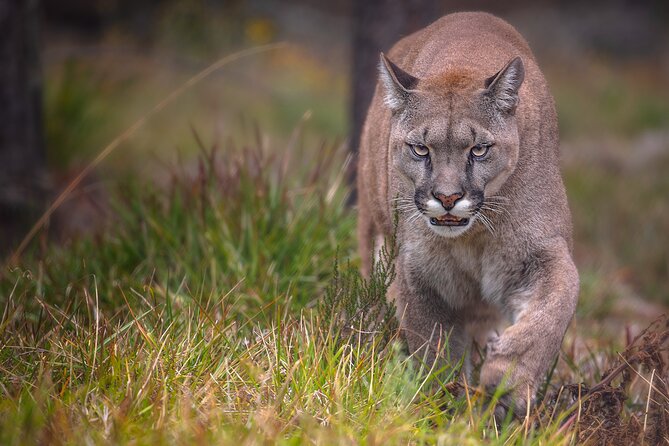
These animals help broaden the visit beyond the familiar lion and tiger lineup. The cheetah offers a look at a predator built for speed, while the puma’s agility and ability to climb make it a different sort of cat to watch. Caracals and honey badgers may be less famous, but they can be among the more interesting animals when the larger cats are resting.
The presence of zebra and springbok also gives the sanctuary a South African character. You are not seeing only exotic species in a collection of big-cat enclosures. The route includes animals associated with the region, along with predators from other parts of the world.
Because the tour is guided, you do not need to know where to look or how to tell one cat from another. The guide helps locate the animals and explains what you are seeing. That is useful when an animal blends into the background or stays partially hidden.
Why the guide makes a difference
The group limit of 16 is one of the best features of this activity. With fewer people, you can stand close enough to hear the guide and ask questions without shouting across a crowd. It also allows the group to pause when an animal is active or when someone wants more information.
The strongest guides bring energy without turning the tour into a performance. Xola has been praised for his enthusiasm and his ability to make conservation feel relevant to younger visitors. Elvis has been described as patient and helpful when locating animals. Riko has been praised for friendly, clear explanations during a family visit, and Bazil for adding useful detail at the viewing areas.
Guide assignments can change, so you should not book expecting one particular person. The consistent point is that the guide can turn a short walk into an educational visit. You learn not only what the animal is, but also why it lives at Jukani and what responsible care involves.
Children can stay engaged for the full 90 minutes, according to one family account involving children aged three and six. Still, children must be accompanied by an adult. If your child needs frequent breaks, remember that this is a continuous walking tour rather than a series of independent exhibits.
A few more tours worth putting side by side
- Knysna: 75-Minute Lagoon Boat Cruise
★ 4.5 · 445 reviews - Knysna: Sunset Lagoon Cruise
★ 4.5 · 217 reviews - Knysna: Close Encounter Whale Watching Tour by Boat
★ 4.6 · 207 reviews - Knysna Boat Cruise aboard Coquette
★ 5.0 · 152 reviews
Choosing the right time of day
Timing may determine whether this is a good value for you. The sanctuary operates throughout the day, with multiple tour times available, but animal activity changes with the weather.
Late morning can be hot. When temperatures rise, cats naturally seek shade and shelter. That is not a problem with the sanctuary itself, but it can limit your sightings. You may pay for four admissions and spend much of the hour seeing only a small selection of animals.
The late afternoon has several advantages. The air may be cooler, the cats may be more active, and feeding around 3:30 to 4 p.m. may provide extra movement. One visit arriving around 3 p.m. was considered particularly well timed.
I would avoid planning Jukani as your only major activity of the day. A one-and-a-half-hour tour is a useful addition to a Garden Route itinerary, especially if you are already visiting The Crags, but it is not an all-day safari. If you have spare time and want to learn about rescued animals, it fits well. If you expect hours of open-range wildlife viewing, you may find it too limited.
Is the $24.73 admission good value?
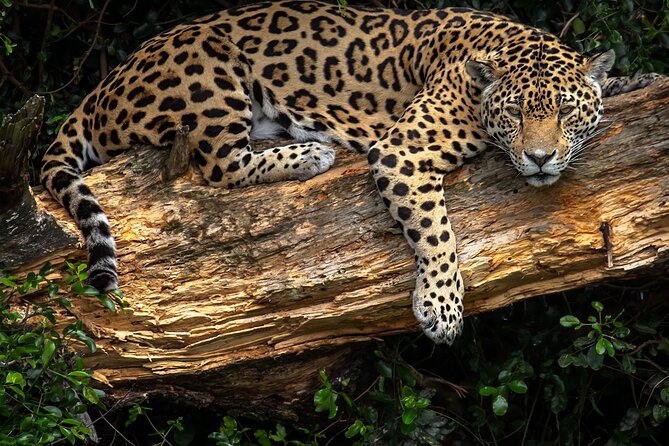
At about $24.73 per person, the price includes entrance and a professional local guide. It does not include transport, food, or drinks. That makes the cost fairly easy to understand: you are paying for access to the sanctuary and the guided walk, not a full-day excursion.
The value depends on how much you want the explanation. If you only want to look at animals, you can probably finish feeling that the visit is short. If you want to understand rescue work, animal behavior, and the difficult question of keeping animals that cannot be released, the guide adds real worth.
The small group also helps. A larger crowd might make the same 90 minutes feel rushed, while a group of 16 or fewer gives you time to stop and listen. Prepaid admission is a modest convenience, but it saves you from buying a ticket on arrival and helps keep the start of the visit simple.
There is a cafe near the farm animals, but food and drinks are not included. One account described it as expensive, so I would treat it as a place for convenience rather than a reason to visit. Bring suitable refreshments if you need them, while following the sanctuary’s rules.
Practical planning for families and photographers
Wear clothing that suits changing weather. The tour runs in rain or shine, so a light rain layer may help in wet conditions, while sun protection is important on hot days. An umbrella has been suggested for very sunny visits, especially because parts of the route may leave you exposed.
Photography is encouraged in the sense that the animals can be appreciated and photographed, and the viewing decks can help with pictures. Fences remain part of the setting, though. A camera with manual focus can help you focus on the animal instead of the barrier.
For families, the tour length is manageable. Children may enjoy the variety of animals and the close viewing areas, but adults should be ready to keep them near the group and attentive to the guide. There is no promise that every animal will be visible, so it helps to explain that the cats are not performers.
Most people can participate, but the activity is a walking tour. The supplied details do not specify an accessibility arrangement, so you should contact Jukani directly if you have mobility concerns or need a particular route setup.
Getting there and handling the booking
You meet at Jukani Wildlife Sanctuary on N2 in The Crags, postal code 6600, South Africa. The activity ends back at the same meeting point, and transportation to or from the sanctuary is not included.
A mobile ticket is provided, which is handy for a road-trip stop. Confirmation arrives at booking, and the experience is commonly reserved about 12 days ahead. That advance pattern suggests you should not leave a preferred afternoon time until the last minute, especially during a busy holiday period.
Tours are conducted in English. Afrikaans tours can be arranged, but you should request that option rather than assume it will be available at every departure.
The cancellation terms are straightforward. You receive a full refund if you cancel at least 24 hours before the local start time. Cancellations or changes inside that 24-hour window are not accepted for a refund.
The conservation question behind the visit
Jukani raises a question that many animal attractions avoid: what should happen to animals that cannot safely return to nature? The answer here is permanent care in enclosures built around their individual needs.
That does not make the setting identical to the wild. It does give rescued animals a protected home when release is impossible. The visit is most worthwhile when you approach it with that distinction in mind.
You may leave thinking harder about zoos, private ownership, and the consequences of treating wild animals as pets. The guide’s role is important because the stories behind the animals can otherwise be easy to miss. This is an animal-rescue experience first, and a photo opportunity second.
Should you book the Jukani guided tour?
I would book it if you want close views of big cats, an informative guide, and a short activity that fits neatly into a Western Cape road trip. It is particularly suitable for families, animal lovers, photographers, and anyone interested in rescue work.
Choose a late-afternoon departure when possible, and plan for weather rather than perfect animal activity. If your main goal is to watch predators behaving freely in the wild, choose a true safari instead. If you can accept a sanctuary setting and want to understand why these animals need permanent care, Jukani offers solid value for its price.
FAQ
How long does the Jukani Wildlife Sanctuary tour last?
The guided walking safari lasts about 90 minutes. You should allow roughly one to two hours for the visit overall.
What animals can I see at Jukani?
The sanctuary is home to lions, tigers, leopards, jaguars, cheetahs, pumas, raccoons, honey badgers, caracals, zebras, springbok, and spotted hyenas.
Is admission included in the tour price?
Yes. The experience includes the sanctuary admission ticket and a professional local guide.
Is transportation included?
No. You must arrange your own transportation to and from Jukani Wildlife Sanctuary.
Where does the tour start and finish?
It starts at Jukani Wildlife Sanctuary, N2, The Crags, 6600, South Africa. The activity finishes back at the same meeting point.
How many people can join the tour?
The tour has a maximum of 16 participants.
What language is the tour conducted in?
Tours are conducted in English. Afrikaans tours can be arranged.
Should I book a morning or afternoon tour?
Late afternoon may be preferable because animals can be less active during the heat of the day. Feeding may take place around 3:30 to 4 p.m., but this should not be treated as guaranteed.
Can children join the tour?
Yes, but children must be accompanied by an adult.
Can I cancel for a full refund?
Yes. You must cancel at least 24 hours before the experience start time for a full refund. Cancellations or changes made less than 24 hours before the start time are not refunded.
Newest reviews from Knysna
- Knysna: 1.5-Hour Sailing Experience★ 4.9 · 5 reviews
- The Original Knysna Township Tour★ 5.0 · 6 reviews
- Knysna Sunset Cruise aboard Coquette★ 5.0 · 6 reviews
- Knysna Scootours★ 4.5 · 8 reviews
- Knysna: Sightseeing Cruise on Coquette★ 4.7 · 9 reviews
- Knysna Oyster Tour★ 4.5 · 9 reviews
- Knysna: 2.5-Hour Day Sail & Lunch Charter★ 4.8 · 9 reviews
- Sunset Boat Cruise on Bella Vita Champagne Lounger★ 5.0 · 11 reviews
Wildlife, compared.

Big Five Game Reserve Wildlife Safari from Cape Town
Read our review →

2 Day South African Wildlife Tour with 4×4 Safari from Cape Town
Read our review →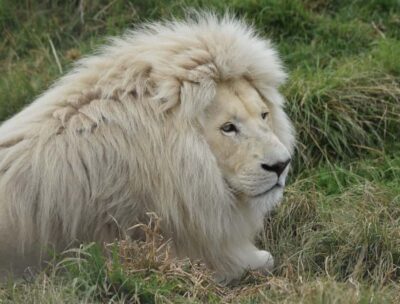

Schotia Safaris: Best Wildlife Encounters in Port Elizabeth
Read our review →
Browse the lists this tour appears in