
Reviewed · APARTHEID MUSEUM TOURS
Half Day Soweto and Apartheid Museum Guided Tour
Soweto tells its story face to face. I like the way this tour pairs the Apartheid Museum with a guided walk through Motsoaledi informal settlement, giving you both the national story and a glimpse of everyday community life. I also like the focus on places tied to real people and events, from Mandela House to the Hector Pieterson Museum and the 1976 student uprising.
The $117 price is fair if you value hotel pickup, an English-speaking guide, transport, and admission to the Apartheid Museum and Mandela House. The main consideration is time: 4.5 hours covers a lot, and the Apartheid Museum alone deserves a calm two-hour visit. The Hector Pieterson Museum costs an additional 160 ZAR, and lunch at Sakhumzi Restaurant is optional.
In This Review
- Key points to know before booking
- Why this Soweto tour works well in half a day
- FNB Stadium and the first look at Soweto
- Walking through Motsoaledi informal settlement
- Orlando Towers and Soweto’s changing identity
- Vilakazi Street, Mandela House, and a street of political history
- Hector Pieterson Museum and the 1976 uprising
- Lunch at Sakhumzi Restaurant
- Two hours inside the Apartheid Museum
- Guides make the difference
- Is $117 a good value?
- Who should book this experience?
- Should you book the Soweto and Apartheid Museum tour?
- FAQ
- How long does the Soweto and Apartheid Museum tour last?
- Is hotel pickup included?
- Is the Apartheid Museum admission included?
- Do I need to pay extra for the Hector Pieterson Museum?
- Is lunch included?
- Is the tour suitable for wheelchair users?
Key points to know before booking

- Motsoaledi informal settlement: Walk with your guide through sandy streets, past homes and a day care center, with opportunities to greet residents respectfully.
- Two Nobel Peace Prize laureates: Vilakazi Street is famous as the former home street of Nelson Mandela and Archbishop Desmond Tutu.
- Apartheid Museum included: You receive admission and about two hours to explore its powerful exhibits at your own pace.
- Hector Pieterson Museum costs extra: Budget 160 ZAR if you want to visit this important site about the 1976 Soweto uprising.
- Guides add much of the value: Nor was praised for first-hand community insight, while Neo was praised for energy, charm, and historical knowledge.
- Not suitable for wheelchair users: The walking portion and settlement visit require you to be comfortable on foot.
Why this Soweto tour works well in half a day
Johannesburg and Soweto are not places I would want to see only through a vehicle window. The history is too personal, and the important sites are spread across a large urban area. A guided half-day trip gives you a useful framework without asking you to plan complicated transport between museums and neighborhoods.
This experience begins with pickup at your Johannesburg hotel lobby. You travel in an air-conditioned vehicle with bottled water and WiFi on board, while an English-speaking driver-guide explains what you are seeing. That arrangement matters here because the value is not simply getting from one stop to another. The guide supplies the links between apartheid policy, township life, protest, political leadership, and present-day South Africa.
You should expect a full morning or afternoon rather than a slow, leisurely outing. The schedule includes several short stops, a one-hour lunch option, and about two hours at the Apartheid Museum. It is a good fit if you want a strong introduction to Soweto and apartheid-era history, but less suitable if you prefer to spend half a day at one museum or wander without a fixed route.
More Museums in Johannesburg
- Soweto /Johannesburg and Apartheid Museum Guided Full Day Tour
★ 5.0 · 932 reviews - Jo’berg in 1 Day: Soweto, Apartheid Museum & City Tour
★ 4.8 · 524 reviews - Johannesburg: Full-Day Tour with Soweto and Apartheid Museum
★ 4.8 · 478 reviews
FNB Stadium and the first look at Soweto
One of the opening sights is FNB Stadium, also called Soccer City. It hosted the opening ceremony and final match of the 2010 FIFA World Cup, so it gives the tour a modern point of reference before the focus turns to older and more painful chapters of South African history.
The stadium visit is sightseeing rather than a full stadium tour. You will see it from the vehicle, with around 15 minutes assigned to the opening sightseeing portion of the route. That is enough for context and photographs, but you should not expect access to the stands or behind-the-scenes areas.
The vehicle then passes Chris Hani Baragwanath Academic Hospital, one of the world’s largest hospitals. There is no formal stop, but your guide provides background on its importance and its role in serving millions of people. This is a short moment, yet it helps you see Soweto as a living urban community, not just a collection of memorials and political landmarks.
Walking through Motsoaledi informal settlement

The visit to Motsoaledi is the tour’s most direct community encounter. You leave the vehicle for a guided walk along sandy streets, passing local homes and a typical day care center. You may greet residents and gain a closer view of daily life and the practical difficulties faced by people living in an informal settlement.
This part requires tact. You are entering a residential area, not a staged attraction, so follow your guide’s lead about photographs, conversation, and personal space. The presence of a local guide is especially important here. It gives the visit structure and helps prevent the experience from becoming a quick, uncomfortable photo stop.
The settlement walk also changes the way you understand the museums later in the day. Apartheid was not only a political system described in textbooks. Its housing, education, and economic policies shaped where people lived and what opportunities they had. Seeing the physical conditions of an informal settlement gives those subjects a more immediate human context.
Bring comfortable shoes and a sun hat. The route includes walking on sandy streets, and the combination of outdoor heat and a busy schedule can be tiring. This is one reason the tour is not suitable for wheelchair users.
Orlando Towers and Soweto’s changing identity

The route passes the Orlando Towers, two former power station structures now covered in colorful murals. Their current use includes extreme sports such as bungee jumping, and your guide explains how an industrial site became a recognizable symbol of urban culture and adventure.
You are not promised a bungee jump or an extended activity stop. The schedule allows about 15 minutes for viewing the towers, so treat this as a short sightseeing pause. Even so, the towers are useful because they show another side of Soweto. The area is connected to struggle and protest, but it is also a place where old structures acquire new uses and meaning.
The murals provide good photo opportunities, though the tour’s purpose is cultural and historical rather than an art-focused outing. I would pay attention to the guide’s explanation instead of treating the towers as a quick backdrop.
More apartheid history tours:
- Full-Day Soweto, Apartheid Museum and Lunch Tour
★ 5.0 · 410 reviews - Half Guided Day Tour of Soweto And Apartheid Museum
★ 5.0 · 356 reviews - Ultimate Johannesburg Soweto Experience with Apartheid Museum
★ 5.0 · 313 reviews - Soweto: Hop-On Hop-Off Bus, City Tour and Apartheid Museum
★ 4.5 · 250 reviews
Vilakazi Street, Mandela House, and a street of political history

Vilakazi Street is one of the tour’s essential stops. It is known as the only street to have been home to two Nobel Peace Prize laureates, Nelson Mandela and Archbishop Desmond Tutu. Walking here gives you a rare sense of how major national history can be tied to an ordinary residential street.
The visit to Mandela House lasts about 20 minutes and admission is included. The former home is now a museum with photographs, personal objects, and other items connected to Mandela’s life. The short visit offers an introduction rather than a full study of his career, but the setting makes the material especially direct.
I would listen closely here for the guide’s links between Mandela’s personal story and the wider anti-apartheid movement. The house works best when you understand it as a lived place, not just a shrine to a famous name. You will have time to see the main displays, but not unlimited time to read every caption.
Vilakazi Street is also a good place to slow down for a moment. The day moves quickly, and this is one of the few stops where the street itself carries as much meaning as the museum inside a building.
Hector Pieterson Museum and the 1976 uprising
The Hector Pieterson Museum and Memorial focuses on the Soweto uprising of 1976. School students protested against the apartheid government’s Bantu Education policy, and the museum explains the courage of the young people involved and the national impact of their resistance.
The subject is difficult, and the displays can be emotionally heavy. Photographs and historical exhibits show how a student protest became a turning point in the struggle against apartheid. This is not a light sightseeing stop, but it is one of the most important parts of the route for understanding why Soweto became such a powerful symbol of resistance.
The guided visit is planned for about 20 minutes, which is fairly brief for a museum with such serious material. Admission is not included, and the listed cost is 160 ZAR. You should confirm the current fee when booking or before entering, since prices can change. If the uprising is a major reason you want to visit Soweto, budget for the ticket and use the guide’s explanation to focus your limited time.
The museum pairs well with the Apartheid Museum later in the day. Hector Pieterson centers on a specific event and the role of young protesters, while the Apartheid Museum presents the broader political system and its collapse.
Lunch at Sakhumzi Restaurant
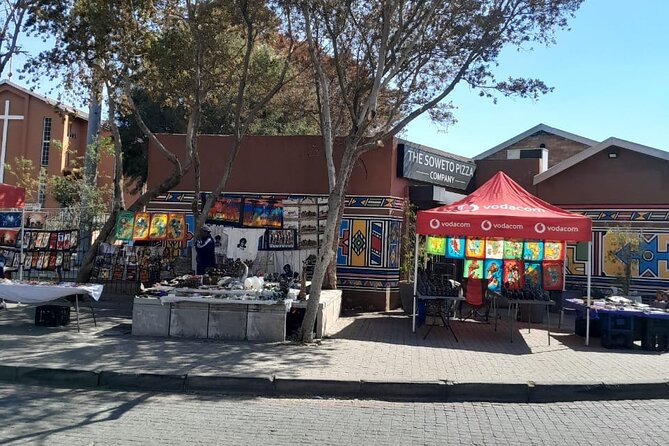
The lunch break is planned for about one hour, with Sakhumzi Restaurant offered as an optional choice. Lunch is not included in the $117 price, and alcoholic drinks are also excluded.
A one-hour meal gives you a chance to rest after the walking stops. It also keeps the schedule from becoming a string of museum interiors with no pause. You should keep an eye on the clock, though, because a long meal could reduce the time available for the Apartheid Museum.
Since no specific menu or meal price is provided, plan to pay separately. If you are watching your budget, ask the guide about the lunch arrangement and costs before ordering.
Two hours inside the Apartheid Museum

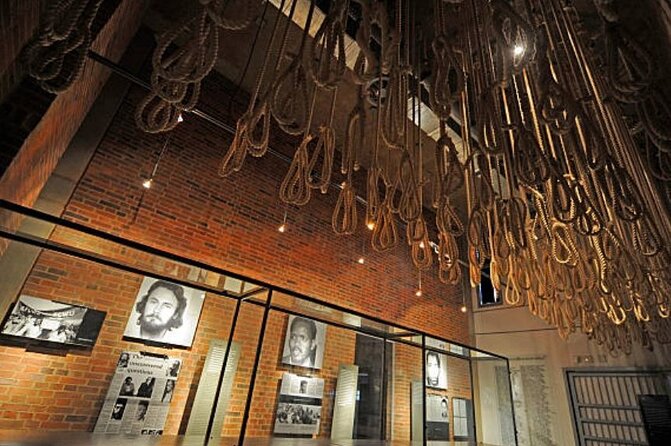
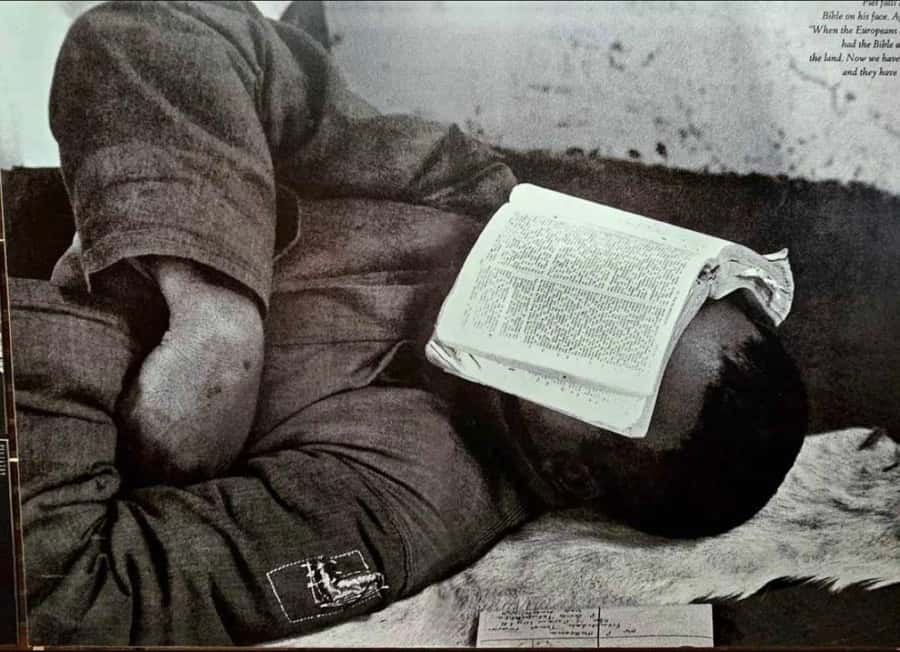
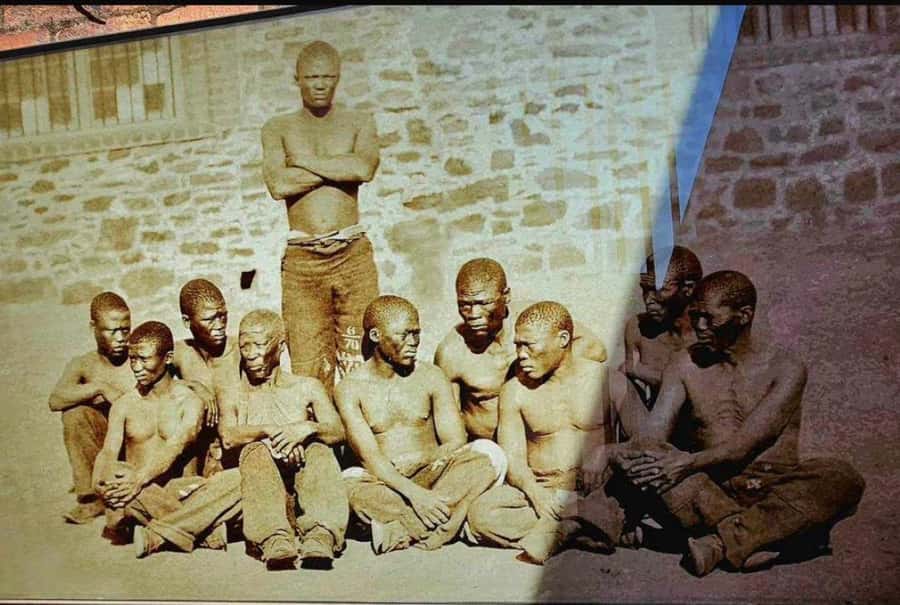
The Apartheid Museum is the tour’s longest and most substantial stop. Admission is included, and about two hours are set aside for a self-guided visit. You move through exhibits using photographs, objects, documents, and interactive displays that explain the creation, operation, and eventual end of apartheid.
The museum’s strength is its broad scope. After seeing a particular neighborhood, a former home, and a memorial to young protesters, you get the larger national story. The exhibits help explain how segregation and racial control became law, how those laws affected ordinary lives, and how resistance grew over time.
Two hours is a sensible amount of time for an introduction, but you may still need to choose what to read closely. Do not rush through the first galleries simply to reach the end. If political history is your main interest, this stop may feel short, especially after the earlier visits and lunch.
The museum is self-guided, so this is where the tour’s pace changes. Your guide gets you there and provides context during the drive, but you explore the displays independently. That can be an advantage because you can spend more time on the subjects that matter most to you.
The building and exhibits leave a serious impression. You should not expect a cheerful finale. The point is to understand the system and the long cost of it, while also recognizing the resistance that helped bring it down.
Guides make the difference
The strongest part of this experience is likely to be the person leading it. Kevin Fox specifically praised Nor for courteous service, first-hand experience within the community, and the ability to make the tour feel authentic. That is exactly the kind of guide you want for Motsoaledi and the historical stops.
Ian Leese praised Neo’s energy, charm, and local insight, especially during the explanation of the 1976 uprising and the museum visits. Other feedback also describes the organization and guiding as excellent, and one Italian-language comment highlights the guide’s friendliness and ability to explain many interesting historical facts.
Guide assignments can change, so you may not receive Nor or Neo. Still, their praise points to the qualities that matter: clear historical explanations, respectful community interaction, good pacing, and personal familiarity with Soweto. If you book, ask questions. This is not a tour where you should simply sit back and collect photographs.
Is $117 a good value?
At $117 per person, this is not the cheapest way to see Soweto. The price becomes easier to justify when you add up what is included: Johannesburg hotel pickup, an air-conditioned vehicle, an English-speaking driver-guide, bottled water, WiFi, Apartheid Museum admission, and Mandela House admission.
You also receive a route that would be difficult to organize efficiently on your own in 4.5 hours. The tour links FNB Stadium, the hospital, Motsoaledi, Orlando Towers, Vilakazi Street, Mandela House, Hector Pieterson Museum, lunch, and the Apartheid Museum. The guide’s local knowledge is particularly valuable for the community walk and for connecting separate historical sites.
The extra costs are modest but worth noting. Hector Pieterson Museum admission is 160 ZAR, while lunch and alcoholic beverages are separate. If you want a low-cost museum day, these additions may affect your final budget. If you want an organized first visit with transport and interpretation, the price is reasonable.
Free cancellation up to 24 hours before departure and reserve-now, pay-later booking also make the plan flexible. Pickup is included from your Johannesburg hotel lobby, but you should be ready at the stated time and wear shoes suited to walking.
Who should book this experience?
I would recommend this tour to first-time visitors who want a clear introduction to Johannesburg’s political history and Soweto’s communities. It suits history enthusiasts, cultural explorers, and anyone who wants more than a drive past famous landmarks.
It is also a good choice if you are staying in Johannesburg for a short time. The route covers several major sites without requiring you to arrange separate taxis, museum visits, and neighborhood stops.
You should think twice if you need wheelchair access, dislike walking on uneven or sandy surfaces, or prefer a slow museum visit. The schedule is tight, and the Motsoaledi stop asks you to engage with a residential community in a respectful, attentive way.
Families with older children and teenagers may find the museums meaningful, though the material about apartheid and the 1976 uprising is serious. Bring a camera if you wish, but bring patience and attention first.
Should you book the Soweto and Apartheid Museum tour?
Book it if you want history explained by a local guide and prefer a focused route over independent transport planning. The combination of Motsoaledi, Vilakazi Street, Mandela House, Hector Pieterson Museum, and the Apartheid Museum gives you both personal and national viewpoints.
I would choose it especially for the community context and the guides’ reported first-hand insight. Just budget for the Hector Pieterson entry and lunch, wear comfortable shoes, and accept that the Apartheid Museum may leave you wishing for more time. For a 4.5-hour introduction to Soweto and apartheid history, it offers strong coverage and useful human context.
FAQ
How long does the Soweto and Apartheid Museum tour last?
The tour lasts 4.5 hours, with pickup and return in Johannesburg. The schedule includes sightseeing, guided visits, lunch time, and about two hours at the Apartheid Museum.
Is hotel pickup included?
Yes. Pickup is included from the lobby of your Johannesburg hotel, and the tour returns you to Johannesburg afterward.
Is the Apartheid Museum admission included?
Yes. Admission to the Apartheid Museum is included, with approximately two hours for a self-guided visit.
Do I need to pay extra for the Hector Pieterson Museum?
Yes. Admission to the Hector Pieterson Museum and Memorial is not included. The listed additional price is 160 ZAR.
Is lunch included?
No. Lunch at Sakhumzi Restaurant is optional and paid separately. Alcoholic beverages are also not included.
Is the tour suitable for wheelchair users?
No. The experience is listed as unsuitable for wheelchair users, partly because it includes walking through Motsoaledi informal settlement. Comfortable shoes are recommended.
More Soweto Tours
- Johannesburg: Hop-On Hop-Off Bus with Optional Soweto Tour
★ 4.6 · 985 reviews - Johannesburg Hop-On Hop-Off City Tour with Soweto Option
★ 4.5 · 768 reviews - Half-Day Tour of Soweto Tour
★ 4.5 · 712 reviews - Soweto: Walking Tour with a Local Guide and Lunch
★ 4.9 · 648 reviews
Newest reviews from Johannesburg
- Arrival Private Transfer: Tambo Airport JNB to Johannesburg in Business Car★ 4.0 · 5 reviews
- Safari Experience at Rhino & Lion Park★ 3.5 · 5 reviews
- Johannesburg: Mandela Legacy Day Tour★ 5.0 · 5 reviews
- Cradle of Humankind and Maropeng Day Tour from Johannesburg★ 4.0 · 5 reviews
- Explore Soweto 8 Hour Tour with Lunch and Museum Visit★ 5.0 · 5 reviews
- 3 Day All Incl. Private Kruger Park Safari Incl. Transfer From Johannesburg★ 5.0 · 5 reviews
- Harties cableway Tour★ 4.5 · 5 reviews
- Pretoria Historical Tour★ 4.0 · 5 reviews
Apartheid Museum Tours, compared.

Soweto /Johannesburg and Apartheid Museum Guided Full Day Tour
Read our review →
Jo’berg in 1 Day: Soweto, Apartheid Museum & City Tour
Read our review →
Full-Day Tour with Soweto and Apartheid Museum
Read our review →
Full-Day Soweto, Apartheid Museum and Lunch Tour
Read our review →
Half Guided Day Tour of Soweto And Apartheid Museum
Read our review →
Ultimate Johannesburg Soweto Experience with Apartheid Museum
Read our review →
Soweto: Hop-On Hop-Off Bus, City Tour and Apartheid Museum
Read our review →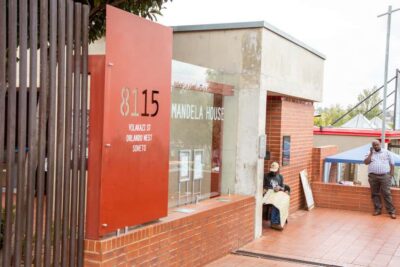
Johannesburg and Soweto Apartheid Full Day Tour w/Lunch
Read our review →Browse the lists this tour appears in