
Reviewed · APARTHEID MUSEUM TOURS
Full-Day Apartheid Museum and Soweto Tour
Johannesburg’s past comes into sharp focus here. This nearly eight-hour tour combines the Apartheid Museum with Soweto, Mandela House, and the Hector Pieterson Museum, giving you a clear route through South Africa’s painful past, democratic transition, and present-day identity. I like the strong historical structure, and I like that the tour reaches beyond a museum into the communities shaped by apartheid.
The small-group format, with no more than 12 people, should make it easier to ask questions and hear the guide. The main consideration is the long, serious nature of the day. You will spend hours confronting injustice, police violence, forced language policies, and social inequality, so this is not a light sightseeing outing. Lunch is also not included, though meal options are available during the day.
In This Review
- Key points before you book
- Why this Johannesburg tour matters
- Starting at the Apartheid Museum
- Seeing Soweto beyond a quick photo stop
- Mandela House and the personal side of history
- Remembering the 1976 student uprising
- The guide can shape the whole day
- Timing, transport, and what the price covers
- Who will get the most from this experience
- Should you book the Apartheid Museum and Soweto tour?
- FAQ
- How long does the tour last?
- Where does the tour start?
- Where does the tour end?
- Is pickup available?
- How many people can join the tour?
- Is the Apartheid Museum entrance included?
- Is lunch included?
- Can I cancel for a refund?
- Are service animals allowed?
Key points before you book
- A clear historical sequence: The Apartheid Museum begins the story, then Soweto and its museums show how those policies affected real communities.
- A maximum of 12 people: The small group size should allow more direct conversation with the guide than a large coach tour.
- Guide KG has earned strong praise: He is described as funny, well informed, concise, and willing to research an answer when needed.
- Three hours in Soweto: This is not just a quick drive-through. You have time to consider township life, social conditions, and local history.
- Mandela House remains in its original state: The visit offers a direct connection to the home where Nelson Mandela lived with his family.
- Good value at $86.72: The price includes an air-conditioned vehicle and Apartheid Museum admission, but not lunch.
Why this Johannesburg tour matters
Johannesburg can be difficult to understand if you only see its modern business districts, shopping centers, and major roads. Its present identity is tied closely to the country’s political past, and that past is not confined to a single museum building.
This tour gives you a useful order for the story. You begin with the apartheid system and the crimes carried out under it. Then you go to Soweto, where those policies shaped housing, movement, education, work, and family life. Mandela House and the Hector Pieterson Museum bring the national story down to specific people and places.
I like this structure because it gives you more than isolated facts. You first learn the system, then see the communities affected by it, then connect the story to Mandela and the 1976 student uprising. The day ends with a better sense of how South Africa reached democratic rule in 1994 without a civil war on the scale many feared.
This is also a useful choice if your time in Johannesburg is limited. You get several major historical sites in one outing, with transport handled by an air-conditioned vehicle. The tradeoff is that the schedule is full. You should expect a serious day with plenty of listening, moving, and processing.
More Full-Day Tours in Johannesburg
- Soweto /Johannesburg and Apartheid Museum Guided Full Day Tour
★ 5.0 · 932 reviews - Full Day Ultimate Pilanesberg National Park Safari from Johannesburg or Pretoria
★ 4.5 · 718 reviews - Johannesburg: Full-Day Tour with Soweto and Apartheid Museum
★ 4.8 · 478 reviews
Starting at the Apartheid Museum
The Apartheid Museum receives about two hours, and it is the foundation of the whole experience. Admission is included, which matters because the museum is one of the main reasons the tour offers value at its listed price.
Inside, you learn how apartheid operated in South Africa for many years. The focus is not only on official laws and political leaders. The museum also addresses the human cost, the atrocities committed, resistance to the system, and the work that led to its end.
I would pay close attention to how the museum explains the transition from apartheid to democracy. The point is not simply that apartheid ended in 1994. The more important question is how the country moved toward a new political order and achieved freedom without a terrible civil war.
Two hours is enough to build a strong foundation, though you should not expect to absorb every display at a slow pace. The museum deals with difficult material, and some visitors may want more time than the schedule allows. Still, beginning here makes the later Soweto visits far easier to understand.
The tour does not include lunch at this stage, but you have options after the museum. You may be able to eat at a local restaurant or wait for a meal in Soweto. If you prefer to keep the schedule moving, ask the guide how the food stop will fit into the day.
Seeing Soweto beyond a quick photo stop
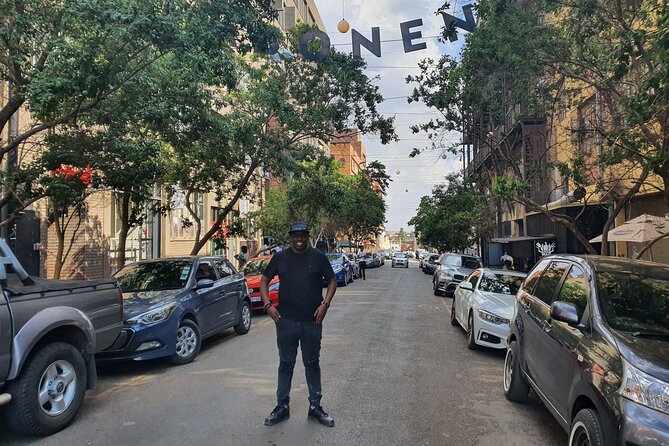
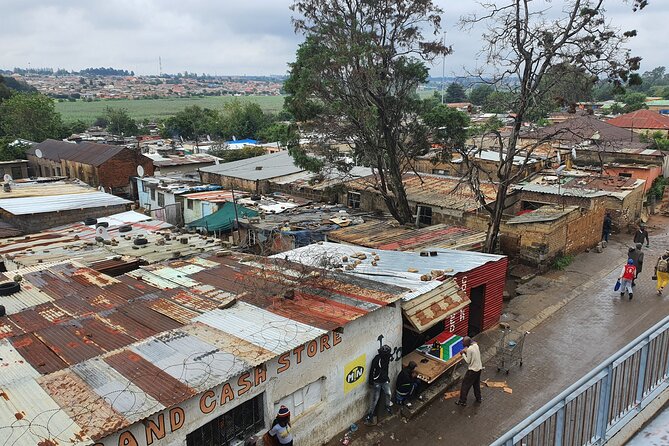
The Soweto portion lasts about three hours, making it the longest part of the tour. That time gives the area more weight than a short drive past a few famous addresses.
You learn about the history of townships and the social standards in those areas. The description is broad, so the exact route and conversation may depend on your guide and the day’s schedule. What is clear is that Soweto is treated as a place to understand, not simply a backdrop for photographs.
I appreciate this part of the tour because township history is central to understanding apartheid. Policies that look abstract in a museum affected where people could live, how communities developed, and what opportunities were available. In Soweto, those ideas become tied to an actual place.
The tour also gives you a chance to consider present-day South Africa. The purpose is not to pretend that democracy erased every social problem. Instead, the day connects the past with the country’s current situation and asks you to think about what changed and what remains difficult.
You should keep your expectations sensible. This is a guided introduction, not a complete study of Soweto or a long personal visit with local residents. The supplied details do not promise performances, shopping, or a special meal. You are booking the area for its history, social context, and connection to the national story.
Mandela House and the personal side of history
Mandela House receives about 40 minutes. That may sound brief, but the stop offers a personal counterpoint to the wider political story.
You visit the home where Nelson Mandela lived with his family in Soweto. The house has not been altered and remains in its original state, giving you a more direct sense of the domestic setting behind one of South Africa’s most important political figures.
I like the contrast here. The Apartheid Museum explains a system, while Mandela House brings the story into a family home. After hours of learning about laws, violence, resistance, and political change, this stop gives the day a human scale.
The home’s original condition is especially important. You are not visiting a newly created replica or a heavily redesigned attraction. The limited 40-minute stop means you will need to stay focused, but it should be enough to see the house and understand its place in Soweto’s story.
This is also one of the places where you may be able to eat. Lunch is not part of the tour price, but the area around Mandela’s home offers an opportunity to grab a bite. Since the meal arrangement is not fixed in the supplied information, you should not assume that food is included or that a particular restaurant is guaranteed.
More Museums in Johannesburg
- Jo’berg in 1 Day: Soweto, Apartheid Museum & City Tour
★ 4.8 · 524 reviews - Full-Day Soweto, Apartheid Museum and Lunch Tour
★ 5.0 · 410 reviews - Half Guided Day Tour of Soweto And Apartheid Museum
★ 5.0 · 356 reviews - Ultimate Johannesburg Soweto Experience with Apartheid Museum
★ 5.0 · 313 reviews
Remembering the 1976 student uprising
The final listed stop is the Hector Pieterson Museum and Memorial, with about 45 minutes allocated. It commemorates the students who were shot and killed by apartheid police while protesting the forceful use of Afrikaans in schools.
The museum’s subject is difficult, but it is essential. The protest was not just a political event in the abstract. Young people were directly affected by a language policy, and their resistance led to deadly consequences. The memorial gives that event a specific place and helps connect education policy with the larger fight against apartheid.
I find this stop valuable because it completes the day’s historical arc. You have learned about the apartheid system, considered township life, visited Mandela’s home, and then confronted one of the clearest examples of state violence against young people.
Forty-five minutes is a compact visit. You will receive an introduction and see the main material, but you may not have time for a slow examination of every display. The subject itself can also leave you wanting quiet time afterward. A tightly scheduled group outing does not always allow for that, so keep your personal pace in mind.
The guide can shape the whole day
The strongest praise for this experience centers on the guide, particularly KG, also known as Kilogram. He is described as funny, well informed about Johannesburg, concise, relevant, and informative. One account says he handled difficult questions well and researched anything he did not know.
That is exactly what you want on a history-focused outing. The sites provide the setting, but the guide helps you connect them. A good explanation can show how Johannesburg developed, how apartheid shaped Soweto, and why the 1994 transition matters.
The feedback also suggests that KG can make the day work for both first-time visitors and South Africans. One South African participant described seeing places previously missed and learning new facts. That is a useful sign: the tour may offer more than a basic list of famous names and dates.
Of course, guide quality is personal and can vary by departure. Still, the repeated praise for clear explanations and humor gives this experience an advantage. The tone seems friendly without treating the history casually.
The small group limit of 12 should help. You are less likely to disappear in a crowd, and asking a question should feel easier. One booking even resulted in a private-feeling day because only one person joined. You should not count on having the vehicle to yourself, but a small group creates that possibility.
Timing, transport, and what the price covers
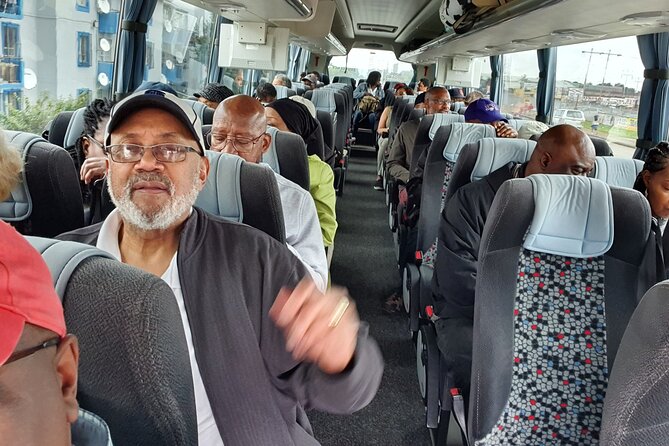
The total duration is about seven hours and 55 minutes, beginning and ending in Sandton. Pickup is offered, and the tour uses an air-conditioned vehicle. These details make a real difference in Johannesburg, where covering several separated sites by public transport could add time and complexity.
At $86.72 per person, the tour is not the cheapest way to see a single museum. The value comes from combining transport, a guide, the Apartheid Museum entrance, Soweto, Mandela House, and the Hector Pieterson Museum in one day.
The price is strongest for a first visit. You are paying for a connected program rather than arranging separate rides and admissions. The small group size adds to the appeal, especially if you prefer questions and conversation over a large bus presentation.
Lunch is not included. You have options after the Apartheid Museum, including local restaurants and food in Soweto, but you should budget separately. Since the food stop is not specified, bring a flexible attitude and confirm the plan with the guide.
The tour starts and ends at the meeting point in Sandton. Make sure you understand the pickup arrangement before the day begins. Confirmation is provided at booking, and mobile tickets make access easier.
Free cancellation is available if you cancel at least 24 hours before the start time. Changes made within 24 hours are not accepted, and the amount paid is not refunded for a late cancellation. The tour also requires a minimum number of people, so if the operator cancels for that reason, you will be offered another date or experience, or receive a full refund.
Who will get the most from this experience
I would recommend this tour to you if you want a solid introduction to Johannesburg’s political history and prefer to see several important places in one day. It suits first-time visitors, history-minded visitors, and anyone who wants context before exploring more of South Africa.
It is also a good fit if you value a small group and an approachable guide. KG’s clear, concise style should help you follow the material without getting lost in long lectures. A sense of humor is welcome here, as long as the subject remains treated with respect.
You may want a different arrangement if you prefer an unhurried museum visit, a full food tour, or a day built around shopping and casual sightseeing. The itinerary is serious and fairly packed. You will spend much of the day learning rather than relaxing.
The tour is suitable for most participants, and service animals are allowed. It is near public transportation, though the actual experience uses the provided vehicle. No special physical restrictions are stated, so you should ask the operator directly if you have specific mobility concerns.
Should you book the Apartheid Museum and Soweto tour?
I would book this tour if you have one day in Johannesburg and want a guided introduction to the country’s recent past. The combination of the Apartheid Museum, three hours in Soweto, Mandela House, and the Hector Pieterson Museum gives you a much fuller picture than visiting any one site alone.
The best reasons to choose it are the clear historical order, the small group cap, and the strong record of praise for KG’s presentation. At $86.72, the included museum admission and air-conditioned transport make the price reasonable for a full day.
Skip it only if you know you need more time at each museum or would rather explore Soweto at a slower, more personal pace. For most first-time visitors, though, this is an efficient and meaningful way to understand Johannesburg, with enough local focus to keep the history connected to real places.
FAQ
How long does the tour last?
The tour lasts approximately 7 hours and 55 minutes.
Where does the tour start?
The tour starts in Sandton, South Africa.
Where does the tour end?
The activity ends back at the meeting point.
Is pickup available?
Yes, pickup is offered.
How many people can join the tour?
The group has a maximum of 12 travelers.
Is the Apartheid Museum entrance included?
Yes, admission to the Apartheid Museum is included in the tour price.
Is lunch included?
No. Lunch is not included, but meal options are available after the Apartheid Museum and in Soweto.
Can I cancel for a refund?
Yes. You can cancel at least 24 hours before the start time for a full refund.
Are service animals allowed?
Yes, service animals are allowed.
More Soweto Tours
- Johannesburg: Hop-On Hop-Off Bus with Optional Soweto Tour
★ 4.6 · 985 reviews - Johannesburg Hop-On Hop-Off City Tour with Soweto Option
★ 4.5 · 768 reviews - Half-Day Tour of Soweto Tour
★ 4.5 · 712 reviews - Soweto: Walking Tour with a Local Guide and Lunch
★ 4.9 · 648 reviews
More Apartheid History Tours
- Soweto: Hop-On Hop-Off Bus, City Tour and Apartheid Museum
★ 4.5 · 250 reviews - Johannesburg and Soweto Apartheid Full Day Tour w/Lunch
★ 4.9 · 219 reviews - Johannesburg: Soweto & Apartheid Museum Half-Day Tour
★ 4.9 · 99 reviews - Johannesburg: Soweto Apartheid & Township Tour with Lunch
★ 4.8 · 80 reviews
Newest reviews from Johannesburg
- Cradle of Humankind and Maropeng Day Tour from Johannesburg★ 4.0 · 5 reviews
- Explore Soweto 8 Hour Tour with Lunch and Museum Visit★ 5.0 · 5 reviews
- 3 Day All Incl. Private Kruger Park Safari Incl. Transfer From Johannesburg★ 5.0 · 5 reviews
- Harties cableway Tour★ 4.5 · 5 reviews
- Pretoria Historical Tour★ 4.0 · 5 reviews
- Constitutional Hill and Soweto 5 hours tour.★ 5.0 · 5 reviews
- 5 Day Kruger National Park and Panorama Route Safari★ 4.5 · 5 reviews
- Luxury Car Johannesburg Airport Private Transfer★ 5.0 · 5 reviews
Apartheid Museum Tours, compared.

Soweto /Johannesburg and Apartheid Museum Guided Full Day Tour
Read our review →
Jo’berg in 1 Day: Soweto, Apartheid Museum & City Tour
Read our review →
Full-Day Tour with Soweto and Apartheid Museum
Read our review →
Full-Day Soweto, Apartheid Museum and Lunch Tour
Read our review →
Half Guided Day Tour of Soweto And Apartheid Museum
Read our review →
Ultimate Johannesburg Soweto Experience with Apartheid Museum
Read our review →
Soweto: Hop-On Hop-Off Bus, City Tour and Apartheid Museum
Read our review →
Johannesburg and Soweto Apartheid Full Day Tour w/Lunch
Read our review →Browse the lists this tour appears in