
Reviewed · APARTHEID MUSEUM TOURS
Apartheid Museum & Soweto Tour with Hotel Pickup
Soweto is best understood with local context. This five-hour tour combines the Apartheid Museum with a guided drive and walk through Soweto, giving you both the national story and the daily realities of one of South Africa’s best-known townships. I like the way it includes major sights such as FNB Stadium and Vilakazi Street, while also passing through different housing areas and former hostels. I also like that guides such as Thabang and Tsalanang grew up in Soweto and can add personal perspective. The main consideration is that the tour is more of an introduction than a full day of exploration, and entry to Mandela House and the Hector Pieterson Museum costs extra.
At $91 per person, the price is fair if you value hotel pickup, museum entry, transport, and a local guide in one outing. You will spend much of the time in a vehicle, with several stops and some walking, so comfortable shoes, a hat, sunscreen, and water are sensible. The 4.8 rating from 17 bookings reflects how strongly people respond to the guides and the thoughtful way the tour explains Soweto.
In This Review
- Key points at a glance
- Why combining Johannesburg history with Soweto works
- The Apartheid Museum: a serious start to the day
- FNB Stadium and the modern face of Soweto
- Diepkloof and the different sides of Soweto
- Chris Hani Baragwanath Hospital and everyday institutions
- The Soweto Towers: a landmark with a new role
- Vilakazi Street and two Nobel Peace Prize winners
- Hector Pieterson Memorial and the 1976 uprising
- The local guides are the heart of the experience
- How much value do you get for $91?
- Practical advice before you go
- Who should book this Soweto tour?
- Should you book it?
- FAQ
- How long does the Apartheid Museum and Soweto Tour last?
- Is hotel pickup included?
- What language is the tour conducted in?
- Is admission to the Apartheid Museum included?
- Is Mandela House admission included?
- Is the Hector Pieterson Museum included?
- Does the tour visit FNB Stadium?
- What should I bring?
- Is the tour suitable for wheelchair users?
- Can I cancel the booking?
Key points at a glance

- The Apartheid Museum gives the tour its historical backbone, explaining apartheid from its introduction in 1948 through its end in 1994.
- Local guides make the difference, with Thabang, Tsalanang, Neo, Thabang and Thembo praised for personal insight and clear explanations.
- Soweto is shown in several forms, from upper-class and middle-income areas to lower-income townships and former migrant hostels.
- Vilakazi Street links history with place, as the street was home to Nelson Mandela and Archbishop Desmond Tutu, both Nobel Peace Prize winners.
- The tour includes FNB Stadium and the Soweto Towers, two prominent modern landmarks with very different meanings.
- Extra museum admissions are not included, including Mandela House and the Hector Pieterson Museum.
Why combining Johannesburg history with Soweto works
The Apartheid Museum and Soweto tell different parts of the same story. The museum gives you a structured account of apartheid, while Soweto shows how policies about race, housing, labor, education, and movement shaped a real community.
That pairing is one of the strongest features of the experience. If you visit only the museum, you may leave with a clear historical outline but less sense of place. If you visit Soweto without historical preparation, some of the sites may feel like a quick series of photo stops. Together, they give the day a better rhythm and more meaning.
The tour lasts five hours, including pickup and drop-off at your residence. That makes it a useful choice if you have limited time in Gauteng or want a guided introduction before exploring Johannesburg on your own. It does not try to cover every part of Soweto, and that is probably wise. A township of this size cannot be explained properly in a rushed checklist.
More Museums in Johannesburg
- Soweto /Johannesburg and Apartheid Museum Guided Full Day Tour
★ 5.0 · 932 reviews - Jo’berg in 1 Day: Soweto, Apartheid Museum & City Tour
★ 4.8 · 524 reviews - Johannesburg: Full-Day Tour with Soweto and Apartheid Museum
★ 4.8 · 478 reviews
The Apartheid Museum: a serious start to the day
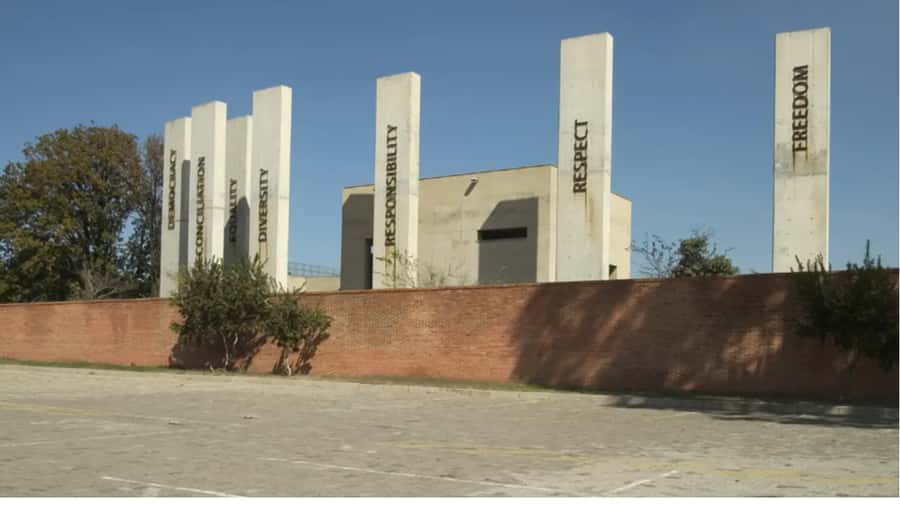
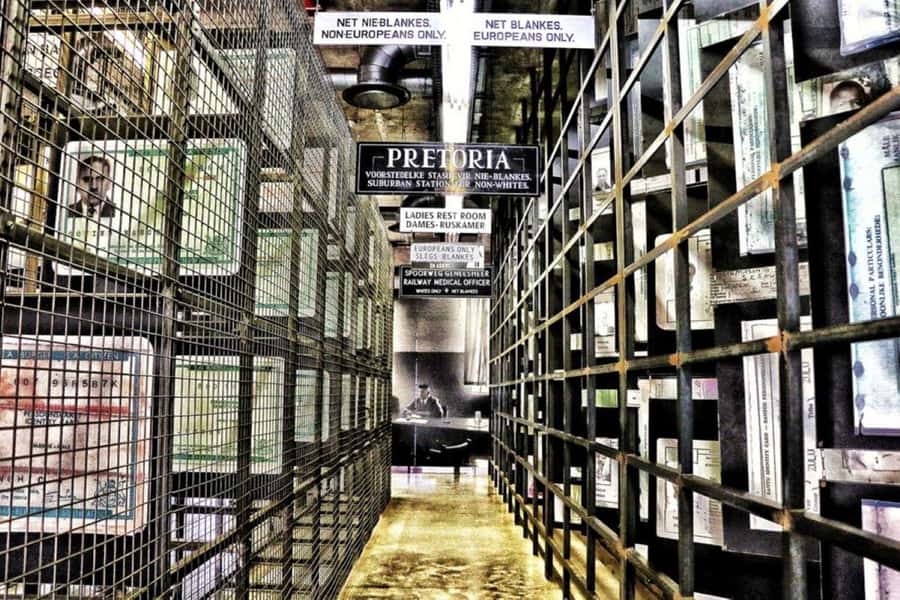
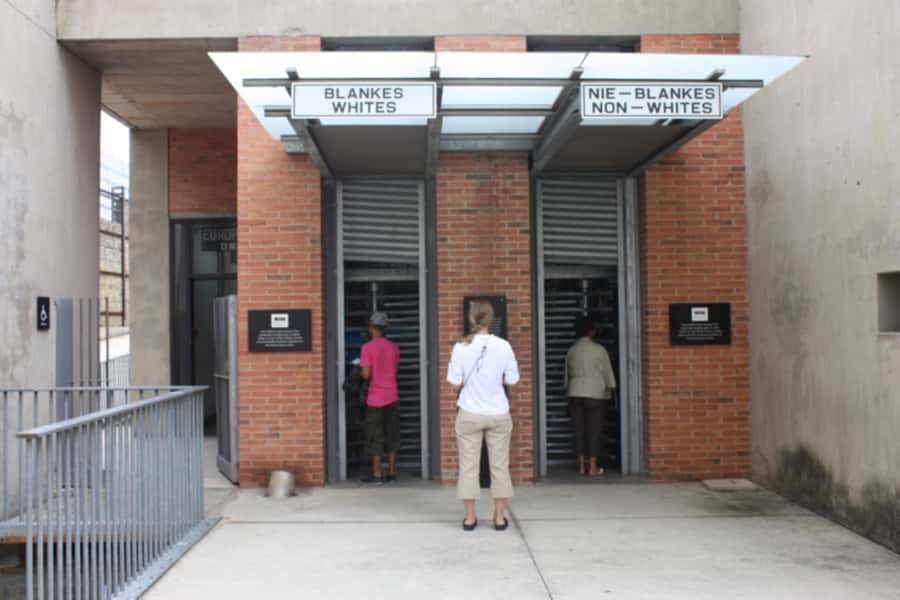
The Apartheid Museum illustrates the rise and fall of apartheid, the system of racial segregation enforced in South Africa from 1948 until 1994. This is not a light opening stop. Give yourself time to absorb the material, especially if this is your first close look at South Africa’s modern political history.
The museum is valuable because it provides the framework for everything that follows. Terms such as forced separation, migrant labor, segregated housing, and the 1976 student uprising become easier to understand once you later see the areas connected to those events.
The museum admission is included in the $91 price, which improves the value of the tour. You do not need to arrange a separate visit or find your own way there. The guide can also help connect the museum’s broad historical account with the locations you see afterward.
Do not expect the museum to be a quick introduction that you can skim in a few minutes. The tour includes several other stops, so you should stay aware of the day’s timing. Still, this is the part that gives the Soweto visit its necessary weight.
FNB Stadium and the modern face of Soweto

The tour stops at or views FNB Stadium, the venue that hosted the 2010 Soccer World Cup Final. For football fans, this is an obvious highlight. Even if you are not interested in sport, the stadium helps show Soweto as a major part of present-day Johannesburg rather than only a place associated with the apartheid era.
This stop also creates a useful contrast. The Apartheid Museum deals with segregation and state control. FNB Stadium represents a later South Africa, one connected with international sport and national celebration. The guide’s explanation helps keep the visit from becoming just a stadium photo opportunity.
You should check whether the itinerary gives you an extended stop or mainly a view from outside. The information provided describes stopping at the stadium and viewing it, but it does not promise an interior tour or match-day access.
Diepkloof and the different sides of Soweto

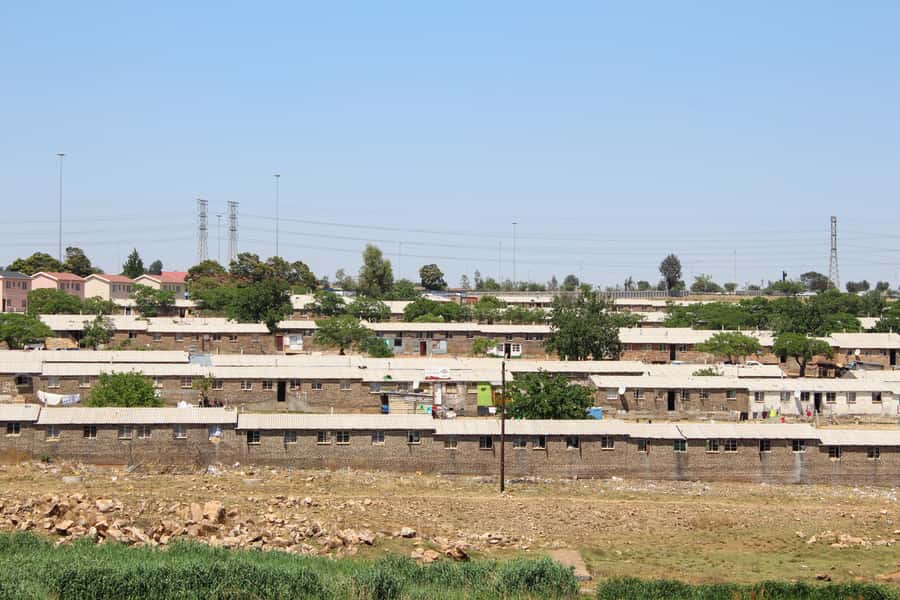
The Soweto portion begins in Diepkloof, where the guide discusses different types of housing. This matters because Soweto is not one uniform district with one standard way of life. It includes areas with different income levels, housing patterns, and community identities.
One of the most useful aspects of the tour is the effort to show more than the usual famous addresses. Sara-Clare from Canada described seeing upper-class, middle, and lower townships, each with its own character. That broader view helps you avoid reducing Soweto to a collection of historic landmarks.
You may also pass former hostels that have been transformed from migrant labor accommodation into informal family units. This is an important detail in understanding the old labor system. Men were housed away from their families while working in the cities, and the conversion of these buildings reflects how people adapted spaces built for a very different purpose.
The word informal should not make you assume that every stop will look the same. The guide explains the differences as you move through the area. That local explanation is one reason this tour is more useful than simply riding through Soweto without context.
More apartheid history tours:
- Full-Day Soweto, Apartheid Museum and Lunch Tour
★ 5.0 · 410 reviews - Half Guided Day Tour of Soweto And Apartheid Museum
★ 5.0 · 356 reviews - Ultimate Johannesburg Soweto Experience with Apartheid Museum
★ 5.0 · 313 reviews - Soweto: Hop-On Hop-Off Bus, City Tour and Apartheid Museum
★ 4.5 · 250 reviews
Chris Hani Baragwanath Hospital and everyday institutions
The route passes Chris Hani Baragwanath Hospital, described as one of the largest hospitals in the world. It is not listed as an interior visit, so you should think of this as a passing landmark rather than a museum-style stop.
Even so, it helps broaden the story. Soweto is not only about political struggle and famous residents. It is also a place where people live, work, raise families, attend school, seek medical care, and build community institutions. A stop such as this points toward everyday life.
The tour’s strength is its mixture of well-known locations and ordinary areas. You are not confined to a polished set of attractions. At times, the most useful explanation may come while looking out of the vehicle window at housing or public facilities.
The Soweto Towers: a landmark with a new role
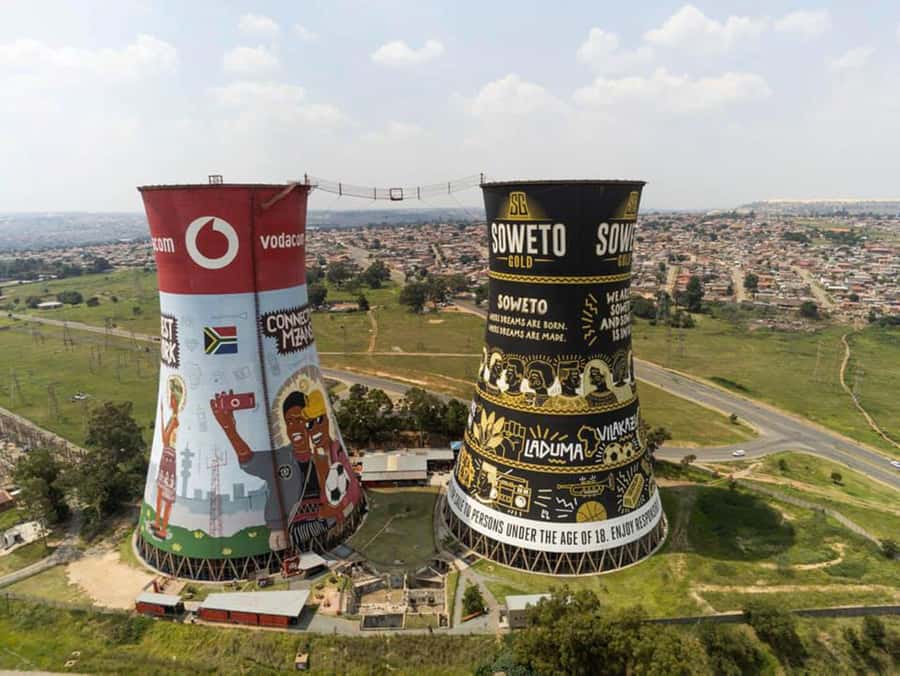
The Soweto Towers are now one of the township’s best-known landmarks. Their bold shape makes them easy to recognize, but the useful part of the stop is how the guide places them within the changing identity of Soweto.
The towers show how an industrial structure can become a public symbol. The tour information does not promise a visit to the top or any activities at the site, so treat this as a viewing stop rather than an attraction with included admission.
Bring your camera, but do not let photography replace listening. The towers are easy to photograph. The surrounding explanation is harder to find without someone who knows the area well.
Vilakazi Street and two Nobel Peace Prize winners
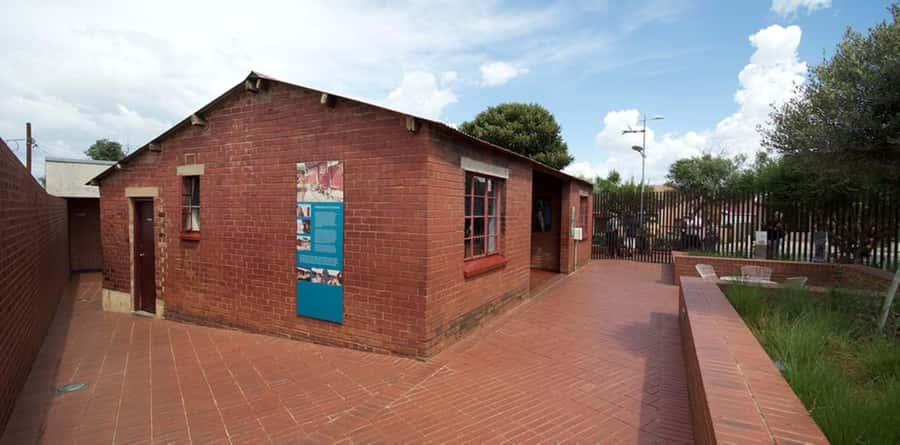
Vilakazi Street is one of the tour’s most significant stops. It was home to Nelson Mandela and Archbishop Desmond Tutu, the only street associated with two Nobel Peace Prize winners.
This is where national history feels especially close to the ground. You can walk along the street, look at the homes from outside, and connect two major figures in South Africa’s democratic story with one neighborhood.
The tour gives you an opportunity for souvenir shopping and an exterior view of Mandela House. Admission to the Mandela House Museum is not included, so you will need to pay separately if you want to go inside. That distinction is important because some people may assume that seeing the house means entering the museum.
If you have a strong interest in Mandela, you may find the outside view a little brief. On the other hand, keeping the visit outside helps the five-hour schedule include more of Soweto. The guide can focus on the street, the people connected with it, and its place in South African history.
Hector Pieterson Memorial and the 1976 uprising
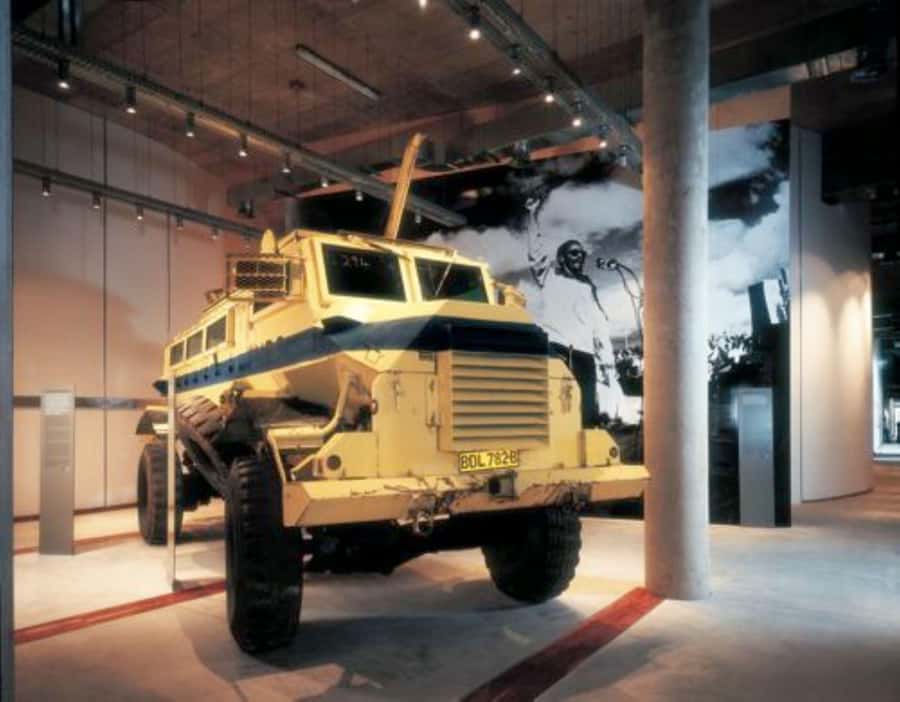
The Hector Pieterson Memorial provides an overview of the 1976 Soweto Student Uprising. This is one of the most important historical subjects connected with the township, and it gives the day a clear link between political policy and youth resistance.
The listed tour includes a visit to the memorial, but not entry to the Hector Pieterson Museum. You can view the memorial and hear an explanation of the uprising, while museum admission is an additional cost.
That arrangement keeps the base price lower, but it also means you should plan your expectations. If you want a longer museum visit, ask about the additional admission before booking or during the tour. The memorial stop itself is still meaningful, particularly after the Apartheid Museum has introduced the wider story.
The guide’s role is especially important here. This subject calls for care and clarity, not a rushed presentation. The strongest comments about the tour focus on guides who explain events in an engaging way and connect history with their own experience of growing up in Soweto.
The local guides are the heart of the experience
The most praised part of this tour is the guiding. Thabang receives repeated approval for his warmth, personal approach, and ability to answer questions. He was born and raised in Soweto, and that local connection gives the tour a point of view that a standard sightseeing bus may not offer.
Tsalanang is also praised for sharing personal experiences and explaining each area with care. Neo receives credit for presenting the history clearly while keeping the tour interactive. One booking included Thabang and Thembo together, with personal reflections from guides who grew up and live in Soweto.
That personal connection does not make the tour less factual. It adds another layer. You hear the national story at the Apartheid Museum, then receive local context about how Soweto has changed and how people live there now.
Guide assignments can vary, so you should not book solely expecting one named person. Still, the repeated praise for the guiding team tells you what this experience does best: conversation, explanation, and local perspective.
How much value do you get for $91?
At $91 per person, this is not the cheapest way to see Soweto. You are paying for a five-hour guided experience, residence pickup and drop-off, transport, bottled water, and entry to the Apartheid Museum.
The value is strongest if you would otherwise need to arrange several separate taxi rides, museum tickets, and a local guide. The price also makes more sense if you want history explained as you go rather than simply being driven past landmarks.
Meals, drinks, souvenirs, Mandela House admission, and Hector Pieterson Museum admission are not included. Budget for food separately and bring water, even though bottled water is supplied. If you want to enter both additional museums, the total cost will rise.
For a short stay in Johannesburg, I think the package offers solid value. It covers the key historical introduction and gives you a guided look at several parts of Soweto in half a day. If you prefer slow neighborhood exploration or want to spend hours at every museum, you may find the schedule too compact.
Practical advice before you go
Wear comfortable shoes. You will walk along Vilakazi Street and make other stops on foot, and the tour specifically advises footwear suitable for walking.
A hat, sunscreen, and water are useful because some portions of the experience take place outdoors. Bring a camera, but flash photography is not allowed. Smoking is also not allowed during the activity.
The tour is conducted in English with a live guide. Pickup and drop-off at your residence are included, which is helpful in Johannesburg, where arranging transport between separate stops can take time.
This experience is not suitable for wheelchair users, people with back problems, or babies under one year old. The walking and vehicle portions may be tiring for some people, so consider your comfort before booking.
Free cancellation is available up to 24 hours before the tour for a full refund, and you can reserve now and pay later. Check the available starting times because the five-hour duration does not itself specify a fixed departure hour.
Who should book this Soweto tour?
I would recommend it to first-time visitors to Johannesburg who want a guided introduction to apartheid, Soweto, and South Africa’s transition to democracy. It also suits anyone who prefers learning through conversation rather than reading signs alone.
The tour is particularly useful for people with only a few days in Gauteng. The hotel pickup, included Apartheid Museum admission, and return transport remove much of the planning work.
Families with older children may find the history valuable, but the subject matter is serious and the walking may not suit very young children. The activity is not suitable for babies under one year old.
You should think twice if you want to enter every museum, spend a long time shopping, or explore Soweto independently at a slow pace. The tour gives you a well-planned introduction, not unlimited time at each address.
Should you book it?
Book this tour if you want Soweto explained by someone with a real connection to the community. The strongest feature is not simply the list of stops. It is the way guides such as Thabang and Tsalanang connect the Apartheid Museum, Diepkloof, the former hostels, Vilakazi Street, and the 1976 uprising into one understandable story.
The five-hour schedule is practical, the included museum entry helps justify the $91 price, and residence pickup keeps the day simple. Just remember that Mandela House and the Hector Pieterson Museum require separate admission, and the experience includes walking and serious historical discussion.
For a first visit to Johannesburg, I would book it. It gives you enough structure to understand Soweto while leaving you with plenty of reasons to return for a longer, more focused visit.
FAQ
How long does the Apartheid Museum and Soweto Tour last?
The tour lasts five hours, including pickup and drop-off at your residence.
Is hotel pickup included?
Yes. Pickup and drop-off at your residence are included in the tour price.
What language is the tour conducted in?
The tour is conducted in English with a live guide.
Is admission to the Apartheid Museum included?
Yes. Entry to the Apartheid Museum is included.
Is Mandela House admission included?
No. The tour includes an exterior view of Mandela House, but entry to the Mandela House Museum is not included.
Is the Hector Pieterson Museum included?
No. The tour visits the Hector Pieterson Memorial and provides an overview of the 1976 Soweto Student Uprising, but museum admission is not included.
Does the tour visit FNB Stadium?
Yes. The itinerary includes a stop or viewing of FNB Stadium, which hosted the 2010 Soccer World Cup Final.
What should I bring?
Bring comfortable shoes, a camera, water, a hat, and sunscreen. Bottled water is included, but carrying extra water is advised.
Is the tour suitable for wheelchair users?
No. The experience is listed as unsuitable for wheelchair users.
Can I cancel the booking?
Yes. You can cancel up to 24 hours in advance for a full refund. You can also reserve now and pay later.
More Soweto Tours
- Johannesburg: Hop-On Hop-Off Bus with Optional Soweto Tour
★ 4.6 · 985 reviews - Johannesburg Hop-On Hop-Off City Tour with Soweto Option
★ 4.5 · 768 reviews - Half-Day Tour of Soweto Tour
★ 4.5 · 712 reviews - Soweto: Walking Tour with a Local Guide and Lunch
★ 4.9 · 648 reviews
Newest reviews from Johannesburg
- Cradle of Humankind and Maropeng Day Tour from Johannesburg★ 4.0 · 5 reviews
- Explore Soweto 8 Hour Tour with Lunch and Museum Visit★ 5.0 · 5 reviews
- 3 Day All Incl. Private Kruger Park Safari Incl. Transfer From Johannesburg★ 5.0 · 5 reviews
- Harties cableway Tour★ 4.5 · 5 reviews
- Pretoria Historical Tour★ 4.0 · 5 reviews
- Constitutional Hill and Soweto 5 hours tour.★ 5.0 · 5 reviews
- 5 Day Kruger National Park and Panorama Route Safari★ 4.5 · 5 reviews
- Luxury Car Johannesburg Airport Private Transfer★ 5.0 · 5 reviews
Apartheid Museum Tours, compared.

Soweto /Johannesburg and Apartheid Museum Guided Full Day Tour
Read our review →
Jo’berg in 1 Day: Soweto, Apartheid Museum & City Tour
Read our review →
Full-Day Tour with Soweto and Apartheid Museum
Read our review →
Full-Day Soweto, Apartheid Museum and Lunch Tour
Read our review →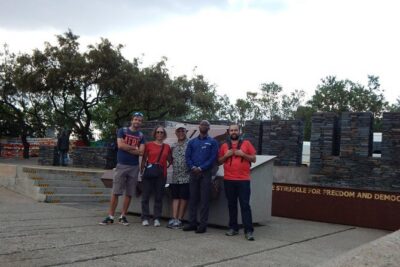
Half Guided Day Tour of Soweto And Apartheid Museum
Read our review →
Ultimate Johannesburg Soweto Experience with Apartheid Museum
Read our review →
Soweto: Hop-On Hop-Off Bus, City Tour and Apartheid Museum
Read our review →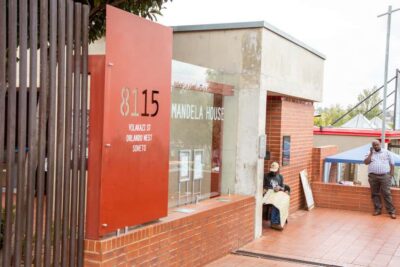
Johannesburg and Soweto Apartheid Full Day Tour w/Lunch
Read our review →Browse the lists this tour appears in