
Reviewed · CRUISES & BOAT TOURS
St Lucia: Hippo and Crocodile Cruise on a 15-Seat Vessel
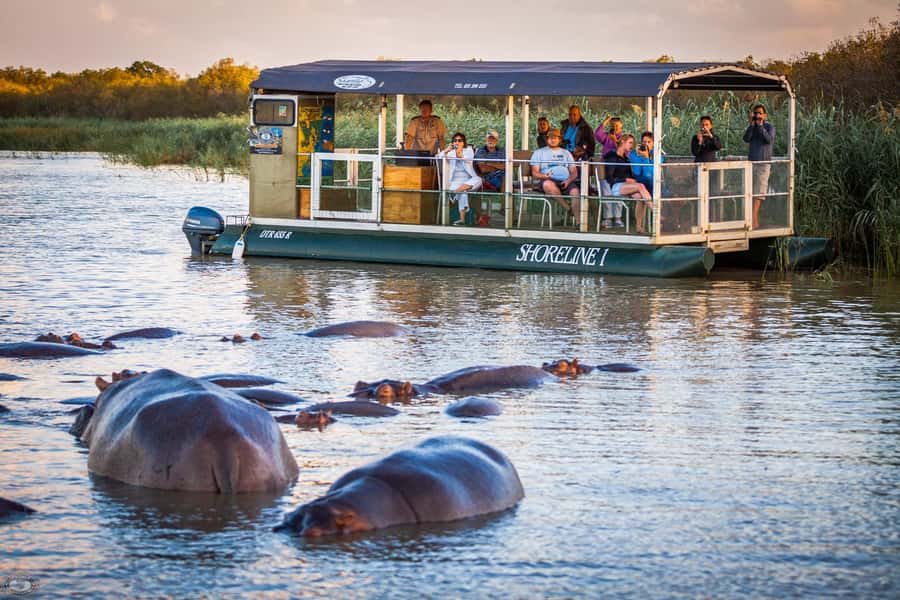
Hippos are the main event here. This two-hour cruise on Lake St Lucia Estuary puts you close to South Africa’s largest hippo population, with a small 15-seat boat that gives everyone a decent view. I like the friendly guides, who explain animal behavior and the wetland ecosystem, and I like the easy price of $23 per person. The main catch is that crocodiles are not guaranteed, and the boat has no upper viewing deck.
You should also prepare for changing weather. The boat has a roof, but drizzle and wind can still make the ride chilly, so bring a jacket. The dock and reception area are functional rather than polished, though the rough arrival point matters much less once you are out on the water watching a hippo family surface nearby.
In This Review
- Key points at a glance
- Why the St Lucia Estuary matters
- Arriving at Siyabonga Jetty
- Settling into the 15-seat vessel
- The first stretch: open water and estuary scenery
- Meeting the hippo families
- Searching the reeds for Nile crocodiles
- Bird watching on the St Lucia water
- What the guides add
- Choosing the best time and preparing for weather
- Is $23 good value?
- Who should book this cruise?
- Final verdict: a strong St Lucia wildlife outing
- FAQ
- How long is the St Lucia Hippo and Crocodile Cruise?
- How much does the cruise cost?
- Where does the cruise depart from?
- How early should I arrive?
- How many people fit on the boat?
- What animals might I see?
- Is food included?
- What language is the tour conducted in?
- What happens if bad weather cancels the cruise?
Key points at a glance
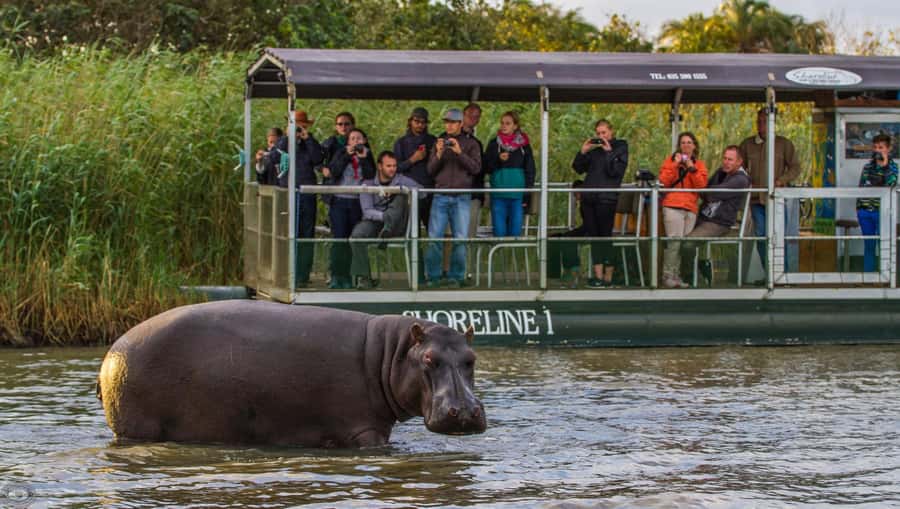
- Three hippo groups are often visible: The boat regularly reaches areas where several hippo families gather, sometimes at very close range.
- A small boat helps with viewing: The low 15-seat vessel keeps you near the water and lets passengers spread out for photos.
- Crocodiles are possible, not certain: Some trips spot several crocodiles, while others see none because they hide in reeds and grass.
- Bird life adds variety: Fish eagles and many other wetland birds can appear during the cruise.
- Guides make the trip worthwhile: Guides such as Thobile, Brandon, and Mr Brown have been praised for clear explanations and patience with questions.
- Late departures may be best: Hippos can become more active as the afternoon wears on, according to one particularly useful account.
Why the St Lucia Estuary matters
This is not simply a boat ride with a few animals beside it. The St Lucia Estuary forms part of iSimangaliso Wetland Park, a protected area in KwaZulu-Natal and one of Africa’s largest estuarine systems.
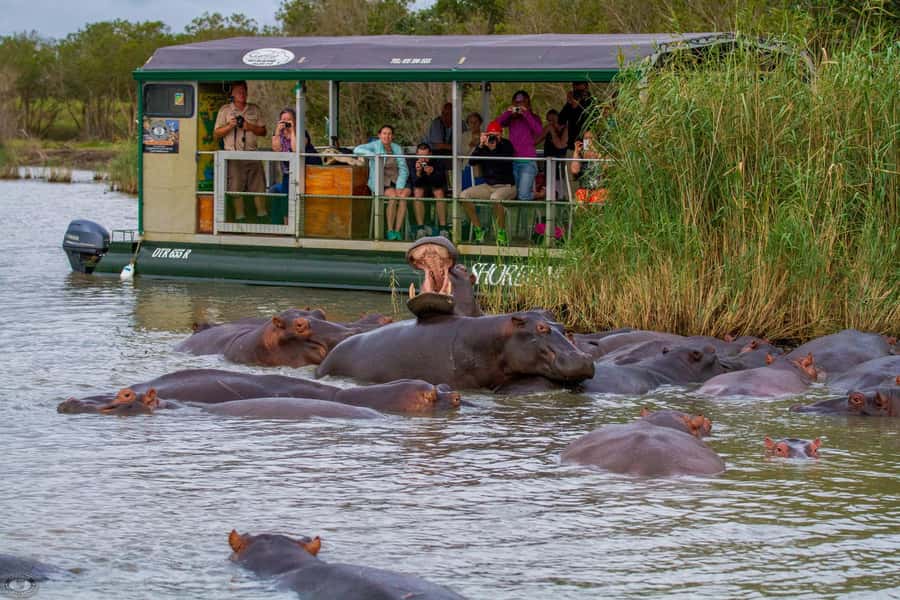
The waterway is the right setting for hippos. They spend much of the day in water or mud, often gathered in pods, with only their eyes, ears, nostrils, and rounded backs showing. From the boat, you may see a whole group lying together, blowing water and shifting positions in slow, powerful movements.
St Lucia is known as the home of the hippo for good reason. This area also has South Africa’s largest population of hippos, so your odds of seeing them are excellent. Several departures have produced sightings of two or three family groups, and some boats get close enough for clear photographs.
That reliability is the strongest reason to book this cruise. Wildlife is never fully controlled, but this is not a trip where you spend two hours hoping for a distant glimpse. Hippos are the dependable feature, while crocodiles, birds, and other animals are the welcome extras.
More boat trips:
- Shoreline Hippo and Crocodile Boat Cruises, iSimangaliso Wetland Park
★ 4.5 · 187 reviews - Hippo and Croc Boat Cruise in Saint Lucia with collection
★ 4.5 · 123 reviews - Cape Town: Hop-On Hop-Off Bus Tour with Optional Cruise
★ 4.8 · 3,929 reviews
Arriving at Siyabonga Jetty
The meeting point is Siyabonga Jetty, just before the bridge on the left as you enter St Lucia. Arrive 15 minutes before departure, which gives you time to park, find the boarding point, and settle in without rushing.
There is ample parking on both sides of the road. One useful detail for drivers is that some parking is covered, which can help keep your car cooler during a warm day.
The arrival area is not the prettiest part of the experience. The dock has been described as run-down, and the entrance and reception area could use some attention. This is worth knowing if you expect a polished marina. Still, the rough appearance does not affect the cruise itself, and the boat leaves on time.
You do not need to arrange food or drinks as part of the booking. Bring your own refreshments and snacks onboard. A small meal or coffee is not provided, so plan ahead if you are heading out near breakfast or lunch.
Settling into the 15-seat vessel
The boat is compact, covered, and designed to keep passengers close to the water. With space for only 15 people, it feels more personal than a large sightseeing vessel, and the small group makes it easier to hear the guide.
The low sides are useful for photography and animal watching. You can look across the water without a large railing blocking the view, and everyone has a reasonable chance to position themselves when a hippo surfaces.
There is one clear limitation: this boat has no upper level. That matters when a hippo is standing on the bank or hidden beyond tall reeds. A boat with a higher deck may see over vegetation more easily, while you may catch only a partial view from the lower vessel.
For animals in the water, however, the low design works well. Hippos are often the focus, and they usually appear at water level. The compact boat also makes it easier to follow the guide’s instructions and shift your attention from one side to the other.
Bring binoculars if you have them. They are especially useful for birds and for animals farther up the bank. A camera with a good zoom will also help, but you can still enjoy close hippo sightings without specialist equipment.
The first stretch: open water and estuary scenery
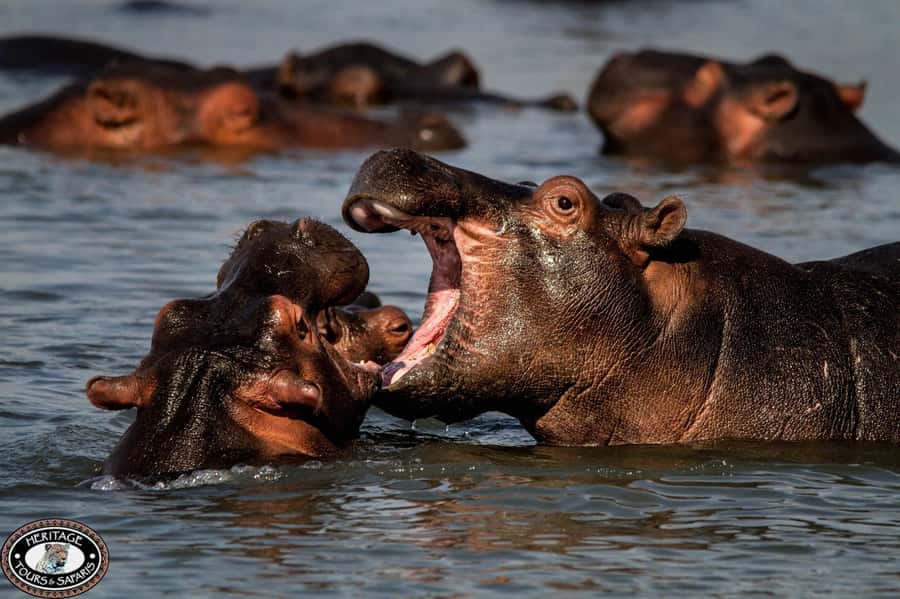
Once underway, the cruise opens onto the St Lucia Estuary. The scenery is broad and peaceful, with water, reeds, banks, and the surrounding wetland forming a much calmer setting than a standard city harbor cruise.
The guide and skipper point out features of the estuary while looking for wildlife. This part of the ride gives you a useful sense of place before the boat settles near the hippo groups.
The guides do more than list animal names. They explain hippo behavior, the role of the estuary, bird nesting habits, and details about local plants and wildlife. Several guides have been praised for answering many questions without rushing passengers along.
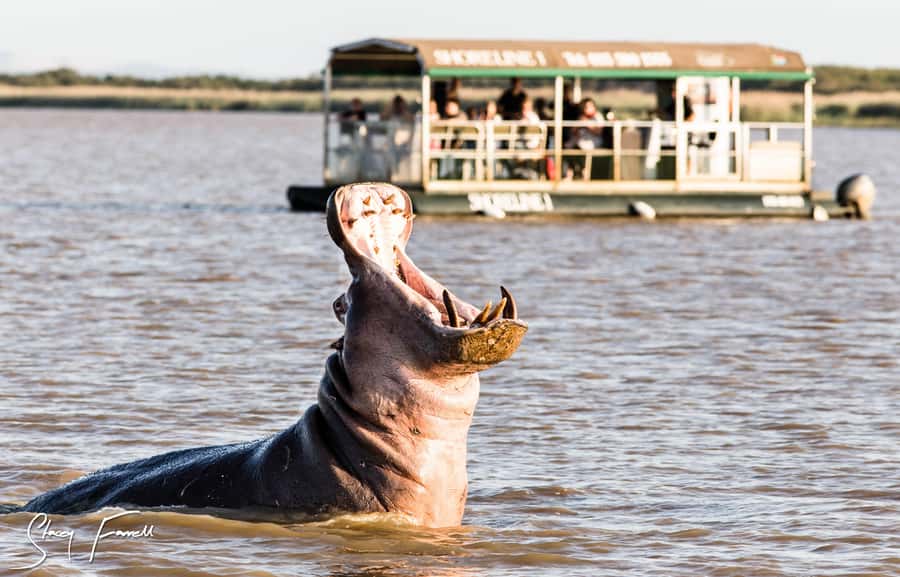
That live commentary makes a real difference. A hippo’s open mouth can look like a threat, a yawn, or a territorial display if you do not know what you are seeing. A guide can explain the behavior as it happens, turning a good photograph into a more meaningful wildlife encounter.
A few more tours worth putting side by side
- Hluhluwe-Imfolozi Park Full Day Big 5 Safari Tour
★ 5.0 · 310 reviews - iSimangaliso Wetland Park, Full Day Tour
★ 5.0 · 87 reviews - From St Lucia: iSimangaliso Wetland Park Night Drive Safari
★ 4.7 · 84 reviews - From St Lucia: iSimangaliso Sunset Safari
★ 4.3 · 39 reviews
Meeting the hippo families
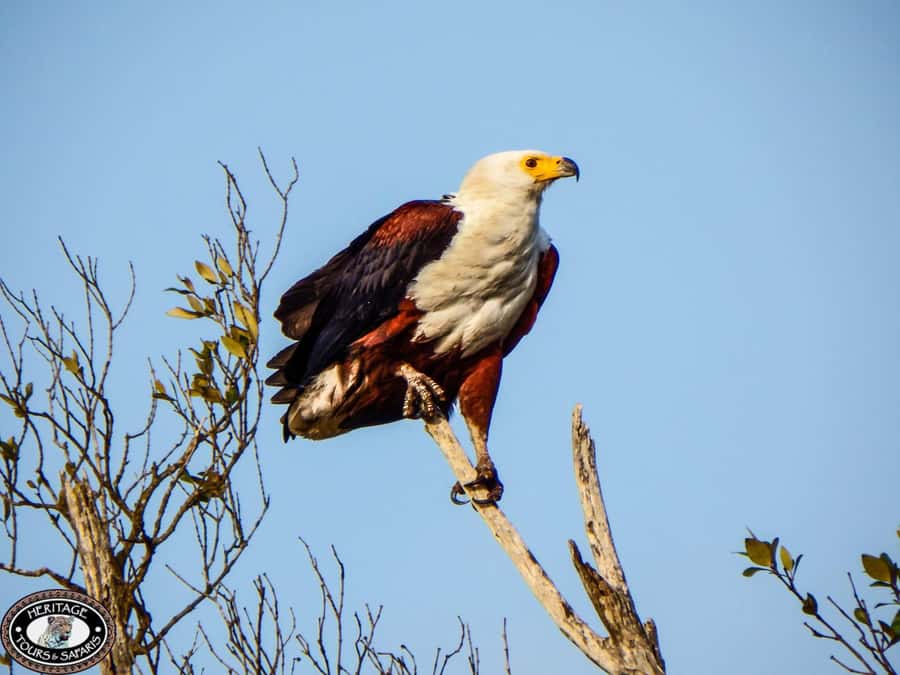
The best part of the cruise is usually the time spent near the hippo groups. The boat heads toward known gathering areas, where several families may be resting in the water.
You can expect repeated surfacing, snorting, yawning, and slow movement through the water. Some groups stay fairly still, while others shift around the boat. A mother and calf may appear together, and one trip produced a memorable sighting of a mother and baby on the bank at sunset.
The boat gives you time to watch rather than making a quick pass. Guides have been praised for steering into good positions and waiting patiently while passengers take photographs.
The number of animals can vary, but the odds are strongly in your favor. One account described close encounters with three hippo groups on two separate trips. Other trips produced two families or several pods. Even in poor weather, passengers saw plenty of hippos.
Keep your expectations realistic about distance. The boat can get close to hippos in the water, but guides still need to respect these powerful wild animals. You are observing them in their habitat, not visiting a staged animal display.
The cruise also gives you a chance to notice differences between groups. A good guide may point out age, size, behavior, or the way hippos gather. Those details are easy to miss when you are focused only on getting a photograph.
Searching the reeds for Nile crocodiles
Crocodiles are part of the title, but they should not be treated as a promise. Some trips produce one crocodile, some reveal several, and others see none.
The problem is not a lack of crocodiles in the estuary. They can be difficult to spot because they rest in grass or along the banks, where their shape blends into the surroundings. Weather and visibility also affect your chances.
When crocodiles do appear, the sighting can be brief. You might see a small animal near the bank or a group gathered around a carcass. Several crocodiles have been spotted on some departures, while other cruises managed only small crocodiles.
This uneven result is normal for a wildlife outing. If your priority is guaranteed crocodile viewing, this may disappoint you. If hippos are your main goal and crocodiles are a bonus, the trip offers much better value.
The guide’s ability matters here. Experienced eyes can find a camouflaged animal that you would miss completely. One guide was credited with spotting hidden animals from a long distance, which is exactly the sort of skill you want on a reed-lined waterway.
Bird watching on the St Lucia water
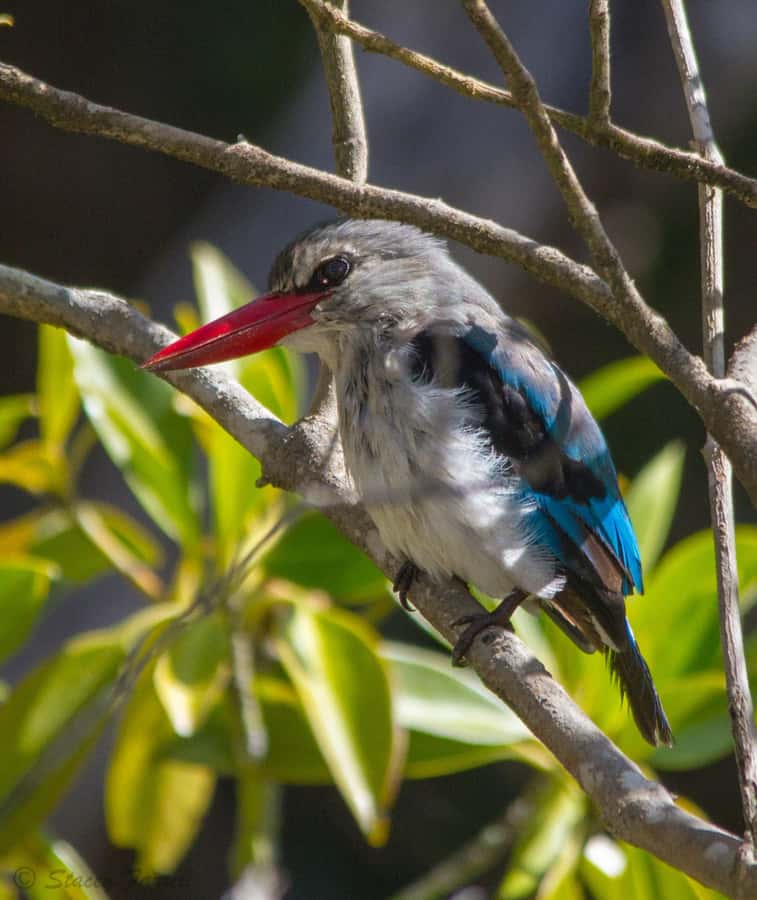
Birds provide welcome variety between hippo sightings. The estuary supports hundreds of bird species, and the guide may stop or slow down when something interesting appears.
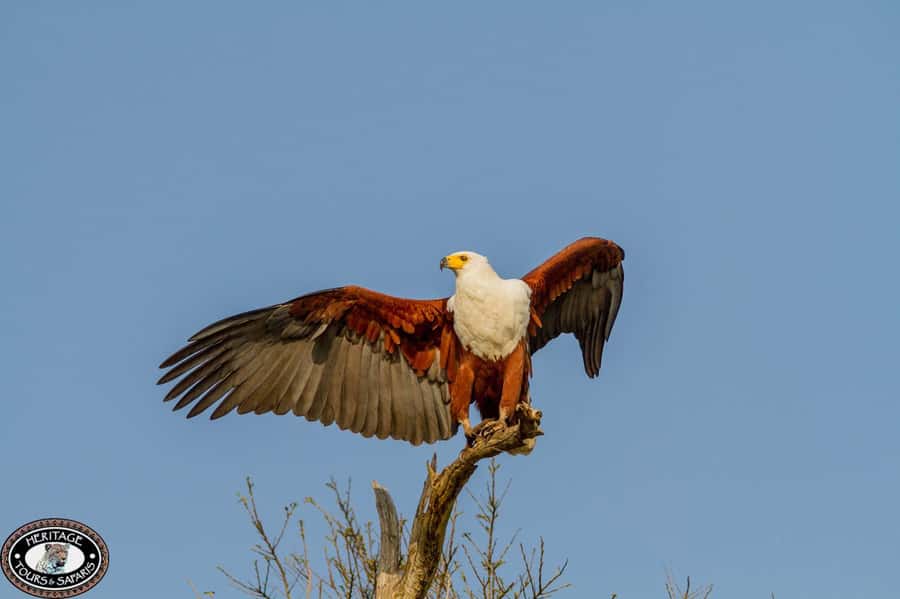
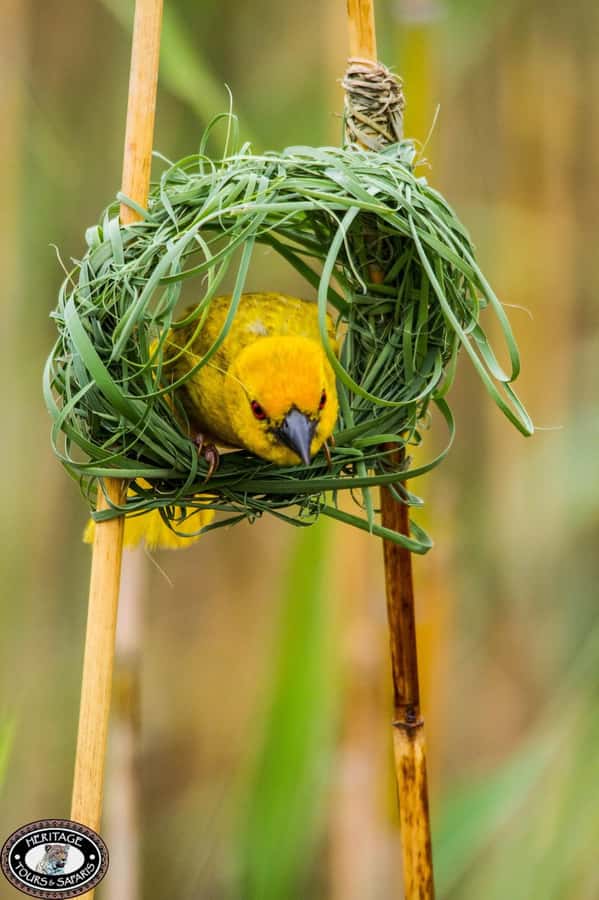
Fish eagles have been seen, along with other wetland birds. Guides also discuss nesting habits, which adds useful context to birds that might otherwise become background decoration.
Do not expect every trip to produce a long checklist. Vegetation along the banks can be thick, and a few accounts described only limited bird sightings. Other trips had several attractive species and enough variety to keep birders busy.
Your seat and timing can affect what you see. The boat has no upper deck, so birds or animals beyond reeds may be partly hidden. Binoculars are worth bringing if bird watching is important to you.
The birding is best viewed as part of the whole cruise rather than its only purpose. You get hippos, possible crocodiles, bird calls, and wetland scenery in one outing. That mix keeps the two hours from feeling repetitive, even when the boat pauses near a hippo group.
What the guides add
The guides receive the strongest praise, and that praise is deserved based on the details of the experience. They explain the park, ecosystem, animals, birds, and plants in plain language, while leaving room for questions.
Thobile has been singled out for answering many questions patiently and helping passengers get good photographs. Brandon and Mr Brown have also been praised for their friendly, engaging approach. Your guide may be someone else, but the pattern is clear: the commentary is a major part of the value.
A good skipper does two jobs at once. First, the boat must be placed safely and sensibly near animals. Second, passengers need time to see what is happening. The best accounts describe guides steering toward useful viewing positions and waiting while people take pictures.
The tone also seems relaxed. Several descriptions point to guides who were funny, friendly, and easy to approach. That helps on a small boat, where a quiet or stiff guide could make the ride feel much longer.
You should still understand that the route follows the animals. The guide may visit familiar hippo areas, and the basic pattern can feel similar from one trip to the next. That is not necessarily a flaw. On a short wildlife cruise, returning to a reliable hippo group is usually smarter than chasing a rare sighting across the entire estuary.
Choosing the best time and preparing for weather
The advertised duration is two hours, but the feel of the trip depends heavily on weather and light. Late afternoon may be a smart choice if you want more activity, since hippos can become livelier as the day progresses.
Sunset departures can add beautiful light. One outing produced hippos against an African sunset, including a mother and baby near the riverbank. That kind of timing also gives the scenery a softer, more dramatic look.
Weather can change the experience quickly. Even with a roof over the boat, drizzle can make you cold, and overcast conditions may reduce visibility. Bring a jacket rather than relying on warm-looking conditions at the jetty.
A few simple items will improve the ride:
- Jacket: Useful in wind, drizzle, or late-day conditions.
- Binoculars: Helpful for birds and animals along the banks.
- Snacks and refreshments: You may bring your own onboard.
- Camera or phone: Close hippos are often very photographable, but keep equipment secure around water.
The operator cancels when weather makes the trip unsuitable, with a full refund in that case. You can also cancel up to 24 hours before departure for a full refund, and the reserve-now, pay-later option keeps your plans flexible.
Is $23 good value?
At $23 per person, this is an easy activity to recommend on price alone, but the real value comes from the combination of reliability and guide quality.
You are paying for two hours on a protected estuary, a small boat, a skipper, and a live English-language guide. Hippo sightings are highly likely, and the cruise may also include crocodiles, fish eagles, and other birds.
The price looks especially good if you are already staying in St Lucia and can reach the jetty yourself. There is no need to pay for a longer land safari just to see hippos. This cruise offers a focused wildlife experience without taking up an entire day.
The value is less clear if you expect a luxury boat, food service, or a wide range of large animals on land. The dock is basic, the boat has no raised deck, refreshments are not included, and thick vegetation can block views of animals onshore.
For families, couples, photographers, and first-time visitors to iSimangaliso Wetland Park, the balance is favorable. It is also suitable for a repeat visit, since different weather and animal behavior can change the sightings. One person even took the cruise twice within three days and saw different extras each time.
Who should book this cruise?
I would book it if hippos are high on your South Africa wish list. The sightings are the most dependable feature, and the boat’s small size gives you a good chance of seeing them without a crowd between you and the water.
It suits families too. An 18-month-old child was accepted on one departure, though the provided details do not specify a formal age policy, so check before booking if you are traveling with a very young child.
Bird watchers will enjoy the added species, but serious birding may require patience and binoculars. The cruise is not designed as a dedicated bird survey, and the low boat can make reeds and distant banks difficult.
Solo visitors should check the booking rules carefully. One solo passenger reported having to reserve and pay for two places because a single-person reservation was not available. That is a practical cost issue, especially when the listed price is per person.
Final verdict: a strong St Lucia wildlife outing
This cruise delivers the animal most people come to St Lucia hoping to see: the hippo. You also get a good chance of crocodiles and birds, wide estuary views, and a guide who can explain what is happening without making the trip feel like a lecture.
The drawbacks are clear but modest. The dock needs improvement, the boat has no upper deck, crocodiles may hide, and weather can make the ride uncomfortable. None of those points outweigh the close hippo sightings, small group, helpful guiding, and $23 price.
Book it if you want a short, affordable wildlife experience with a high chance of hippos. Choose a later departure when possible, bring a jacket and binoculars, and treat crocodiles as a bonus rather than a guarantee.
FAQ
How long is the St Lucia Hippo and Crocodile Cruise?
The cruise lasts two hours.
How much does the cruise cost?
The listed price is $23 per person.
Where does the cruise depart from?
It departs from Siyabonga Jetty in St Lucia, just before the bridge on the left before entering town.
How early should I arrive?
Arrive 15 minutes before departure.
How many people fit on the boat?
The vessel has space for 15 passengers.
What animals might I see?
You may see hippos, Nile crocodiles, and many bird species, including fish eagles. Crocodile sightings are possible but not guaranteed.
Is food included?
No. Food and drinks are not included, but you may bring your own snacks and refreshments onboard.
What language is the tour conducted in?
The live tour guide speaks English.
What happens if bad weather cancels the cruise?
A full refund is provided if the cruise is cancelled because of weather. You can also cancel up to 24 hours before departure for a full refund.
Newest reviews from St Lucia
- Full-Day Family Hluhluwe iMfolozi Park Safari Experience★ 5.0 · 7 reviews
- 3 Day 2 Night Hluhluwe, St Lucia, Isimangaliso Tour★ 5.0 · 14 reviews
- iSimangaliso Wetland Park, Night Drive Safari★ 4.5 · 18 reviews
- Full day Cape Vidal, iSimangaliso Wetland Safari★ 5.0 · 19 reviews
- Hluhluwe-Imfolozi Park Half-day Big Five Safari Adventure★ 5.0 · 27 reviews
- iSimangaliso Sunset Game Drive★ 5.0 · 35 reviews
- From St Lucia: iSimangaliso Sunset Safari★ 4.3 · 39 reviews
- From St Lucia: Cape Vidal Full-Day Snorkeling Safari★ 4.8 · 10 reviews
Cruises & Boat Tours, compared.
Cape Town Hop-On Hop-Off City Tour with Optional Cruise
Read our review →
Browse the lists this tour appears in