
Reviewed · SOWETO TOURS
Soweto Tour; Mandela House; Vilakazi Street; Market Culture
Soweto tells its story street by street. I like the way this four-hour tour pairs Mandela House and Vilakazi Street with places tied to the 1976 uprisings, rather than treating Soweto as a quick photo stop. I also like the small-group format, limited to seven people, which gives you a better chance to ask questions and hear local context. The main drawback is time: four hours covers a lot of ground, so some stops may feel brief.
This is a strong choice if you want history, local food, market culture, and major landmarks in one compact outing. Guides such as Ismail have been praised for making the tour safe, friendly, and easy to follow, while another guide, Malose, has drawn warm praise for the care given to guests. You should still expect an active morning or afternoon, with walking at several stops and no included lunch.
In This Review
- Key things to know before booking
- Why this Soweto tour is worth considering
- From Soccer City to Soweto’s everyday rhythm
- Soweto Towers and the view from above
- Freedom Square in Kliptown
- Regina Mundi Cathedral and the 1976 route
- Walking Vilakazi Street in Mandela’s footsteps
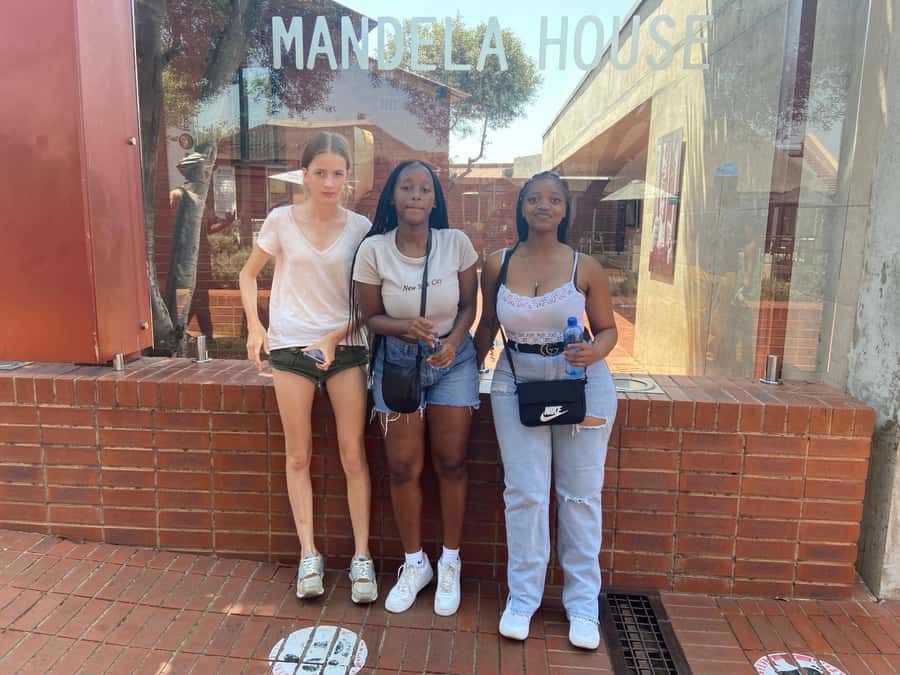
- Mandela House and the Hector Pietersen Memorial
- Food, markets, and the limits of four hours
- Timing, transport, and comfort
- How the guide can shape the day
- Who should book this four-hour route?
- Should you book the Soweto tour?
- FAQ
- How long does the Soweto tour last?
- What is included in the price?
- Is lunch included?
- Is the tour conducted in English?
- How many people are in the group?
- Is hotel pickup available?
- Where should guests wait when staying in a private home?
- Is the tour wheelchair accessible?
- What should I wear?
- Can I cancel the booking for a refund?
Key things to know before booking
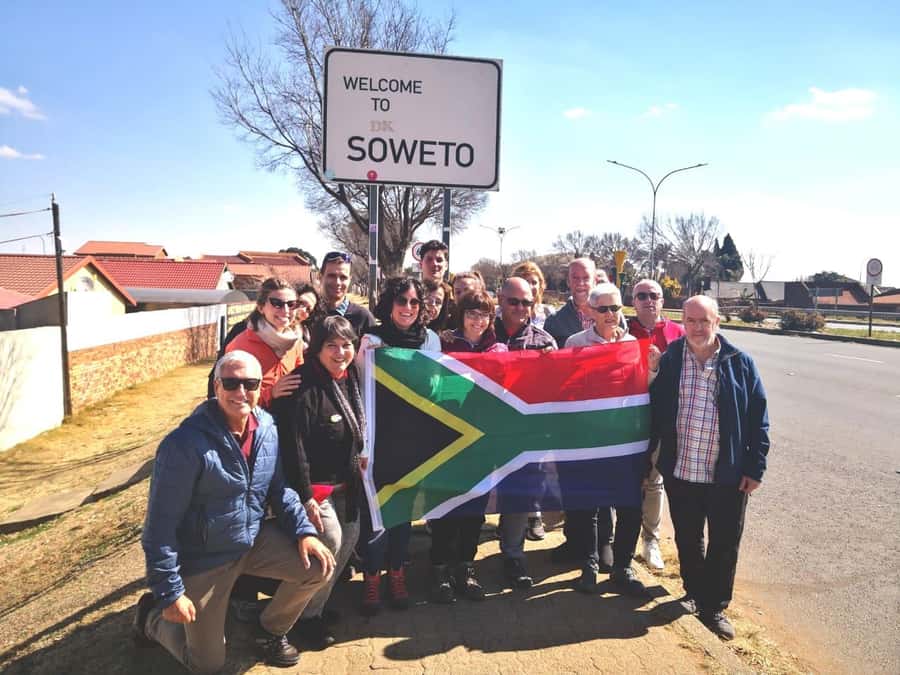
- The route links major Soweto landmarks: You visit Freedom Square, Regina Mundi Cathedral, Vilakazi Street, Mandela House, and the Hector Pietersen Memorial.
- The tour begins with broad views: The Soweto Towers provide a useful introduction to the size and character of the township.
- Mandela House admission is included: You do not need to arrange a separate ticket for this central stop.
- A small group improves the experience: With no more than seven participants, questions and conversation should be easier than on a large coach tour.
- Local food is optional: You can buy or enjoy lunch in Soweto at your own cost, but it is not part of the tour price.
- Comfortable shoes matter: High heels are not allowed, and the route includes walking through Vilakazi Street and other public areas.
Why this Soweto tour is worth considering
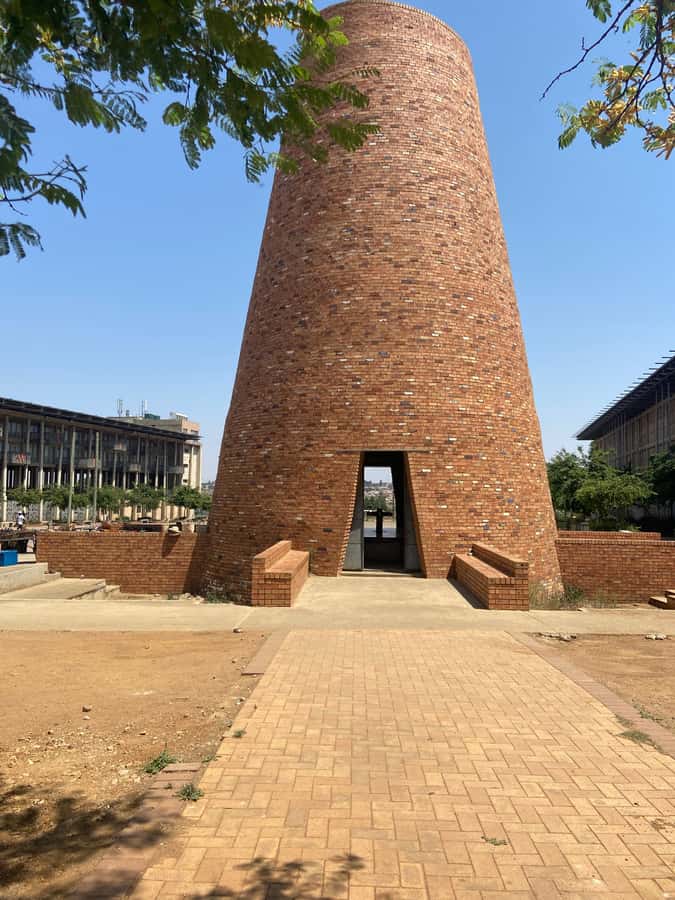
Soweto is not simply another Johannesburg attraction. It is a major part of South Africa’s political and social story, and this route gives you a way to connect famous names with real places.
At $93 per person, the price is not bargain-level for a four-hour outing. Still, transportation, hotel pickup and drop-off, a live English-speaking guide, guided touring, and admission to Mandela House are included. For a first visit to Johannesburg, that package can offer solid value because you are paying for both transport and interpretation, not just a vehicle ride between sights.
I would judge the price by your priorities. If you want an independent wander through markets, you may find the cost high. If you want a structured introduction to Soweto without sorting out transport between widely spaced areas, the price makes more sense.
The small-group limit is important. Soweto is too large to understand from a single landmark, and the guide’s explanation gives the route meaning. The best guide experience described here came from local guides who shared personal history, answered questions, and handled sensitive subjects with care. That human element is a major reason to choose this rather than a basic sightseeing transfer.
More Soweto tours:
- Johannesburg: Hop-On Hop-Off Bus with Optional Soweto Tour
★ 4.6 · 985 reviews - Soweto /Johannesburg and Apartheid Museum Guided Full Day Tour
★ 5.0 · 932 reviews - Johannesburg Hop-On Hop-Off City Tour with Soweto Option
★ 4.5 · 768 reviews
From Soccer City to Soweto’s everyday rhythm
The route begins around Soccer City, the stadium connected with the 2010 World Cup. This gives you a modern reference point before the tour moves toward older and more politically charged parts of Soweto.
You then travel toward Bara Hospital and the taxi market through Diepkloof Extension. These are useful parts of the route because they show daily life, movement, and commerce rather than only memorials. The taxi market also brings you closer to the practical side of township life, where transport and trade shape the rhythm of the area.
You should not expect a long market-shopping session with a fixed list of stalls. The information provided describes street culture and markets, but it does not promise a set tasting menu or a particular number of market stops. Think of this portion as an introduction to local activity, with the chance to see and possibly buy food or other items on your own account.
This is also where your guide matters most. A local guide can explain what you are seeing without turning ordinary streets into a staged display. Ask questions about the places along the route, since the small group makes conversation more practical.
Soweto Towers and the view from above
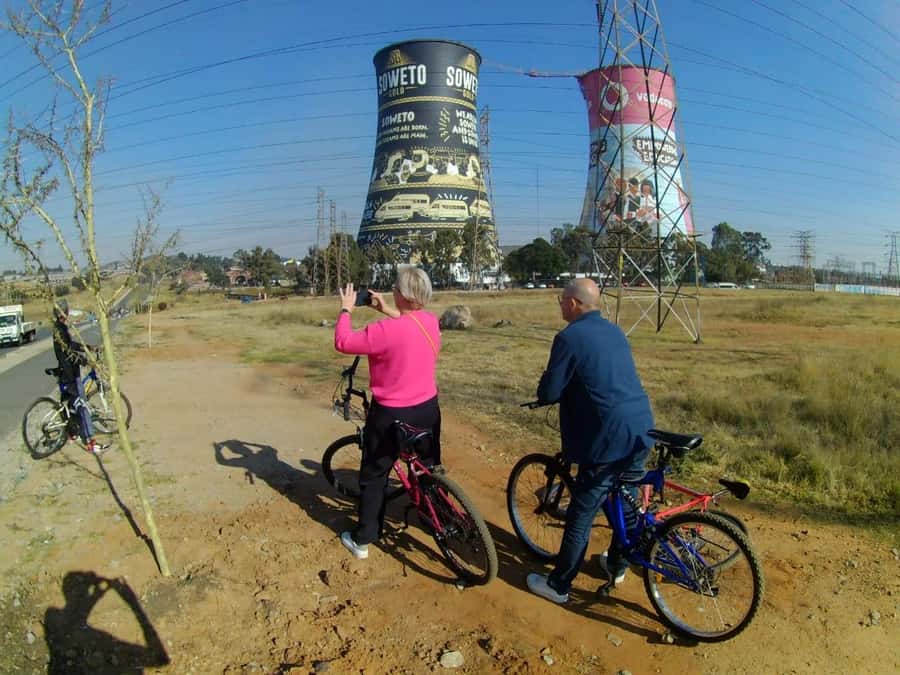
The Orlando Towers are one of the tour’s most recognizable visual points. Their height provides broad views across Soweto and helps you grasp the scale of this huge urban area.
The description highlights panoramic views, but it does not state that tower entry or a climb is included. You should confirm exactly what the stop involves when booking or with your guide. It may be primarily a viewing and photo stop rather than an ascent.
Even so, the towers are useful early in the tour. From ground level, Soweto can feel like a series of separate neighborhoods and landmarks. A high viewpoint gives you a wider sense of how the areas connect.
Bring a camera, but do not let the photo opportunity become the whole point. The value is in pairing the view with the guide’s explanation of where the route is taking you next.
Freedom Square in Kliptown
Freedom Square in Kliptown is one of the most meaningful stops on the itinerary. It is connected with the Freedom Charter, a major statement in the struggle against apartheid, and it gives the tour a direct link to the political hopes that shaped modern South Africa.
The visit is likely to be more rewarding if you arrive with patience. This is not just a square to photograph and leave. Listen for the connection between the place, the ideas that came from it, and the later democratic changes that still affect Soweto.
The tour’s four-hour limit means your guide may need to keep the visit moving. If political history is your main interest, ask focused questions about the square and its role. The small group gives you a better chance to do so than a large bus group.
Freedom Square also balances the celebrity focus of Mandela House. You get a broader view of collective action, not only the story of one famous person.
More market tours:
- Steam Train to Elgin Railway Market
★ 5.0 · 375 reviews
Regina Mundi Cathedral and the 1976 route
Regina Mundi Cathedral is described as a game-changing site, and for good reason. It is tied to the political and social struggles of Soweto, and the tour places it alongside Morris Isaacson High School, one of the schools linked with the 1976 uprisings.
These stops add weight to the route. Instead of hearing about the uprising as a distant event, you visit places connected with the people and institutions involved. That can make the history easier to understand, especially if this is your first time studying South Africa’s apartheid era.
The cathedral also shows that religious buildings can have a public role far beyond worship. Your guide’s handling of the subject will shape the visit, and the feedback about careful, detailed guiding is encouraging. One guide was praised for giving many details while asking about the group’s questions, and another was described as tactful.
Expect serious material here. The tone is not a light sightseeing program from start to finish. That is part of the value, but it may not suit someone seeking only food, shopping, and photo stops.
The route continues through the Mofolo Super Bowl toward the Vilakazi precinct. This transition matters because the tour moves from broad political history toward the homes and personal stories of leading figures.
Walking Vilakazi Street in Mandela’s footsteps
Vilakazi Street is the emotional center of the tour. It is famous for being associated with Nelson Mandela and Archbishop Desmond Tutu, and it is one of the best places to connect national history with an ordinary residential street.
You walk along the street rather than viewing it only through a vehicle window. Wear comfortable shoes, since walking is an important part of the experience and high heels are not allowed.
The street can feel more personal than a formal museum. You see the setting connected with major public figures while also encountering a living neighborhood and its commercial activity. That mix is worth appreciating. You are not entering a preserved historical bubble; you are visiting a place that remains part of Soweto’s daily life.
The itinerary does not promise a long independent shopping period here, so keep your expectations realistic. The focus is guided walking, history, and the Mandela family museum. If you want time to browse, eat, and take photographs at a slow pace, a private or custom tour with more hours could suit you better.
Mandela House and the Hector Pietersen Memorial
Entry to Mandela House is included, and the visit comes with a guided tour. This is a key practical advantage of the $93 price, since you do not have to arrange access separately.
The house gives you a more intimate setting after the large public subjects covered at Freedom Square and Regina Mundi. You can expect the guide to place the family home within Mandela’s life and the wider story of Soweto. The supplied details do not specify how long you spend inside, so the time may depend on traffic, museum conditions, and the group’s pace.
After Mandela House, the Hector Pietersen Memorial brings the focus back to the 1976 student uprising. It is a place for photographs, but it deserves more than a quick picture. The memorial is tied to the human cost of apartheid and the role of young people in challenging the system.
I recommend listening closely here and asking your guide to explain the sequence of events represented by the memorial. The feedback about personal history and thoughtful explanations suggests that this is where a strong guide can turn a solemn stop into a clear, respectful lesson.
Together, Mandela House and the Hector Pietersen Memorial create a useful contrast. One focuses on a celebrated political figure and family home. The other points to students and a wider movement. You need both perspectives to understand Soweto properly.
Food, markets, and the limits of four hours
The tour includes a chance to enjoy local cuisine, but lunch is optional and at your own cost. No specific restaurant, meal, or dish is guaranteed, so do not book this expecting a fixed food tour.
You might find opportunities to buy something at the market or eat in Soweto, depending on the day and the pace of the group. Ask your guide early if you want lunch, since a four-hour route leaves limited room for an unplanned meal.
This arrangement has one clear benefit: you choose how much to spend and what to try. It also means the final cost can rise above the advertised $93 if you add food, drinks, or market purchases.
I like that the tour includes market culture without pretending that a short history tour can cover every part of Soweto’s food scene. You get a taste of local life, but you should book a dedicated food experience if cuisine is your main goal.
Timing, transport, and comfort
The tour lasts four hours and includes pickup and drop-off. You can wait in your hotel lobby at least ten minutes before the scheduled pickup. If you are staying in a private home, you need to be somewhere the vehicle can be seen arriving.
That pickup service saves you the trouble of arranging transport across Johannesburg, which is one reason the price may work for first-time visitors. It also lets you focus on the tour rather than on navigating between distant stops.
The tour is limited to seven participants and is conducted in English. That small size should help with questions and make the vehicle portion less anonymous. It does not guarantee a private tour, though one booking was described as a private guide experience, so confirm the exact group arrangement if that matters to you.
Wear comfortable shoes. High heels are specifically not allowed, and the route includes walking on Vilakazi Street and at memorial and market areas. The tour is wheelchair accessible, which is useful information for guests who need step-free access, although you should still discuss your specific mobility needs with the provider before booking.
Free cancellation is available up to 24 hours before the tour for a full refund. You can also reserve now and pay later, which helps if your Johannesburg plans are still shifting.
How the guide can shape the day
This tour covers sensitive history, busy public areas, and personal stories. The guide is not an extra; the guide is the thread that holds the day together.
The strongest comments about the experience focused on guides who were local, safe, fun, detailed, and tactful. Ismail was praised for making the activity engaging and secure while explaining the history clearly. Another guest described a local guide who shared personal history and spent generous time answering questions.
That suggests you should treat the tour as a conversation, not a lecture. Ask about places you pass, the meaning of the memorials, and how the different landmarks connect. The guide may have more time to explain because the group is capped at seven.
Guide quality can vary from one departure to another, so it is sensible to keep an open mind. The high overall score of 5 from six ratings is encouraging, but the sample is small. I would rely on the tour’s structure and inclusions first, then see the guide’s personal style as an added benefit.
Who should book this four-hour route?
I would recommend this tour to first-time visitors to Johannesburg who want a clear introduction to Soweto without arranging transport, entry tickets, and a route on their own.
It also suits you if you care about history but want more than museums. You see public squares, a cathedral, schools, markets, memorials, a family home, and a famous street in one outing.
It may not be the best fit if you want a slow food tour, long market browsing, or a full day in Soweto. Four hours is efficient, but it also creates a brisk pace. You may leave with a good framework and still want more time in particular areas.
Families, older visitors, and anyone nervous about navigating Johannesburg alone may appreciate the pickup, small group, and accessible format. Bring comfortable shoes, keep lunch money separate, and tell the provider if you need special assistance.
Should you book the Soweto tour?
Book it if you want a well-rounded first look at Soweto, especially if Mandela House, the 1976 uprising, and local context are high on your list. The included admission, transport, small group, and English-speaking guide give the $93 price a reasonable foundation.
Skip it if your main goal is an unhurried market day or a dedicated food experience. The route covers many important places in four hours, so the day is better for orientation and history than for lingering.
For most first-time Johannesburg visitors, I would choose this tour early in the trip. It gives you the background to understand Soweto, and it leaves you better prepared to decide if you want to return for a longer, more focused visit.
FAQ
How long does the Soweto tour last?
The tour lasts four hours.
What is included in the price?
The price includes transportation, pickup and drop-off, entry to Mandela House, and a guided tour.
Is lunch included?
No. Lunch in Soweto is optional and must be paid for separately.
Is the tour conducted in English?
Yes. The live tour guide speaks English.
How many people are in the group?
The group is limited to seven participants.
Is hotel pickup available?
Yes. Pickup and drop-off are included. Guests should wait in their hotel lobby at least ten minutes before the scheduled pickup.
Where should guests wait when staying in a private home?
Guests staying in private homes should wait where the arriving vehicle can be seen.
Is the tour wheelchair accessible?
Yes, the activity is listed as wheelchair accessible.
What should I wear?
Wear comfortable shoes. High-heeled shoes are not allowed.
Can I cancel the booking for a refund?
Yes. You can cancel up to 24 hours in advance for a full refund.
Newest reviews from Johannesburg
- Cradle of Humankind and Maropeng Day Tour from Johannesburg★ 4.0 · 5 reviews
- Explore Soweto 8 Hour Tour with Lunch and Museum Visit★ 5.0 · 5 reviews
- 3 Day All Incl. Private Kruger Park Safari Incl. Transfer From Johannesburg★ 5.0 · 5 reviews
- Harties cableway Tour★ 4.5 · 5 reviews
- Pretoria Historical Tour★ 4.0 · 5 reviews
- Constitutional Hill and Soweto 5 hours tour.★ 5.0 · 5 reviews
- 5 Day Kruger National Park and Panorama Route Safari★ 4.5 · 5 reviews
- Luxury Car Johannesburg Airport Private Transfer★ 5.0 · 5 reviews
Soweto Tours, compared.
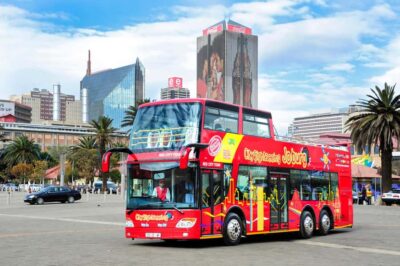

Soweto /Johannesburg and Apartheid Museum Guided Full Day Tour
Read our review →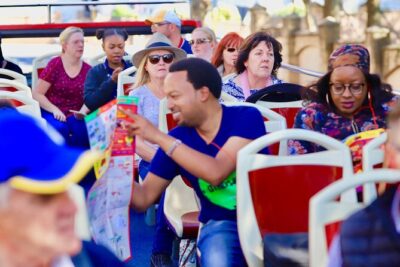
Johannesburg Hop-On Hop-Off City Tour with Soweto Option
Read our review →

Soweto: Walking Tour with a Local Guide and Lunch
Read our review →
Jo’berg in 1 Day: Soweto, Apartheid Museum & City Tour
Read our review →
Full-Day Tour with Soweto and Apartheid Museum
Read our review →
Browse the lists this tour appears in