
Reviewed · PHOTOGRAPHY SESSIONS
Plettenberg Bay: Private Guided Wildlife Photography Tour
Cats at close range, cameras ready.
This private wildlife photography tour at Tenikwa Wildlife Rehabilitation & Awareness Centre gives you time with white lions, cheetahs, leopards, caracals, servals, and rescued meerkats. I like the calm pace and the chance to ask direct questions about conservation. I also like that you can revisit a favorite animal area after the tour. The main drawback is that Tenikwa is a working rehabilitation center, so the animals and viewing conditions can vary.
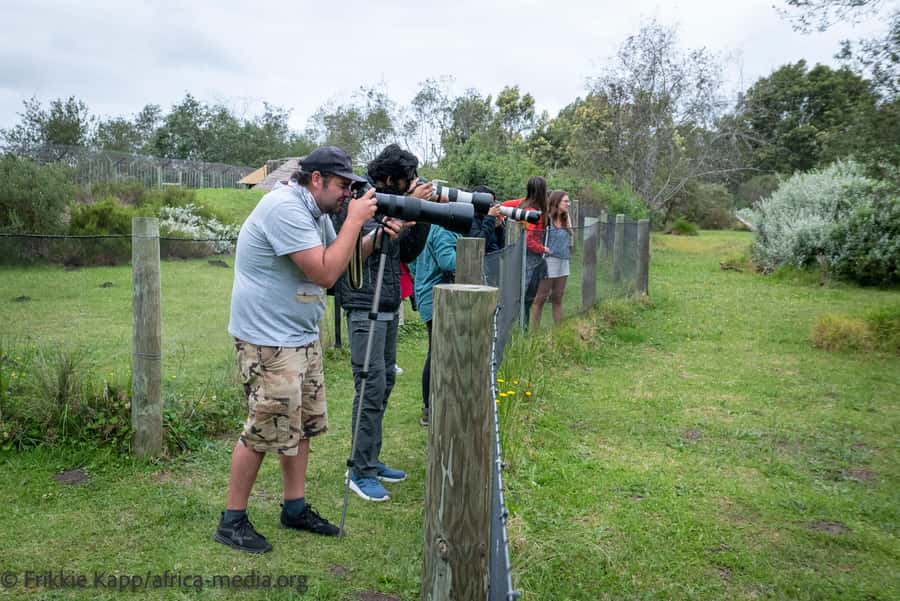
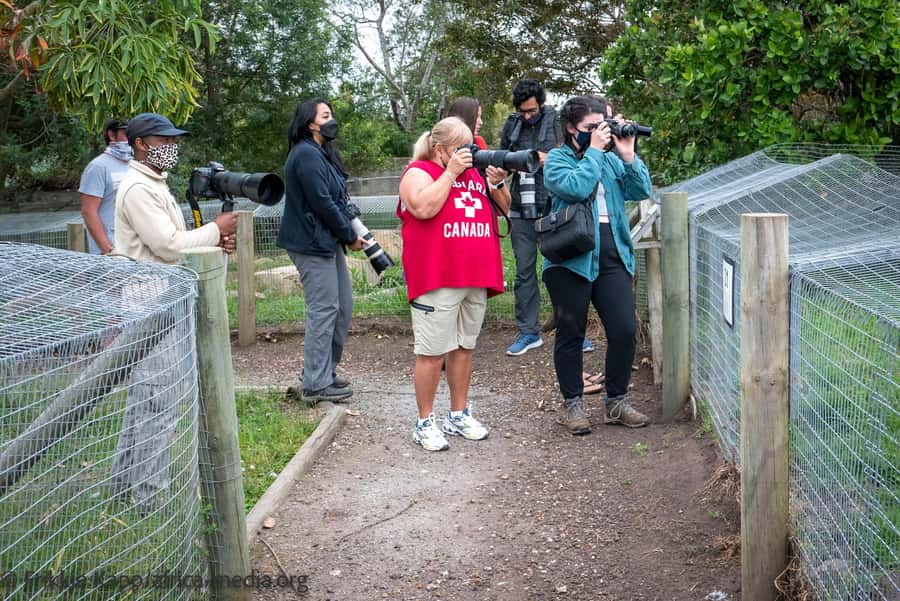
You should also know that this is not a safari drive through open bush. You walk between enclosures, sometimes entering areas where it is safe to do so, and you observe without touching, feeding, or posing with the animals. For photographers, the private format is a real advantage. You are less likely to have someone walk through your frame just as a leopard appears.
In This Review
- Key points to know before booking
- What Tenikwa offers beyond a standard animal visit
- Arrival, safety briefing, and getting your bearings
- The opening video and the conservation message
- Finding rescued meerkats at the Meerkat Meander
- Searching the leopard walkway
- Photographing cheetahs and discussing their future
- White lions, caracals, and servals at closer range
- The lion walkway and the final photo stop
- Breaks, snacks, and the small retail stop
- Why the $41 price can make sense
- Who will enjoy this tour most?
- Practical camera advice for the visit
- Should you book the Tenikwa photography tour?
- FAQ
- Where does the tour begin?
- How long does the experience last?
- Is hotel pickup included?
- Is the tour private?
- What language does the guide speak?
- Can I take photographs?
- Can I touch or feed the animals?
- What should I bring?
- Is the tour wheelchair accessible?
Key points to know before booking
- Private guide and private group: You get personal attention and can spend more time discussing animal behavior, photography, and conservation.
- White lion finale: The tour finishes with a walk high above the magnificent white lion enclosure.
- Rescued meerkats: The Meerkat Meander is home to confiscated meerkats that cannot return to the wild.
- Photography-friendly pace: You can take your time with the cats, and you may revisit one section after the formal tour ends.
- Close, but hands-off: Some enclosures can be entered when safe, but touching and feeding wildlife are strictly forbidden.
- About $41 per person: The price includes admission and a private guide, but not transport, food, or drinks.
What Tenikwa offers beyond a standard animal visit
Tenikwa is a wildlife rehabilitation and awareness center, not a conventional zoo and not a national-park safari. That difference matters. The animals in its care may have been rescued, confiscated, injured, or judged unable to survive in the wild.
You should arrive ready for an educational visit as much as a photography session. The center uses its animals to explain the pressures facing South Africa’s wild cats, including shrinking cheetah numbers and the difficult choices involved in caring for non-releasable animals.
I appreciate this setup because it gives the visit a clear purpose. You are not simply looking at attractive animals behind fences. You are learning why some are at Tenikwa, what conservation work involves, and why rehabilitation does not always end with release.
The private format makes those conversations easier. You can ask about a cat’s background, behavior, or enclosure without waiting for a large group to move along. If you are serious about wildlife photography, that extra time is often worth more than another quick stop on a crowded group tour.
More wildlife trips in South Africa:
- Cape Town: Marine Wildlife Tour from the V&A Waterfront
★ 4.6 · 1,118 reviews - Big Five Game Reserve Wildlife Safari from Cape Town
★ 4.0 · 576 reviews - From Cape Town: South African Wildlife and Safari 2-Day Tour
★ 4.7 · 411 reviews
Arrival, safety briefing, and getting your bearings
Your visit begins at Tenikwa Wildlife Rehabilitation & Awareness Centre. Arrive about 15 minutes early so you can park, check in at reception, and avoid cutting into your guided time.
The directions are straightforward but worth following carefully. From the N2, take the turnoff marked Tenikwa, Monkeyland, and Elephant Sanctuary. At Animal Alley, keep left toward Tenikwa, drive past Kurland Village, then keep right at the fork and continue to the entrance.
The center provides parking at reception. You are advised to leave valuables and backpacks locked in your vehicle. Bring your camera, but skip the selfie stick. Selfie sticks are not allowed, and you cannot pose with wildlife.
A short safety briefing takes about five minutes. Pay attention here. The rules are simple: no touching, no feeding, and no careless movement around the animals. These limits protect both you and the creatures in the center’s care.
Wear comfortable walking shoes and clothes. A sun hat and sunscreen are sensible, since parts of the visit take place outdoors and the pace is leisurely rather than rushed.
The opening video and the conservation message
Before you begin the animal viewing, your guide introduces Tenikwa and its work with a short educational video. This opening helps explain the center before you meet the animals, which gives the rest of the tour more meaning.
You will hear about wild cats found in South Africa and the challenges they face. Cheetahs receive particular attention because their numbers in the wild are diminishing. The talk also helps you understand why the center has animals that cannot be released.
I find this introduction useful for another reason: it sets realistic expectations. You are not promised a sequence of perfect animal poses. Some animals may be active, while others may remain hidden or keep their distance. The setting is a working care center, and what you see depends partly on the animals being cared for at that time.
That uncertainty is not a flaw, but it is something to accept before booking. If you need guaranteed sightings of every listed species, this may not be the right experience. If you want a closer look at conservation work with a guide who can explain the animals, it makes more sense.
Finding rescued meerkats at the Meerkat Meander
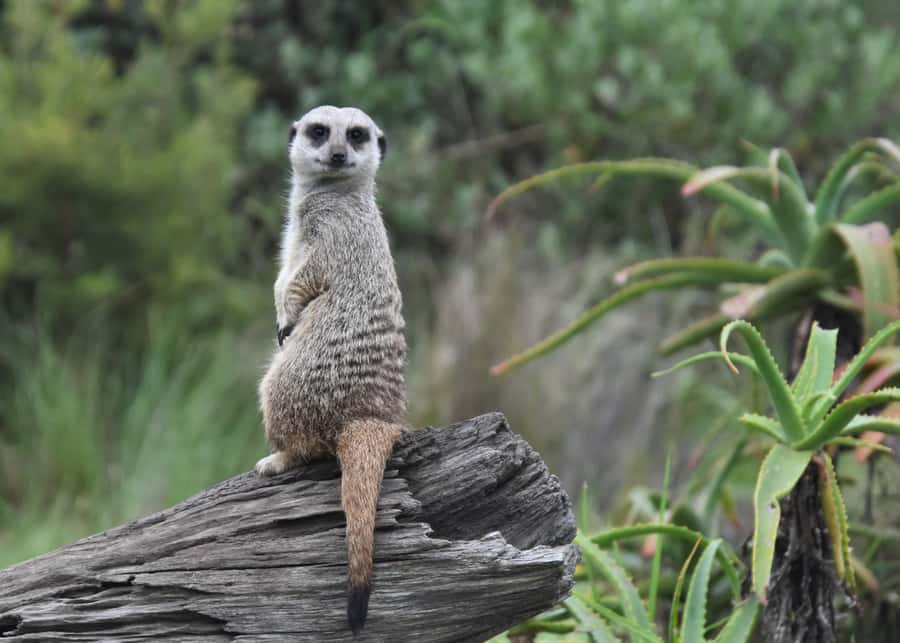
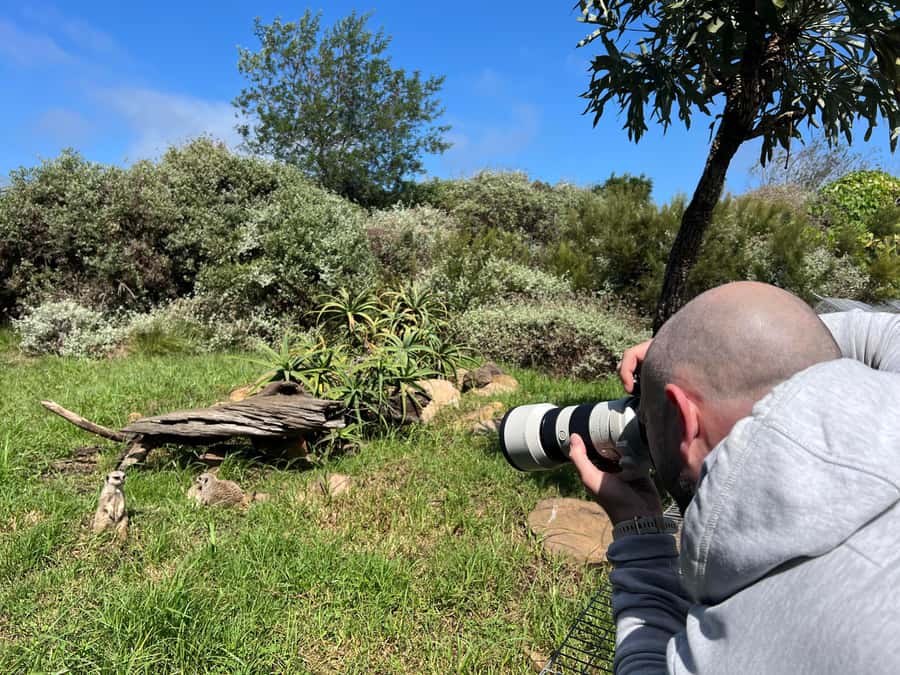
The Meerkat Meander is one of the early stops. These meerkats were confiscated and now have a permanent home at Tenikwa.
Meerkats are small, quick, and often entertaining to photograph. Their size also makes this a useful warm-up for your camera settings. You may need to track movement, watch for alert postures, and work with changing light rather than simply point and shoot.
Your guide can place the animals in context, explaining why they are at the center and what permanent care means. The stop is not only about cute pictures. It shows how human intervention can leave an animal unable to return to the wild.
For families and casual photographers, this is an accessible start. For serious photographers, it is a chance to adjust your equipment before reaching the larger cats. Keep your bag in the vehicle if possible, and bring only the camera gear you can carry comfortably.
More photo shoots in South Africa:
- Cape Town: Atlantis Dunes Quad Bike Tour and Photo Session
★ 4.5 · 322 reviews - Quad Bike Adventure @ Atlantis Dunes+Photo Session
★ 4.5 · 104 reviews - 1 Hour Cape Town Bo Kaap Photoshoot Experience
★ 5.0 · 61 reviews - Private Surf Lesson in Cape Town – Transport & Photos Included
★ 5.0 · 50 reviews
Searching the leopard walkway
The leopard section requires a little patience. Leopards are well camouflaged, and the challenge is to search the enclosure rather than expect an instant appearance.
That makes this a good test of how you approach wildlife photography. Your guide can help you look for the animal, but you still need to slow down and study the space. A spotted coat against natural cover can be remarkably difficult to pick out.
The private group helps here. You are not competing with a large crowd for a quick view. You can ask where to look, wait for a better angle, and take photographs when the leopard is visible.
There is also a practical limit. Even with a private guide, a hidden leopard may stay hidden. Tenikwa cannot control an animal’s mood or position, and a well-camouflaged cat is part of the experience. Patience is more useful than a long list of expectations.
Photographing cheetahs and discussing their future
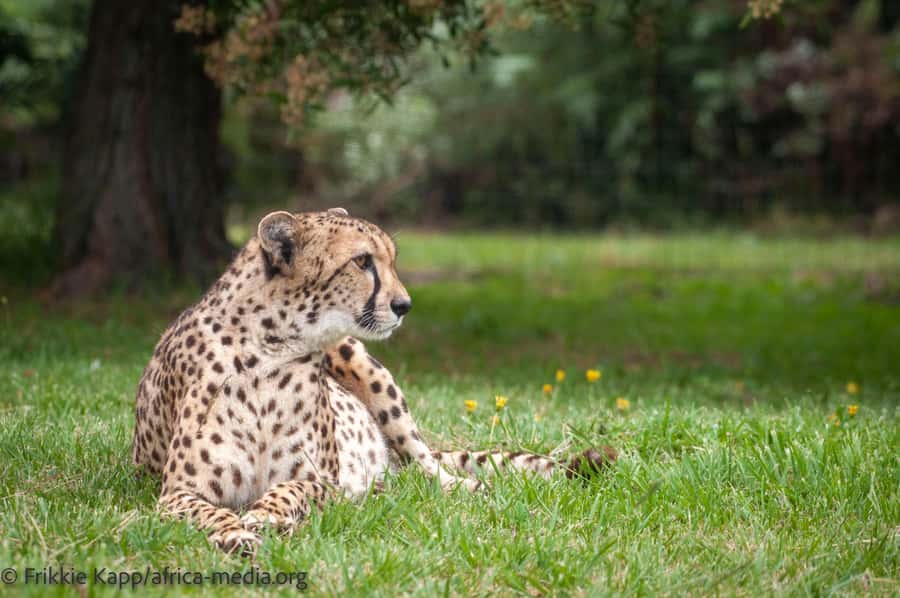
The cheetahs offer a different photographic subject. Their markings are easier to identify than a leopard’s, but the visit also carries a conservation lesson. You learn about the decline of cheetah numbers in the wild and the work needed to protect the species.
I like the way the tour connects the attractive image with the larger problem. Cheetahs are famous for speed, yet their future depends on habitat, human decisions, and conservation programs. A good guide can turn a photograph into a reason to think about what happens outside the enclosure.
You may have time to take several pictures rather than one hurried shot. One person who booked the private tour for a birthday particularly valued being able to photograph for as long as needed without someone else crossing the frame. That is exactly where the private setup earns its keep.
Ask your guide about the cats’ behavior and the center’s role. Davidson, one of the guides associated with this experience, has been praised for explaining the facility while allowing ample time for photographs. Guide quality can shape this kind of visit, and the personal format gives you a better chance to have a real conversation.
White lions, caracals, and servals at closer range
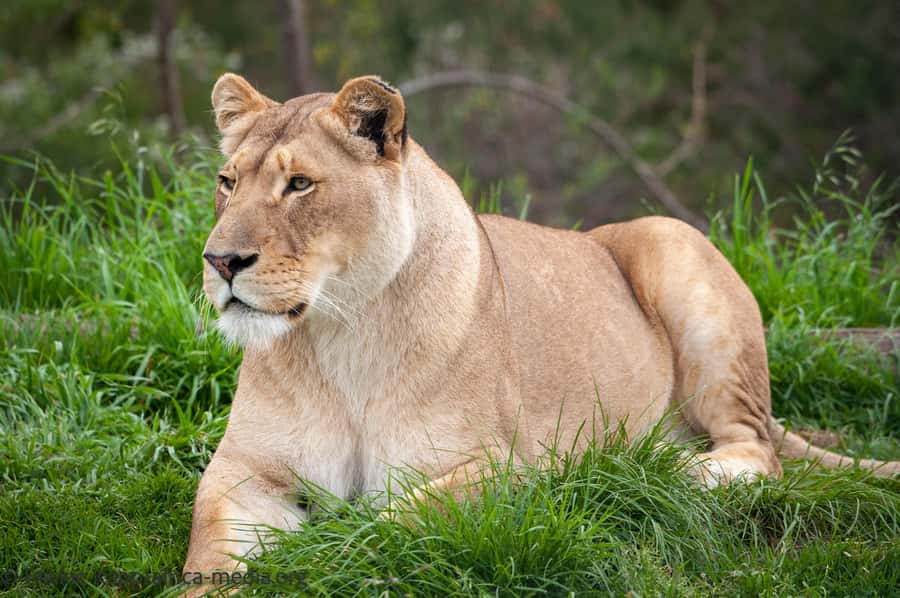
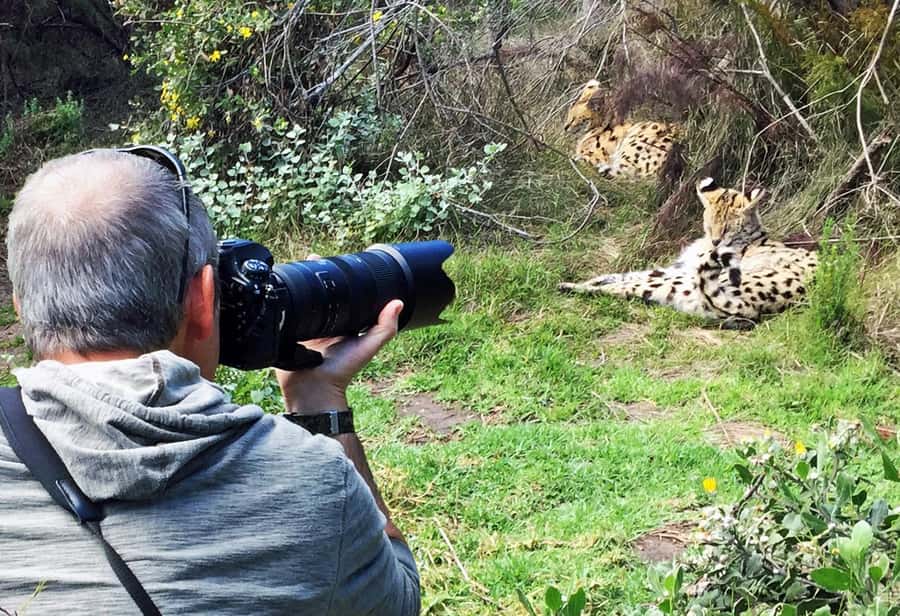
The cat portion can include opportunities to photograph white lions, cheetahs, leopards, caracals, and servals. Each offers a different subject.
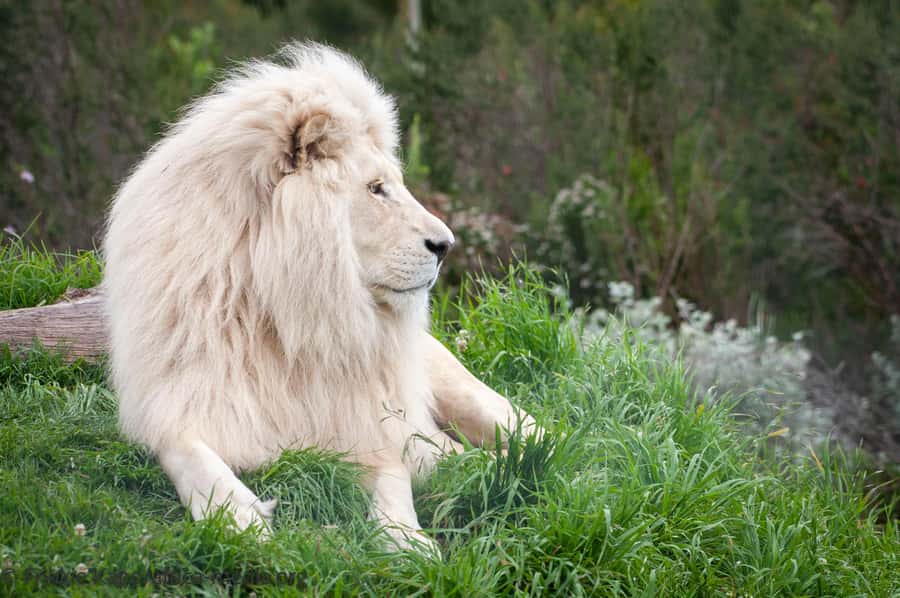
The white lion provides the most dramatic images, especially near the end of the tour. Caracals and servals are smaller and may require more careful framing. Their different sizes, markings, and habits give you a useful range of photographic challenges in one visit.
At certain points, you may be allowed inside an enclosure when it is considered safe. This does not mean you can approach or touch the animals. It means you may be placed closer to them under strict guidance.
That distinction is important. If you are expecting an animal encounter where you can stroke or feed a cat, do not book this tour. The experience is based on observation, photography, and education. No touching is permitted, and no feeding takes place.
The close proximity can produce strong photographs, but it also requires discipline. Listen to the guide, keep your movements controlled, and do not let the excitement of a good shot override the safety rules.
The lion walkway and the final photo stop
The tour finishes with a walk high above the white lion enclosure. This elevated walkway gives you a different angle from the closer viewing areas and creates a memorable final stop.
From above, you can focus on posture, movement, and the shape of the animal rather than only trying to capture a face. The height may also help you photograph without looking directly through the fencing at ground level.
This final section is a good reminder that photography here is about adapting to the setting. You may be working through barriers, from a raised walkway, or from a permitted position inside an enclosure. A private guide can help you choose where to stand and when to wait.
After the main tour, you have the option to revisit one part of the program. Use this wisely. If the leopard was hidden earlier, or if the light improved around the cheetahs, this second look could be the most valuable ten minutes of the visit.
Breaks, snacks, and the small retail stop
The schedule includes a break of about 15 minutes, coffee and local snacks for roughly 10 minutes, a final photo stop, and about 10 minutes for shopping.
Food and drinks are not included in the tour price, so you should not treat the snack stop as a full meal. It is better viewed as a pause between walking and animal viewing.
The retail stop gives you time to browse before leaving. You may find it useful if you want a small reminder of the center, but it is not a core reason to book the experience.
The timing can feel slightly flexible because the main guided wildlife viewing lasts about two hours, while the overall advertised duration ranges from two hours to 150 minutes. Plan for roughly two to two and a half hours, rather than scheduling a tight connection immediately afterward.
Why the $41 price can make sense
At about $41 per person, this tour is priced above a basic entrance visit but includes admission, a live English-speaking guide, and a private group. The value depends on how much you care about time and access.
For a casual animal sighting, the cost may feel high compared with entering a center on your own. For a photographer, the price is easier to justify. You have fewer people around, more room to ask for advice, and a chance to revisit one section after the formal program.
The tour is also useful if you want context rather than a silent walk through enclosures. The guide explains the animals and the center’s conservation work, and the leisurely pace leaves room for questions.
Transport is not included. You need to make your own way to Tenikwa, and food and drinks are extra. That is a modest issue if you are already visiting the Plettenberg Bay area, but it matters if you are building a full day around several attractions.
The booking terms are flexible: you can cancel up to 24 hours before the start for a full refund, and you can reserve now and pay later. Starting times depend on availability.
Who will enjoy this tour most?
I would choose this experience if you fit one of these groups:
- You want a private wildlife activity near Plettenberg Bay.
- You enjoy photography and prefer time to compose a shot.
- You want to learn about South African wild cats.
- You are interested in rehabilitation and conservation, not only animal encounters.
- You prefer a guided visit at a gentle pace.
- You are comfortable following strict no-touch and no-feeding rules.
Families can enjoy the variety of animals, though young children should be able to walk calmly and follow instructions. The center is wheelchair accessible, which makes it suitable for more visitors, although the practical details of every walkway are best confirmed when booking.
This is less suitable if you want a wild safari, a guaranteed sighting of every species, or an interactive animal encounter. You will see animals in managed enclosures, and the center’s work determines what is available on the day.
Practical camera advice for the visit
Bring the camera you are comfortable carrying for several hours. Cameras are allowed, but selfie sticks are not.
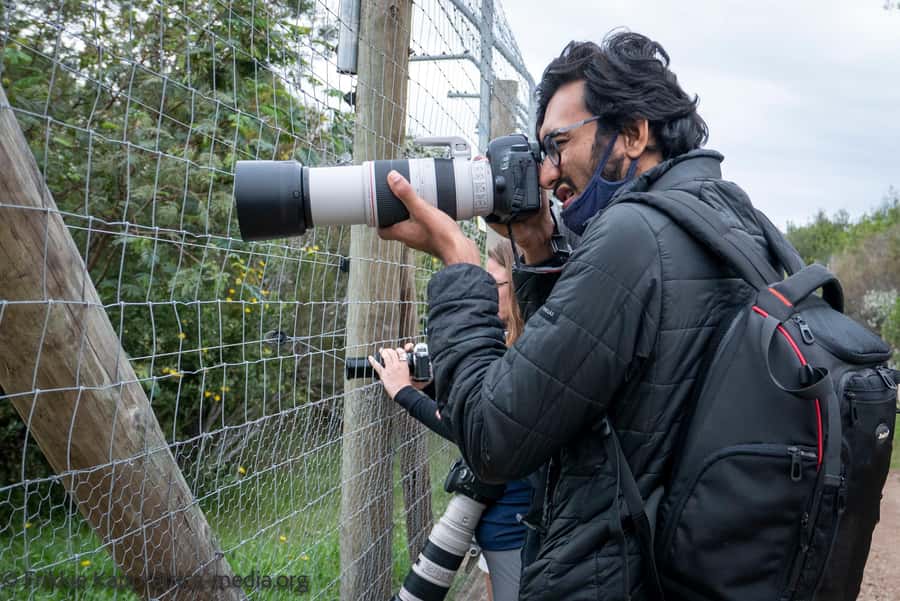
The most important advantage is time. You can wait for a better pose, ask your guide where to look, and use the revisit option if one section produced poor photographs. You do not need to rush through every cat just to keep pace with a large group.
A sun hat and sunscreen are useful for both comfort and concentration. Comfortable shoes matter more than stylish ones, since the visit includes walking between animal areas and spending time on walkways.
Keep valuables and backpacks locked in your vehicle. Carrying less equipment also makes it easier to move safely and follow the guide’s instructions around the enclosures.
Should you book the Tenikwa photography tour?
Book it if you want close, carefully managed wildlife viewing with a personal guide and enough time for photographs. The private group, conservation discussion, and option to revisit a favorite animal area give this experience more value than a quick standard visit.
I would be cautious if your main goal is a free-ranging safari or a guaranteed encounter with every cat. Tenikwa is a working rehabilitation center, so the animal lineup and behavior can change.
For photographers, animal lovers, and anyone curious about the hard work behind wildlife care, this is a strong Plettenberg Bay choice at about $41 per person. Arrive early, bring comfortable shoes, protect yourself from the sun, and let the animals set the pace.
FAQ
Where does the tour begin?
The tour begins at Tenikwa Wildlife Rehabilitation & Awareness Centre. Check in at Tenikwa Reception after following the signed route from the N2.
How long does the experience last?
The tour is approximately two hours, with the advertised duration ranging from two hours to 150 minutes. The schedule also includes breaks, coffee and local snacks, photography time, and shopping.
Is hotel pickup included?
No. Hotel pickup and drop-off are not included, so you must arrange your own transportation to Tenikwa.
Is the tour private?
Yes. It is offered as a private guided tour for a private group.
What language does the guide speak?
The live tour guide speaks English.
Can I take photographs?
Yes. Cameras may be taken on the tour, and there are several opportunities to photograph the animals. Selfie sticks are not allowed.
Can I touch or feed the animals?
No. Touching and feeding wildlife are not allowed, and posing with wildlife is also prohibited.
What should I bring?
Bring comfortable shoes, comfortable clothes, a sun hat, and sun protection lotion. You should also arrive 15 minutes before the scheduled start.
Is the tour wheelchair accessible?
Yes. The activity is listed as wheelchair accessible.
Newest reviews from South Africa
- Half-Day Lion and Safari Park Tour★ 5.0 · 5 reviews
- Explore Atlantis Sand Dunes with a 1hour 30mins sandboarding tour★ 5.0 · 5 reviews
- Durban Shore Excursion: Valley of 1000 Hills and PheZulu Tour★ 5.0 · 5 reviews
- Cango Caves Oudtshoorn Day Tour★ 5.0 · 5 reviews
- Transfer from Cape Town City Center to Cape Town Airport★ 5.0 · 5 reviews
- Pneuma private travel & tours, creating memories and friends never forgotten★ 5.0 · 5 reviews
- QUAD BIKE FUN RIDE IN PAARL, BATTLE BUNKER WITH WILDX★ 4.4 · 5 reviews
- Private Transfer: CPT Airport to Cape Town in Luxury Van★ 4.0 · 5 reviews
Photography Sessions, compared.
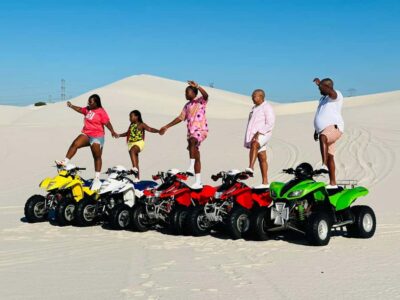
Atlantis Dunes Quad Bike Tour and Photo Session
Read our review →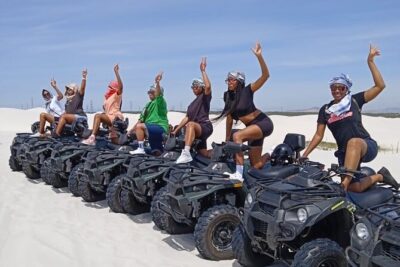
Quad Bike Adventure @ Atlantis Dunes+Photo Session
Read our review →
Private Surf Lesson in Cape Town – Transport & Photos Included
Read our review →

Cape Town Sand Dunes ATV Quad bike tour & PHOTOS
Read our review →Browse the lists this tour appears in