
Reviewed · SOWETO TOURS
Johannesburg and Soweto Tour in French
Soweto makes Johannesburg personal fast. This private tour pairs French-speaking guidance with major sites such as Mandela House, the Apartheid Museum, and Constitution Hill, so you get both the national story and the local setting behind it. I especially like the private vehicle, which saves you from piecing together a complicated day by taxi or public transport, and the flexible approach praised by several guests, with guides adjusting timing around traffic and site crowds.
The strongest part is the human commentary. Guides named Ibrahim and U received warm praise for patience, humor, and clear answers, while driver Basil was also singled out for his good spirit. The main consideration is the schedule: seven or eight hours is a lot to fit in, and a 30-minute stop at Constitution Hill cannot cover everything this important site contains. One serious reliability complaint also makes it wise to confirm the pickup before the day.
In This Review
- Key points at a glance
- Why this private Johannesburg tour works
- Hector Pieterson Memorial and the 1976 student uprising
- Mandela House on Vilakazi Street
- Regina Mundi, Soweto’s place of refuge
- Walter Sisulu Square and the Freedom Charter
- FNB Stadium and Soweto’s cooling towers
- Constitution Hill and the people imprisoned there
- Two hours at the Apartheid Museum
- The French guide and the private vehicle
- Is $92.35 a fair price?
- Who should book this experience?
- Final verdict: a strong first day in Johannesburg
- FAQ
- How long does the Johannesburg and Soweto tour last?
- Is the tour conducted in French?
- Is transportation included?
- Is the tour private?
- Is lunch included?
- Is admission to Mandela House included?
- Is admission to the Apartheid Museum included?
- Are all attraction tickets included?
- Can the tour be canceled for a full refund?
Key points at a glance

- A private French-speaking guide: Your group has the guide’s attention, with French commentary throughout the day.
- Mandela House on Vilakazi Street: You see the former home of Nelson Mandela and family photographs connected with his life there.
- The 1976 uprising brought into focus: Hector Pieterson Memorial and Museum explain the student protest that began in Soweto.
- A full Johannesburg history day: The route also includes Regina Mundi, Walter Sisulu Square, Constitution Hill, and the Apartheid Museum.
- Private transport included: You do not need to walk between widely separated sites or arrange several rides.
- A packed but useful schedule: The tour lasts about seven to eight hours, with two hours reserved for the Apartheid Museum.
Why this private Johannesburg tour works
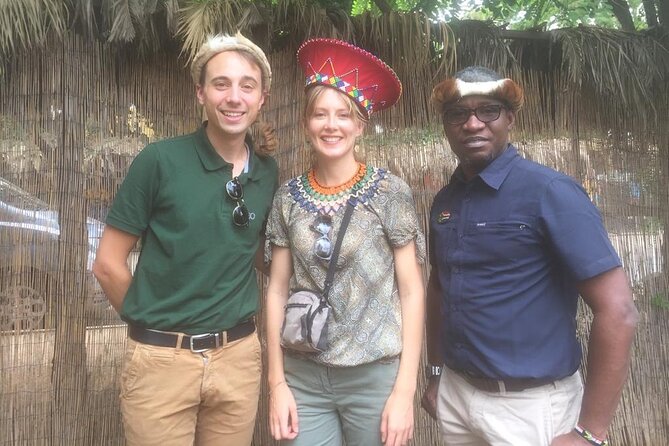
Johannesburg and Soweto are not places I would reduce to a quick drive-by. The city’s past is spread across neighborhoods, museums, churches, memorials, and former political gathering places. On your own, you would need to research the sites, work out the order, and keep transport moving. Here, a private guide and vehicle handle that framework.
The French-language element matters. Difficult subjects such as apartheid, the 1976 student uprising, imprisonment, and the Freedom Charter deserve more than a few labels beside display cases. A guide who can explain those subjects in your strongest language gives you a better chance of asking questions and following the links between each stop.
The private format is also useful for families, couples, and small groups with different interests. The experience is not shared with strangers, and the guide can respond to your questions rather than delivering only a fixed speech. One French-language guest praised Ibrahim for being attentive, friendly, patient, and willing to answer questions. Another described U as humorous and informative, with Basil adding to the good mood behind the wheel.
At the same time, private does not mean leisurely. The route has many stops, and some receive only 10 or 30 minutes. You should see this as a broad introduction, not a slow study of every museum and neighborhood.
More Soweto tours:
- Johannesburg: Hop-On Hop-Off Bus with Optional Soweto Tour
★ 4.6 · 985 reviews - Soweto /Johannesburg and Apartheid Museum Guided Full Day Tour
★ 5.0 · 932 reviews - Johannesburg Hop-On Hop-Off City Tour with Soweto Option
★ 4.5 · 768 reviews
Hector Pieterson Memorial and the 1976 student uprising
The first listed stop is the Hector Pieterson Memorial, connected with the student uprising that began in Soweto in 1976 and spread across South Africa. You have about 30 minutes here, with admission not included in the tour price.
This is one of the most important stops because it gives a human focus to a major turning point. The museum and memorial are tied to the young people caught up in the protest, rather than presenting apartheid only through laws and government offices. The setting helps you understand why Soweto is central to South African history.
Allow for the fact that 30 minutes is brief. If you want time for both the memorial and museum displays, your guide can help you use the visit well, but you may need to move at a steady pace. Admission is an extra cost, so carry room in your budget for site tickets and other personal expenses.
I would pay close attention to the guide’s explanation here. The value is not just seeing a memorial. It is understanding how local events became part of a much wider national struggle.
Mandela House on Vilakazi Street
Mandela House is one of the day’s most direct personal encounters with South African political history. Situated on Vilakazi Street, the house was associated with Nelson Mandela’s family life. He lived there with his first wife, Evelyn, and later with Winnie Mandela.
You have 45 minutes at the house, and admission is included. That makes this a more settled visit than some of the shorter outdoor stops. You can see the home and family photographs while your guide explains the people and events connected with it.
I like this stop because it puts a private setting beside the public story. Mandela is often presented through speeches, prison years, and presidential photographs. A former home gives you a more ordinary point of reference, even though the historical meaning of the address is anything but ordinary.
The house is on Vilakazi Street, which also helps connect the visit to Soweto’s living community rather than treating the area as a collection of museum exhibits. Still, do not expect a long, unstructured visit. The schedule allows enough time to see the main material and ask questions, but not to linger for hours.
Regina Mundi, Soweto’s place of refuge
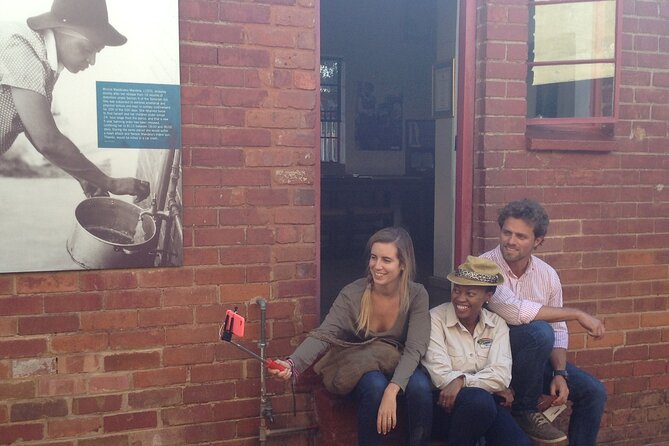
Regina Mundi is described as the largest Catholic church in South Africa and is also known as the parliament of Soweto. During the 1976 student uprising, students came here to hide from police.
That history gives the church a role beyond religion. It became a place where people could gather, seek safety, and discuss the country’s political future. The nickname parliament of Soweto points to the public debates and community importance associated with the building.
The planned visit lasts 30 minutes, and admission is not included. This is a good example of why a guide adds value. A quick look inside may not explain why this church mattered so much during periods of conflict. The story told on site can turn a short stop into a useful piece of the larger day.
Keep your expectations realistic. This is not presented as a long service, architectural study, or extended church visit. It is a focused historical stop that links faith, community action, and resistance.
A few more tours worth putting side by side
- From Johannesburg: Pilanesberg Nature Reserve Game Safari
★ 4.8 · 1,327 reviews - Full Day Ultimate Pilanesberg National Park Safari from Johannesburg or Pretoria
★ 4.5 · 718 reviews - Half-Day Tour of Soweto Tour
★ 4.5 · 712 reviews - Soweto: Walking Tour with a Local Guide and Lunch
★ 4.9 · 648 reviews
Walter Sisulu Square and the Freedom Charter

In Kliptown, Walter Sisulu Square marks the place where the Freedom Charter was voted in during 1955. The area is described as the oldest multicultural part of Johannesburg, giving this stop a setting tied to cooperation across different communities.
The square helps balance the day. The Soweto stops are not only about repression and protest. They also reflect political organization and hopes for a different South Africa. Learning about the Freedom Charter gives you a sense of the principles that shaped the anti-apartheid movement.
The scheduled visit is 30 minutes, with admission not included. You will likely depend on the guide to explain the importance of the square during the short stop. I would treat it as a place for context and orientation rather than a long museum visit.
This part of the route is especially worthwhile if you want to understand how the struggle involved ideas and political plans, not only demonstrations and arrests. It adds another layer to the day without requiring a separate excursion.
FNB Stadium and Soweto’s cooling towers
FNB Stadium, also called Soccer City, receives a quick 10-minute visit. It was the home of the 2010 FIFA World Cup, so the stop connects Soweto with a more recent moment of international attention.
Ten minutes is enough for an exterior view and a short explanation, but not a stadium tour. The inclusion works best as a visual pause between the heavier historical sites. You see a major modern landmark, then continue to places tied to the country’s longer political story.
The two cooling towers are another brief visual stop. Built in 1951 to supply electricity to Johannesburg, they later became a recognizable Soweto landmark. Today, they are also used for bungee jumping from a platform between the tops of the towers.
The tour information does not list a bungee jump as part of your experience, so do not book this expecting an included thrill activity. You should view the towers as a photo and orientation stop unless your guide provides different arrangements.
Constitution Hill and the people imprisoned there
Constitution Hill Human Rights Precinct carries some of the heaviest material on the route. Its Old Fort, Women’s Jail, and Number Four prison held famous figures including Nelson Mandela, Mahatma Gandhi, Joe Slovo, Albertina Sisulu, Winnie Madikizela-Mandela, and Fatima Meer.
The site also confined tens of thousands of ordinary people over a century. That wider scope is important. The story is not limited to well-known political names. Men, women, and children of different races, beliefs, ages, and political positions were held there.
The planned stop is 30 minutes, and admission is not included. I see this as an introduction rather than a complete visit. Constitution Hill is a living museum with several sections, and the time listed is too short for a thorough examination of all of them.
If the subject matters deeply to you, ask your guide how to focus the visit. You may prefer the political prisoners, the Women’s Jail, or the broader prison system. The short timing is the clearest weakness in the itinerary, especially when paired with the two-hour Apartheid Museum visit later in the day.
Two hours at the Apartheid Museum
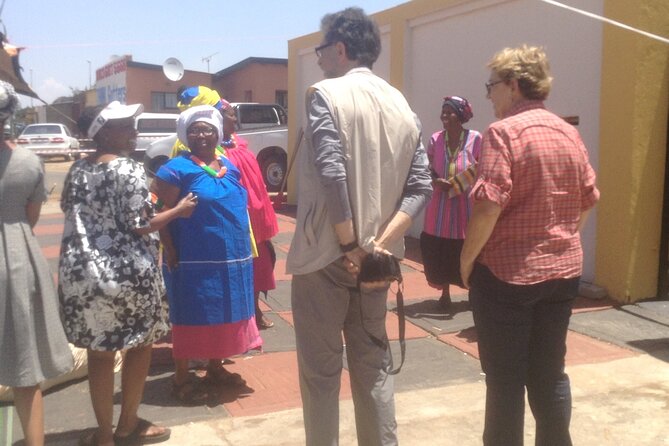
The Apartheid Museum is the longest scheduled stop, with two hours and admission included. It was the first museum of its kind and presents the rise and fall of apartheid through displays, architecture, space, and outdoor design.
Two hours gives you a reasonable chance to take in the main sections without rushing through every panel. I like that the tour gives this museum more time than most other stops. Apartheid is too complex for a single explanation in a vehicle, and the museum gives you a more structured account.
The museum’s design is part of the experience. The building was created by a group of leading architectural firms on a seven-hectare site, with the structure and open areas helping shape the visit. You are not simply entering a small room of objects. The physical setting supports the subject.
Even so, two hours may not satisfy every history enthusiast. If you read every exhibit carefully, you could want longer. The guide’s earlier explanations should help you arrive with a basic framework, allowing you to spend your museum time on the sections that matter most to you.
For many people, this will be the day’s anchor. Soweto gives you specific places and personal stories. The Apartheid Museum then gathers those threads into a wider national account.
The French guide and the private vehicle
The tour includes private transportation, which is a major practical benefit. Johannesburg’s major attractions are not all next door to one another, and moving between Soweto, central sites, and the museum would take planning. With a vehicle assigned to your group, you avoid losing time arranging each journey.
Pickup is offered, and the tour is also near public transportation. The exact pickup details should be confirmed at booking, particularly because one serious complaint involved a guide and vehicle failing to arrive. Most of the available feedback is strongly positive, but that logistical warning should not be ignored.
The strongest praise centers on the people delivering the tour. Ibrahim was described as particularly patient and attentive. U was praised for a strong sense of humor and relevant commentary, while Basil, the driver, was also remembered warmly. A French-speaking guide who can adapt the program to your requests is a real advantage on a long day.
One group specifically appreciated changes made to the route to account for traffic and crowd levels. That flexibility is one of the best reasons to choose a private tour rather than a large fixed group. It can help protect your time at the sites that matter most.
Is $92.35 a fair price?
At $92.35 per person, the value depends on how many people are in your group and how much you want the French-language service. The price includes private transportation and admission to Mandela House and the Apartheid Museum. Lunch, other admissions, and personal expenses are extra.
For a private seven to eight-hour day with a dedicated guide and driver, the price is reasonable if you are traveling with several people. A couple may feel the cost more sharply, but the convenience of not arranging transport across Johannesburg still has real value.
You are also paying for interpretation, not just movement between landmarks. The best version of this tour helps you understand why Hector Pieterson, Regina Mundi, Walter Sisulu Square, Constitution Hill, and the Apartheid Museum belong in one day.
Budget separately for admission to Hector Pieterson Memorial and Museum, Regina Mundi, Walter Sisulu Square, and Constitution Hill, since those tickets are not included. Lunch is also excluded. The Apartheid Museum and Mandela House are included, which simplifies two of the major visits.
Who should book this experience?
I would recommend it most strongly to French-speaking visitors who want a guided first look at Johannesburg and Soweto without managing transport themselves. It also suits anyone with only one day available for the city’s major historical sites.
It is a good fit for families and small private groups because the guide can respond to your questions and adjust parts of the program. People who prefer a slow pace at each museum may find the schedule too full, especially at Constitution Hill and Hector Pieterson.
History-focused visitors should book with a plan. Tell the guide which subjects matter most to you, then use the shorter stops for orientation and save your attention for Mandela House, Constitution Hill, and the Apartheid Museum.
The tour has a 4.8 rating from 17 reviews, with 94 percent recommending it. That is encouraging, but the single serious no-show complaint is enough reason to confirm the arrangement and pickup details before the start time.
Final verdict: a strong first day in Johannesburg
This is a useful, serious, and well-planned introduction to Johannesburg and Soweto. I like the mix of famous names and less obvious places: Mandela House is familiar, while Regina Mundi and Walter Sisulu Square help explain how communities organized and endured.
Book it if you value French-language history, private transport, and a broad route that covers both Soweto and central Johannesburg. Skip it if you want long, detailed museum visits at every stop or if you dislike a full schedule.
Before paying, check the pickup confirmation, note the extra admission charges, and decide which sites deserve your questions. With those points handled, this tour offers a practical way to see important places without reducing Soweto to a passing view from a car.
FAQ
How long does the Johannesburg and Soweto tour last?
The tour lasts approximately seven to eight hours.
Is the tour conducted in French?
Yes. It is a private guided experience with a French-speaking guide.
Is transportation included?
Yes. Private transportation is included, and pickup is offered.
Is the tour private?
Yes. Only your group participates in the private tour or activity.
Is lunch included?
No. Lunch and personal expenses are not included.
Is admission to Mandela House included?
Yes. Admission to Mandela House is included.
Is admission to the Apartheid Museum included?
Yes. Admission to the Apartheid Museum is included.
Are all attraction tickets included?
No. Admission is not included for Hector Pieterson Memorial and Museum, Regina Mundi, Walter Sisulu Square, and Constitution Hill. Mandela House and the Apartheid Museum are included.
Can the tour be canceled for a full refund?
Yes, if you cancel at least 24 hours before the experience start time. Cancellations within 24 hours are not refunded. If poor weather or an insufficient minimum number of participants causes the operator to cancel, you will be offered another date or experience, or a full refund.
Newest reviews from Johannesburg
- Cradle of Humankind and Maropeng Day Tour from Johannesburg★ 4.0 · 5 reviews
- Explore Soweto 8 Hour Tour with Lunch and Museum Visit★ 5.0 · 5 reviews
- 3 Day All Incl. Private Kruger Park Safari Incl. Transfer From Johannesburg★ 5.0 · 5 reviews
- Harties cableway Tour★ 4.5 · 5 reviews
- Pretoria Historical Tour★ 4.0 · 5 reviews
- Constitutional Hill and Soweto 5 hours tour.★ 5.0 · 5 reviews
- 5 Day Kruger National Park and Panorama Route Safari★ 4.5 · 5 reviews
- Luxury Car Johannesburg Airport Private Transfer★ 5.0 · 5 reviews
Soweto Tours, compared.
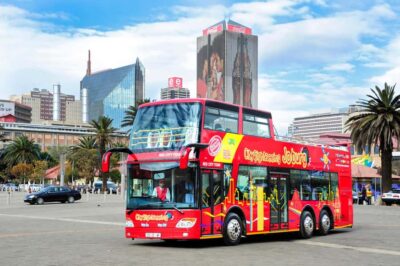

Soweto /Johannesburg and Apartheid Museum Guided Full Day Tour
Read our review →
Johannesburg Hop-On Hop-Off City Tour with Soweto Option
Read our review →

Soweto: Walking Tour with a Local Guide and Lunch
Read our review →
Jo’berg in 1 Day: Soweto, Apartheid Museum & City Tour
Read our review →
Full-Day Tour with Soweto and Apartheid Museum
Read our review →
Browse the lists this tour appears in