

Reviewed · SOWETO TOURS
Historical and Cultural Interactive Experience of Soweto
Soweto tells South Africa’s story face to face. This private, four to five hour outing combines major sites such as Mandela House and the Hector Pieterson Museum with the chance for personal encounters in homes, taverns, schools, and community spaces. I like the flexible style, and I like that guides such as Zandile and Jazz connect apartheid history to daily life today. The main consideration is that lunch costs extra, and the optional traditional healer visit requires another R300 in cash.
This is not a bus tour where you simply point a camera at famous places. The guide shapes the day around your interests, so one group may focus on political history while another spends more time on local culture and conversation. You should expect a serious look at painful events, balanced by music, food, humor, and ordinary human contact.
In This Review
- Key points before you book
- Why this Soweto experience feels different
- FNB Stadium and the Calabash design
- Walter Sisulu Square and the Freedom Charter
- Hector Pieterson Museum and the events of June 16
- Mandela House at No. 8115
- Vilakazi Street, food, shopping, and music
- Local homes, taverns, and the optional healer visit
- The guides make or break the day
- Is the $90.81 price good value?
- Timing, pickup, and practical planning
- Who should book this Soweto tour?
- Should you book it?
- FAQ
- How long does the Soweto experience last?
- Is hotel pickup available?
- Is this a private tour?
- What is included in the price?
- Is lunch included?
- How much does the traditional healer visit cost?
- Can I cancel for a full refund?
Key points before you book
- Mandela House and Hector Pieterson Museum are included: These are the emotional center of the day, with admission fees covered.
- The guide can adjust the experience: Zandile, also called Zandi, has taken families, couples, and groups off the usual path when their interests called for it.
- FNB Stadium gives the tour a modern starting point: The famous Calabash-shaped venue connects Soweto with the 2010 FIFA World Cup.
- Walter Sisulu Square explains the Freedom Charter: This stop places the struggle against apartheid within a wider political vision.
- Vilakazi Street adds food and local energy: You can browse African-inspired clothing and homeware, hear performers, and choose lunch at your own cost.
- The private format has real value: Your group travels in an air-conditioned vehicle, with bottled water and no strangers sharing the day.
Why this Soweto experience feels different
I like Soweto tours best when they explain more than a set of monuments. Soweto is a place of famous names, but it is also a lived-in community. This experience tries to hold both sides together.
You visit sites tied to Nelson Mandela, the 1976 student uprising, and the Freedom Charter. You may also drink tea in a local home, stop at a tavern, laugh with children at a kindergarten, or speak with people who help explain present-day life. These encounters are not promised as fixed activities, which is important. The day changes according to your interests and the people available to meet.
That flexibility can produce the most memorable moments, but it also means the experience is less predictable than a tightly scripted city tour. If you prefer exact timing and a set list of stops, you may find the open format frustrating. If you want a guide who listens and responds, it is a strong choice.
The private setup matters. Your own group participates, so you can ask direct questions about apartheid, family life, politics, religion, or local customs without worrying about holding up a large coach. Past visitors have particularly praised Zandile’s warmth and her ability to explain difficult subjects to teenagers. One family with children aged 16 and 19 found that she helped them understand parts of South African history that books had not made clear.
More Historical Tours in Johannesburg
- Soweto Township Cultural Tour incl Apartheid Museum and Nelson Mandela House
★ 5.0 · 30 reviews - Cradle of Humankind World Heritage Site
★ 5.0 · 15 reviews - Johannesburg: Soweto History Tour with Hotel Pickup
★ 4.8 · 14 reviews
FNB Stadium and the Calabash design
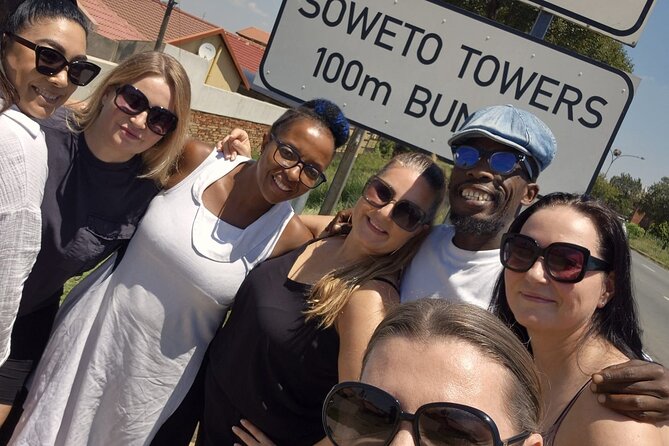
The day begins with hotel pickup at about 10:00 a.m., followed by a short drive to FNB Stadium. The stadium received its major facelift for the 2010 FIFA World Cup and is often called the Calabash because its form recalls a traditional African pot.
With seating for 87,436 people, it is the largest venue in South Africa. The stadium is also known as Soccer City, a name closely linked with football and major national events. It gives you an immediate sense of Soweto’s place in modern South Africa, not just its role in the struggle against apartheid.
You spend about 30 minutes here, and admission is free. This is a photo stop and an orientation point rather than a stadium tour with access to every part of the building. I see its value as a quick introduction to the area and to the country’s pride in hosting Africa’s first FIFA World Cup.
If football is central to your trip, you may want to ask the operator in advance how much time can be devoted to the stadium. The published schedule allows only a short visit, and the main focus remains Soweto’s political and social history.
Walter Sisulu Square and the Freedom Charter
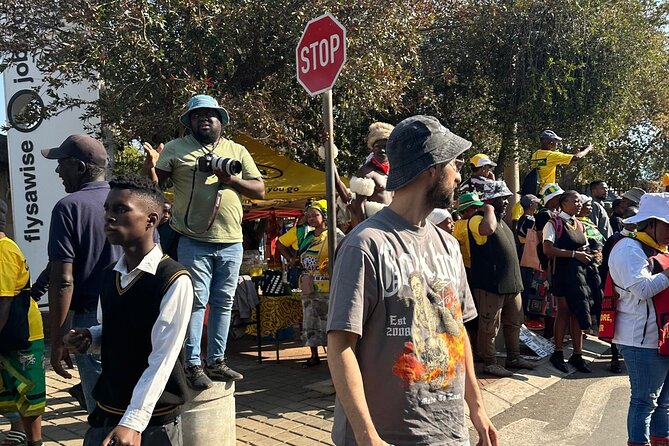
The next stop is Walter Sisulu Square in Kliptown, where the Congress of the People met on June 26, 1955. The gathering produced the Freedom Charter, a political document calling for a non-racial society, liberty, and individual rights.
This stop is valuable because it shows that opposition to apartheid was not only a reaction to individual laws. Activists also set out a different vision for the country. The Freedom Charter later became an important foundation for African National Congress policy and is widely associated with the principles reflected in South Africa’s 1996 constitution.
You spend about 45 minutes at the square. Nearby Kliptown includes an informal settlement with limited social services, including minimal running water and poor sanitation. The guide can help you understand the contrast between the ideals expressed in the Freedom Charter and the hard conditions that still affect some residents.
That contrast deserves care. This is not a place to treat poverty as scenery or to take intrusive photographs. Listen first, follow your guide’s direction, and remember that the community is home to people, not a display for outsiders. The strength of this stop comes from context and conversation.
Hector Pieterson Museum and the events of June 16
The Hector Pieterson Museum gives the tour its most direct encounter with the 1976 Soweto uprising. The museum is named for Hector Pieterson, a 12-year-old schoolboy killed during the student protest on June 16.
The protest began over the use of Afrikaans as a language of instruction in schools, alongside English and local languages. What started as a student demonstration became a major confrontation, with many young people losing their lives. A photograph showing the dying Hector being carried for help became an international symbol of the uprising.
You have about an hour here, and admission is included. Give yourself time. This is not a quick stop for a few photographs. The museum helps explain why language became such a powerful issue and how a local protest drew global attention to apartheid.
I consider this one of the most important parts of the experience, especially for anyone who knows Mandela’s name but wants a clearer sense of the wider movement. The material can be upsetting, so families should prepare older children and teenagers beforehand. The positive point is that the guide can help place the events in context rather than leaving you with isolated dates and images.
More Soweto tours:
- Johannesburg: Hop-On Hop-Off Bus with Optional Soweto Tour
★ 4.6 · 985 reviews - Soweto /Johannesburg and Apartheid Museum Guided Full Day Tour
★ 5.0 · 932 reviews - Johannesburg Hop-On Hop-Off City Tour with Soweto Option
★ 4.5 · 768 reviews - Half-Day Tour of Soweto Tour
★ 4.5 · 712 reviews
Mandela House at No. 8115
Mandela House is the tour’s most famous address. You receive a guided visit inside the Orlando West home where Nelson Mandela lived on and off for more than 14 years.
The house connects several parts of his personal life. Mandela lived there first with his first wife, Evelyn Ntoko Mase, and later with Winnie Madikizela-Mandela. The home also reflects the strain placed on Winnie, who raised their two daughters, Zenani and Zindzi, while Mandela spent years in prison.
One of the most moving details is Mandela’s return to the house in 1990 after his release from 27 years in prison. He regarded No. 8115 as the center of his personal world, the place fixed in his memory even while he was incarcerated. Standing in that modest home helps make the political story personal.
The visit lasts about 45 minutes, and admission is included. Because the house is a major attraction, it may feel more formal and structured than the home visits or community stops that can happen elsewhere in the day. That is not a weakness. The contrast is useful: you get the recognized national story here, then a chance to see how Soweto functions beyond its famous addresses.
Vilakazi Street, food, shopping, and music
Vilakazi Street is a natural final stop. It is known as the only street in the world to have been home to two Nobel Laureates, Nelson Mandela and Archbishop Emeritus Desmond Tutu.
The street has a more commercial feel than the museums. You can browse African-inspired fashion, accessories, and homeware, listen to performers, and choose from local restaurants. A Soweto-style buffet may include a range of proudly South African dishes, but lunch is not included in the tour price.
I like this stop because it gives you room to slow down after the heavier museum visits. It also shows local enterprise. Shops, restaurants, and performers are not simply background decoration. They are part of how this well-known street serves residents and visitors.
Plan your spending with care. The tour includes bottled water, but you pay for lunch and personal purchases. If you want to keep costs low, ask about the menu before ordering. If food is an important part of your trip, Vilakazi Street is the place to make time for it.
Local homes, taverns, and the optional healer visit
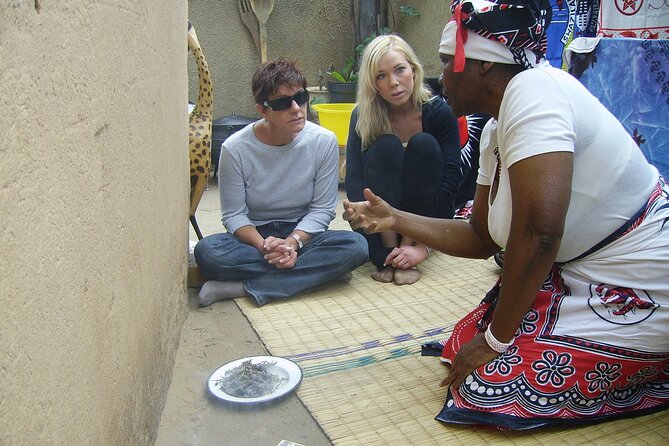
The most unusual element is the possibility of meeting people outside the standard sightseeing circuit. Depending on your interests and what can be arranged that day, you might sip tea in a local home, visit a tavern, or spend time with children at a kindergarten.
These moments are not guaranteed, and that is worth understanding before booking. The operator describes them as unplanned but memorable connections. I would treat them as welcome possibilities, not promised inclusions.
The traditional healer visit is also optional and costs R300 per person, paid directly in cash to the healer. The healer works from home, so the visit includes a home visit. She may connect with your ancestors and share messages, according to the traditional practice described for the experience.
This is a cultural activity, not a museum demonstration. Approach it respectfully and ask questions before taking part. If you are not comfortable with spiritual practices, you can simply skip this option and still receive the main tour.
The guides make or break the day
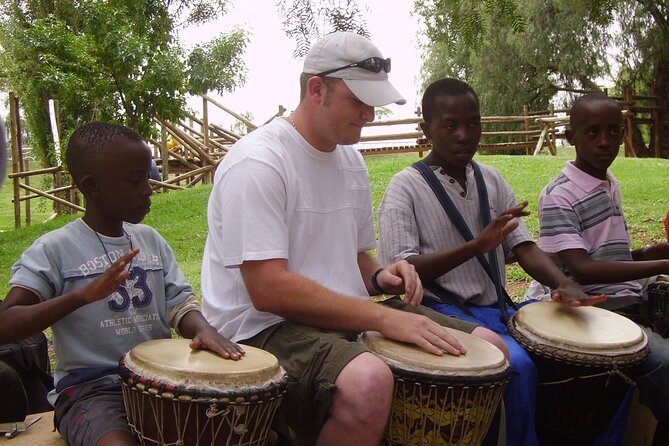
The strongest personal praise is directed at the guides. Zandile, often called Zandi, is described as warm, flexible, and able to explain history in a way that works for both adults and older children. She has also adapted outings for people who wanted more than the standard highlights.
Jazz has led visitors through Soweto and Johannesburg, including less familiar places, while connecting past events to the city’s present. The guide’s role here is more than giving dates. You are likely to get interpretation, personal perspective, and help understanding how political history affects everyday life.
That personal style is a major reason to choose a private tour. You can tell the guide if you want more time at a museum, more discussion of local customs, or a change in emphasis. Still, guide availability may vary, so confirm who will lead your outing if a particular guide is important to you.
Is the $90.81 price good value?
At $90.81 per person, this is not the cheapest way to see Soweto. The value depends on how much you want from the day.
You receive hotel pickup, an air-conditioned vehicle, bottled water, all listed taxes and fees, and admission to the Hector Pieterson Museum and Mandela House. You also get a private guide for roughly four to five hours. For a small group that wants conversation and flexibility, that package can make sense.
Lunch is extra, as are shopping purchases and the R300 healer visit. The free entry to FNB Stadium, Walter Sisulu Square, and Vilakazi Street does not mean the overall day is low-cost, since the guide and private transport are the main expenses.
I would choose this experience over a cheaper group outing if I wanted to ask questions and shape the pace. I would look elsewhere if I only wanted quick photo stops or a strict budget tour.
Timing, pickup, and practical planning
Pickup is offered, with the published start at 10:00 a.m. The stated operating hours are 10:00 a.m. to 3:00 p.m., Monday through Sunday. The full experience takes about four to five hours.
The listed sequence places FNB Stadium around 10:30, Walter Sisulu Square around 11:00, Hector Pieterson Museum around noon, Mandela House around 1:00, and Vilakazi Street afterward. Actual timing can shift because the tour is private and may include conversation or optional local encounters.
Wear comfortable clothing and shoes suitable for walking between sites. Bring some cash if you want the healer visit, food, or purchases at Vilakazi Street. A mobile ticket is provided, and confirmation is sent when you book.
Most people can take part, but the supplied details do not promise specific accessibility arrangements. If you need particular vehicle or site access, ask before paying.
Free cancellation is available up to 24 hours before the start time for a full refund. Changes or cancellations within 24 hours are not accepted for a refund.
Who should book this Soweto tour?
I would recommend it to first-time visitors who want both major landmarks and a more personal sense of Soweto. It suits couples, families with older children, and private groups that enjoy asking questions rather than following a fixed script.
It is especially useful for anyone interested in apartheid, the Freedom Charter, Mandela’s life, the 1976 uprising, or South African culture. The guide’s ability to explain difficult subjects in clear language is a real advantage for teenagers and adults who are still building their understanding.
I would be more cautious if you want a fully predictable schedule, guaranteed home visits, or a tour with lunch included. You should also consider the emotional weight of Hector Pieterson Museum and the social realities discussed at Kliptown. This is not light sightseeing from start to finish.
Should you book it?
Book this experience if you want Soweto explained through both landmark history and everyday contact. The combination of FNB Stadium, Walter Sisulu Square, Hector Pieterson Museum, Mandela House, and Vilakazi Street gives you a solid introduction, while Zandile, Jazz, or another guide can add the personal detail that a standard route often misses.
The best reason to choose it is the private, adaptable format. You may leave with more than photographs of famous places. You may also leave with a clearer sense of the people, choices, losses, and hopes behind Soweto’s public story.
FAQ
How long does the Soweto experience last?
The experience lasts approximately four to five hours.
Is hotel pickup available?
Yes. Pickup is offered, with the published pickup time at 10:00 a.m.
Is this a private tour?
Yes. Only your group participates in the private tour or activity.
What is included in the price?
The experience includes an air-conditioned vehicle, bottled water, all fees and taxes, and admission to the Hector Pieterson Museum and Mandela House.
Is lunch included?
No. Lunch is not included, so you pay separately if you eat at Vilakazi Street or elsewhere during the tour.
How much does the traditional healer visit cost?
The visit is optional and costs R300 per person. You pay the healer directly in cash.
Can I cancel for a full refund?
Yes. You can cancel at least 24 hours before the experience begins for a full refund. Cancellations within 24 hours are not refundable.
Newest reviews from Johannesburg
- Cradle of Humankind and Maropeng Day Tour from Johannesburg★ 4.0 · 5 reviews
- Explore Soweto 8 Hour Tour with Lunch and Museum Visit★ 5.0 · 5 reviews
- 3 Day All Incl. Private Kruger Park Safari Incl. Transfer From Johannesburg★ 5.0 · 5 reviews
- Harties cableway Tour★ 4.5 · 5 reviews
- Pretoria Historical Tour★ 4.0 · 5 reviews
- Constitutional Hill and Soweto 5 hours tour.★ 5.0 · 5 reviews
- 5 Day Kruger National Park and Panorama Route Safari★ 4.5 · 5 reviews
- Luxury Car Johannesburg Airport Private Transfer★ 5.0 · 5 reviews
Soweto Tours, compared.

Soweto /Johannesburg and Apartheid Museum Guided Full Day Tour
Read our review →
Johannesburg Hop-On Hop-Off City Tour with Soweto Option
Read our review →

Soweto: Walking Tour with a Local Guide and Lunch
Read our review →
Jo’berg in 1 Day: Soweto, Apartheid Museum & City Tour
Read our review →
Full-Day Tour with Soweto and Apartheid Museum
Read our review →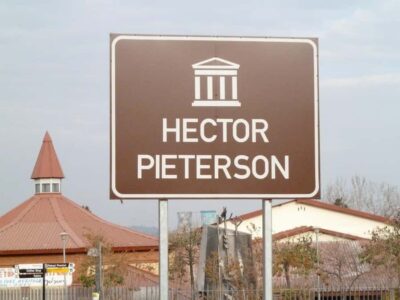
Browse the lists this tour appears in