Reviewed · GUIDED
Cape Town: Great African Sea Forest Guided Snorkel
The ocean here feels wonderfully wild. Cape Town’s Great African Sea Forest Guided Snorkel takes you into the kelp beds of False Bay with a marine biologist, where the main attraction is not coral or tropical color, but a cool-water forest full of small, surprising life. You’ll also help identify sharks for an active research project.
I especially like the small groups of up to eight and the careful, useful briefing before you enter the water. The included photos are another real plus, since underwater memories otherwise tend to look like green blur soup. The main consideration is the water itself: this is not an easy, warm-water snorkel, and you may need to move through kelp or swim below the surface to see the best animals.
The two-hour outing costs $74 per person and includes a marine biologist, wetsuit, mask, snorkel, fins, photos, and equipment. Guides such as Mark, Danni, Megan, and others have earned strong praise for explaining the ecosystem clearly and helping people feel safe in the water.
In This Review
- Key points to know before you book
- Meeting at False Bay and getting ready
- Entering the Great African Sea Forest
- Meeting sea urchins, octopuses, and shysharks
- Turning your snorkel into shark research
- How the two hours feel in practice
- Water conditions, comfort, and the no-coral reality
- Who will enjoy this Cape Town activity?
- Is $74 good value?
- Should you book the Great African Sea Forest Snorkel?
- FAQ
- How long does the Great African Sea Forest snorkel last?
- What equipment is included?
- Do I need to be an experienced swimmer?
- Will I definitely see sharks?
- What animals might I see?
- Is the tour suitable for children?
Key points to know before you book
- You search for individually identified sharks: Your photos can support ongoing research into a local endemic shark species.
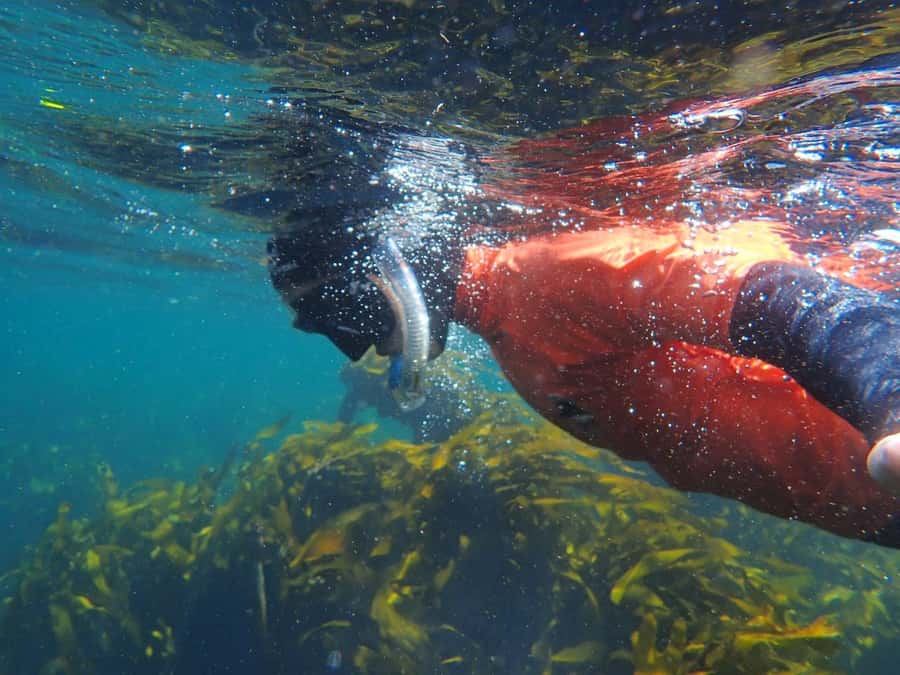
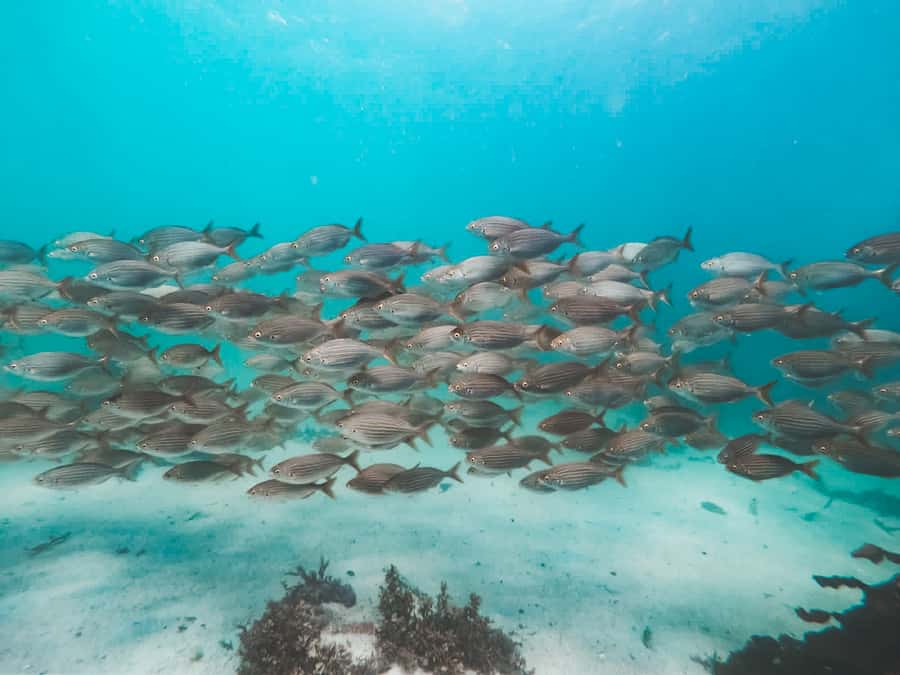
- The kelp forest is the star: Expect tall sea plants, sea urchins, shysharks, octopuses, starfish, abalone, and other small creatures.
- This is a cool-water snorkel: A wetsuit is supplied, but conditions can vary, and the activity runs in rain or shine.
- Surface swimming shows less: The most interesting views may require you to swim beneath the kelp, so water confidence matters.
- The marine biology lesson is a major part of the value: You learn what you are seeing instead of simply floating past it.
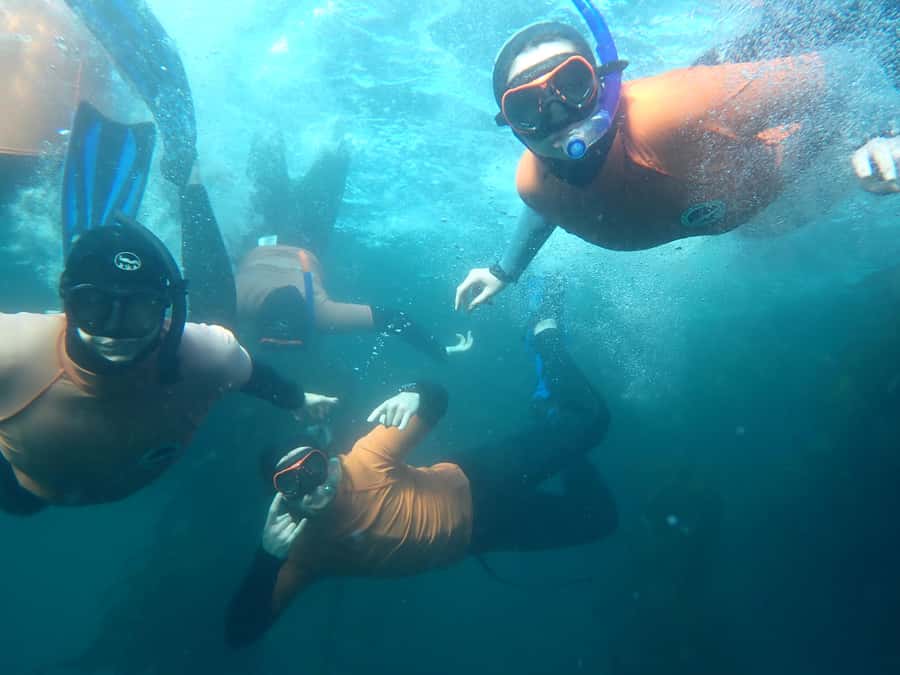
- You receive underwater photos: These make a much better souvenir than trying to describe a shyshark to friends back home.
Meeting at False Bay and getting ready
You meet inside Cape RADD Dive Center, on the shore of False Bay. The setting matters. This is not a pool-based introduction followed by a bus ride to some distant attraction. You are right beside the water and close to the environment you are about to explore.
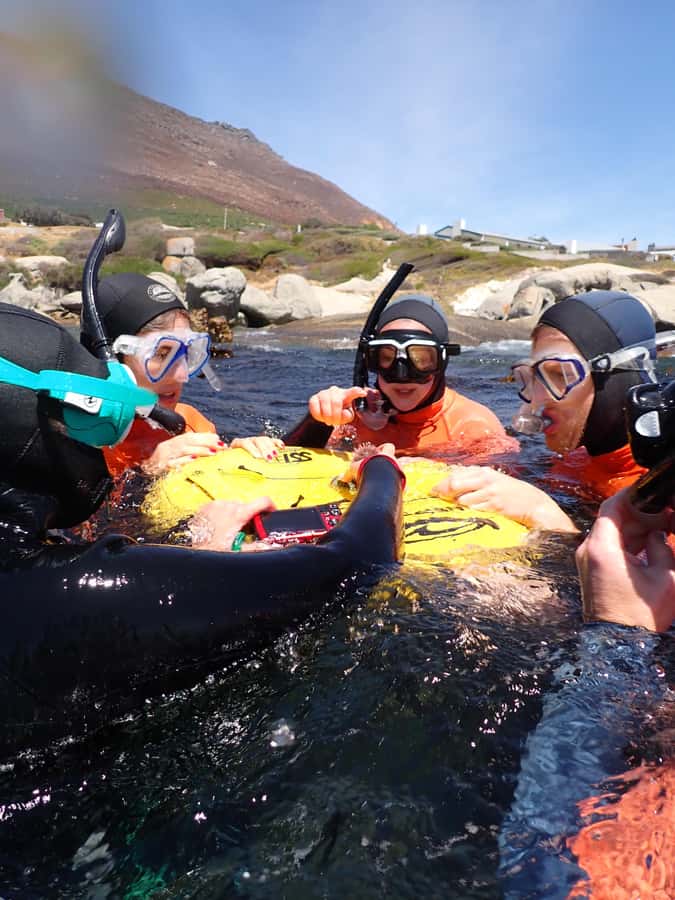
Before entering the sea, your marine biologist guide gives you an in-depth briefing about the area, the kelp forest, safety, and the shark research project. This opening talk is not filler while somebody checks the gear. It explains how the forest works and gives you a reason to pay attention once you are in the water.
You learn about local animals and their habits, including how octopuses hunt, where shysharks like to hide, and why sea urchins sometimes wear bits of shell or other objects as hats. Those small details change the experience. Instead of seeing a mass of kelp and hoping something swims by, you start looking for specific clues.
The guide also explains how to photograph sharks for identification. That turns you from a passive sightseer into a useful extra pair of eyes. The project focuses on a friendly endemic shark species, and your photos can help the team track individual animals.
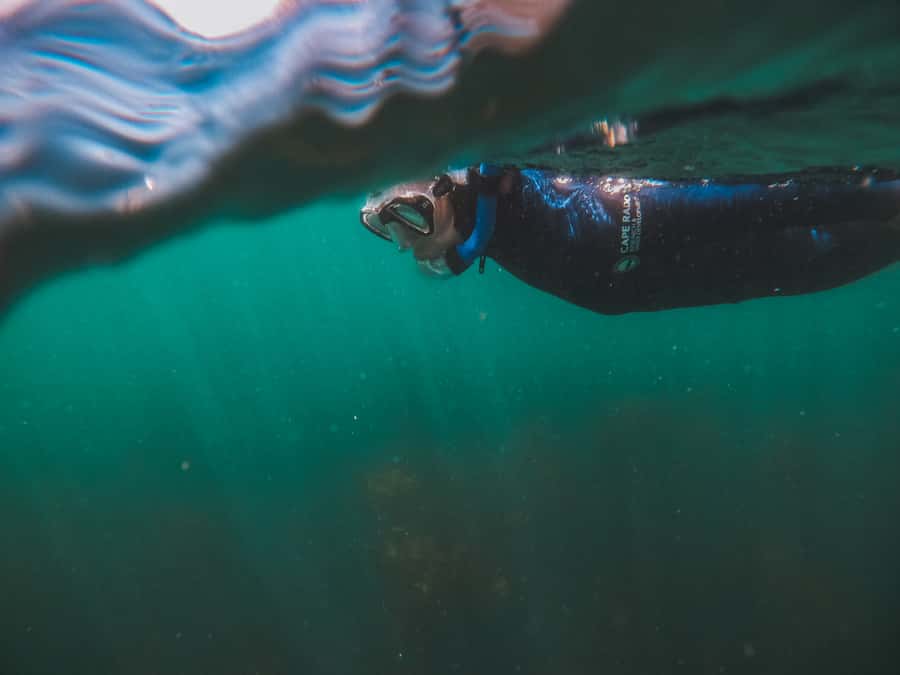
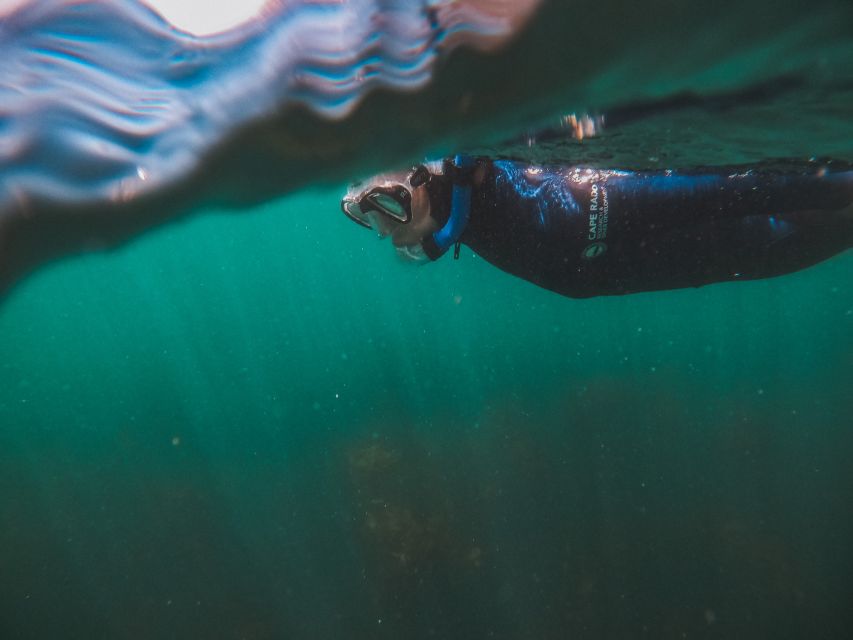
The supplied equipment includes a mask, snorkel, fins, and wetsuit. You need to bring swimwear and a towel. The gear is a strong point, and one useful practical detail is that the wetsuits are not optional decoration. False Bay is not a tropical lagoon, so dress for cool water even if the day on shore feels warm.
A few more tours worth putting side by side
- Wine Tour: Paarl, Franschhoek & Stellenbosch incl 3 wineries
★ 5.0 · 3,940 reviews - Cape Town: Hop-On Hop-Off Bus Tour with Optional Cruise
★ 4.8 · 3,929 reviews - Cape Town: Cape of Good Hope & Penguins Day Tour with Pickup
★ 4.7 · 3,362 reviews
Entering the Great African Sea Forest
The first minutes in the water are meant to help you settle in. One detailed account described starting in shallower water before reaching an area around 5 to 6 meters deep. That gradual start is helpful if you are not used to kelp or cool ocean conditions.
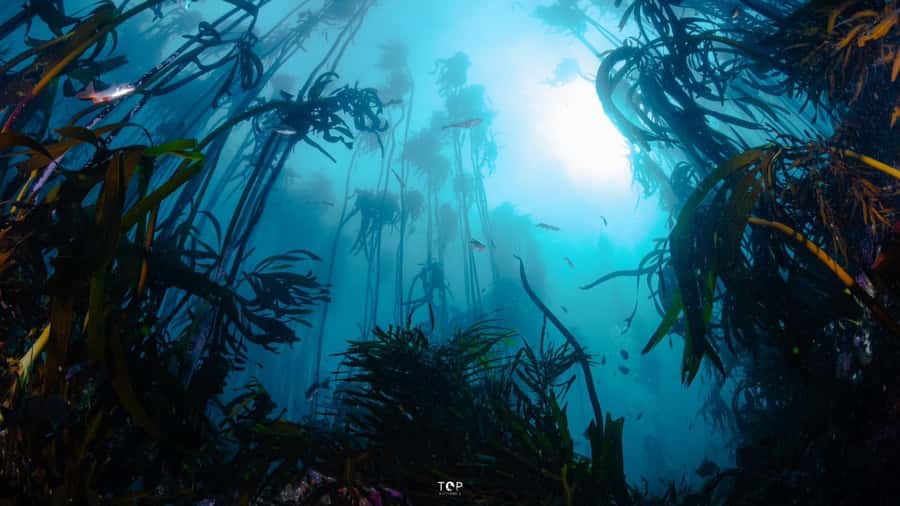
The forest itself feels different from a tropical snorkel site. There is no coral reef here, and you should not expect a clear, open view across a bright seabed. Kelp can fill the water around you, sway in the current, and block your view from the surface.
That is also what makes the place special. The kelp is not scenery placed behind the animals. It is their shelter, feeding ground, and hiding place. The guide helps you read this underwater habitat and points out creatures you would likely miss on your own.
If you stay flat on the surface, you may see less of the seabed. You do not need a high level of fitness, but you should be comfortable in the water and able to swim. The activity is not designed for somebody who feels uneasy when kelp brushes past their legs or who cannot manage a little underwater swimming.
You do not need to be an expert snorkeler. The briefing and close guidance help beginners get their bearings. Still, the experience is more rewarding if you can calmly put your face in the water, follow directions, and make short descents when conditions allow.
Meeting sea urchins, octopuses, and shysharks
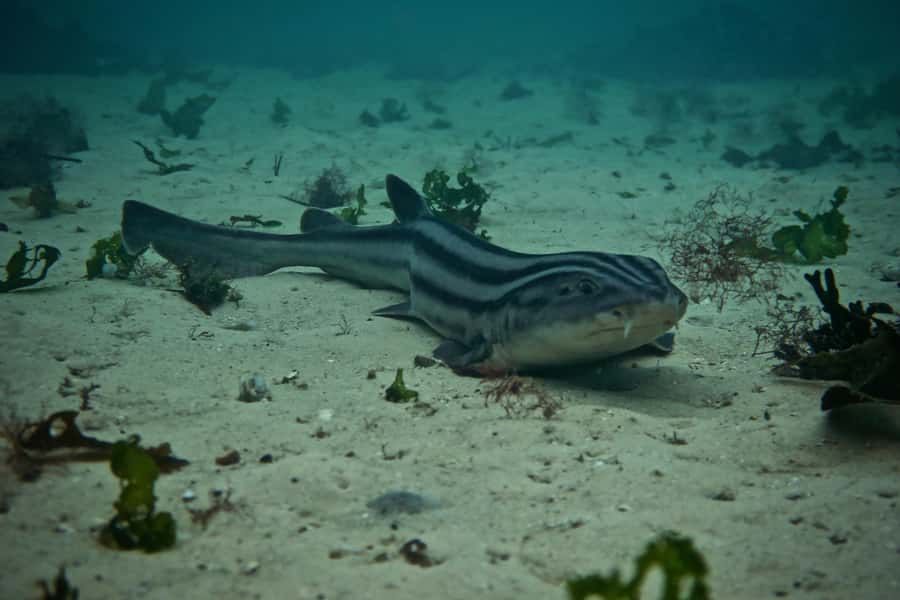
The wildlife list is varied, but the animals are not guaranteed on every outing. You might see sea urchins, starfish, abalone, small sharks, octopuses, and other creatures living among the kelp. The guides are especially good at spotting animals that blend into the surroundings.
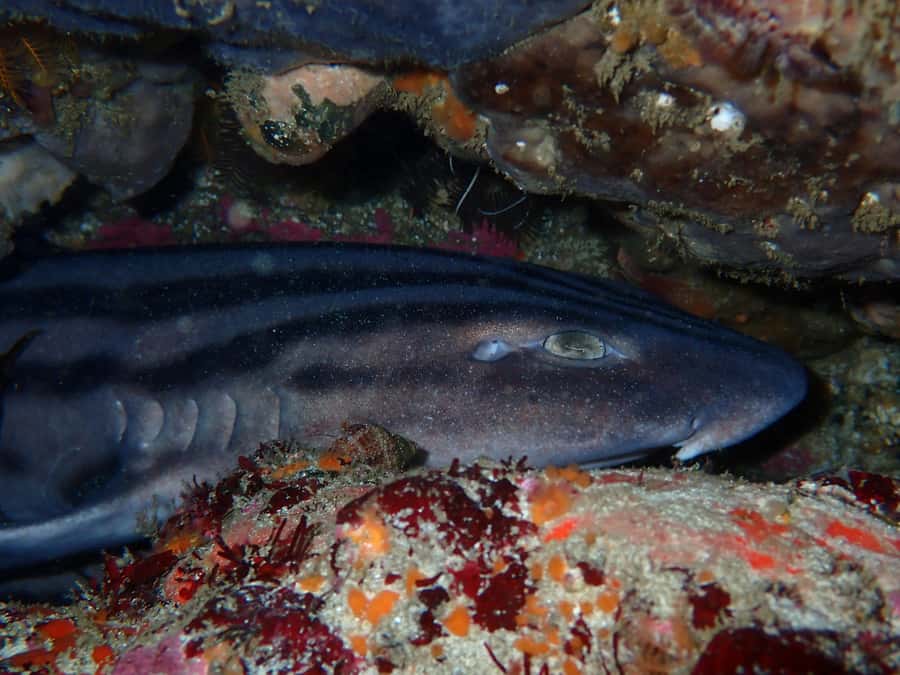
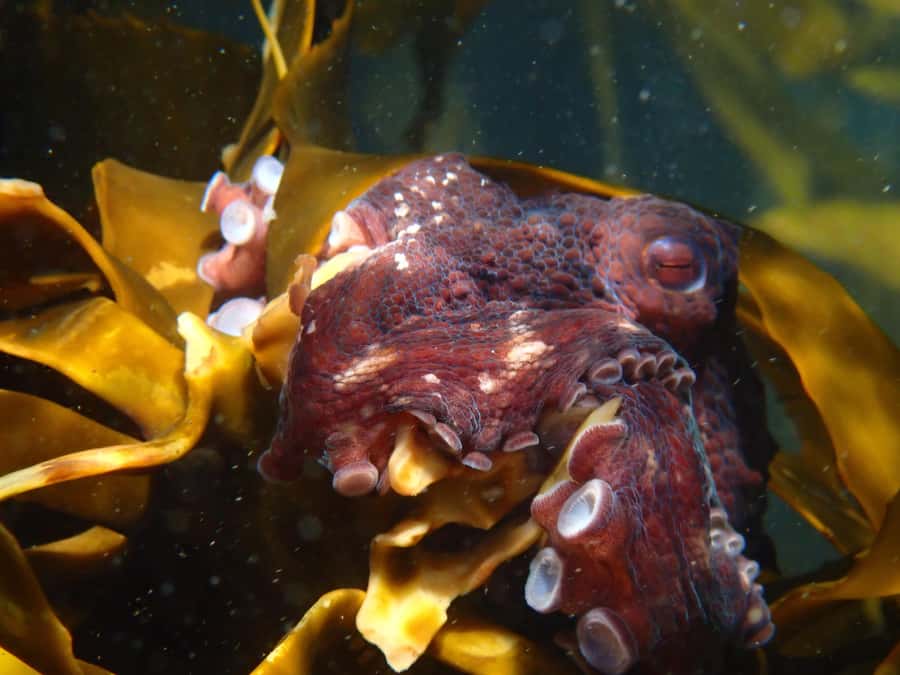
Octopuses are a memorable possibility because they are clever, well camouflaged, and easy to miss. The briefing about how they hunt gives you something specific to watch for. Shysharks are another highlight, though even the best guide cannot summon one on command. One outing did not find them but still produced plenty of other marine life and an octopus.
Several people have seen small sharks during the session, which is encouraging if shark research is one reason you are booking. But you should treat a shark sighting as a possibility, not a promise. One outing produced no sharks, despite good conditions for seeing smaller sea life.
That honest uncertainty is part of the appeal. The sea is not an aquarium with a schedule. A successful session may mean spotting one research shark, a quick octopus, and a host of less famous animals. The guide helps you appreciate those smaller discoveries instead of measuring the whole trip by one headline species.
The guide’s role is crucial here. Names such as Mark, Danni, and Megan have been singled out for their clear explanations, calm support, and ability to notice animals in the kelp. You are not simply handed equipment and pointed toward the water. You have a marine scientist interpreting what you see.
Turning your snorkel into shark research
The research element gives this outing more purpose than a standard wildlife swim. After learning how the project works, you help look for a local shark species and collect photo identification. The images can be matched to known animals, helping the research team follow sightings over time.
You are not expected to conduct scientific measurements or handle animals. Your job is to look carefully, take useful photos when a shark appears, and follow the guide’s instructions. That is simple enough for a first-time participant, yet meaningful enough to make the activity feel connected to real conservation work.
You also receive access to the FinSpotter app, which keeps you updated on shark sightings. That extends the experience beyond the two hours. Instead of taking one photo and forgetting the animal, you can stay connected with the identification work and see how sightings fit into a wider picture.
The Ocean Ambassador recognition is a nice finishing touch for helping with marine research. It is not a formal qualification, but it gives the conservation message a personal edge. You leave with the feeling that your visit supported a living project, not just a tourism business.
This is also where the $74 price begins to make sense. You are paying for a two-hour guided activity, quality snorkeling equipment, photos, expert interpretation, and a small contribution to marine science. A cheaper unguided swim might put you in the same bay, but it would not give you the same chance of finding a shyshark or understanding what the kelp is doing.
A few more tours in Cape Town worth putting side by side
- Cape Town: Robben Island Ferry Ticket and Guided Prison Tour
★ 4.1 · 1,792 reviews - Cape Town: Table Mountain Hike with an Expert Guide
★ 4.9 · 666 reviews - Cape Town: Lion’s Head Sunrise or Sunset Guided Hike
★ 5.0 · 642 reviews - Cape Town: Guided Township Tour with Hotel Pickup
★ 4.4 · 536 reviews
How the two hours feel in practice
The session moves through several clear stages:
- You arrive at Cape RADD Dive Center and meet the guide.
- You attend the marine biology and safety briefing.
- You receive the wetsuit, mask, snorkel, and fins.
- You enter the water with the small group.
- The guide points out kelp habitat and marine species.
- You search for sharks connected to the research project.
- The guide takes underwater photos during the outing.
- You finish with more information about the ecology and your role in conservation.
The exact amount of time spent in each part can vary. One participant wanted 15 more minutes in the water and more time in deeper areas. That is useful advice if you are an experienced snorkeler who wants a longer session or more seabed viewing.
The shallower section helps less confident swimmers. Stronger snorkelers may find it a little slow at first, especially when the conditions allow access to deeper kelp. The guide has to balance the group, and that is one reason the small size matters.
A group capped at eight people makes it easier to stay near the guide and ask questions. It also gives the leader a better chance to point out a small animal before it disappears. For this kind of nature activity, eight is far more practical than a large crowd spread across the water.
Some people have also mentioned a short ride in the back of a truck as less comfortable, especially when sitting barefoot on a hot black surface. This is a minor issue, but bring footwear if you have been told to transfer that way and want to avoid hot feet.
Water conditions, comfort, and the no-coral reality
The tour operates rain or shine. That does not mean every day offers the same visibility or wildlife. Sea conditions, tide, temperature, and the behavior of the animals all shape what you see.
The water may feel warmer on one day and much colder on another. A wetsuit is provided, but you should still expect a genuine ocean outing rather than bathwater. If you are sensitive to cold, ask yourself how comfortable you are spending time in cool water before booking.
Tide can affect the character of the session. A low tide may mean access to a shallower start and later views into deeper kelp around 5 to 6 meters. If you want to swim down and inspect the forest, that can be exciting. If you prefer to remain on the surface, the thick kelp may limit what you can see.
Do not book this expecting Indonesia, the Caribbean, or any tropical coral site. There is no coral reef, and the water may not offer the clear, open views you have seen in holiday brochures. What you get instead is a temperate forest ecosystem, with tall kelp and animals adapted to this coast.
That difference is worth understanding before you arrive. If your ideal snorkel means bright fish over coral in warm, calm water, this may feel demanding. If you like local ecology, unusual habitats, and the chance to see animals in their natural home, it can be far more memorable.
Who will enjoy this Cape Town activity?
I would recommend it most strongly to adults and older children who already feel comfortable in the water and want an educational nature experience. The minimum age is 10, and children younger than that cannot join.
You do not need a high fitness level. You do need to swim or at least feel at ease in the sea. Pregnant women, people with mobility impairments, and people over 95 are not eligible for this activity.
The tour suits you if you enjoy learning from a specialist. The marine biology briefing is one of the most praised parts of the experience, and the guides explain conservation in a way that connects directly to what you see.
It also suits photographers and wildlife fans, though you should not expect perfect animal portraits every time. The included photos help, especially when the guide spots something you would have missed.
It may not suit you if you dislike cool water, cannot manage kelp around your body, or want a long, physically demanding snorkel. The session is only two hours, and some of that time is spent getting equipped, receiving instruction, and helping the guide manage the group.
Is $74 good value?
For a basic swim, $74 would be a lot. For a guided encounter that includes a marine biologist, full snorkeling gear, underwater photos, a small group, and a connection to shark research, the price is reasonable.
The value comes from the interpretation. Without a guide, you might see kelp, sea urchins, and a flash of something small. With a guide, you learn why the animals are there, where to look, and how your shark photos can assist the research team.
The photos add practical value too. You do not need to rent an underwater camera or worry about losing your group while trying to capture a picture. The final images give you a record of the kelp and wildlife, even if your own mask kept fogging.
I would not call it a full-day activity. The core tour lasts two hours, and the price should be judged on that basis. One person described it as a very good price for a whole day of fun, but the listed activity itself is a two-hour session. Plan another Cape Town activity around it rather than assuming it will fill your day.
Should you book the Great African Sea Forest Snorkel?
Book it if you want to understand Cape Town’s marine life, not simply tick off a shark sighting. The best reasons to go are the small group, expert guide, unusual kelp habitat, useful conservation work, and included photos.
Choose another activity if you want warm water, coral, guaranteed sharks, or a long session in open water. You should also skip it if you are not comfortable swimming or cannot tolerate the possibility of kelp limiting your view.
For most confident swimmers, this is a thoughtful and well-priced way to meet False Bay. Go prepared for cool water, changing conditions, and wildlife that keeps its own timetable. If you do, the forest, the research, and the guides can make two hours feel like a real window into the coast.
FAQ
How long does the Great African Sea Forest snorkel last?
The activity lasts two hours. Starting times vary, so you need to check availability when booking.
What equipment is included?
The tour provides a mask, snorkel, fins, and wetsuit. You need to bring swimwear and a towel.
Do I need to be an experienced swimmer?
You need to be able to swim or feel comfortable in the water. The activity does not require a high fitness level, but kelp and cool ocean conditions may make it harder than a calm tropical snorkel.
Will I definitely see sharks?
No. The group searches for a local endemic shark species as part of ongoing research, but shark sightings are not guaranteed.
What animals might I see?
Possible sightings include sea urchins, octopuses, shysharks, starfish, abalone, small sharks, and other marine life in the kelp forest.
Is the tour suitable for children?
The minimum age is 10. The activity is not suitable for pregnant women, people with mobility impairments, or people over 95.
Newest reviews from Cape Town
- Explore Atlantis Sand Dunes with a 1hour 30mins sandboarding tour★ 5.0 · 5 reviews
- Transfer from Cape Town City Center to Cape Town Airport★ 5.0 · 5 reviews
- Pneuma private travel & tours, creating memories and friends never forgotten★ 5.0 · 5 reviews
- Cape Town Table Mountain and Peninsula Tour★ 5.0 · 5 reviews
- Private Transfer: CPT Airport to Cape Town in Luxury Van★ 4.0 · 5 reviews
- Cape Town Full Day Family Fun With Kids Private Tour★ 4.0 · 5 reviews
- Cape of Good Hope-Cape Point & Penguins from Cape Town★ 5.0 · 5 reviews
- Cape Town: Shark Cage Diving Tour (with Breakfast & Lunch)★ 4.8 · 5 reviews
Guided, compared.
Robben Island Ferry Ticket and Guided Prison Tour
Read our review →
Soweto /Johannesburg and Apartheid Museum Guided Full Day Tour
Read our review →

Soweto: Walking Tour with a Local Guide and Lunch
Read our review →
Little Brak River: Botlierskop Guided Game Drive
Read our review →