
Reviewed · FOOD & DRINK
Zulu Cultural Experience: Zulu Village + Tribal Markets + Traditional Zulu Food
Culture gets personal in Durban. This eight-hour outing links the Phansi Museum, a living Zulu village, traditional food, and the Markets of Warwick in one carefully connected day. I like the maximum of six people, which should make questions and conversations easier, and I like the way the route moves from museum objects to present-day village life and city traditions.
The main consideration is the pace. Three major stops, an 8:00 am start, and travel between them make this a full day rather than a gentle half-day visit. You should also be comfortable with changing weather, since the experience requires good conditions and may be moved or canceled if rain interferes.
In This Review
- Key points at a glance
- Why this Durban day feels different
- Starting with objects and food at Phansi Museum
- Walking through Isithumba’s living Zulu village
- Lunch in a village home
- The Markets of Warwick and the Lime Gogos
- What the small group changes
- Is $168 a fair price?
- Who should book this experience?
- Should you book it?
- FAQ
- What time does the experience start?
- How long does the tour last?
- What locations are included?
- Is pickup available?
- How many people can join the tour?
- What happens if poor weather cancels the tour?
Key points at a glance
- Phansi Museum begins the day with indigenous art, crafts, and Pan African food.
- Isithumba offers a walking visit through a living Zulu cultural village.
- A local resident leads the village visit, with a chance to meet the chief or spiritual healer.
- Lunch may take place at the village supervisor’s house, giving the meal a personal setting.
- Warwick’s Lime and Imphepho Gogos demonstrate goods made by female elders.
- The six-person maximum suits anyone who values conversation over a large coach outing.
Why this Durban day feels different
Many cultural outings give you one prepared performance, a quick photo stop, and a souvenir shop. This one takes a wider view. You begin with objects in a museum, move into daily life in a rural Zulu community, and finish in one of Durban’s key indigenous market areas.
I like that sequence because it gives each stop a job. The museum provides visual background. Isithumba puts that background into a lived setting. Warwick then shows how indigenous practice continues in a busy urban part of the city.
The experience costs $168 per person. That is not a small amount, but the price covers about eight hours, pickup is offered, admission is included at all three stops, and the group is capped at six. For you, the value depends on what you want from Durban. If you only need a quick introduction, this is more time and money than necessary. If you want several connected cultural encounters with a guide helping you understand them, the long day makes better sense.
The tour is booked, on average, 41 days ahead. I would treat that as a useful planning signal, especially if your Durban dates are fixed. It does not guarantee every departure will sell out, but waiting until the last moment may not be wise.
More food tours:
- Cape Town: Full-Day Winelands Tour with Wine Tastings & Food
★ 4.9 · 1,288 reviews - Hartbeespoort: 2-Hour Dam Cruise with South African Food
★ 4.4 · 621 reviews - The Cape Town Essentials Food Tour
★ 5.0 · 385 reviews
Starting with objects and food at Phansi Museum
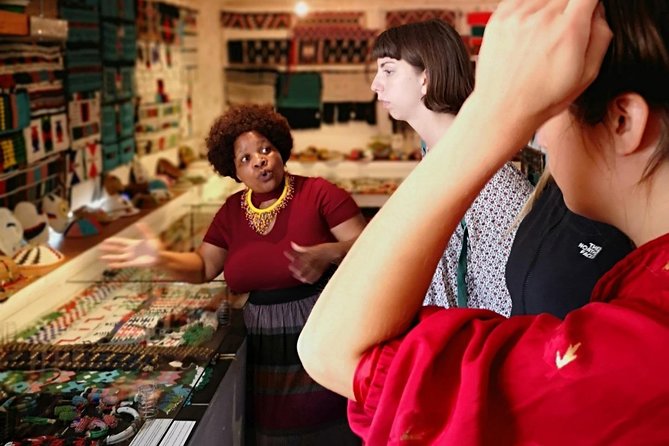
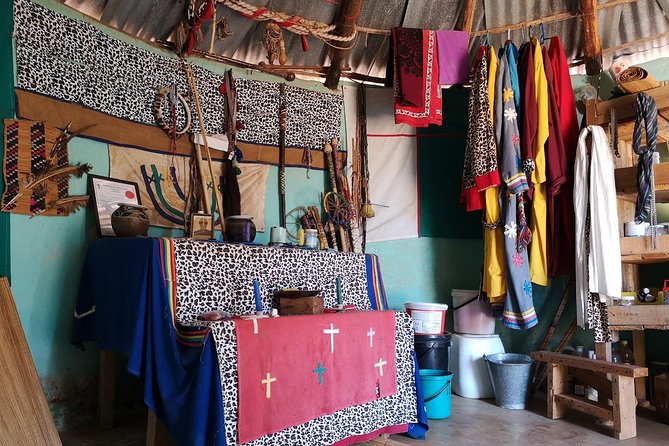
Your first stop lasts about one hour and 30 minutes. At Phansi Museum, a dancing curator introduces you to a large collection of indigenous art and crafts, followed by a sample of Pan African cuisine.
The phrase dancing curator suggests a lively welcome rather than a silent walk through glass cases. That matters because museum collections can feel distant when you do not know what you are looking at. A curator who presents the material with movement and personality can help you connect objects with the people and practices behind them.
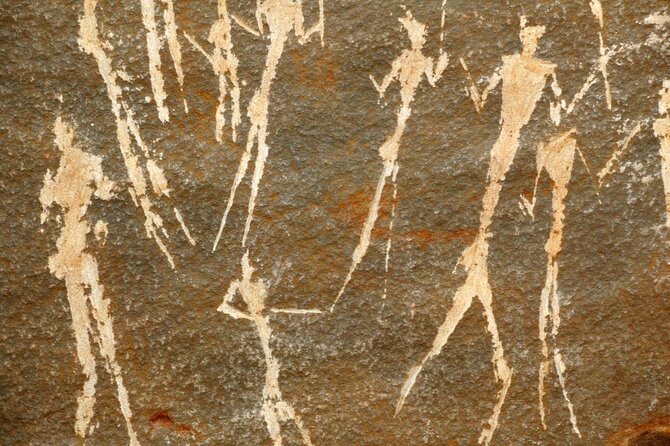
You should give this stop your full attention. It is not simply a warm-up before the village. The art and craft collection gives you a point of reference for the rest of the day. Later, when you see goods being made or learn about local customs, you will have already seen examples of indigenous material culture in a museum setting.
The Pan African food sample adds a practical pleasure. Food makes cultural information easier to remember, and it gives you a first taste of the wider regional focus of the day. The supplied details do not specify the dishes, portion size, or whether this is a full meal, so do not count on it as your only substantial food for the morning.
One strong feature here is the combination of explanation and tasting. You are not being asked to absorb a long lecture before moving on. Instead, the museum visit uses objects, presentation, and food to set the scene.
Walking through Isithumba’s living Zulu village
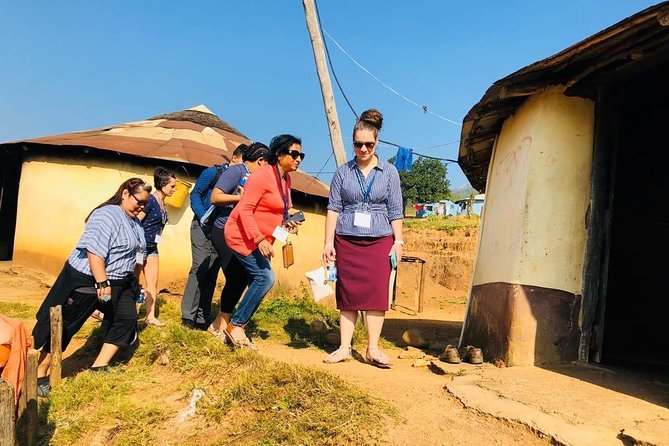
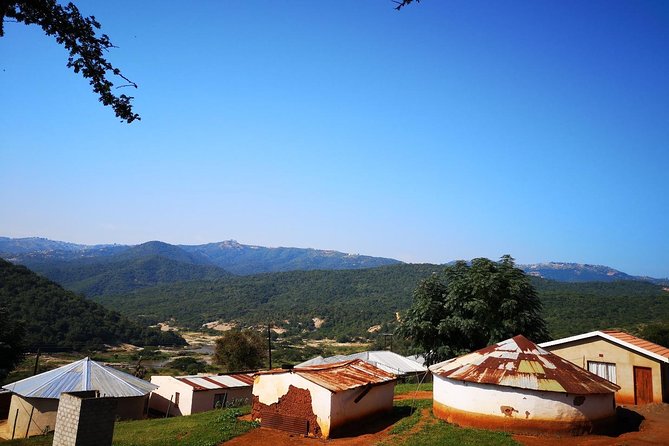
After the museum, you head to Isithumba, a living Zulu cultural village. This part lasts about two hours and includes a walking visit led by a local resident.
That local connection is important. A museum can explain culture from a collection of objects, but a resident can help you understand how a community functions as a place where people live. The supplied description presents Isithumba as a setting for learning about a different way of life, not as a staged show with a fixed performance schedule.
Expect to walk around the village while your local host explains what life is like there. Wear practical shoes and be ready to spend time outside. The exact walking route and terrain are not specified, so you should not assume the visit is suitable for every mobility level.
The most memorable possibility is an exchange with the village chief or local spiritual healer. This is not promised. The wording makes clear that it depends on availability and circumstances. Still, the chance gives the visit an element of real local contact that a scripted presentation cannot provide.
You should approach this part with patience and respect. The point is not to collect a photograph with a local leader or treat the village as a backdrop. Listen to the explanations, ask clear questions, and let the visit unfold at its own pace.
A five-star rating is available for this experience, but the supplied feedback is limited. One particularly positive account describes the museum visit, the village walk, and lunch at the village supervisor’s house. The supervisor answered questions about village life, which is exactly the sort of personal exchange that can make this stop worthwhile.
Lunch in a village home
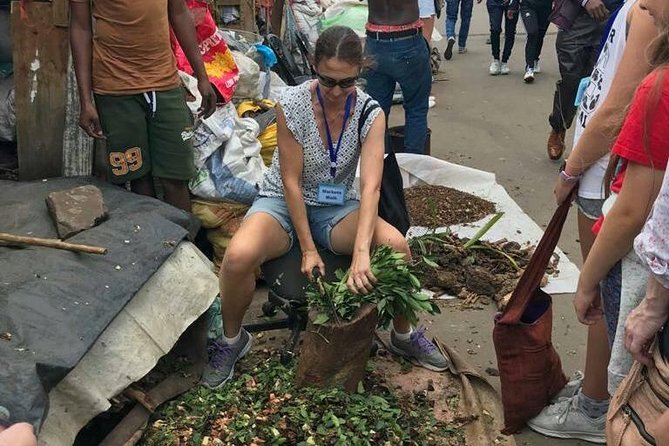
The food element continues at Isithumba. One account describes lunch in the village supervisor’s house, where he answered questions while explaining what it was like to live in the village.
That setting gives the meal more meaning than eating at a generic restaurant. Food becomes part of the conversation, and the house provides a direct connection to the community you are visiting. You can learn while you eat, rather than separating the cultural visit from the meal.
At the same time, the details do not confirm that every departure includes the same lunch arrangement, menu, or dietary options. If you have food allergies or strict dietary needs, ask Wild Routes Africa before booking. The tour summary does mention Pan African cuisine, traditional Zulu food in the title, and lunch during the village portion, but it does not list ingredients.
I would also keep your expectations sensible. This is presented as a cultural meal, not a formal restaurant tasting menu. The appeal is the setting and the conversation as much as the food itself.
A completely different kind of day out on the same trip:
- Durban: 30-Minute Harbor Boat Cruise
★ 4.7 · 665 reviews - Durban: 1-Hour Boat Cruise from Wilson’s Wharf
★ 4.7 · 496 reviews - Durban Point Waterfront: Luxury Canal Boat Cruise
★ 4.4 · 298 reviews - Durban: Pontoon Boat Harbor Cruise
★ 4.4 · 182 reviews
The Markets of Warwick and the Lime Gogos
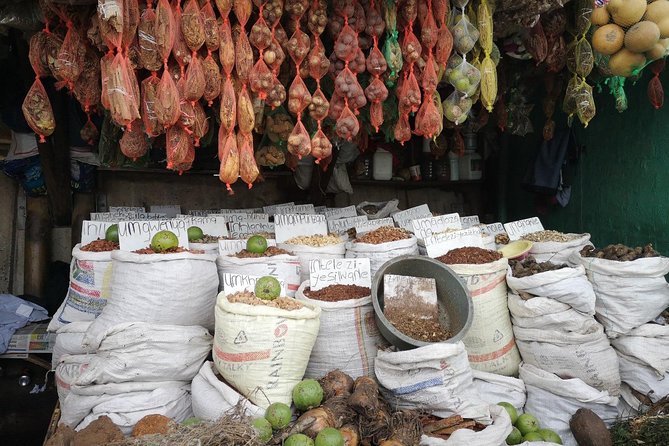
The final stop lasts roughly one hour and 30 minutes. The Markets of Warwick are described as the beating heart of indigenous culture in Durban, and this part shifts the focus from village life to an urban market quarter.
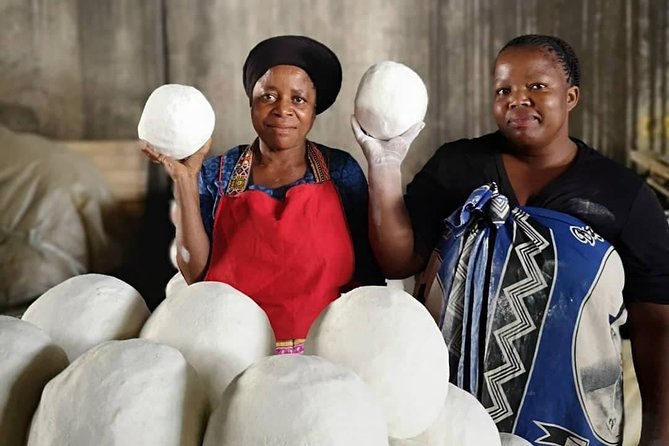
You meet the Lime and Imphepho Gogos, female elders who make and demonstrate their goods. This is one of the most specific parts of the day, and I like that it focuses on people making things rather than only on finished products for sale.
The word Gogos refers to older women, and the tour places their skills at the center of the visit. Watching the process can help you understand the work and care behind goods that might otherwise look like simple market items. You should pay attention to the hands-on detail and ask questions when the opportunity comes.
The market setting also gives you a look at how indigenous culture operates in a modern city. Isithumba shows community life in a village environment. Warwick shows cultural practice in a busy commercial area. Together, the two stops avoid presenting Zulu culture as something frozen in the past.
The description uses the phrase Sangoma Central for Muthi Bridge. You are taken into this area to learn about traditional medicinal and spiritual practices and to consider where the culture is heading. The wording also hints at a culture shock. I would expect this portion to be more intense and less polished than the museum visit.
That contrast may be the point, but it will not suit everyone. You should be ready for a place that challenges your assumptions and may feel unfamiliar. The information provided does not give details about photography rules, exact market conditions, or what products are sold, so follow your guide’s instructions and ask before taking pictures.
What the small group changes
The maximum group size is six. That is a major advantage for this particular subject.
At a museum, a small group means you can hear the curator without standing behind a crowd. In the village, it should make conversation with the local resident more natural. At the markets, a compact group is easier to move through a dense public area than a large coach party.
I also think a small group suits the question-and-answer nature of the day. You may want to ask about village life, traditional food, craft work, or the spiritual practices connected with Muthi Bridge. A group of six leaves more room for those questions than a full bus.
The tradeoff is that a small-group cultural tour can feel less predictable. You are not moving through a tightly controlled program with every moment fixed. A local chief or healer may be available, or may not. Conversations may run longer in one place and shorter in another. If you prefer a precise schedule and a polished show, this may feel loose.
Pickup is offered, but the supplied information does not name every pickup location or explain the vehicle arrangement. Confirm the pickup details when you book. The advertised start time is 8:00 am, and the total duration is approximately eight hours, so plan to give the whole day to the experience.
Is $168 a fair price?
At $168 per person, the tour asks you to pay for more than admission. You are buying a full day with three distinct cultural settings, local hosting, food experiences, pickup availability, and a very small group.
The strongest value comes from the connections between stops. Paying separately for a museum, a village visit, a meal, and a market guide might not produce the same flow. Here, the day is designed to compare museum collections, rural community life, and urban indigenous commerce.
The price is harder to justify if you mainly want a cheap introduction to Zulu culture or a short market visit. You also need to consider the limited published feedback. The overall rating is 4.8 from five reviews, which is encouraging but still a small sample. I would treat the rating as a positive sign, not as proof that every departure will feel identical.
The tour makes the most sense for you if cultural context matters more than ticking off attractions. It is also a good fit if you prefer a small group and want time to ask questions. Families with older children may appreciate the range of settings, though the information does not specify a minimum age or child pricing.
Who should book this experience?

I would choose this outing if you want to understand Durban through local culture rather than only through major sightseeing sites. The day suits curious visitors who enjoy listening, walking, tasting unfamiliar food, and comparing different settings.
It is especially useful early in a Durban stay. The museum can give you a frame for later visits, while the village and market stops show how culture appears in daily life and public trade.
You may want to skip it if you dislike long days, uncertain outdoor conditions, or visits that move beyond polished tourist settings. The Warwick portion may feel confronting, and the village visit depends partly on local availability rather than a guaranteed meeting with a chief or healer.
The tour also requires good weather. If poor weather causes cancellation, you are offered a different date or a full refund. For a full refund after booking, cancel at least 24 hours before the 8:00 am start time. Changes or cancellations inside that period are not accepted.
Should you book it?
Book this tour if you want a small-group cultural day that connects museum collections, village life, food, craft work, and Durban’s indigenous markets. The best reason to go is not one single attraction. It is the progression from objects, to people, to living urban practice.
I would book well ahead, especially since it is commonly reserved 41 days before departure. Keep the full eight hours free, wear suitable shoes, and arrive ready for a day that may be both welcoming and challenging.
Skip it if you want a quick, highly scripted attraction or if you need a guaranteed meeting with a chief or spiritual healer. For the right visitor, though, this is a thoughtful way to see culture as something practiced now, not merely displayed behind museum glass.
FAQ
What time does the experience start?
The experience starts at 8:00 am.
How long does the tour last?
The tour lasts approximately eight hours.
What locations are included?
The experience visits Phansi Museum, the Isithumba Zulu cultural village, and the Markets of Warwick.
Is pickup available?
Yes, pickup is offered. The provided information does not specify all pickup locations, so confirm your arrangements when booking.
How many people can join the tour?
The experience has a maximum of six travelers.
What happens if poor weather cancels the tour?
If poor weather causes cancellation, you will be offered a different date or a full refund.
Newest reviews from Durban
- Durban Shore Excursion: Valley of 1000 Hills and PheZulu Tour★ 5.0 · 5 reviews
- From Durban: 2-Day Lesotho Guided Trip with Lodging & Meals★ 4.9 · 5 reviews
- Isandlwana and Rorke’s Drift Battlefields Tour★ 5.0 · 5 reviews
- From Durban: Oribi Gorge & Lake Eland Adventure Tour★ 5.0 · 5 reviews
- Hluhluwe Safari & Emdoneni Wild Cat Project Day Tour from Durban★ 5.0 · 6 reviews
- Full Day Isimangaliso Wetlands Park -Croc & Hippo &Game Fr Durban★ 4.5 · 6 reviews
- Drakensberg Kamberg Cave Art & Mandela Capture Site Day Tour★ 4.1 · 6 reviews
- Drakensberg Giant’s Castle Cave Art & Mandela Capture Site Tour from Durban★ 5.0 · 6 reviews
Food & Drink, compared.

Full-Day Winelands Tour with Wine Tastings & Food
Read our review →
Stellenbosch & Franschhoek 20 Wine Tasting + Lunch Shared Tour
Read our review →

Browse the lists this tour appears in