
Reviewed · KNYSNA AND PLETTENBERG BAY TOURS
Wild Cat Experience Tour
Wild cats, close enough to study. Tenikwa Wildlife Rehabilitation and Awareness Centre offers a short, well-organized introduction to South Africa’s indigenous cats along the Garden Route, with guided access to several animal enclosures and a clear focus on care, education, and conservation. You’ll see familiar stars such as lions and cheetahs, along with less familiar cats including caracals and servals.
I especially like the one-hour format, which fits neatly into a Garden Route sightseeing day, and the chance to see animals that many people have never encountered before. The guides’ clear passion for the animals is another strong point. The main consideration is that this is a walking experience with no touching, and its short length means the visit offers an introduction rather than a full day at the centre.
In This Review
- Key points to know before you go
- Why Tenikwa works well on the Garden Route
- Starting at Reception and learning the rules
- Meeting African wild cats up close
- The smaller animals add welcome variety
- A family-friendly hour, with a few limits
- What the price includes, and what it does not
- How the experience fits into your trip
- The conservation message matters
- Should you book the Wild Cat Experience?
- FAQ
- How long does the Wild Cat Experience last?
- Where does the tour begin?
- Where does the tour end?
- How much does the experience cost?
- Which wild cats can you see?
- Can you touch the animals?
- What else can you see besides wild cats?
- What is included in the price?
- Does the tour operate in bad weather?
Key points to know before you go
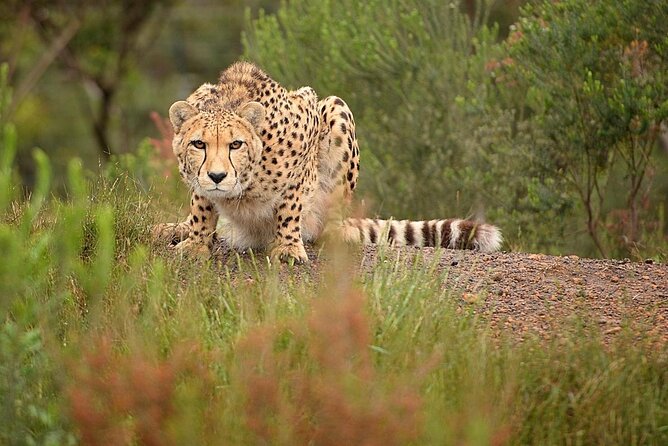
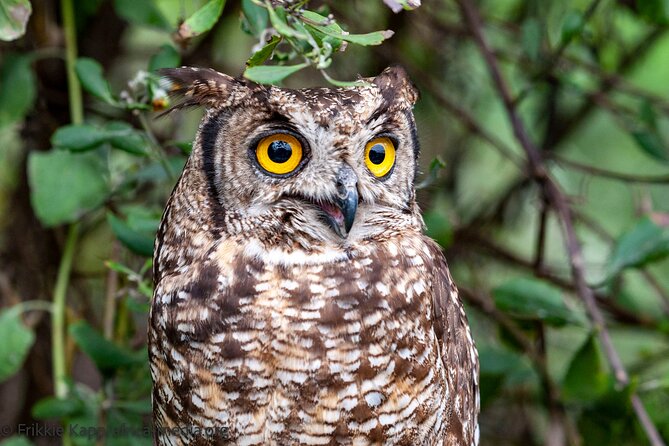
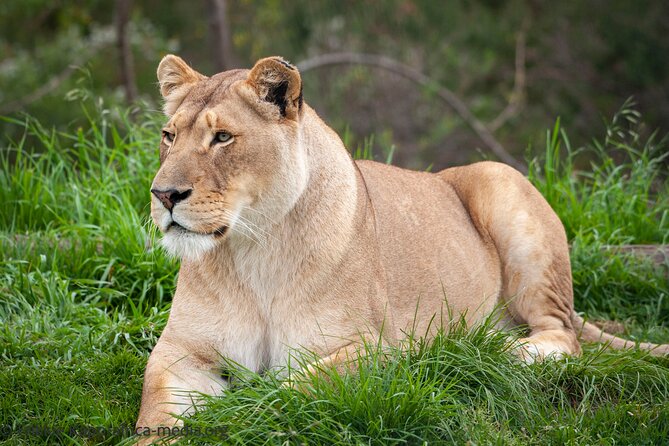
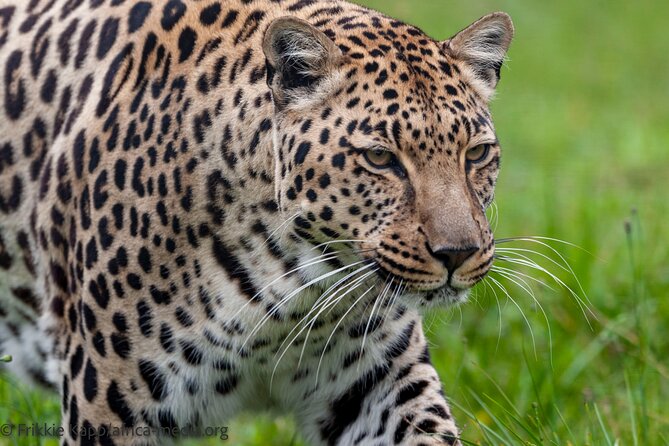
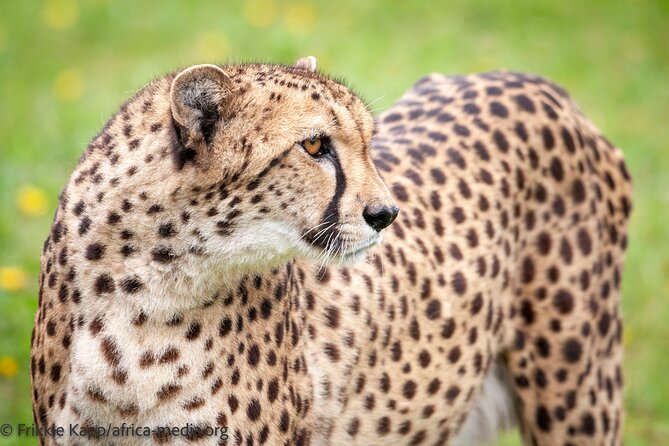
- You enter several animal enclosures: The guided route allows close views of African wild cats, including servals, caracals, cheetahs, leopards, and lions.
- Touching is not allowed: The experience is designed around observation, education, and animal welfare rather than hands-on contact.
- Sightings are guaranteed: You are not relying on luck to spot the resident cats.
- The tour includes more than cats: You’ll also see meerkats, marabou storks, and a penguin splash pool.
- The group can reach 20 people: That keeps the visit manageable, though it may feel less intimate at full capacity.
- Rain gear is supplied: The tour operates in all weather, so dress for a walk rather than expecting an indoor-only visit.
Why Tenikwa works well on the Garden Route
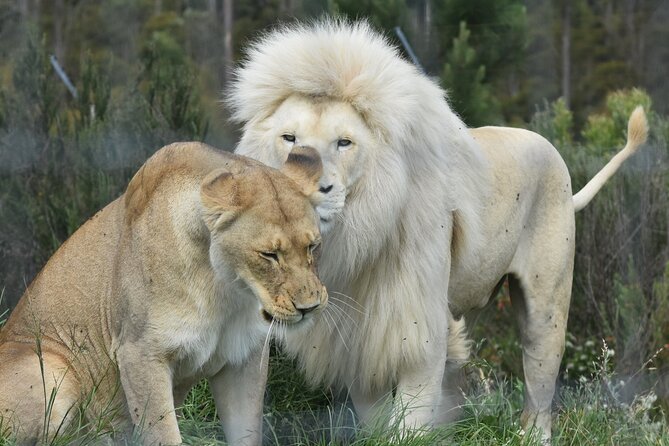
Tenikwa is in The Crags, near Plettenberg Bay in South Africa’s Western Cape. That location makes it a useful stop for anyone exploring the Garden Route, especially families and visitors who want an animal experience without committing to a full safari outing.
I like the way the centre brings attention to less famous African cats. Lions and cheetahs draw the biggest crowds, but a serval or caracal can be just as memorable. These are animals you might not see on a standard wildlife drive, and the guide helps explain how each species fits into its natural environment.
The visit also gives you a chance to think about the role of a wildlife rehabilitation and awareness centre. One published account of the experience praised the way the guide explained the centre’s effect on both the animals and the surrounding community. That wider view matters. The visit is not simply a parade of attractive animals. It also shows how care, education, and public support can work together.
At $22.72 per person, the tour offers good value for a one-hour activity, particularly if you are already spending time near Plettenberg Bay. The price includes admission and a registered guide, so you are paying for both access and interpretation. Food and drinks cost extra, but the short duration means you do not need to plan the visit around a meal.
A few more tours worth putting side by side
- Knysna: 75-Minute Lagoon Boat Cruise
★ 4.5 · 445 reviews - Knysna: Sunset Lagoon Cruise
★ 4.5 · 217 reviews - Knysna: Close Encounter Whale Watching Tour by Boat
★ 4.6 · 207 reviews
Starting at Reception and learning the rules
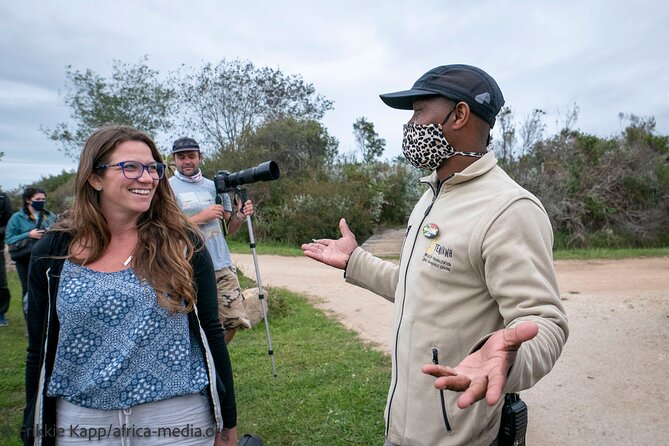
Your visit begins at Tenikwa Reception. After checking in, you meet the guide and enter a presentation room for a short visual introduction to the centre and its safety procedures.
This opening may sound modest, but it serves a useful purpose. You learn how the visit works before approaching the animals, and you receive a clearer picture of the centre’s aims. Since the tour includes entry into most of the enclosures, hearing the rules first is important for both you and the animals.
The guide leads the full experience, so you are not left to wander through the facility without context. That makes a noticeable difference. A cat behind a fence can look like just another animal on display, but a guide can explain its habits, origin, role in the environment, and place in the centre’s work.
The group size can reach 20 people. A smaller group may make it easier to hear every explanation and get an unobstructed view, while a full group could feel busier around the enclosures. Still, the fixed group limit gives the experience some structure and keeps it from becoming an uncontrolled crowd.
Meeting African wild cats up close
The central part of the visit is the guided Wild Cat Experience. You enter most of the enclosures and see African wild cats at close range, with sightings guaranteed.
The list includes African wild cats, servals, caracals, cheetahs, leopards, and lions. Each one offers a different lesson. The cheetah is associated with speed and open country, while the serval is a more obscure cat that many people have never seen in person. The caracal’s distinctive appearance can also be a surprise, especially for families who know the big cats but not the smaller species.
Leopards and lions provide the most dramatic encounters, but the close setting also makes the smaller cats valuable. You get a chance to compare body shape, behavior, and movement from one species to another. I like that the tour does not treat the lesser-known cats as filler. They are part of the main story.
The no-touching rule deserves emphasis. You are close to the animals, but the experience does not offer petting or physical contact. That may disappoint a child expecting a hands-on animal encounter, yet it is also a sign that the visit puts animal welfare ahead of a quick photo opportunity.
Your guide supplies the meaning behind what you see. The strongest praise for this activity focuses on guides who are passionate about their work and explain the animals in an engaging way. One particularly positive account noted that the guide helped make the visit both informative and personal, rather than simply listing facts.
The centre’s own staff describe the animals as well cared for, and the condition of the enclosures forms part of what you can observe. This is useful for anyone who wants an animal attraction to show care and responsibility, not only impressive creatures.
The smaller animals add welcome variety
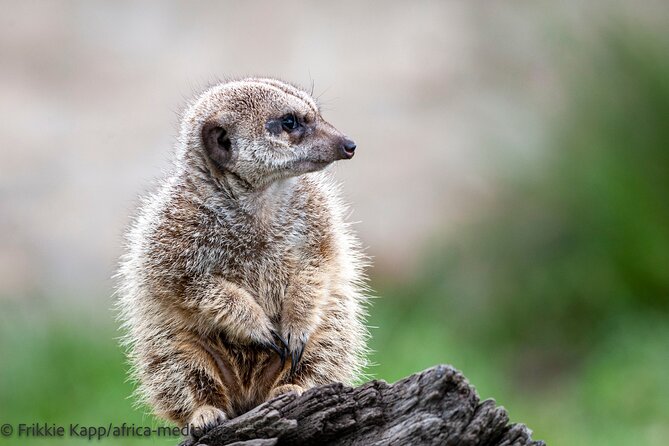
The tour includes more than the headline cats. You may also see meerkats, marabou storks, and a penguin splash pool.
The meerkats add a lighter moment to the visit. Their presence also reminds you that Tenikwa’s work is not limited to large carnivores. Marabou storks bring a different kind of interest, especially for anyone who enjoys birdlife as much as mammals.
The penguin splash pool is another pleasant change of pace. After concentrating on predators, you can watch a completely different type of animal and see another part of the centre’s care work.
These extra stops help the hour feel varied. If your main goal is only to see lions, the additional animals may seem secondary. I think they improve the experience, especially for families, because they keep younger visitors interested and provide more chances to ask questions.
The available information does not promise a long, separate visit with each species. Instead, think of the tour as a guided circuit with several animal encounters. The guide controls the pace, and the exact amount of time spent at each enclosure can vary.
A completely different kind of day out on the same trip:
- Knysna Boat Cruise aboard Coquette
★ 5.0 · 152 reviews - Knysna: Downhill Forest Scootour Adventure
★ 4.8 · 136 reviews - Knysna: Wine & Oyster Luxury Lounger Sunset Cruise
★ 4.7 · 133 reviews - Knysna: Guided Quad Bike Tour in the Forest
★ 4.8 · 114 reviews
A family-friendly hour, with a few limits
The Wild Cat Experience is well suited to families because it is short, guided, and easy to understand. Children can see several striking animals without facing the length of a full-day wildlife program. The guaranteed sightings also remove some of the uncertainty that can make wildlife outings difficult for younger visitors.
I also like the educational angle. The tour gives children a chance to learn why predators matter, how different cats live, and why responsible care is important. It offers more substance than a simple photo stop.
The one-hour duration is both a strength and a limit. It fits neatly between other Garden Route activities, but you should not expect a slow, detailed study of every animal. If you want extended observation, photography time, or a broad conservation program, this visit may feel brief.
The walking format is another practical point. Wear comfortable clothing and shoes suitable for moving around outdoor enclosures. The tour runs in all weather, and rain gear is available if conditions turn wet. That helps, but you should still dress with changing weather in mind rather than assuming the supplied gear will handle everything.
Most people can take part, and service animals are allowed. The experience is not described as a strenuous hike, but it is still best approached as an outdoor walking tour.
What the price includes, and what it does not
The listed cost is $22.72 per person. For that amount, you receive entry to the centre, a registered guide for the full tour, and rain gear if needed.
I see the strongest value in the guided access. You are not simply buying a ticket to look at animals from a distance. The guide leads you into most of the enclosures and explains the species, the facility, and its protocols. That interpretation gives the visit a clearer purpose.
Food and drinks are not included. Since the activity lasts about an hour, this is not a major problem, but plan your refreshments separately if you are building a longer stop around Tenikwa.
The tour is booked, on average, eight days ahead. That suggests you should not leave it until the final moment if the timing matters to your Garden Route plans. The experience is non-refundable and cannot be changed after booking, so check your date and party size carefully before paying.
How the experience fits into your trip
Tenikwa works best as one part of a day in the Plettenberg Bay and Garden Route area. Its short length allows you to combine it with other local sights, though the supplied information does not specify transport between those places.
The start and end point are the same, at Tenikwa Wildlife Rehabilitation and Awareness Centre in The Crags. That simple arrangement is helpful if you are driving and want to return to your vehicle without arranging a separate pickup.
The mobile ticket makes entry easier. You can keep the booking on your phone and show it at Reception. Confirmation is provided at the time of booking.
Because the activity operates in every kind of weather, I would avoid planning it as a fair-weather-only outing. Comfortable clothing is the sensible choice, with an extra layer or rain protection depending on the forecast.
The conservation message matters
Tenikwa’s appeal is not only the close view of wild cats. The centre is presented as a place focused on wildlife rehabilitation and awareness, and the guides explain how the organisation supports animals and the local community.
That context gives the visit more weight. You are encouraged to see the cats as animals with particular needs, not as props for a close-up photograph. The no-touching policy supports that approach.
One of the most useful parts of the experience is the chance to learn about species many people do not know. A visitor may arrive expecting only lions and cheetahs and leave having discovered servals, caracals, or African wild cats. That shift in attention is exactly what a good wildlife education program should achieve.
The centre also shows concern for animals beyond the cats, including penguins and birds. Seeing these species together helps you understand the centre as a wider care facility rather than a single-purpose big-cat attraction.
Should you book the Wild Cat Experience?
I would book this tour if you are near Plettenberg Bay, want a compact animal activity, and value guided learning as much as close views. It is especially suitable for families, first-time visitors to South African wildlife centres, and anyone curious about smaller African cats.
The tour is less suitable if you want to touch animals, spend several hours with one species, or enjoy a completely flexible self-guided visit. The group may include up to 20 people, and the non-refundable policy means you should be confident about your date.
For most people, the combination of guaranteed sightings, passionate guides, varied animals, and a modest price makes this a sensible Garden Route stop. Just arrive ready to walk, listen, and observe rather than expecting a petting experience.
FAQ
How long does the Wild Cat Experience last?
The guided experience lasts approximately one hour.
Where does the tour begin?
It begins at Tenikwa Wildlife Rehabilitation and Awareness Centre in The Crags, Plettenberg Bay, 6602, South Africa.
Where does the tour end?
The activity ends back at the same meeting point, Tenikwa Reception.
How much does the experience cost?
The listed price is $22.72 per person.
Which wild cats can you see?
The experience includes African wild cats, servals, caracals, cheetahs, leopards, and lions. Sightings are guaranteed.
Can you touch the animals?
No. The tour offers close encounters, but touching is not allowed.
What else can you see besides wild cats?
You can also see meerkats, marabou storks, and a penguin splash pool.
What is included in the price?
The price includes a registered guide for the duration of the tour and rain gear in case of bad weather. Food and drinks are not included.
Does the tour operate in bad weather?
Yes. The experience operates in all weather conditions. Comfortable clothing is recommended, and rain gear is available.
Newest reviews from Knysna
- Knysna: 1.5-Hour Sailing Experience★ 4.9 · 5 reviews
- The Original Knysna Township Tour★ 5.0 · 6 reviews
- Knysna Sunset Cruise aboard Coquette★ 5.0 · 6 reviews
- Knysna Scootours★ 4.5 · 8 reviews
- Knysna: Sightseeing Cruise on Coquette★ 4.7 · 9 reviews
- Knysna Oyster Tour★ 4.5 · 9 reviews
- Knysna: 2.5-Hour Day Sail & Lunch Charter★ 4.8 · 9 reviews
- Sunset Boat Cruise on Bella Vita Champagne Lounger★ 5.0 · 11 reviews
Knysna and Plettenberg Bay Tours, compared.
Little Brak River: Botlierskop Guided Game Drive
Read our review →
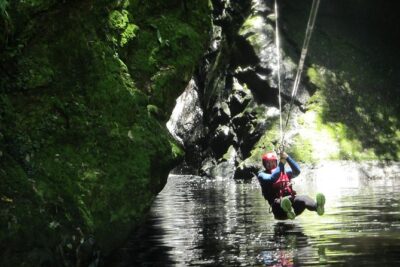
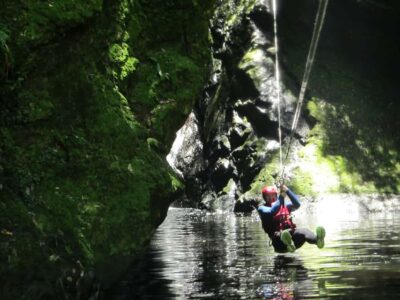
Standard Canyoning Trip in The Crags, South Africa
Read our review →
Plettenberg Bay Game Reserve: 2-Hour Game Drive
Read our review →Browse the lists this tour appears in