
Reviewed · SOWETO TOURS
Soweto Tour with a Local Guide
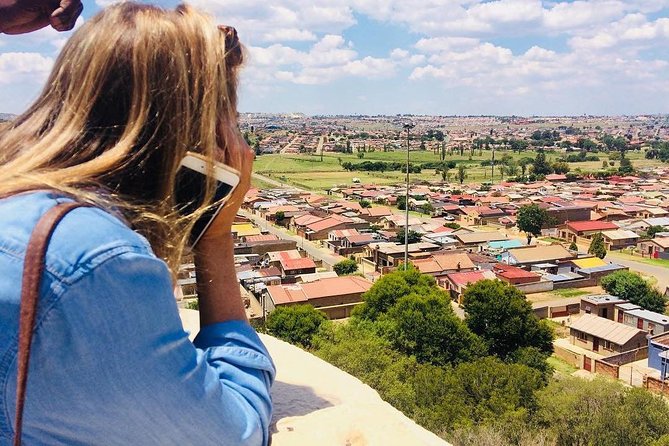
Soweto tells South Africa’s story street by street. This private half-day tour brings you to Mandela House and Vilakazi Street, then adds the Hector Pieterson Museum, Regina Mundi Church, Walter Sisulu Square, and major 2010 World Cup sites. I like the mix of personal stories and serious historical places, and I like having a local guide such as Shaun explain what you are seeing rather than simply driving past it. The main drawback is the tight schedule: five to six hours gives you a useful introduction, but not much time for long museum visits or an unhurried lunch.
You pay about $98.28 per person, with an air-conditioned vehicle, bottled water, entrance fees, and pickup included. Because this is a private outing, your group can ask questions and set the pace within the planned route. Just confirm the pickup details before booking, since the tour information names Pretoria as the location while most of the stops are in Soweto, part of Johannesburg.
In This Review
- Key points to know before you go
- Why Soweto deserves more than a quick drive-by
- Mandela House and the personal side of liberation
- Hector Pieterson Museum and the June 16 uprising
- Walter Sisulu Square and the public life of Soweto
- Regina Mundi Church, a refuge during apartheid
- Vilakazi Street and two Nobel Peace Prize winners
- The World Cup sites and Soweto’s changing image
- What the private format changes
- Is $98.28 a fair price?
- Timing, pickup, and small practical choices
- Who will get the most from this Soweto tour?
- Should you book it?
- FAQ
- Where does the Soweto tour take place?
- How long does the tour last?
- Is pickup offered?
- Is this a private tour?
- What is included in the price?
- Is lunch included?
- Can I cancel for a full refund?
Key points to know before you go

- Two Nobel Peace Prize winners lived on one street: Vilakazi Street links the former homes of Nelson Mandela and Archbishop Desmond Tutu.
- The tour connects apartheid history with daily life: Museums and memorials are paired with churches, public squares, shopping, food, fashion, and township culture.
- Your guide matters here: Shaun is praised for clear explanations, personal attention, photos, safety, and adapting the outing to each group.
- It is a private tour: Only your group participates, which makes sensitive subjects easier to discuss openly.
- The price covers the main practical costs: Transport, bottled water, taxes, and listed admission fees are included, but lunch is not.
- Expect a brisk half-day: The schedule includes several short stops, so wear comfortable shoes and decide which places matter most to you.
Why Soweto deserves more than a quick drive-by
Soweto is short for South Western Townships. It is far more than a collection of political landmarks. The area is one of the key centers of South African urban culture, with changing styles in clothing, food, music, entertainment, and everyday life.
That mixture is what makes this tour useful. You are not only looking backward at apartheid. You are also seeing a living township where historic sites share space with shops, public squares, street art, restaurants, and ordinary neighborhoods.
A local guide gives the tour its shape. Shaun is named repeatedly by past customers and is praised for keeping people comfortable, explaining the roots of Johannesburg and Soweto, taking photos, and helping with practical problems. Noel is also mentioned as part of a particularly enjoyable outing. Guide quality can vary on any tour, but this operator’s strongest praise centers on personal service and clear communication.
You should also keep your expectations realistic. Soweto is not presented as a polished open-air museum. Some places may feel busy, informal, or rough around the edges. That is part of seeing a real urban area, but it means this experience suits you best if you want context and conversation, not a perfectly staged sightseeing circuit.
More Soweto tours:
- Soweto Half Day Tour
★ 5.0 · 231 reviews - Johannesburg and Soweto tour
★ 5.0 · 231 reviews - Johannesburg Full-Day Tour(Soweto/Jo-Burg & Apartheid Museum)
★ 5.0 · 110 reviews
Mandela House and the personal side of liberation

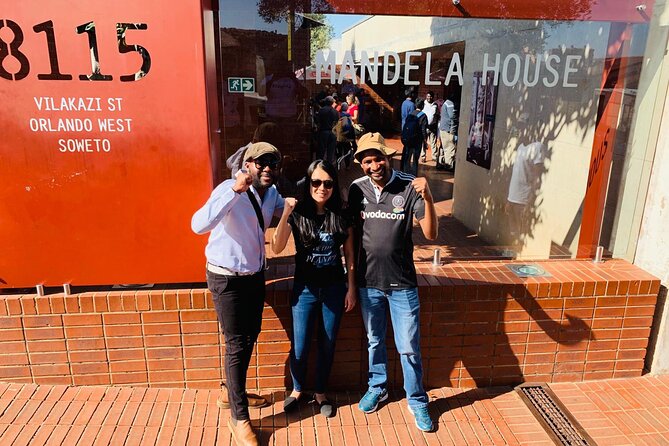
The first major stop is Mandela House, where Nelson Mandela lived for a substantial period while in Johannesburg with his family and former wife, Winnie Mandela. Admission is included, and you have about 30 minutes here.
The value of this stop is its human scale. Political history can feel distant when you meet it only in books or grand monuments. A home brings the story back to family life, imprisonment, public pressure, and the long road toward democracy.
Thirty minutes is enough for a focused visit, but it is not generous. You will want to listen closely to your guide and move through the house without lingering too long over every display. If Mandela is the main reason you are visiting Soweto, ask at the start how much time you will have inside and how the guide plans to balance the stops.
The house also helps explain why Vilakazi Street matters later in the tour. Soweto’s significance is not held in one isolated building. It comes from the people who lived, organized, worshipped, protested, and raised families here.
Hector Pieterson Museum and the June 16 uprising
The Hector Pieterson Museum and Memorial receives about 40 minutes, making it one of the longer stops. The site recalls the 12-year-old Hector Pieterson, whose death became one of the defining images of the June 16, 1976 Soweto uprising.
This is likely to be the most emotionally demanding part of the route. The museum focuses on the student uprising and the forces that brought young people into the streets. The memorial gives the events a physical place, while the exhibits help you understand that the protest was tied to the wider apartheid system and the experience of Black South African schoolchildren.
I would not rush this visit. Forty minutes is still a fixed window, but it gives you more room than the shorter stops. Listen to the guide before entering, then allow the displays to speak for themselves. The subject is painful, and a good explanation helps you understand the events without reducing them to a single famous photograph.
This stop also adds balance to Mandela House. Mandela’s home introduces a major political figure. Hector Pieterson’s memorial reminds you that the struggle was carried by students, parents, religious groups, workers, and whole communities.
Walter Sisulu Square and the public life of Soweto
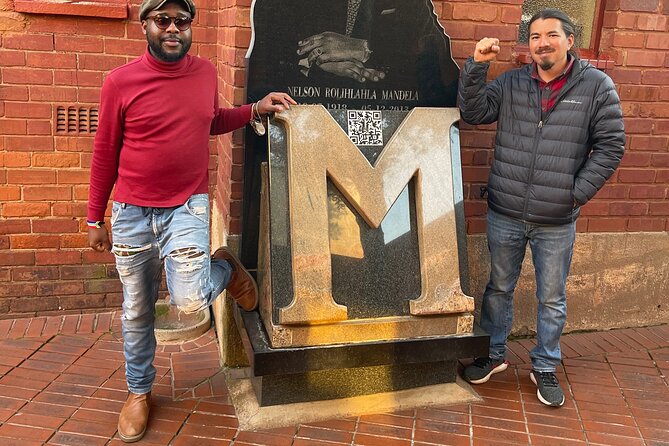
Walter Sisulu Square is scheduled for about 20 minutes. It presents a more public and civic side of Soweto, linking South African culture with modern urban life.
The square is associated with political organizing and the wider democratic movement, but the visit is not framed only as a history lesson. You may also see the township’s changing public face, with cultural influences, shopping, food, and contemporary ways of life sharing the same setting.
Twenty minutes goes quickly. Think of this as a guided orientation rather than a full exploration. Your guide can point out what matters, explain the square’s place in South African history, and help you notice the contrast between public memorial space and everyday activity.
This is one reason a private format helps. You can ask how the area has changed, what parts of the square are most important, and how local culture fits into the political story. A larger bus group would make those questions harder to manage.
A few more tours worth putting side by side
- Ultimate Johannesburg Tour
★ 5.0 · 200 reviews - Johannesburg: Pretoria and Cullinan Diamond Mine Tour
★ 4.7 · 165 reviews - Taste of Africa Food tasting Experience
★ 4.5 · 138 reviews - Harties Cableway Experience Ticket
★ 4.5 · 119 reviews
Regina Mundi Church, a refuge during apartheid
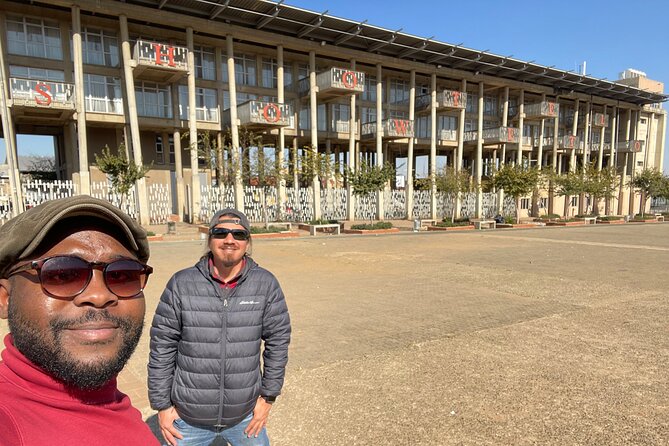
Regina Mundi is described as the largest Roman Catholic Church in South Africa. You have about 20 minutes here.
Its importance is not simply its size. During apartheid, the church opened its doors to anti-apartheid groups and offered shelter to activists. That makes it a key part of the political story, especially because religious buildings could offer protection and a place to gather when other public spaces were restricted.
I like this stop because it broadens the usual Mandela-centered version of Soweto. Political change did not happen only in government offices or through famous leaders. Churches and other community institutions also provided meeting places, safety, and moral support.
The visit is brief, so the guide’s explanation carries much of the experience. You may have time to look around and take in the building, but do not expect a long religious or architectural tour. The main purpose is to understand Regina Mundi’s role in the anti-apartheid struggle.
Vilakazi Street and two Nobel Peace Prize winners
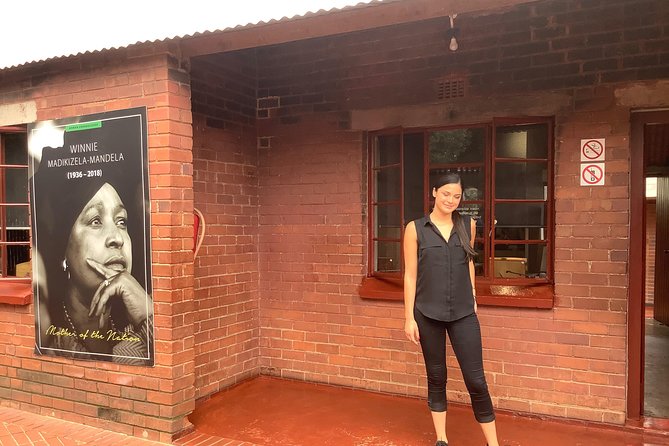
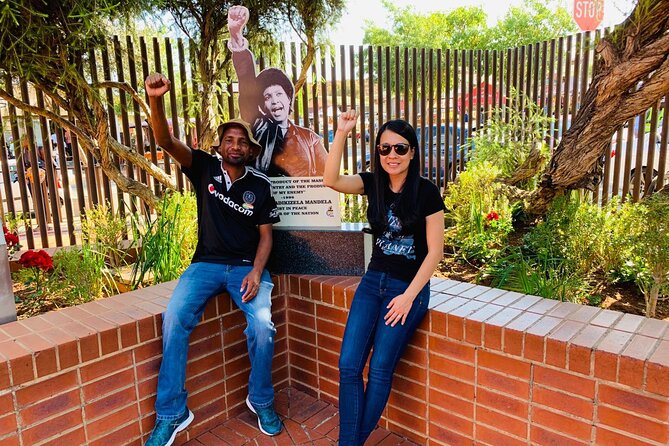
Vilakazi Street is the most recognizable stop for many people. The tour gives you about 20 minutes to walk along the street, browse arts and crafts, and shop.
Its unusual claim to fame is that Nelson Mandela and Archbishop Desmond Tutu, both Nobel Peace Prize winners, lived on the same street. That fact makes Vilakazi Street more than a photo stop. It places two major figures in the middle of an active neighborhood rather than separating them from ordinary life in a distant memorial complex.
The street also shows Soweto as a cultural destination. Arts, crafts, shopping, food, fashion, and entertainment are part of the experience. You might find this the most relaxed part of the route after the museum and memorial.
The trade-off is time. Twenty minutes is enough for a walk and a few purchases, but not for a slow meal or extended browsing. Lunch is not included, so ask your guide if there is an appropriate place to eat after the formal route or if your schedule can allow a longer stop. Do not assume the listed price covers food.
The World Cup sites and Soweto’s changing image
The route includes drives past two locations connected with the 2010 soccer World Cup. One was once a cooling station and later became a tourist destination during the tournament. The other is the main stadium where World Cup matches were hosted.
These are drive-by points, not full stadium visits. Their value is in showing how international sport brought new attention and investment to South Africa, and how Soweto’s public image shifted during the tournament.
If football is important to you, ask the guide for extra context while you pass these places. If you are mainly interested in apartheid history, treat them as useful background rather than major stops. The schedule does not indicate a stadium admission or extended time at either site.
The contrast is worthwhile. You move from the 1976 uprising and anti-apartheid churches to a modern event that presented South Africa to the world. Soweto’s story includes both pain and reinvention.
What the private format changes
This is a private activity, so only your group participates. That is a real advantage for a tour dealing with apartheid, poverty, political violence, and present-day township life. You can ask direct questions without worrying about holding up a large group or making a sensitive discussion awkward.
The private format also helps if your group has different interests. One person may want more time at Mandela House, another may care most about the Hector Pieterson Museum, and someone else may want to browse Vilakazi Street. The published timing remains fairly fixed, but a private guide can often explain the trade-offs and help you use the available hours well.
Past customers praise Shaun for being responsive, arranging details, offering helpful information, taking photographs, and making people feel safe and comfortable. He is also praised for adjusting experiences to fit personal interests and budgets on longer South African trips. Those comments suggest a service-minded operator, although they do not guarantee that every departure will have the same guide.
The vehicle is air-conditioned, and bottled water is included. That matters in a half-day outing with several short walks and vehicle transfers. Service animals are allowed, and most people can participate. The tour is also near public transportation, though pickup is offered, so confirm the exact meeting plan before the day.
Is $98.28 a fair price?
At $98.28 per person, this is not the cheapest way to see Soweto. But the cost includes an air-conditioned vehicle, bottled water, all taxes and fees, and admission to the listed paid attractions. You are also paying for a private guide rather than joining an anonymous large group.
The value depends on your group size and priorities. For a small group that wants transport, history, and personal explanation in one half-day, the price is reasonable. For one person on a strict budget, it may feel high, especially because lunch and any shopping are extra.
The tour also saves you from trying to link several spread-out sites on your own. That is important in Soweto, where the meaning of each place is easier to understand when the stops are connected. I would choose this over a cheaper drive-by outing if learning the story matters to you.
Group discounts are offered, so check the final cost for your party. A larger private group may get better value per person, while a couple may prefer the privacy and convenience enough to justify the rate.
Timing, pickup, and small practical choices
The experience lasts about five to six hours. The stated operating window is Monday through Sunday from 9:00 AM to 12:00 PM, which may refer to available start or meeting times, so confirm your exact departure time when booking.
Pickup is offered, but the location is identified as Pretoria even though the route centers on Soweto and Johannesburg. That is the most important logistical point to clarify. Ask where pickup is available, how long the transfer takes, and whether the listed duration includes the drive from Pretoria.
Wear comfortable shoes. Mandela House, the museum, Regina Mundi, Walter Sisulu Square, and Vilakazi Street involve getting out of the vehicle and walking, even if each visit is short. Bring money for lunch and crafts, since neither is included.
A mobile ticket is available, and confirmation is sent at booking. Free cancellation is allowed up to 24 hours before the start time for a full refund. Changes or cancellations inside that 24-hour window are not accepted, and poor weather or failure to meet the minimum number of participants can lead to a rescheduled date or full refund.
Who will get the most from this Soweto tour?
I would recommend it to you if you want a guided introduction to South African democracy and apartheid history, but also want to see modern township culture. It suits first-time visitors to Johannesburg, families who want a structured route, and small groups who value privacy and direct conversation.
It is especially useful if you prefer a guide who can explain the links between places. Mandela House alone can tell only one part of the story. The Hector Pieterson Museum, Regina Mundi, Walter Sisulu Square, and Vilakazi Street give you a wider view.
I would hesitate if you want long, quiet museum visits, a full meal, or extensive time at each site. The schedule is packed, and several stops last only 20 minutes. You should also be comfortable visiting places connected with painful events and asking respectful questions about South Africa’s past and present.
Should you book it?
Book this tour if you want history with local explanation, private transport, and a route that includes both major landmarks and everyday township culture. The strongest reasons are the private format, the included admissions, and the personal service associated with Shaun and the Socioolite Group Travel & Tours team.
Before paying, confirm the pickup point in relation to Pretoria, the exact start time, and how lunch fits into the day. If you do that and accept the brisk pace, this is a well-planned way to meet Soweto’s major political sites without losing sight of the neighborhood that exists beyond them.
FAQ
Where does the Soweto tour take place?
The main stops are in Soweto, including Mandela House, the Hector Pieterson Museum and Memorial, Walter Sisulu Square, Regina Mundi Church, and Vilakazi Street. The tour information identifies Pretoria as the location, so confirm the pickup area before booking.
How long does the tour last?
The experience lasts approximately five to six hours.
Is pickup offered?
Yes. Pickup is offered, but the exact pickup area is not specified in the provided information. Confirm the location and transfer details at booking.
Is this a private tour?
Yes. Only your group participates in the activity.
What is included in the price?
The price includes an air-conditioned vehicle, bottled water, all fees and taxes, and admission fees for the listed attractions.
Is lunch included?
No. Lunch is not included in the tour price.
Can I cancel for a full refund?
Yes. You can receive a full refund if you cancel at least 24 hours before the experience start time. Cancellations or changes made less than 24 hours before the start time are not accepted for a refund.
Newest reviews from Pretoria
- Half-Day Lion and Safari Park Tour★ 5.0 · 5 reviews
- 2 Day Pilanesberg national park Guided Tour★ 5.0 · 5 reviews
- Johannesburg and Soweto Private Guided Tour with Shebeen Lunch.★ 5.0 · 5 reviews
- 3 Day Kruger National Park tour★ 5.0 · 5 reviews
- Pilanesberg National Park Full-Day Tour from Johannesburg★ 5.0 · 5 reviews
- Johannesburg and Apartheid museum tour★ 5.0 · 5 reviews
- Constitutional Hill,Johannesburg City and Apartheid Museum with Soweto Day Tour★ 5.0 · 5 reviews
- Pretoria Capital City Tour from Pretoria, every TUESDAY★ 4.5 · 5 reviews
Soweto Tours, compared.

Soweto /Johannesburg and Apartheid Museum Guided Full Day Tour
Read our review →
Johannesburg Hop-On Hop-Off City Tour with Soweto Option
Read our review →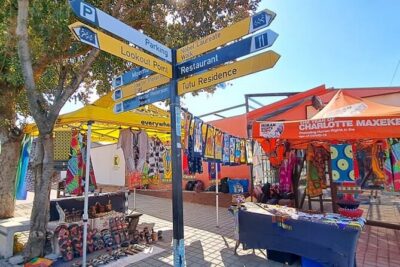

Soweto: Walking Tour with a Local Guide and Lunch
Read our review →
Jo’berg in 1 Day: Soweto, Apartheid Museum & City Tour
Read our review →
Full-Day Tour with Soweto and Apartheid Museum
Read our review →
Browse the lists this tour appears in