Reviewed · CAPE TOWN TOURS
Pop-Up Cinema in the Community + Post Film Discussion with Locals
Cinema can open doors that sightseeing cannot. This three-hour Cape Town experience takes you into Khayelitsha for locally produced short films, a personal interview with social entrepreneur Buhle, and honest discussion with people from the neighborhood. I like the small group size of up to 10 people, and I like that 10 percent of the booking supports the local changemaker through practical help such as equipment, bursaries, or cash grants.
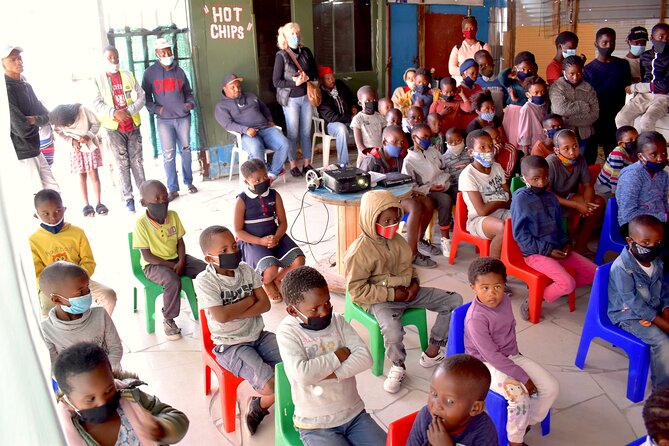
The strongest part is the human contact. Guide Jason helps explain Buhle’s work, while Buhle shares how he uses mobile film screenings to create a safe place for learning and entertainment. The main consideration is that this is not a sightseeing tour with a packed list of attractions. It is a reflective community experience, and the discussion matters as much as the films.
In This Review
- Key points to know before booking
- Why this Khayelitsha cinema experience feels different
- The 30-minute interview with Buhle
- Fifteen minutes of questions and honest conversation
- The short walk to the screening venue
- Ninety minutes of local short films and discussion
- Meeting Buhle where he grew up
- What the price includes at $29.38
- Pickup, meeting point, and group size
- Who will enjoy this experience most
- Final decision: should you book the pop-up cinema?
- FAQ
- Where does the pop-up cinema experience start?
- Where does the activity end?
- How long does the experience last?
- How many people can join?
- Is hotel pickup included?
- Are children from the community always present?
- Can I cancel for a full refund?
Key points to know before booking
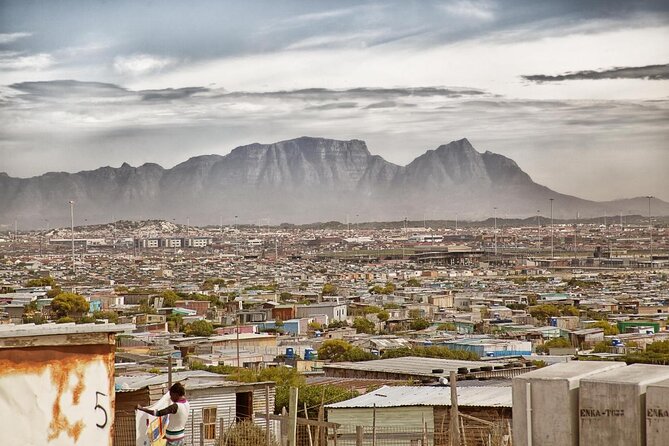
- Buhle’s mobile cinema has a social purpose: He brings screenings into Khayelitsha to educate, inspire, and give local people a welcoming place to gather.
- Jason leads the conversation: The experience begins with an interview and guest questions, giving you useful context before the films start.
- Three local short films are screened: The program includes The Rise of Shembe, Scapegoat, and Amalobolo.
- The group stays small: A maximum of 10 people allows for a more personal exchange than a standard bus tour.
- The meeting point is in Harare, Khayelitsha: You start and finish on Bengezela Street, unless you choose a hotel pickup option.
- The $29.38 price supports the project: A 10 percent charitable pledge goes back to the changemaker, while extras such as meals, photos, and pickup depend on the option you book.
Why this Khayelitsha cinema experience feels different
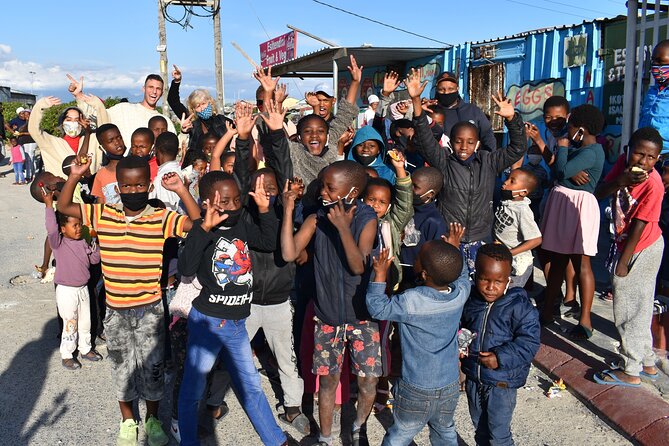
Cape Town offers plenty of polished sightseeing. This experience takes another route. You are not simply shown a neighborhood from a vehicle window. You meet a person who is trying to solve a local problem with limited resources, then see the work in action.
Buhle runs mobile screenings in Khayelitsha as a way to bring learning and entertainment closer to the community. He also operates a garbage-bin cleaning service to help pay for hall rentals and snacks for children at the screenings. That detail matters because it shows the practical side of community work. The cinema project is not presented as a separate charity effort with an easy funding stream. It is tied to a young entrepreneur’s own efforts to keep the project going.
That gives the experience a useful focus. You learn about an idea, but you also learn about the work needed to make that idea possible. For me, that is more meaningful than simply hearing general comments about social change.
Buhle’s personal story is another major part of the appeal. The experience includes time at his mother’s home, where he grew up, and an interview about the choices that led him toward social entrepreneurship. His life story includes both setbacks and progress, which helps keep the conversation grounded.
You should come prepared to listen. The tone is friendly and open, but this is not a quick photo stop. If you want only Cape Town landmarks and easy entertainment, the pace may feel too thoughtful. If you enjoy meeting people and discussing what you see, the format gives you room to connect.
A few more tours worth putting side by side
- Wine Tour: Paarl, Franschhoek & Stellenbosch incl 3 wineries
★ 5.0 · 3,940 reviews - Cape Town: Hop-On Hop-Off Bus Tour with Optional Cruise
★ 4.8 · 3,929 reviews - Cape Town: Cape of Good Hope & Penguins Day Tour with Pickup
★ 4.7 · 3,362 reviews
The 30-minute interview with Buhle
The first formal section lasts about 30 minutes. Jason, the experience facilitator, interviews Buhle about his background, his community work, and the reasons he began organizing mobile film screenings.
This opening is important because it gives the later films a human setting. Without it, you might watch three short productions and leave with only a general impression. With it, you have a better sense of why film can serve as a teaching tool and why a screening space can matter in a neighborhood.
Jason’s role is not limited to timing the activity. He provides background information, helps guide the exchange, and handles entrance fees on your behalf. The setup is useful for international visitors who may not know the local context or the best way to frame questions.
The interview also gives you a chance to hear directly from Buhle rather than receiving a polished speech from a distant organization. His work touches on education, entertainment, funding, and community trust. Those subjects make the conversation more substantial than a standard introduction.
The pace should suit most people because 30 minutes is long enough to understand the project without taking over the afternoon. Still, the value depends partly on your willingness to participate. The next 15 minutes are reserved for questions from the group, so bring one or two thoughtful questions if you want more from the session.
Fifteen minutes of questions and honest conversation
The question period gives the experience a two-way shape. You are not expected to sit quietly while a guide recites facts. You can ask about Buhle’s work, his motivation, or the practical challenges of running screenings.
A small group helps here. With no more than 10 people, it should be easier to speak up and hear the answers. A large group can turn a discussion into a lecture. This format is better suited to conversation.
I would keep your questions respectful and specific. Ask about how the screenings are organized, how the garbage-bin cleaning business supports the project, or what he wants the cinema program to achieve. Those questions connect the personal story to the wider community purpose.
This part may be less comfortable for people who prefer a tightly scripted tour. That is not a flaw, but it is worth knowing. The experience asks you to pay attention and respond like a participant, not a passenger.
The short walk to the screening venue
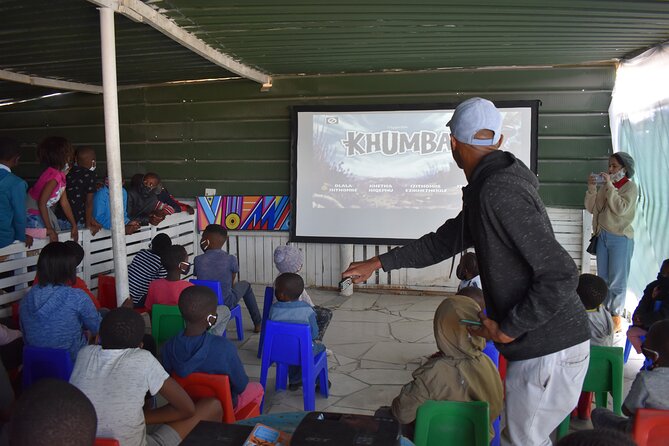
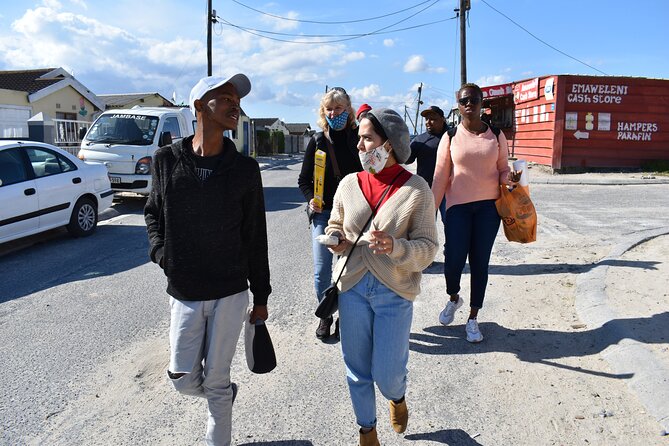
After the interview and questions, you take a walk of about 15 minutes to the film venue. The walk is short, but it helps connect the conversation to the place where the project operates.
You are moving through Khayelitsha with a clear reason for being there. The venue is not just a backdrop for photographs. It is part of Buhle’s effort to create a safe and useful gathering place for film, learning, and conversation.
The information provided does not promise a particular type of venue, seating arrangement, or indoor comfort level. Keep that in mind when deciding what to wear and carry. The experience also requires good weather, so conditions can affect whether the activity runs as planned.
Because the walk is only about 15 minutes, it should not be a major physical demand for most people. Still, anyone who needs a fully vehicle-based activity should consider the walking portion before booking.
A completely different kind of day out on the same trip:
- Zipline Cape Town – From Foot of Table Mountain Reserve
★ 5.0 · 3,179 reviews - Cape Town: Table Mountain Cable Car, Hop-On Hop-Off Bus Tour
★ 4.6 · 3,157 reviews - Cape Point and Boulder’s Penguins Full Day Tour
★ 5.0 · 3,118 reviews - From Cape Town: Cape Point & Boulders Beach Full-Day Tour
★ 4.8 · 3,032 reviews
Ninety minutes of local short films and discussion
The screening takes about 90 minutes and includes three locally produced short films:
- The Rise of Shembe
- Scapegoat
- Amalobolo
The films are discussed as a group rather than shown as a silent block. That structure gives you time to think about each story and hear how other people interpret it. A film can look simple on the surface but raise questions about identity, community, belief, responsibility, or social pressure. The discussion helps bring those ideas into focus.
The title The Rise of Shembe suggests a connection to Shembe religious and cultural identity, while Scapegoat points toward questions of blame and exclusion. Amalobolo adds another local voice to the program. The supplied information does not give full plot descriptions, so you should not book expecting a particular genre or storyline. Go for the chance to see South African short films in a community setting and discuss them afterward.
This is one of the most valuable parts of the experience. A commercial cinema gives you a finished product. Here, the setting encourages conversation about what the films mean to people who live nearby. Adult neighbors are normally the community members who join the discussion, giving the exchange a local voice.
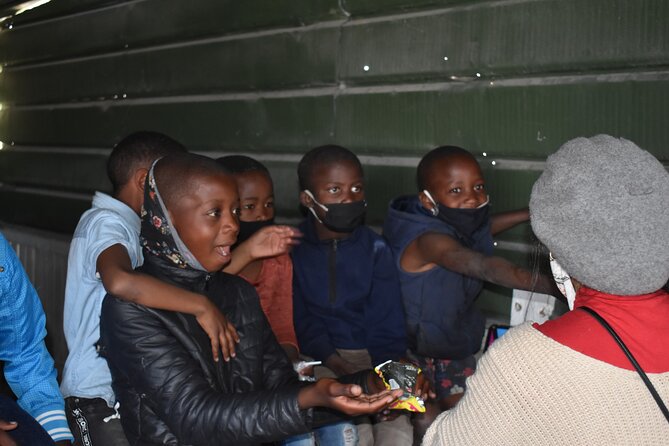
Children may be present only on request for weekend bookings. That detail is useful for families. You should not assume children will be part of the event unless you arrange it in advance, and the standard format is built around adult neighbors.
The 90-minute film section also makes this a better choice for people who enjoy focused cultural activities. You will spend a substantial block of time watching and talking, so it is not a quick add-on between major Cape Town attractions.
Meeting Buhle where he grew up
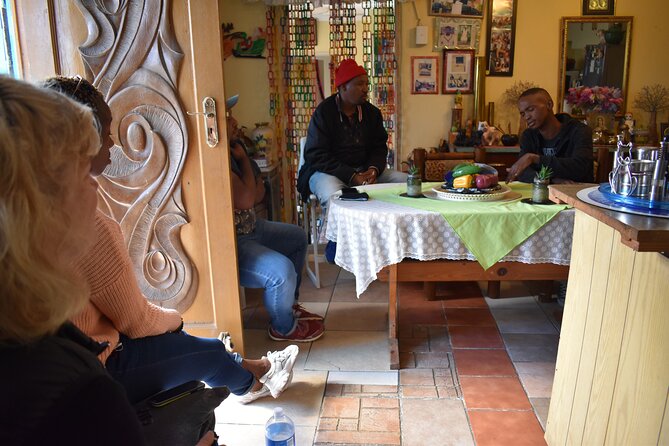
One detail adds unusual personal depth: the experience includes a welcome at Buhle’s mother’s home, where he grew up. This helps place his current work within his own story.
You are not meeting an outside expert who arrives with a ready-made presentation. You are hearing from a young person whose community work is linked to his family background and local experience. That can make the discussion feel more direct and less formal.
The information available does not promise a full home tour or a meal at the house, so keep your expectations modest. The value is the welcome and the personal context, not a guaranteed household visit of a particular length.
That personal connection is also why the experience has earned such strong praise. The most admired elements are Buhle’s determination, his way of teaching through films, and the simple beauty of creating pop-up screenings for local people. You can expect an uplifting tone, but the experience does not pretend that community work is easy.
What the price includes at $29.38
At $29.38 per person, the basic price is reasonable for a three-hour activity with a guide, a hosted program, a film screening, and a charitable contribution. You are paying for more than admission to a movie. The price supports the time spent arranging the meeting, guiding the discussion, and connecting you with the local project.
The 10 percent charitable pledge strengthens the value. The money goes back to changemakers through year-end gifts, which may include equipment, bursaries, and cash grants. That does not mean your entire payment goes directly to the project, but it does give the booking a clear social purpose.
The basic option does not include add-ons. Hotel pickup, meals, photos, and similar extras depend on the package you select. Bottled water can be bought for cash from your guide, so carry some local currency if you want water during the activity.
For a small group experience, the price compares well with standard half-day sightseeing. The difference is what you receive. You get fewer conventional attractions, but more direct conversation and a stronger connection to one local initiative.
Pickup, meeting point, and group size
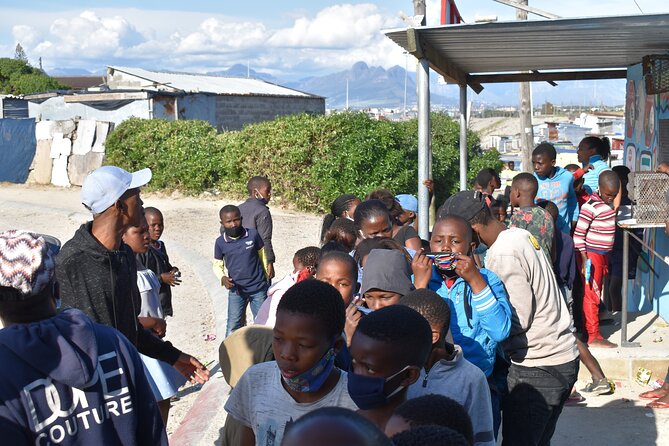
The standard meeting point is on Bengezela Street in Harare, Cape Town, postal code 7784. The activity ends back at the same meeting point.
Hotel pickup is offered as an add-on rather than something to assume is included in the bare-bones option. Check your selected package carefully before booking. If you add pickup, an SbS guide accompanies you from pickup through drop-off and helps settle entrance fees.
The group maximum is 10 people. This is a real advantage for the interview and film discussion because everyone has a better chance to ask questions. It also means dates may have limited space, and the activity requires a minimum number of participants to operate.
Most people can take part, according to the supplied booking information. The route includes a short walk, and the activity relies on suitable weather. If poor weather causes cancellation, you can choose another date or receive a full refund.
Who will enjoy this experience most
I would recommend it to you if you:
- Want to meet a local changemaker rather than only see major attractions
- Enjoy short films and group discussion
- Prefer small-group activities
- Want your spending to support a community project
- Are curious about social entrepreneurship in Cape Town
- Can give three hours to a slower, more thoughtful experience
It is also a good fit for repeat visitors who have already seen the city’s main sights. The focus here is not on collecting photographs. It is on hearing a personal story, watching local work in action, and thinking about how culture and community projects overlap.
Families should ask about weekend bookings if they specifically want local children to be present. Children are only possibly included upon request, while adult neighbors are the normal community participants.
You may want to skip it if you dislike discussion, have no interest in locally produced film, or need a fully predictable indoor itinerary. The experience has a clear structure, but the conversation itself will naturally vary.
Final decision: should you book the pop-up cinema?
Book this experience if you want a direct, human encounter with Cape Town and are happy to trade a checklist of sights for three hours of conversation, film, and local perspective. Buhle’s mobile cinema, his effort to fund it through garbage-bin cleaning, and the presence of guide Jason give the activity a strong personal center.
The best reason to book is the combination of purpose and access. You see the project, hear why it exists, meet the person running it, and discuss films with local adults. At $29.38, the small group and 10 percent charitable pledge make it a fair buy.
Choose the bare-bones option if you only need the hosted activity. Add pickup if finding Bengezela Street in Harare would be difficult, and consider the photo add-on only if you want same-day HD images and video sent through Google Drive. Cancel at least 24 hours before the start time for a full refund. That gives you a sensible safety margin, especially since poor weather or low participation can affect the schedule.
FAQ
Where does the pop-up cinema experience start?
It starts on Bengezela Street in Harare, Cape Town, at postal code 7784, South Africa.
Where does the activity end?
The activity ends back at the meeting point on Bengezela Street.
How long does the experience last?
The experience lasts approximately three hours.
How many people can join?
The maximum group size is 10 people.
Is hotel pickup included?
Pickup is offered as an add-on. It is not included in the bare-bones option.
Are children from the community always present?
No. Local children may be present upon request for weekend bookings. Adult neighbors are the standard community participants.
Can I cancel for a full refund?
Yes. You can cancel at least 24 hours before the experience start time for a full refund. Changes or cancellations made less than 24 hours before the start time are not accepted for a refund.
Newest reviews from Cape Town
- Explore Atlantis Sand Dunes with a 1hour 30mins sandboarding tour★ 5.0 · 5 reviews
- Transfer from Cape Town City Center to Cape Town Airport★ 5.0 · 5 reviews
- Pneuma private travel & tours, creating memories and friends never forgotten★ 5.0 · 5 reviews
- Cape Town Table Mountain and Peninsula Tour★ 5.0 · 5 reviews
- Private Transfer: CPT Airport to Cape Town in Luxury Van★ 4.0 · 5 reviews
- Cape Town Full Day Family Fun With Kids Private Tour★ 4.0 · 5 reviews
- Cape of Good Hope-Cape Point & Penguins from Cape Town★ 5.0 · 5 reviews
- Cape Town: Shark Cage Diving Tour (with Breakfast & Lunch)★ 4.8 · 5 reviews
Cape Town Tours, compared.

Wine Tour: Paarl, Franschhoek & Stellenbosch incl 3 wineries
Read our review →
Cape of Good Hope & Penguins Day Tour with Pickup
Read our review →
Table Mountain Cable Car, Hop-On Hop-Off Bus Tour
Read our review →
Cape Point and Boulder’s Penguins Full Day Tour
Read our review →