Reviewed · FULL-DAY
Plettenberg Bay: Cats in Conservation Full Day Tour
Wild cats come with a conservation lesson. At Tenikwa Wildlife Rehabilitation and Awareness Centre, you spend a full day learning about South Africa’s indigenous cats while helping staff with practical care tasks, feeding preparations, enclosure checks, and enrichment work.
I like the behind-the-scenes access and the chance to see how a rehabilitation center operates beyond its public viewing areas. I also like the calm pace, with time for the animals, the staff, a meal, and possibly a forest walk. The main drawback is the length: this is a full working day, not a quick wildlife stop, and some activities depend on weather and the animals’ needs.
The $104 price is fair if you want more than photographs. You receive a guide, breakfast with coffee or tea, lunch with one drink, water, a private wildlife tour, and access to rehabilitation areas not open to the general public. You do not receive hotel transport, snacks, or extra drinks, so plan your day around the meeting point and bring sensible clothing.
In This Review
- Key points before you book
- Starting at Tenikwa near Plettenberg Bay
- The early morning animal checks
- Meeting South Africa’s indigenous wild cats
- Rehabilitation work and the wildlife hospital
- Enrichment work after lunch
- A possible Tsitsikamma forest walk
- Preparing food and watching the evening feedings
- What the $104 price really covers
- Who will enjoy this day most
- Should you book the Cats in Conservation tour?
- FAQ
- Where does the Cats in Conservation tour begin?
- How long does the tour last?
- Is hotel pickup included?
- What meals and drinks are included?
- Can I touch or feed the animals?
- Is the tour suitable for children?
- What should I bring?
- Is the tour available in languages other than English?
Key points before you book
- An all-day conservation program: Expect a full day of animal care, guided viewing, meals, and staff interaction rather than a short cat encounter.
- Early work with animal keepers: You help with animal and enclosure checks before the center settles into its visitor activities.
- Access beyond the public areas: The program includes observation in rehabilitation facilities and behind-the-scenes work with the animal-keeping team.
- Wild cats with individual personalities: Guides introduce the cats by name and explain their behavior, care, and conservation problems.
- A useful forest break: If time and weather allow, a guided walk through indigenous Tsitsikamma forest adds a welcome change of pace.
- Good access information: The center is wheelchair accessible, and rain gear is supplied when the weather turns wet.
Starting at Tenikwa near Plettenberg Bay
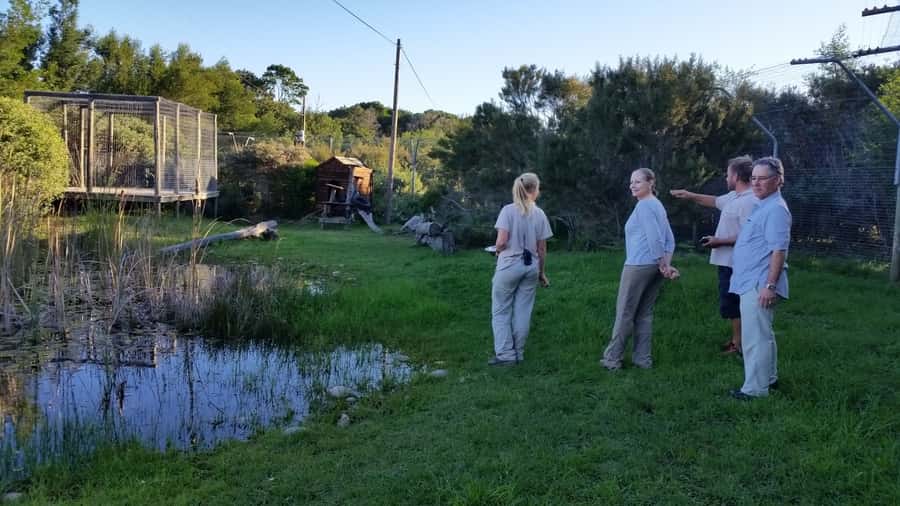
You make your own way to Tenikwa Wildlife Rehabilitation and Awareness Centre. From the N2, follow the signs for Tenikwa, then continue through Animal Alley, keeping left where marked and right at the fork. Check in at reception and arrive 15 minutes early.
Parking is available at reception. The center advises you to lock valuables and backpacks in your vehicle, which is practical advice for a day spent moving around animal areas. Bring your camera if photographs matter to you, but leave the selfie stick behind. Selfie sticks are not allowed, and touching or feeding the animals is strictly forbidden.
The tour is conducted in English with a live guide. It is offered as a private group, which should make it easier to ask questions and spend time with the staff. The minimum age is nine, so this suits older children and adults better than families with toddlers.
Wear comfortable walking shoes and clothes that can handle a long day outdoors. A sun hat, sunscreen, and insect repellent are useful. Tenikwa supplies rain jackets in poor weather, but this remains an all-weather program, so do not book it expecting ideal skies.
More full-day tours in South Africa:
- Cape Point and Boulder’s Penguins Full Day Tour
★ 5.0 · 3,118 reviews - From Cape Town: Cape Point & Boulders Beach Full-Day Tour
★ 4.8 · 3,032 reviews - Cape of Good Hope & Boulder Penguins Full-Day Tour from Cape Town
★ 5.0 · 2,347 reviews
The early morning animal checks
The day begins with a short safety briefing. This matters at a wildlife center, where the most important rule is simple: watch carefully, follow instructions, and respect the animals’ space.
You then join the keepers for early animal and enclosure checks. This is one of the most worthwhile parts of the experience because it shows the routine work behind a clean, safe rehabilitation facility. Animal care is not only feeding and looking at impressive cats. It also involves checking enclosures, observing behavior, and making sure the animals are ready for the day.
I like this start because it gives you a better sense of the center as a working conservation site. You are not simply moving from one display to the next. You are seeing the practical side of keeping non-releasable animals well cared for.
The morning schedule includes breakfast at the Boma restaurant, with coffee or tea. The day plan describes breakfast as optional, while the inclusions list breakfast with coffee or tea, so check the exact arrangement when booking. Either way, this is a useful pause before the longer guided activities.
Meeting South Africa’s indigenous wild cats
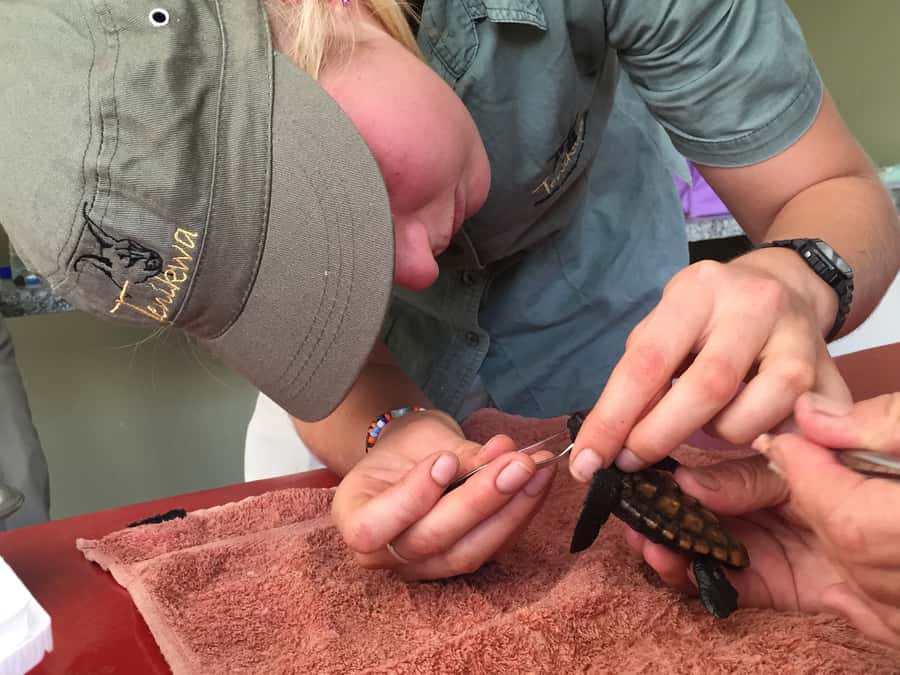
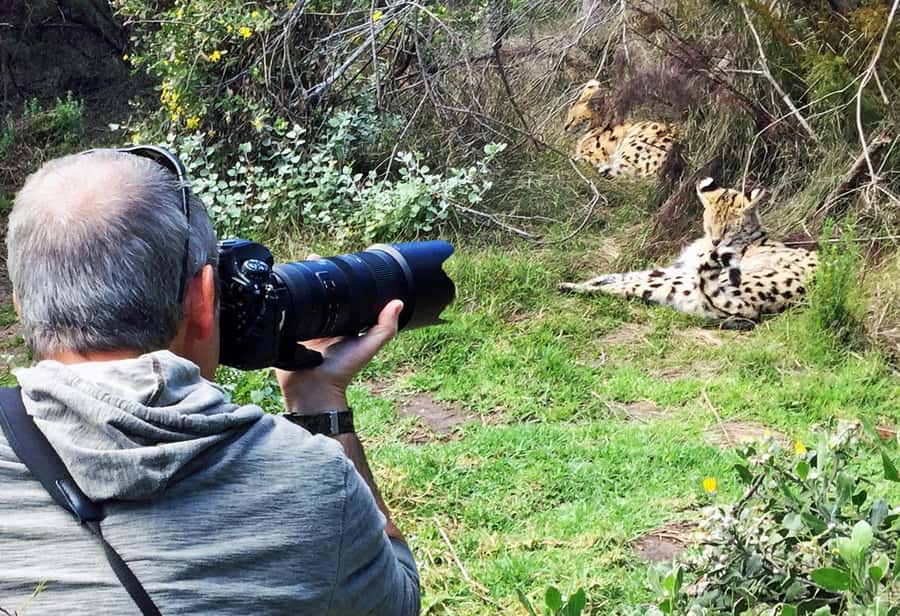
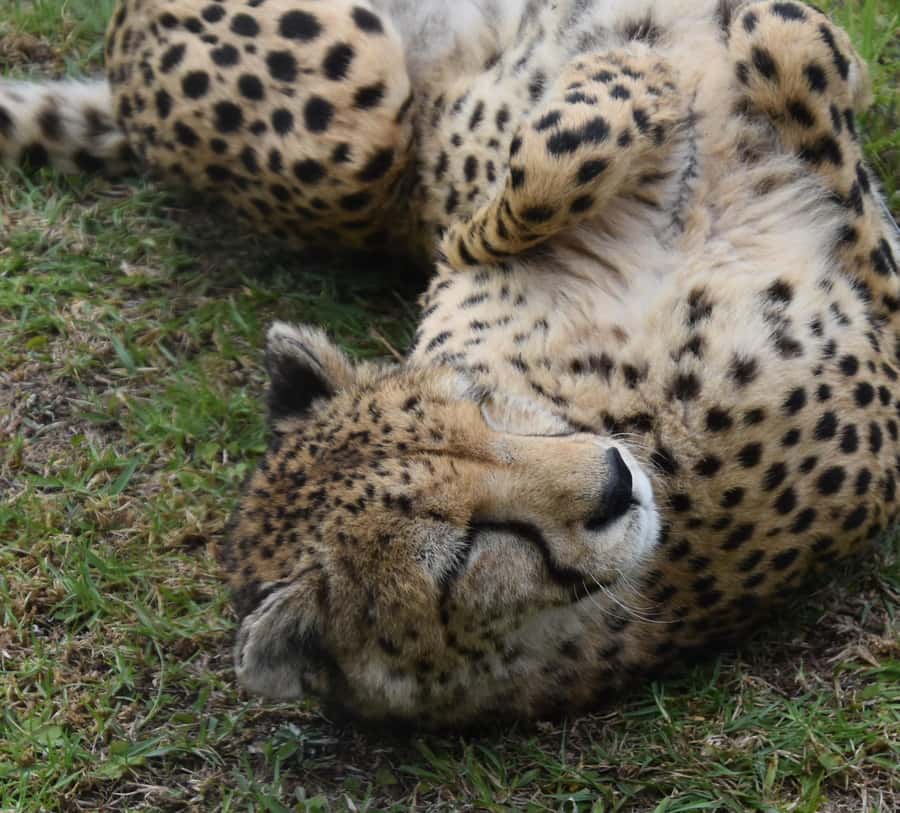
The main guided cat tour lasts about two hours. Your guide introduces you to the different wild cats at Tenikwa and explains the conservation pressures facing each species. The value here is not only seeing the animals at close range. It is learning why they are at the center and what makes their care different from that of domestic animals or zoo specimens.
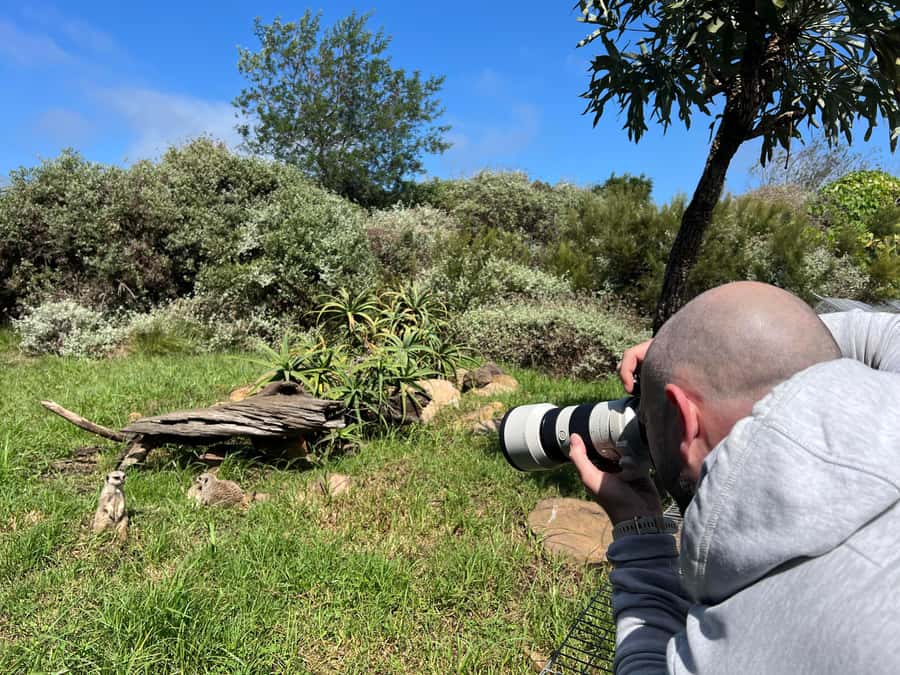
You may have opportunities to photograph the cats, but good wildlife photography requires patience. Animals do not perform on schedule. A cat may be active, resting, hidden, or simply uninterested in your camera. That is part of the appeal, but it also means you should not judge the tour only by how many perfect photographs you bring home.
The best guide will help you read the animals rather than encourage noise or forced interaction. Msizi, who has worked at Tenikwa for nine years, is specifically praised for knowing the cats’ names and personalities. That kind of long-term familiarity adds something special. You hear about individual animals, not just broad facts about a species.
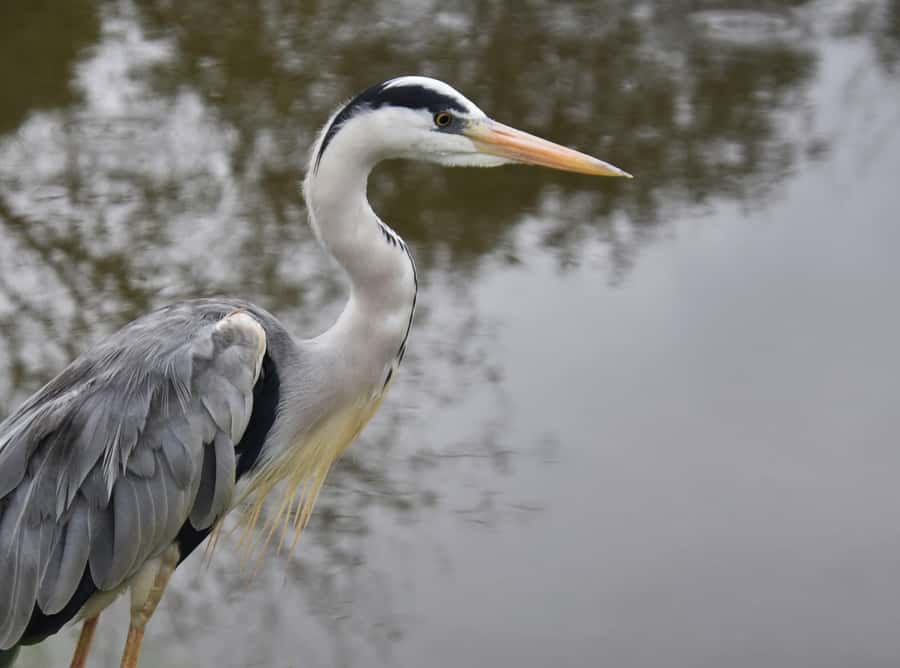
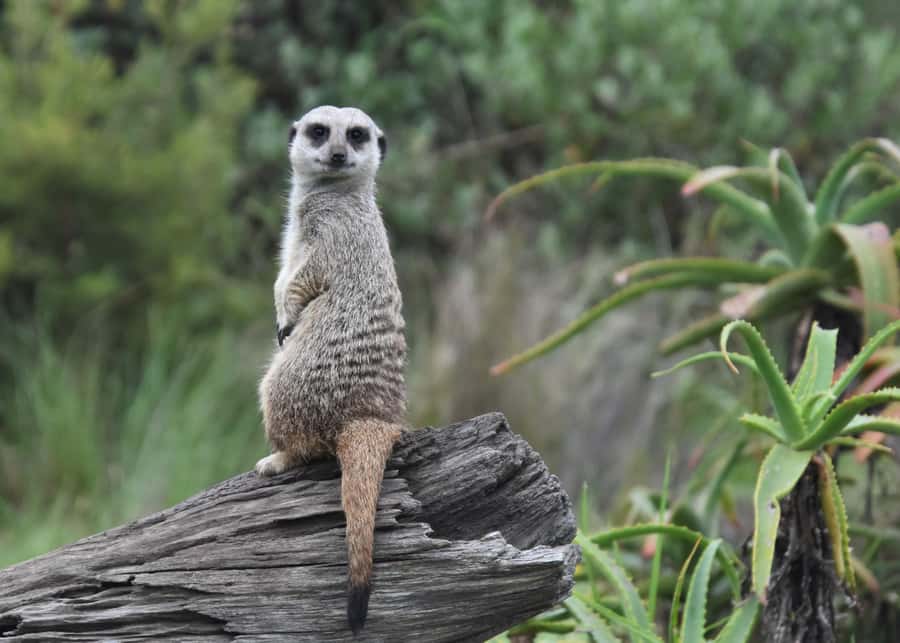
The center also cares for meerkats, owls, and other birds. These animals broaden the visit beyond cats and help show that conservation work often covers several kinds of wildlife. If you arrive focused only on big-cat photographs, you may miss some of the most useful lessons in the smaller enclosures.
Several comments about the facility point to spacious, natural enclosures, clean grounds, and animals that appear relaxed. Those details matter. Good conservation tourism should leave you thinking about welfare, not just proximity. You are not allowed to touch the animals, and that restriction is a strength, not a missed photo opportunity.
Rehabilitation work and the wildlife hospital
The tour includes observation in rehabilitation facilities that are not open to the general public. You can see how wild animals are admitted and cared for in the wildlife hospital, gaining a clearer picture of what happens when an injured, orphaned, or otherwise vulnerable animal reaches the center.
The information provided does not promise that you will watch a specific medical procedure. It does promise access to the rehabilitation setting and an explanation of the work taking place there. Expect observation and instruction, not a hands-on veterinary session.
This part gives the tour its strongest educational purpose. A wildlife center is not simply a place where rescued animals remain. Its work involves assessment, treatment, daily monitoring, enclosure care, food preparation, and decisions about whether an animal can return to the wild. Seeing that process helps you understand why some animals are released and why others must remain in human care.
The distinction between releasable and non-releasable animals is important. Some animals cannot safely return to the wild because of injury, dependence on people, or other welfare concerns. The center’s enrichment activities are designed to keep these animals active and improve their quality of life in captivity.
A completely different kind of day out on the same trip:
- Wine Tour: Paarl, Franschhoek & Stellenbosch incl 3 wineries
★ 5.0 · 3,940 reviews - Cape Town: Hop-On Hop-Off Bus Tour with Optional Cruise
★ 4.8 · 3,929 reviews - Cape Town: Cape of Good Hope & Penguins Day Tour with Pickup
★ 4.7 · 3,362 reviews - Zipline Cape Town – From Foot of Table Mountain Reserve
★ 5.0 · 3,179 reviews
Enrichment work after lunch
After the morning tour and rehabilitation visit, you have lunch with one included drink. The drink can be coffee, tea, beer, wine, or a non-alcoholic option. Extra drinks and snacks cost more, so bring or buy anything you need beyond the supplied meals.
The afternoon includes an enrichment exercise with non-releasable animals. Enrichment gives animals appropriate mental and physical stimulation. It can involve changes to the way food is presented or activities that encourage natural behavior, though the precise exercise can vary.
This is a good point in the day to pay attention to the explanation from the keepers. The activity is not entertainment for people. It is part of responsible daily care. You participate under staff direction, and you still must not touch or feed wildlife unless a guide specifically manages an approved task. The stated rule is clear: no touching and no feeding of animals.
The pace is another plus. A South African wildlife program can become tiring if it rushes from one enclosure to another. Here, the day allows time to ask questions and speak with the staff. Amanda from South Africa described the program as well paced, with no sense of being hurried or bored. That is useful guidance for anyone wondering if a full day at one center will feel repetitive.
A possible Tsitsikamma forest walk
If time and weather permit, you join a guided walk through indigenous Tsitsikamma forest. The schedule allows roughly two hours for walking and scenic views, though the exact timing can change as the day develops.
This is a welcome counterpoint to the animal areas. The forest gives you a chance to stretch your legs, notice the natural setting around Tenikwa, and consider the habitats that conservation work aims to protect. It also breaks up the day for anyone who finds several hours of enclosure viewing tiring.
Do not treat the forest walk as guaranteed. Weather and the needs of the center come first. If heavy rain or timing prevents it, the animal-care program remains the main event. Wear shoes that are comfortable for uneven walking, and use insect repellent.
Preparing food and watching the evening feedings

Later in the afternoon, you help the animal-keeping staff prepare food. This is another quiet but valuable task. Food preparation shows the planning required to care for a collection of wild species with different needs, routines, and feeding patterns.
You then accompany staff as they carry out the feedings. Feeding time can be one of the most interesting moments for photographs, but keep your expectations sensible. You will be observing a managed care routine, not watching a staged show. Staff instructions and animal welfare determine where you stand and what you can do.
The final activity involves helping staff secure the animals for the night. This gives the day a natural closing point and lets you see the center’s evening routine. It also reinforces how much daily work happens after ordinary day visitors have left.
The schedule lists about three hours for afternoon camp activities and wildlife viewing, plus a short shopping stop. That time may include staff conversations, feeding preparations, animal observation, and the end-of-day checks. You should expect a full program, but not every minute will be filled with action.
What the $104 price really covers
At $104 per person, this is more expensive than a basic wildlife-center admission. It also offers much more than admission. You receive a guide, private wildlife tour, breakfast with coffee or tea, lunch with one drink, bottled water, rain gear when needed, observation in restricted rehabilitation areas, and behind-the-scenes time with animal keepers.
The strongest value comes from the access and the day-long format. If you only want to see wild cats, a shorter visit may suit you better. If you want to understand animal care and conservation while contributing your time to practical tasks, the price makes more sense.
Hotel pickup and drop-off are not included. That is an extra planning step, especially if you are staying away from Plettenberg Bay or do not have a car. You also need to budget for snacks and additional drinks.
Flexible booking helps if your plans may change. You can cancel up to 24 hours ahead for a full refund, and the reserve-now, pay-later option lets you hold a place without paying immediately. Check availability for the starting time, since the exact schedule is not fixed in the information provided.
Who will enjoy this day most
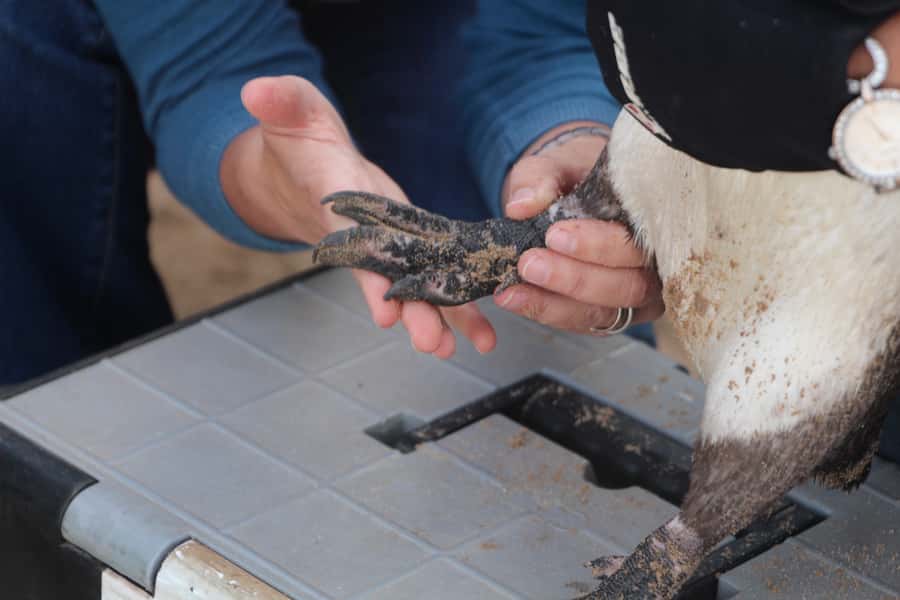
I would recommend the tour to you if you want close observation without animal handling, care about rehabilitation, and enjoy asking questions. It is especially suitable for photographers who are happy to wait, families with children aged nine and older, and visitors who prefer a meaningful full-day activity over a quick attraction.
It also suits anyone curious about animal welfare. The repeated praise for clean facilities, natural enclosures, relaxed animals, and committed staff is important. No wildlife center is the same as seeing animals in the wild, but Tenikwa’s focus is on care and awareness rather than forced contact.
You may not enjoy it if you want a guaranteed sighting schedule, constant action, or a short stop between other Plettenberg Bay activities. The full day requires patience, comfortable clothing, and a willingness to follow the center’s rules. Weather can also affect the forest walk and the feel of the day.
The program is wheelchair accessible, but the schedule includes walking and a possible forest route. If you need specific mobility arrangements, confirm which parts of the day are suitable before booking.
Should you book the Cats in Conservation tour?
Book it if you want to understand the work behind rescued wildlife, spend time with experienced keepers, and see South African wild cats in a setting that emphasizes welfare. The combination of animal checks, hospital observation, enrichment, feeding preparation, and evening securing gives you a much fuller picture than a standard guided viewing.
Skip it if your priority is a quick photo stop or hotel-to-hotel convenience. You must arrange your own transport, supply your own snacks, and give up a full day. For the right kind of visitor, though, the time is the point. You leave with photographs, but also with a clearer sense of what conservation care actually demands.
FAQ
Where does the Cats in Conservation tour begin?
It begins at Tenikwa Wildlife Rehabilitation and Awareness Centre. Follow the Tenikwa signs from the N2, keep left at Animal Alley, keep right at the fork, and check in at reception.
How long does the tour last?
The experience lasts one full day. Starting times vary, so check availability when booking.
Is hotel pickup included?
No. Hotel pickup and drop-off are not included. Parking is available at Tenikwa reception.
What meals and drinks are included?
Breakfast with coffee or tea, lunch with one drink, and bottled water are included. The lunch drink can be coffee, tea, beer, wine, or a non-alcoholic drink. Snacks and additional drinks are not included.
Can I touch or feed the animals?
No. Touching and feeding wildlife are not allowed. Selfie sticks are also prohibited, although you may bring a camera.
Is the tour suitable for children?
The program is not suitable for children under nine years old.
What should I bring?
Bring comfortable walking shoes, comfortable clothes, a sun hat, sunscreen, and insect repellent. Rain jackets are provided in bad weather.
Is the tour available in languages other than English?
The tour is conducted in English with a live guide.
Newest reviews from South Africa
- Half-Day Lion and Safari Park Tour★ 5.0 · 5 reviews
- Explore Atlantis Sand Dunes with a 1hour 30mins sandboarding tour★ 5.0 · 5 reviews
- Durban Shore Excursion: Valley of 1000 Hills and PheZulu Tour★ 5.0 · 5 reviews
- Cango Caves Oudtshoorn Day Tour★ 5.0 · 5 reviews
- Transfer from Cape Town City Center to Cape Town Airport★ 5.0 · 5 reviews
- Pneuma private travel & tours, creating memories and friends never forgotten★ 5.0 · 5 reviews
- Private Transfer: CPT Airport to Cape Town in Luxury Van★ 4.0 · 5 reviews
- Cape Town Table Mountain and Peninsula Tour★ 5.0 · 5 reviews
Full-Day, compared.
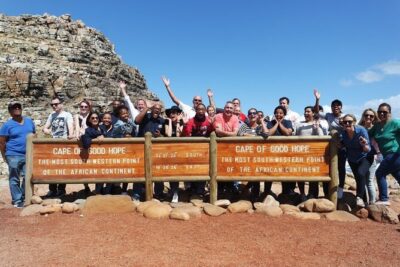
Cape Point and Boulder’s Penguins Full Day Tour
Read our review →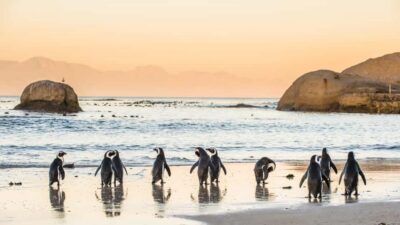
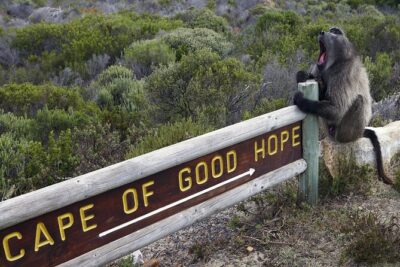
Cape of Good Hope & Boulder Penguins Full-Day Tour from Cape Town
Read our review →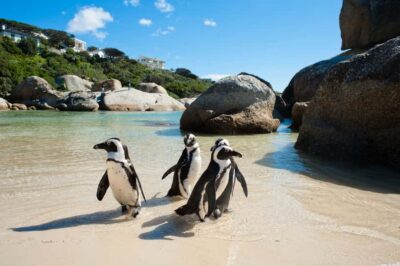

Full-Day Winelands Tour with Wine Tastings & Food
Read our review →
Soweto /Johannesburg and Apartheid Museum Guided Full Day Tour
Read our review →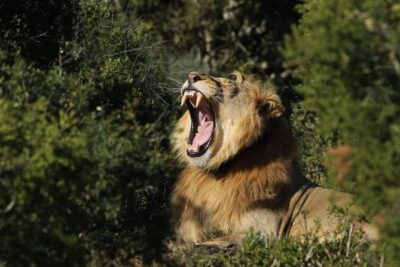
Addo Elephant National Park All Inclusive Full-Day Safari
Read our review →