
Reviewed · KNYSNA AND PLETTENBERG BAY TOURS
Monkeyland Guided Tour in Plettenberg Bay
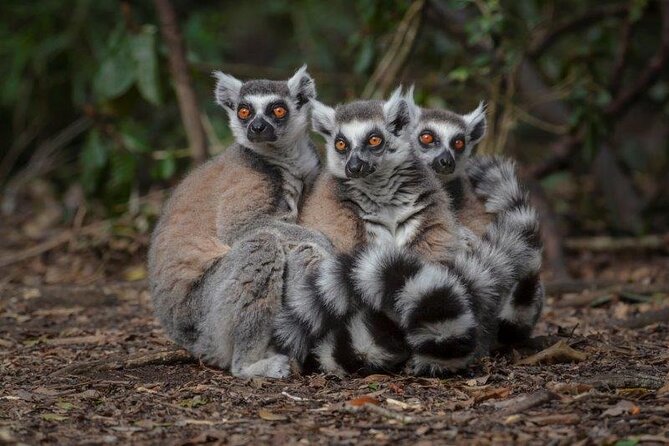
See primates roam with room to spare. Monkeyland offers a guided walk through a 30-acre sanctuary near Plettenberg Bay, where more than 550 apes, monkeys, and lemurs from 11 species live in a setting designed to feel more natural than a standard zoo enclosure. I like the small group size of up to 16 people, which should make it easier to hear the guide and watch the animals without a crowd pressing in. I also like the steady focus on primate behavior and welfare, rather than treating the visit as a quick photo stop.
The main consideration is time. The tour lasts about 45 minutes to one hour, so you should not expect a full-day wildlife outing from Monkeyland alone. The price of $24.73 per person is reasonable for a guided sanctuary visit, but the value depends on how much you enjoy learning about animals as you watch them.
In This Review
- Key points before you book
- What Monkeyland is trying to do
- Arriving at the sanctuary near The Crags
- Following the guide through 11 primate species
- Why the open setting matters
- A one-hour visit with useful structure
- Is $24.73 good value?
- Booking times, language, and high-season planning
- Who will enjoy Monkeyland most?
- My take on Monkeyland
- Should you book this guided visit?
- FAQ
- Where is Monkeyland located?
- How long does the Monkeyland tour last?
- How many primates live at Monkeyland?
- How many species can I see?
- Is the tour guided?
- How large are the tour groups?
- Are tours available throughout the day?
- Can I book a tour in Afrikaans, German, or French?
- Is food included in the price?
- Can I cancel for a full refund?
Key points before you book
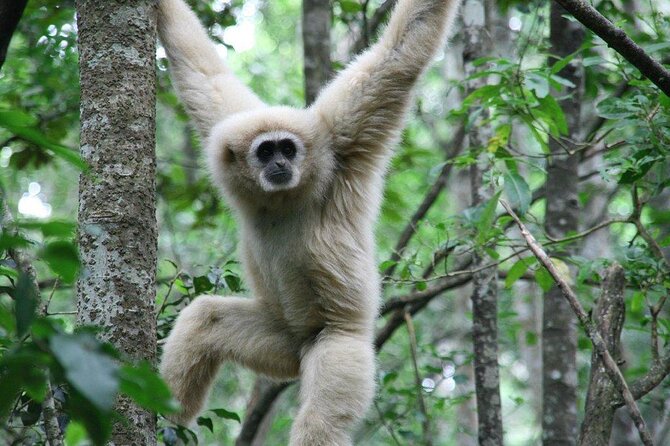
- More than 550 primates live on 30 acres, including apes, monkeys, and lemurs from 11 species.
- A guide leads the entire visit, explaining primate biology, social behavior, and the sanctuary’s purpose.
- Groups are capped at 16 people, a useful limit for hearing commentary and staying with the guide.
- The tour takes 45 minutes to one hour, with departures offered throughout the day.
- Advance booking matters in high season, when a reserved place protects you from arriving to a full tour.
- Afrikaans, German, and French tours require at least 48 hours’ notice, while English is the standard option.
What Monkeyland is trying to do
Monkeyland is not presented as a simple animal display. Its stated aim is to give intelligent primates a healthier, more natural life while helping the public understand them better. That purpose shapes the visit: you are not just looking at animals behind bars, but learning why their behavior, space, and social lives matter.
The sanctuary covers 30 acres, or about 12 hectares. That amount of room gives the animals a setting with more freedom to move than a small exhibit, and it is one of the strongest reasons to choose this experience over a quick stop at a conventional wildlife park.
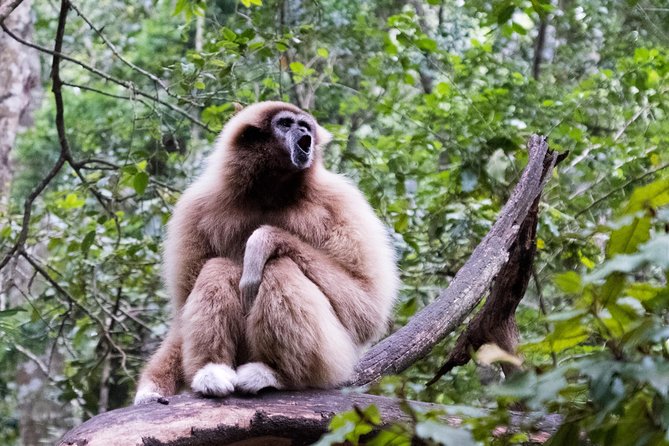
You may see several kinds of primates during the walk, including monkeys, apes, and lemurs. The exact animals you see will depend on where they are and how active they are at that moment. This is still a sanctuary visit, not a guaranteed wildlife sighting at a set location, so a little patience helps.
I appreciate that the guide supplies the context. Without commentary, you might notice fur, tails, and playful movement, then move on. With a guide, those same details become clues about social bonds, feeding habits, body language, and the way primates interact with their surroundings.
A few more tours worth putting side by side
- Knysna: 75-Minute Lagoon Boat Cruise
★ 4.5 · 445 reviews - Knysna: Sunset Lagoon Cruise
★ 4.5 · 217 reviews - Knysna: Close Encounter Whale Watching Tour by Boat
★ 4.6 · 207 reviews
Arriving at the sanctuary near The Crags
Monkeyland is at Portion 11 and 12 of Kirbywood Farm in The Crags, near Plettenberg Bay. You meet at the sanctuary itself, and the activity ends at that same point. The supplied information does not include transport from Plettenberg Bay, so you should plan your own way to the entrance.
On arrival, everyone aged three and older goes through a screening station. This includes completing a form and having a wrist temperature check. It is a brief arrival procedure, but you should allow a little time for it before the tour begins.
After screening, you go to reception to collect or confirm your ticket. A guide then takes the group into the sanctuary. Because the tour operates with a maximum of 16 people, you should have a better chance of staying close enough to follow the explanations than you would in a large coach group.
Children must be accompanied by an adult. Most people can take part, according to the activity information, though no detailed accessibility information is provided. If you have specific mobility or access needs, it is sensible to contact Monkeyland before booking rather than assume every part of the 30-acre property will suit you.
Following the guide through 11 primate species
The heart of the experience is the guided walk. It lasts roughly 45 minutes to one hour, depending on the pace and what the group encounters. You follow an experienced primate guide through the sanctuary while learning about the animals’ biology and behavior.
The strongest part of this format is the explanation. A guide can point out actions you might otherwise miss and explain the difference between simple activity and meaningful behavior. That turns the visit into a lesson in how primates live, communicate, and relate to one another.
The guide’s role also helps keep the visit respectful. You are not left to wander around trying to attract an animal’s attention. Instead, the focus stays on observing the primates in the environment provided for them.
Several guides have drawn particular praise for making the experience both informative and lively. Elano is noted for explaining the different primates and the sanctuary’s work in a clear way. Itiaan and Elvis are also praised for mixing useful information with stories that kept the visit entertaining. Guide quality can vary from one departure to another, but these names give you a sense of the standard Monkeyland aims for.
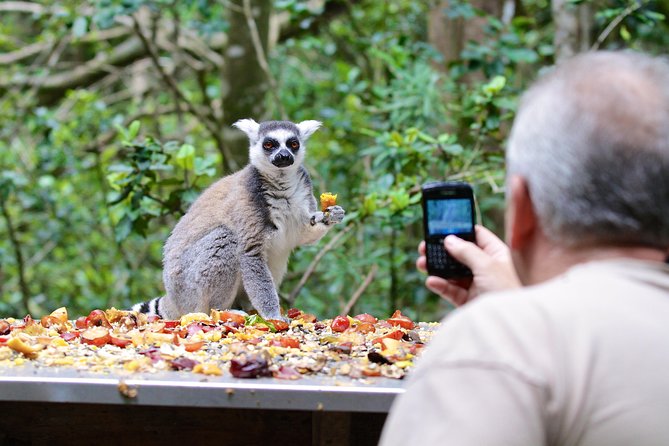
The sanctuary may bring you fairly close to the animals. That can be exciting, especially when a lemur or monkey is active nearby, but remember that the animals set the terms. A close view is possible, not promised, and the most rewarding moments may be quiet ones when you watch natural behavior rather than chase a perfect photograph.
Why the open setting matters
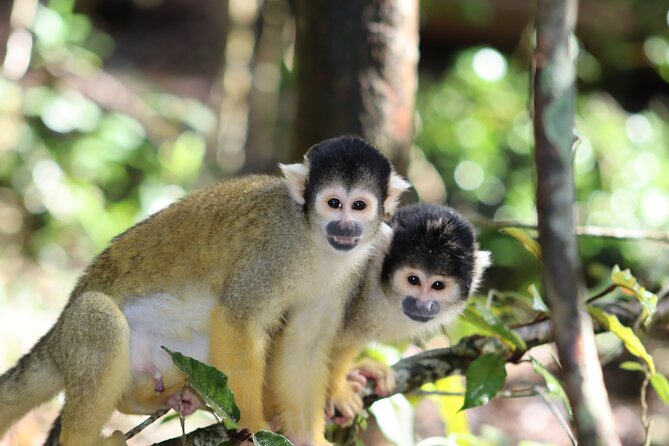
The 30-acre property is central to the experience. The space allows the sanctuary to house more than 550 animals while giving them room to move. It also changes the way you see them. Instead of viewing a single animal in a small, fixed enclosure, you may need to look around, listen to the guide, and notice how the group uses its surroundings.
One detailed account praised the generous layout and the chance to see the animals with plenty of room. That is an important distinction for anyone concerned about animal welfare. Monkeyland’s purpose is not only to display primates, but to provide a safer and healthier home for them.
Still, you should keep your expectations realistic. A large sanctuary does not mean every animal will appear on cue. You might see several species during one walk and fewer on another. The experience rewards attention more than speed, and it is better suited to people who enjoy watching animal behavior than to anyone seeking guaranteed close-up encounters.
The range of 11 species adds variety. Apes, monkeys, and lemurs do not all move or behave in the same way, so the guide has plenty to compare. You may find that one species captures your attention, while another becomes the surprise favorite of the walk.
A completely different kind of day out on the same trip:
- Knysna Boat Cruise aboard Coquette
★ 5.0 · 152 reviews - Knysna: Downhill Forest Scootour Adventure
★ 4.8 · 136 reviews - Knysna: Wine & Oyster Luxury Lounger Sunset Cruise
★ 4.7 · 133 reviews - Knysna: Guided Quad Bike Tour in the Forest
★ 4.8 · 114 reviews
A one-hour visit with useful structure
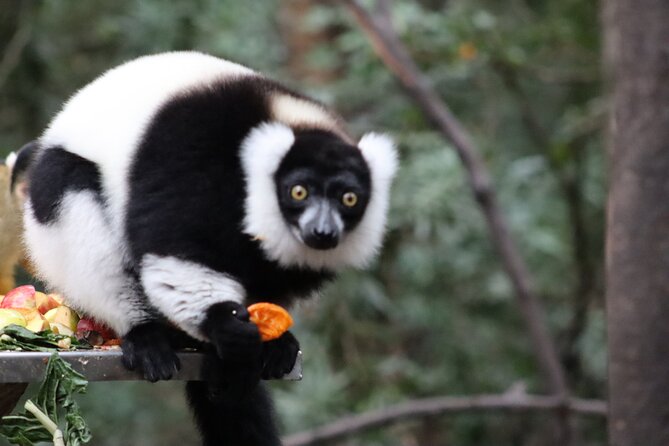
At about one hour, Monkeyland fits neatly into a day based around Plettenberg Bay and The Crags. You can book a time that works with the rest of your plans because tours are offered throughout the day. That flexibility is useful if you are combining the sanctuary with other nearby activities.
The short length is both a strength and a limit. I like that you do not need to sacrifice an entire day to visit. Families and people with packed schedules can get a worthwhile introduction to primate care without committing to a long outing.
On the other hand, you should not confuse the one-hour guided walk with an extended wildlife expedition. The walk gives you a focused look at the sanctuary and its residents. If you want a slower visit, extra animal encounters, or a broader set of activities, you may find the experience brief.
Some people combine Monkeyland with other sanctuaries in the area. The information supplied refers to a three-sanctuary day, but the $24.73 price discussed here covers the Monkeyland guided tour only. Check exactly what you are booking if you are interested in a combined visit.
Is $24.73 good value?
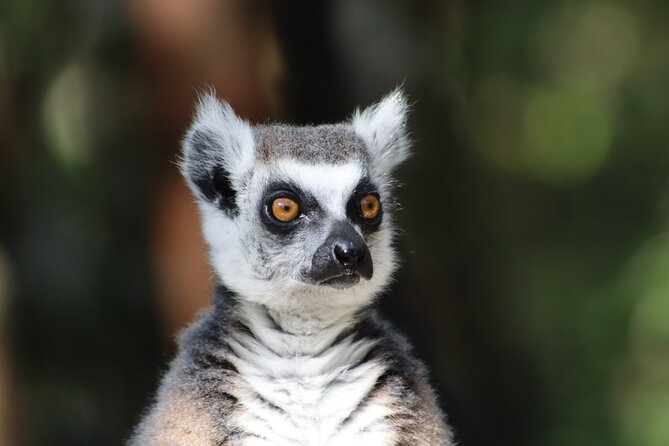
At $24.73 per person, the price is fair for a guided sanctuary experience lasting up to an hour. Your admission includes the professional guide, and that guide is what gives the visit its real value. Without the commentary, the property would still offer animal sightings, but you would lose much of the biological and behavioral context.
I would consider it good value if you are already spending time near Plettenberg Bay and want a clear, organized introduction to primates. The combination of 30 acres, 11 species, more than 550 animals, and a small group limit makes the cost easier to justify.
The value is less obvious if you are judging the visit only by duration. A one-hour activity can feel expensive when compared with a free walk or a longer attraction. Here, though, your payment supports a sanctuary whose purpose includes giving the animals a healthier, more natural life and raising public awareness.
Food and drinks are not included. Plan for those separately, especially if you are building a full day around The Crags. The supplied information does not describe dining facilities, so do not assume refreshments are part of the ticket.
Booking times, language, and high-season planning
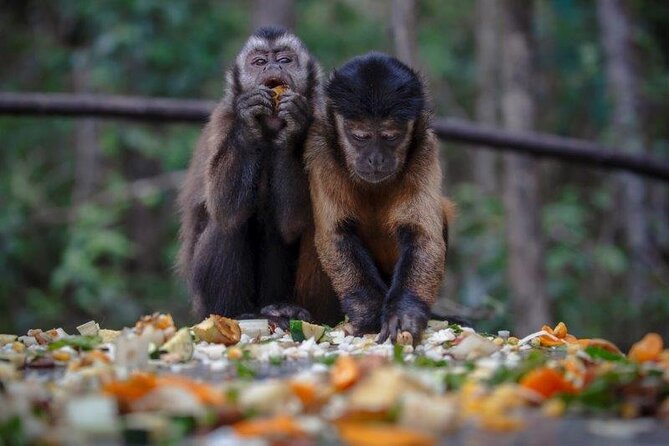
Tours run throughout the day, which gives you useful flexibility. You can choose a departure that fits around other plans instead of being tied to one fixed start time.
Advance tickets are especially useful in high season. Booking ahead guarantees your admission for the selected experience, and the activity is booked an average of 16 days in advance. That does not mean you must book exactly 16 days out, but it does suggest that leaving the decision until the last minute may be unwise during busy periods.
English is the normal language unless you request another option. Afrikaans, German, and French tours can be arranged, but you need to book those at least 48 hours ahead. If language matters to your enjoyment, do not rely on arranging it at the entrance.
The mobile ticket is convenient. You can keep the confirmation on your phone and present it at reception. You receive confirmation when booking, which makes it easier to organize the visit as part of a larger Western Cape itinerary.
Cancellation is flexible up to a point. You receive a full refund if you cancel at least 24 hours before the local start time. Cancellations or changes made within 24 hours are not accepted for a refund, so check your plans before that deadline.
Who will enjoy Monkeyland most?
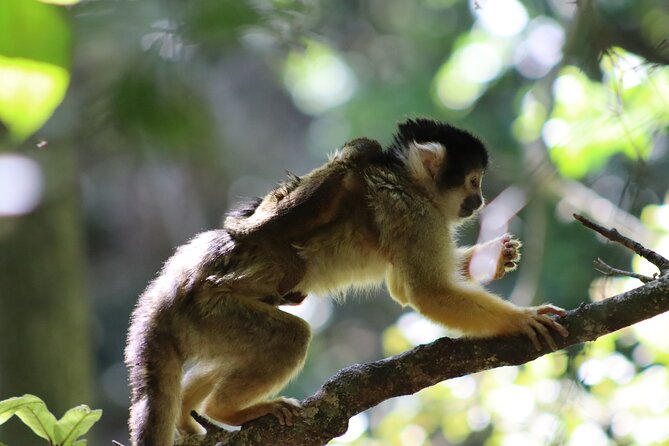
I would recommend this tour to families, animal lovers, and anyone curious about primate behavior. Children can gain more from the visit than they would from simply looking at animals, because the guide explains what they are seeing. Adults who care about ethical wildlife tourism will also appreciate the sanctuary’s stated focus on welfare and public education.
It is a good choice if you prefer a guided experience with a clear beginning and end. You arrive, complete the screening process, check in, join the guide, and finish back at the meeting point. That simplicity makes it easy to add to a wider itinerary.
You may want to skip it if your main goal is a long, self-paced visit. The tour is guided rather than a casual wander, and the experience lasts only about an hour. It may also disappoint anyone expecting guaranteed photographs with every one of the 11 species.
The group size helps, but this is not a private tour. Up to 16 people may join, so you will still need to stay with the group and share viewing time. I see that as a fair trade for the price, especially when the guide is doing a good job of keeping everyone informed.
My take on Monkeyland
Monkeyland works because it connects animal encounters with a clear conservation message. The primates have room to move, the guide gives the visit purpose, and the small group keeps the experience manageable.
The praise for guides such as Elano, Itiaan, and Elvis points to the part of the visit that matters most: good storytelling backed by real understanding of primates. The setting gives the animals space, but the guide helps you notice why that space and their behavior matter.
At $24.73, I think this is a sensible add-on near Plettenberg Bay, especially if you reserve ahead during the high season. Just keep the scale in mind. It is a focused 45-minute to one-hour sanctuary walk, not a full-day safari.
Should you book this guided visit?
Book Monkeyland if you want a short, informative primate experience with a strong animal-welfare purpose. It is particularly worthwhile for families and for anyone who prefers learning from a guide rather than simply viewing animals on their own.
I would pass only if you have very limited interest in primates or need a much longer activity. For most people spending time near The Crags, the reasonable price, 30-acre setting, 11 species, and small group limit make this an easy experience to add to the day.
FAQ
Where is Monkeyland located?
Monkeyland is at Portion 11 and 12 of Kirbywood Farm, The Crags, 6602, South Africa, in the Western Cape near Plettenberg Bay.
How long does the Monkeyland tour last?
The guided visit lasts approximately 45 minutes to one hour.
How many primates live at Monkeyland?
More than 550 apes, monkeys, and lemurs live at the sanctuary.
How many species can I see?
Monkeyland is home to 11 different primate species.
Is the tour guided?
Yes. A professional guide leads the visit and explains the primates’ biology and behavior.
How large are the tour groups?
The activity has a maximum group size of 16 people.
Are tours available throughout the day?
Yes. Tours are offered at various times throughout the day.
Can I book a tour in Afrikaans, German, or French?
Yes, but you must request and book one of those languages at least 48 hours in advance.
Is food included in the price?
No. Food and drinks are not included.
Can I cancel for a full refund?
Yes, if you cancel at least 24 hours before the experience start time. Cancellations made less than 24 hours before the start time are not refunded.
Newest reviews from Knysna
- Knysna: 1.5-Hour Sailing Experience★ 4.9 · 5 reviews
- The Original Knysna Township Tour★ 5.0 · 6 reviews
- Knysna Sunset Cruise aboard Coquette★ 5.0 · 6 reviews
- Knysna Scootours★ 4.5 · 8 reviews
- Knysna: Sightseeing Cruise on Coquette★ 4.7 · 9 reviews
- Knysna Oyster Tour★ 4.5 · 9 reviews
- Knysna: 2.5-Hour Day Sail & Lunch Charter★ 4.8 · 9 reviews
- Sunset Boat Cruise on Bella Vita Champagne Lounger★ 5.0 · 11 reviews
Knysna and Plettenberg Bay Tours, compared.
Little Brak River: Botlierskop Guided Game Drive
Read our review →
Standard Canyoning Trip in The Crags, South Africa
Read our review →
Plettenberg Bay Game Reserve: 2-Hour Game Drive
Read our review →Browse the lists this tour appears in