
Reviewed · KNYSNA AND PLETTENBERG BAY TOURS
Monkeyland, Birds of Eden, Jukani – Animal Sanctuaries
Three sanctuaries, one very good wildlife day. In South Africa’s Garden Route, you can meet rescued primates, free-flying birds, and big cats in three separate settings. I especially like the one-hour guided Monkeyland walk and the freedom to explore Birds of Eden at your own pace. The main consideration is time: seeing all three properly can fill a full day, and Jukani feels more enclosed and managed than the other two.
I also like the focus on animals rescued from captivity, rather than staged encounters or handling. Combination tickets offer better value, but each sanctuary has a different rhythm, so choosing only one or two may suit you better than rushing through all three. Comfortable shoes matter, and binoculars are useful at Birds of Eden and Jukani.
In This Review
- Key points at a glance
- Choosing between three very different animal sanctuaries
- Monkeyland: primates in a real forest setting
- Birds of Eden: a slow walk beneath a giant roof
- Jukani: rescued lions, tigers, and other predators
- What a one-day visit is really like
- Guides, language, and the best way to use your time
- Photography and close animal views
- Who should book this experience?
- Is the $23 price good value?
- Should you book Monkeyland, Birds of Eden, and Jukani?
- FAQ
- How many sanctuaries can I visit?
- How long does the experience last?
- Is a guide included?
- What languages are available?
- Are food and drinks included?
- What should I bring?
- Can I touch the animals?
Key points at a glance
- Monkeyland houses more than 550 primates in a 12-hectare indigenous forest, with a guide-led walk lasting about an hour.
- The 128-meter suspension bridge gives you a high view through the Monkeyland treetops.
- Birds of Eden covers 2.3 hectares beneath a huge mesh roof and includes a 1.2-kilometer walking route.
- More than 3,500 birds from 220 species and subspecies live in the free-flight aviary.
- Jukani focuses on rescued big cats, including lions, tigers, leopards, jaguars, cheetahs, and pumas.
- You can visit one, two, or all three sanctuaries, with combination admission working out cheaper per site.
Choosing between three very different animal sanctuaries
Monkeyland, Birds of Eden, and Jukani sit close enough to combine into one wildlife outing, but they are not interchangeable attractions. Each offers a different type of visit.
Monkeyland is the most guided and story-driven. Birds of Eden is the most peaceful and open-ended. Jukani gives you the strongest look at large predators and the difficult choices behind animal rescue.
The advertised price is about $23 per person, though the exact amount depends on which sanctuary or combination you choose. That is fair value if you use the ticket for a long visit, especially at Birds of Eden, where you can spend much of the day walking the paths. A combination ticket makes more financial sense if you have enough time for all three.
You should allow at least half a day for a selected pair. All three can reasonably take a full day, particularly if you walk slowly, stop for photos, and spend time watching animal behavior rather than simply checking off species.
A few more tours worth putting side by side
- Knysna: 75-Minute Lagoon Boat Cruise
★ 4.5 · 445 reviews - Knysna: Sunset Lagoon Cruise
★ 4.5 · 217 reviews - Knysna: Close Encounter Whale Watching Tour by Boat
★ 4.6 · 207 reviews
Monkeyland: primates in a real forest setting
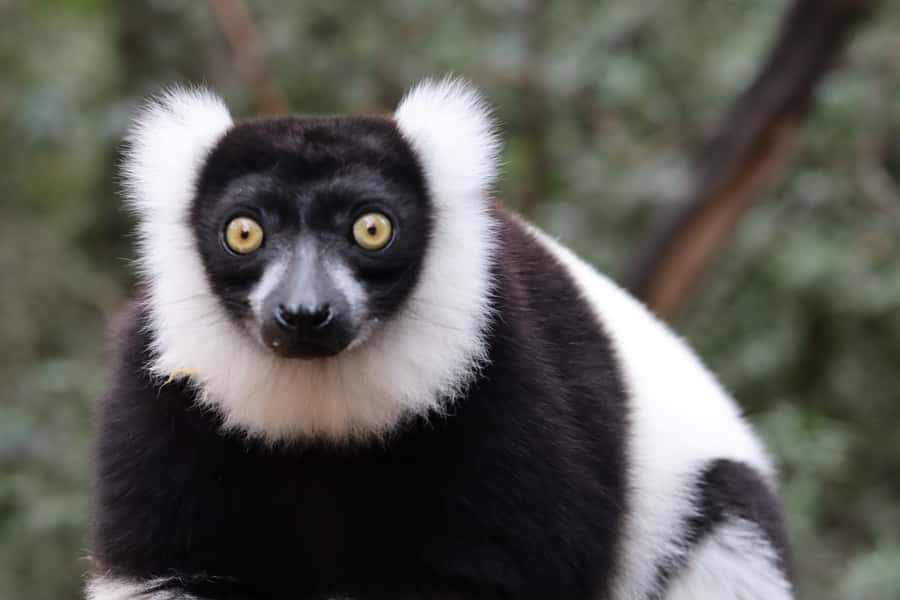
Monkeyland is the strongest choice if you want close views of primates and a guided introduction to their lives. More than 550 apes, monkeys, and lemurs live in a 12-hectare indigenous forest, where the aim is to give former captive animals a healthier and more natural home.
The sanctuary is described as the world’s first multi-species, free-roaming primate sanctuary. That matters because you are not moving from one small cage to another. The animals share a broad forest setting, and the visit centers on observing them as they move, call, feed, and interact.
Your guided walk lasts about one hour. The guide points out different species and explains their backgrounds, habits, and individual stories. I like this format because primates can be easy to confuse at first. A good guide helps you notice the differences between monkeys, apes, and lemurs, and gives meaning to what you are seeing.
The sound begins before the animals come into view. Chattering from the forest creates a lively welcome, and the calls help you understand that this is an active community rather than a silent display. You may see some animals nearby, while others stay higher in the trees or farther along the route. That uncertainty is part of the appeal.
The 128-meter suspension bridge is a clear highlight. It crosses through the canopy and adds a little adventure without turning the visit into an extreme activity. It also gives you a different angle on the forest, although anyone uncomfortable with bridges should keep that feature in mind.
Monkeyland tours are conducted in English by default. A French guide can be arranged with 48 hours’ notice and a stated arrival time, with no extra charge. The same advance notice applies if you want a French guide at Birds of Eden.
The main limitation is that your time is tied to the guided walk. That is useful for learning, but less flexible than Birds of Eden. If photography is your main goal, you may sometimes want longer in one spot than the group schedule allows.
Birds of Eden: a slow walk beneath a giant roof
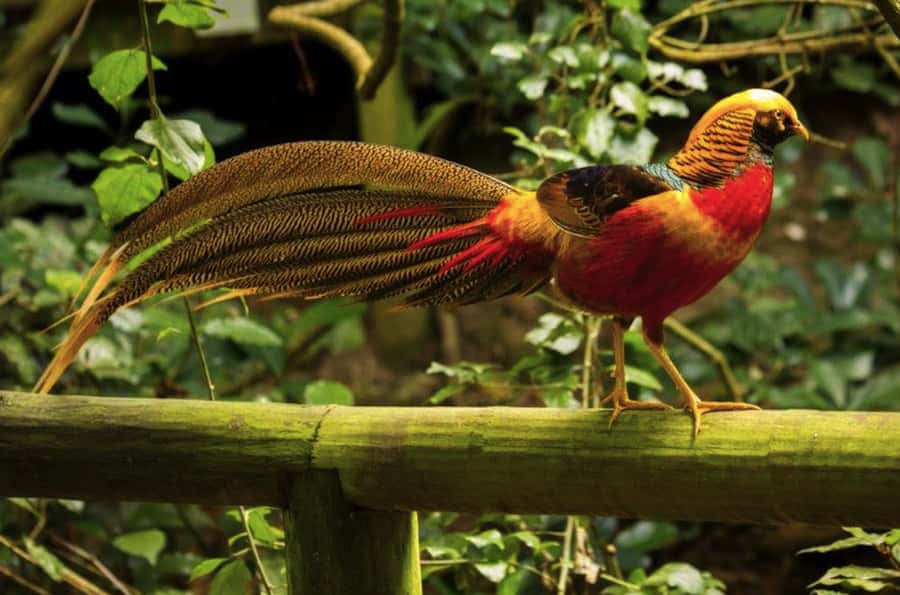
Birds of Eden is the most spacious and flexible of the three. The free-flight aviary covers 2.3 hectares and is protected by 3.2 hectares of mesh, reaching about 50 meters high over the treetops.
Inside, a 1.2-kilometer walkway passes through partly forested ground, a deep gorge, and a waterfall. You explore on your own, so you can pause whenever you spot something interesting. That freedom makes Birds of Eden a good counterpoint to the scheduled Monkeyland walk.
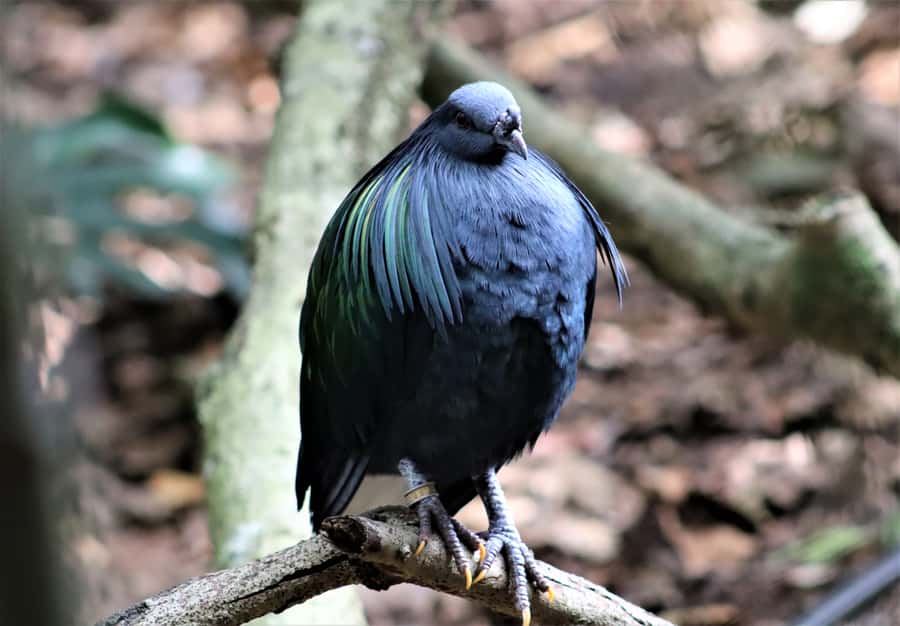
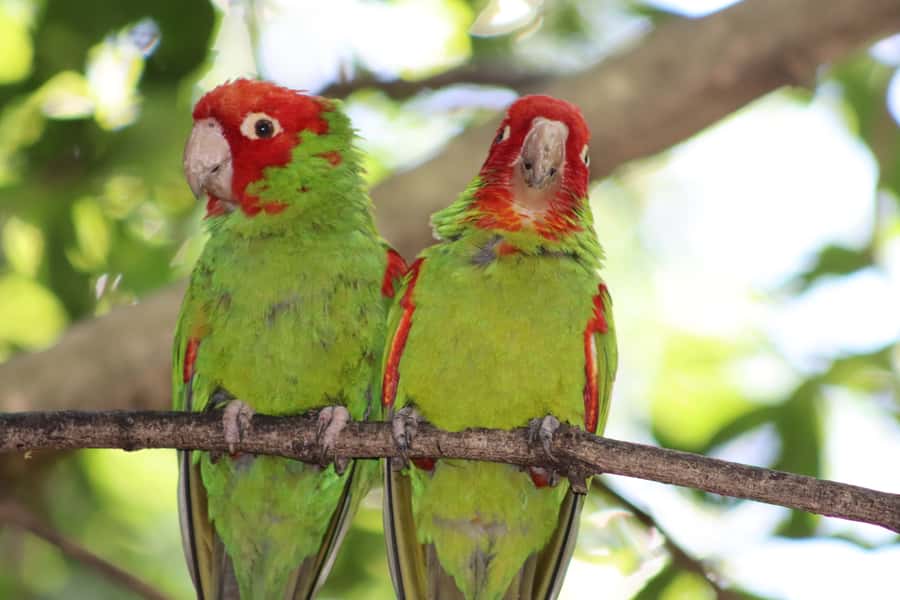
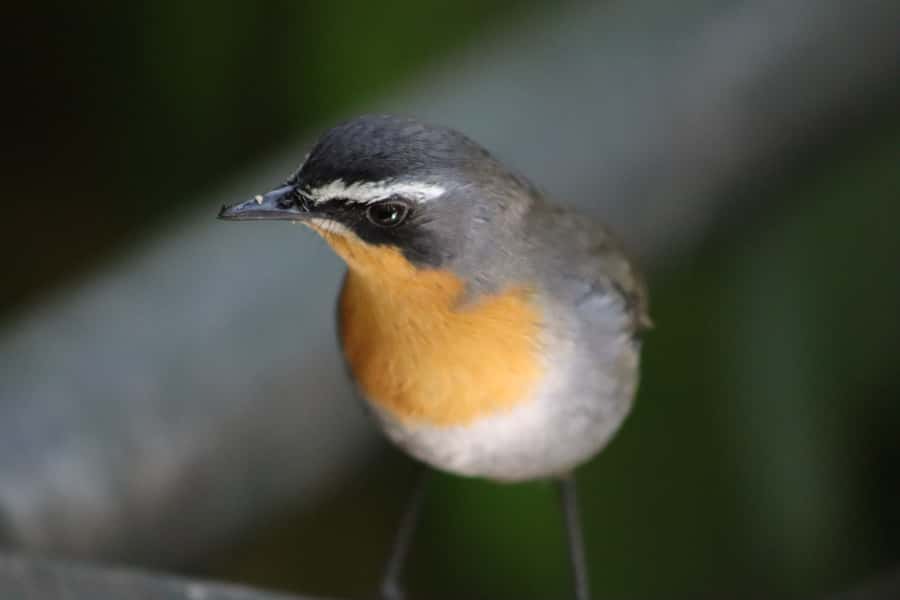
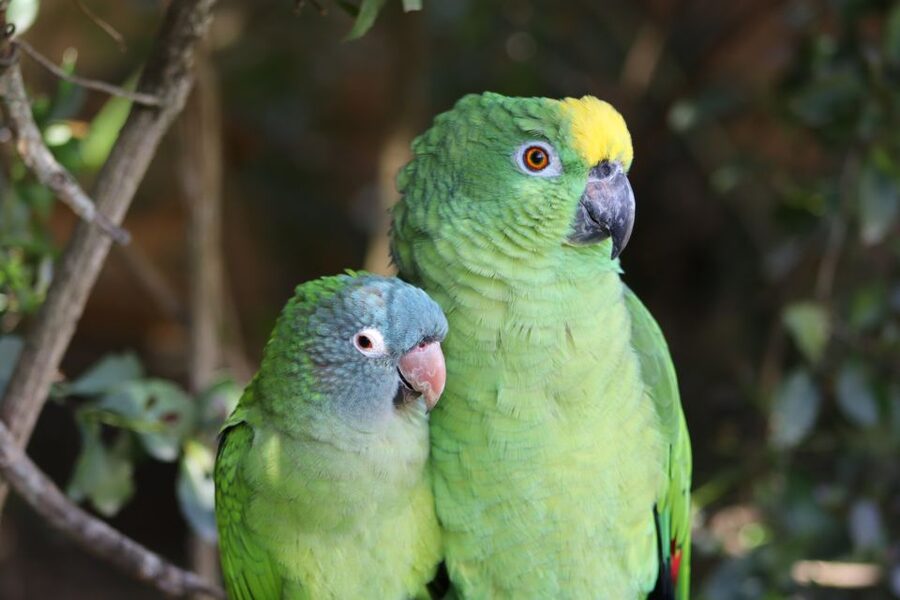
The sanctuary is home to more than 3,500 birds, representing 220 species and subspecies. You might find parrots, parakeets, flamingos, waterfowl, cranes, starlings, robins, and several types of turaco. The Knysna lourie is one of the local highlights, especially because its call sounds rather awkward compared with its graceful appearance.
Many of the birds previously lived as caged pets. At Birds of Eden, they have room to fly and the chance to show more natural behavior. This gives the visit a useful conservation message without requiring you to sit through a formal lecture.
I would plan extra time here if you enjoy photography. Birds move quickly, and a self-guided route lets you wait for a better view. Binoculars help, but they are not required. The height of the aviary also means you should look up often, not just scan the paths and lower branches.
Birds of Eden may be the best single choice for visitors who want a calm nature walk. It is also a strong option for families because everyone can move at a comfortable pace. The drawback is simple: if you want a guide to explain every species, you need to arrange one 48 hours ahead. Guided visits are available in English without an extra charge.
The waterfall and gorge add variety to the walk, but this is still a walking attraction. Wear shoes with good support rather than sandals. You will get more from the visit if you accept a slower pace and give yourself time to watch.
Jukani: rescued lions, tigers, and other predators
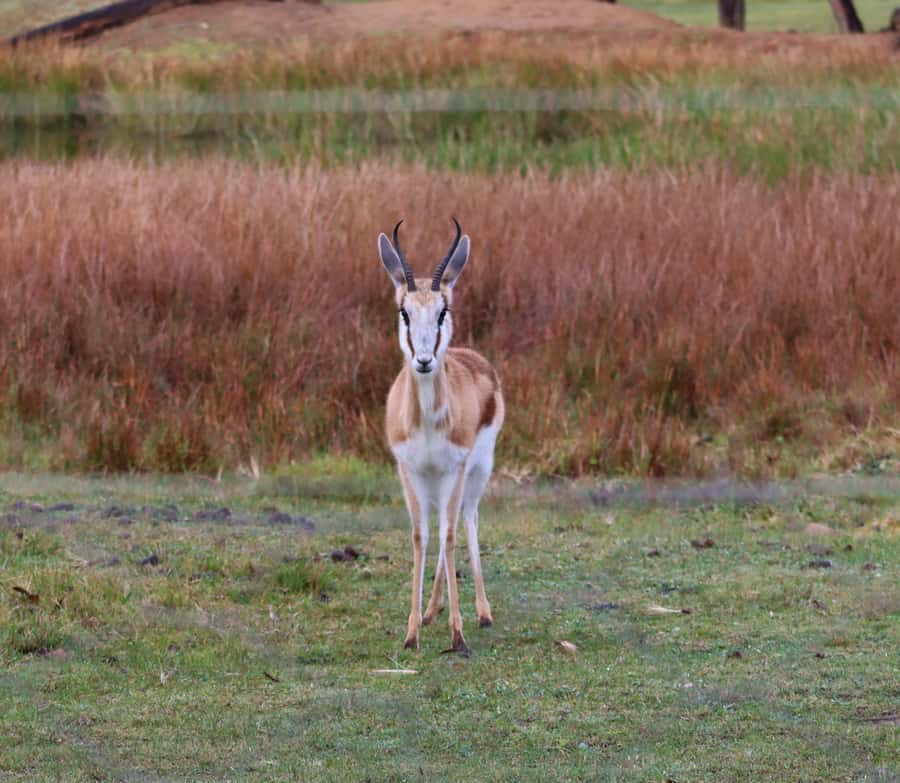
Jukani Wildlife Sanctuary is the clearest choice for big cats. Its residents include lions, tigers, leopards, jaguars, cheetahs, and pumas, along with caracals, spotted hyenas, raccoons, a honey badger, zebra, and springbok.
The visit takes the form of a guided walking safari lasting about 90 minutes. The guide explains the animals and the problems that can arise when wild creatures are kept in unsuitable facilities or treated as attractions. Jukani presents itself as a forever home, with habitats designed around the needs of individual animals.
That message gives the visit more weight than a simple predator display. You are asked to think about where exotic animals come from, why they cannot always return to the wild, and how personal choices can affect their future.
Jukani is also the sanctuary most likely to satisfy a visitor who has come specifically to see large cats. Cheetahs, pumas, lions, and tigers each offer a different kind of sighting, and the guide helps explain their abilities and behavior.
At the same time, Jukani can feel less naturalistic than Monkeyland or Birds of Eden. The large animals are kept in managed habitats, and the setting is designed for safe viewing. That is necessary for rescued predators, but it can make the experience feel more like a traditional wildlife facility.
The walk lasts longer than the Monkeyland tour, so plan for more time on foot. A hat is advised, especially for children. Binoculars are helpful, although the big cats may be visible without them.
All Jukani tours are conducted in English. If you need a French-speaking guide, that option is not listed for Jukani, so keep that in mind when planning your day.
A completely different kind of day out on the same trip:
- Knysna Boat Cruise aboard Coquette
★ 5.0 · 152 reviews - Knysna: Downhill Forest Scootour Adventure
★ 4.8 · 136 reviews - Knysna: Wine & Oyster Luxury Lounger Sunset Cruise
★ 4.7 · 133 reviews - Knysna: Guided Quad Bike Tour in the Forest
★ 4.8 · 114 reviews
What a one-day visit is really like
You can visit one sanctuary, combine two, or attempt all three. The right choice depends on your pace and what you most want to see.
For a focused visit, Monkeyland and Birds of Eden make the most natural pair. They share an emphasis on forest, movement, and animal behavior, but the guided and self-guided formats keep the day from feeling repetitive.
If big cats are your priority, pair Jukani with either of the other sites. Monkeyland gives you primates and a canopy bridge, while Birds of Eden offers a longer, quieter walk. Jukani adds the most variety in animal size, but it also includes more time in managed viewing areas.
Seeing all three gives you the broadest picture. You move from former captive primates living in forest, to birds given space to fly, to rescued predators that cannot simply be released. The subjects differ, but the central theme remains animal care and the problems created by captivity and irresponsible ownership.
The risk is rushing. A quick stop at each site may let you say you have been there, but it will not give you much time to watch behavior or listen to the guides. I would choose all three only if your schedule allows a full day and you are comfortable walking for several hours.
The meeting point can vary according to the option booked, and hotel pickup and drop-off are not included. You will need to arrange your own transport to the relevant meeting point. Food and drinks are also not included, so plan accordingly before setting out.
Guides, language, and the best way to use your time
The guides are most important at Monkeyland and Jukani. At Monkeyland, the one-hour walk helps you identify the primates and understand how the sanctuary works. At Jukani, the 90-minute walk gives context to the rescue stories and the animals’ living conditions.
Birds of Eden works well without a guide because the path is easy to follow and you can stop whenever you like. If you want a guided explanation, arrange it at least 48 hours before arrival and provide your expected arrival time.
English is the standard tour language. French support is available at Monkeyland with advance planning, and a French guide can also be arranged at Birds of Eden. There is no additional charge for those language-specific guides when arranged in advance.
Do not expect hands-on encounters. Touching the animals is not allowed, and that is a positive rule in this setting. You are there to watch, photograph, and learn, not to turn rescued wildlife into a petting experience.
Bring comfortable walking shoes. Sandals are a poor choice for the forest paths, bridge, and longer Jukani route. A hat is especially useful at Jukani, and binoculars will improve your chances of seeing birds and animals at a distance.
Photography and close animal views
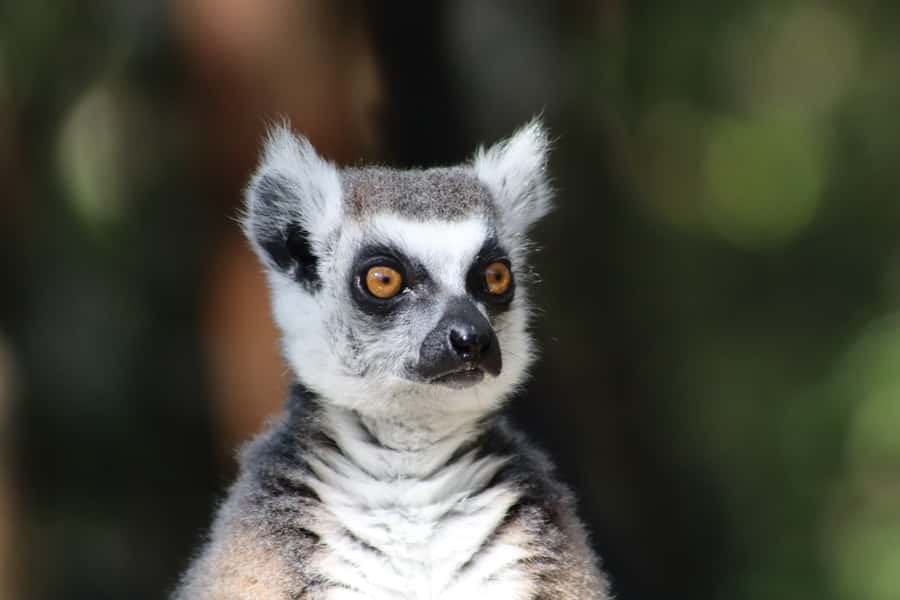
Monkeyland is likely to provide the most satisfying close primate views, particularly when animals come near the route. Still, these are free-roaming creatures, so you should not expect every species to appear on demand.
Birds of Eden offers the best range of photo opportunities, but birds are quick and often high in the canopy. Use the self-guided format to your advantage. Pause, scan the branches, and listen before moving on.
Jukani is the most dependable place for large-animal photography, but fences, distance, and habitat design can affect your pictures. A zoom lens or binoculars can help. You should also avoid treating the visit as a guaranteed close-up session. These are animals, not performers.
The no-touch policy protects both you and the animals. It also keeps the focus where it belongs, on observation rather than forced contact.
Who should book this experience?
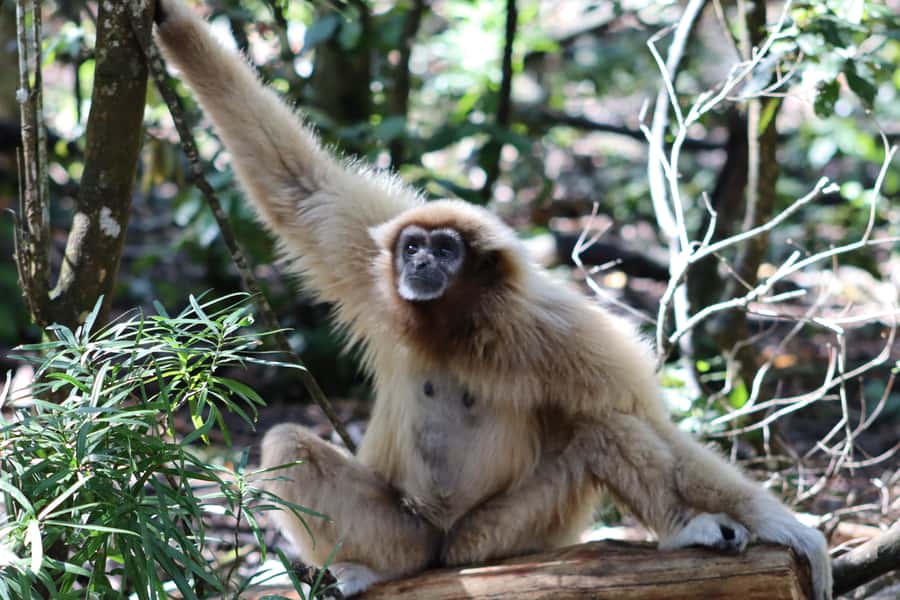
I would recommend Monkeyland to anyone who enjoys primates, guided nature walks, and unusual animal stories. It is especially appealing if you want more than a quick look at animals behind barriers.
Birds of Eden suits patient walkers, bird lovers, photographers, and families who prefer to set their own pace. It is also the easiest of the three to shape around your interests because you are not tied to a group tour.
Jukani is best for visitors who want to see large cats and learn about the difficult reality of keeping wild predators. It may feel less natural than the other sanctuaries, but it offers animals you will not see at Monkeyland or Birds of Eden.
The experience is wheelchair accessible, though the information provided does not describe every path or surface in detail. If access needs are important to you, confirm the specific route for your chosen sanctuary before arrival.
Is the $23 price good value?
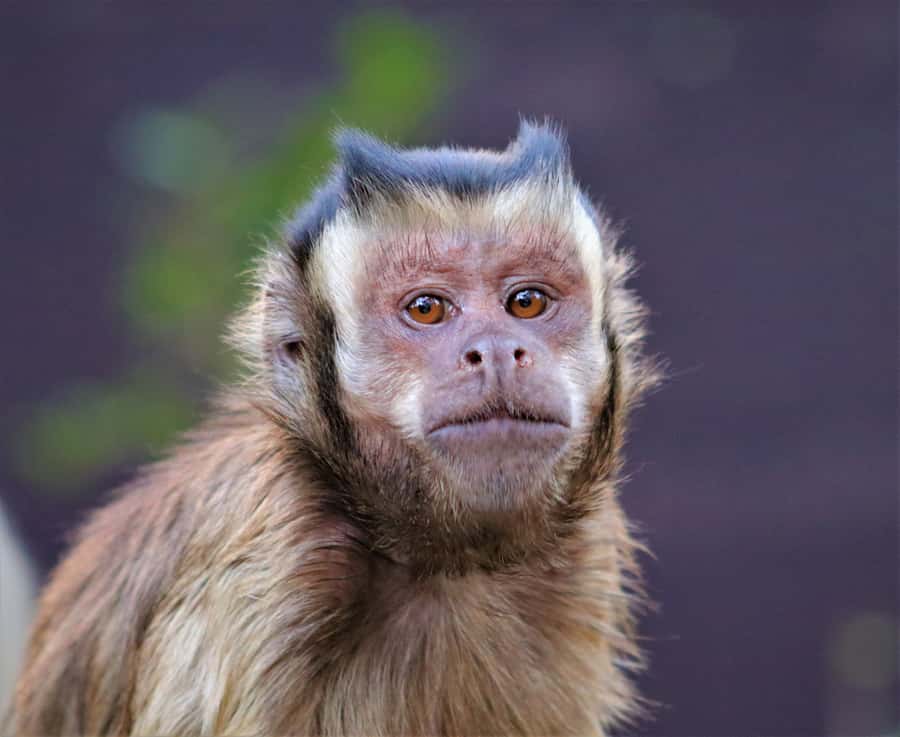
At about $23 per person, one sanctuary is reasonably priced for a substantial wildlife visit. Monkeyland includes a guided hour, Birds of Eden can occupy several hours, and Jukani includes a 90-minute guided walk.
The better deal is the combination ticket. Buying several sanctuaries separately costs more per site, so the discount matters if you genuinely plan to visit two or three.
There is also some flexibility in how you use your time. The admission is valid for one to three days, depending on availability and the option selected. A practical approach is to check whether you can buy admission at the entrance and visit spontaneously, since this can give you more freedom than committing to a tight schedule.
Free cancellation up to 24 hours before the visit and reserve-now, pay-later terms make planning easier if your Garden Route schedule is still changing. These features are useful, but the real value comes from giving each sanctuary enough time.
Should you book Monkeyland, Birds of Eden, and Jukani?
Yes, if you want a full wildlife day with different animal settings and you are willing to walk. The combination works because each sanctuary has a distinct purpose: primates in forest, birds in open flight, and rescued predators in managed habitats.
Choose Monkeyland alone for the strongest guided primate experience. Choose Birds of Eden for a relaxed nature walk and the widest bird selection. Choose Jukani if big cats are the main reason you are going.
I would book the combination when you have a full day, comfortable shoes, and genuine interest in animal welfare. If your time is short, do not force all three. Pick the sanctuary that matches your interests, then slow down enough to notice the animals rather than simply collecting photographs.
FAQ
How many sanctuaries can I visit?
You can choose one sanctuary, two sanctuaries, or all three: Monkeyland, Birds of Eden, and Jukani Wildlife Sanctuary.
How long does the experience last?
The ticket is valid for one to three days, depending on the option and availability. Monkeyland includes a guided tour of about one hour, and Jukani includes a guided walking safari of about 90 minutes. Birds of Eden is self-guided, so your visit length is flexible.
Is a guide included?
A guide is included at Monkeyland and Jukani. Birds of Eden is normally explored independently, though a guide can be arranged with 48 hours’ advance notice and an arrival time.
What languages are available?
Tours are conducted in English. A French guide can be arranged at Monkeyland and Birds of Eden with 48 hours’ advance notice. Jukani tours are conducted in English.
Are food and drinks included?
No. Food and drinks are not included, and hotel pickup and drop-off are also excluded.
What should I bring?
Bring comfortable walking shoes. A hat is advised at Jukani, especially for children. Binoculars are helpful at Birds of Eden and Jukani but are not required.
Can I touch the animals?
No. Touching the animals is not allowed. The sanctuaries are designed for observation, photography, and learning about rescued wildlife.
Newest reviews from Knysna
- Knysna: 1.5-Hour Sailing Experience★ 4.9 · 5 reviews
- The Original Knysna Township Tour★ 5.0 · 6 reviews
- Knysna Sunset Cruise aboard Coquette★ 5.0 · 6 reviews
- Knysna Scootours★ 4.5 · 8 reviews
- Knysna: Sightseeing Cruise on Coquette★ 4.7 · 9 reviews
- Knysna Oyster Tour★ 4.5 · 9 reviews
- Knysna: 2.5-Hour Day Sail & Lunch Charter★ 4.8 · 9 reviews
- Sunset Boat Cruise on Bella Vita Champagne Lounger★ 5.0 · 11 reviews
Knysna and Plettenberg Bay Tours, compared.
Little Brak River: Botlierskop Guided Game Drive
Read our review →
Standard Canyoning Trip in The Crags, South Africa
Read our review →
Plettenberg Bay Game Reserve: 2-Hour Game Drive
Read our review →Browse the lists this tour appears in