
Reviewed · SNORKELING
Kelp Forest Snorkeling in Cape Town
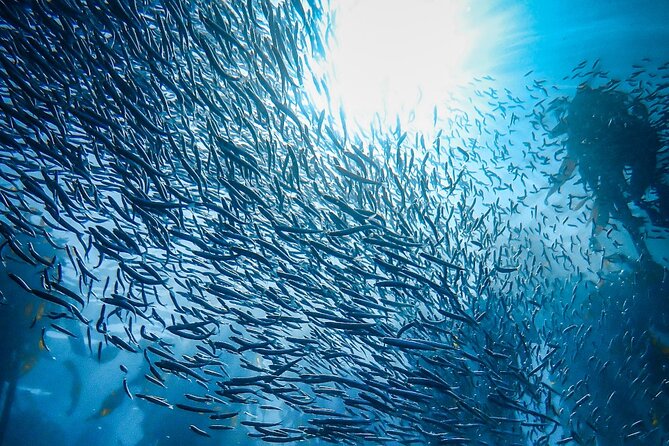
The ocean keeps its best surprises below the surface. This Cape Town snorkeling trip takes you into the Great African Sea Forest, where kelp, fish, shy sharks, sea stars, and anemones create a busy underwater world without requiring a boat or expert swimming skills. I like the easy shore entry and the way guides stay close, explain the marine life, and offer a safety buoy if you need one. I also like that the team chooses the day’s site according to weather and water conditions.
The main consideration is that this is an ocean activity, not a guaranteed wildlife show. Visibility and calm water can change, and the chosen location may vary. The listed price is $0, so confirm the current cost before booking. The experience lasts about three and a half hours, including the briefing, equipment fitting, snorkeling, and changing afterward.
In This Review
- Key points at a glance
- Why Cape Town’s kelp forest is worth your time
- Starting in Muizenberg with a proper briefing
- Choosing the day’s shore-entry location
- Getting comfortable in the water
- Looking for octopus, sharks, and small sea life
- What happens after snorkeling
- Value, cost, and group size
- Who should book this Cape Town snorkeling trip?
- Should you book it?
- FAQ
- Where does the experience begin?
- Where does the experience end?
- How long does the snorkeling experience last?
- Is a boat used?
- Where does the group usually snorkel?
- What equipment is provided?
- Do I need to be an experienced swimmer?
- What happens if the weather is poor?
Key points at a glance
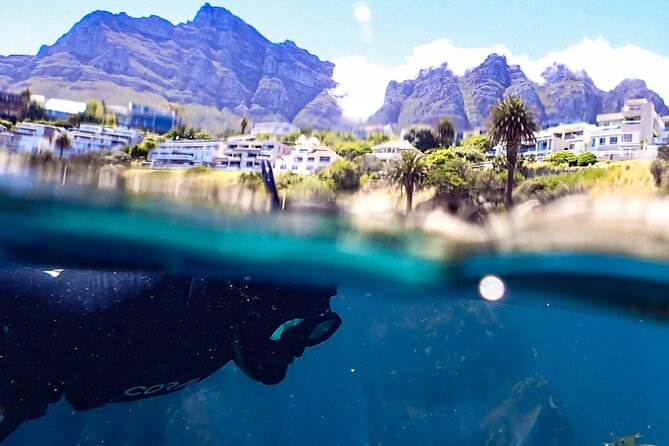
- Usually at Windmill Beach: Most outings go to this shore-entry site near Simon’s Town, but weather decides the final location.
- No boat required: You enter directly from the beach, making the trip simpler and often less intimidating for first-time snorkelers.
- Warm equipment provided: The team fits you with snorkeling gear and swimsuits designed to make the water more comfortable.
- Wildlife is never fixed: You might see fish, octopus, shy sharks, sea stars, anemones, brittle stars, or abalone.
- Small group setting: A maximum of 10 people allows guides to give direct help in the water.
- Chris is one guide to look out for: He is praised for his strong knowledge of the marine life and clear guidance.
Why Cape Town’s kelp forest is worth your time
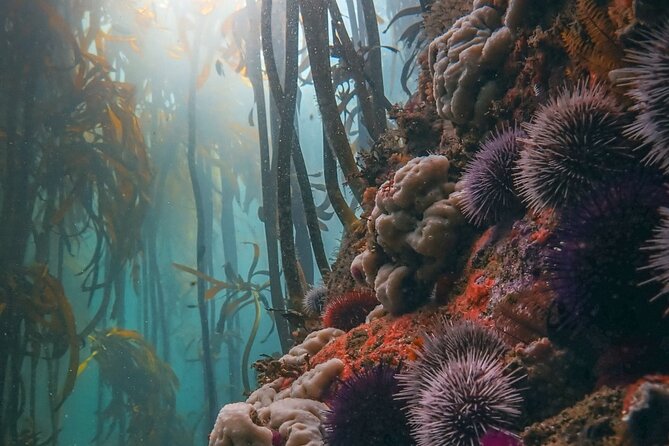
Cape Town’s kelp forest is not just a place to float with a mask on. It is a living underwater habitat, with tall kelp, rocky areas, small creatures, and larger animals that may appear without warning. The appeal is the uncertainty. You are not moving from one marked attraction to another. You are watching the water and seeing what turns up.
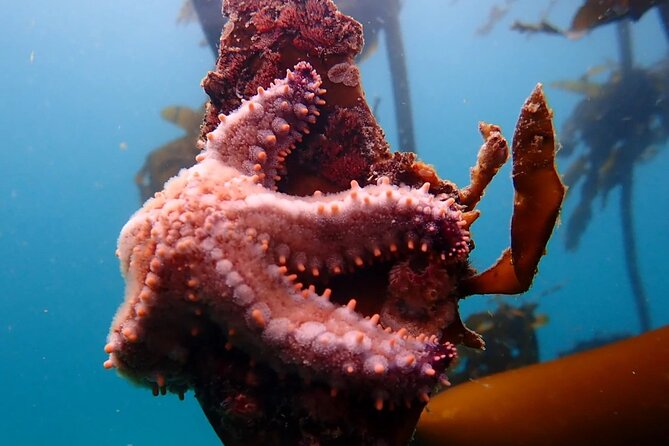
Depending on the site and conditions, you may encounter fish, octopus, a range of shy sharks, sea stars, anemones, brittle stars, and abalone. Seals, stingrays, and penguins have also appeared on occasion. That list tells you what makes this outing special, but it also sets the right expectation: wildlife sightings are possible, not promised.
I like the scale of the activity. You are not being rushed through a long boat itinerary. Instead, you learn a little about the habitat, get comfortable with the equipment, and then spend time looking closely. A sea star or anemone may not sound dramatic on paper, but seeing one in its own surroundings can be more memorable than ticking off a large animal from a distance.
The kelp itself gives the outing its character. It changes the light, breaks up the view, and makes the water feel like a forest with a moving canopy. You need to pay attention. The interesting creature may be close to the rocks, partly hidden, or pointed out by your guide before you would notice it yourself.
More snorkeling trips:
- St. Lucia: Cape Vidal Snorkeling Adventure
★ 4.5 · 17 reviews - From St Lucia: Cape Vidal Full-Day Snorkeling Safari
★ 4.8 · 10 reviews - Caged and Cageless Shark Snorkelling on Durban’s Aliwal Shoal
★ 5.0 · 9 reviews
Starting in Muizenberg with a proper briefing
The meeting point is at 1 Albert Road in Muizenberg. The experience begins at the center, not at the beach, which gives the team time to prepare you before you reach the water.
Your initial briefing covers the kelp forest, the creatures that live there, and how to use the snorkeling equipment. This is especially useful if you are new to snorkeling. You are not expected to arrive knowing how to adjust every strap or manage the equipment without help.
The team provides snorkeling equipment and helps fit it to you. The fitting matters more than many people expect. A mask that leaks or equipment that feels awkward can distract you from the marine life, so take the chance to tell the guide if something feels wrong before entering the water.
The supplied swimsuits are another practical advantage. One person specifically praised how comfortable they made the water feel, while also noting that the instructors were helpful. You should still bring your own towel, since towels, food, and drinks are not included.
The group size is capped at 10 people. That is small enough for the briefing to feel useful rather than generic, and it gives the guides a better chance to keep track of less confident snorkelers. The exact number on your date may be smaller.
Choosing the day’s shore-entry location
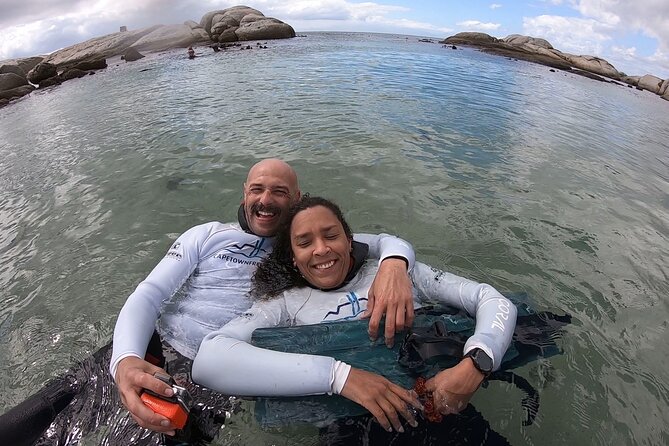
After the briefing and fitting, the group heads to the snorkeling site. The location depends on the weather, water calmness, and visibility. Most days, the trip goes to Windmill Beach in Simon’s Town.
This weather-based choice is one of the better features of the outing. A fixed location sounds convenient, but it would make little sense to enter a rough or unclear patch of water simply because it was printed on a schedule. The team instead aims for the best available conditions.
The trade-off is less certainty. You may not know the final site far in advance, and the plan can change. If you want a highly predictable day with a fixed beach and fixed route, this may feel loose. If you prefer sensible decisions based on actual sea conditions, the flexibility works in your favor.
All locations use shore entries. There is no boat. That keeps the outing quieter and removes the need to board, ride, and return on a vessel. It also means your first moments in the water happen gradually, with the guide helping you get settled from the edge.
Getting comfortable in the water
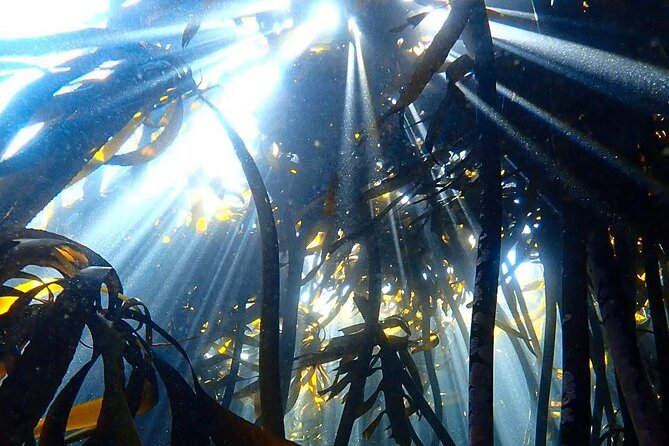
The guides help you enter, adjust to the equipment, and find a comfortable position before directing your attention to the kelp forest. You do not need to be a skilled swimmer, and the activity is described as suitable for most ages.
That does not mean the ocean feels identical to a swimming pool. You still need to listen to instructions and be honest about your comfort level. If you feel uncertain, each guide carries a safety buoy that you can hold while you get used to the water.
This buoy is a simple but important feature. It gives a less confident snorkeler something to use for support without forcing that person to stay on the beach. It also lets the guide offer help in a practical way while continuing to manage the group.
First-time snorkelers should find the format reassuring. One participant described it as a first snorkeling outing and praised the friendly staff for being available when help was needed. That is the kind of support that makes a difference: not pressure to keep up, but someone nearby when you need a hand.
The activity is still not the right choice for anyone who wants to avoid entering the ocean altogether. The shore entry is easier than a boat entry, but you will be in open sea conditions and should approach the outing with care.
A few more tours worth putting side by side
- Wine Tour: Paarl, Franschhoek & Stellenbosch incl 3 wineries
★ 5.0 · 3,940 reviews - Cape Town: Hop-On Hop-Off Bus Tour with Optional Cruise
★ 4.8 · 3,929 reviews - Cape Town: Cape of Good Hope & Penguins Day Tour with Pickup
★ 4.7 · 3,362 reviews - Zipline Cape Town – From Foot of Table Mountain Reserve
★ 5.0 · 3,179 reviews
Looking for octopus, sharks, and small sea life
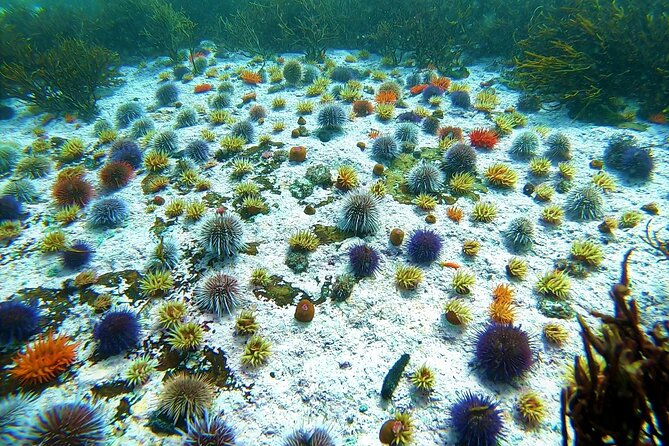
Once you are comfortable, the guides point out creatures and explain what you are seeing. This is where the trip gains much of its value. Kelp can look like a wall of green and brown from the surface, but a guide helps you notice the animals using it for shelter.
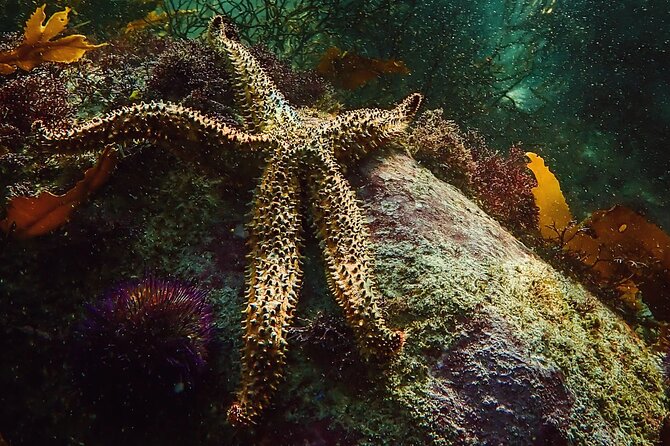
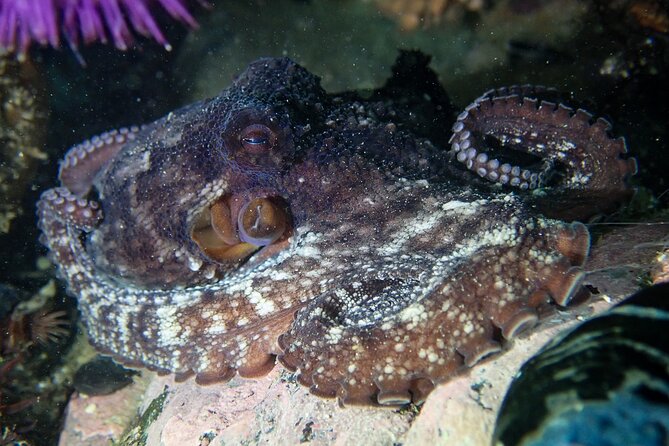
Fish may move through the kelp. Octopus can be difficult to spot until someone shows you where to look. Shy sharks may appear, along with sea stars, anemones, brittle stars, and abalone. These are not guaranteed sightings, but they are realistic possibilities named for the area and the activity.
The phrase shy sharks may sound alarming, but the important point here is that the guide introduces you to the local creatures and helps you understand what you see. The animals are part of the environment, not staged attractions.
You might also get an unexpected look from a passing seal, stingray, or penguin. These encounters are described as occasional surprises, which is exactly how you should treat them. Do not book this as a guaranteed penguin sighting or a shark-focused trip. Book it for the chance to see a living kelp forest, with larger animals as a bonus.
Chris has been praised for explaining the marine life well. A guide who can identify animals and tell you where to look makes a real difference here, since much of the interest lies in details that are easy to miss.
What happens after snorkeling
When the water portion ends, the group returns to shore for a debrief and changes back into dry clothes. The activity finishes at the Muizenberg center, although you may leave directly from the snorkeling site if you have your own vehicle.
That option can help if you are planning more time around Simon’s Town. You are not required to return to the starting point if your transport allows you to continue from the beach. If you do not have your own vehicle, you can accompany the team back to Muizenberg.
The full outing takes about three hours and 30 minutes. That includes the meeting, briefing, equipment fitting, travel to the selected site, water time, debrief, and changing. You should treat it as a half-day plan rather than a quick one-hour stop.
Bring a towel and your own food or drinks. None are supplied. The practical approach is to keep the rest of your schedule light enough that you are not racing from the beach to another timed activity.
Value, cost, and group size
The supplied price is listed as $0.00. That figure may reflect an incomplete or placeholder price, so you should verify the actual amount at booking before judging the value. Without a confirmed charge, I cannot fairly call this a bargain or an expensive outing.
What is included is clear: snorkeling equipment, a safety buoy if needed, and the marine life and equipment briefing. Those inclusions reduce the amount of gear you need to bring or rent separately.
The small maximum group of 10 is also important when thinking about value. You are paying for more than access to the water. You are getting fitting help, an introduction to the habitat, guidance during entry, and attention from an experienced guide. The smaller group should make those services more useful than they would be in a large class.
You still need to supply towels, food, and drinks. If the price is attractive, those omissions are easy to manage. If the final price is high, you should decide how much you value the guide support and specialist equipment.
The strongest value comes for first-time snorkelers and people who want an organized introduction to Cape Town’s sea life. Experienced snorkelers who already own equipment may prefer a more independent outing, especially if they want to choose their own site and timing.
Who should book this Cape Town snorkeling trip?
I would recommend it to you if you want to see Cape Town from a different angle but do not want a boat trip. The shore entry, supplied gear, small group, and safety buoy make it a sensible choice for many beginners.
It also suits you if marine life interests you more than speed or spectacle. The outing is built around looking carefully and learning what lives among the kelp. You should enjoy the process, not just hope for one dramatic animal.
Families and mixed-ability groups may find the setup helpful because most ages can participate and less confident snorkelers can hold the guide’s buoy. Still, every person should be comfortable following water-safety instructions and entering the sea.
I would hesitate if you need guaranteed calm water, a guaranteed location, or guaranteed sightings. The weather determines the site, and the ocean decides what appears. That uncertainty is part of the appeal, but it is also the main limitation.
You should also check the cancellation terms before committing. Free cancellation is available up to 24 hours before the start time. Inside that period, changes are not accepted and the amount paid is not refunded. If poor weather forces a cancellation, you are offered another date or a full refund. The same choice applies if the minimum number of participants is not met.
Should you book it?
Book this outing if you want a guided, shore-based introduction to Cape Town’s kelp forest, especially if you are new to snorkeling or prefer having help close by. The equipment, warm swimsuits, safety buoy, and small group remove several common worries.
Skip it if you want a fixed itinerary or a guaranteed wildlife encounter. The better reason to book is the chance to see an active underwater habitat under changing sea conditions. With a helpful guide such as Chris, the experience can turn a simple swim into a closer look at the creatures living beneath Cape Town’s waves.
FAQ
Where does the experience begin?
It begins at Cape Town Freediving’s center at 1 Albert Road, Muizenberg, Cape Town, 7950, South Africa.
Where does the experience end?
The activity ends back at the meeting point in Muizenberg. If you have your own vehicle, you may leave directly from the snorkeling site.
How long does the snorkeling experience last?
The full experience lasts approximately three hours and 30 minutes.
Is a boat used?
No. All snorkeling locations use shore entries, so you enter the water directly from the beach.
Where does the group usually snorkel?
Most days, the group goes to Windmill Beach in Simon’s Town. The final location depends on weather, water calmness, and visibility.
What equipment is provided?
Snorkeling equipment is provided, along with a safety buoy to hold if needed. The team also provides a marine life and equipment briefing.
Do I need to be an experienced swimmer?
No. The experience does not require you to be a skilled swimmer and is suitable for most ages. Less confident snorkelers can hold the guide’s safety buoy.
What happens if the weather is poor?
If poor weather causes the activity to be canceled, you are offered a different date or a full refund. You can also cancel for a full refund if you do so at least 24 hours before the start time.
Newest reviews from Cape Town
- Explore Atlantis Sand Dunes with a 1hour 30mins sandboarding tour★ 5.0 · 5 reviews
- Transfer from Cape Town City Center to Cape Town Airport★ 5.0 · 5 reviews
- Pneuma private travel & tours, creating memories and friends never forgotten★ 5.0 · 5 reviews
- Private Transfer: CPT Airport to Cape Town in Luxury Van★ 4.0 · 5 reviews
- Cape Town Table Mountain and Peninsula Tour★ 5.0 · 5 reviews
- Cape of Good Hope-Cape Point & Penguins from Cape Town★ 5.0 · 5 reviews
- Cape Town Full Day Family Fun With Kids Private Tour★ 4.0 · 5 reviews
- Cape Town: Shark Cage Diving Tour (with Breakfast & Lunch)★ 4.8 · 5 reviews
Snorkeling, compared.
Caged and Cageless Shark Snorkelling on Durban’s Aliwal Shoal
Read our review →
Kosi Bay Mouth Experience – Kayaking, Snorkeling, Fish Trap Tour and Fish braai
Read our review →Browse the lists this tour appears in