
Reviewed · PILANESBERG SAFARIS
Johannesburg: 3-Day Pilanesberg Camping Adventure
Big Five country, without a long safari transfer. This three-day Pilanesberg trip gives you five game drives at different times of day, including sunrise and sunset-style outings, plus transport from Johannesburg. I especially like the small group size, limited to seven people, and the mix of a closed minivan with open 4×4 vehicles. The main trade-off is simple: lunches and the park conservation fee cost extra, and the tented camp is practical rather than polished.
Pilanesberg’s volcanic crater gives the safari a setting with real character, while the 200-plus kilometers of roads offer plenty of ground to cover. Guides Thomas, Petrus, and Dorrin have been praised for their care and wildlife knowledge, and chef Isaya’s cooking has earned special mention. You will spend three days close to the park, but this is still camping, so pack with that in mind.
In This Review
- Key points to know before booking
- Why three days works well at Pilanesberg
- Day one: Johannesburg to the crater
- Day two: the best rhythm for wildlife viewing
- Day three: sunrise, breakfast, and the long return
- Tlou Tented Safari Camp: practical camping, not lodge luxury
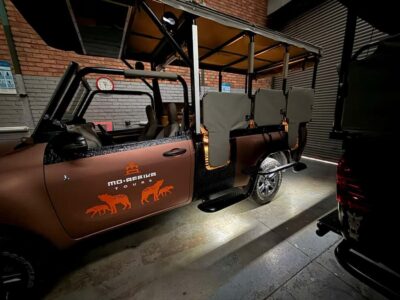
- What the safari vehicles mean for your experience
- The volcanic setting adds more than scenery
- Is $472 good value?
- Who should book this Pilanesberg trip?
- Final decision: a strong safari value with clear limits
- FAQ
- How long is the Pilanesberg camping adventure?
- Where does pickup take place?
- How many people can join the group?
- What language does the guide speak?
- Are meals included?
- What is the park conservation fee?
- What kind of accommodation is provided?
- Can I charge my phone at the camp?
- What should I bring?
- Is the activity wheelchair accessible?
Key points to know before booking
- Five game drives across three days: You get one closed-vehicle drive and four open-vehicle drives, with early morning, afternoon, and sunrise departures.
- A volcanic crater park: Pilanesberg occupies the site of an ancient volcano, creating hills, water sources, and changing views as you move through the reserve.
- Small groups matter: With no more than seven participants, it is easier to hear the guide and find a good viewing position.
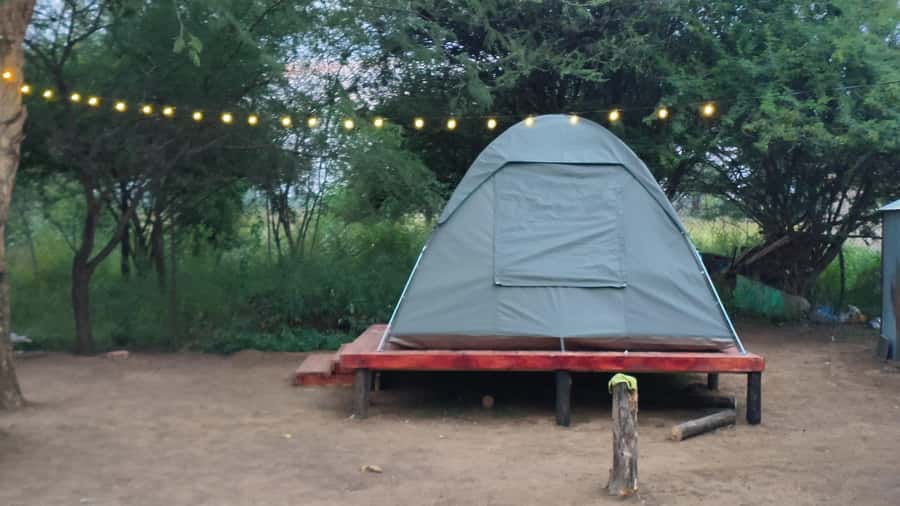
- Camping with useful comforts: Tlou Tented Safari Camp provides electricity, Wi-Fi, a fan, cooking equipment, and a supplied sleeping bag.
- Meals are partly included: Breakfast and dinner are covered, but you must budget for lunch on both full days and the park entry fee.
- Good odds for Big Five sightings: The park is well known for its wildlife, but no safari can promise every animal, especially buffalo or leopard.
Why three days works well at Pilanesberg
A single game drive can be exciting, but it gives you only one slice of the day. This trip lets you see Pilanesberg in the cool early morning, bright afternoon light, and the softer hours around sunrise and evening. Animal activity changes with temperature, so that range is one of the strongest reasons to choose three days instead of a quick day trip.
The park sits in a broad volcanic crater formed by an eruption many millions of years ago. You are not simply driving across flat open ground. The road system passes through changing elevations and views, with more than 200 kilometers available for game viewing. That gives your guide options when animals are quiet in one area.
Pilanesberg is described as South Africa’s fourth-largest game park, and its position in the North West Province makes it a practical safari choice from Johannesburg. You avoid a long domestic flight and still get a proper reserve experience with several drives.
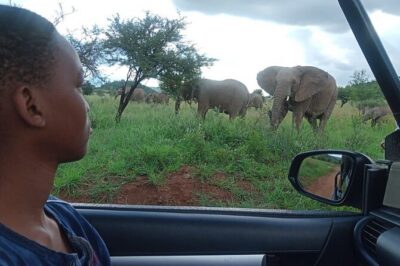
The wildlife list can be impressive. One recent three-day stay produced sightings of four of the Big Five, with buffalo missing from the list. That is a useful reminder of how safari works: the more time you spend out, the better your chances, but nature keeps the final word.
More Pilanesberg safaris:
- From Johannesburg: Pilanesberg Nature Reserve Game Safari
★ 4.8 · 1,327 reviews - Full Day Ultimate Pilanesberg National Park Safari from Johannesburg or Pretoria
★ 4.5 · 718 reviews - Full Day Pilanesberg Experience in Open Vehicle
★ 4.5 · 414 reviews
Day one: Johannesburg to the crater
Pickup is available from any address in Johannesburg in an air-conditioned vehicle. The transfer makes this a convenient choice if you are staying in the city and do not want to arrange a rental car, navigate the reserve, or organize camp equipment yourself.
The first safari begins in a closed, air-conditioned minivan after you enter Pilanesberg. This is not as open to the elements as the 4×4, but it has clear advantages on a hot day, during wind, or when you want a more stable ride. It also gives you a comfortable introduction to the park while the guide explains the area and helps you get your bearings.
At about midday, you have free time for lunch. Lunch is not included, so plan for this expense and keep your passport or ID card handy. The supplied information does not specify a restaurant or meal stop, so it is sensible to ask the operator how the lunch break will work before departure.
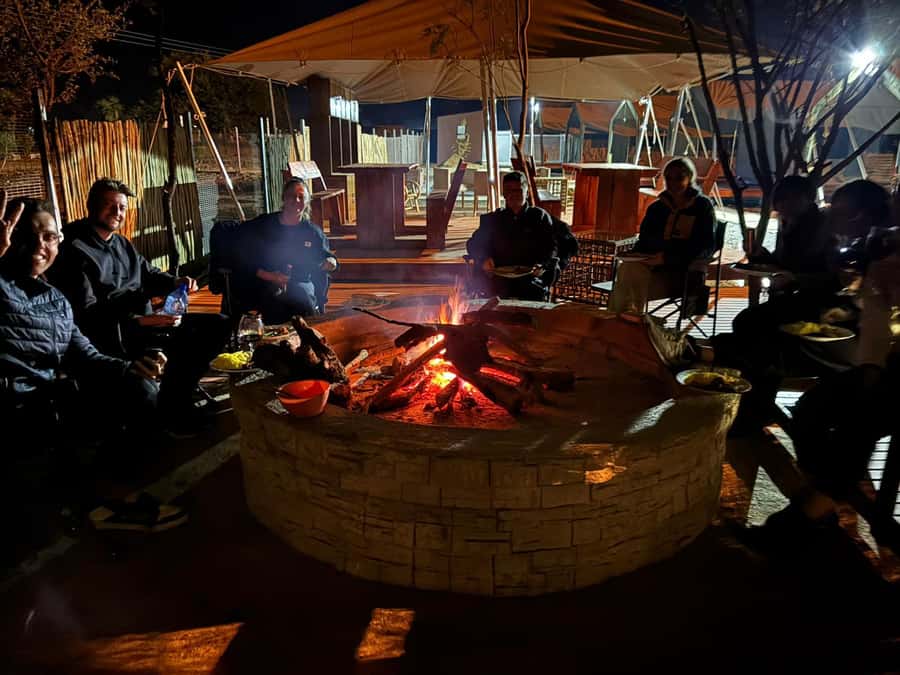
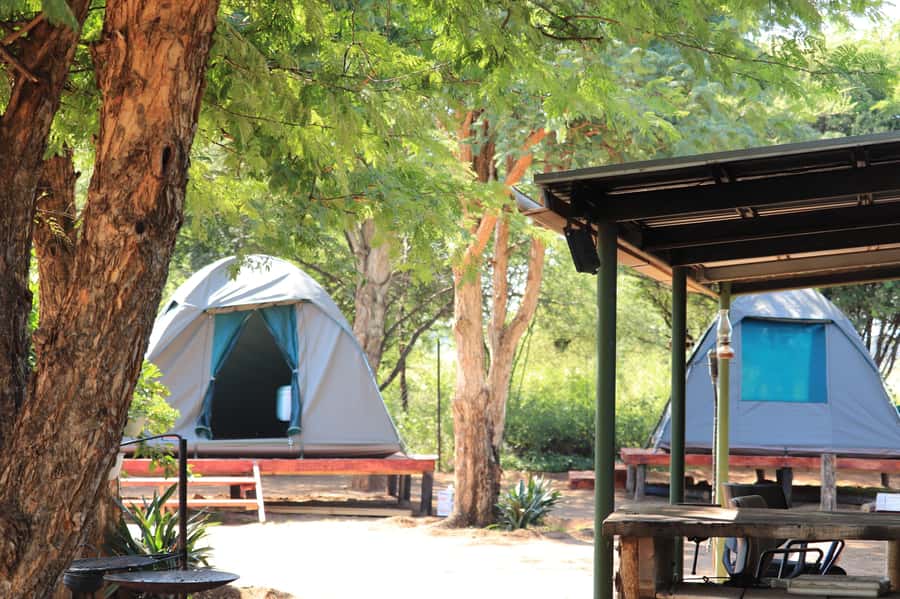
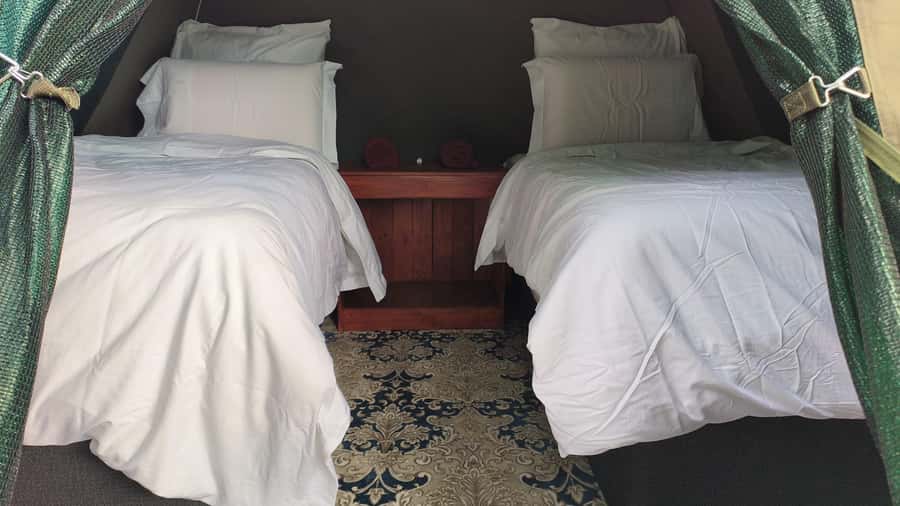
After lunch, you check into Tlou Tented Safari Camp. The accommodation is a comfortable tent rather than a conventional hotel room. That means you get a closer-to-camp feeling, but you should not expect a luxury lodge. One useful detail is the electrified campsite, which lets you charge your phone. Wi-Fi and a fan have also been noted as available, making the setup easier than bare-bones camping.
The camp supplies a sleeping bag, while pillows can be rented. Gas cooking equipment, a refrigerator, and other cooking gear are provided. You are not expected to arrive with a complete expedition kit, but you should still pack personal toiletries, comfortable clothing, and a layer for cool early starts.
The afternoon continues with an open 4×4 safari. This is the classic format for close viewing. The vehicle gives you a more open sightline and a better feel for sounds, wind, and the surrounding bush. Return to camp for dinner, where the guide prepares the evening meal.
Day two: the best rhythm for wildlife viewing
Day two begins early with an open-roof safari. Early starts can be tough if you are not a morning person, but they are a sensible part of a safari schedule. Temperatures are cooler, and the first hours of daylight give you a strong chance to see animals before the heat sends them toward shade.
After the drive, you return to camp for breakfast. Two breakfasts and two dinners are included in the package, and the food has been a major strength of the experience. Chef Isaya is specifically praised for serving excellent meals, while the guide also prepares simple, tasty food at camp.
The morning leaves time for rest and lunch. Use it. Safari drives can be tiring, especially when you spend several hours sitting, watching, and waiting. Lunch is again your responsibility, so your daily budget should include two midday meals.
The second afternoon drive gives you another chance to visit areas you may have missed. This repeated access is valuable because wildlife does not follow a fixed timetable. You might find one drive focused on a distant animal, while another produces a closer sighting or a completely different mix of species.
Return to Tlou for dinner. The camp routine is part of the appeal, but it also sets expectations. This is not a trip built around fine dining, private plunge pools, or a quiet suite. It is a compact safari camp where the guide, the food, the fire-side routine, and the time spent outdoors carry much of the experience.
Day three: sunrise, breakfast, and the long return
The final morning starts with hot beverages before a three-hour sunrise drive in the reserve. This is one of the most rewarding parts of the schedule because you get a long outing at the start of the day, rather than a rushed final look.
You return to camp for a hearty breakfast, pack your belongings, and prepare for collection between 10:30 and 11:30 in a closed minivan. This final game drive continues inside the reserve before the return journey. It is a practical use of the last morning, though you should be ready for a full day rather than picturing an early arrival back in Johannesburg.
Departure for Johannesburg is scheduled between 15:00 and 15:15, with arrival time depending on the road. All times are approximate. If you have a flight or another fixed booking that evening, leave a generous buffer. The operator provides drop-off at your Johannesburg accommodation, which is handy after several days of early starts and dusty roads.
The use of both open and closed vehicles is worth noting. You receive four open-vehicle drives, plus two closed-vehicle game drives if the initial and final minivan outings are counted separately in the schedule. The included details describe one closed-vehicle safari and four open-vehicle drives, while day three also lists a closed minivan game drive. Confirm the exact count and format when booking, since the written schedule is not perfectly consistent on this point.
A few more tours in South Africa worth putting side by side
- 3 Day Garden Route’s Best Highlights with Safari from Cape Town
★ 5.0 · 189 reviews - 3 Day Garden Route Safari
★ 5.0 · 177 reviews - From Johannesburg: 3-Day Budget Tent Kruger Park Safari
★ 4.5 · 163 reviews - From Cape Town: 3-Day Garden Route Highlights and 4×4 Safari
★ 4.8 · 136 reviews
Tlou Tented Safari Camp: practical camping, not lodge luxury
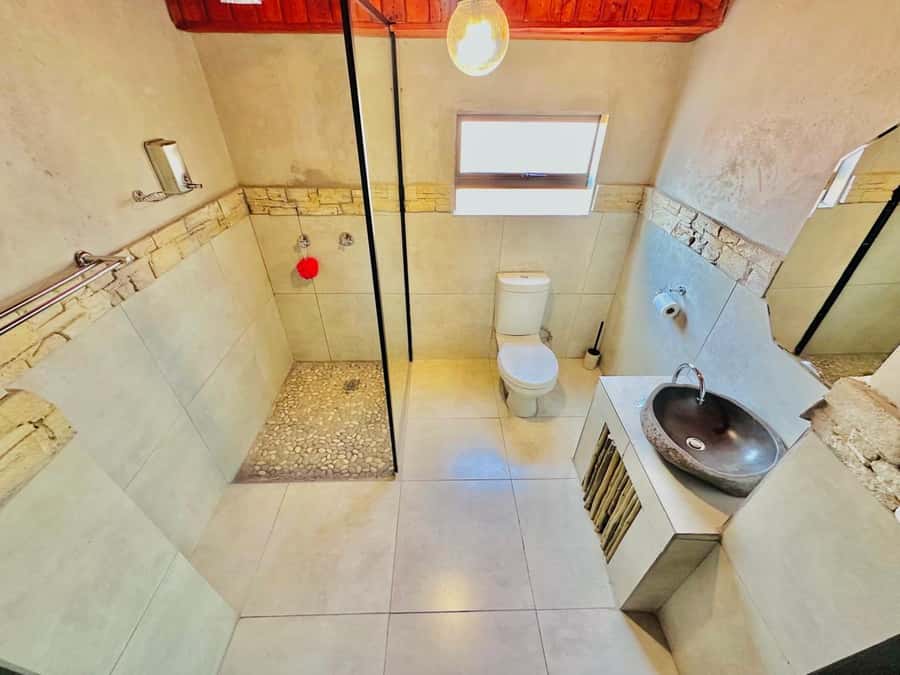
The tent accommodation sounds comfortable enough for most people who want a real camp experience without carrying their own shelter. Electricity, a fan, Wi-Fi, a sleeping bag, and cooking facilities make a meaningful difference after a long day outside.
At the same time, one useful assessment is that the accommodation can feel outdated. Staff care and kindness help, but the camp should be chosen for location and safari access rather than modern design. If you need hotel-grade finishes, a private bathroom, or polished resort service, this may not be your best match.
The sleeping bag is supplied, but pillows are available to rent. Ask about that before leaving Johannesburg if you sleep better with extra support. Bring a small day bag for drives, and keep electronics charged during the camp’s available power hours.
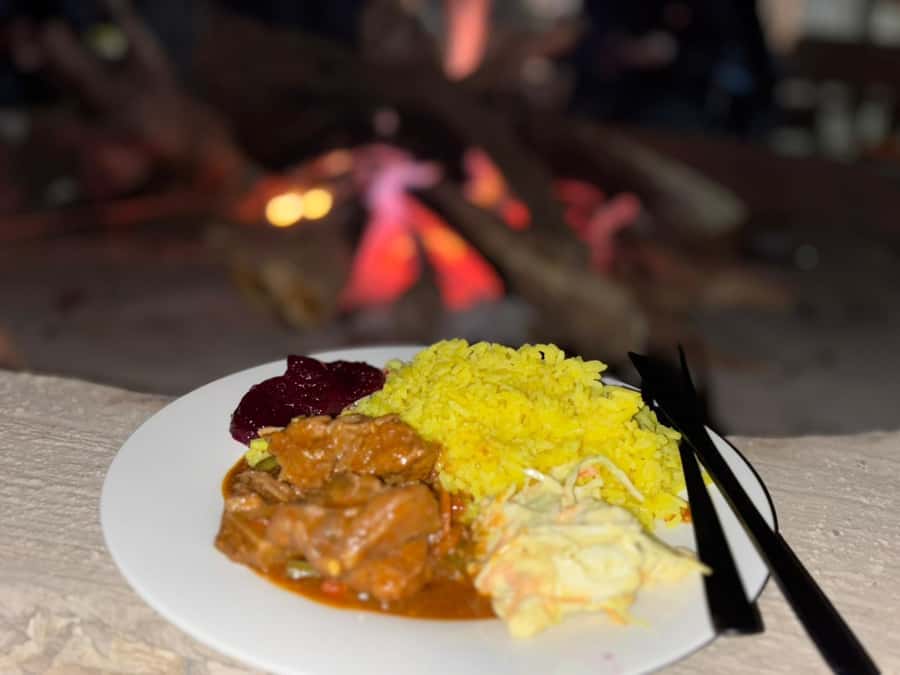
Food is a strong point. Breakfast and dinner are included, and the cooking has been described as excellent and very tasty. One practical caveat is that healthier choices may be limited, so people with strict dietary preferences should ask the operator what can be prepared. Lunch is not included at all, so do not assume the meal plan covers the middle of the day.
What the safari vehicles mean for your experience
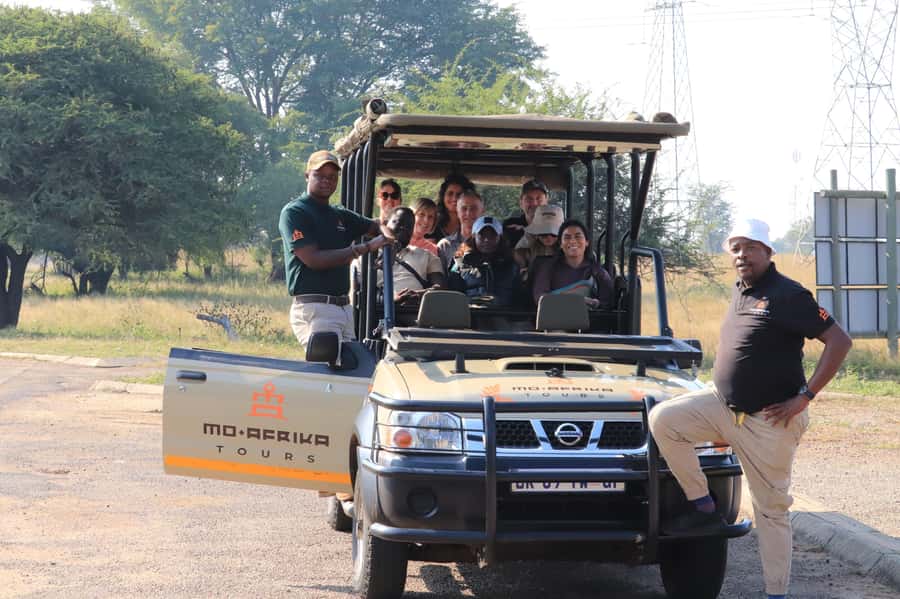
The closed minivan offers shade, air conditioning, and protection from weather. It is a good format for the transfer into the reserve and the final drive back toward Johannesburg. You may find it less atmospheric than the open vehicle, but it is more comfortable during the hottest part of the day.
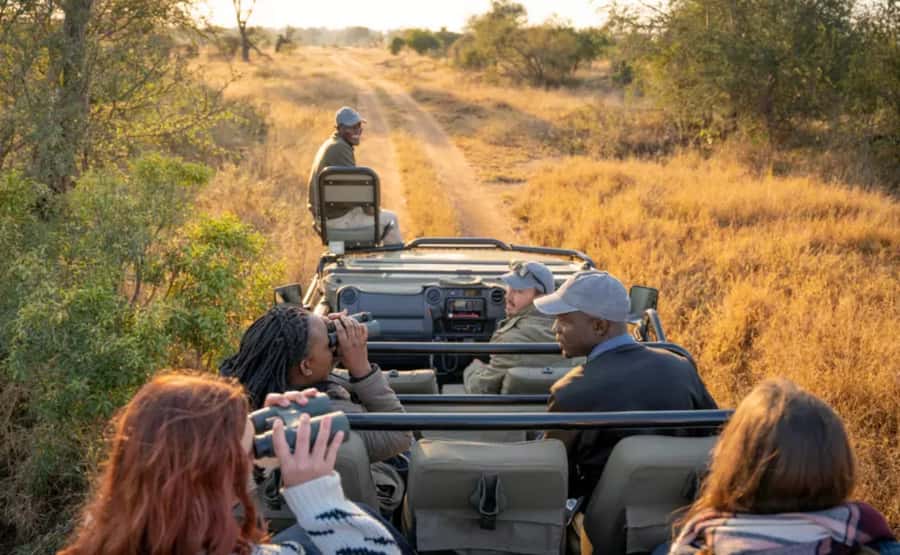
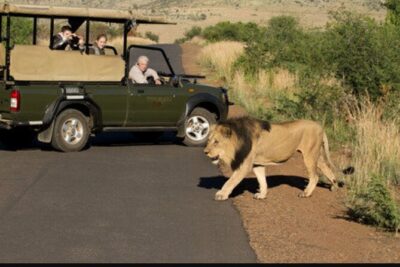
The open 4×4 is the more memorable safari platform. You have a wider view and a stronger sense of being outside, which helps you notice bird calls, changing light, and movement in the grass. Bring a warm layer for sunrise, even if Johannesburg feels mild when you leave.
Your guide is central to the experience. The group limit of seven allows more room for questions than a large coach tour. Guides Thomas, Petrus, and Dorrin have been singled out for being interesting, welcoming, and attentive. That matters when you are trying to understand animal behavior instead of merely collecting photographs.
Keep your expectations realistic. Guides can read tracks, choose productive roads, and share information about the environment, but they cannot direct animals into view. The Big Five are a goal, not a guarantee. A three-day stay gives you better odds than one short outing, and the variety of drive times improves your chances further.
The volcanic setting adds more than scenery
Pilanesberg’s origin in an ancient volcanic crater gives the park a clear sense of place. The hills and crater form are not just a backdrop for wildlife. They influence the views from the road and help make each section of the reserve feel different.
The reserve’s road network also gives the guide room to adjust plans. With more than 200 kilometers of roads, you are not limited to one small viewing loop. That matters when sightings are slow or when a recent animal report makes another part of the park more promising.
The setting is also a practical reason to stay overnight. You are already inside or close to the reserve for the first morning and late afternoon periods, rather than spending your best wildlife hours on a transfer from Johannesburg.
Is $472 good value?
At $472 per person, this is not the cheapest way to see Pilanesberg, but the package includes several costs that add up quickly. You receive Johannesburg pickup and drop-off, two nights of tented accommodation, five listed safari drives, two breakfasts, two dinners, and a live English-speaking guide.
The small group is important here. A limit of seven gives the trip a more personal feel and keeps the vehicle from becoming a crowd. You are paying for time in the park, not just transport to its entrance.
You must add lunch costs and the conservation fee at the gate:
- R500 per person for international visitors
- R275 per person for SADC nationals
- R168 per person for South African residents
That fee can change your final budget, so include it before comparing this trip with a self-drive visit. A self-drive may appear cheaper, but you would need to cover your own vehicle, fuel, accommodation, park access, and wildlife interpretation. Here, the guide and repeated drives are the main value.
The non-refundable policy also makes timing important. Only book once your Johannesburg plans are firm. Since pickup is included from your accommodation, the trip works best for you if you want a managed safari rather than a package of separate arrangements.
Who should book this Pilanesberg trip?
I would recommend it to you if you want a first safari from Johannesburg, prefer a small group, and like the idea of sleeping in a tent without bringing a stove or sleeping bag. It is also a good fit if you want several wildlife outings instead of one quick game drive.
The schedule suits people who can handle early mornings, long periods in a vehicle, and approximate departure times. Families and visitors concerned about access may appreciate that the activity is listed as wheelchair accessible, though you should confirm the specific vehicle and camp arrangements before paying.
I would hesitate if you want luxury accommodation, included lunches, a flexible private itinerary, or a guaranteed Big Five checklist. I would also think twice if the non-refundable terms make you nervous or if you have a tightly scheduled flight soon after the return.
Final decision: a strong safari value with clear limits
This three-day camping adventure offers a lot of wildlife time for a Johannesburg departure. The best features are the five game drives, the small group, the volcanic setting, and the chance to see Pilanesberg at several times of day. The food and attentive guides add warmth to what could otherwise be a basic camp stay.
Book it if you value access and time in the reserve more than polished accommodation. Budget separately for lunches and conservation fees, bring warm clothing for sunrise, and confirm the exact vehicle schedule. For a compact safari with a real camping feel, the $472 price can be good value, provided you are comfortable with the practical side of camp life.
FAQ
How long is the Pilanesberg camping adventure?
The experience lasts three days, including pickup from Johannesburg, safari drives, overnight camping, meals listed in the package, and the return journey.
Where does pickup take place?
Pickup and drop-off are available from any address in Johannesburg, using an air-conditioned vehicle.
How many people can join the group?
The group is limited to seven participants, making this a small-group activity.
What language does the guide speak?
The live tour guide speaks English.
Are meals included?
Two breakfasts and two dinners are included. Lunches are not included, so you need to budget for them separately.
What is the park conservation fee?
The fee payable at the gate is R500 per international visitor, R275 per SADC national, or R168 per South African resident.
What kind of accommodation is provided?
You stay in a comfortable tent at Tlou Tented Safari Camp. A sleeping bag is provided, and pillows can be rented.
Can I charge my phone at the camp?
Yes. The campsite is electrified, so you can charge your phone. Wi-Fi and a fan have also been noted as available at the camp.
What should I bring?
Bring your passport or ID card. Warm clothing for early morning drives is also sensible, although the required item specifically listed for the activity is a passport or ID card.
Is the activity wheelchair accessible?
Yes, the activity is listed as wheelchair accessible. Contact the provider before booking to confirm the specific vehicle and accommodation arrangements for your needs.
Newest reviews from South Africa
- Half-Day Lion and Safari Park Tour★ 5.0 · 5 reviews
- Cango Caves Oudtshoorn Day Tour★ 5.0 · 5 reviews
- Explore Atlantis Sand Dunes with a 1hour 30mins sandboarding tour★ 5.0 · 5 reviews
- Durban Shore Excursion: Valley of 1000 Hills and PheZulu Tour★ 5.0 · 5 reviews
- Transfer from Cape Town City Center to Cape Town Airport★ 5.0 · 5 reviews
- Pneuma private travel & tours, creating memories and friends never forgotten★ 5.0 · 5 reviews
- QUAD BIKE FUN RIDE IN PAARL, BATTLE BUNKER WITH WILDX★ 4.4 · 5 reviews
- Private Transfer: CPT Airport to Cape Town in Luxury Van★ 4.0 · 5 reviews
Pilanesberg Safaris, compared.
Full Day Ultimate Pilanesberg National Park Safari from Johannesburg or Pretoria
Read our review →
Full Day Pilanesberg Experience in Open Vehicle
Read our review →
Full Day Safari Tour of Pilanesberg National Park, Open Jeep experience
Read our review →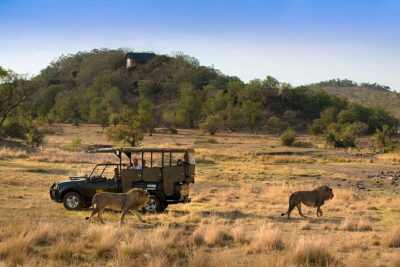
Full Day Exquisite Pilanesberg Safari from Johannesburg
Read our review →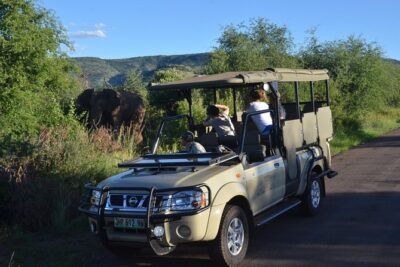
3-Hour Private Game Drive of Pilanesberg National Park
Read our review →Browse the lists this tour appears in