
Reviewed · KNYSNA AND PLETTENBERG BAY TOURS
Cats in Conservation
Wild cats, real conservation work, and a full day together. At Tenikwa Wildlife Rehabilitation and Awareness Centre near Plettenberg Bay, you follow the daily rhythm of a working animal-care center rather than simply walking past cages. I like the private format, which gives your group time to ask questions and shape the day around your interests. I also like that breakfast, lunch, snacks, drinks, transportation, and access to the rehabilitation facilities are included. The main thing to consider is that animal sightings are never guaranteed. Cats may hide from heat or rain, and some can be difficult to spot in their spacious enclosures.
This is an especially good choice if you want the conservation story behind the animals, not just close photographs. I appreciate the chance to learn from staff about human threats to wild cats and to see how rehabilitation work operates. Still, the day may feel less action-packed than a standard wildlife drive, particularly if you expect every animal to be visible and active.
In This Review
- Five things to know before you book
- What makes Tenikwa different from a quick animal visit
- The morning at Tenikwa Wildlife Awareness Centre
- Seeing the wild cats in spacious enclosures
- Behind the scenes with the conservation team
- A guided walk through the center and local wildlife
- Meals, refreshments, and the value of a full day
- Who will enjoy this most
- Small details that improve the day
- The biggest strengths and the honest limitations
- Should you book Cats in Conservation?
- FAQ
- Where does the Cats in Conservation tour begin and end?
- How long does the program last?
- What is included in the price?
- Can I touch the animals?
- Is the tour suitable for children?
- What should I wear and bring?
Five things to know before you book
- The only program with rehabilitation-facility access: You can receive an overview and observation of areas normally not open through the regular visit.
- A true full-day outing: Plan on roughly seven to eight hours, with breakfast, lunch, snacks, coffee, tea, and bottled water provided.
- Private attention: Only your party takes part, so you can ask more questions and move at a pace that suits your interests.
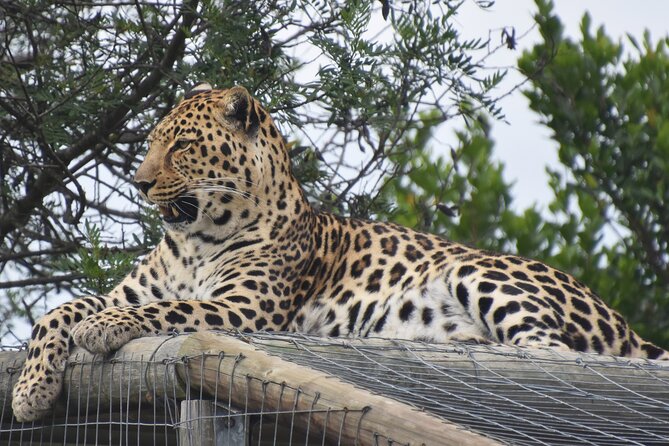
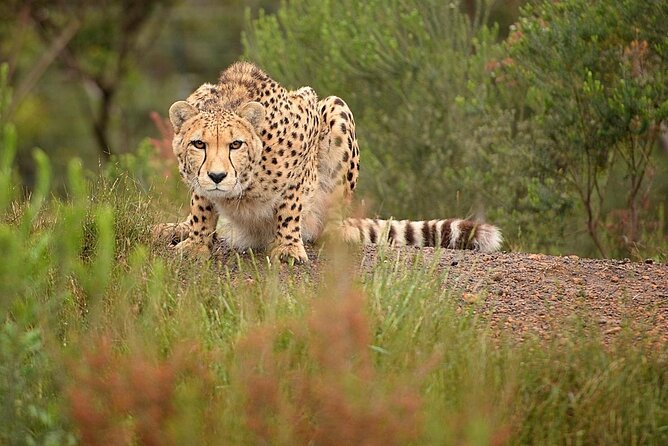
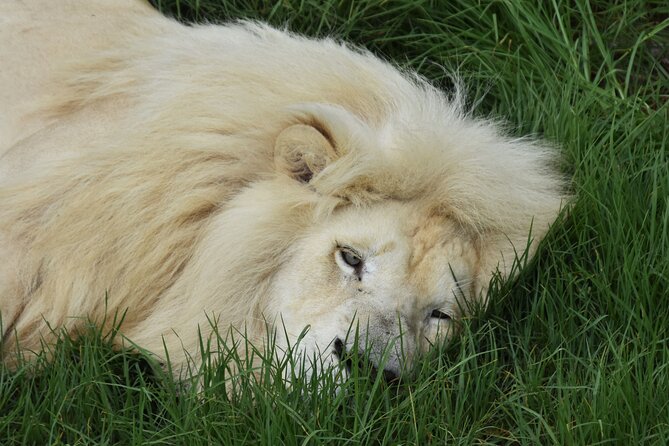
- Wildlife sightings vary: You may see lions, cheetahs, leopard, caracal, African wild cats, and other local animals, but some may be tucked under cover.
- Conservation comes first: You learn about rehabilitation and threats facing wild cats, with no touching of the animals.
What makes Tenikwa different from a quick animal visit
Tenikwa is built around wildlife awareness and rehabilitation, not a simple checklist of species. The Cats in Conservation program gives you a look at the animals in care and explains why they are there, how staff work with them, and what pressures wild cats face in South Africa.
That difference matters. You are not promised a staged encounter or a guaranteed photo of every species. Instead, you get an informed look at animals that cannot necessarily return to the wild and at the work required to care for them responsibly.
The center keeps only a small number of wild cats in large enclosures for awareness purposes. That setup can make sightings less certain, but it also avoids the feel of rows of identical animals in tight spaces. If a leopard is hidden in a bush or a cheetah is resting under cover, that is part of the reality of observing animals on their terms.
I find that trade-off worthwhile for people who care more about animal welfare than constant visibility. If your main goal is a guaranteed close-up photograph, this may not be the right outing.
A few more tours worth putting side by side
- Knysna: 75-Minute Lagoon Boat Cruise
★ 4.5 · 445 reviews - Knysna: Sunset Lagoon Cruise
★ 4.5 · 217 reviews - Knysna: Close Encounter Whale Watching Tour by Boat
★ 4.6 · 207 reviews
The morning at Tenikwa Wildlife Awareness Centre
Your day begins at the Tenikwa Wildlife Rehabilitation and Awareness Centre in The Crags, near Plettenberg Bay. The program is designed to occupy most of the day, with breakfast included as part of the schedule.
The morning sets the tone for the rest of the visit. Rather than rushing through a short walk, you have time to settle in, meet the staff, and begin learning about the animals and Tenikwa’s conservation work. Coffee, tea, bottled water, and snacks are also included, which is useful because this is a long outing rather than a brief morning stop.
The private arrangement is a real advantage here. Your guide can spend more time on subjects that interest you, such as rehabilitation, individual animals, threats from people, or the difference between captive care and reintroduction. You are not trying to hear an explanation over a large group or waiting for strangers to finish taking pictures.
Staff members have a strong connection with the center. Msizi, identified as the head guide, is a second-generation Tenikwa staff member whose father worked there for more than 35 years. A more recent account also describes a full day with a guide named Boniwe. Guide assignments can change, but these details suggest that the center’s staff bring long experience and personal commitment to the work.
Seeing the wild cats in spacious enclosures
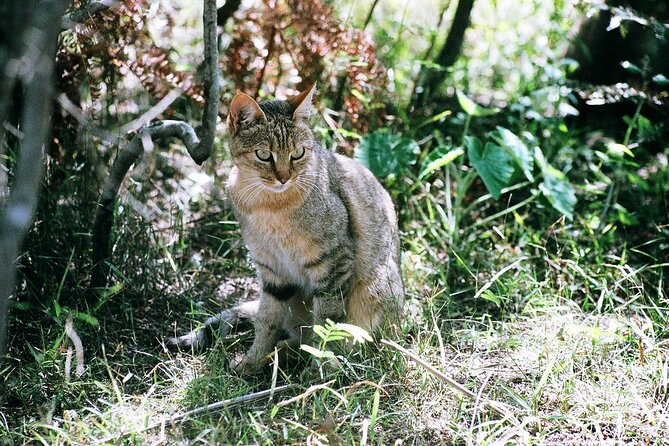
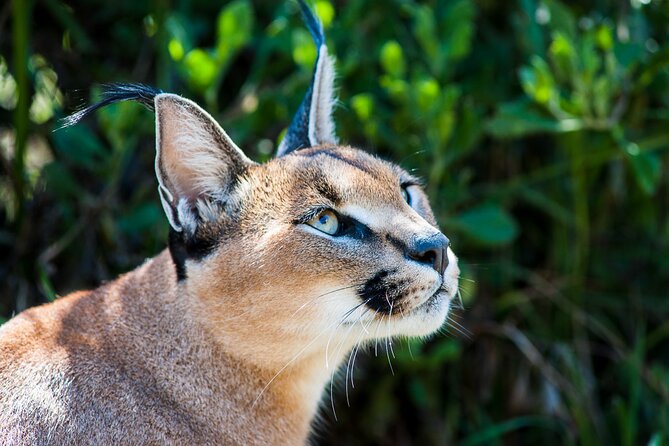
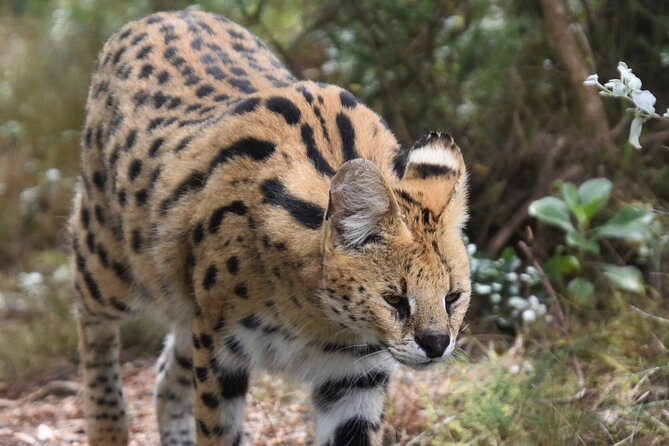
The cat portion of the day is the obvious draw, but it works best when you approach it with patience. Depending on conditions and the animals’ behavior, you may see lions, cheetahs, leopard, caracal, and African wild cats.
The cats are not trained for physical contact, and touching them is not allowed. That rule is important for both safety and animal welfare. You can observe and photograph them, but you should not expect a petting encounter or a staged interaction.
Visibility changes with the weather. On hot days, animals may seek shade. In rain, they may shelter. A cool, gray day can sometimes bring more activity, as one account describes with a particularly active leopard. This is a useful planning point: poor weather does not automatically ruin the visit, and pleasant sunshine does not guarantee perfect sightings.
You may see an animal clearly one moment and lose it behind vegetation the next. One day’s sightings included a leopard partly hidden in a bush, two cheetahs under cover, two lions, a glimpse of a caracal, and an African wild cat. That list shows both the range of species and the limits of wildlife viewing. You can encounter several animals and still miss the dramatic, fully visible pose you imagined.
The guides can help you look carefully and understand what you are seeing. Still, the quality of the sighting depends partly on luck, weather, and animal behavior. I would bring a camera, but I would not make the success of the day depend on a perfect photograph.
Behind the scenes with the conservation team
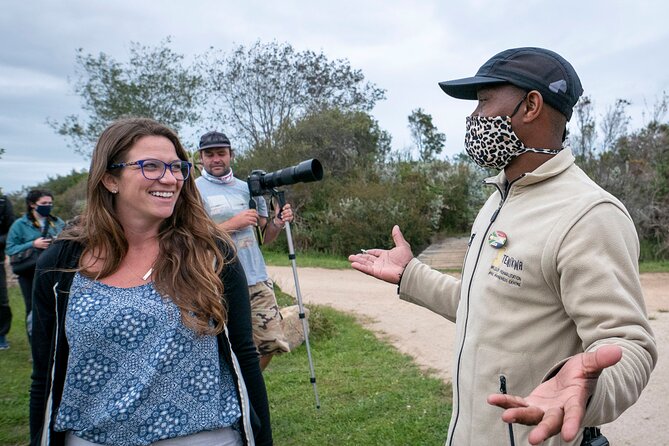
The most distinctive part of Cats in Conservation is the behind-the-scenes access. This is the only Tenikwa program described as allowing visitors to view the wildlife rehabilitation facilities.
You are given an overview of the rehabilitation work and time with staff to discuss conservation issues. The exact activity level of the rehabilitation hospital can vary. On a quiet day, there may be little happening in that area, so you should not expect a dramatic rescue scene or constant medical action.
That quietness does not make the visit pointless. Rehabilitation work is often careful and routine. The value lies in understanding the process, the decisions made for each animal, and the reasons some wildlife cannot return to the wild. A staff explanation can provide more meaning than a busy display ever could.
This section is especially useful if you are interested in animal welfare, conservation policy, or the effects of human activity on wildlife. The educational side is not filler between animal sightings. It is the reason the program has its name.
You also gain a clearer picture of how a wildlife center balances public awareness with animal needs. The animals are there for care and education, but they still need space, shelter, and distance from people. That is why you cannot touch them and why some sightings are brief.
A completely different kind of day out on the same trip:
- Knysna Boat Cruise aboard Coquette
★ 5.0 · 152 reviews - Knysna: Downhill Forest Scootour Adventure
★ 4.8 · 136 reviews - Knysna: Wine & Oyster Luxury Lounger Sunset Cruise
★ 4.7 · 133 reviews - Knysna: Guided Quad Bike Tour in the Forest
★ 4.8 · 114 reviews
A guided walk through the center and local wildlife
The day can include a walk through the forest with a guide, along with time to see local wildlife and birds in Tenikwa’s care. This adds variety to a schedule that could otherwise focus only on the big cats.
The walk gives you a chance to slow down and notice the wider setting. It is not described as a strenuous hike, and most people can participate, but comfortable clothing is still a smart choice. The tour operates in all weather, so your comfort will depend on dressing for the conditions.
Wear neutral colors. Avoid fur and scarves, and bring sunblock and a hat. These instructions are practical rather than decorative. Neutral clothing helps you avoid drawing unnecessary attention, while sun protection matters during a long day outdoors.
The forest walk also helps put the cat program into context. Conservation is not only about lions and cheetahs. It includes habitat, smaller animals, birds, and the wider chain of life around them. You may find that the quieter parts of the walk are just as useful as the headline animals.
Do not expect every animal to appear on demand. Even a patient guide may not be able to produce a hidden caracal or a bird that has moved out of sight. A good attitude is to treat each sighting as a bonus and give yourself time to look.
Meals, refreshments, and the value of a full day
At $87.71 per person, the price is reasonable for a private seven to eight-hour program that includes meals and refreshments. You receive breakfast, lunch, snacks, bottled water, coffee, and tea, along with transportation and admission.
The value depends on what you want from a wildlife outing. If you only want a short cat viewing, this will feel long. If you want a private guide, conservation discussions, a forest walk, access to rehabilitation areas, and food included, the day offers more substance than a basic admission ticket.
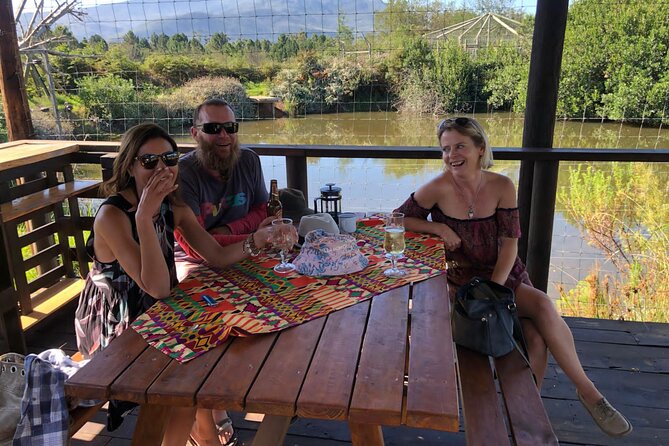
Lunch is served as part of the center’s hospitality. Food quality has received positive attention, with the restaurant described as friendly and polite and the meals as good. That matters on a full-day program. You do not need to stop the tour to arrange your own lunch, and you can keep your attention on the center’s work.
Transportation is included, but the listed start and end point is Tenikwa Wildlife Rehabilitation and Awareness Centre. The activity ends back there. If you need a hotel pickup, confirm the arrangement before booking rather than assuming that included transportation means door-to-door service.
This program is usually reserved well ahead of time, with an average booking lead time of about 28 days. That is a useful signal for planning around a Plettenberg Bay visit. The private format may have limited availability, so booking close to your travel date could leave you with fewer choices.
Who will enjoy this most
I would recommend Cats in Conservation to animal lovers who want education alongside wildlife viewing. It suits people who are happy to ask questions, listen to staff, and accept that animals do not perform on a timetable.
It is also a good match for photographers who care about natural behavior and do not need a guaranteed image. The private format lets you spend more time observing, though it cannot make a hidden animal appear.
Families can take part, but anyone under 18 must be accompanied by at least one parent. The program is not suitable for children under nine. Older children with a real interest in conservation are likely to get more from it than children who simply want a quick look at big cats.
The outing is less suitable for anyone seeking animal contact. You cannot touch the animals, and the program does not promise hands-on interaction. It may also disappoint you if you expect a traditional safari with wide-open viewing and guaranteed sightings.
Service animals are allowed, and most people can participate. Since the program runs in all weather and includes outdoor time, comfortable clothing and sensible sun or rain protection are essential.
Small details that improve the day
A few simple choices can make this long program more comfortable:
- Wear neutral, comfortable clothing: Leave fur and scarves at home, and choose clothing suitable for changing weather.
- Bring sunblock and a hat: You may spend substantial time outdoors, even on a day that begins cool.
- Allow the full eight hours: Do not schedule a tight afternoon activity afterward.
- Keep expectations flexible: Cats may be visible, partly hidden, or resting.
- Ask questions early: The private format gives you a better chance to shape the discussion around your interests.
- Respect the no-touch rule: The distance protects you and the animals.
The center operates in all weather, so rain is not an automatic reason for cancellation. Dress accordingly and remember that cooler or cloudy conditions can sometimes encourage more cat activity.
The biggest strengths and the honest limitations
The strongest part of this tour is the combination of access and explanation. You are not just shown an animal and given its name. You can learn why the animal is at Tenikwa, what conservation problems affect its species, and how rehabilitation fits into the wider picture.
The care shown by staff is another major strength. Accounts of the day describe guides as patient, enthusiastic, and deeply committed to the animals. That personal attention is more valuable in a private tour, where you can pause instead of moving along with a large crowd.
The main limitation is the uncertainty of wildlife viewing. You may see fewer animals than expected, or see them only briefly. The rehabilitation area may also be quiet when you visit. These are not flaws in the concept, but they are important expectations to set before paying.
The non-refundable booking terms add another reason to plan carefully. Once booked, the amount paid cannot be refunded or changed for any reason. Check your schedule, transport plan, and weather clothing before committing.
Should you book Cats in Conservation?
Book it if you want a private, conservation-led day with wild cats, local wildlife, meals, and access to Tenikwa’s rehabilitation facilities. The program offers unusually direct insight into the center’s work, and the staff attention can make the day feel personal rather than routine.
Skip it if your priority is a fast wildlife checklist, animal touching, or guaranteed close-up sightings. Tenikwa works best for patient visitors who understand that responsible animal care sometimes means a cat is resting out of view.
For the right person, $87.71 is fair value for a full day of food, guiding, private access, and conservation learning. I would reserve it well before your Plettenberg Bay visit, wear practical clothing, and arrive ready to observe rather than expect the animals to perform.
FAQ
Where does the Cats in Conservation tour begin and end?
It begins at Tenikwa Wildlife Rehabilitation and Awareness Centre in The Crags, Plettenberg Bay, South Africa. The activity ends back at the same meeting point.
How long does the program last?
The experience lasts approximately seven to eight hours. The Tenikwa portion is described as an eight-hour program, so you should keep most of the day free.
What is included in the price?
The price includes a private tour, admission, lunch, snacks, bottled water, coffee, tea, transportation, wildlife viewing, photography opportunities, conservation discussions with staff, and an overview and observation of the rehabilitation facilities.
Can I touch the animals?
No. Touching the animals is not allowed.
Is the tour suitable for children?
Children under 18 must be accompanied by at least one parent. The program is not suitable for children under nine years old.
What should I wear and bring?
Wear comfortable clothing in neutral colors. Do not wear fur or scarves, and bring sunblock and a hat. The program operates in all weather, so dress appropriately for the conditions.
Newest reviews from Knysna
- Knysna: 1.5-Hour Sailing Experience★ 4.9 · 5 reviews
- The Original Knysna Township Tour★ 5.0 · 6 reviews
- Knysna Sunset Cruise aboard Coquette★ 5.0 · 6 reviews
- Knysna Scootours★ 4.5 · 8 reviews
- Knysna: Sightseeing Cruise on Coquette★ 4.7 · 9 reviews
- Knysna Oyster Tour★ 4.5 · 9 reviews
- Knysna: 2.5-Hour Day Sail & Lunch Charter★ 4.8 · 9 reviews
- Sunset Boat Cruise on Bella Vita Champagne Lounger★ 5.0 · 11 reviews
Knysna and Plettenberg Bay Tours, compared.
Little Brak River: Botlierskop Guided Game Drive
Read our review →
Standard Canyoning Trip in The Crags, South Africa
Read our review →
Plettenberg Bay Game Reserve: 2-Hour Game Drive
Read our review →Browse the lists this tour appears in