
Reviewed · MUSEUMS
Cape Town: Heart of Cape Town Medical Museum Entrance Ticket
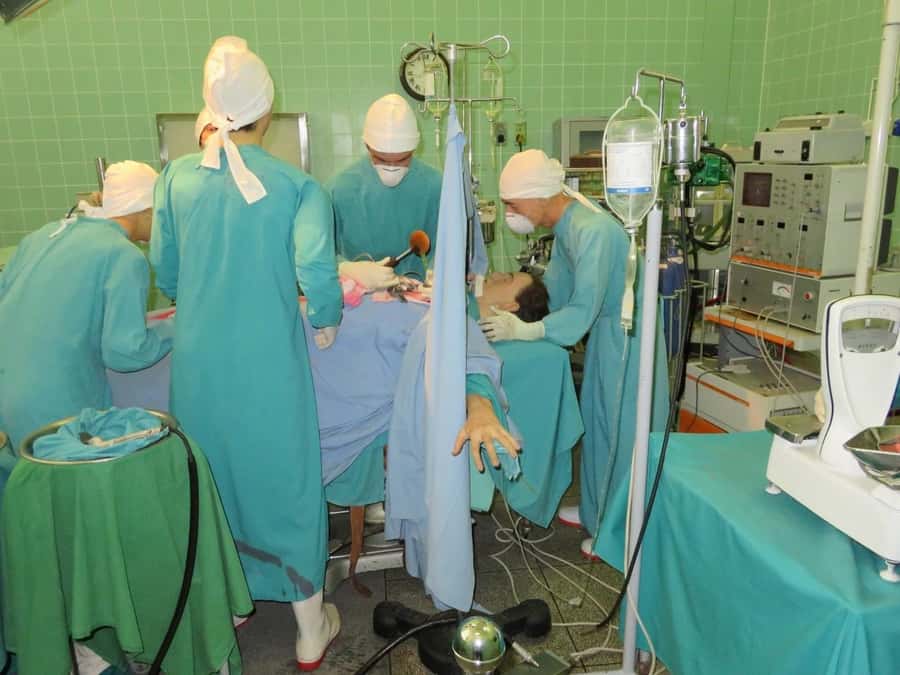
Medical history comes alive here. The Heart of Cape Town Museum takes you inside Groote Schuur Hospital, where Professor Christiaan Neethling Barnard led the world’s first successful heart transplant on December 3, 1967. I like the original operating rooms, restored and arranged to show the organ removal and transplant procedures, and I also like the small-group format, limited to 10 people, which gives the English-speaking guide room to explain the human story behind the science. The main drawback is that this is a focused, 1.5-hour museum visit, not a broad hospital tour, and the subject may feel intense for younger children or anyone uneasy around surgical displays.
I also appreciate the museum’s mix of press material, film, medical history, and lifelike operating-room scenes. It gives you more than a famous name and a date. You see how one daring operation pushed surgery into a new era, while remembering the many people who made it possible. At $22 per person, the visit offers solid value if you have an interest in medicine, modern history, or Cape Town’s place in global medical history.
In This Review
- Key points to know before you go
- Why this hospital visit matters
- Entering Groote Schuur Hospital in Observatory
- The Charles Saint Theatre and the day of the operation
- Seeing the original operating rooms
- What the guide adds in 90 minutes
- Is $22 a fair price?
- Who should book this experience?
- How to fit it into your Cape Town day
- The emotional and historical payoff
- Should you book the Heart of Cape Town Museum?
- FAQ
- Where does the Heart of Cape Town Medical Museum tour begin?
- How long does the guided museum visit last?
- What does the ticket include?
- Is transportation included?
- What language is the tour offered in?
- Are children allowed to join?
- Is the museum wheelchair accessible?
Key points to know before you go
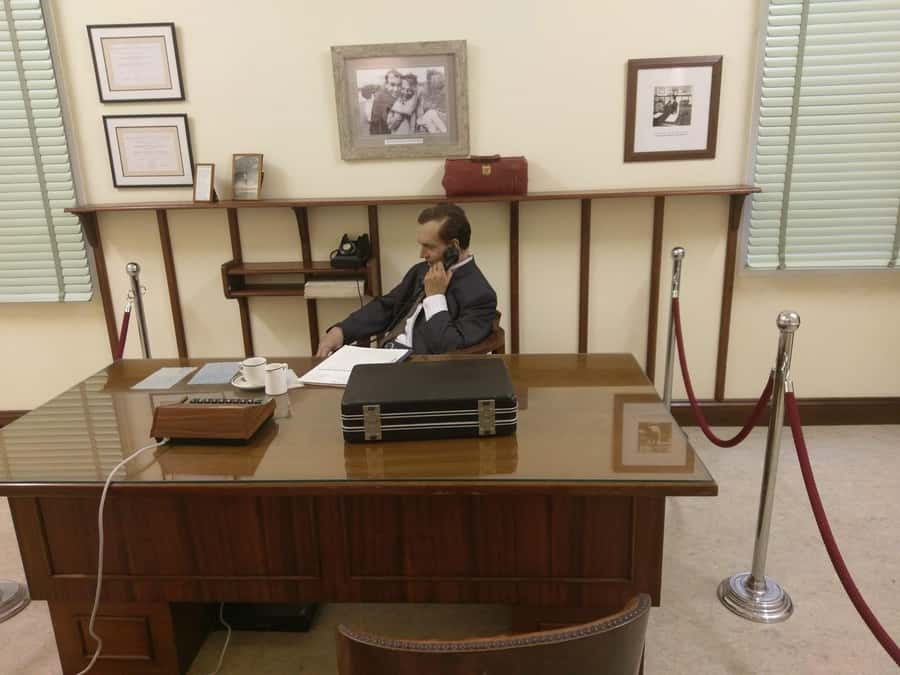
- The tour takes place at Groote Schuur Hospital: You meet at the hospital on Main Road in Observatory, Cape Town.
- You see two original operating-room settings: The displays cover the organ removal operation and the heart transplant itself.
- The historic date is December 3, 1967: The museum focuses closely on Barnard’s pioneering operation and the people involved.
- The guided visit lasts about 1.5 hours: That makes it easy to fit into a Cape Town day without giving up a full afternoon.
- Groups are limited to 10 people: A small group should make it easier to hear the guide and ask questions.
- Children under 10 are not admitted: The medical subject matter and surgical displays are better suited to older children and adults.
Why this hospital visit matters
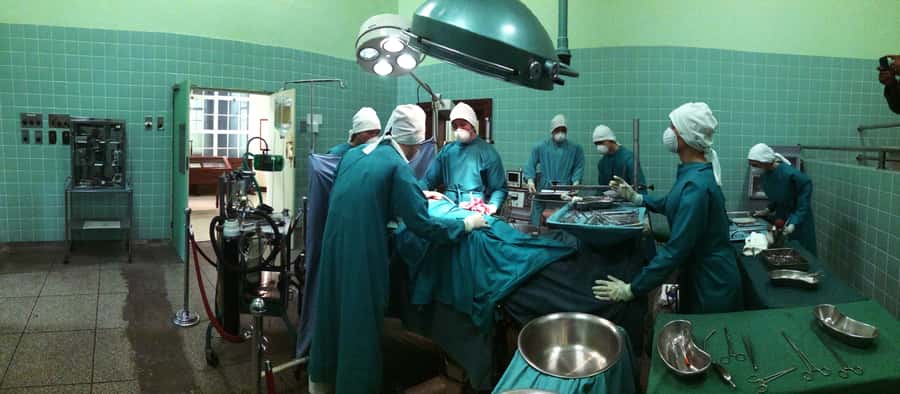
The first successful human heart transplant was not simply a dramatic surgical moment. It marked a change in what doctors believed could be attempted. At Groote Schuur Hospital, Barnard and his team carried out an operation that pushed heart surgery into a new medical age.
The museum honors everyone involved, not only the surgeon whose name became famous. That wider focus matters. A heart transplant requires organ removal, preservation, surgical preparation, transplant work, nursing, anesthesia, technical support, and careful coordination. The museum’s arrangement of the two operating rooms helps you understand that this was a team effort.
You also get a sense of the pressure surrounding the event. Medical science was moving quickly, but the operation still took place in real rooms, with real staff, real equipment, and a patient whose case would change medicine. The museum brings that human scale into view.
This is why the experience works best when you treat it as both a medical museum and a historical site. You are not just looking at equipment. You are standing in the hospital connected with an event that made headlines around the world.
More Museums in Cape Town
- Museum of Contemporary African Art: Fast-Track Zeitz MOCAA
★ 4.4 · 204 reviews - Cape Town: Private Guided Tour of Cape Town Diamond Museum
★ 4.7 · 156 reviews - ROBBEN ISLAND MUSEUM TOUR, WITH OPTIONAL LAST MINUTE TICKETS
★ 3.4 · 85 reviews
Entering Groote Schuur Hospital in Observatory
The meeting point is Groote Schuur Hospital, Main Road, Observatory, Cape Town, 7925. You arrange your own way there because hotel pickup and drop-off are not included. Plan the route before setting out, since the tour begins and ends at the hospital.
The setting gives the visit a useful sense of place. You are not seeing a display built in an unrelated exhibition hall. The museum is connected with the hospital where the operation happened, and that link gives the history extra weight.
The visit is guided rather than a self-led wander. An English-speaking certified guide leads the 1.5-hour tour, explaining what happened and pointing out the meaning of the rooms and displays. That structure is helpful because the subject involves several stages of surgery and a large cast of people. Without context, an operating room can look like a collection of old equipment. With an explanation, each space becomes part of a precise sequence.
The group limit of 10 is another practical strength. You should have a better chance of hearing clearly and asking a question than you would in a large coach group. It also suits a museum where the guide’s explanation is central to the experience.
The Charles Saint Theatre and the day of the operation
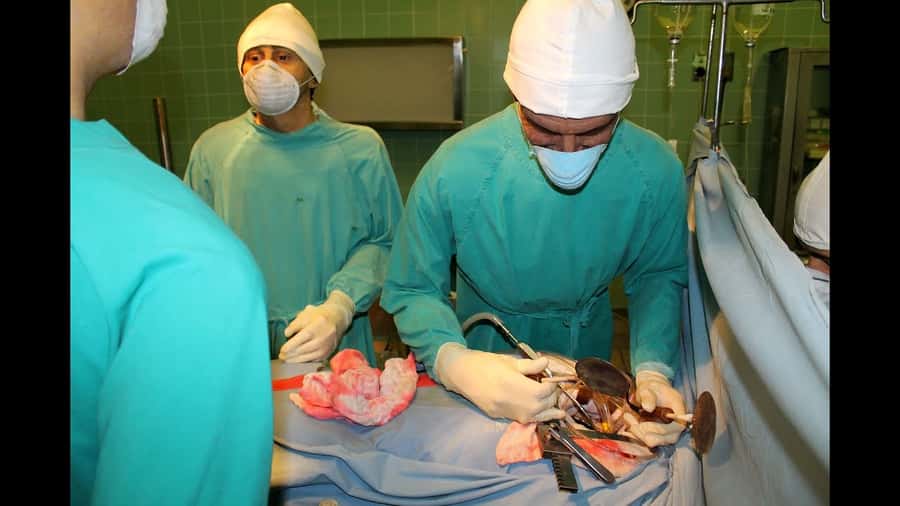
The museum recreates the drama of the operation inside the original Charles Saint Theatre at Groote Schuur Hospital. The operation took place there on December 3, 1967, under the leadership of Professor Christiaan Neethling Barnard.
The date is worth remembering because it gives the visit a clear anchor. You can follow the story as a specific event, rather than receiving a general account of transplant medicine. The displays show the rooms as they were laid out on that day, helping you picture the surgical team at work.
The museum also uses film, press articles, and background material about the first transplant and the people involved. These pieces add public context to the operating-room displays. The surgery was not only a hospital event. It became a major international story almost at once.
I like this combination because the film and printed material explain how the operation was understood at the time, while the rooms bring you closer to the physical reality of the surgery. The result is more balanced than a display focused only on Barnard’s fame.
You should also allow time to absorb the emotional side of the story. The museum deals with a life-changing operation, and the guide’s explanation can make the visit moving. One recent couple described the guided presentation as very affecting, which fits the nature of the subject. This is not a light sightseeing stop. It asks you to think about risk, hope, medical skill, and the people whose lives were tied to the operation.
Seeing the original operating rooms
The strongest part of the visit is the chance to see the original operating-room settings arranged around the decisive scenes. One room represents the removal of the donor heart, while another represents the transplant operation.
The lifelike presentation puts you close to the action without requiring a technical medical background. You can follow the basic order of events and see where the two surgical stages fit into the story. That physical layout is far more helpful than reading a short plaque about the procedure.
The displays may be especially rewarding if you have an interest in surgery, nursing, medical technology, or hospital history. You get a sense of how much depended on coordination between different teams. The rooms also help you understand why the museum describes the operation as a boundary-pushing event.
At the same time, the realism will not suit everyone. The scenes are designed to recreate decisive surgical moments, so you should not expect a polished, abstract museum display. If you are sensitive to medical imagery, you may want to consider that before booking.
The museum’s value comes from the combination of authenticity and explanation. The original rooms provide the setting. The guide provides the sequence and meaning. The film and articles provide the public story. Remove any one of those elements and the visit would be less effective.
A completely different kind of day out on the same trip:
- Wine Tour: Paarl, Franschhoek & Stellenbosch incl 3 wineries
★ 5.0 · 3,940 reviews - Cape Town: Hop-On Hop-Off Bus Tour with Optional Cruise
★ 4.8 · 3,929 reviews - Cape Town: Cape of Good Hope & Penguins Day Tour with Pickup
★ 4.7 · 3,362 reviews - Zipline Cape Town – From Foot of Table Mountain Reserve
★ 5.0 · 3,179 reviews
What the guide adds in 90 minutes
A certified live guide leads the full visit in English. No individual guide name is provided for this activity, so you should not book expecting a particular person. The important point is that the tour is guided, rather than simply offering access to rooms with limited explanation.
A 1.5-hour format is about right for this museum. It is long enough to cover the operation, the rooms, the people involved, and the supporting material, but short enough to combine with other Cape Town plans. You return to Groote Schuur Hospital at the end, so there is no separate drop-off or second site to reach.
The guide should help you connect the displays to the bigger medical story. You can expect attention to Barnard, the transplant operation, the surgical rooms, and the people who played a major part. Since groups are capped at 10, you may also have a better chance to ask about details that catch your eye.
Do not think of the visit as a fast photo stop. The most worthwhile part is listening to how the operation unfolded and why it mattered. If you rush through the film or press displays, you lose some of the context that makes the original rooms meaningful.
Is $22 a fair price?
At $22 per person, the ticket is reasonably priced for a guided museum visit at a historic hospital site. Your admission includes the entrance fee and the guided tour, so you are paying for both access and interpretation.
The value depends on your interests. If you enjoy medical history, the ticket is easy to justify because the museum offers a rare combination of original rooms, a famous surgical event, and a structured explanation. If you are only looking for a general Cape Town attraction, the visit may feel narrow. Its subject is specific, and the tour is built around one major operation.
The 1.5-hour length also helps the price. You are not paying for a full-day activity that consumes your schedule. You can pair it with other plans in Cape Town, though you will need to arrange your own food, drinks, and transport.
The small group improves the value as well. A limit of 10 people means the guide can keep the visit personal and focused. For a museum where questions and explanation matter, that is more useful than a large group moving through silently.
You can also reserve now and pay later, which gives you some flexibility when organizing your Cape Town plans. Free cancellation is available up to 24 hours before the visit for a full refund. Starting times vary, so check availability when choosing your date.
Who should book this experience?
I would recommend the museum to adults and older children with a clear interest in medicine, surgery, science, or modern South African history. It also suits anyone who wants a different kind of Cape Town attraction, one built around a specific event rather than scenery or food.
The visit may be particularly worthwhile if you have already seen the city’s main sights and want something more specialized. It gives you a connection to Cape Town’s role in a major global medical story.
It is less suitable for children under 10, who are not permitted. Families with older children should consider each child’s comfort with surgical displays. The visit is educational, but the subject is serious and some scenes are presented in a lifelike way.
You should also choose it if you are comfortable following a set guided schedule. This is not an open-ended museum visit where you browse at your own speed. The guide leads the group through the experience, and the total tour lasts about 90 minutes.
The museum is wheelchair accessible, which makes it a practical option for visitors who need step-free access. English is the stated tour language, so you should be comfortable following a live explanation in English.
How to fit it into your Cape Town day
Because the tour starts and ends at Groote Schuur Hospital, it is simple to plan around once you know your start time. You need to reach the hospital independently, take the guided visit, and then continue with the rest of your day.
Leave enough time to find the meeting point at the hospital. Hotel transfers are not included, and neither are food or drinks, so handle those needs before or after the tour. The activity itself lasts 1.5 hours, but your total time commitment will include getting to Observatory and leaving afterward.
I would avoid booking the museum in a schedule packed with tight connections. Starting times depend on availability, and the guided format means you should arrive ready for the stated departure rather than expecting to enter at any moment.
The visit can work well as a morning or afternoon stop. Since it is focused and relatively short, you can combine it with other Cape Town plans. Just remember that the museum’s value comes from paying attention, not from squeezing it into a rushed gap.
The emotional and historical payoff
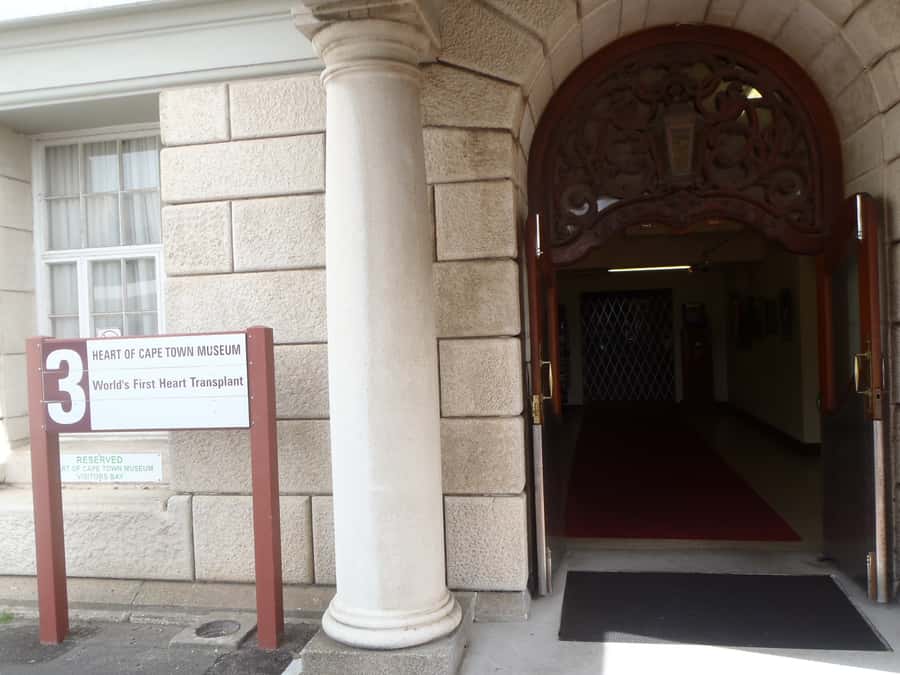
The most praised elements of the experience are clear: the original operating rooms, the lifelike presentation of the decisive scenes, the background material, and the guide’s ability to make the story moving. The overall rating is 4.7 from 31 ratings, and the strongest reactions focus on those same features.
That praise makes sense. The rooms place you close to the event, while the film, press articles, and explanations show why the operation mattered beyond the hospital walls. You come away with a better sense of the medical risk and the human effort involved.
The visit also avoids reducing the story to one celebrated surgeon. Barnard is central, but the museum honors all those who contributed. That broader view gives the experience more substance.
Do not expect a large museum with many unrelated galleries. You are coming for one major event, presented through its original rooms and supporting material. For the right audience, that narrow focus is a strength. For anyone seeking a general introduction to Cape Town, it may feel too specialized.
Should you book the Heart of Cape Town Museum?
Book it if you want a concise, well-guided look at one of the defining moments in medical history. The original operating rooms, the Charles Saint Theatre setting, and the focus on December 3, 1967 give the visit a sense of place that a standard medical exhibit could not match.
At $22, it is good value for an English guided tour with a small group and a 1.5-hour duration. I would make it a priority for medical and science enthusiasts, history-minded visitors, and anyone curious about Cape Town beyond its usual sightseeing circuit.
Skip it if surgical displays make you uncomfortable, if you need a child-friendly activity for children under 10, or if you want a broad museum covering many subjects. For everyone else, this is a thoughtful and memorable stop, with enough context to make the famous operation feel human rather than merely legendary.
FAQ
Where does the Heart of Cape Town Medical Museum tour begin?
The tour begins at Groote Schuur Hospital, Main Road, Observatory, Cape Town, 7925, South Africa.
How long does the guided museum visit last?
The guided tour lasts about 1.5 hours.
What does the ticket include?
The ticket includes entrance fees and the guided tour.
Is transportation included?
No. Hotel pickup and drop-off are not included, so you need to make your own way to Groote Schuur Hospital.
What language is the tour offered in?
The live tour guide conducts the experience in English.
Are children allowed to join?
Children under 10 are not suitable for this activity and are not admitted.
Is the museum wheelchair accessible?
Yes. The activity is wheelchair accessible.
Newest reviews from Cape Town
- Explore Atlantis Sand Dunes with a 1hour 30mins sandboarding tour★ 5.0 · 5 reviews
- Transfer from Cape Town City Center to Cape Town Airport★ 5.0 · 5 reviews
- Pneuma private travel & tours, creating memories and friends never forgotten★ 5.0 · 5 reviews
- Cape Town Table Mountain and Peninsula Tour★ 5.0 · 5 reviews
- Private Transfer: CPT Airport to Cape Town in Luxury Van★ 4.0 · 5 reviews
- Cape Town Full Day Family Fun With Kids Private Tour★ 4.0 · 5 reviews
- Cape of Good Hope-Cape Point & Penguins from Cape Town★ 5.0 · 5 reviews
- Cape Town: Shark Cage Diving Tour (with Breakfast & Lunch)★ 4.8 · 5 reviews
Museums, compared.

Soweto /Johannesburg and Apartheid Museum Guided Full Day Tour
Read our review →
Jo’berg in 1 Day: Soweto, Apartheid Museum & City Tour
Read our review →
Full-Day Tour with Soweto and Apartheid Museum
Read our review →
Full-Day Soweto, Apartheid Museum and Lunch Tour
Read our review →
Half Guided Day Tour of Soweto And Apartheid Museum
Read our review →
Ultimate Johannesburg Soweto Experience with Apartheid Museum
Read our review →
Soweto: Hop-On Hop-Off Bus, City Tour and Apartheid Museum
Read our review →
Museum of Contemporary African Art: Fast-Track Zeitz MOCAA
Read our review →Browse the lists this tour appears in