
Reviewed · DRINKING TOURS
AFRIKOA Bean-to-Bar Chocolate Experience
Chocolate smells lead you to the right store. At AFRIKOA, I like the clear look at 12 stages of bean-to-bar making and the chance to taste chocolate made from heirloom Tanzanian cacao. I also like the single-origin focus, which lets you connect each bar to a specific growing region. The main drawback is the short 30-minute length, especially if you want a slow, detailed lesson.
This is a compact, hands-on-style introduction rather than a full factory tour. You will watch specific products being made, learn how cacao changes from raw bean to finished chocolate, and sample AFRIKOA creations. At $13 per person, it offers good value for chocolate fans, food-minded visitors, and anyone already visiting Makers Landing.
In This Review
- Key points to know before you book
- Arriving at G11 in Makers Landing
- Starting with Tanzanian cacao
- The first stages: fermenting, drying, and roasting
- Grinding, refining, and conching
- Tempering and the finished chocolate
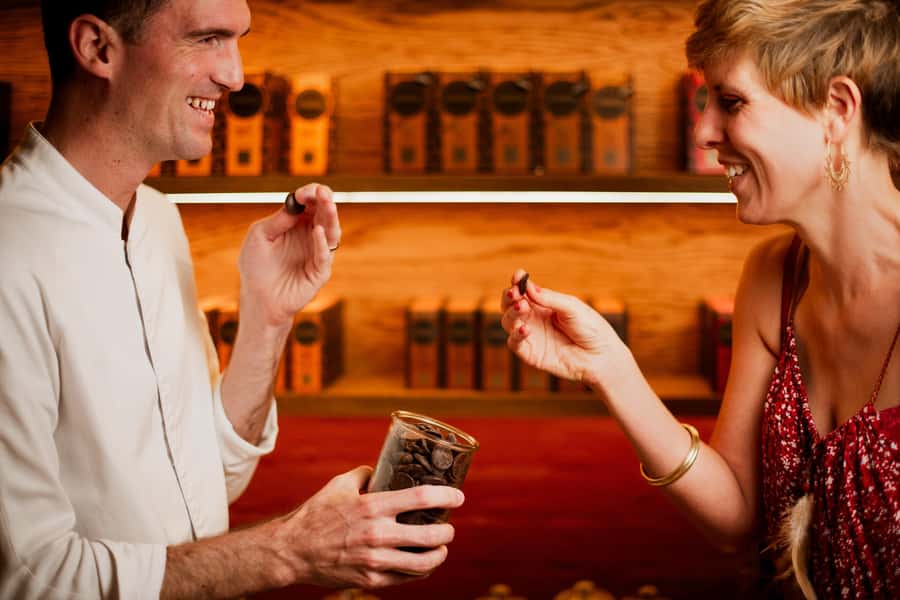
- What the tasting adds
- Why single-origin chocolate matters here
- How much time and money to allow
- The guide’s friendly approach
- Who will enjoy AFRIKOA most?
- Practical booking advice
- Should you book the 30-minute chocolate experience?
- FAQ
- Where does the AFRIKOA Bean-to-Bar Chocolate Experience take place?
- How long does the experience last?
- What are the operating days and hours?
- How much does the experience cost?
- What does the price include?
- Are extra chocolate products included?
- Is the experience available in English?
- Can children take part?
- Is the experience wheelchair accessible?
Key points to know before you book
- Twelve clear production stages: Follow cacao through fermenting, drying, roasting, grinding, refining, conching, and tempering.
- Single-origin Tanzanian cacao: AFRIKOA works with heirloom beans sourced directly from farmers in Tanzania.
- A tasting is included: You sample the finished chocolate as part of the 30-minute visit.
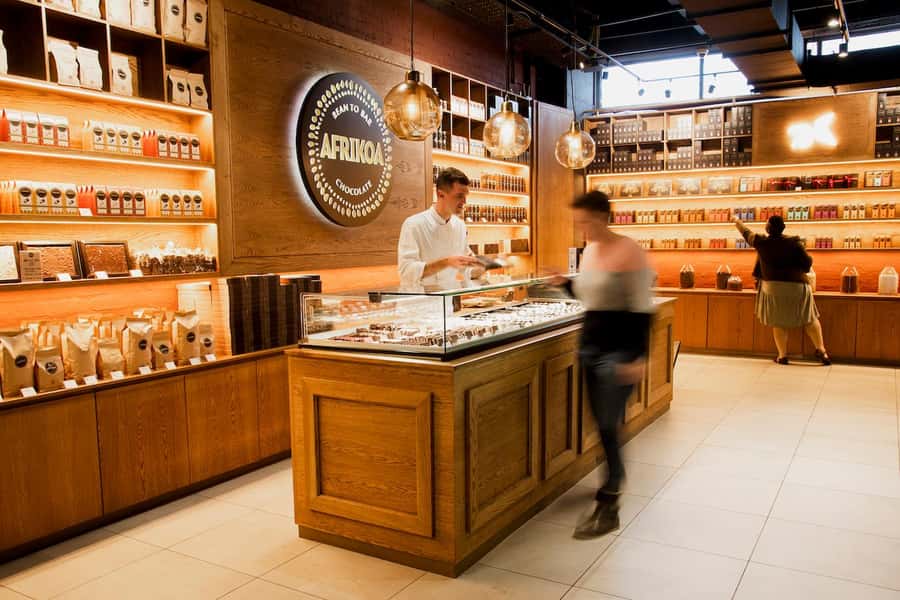
- Makers Landing setting: Find the store at G11 and follow the smell of chocolate rather than searching for a separate meeting room.
- Good value at $13: The price covers the explanation, production demonstration, and tasting, while extra products cost more.
- Best for ages seven and up: The experience is in English and wheelchair accessible.
Arriving at G11 in Makers Landing
Your meeting point is simple: go directly to the AFRIKOA store, unit G11, inside Makers Landing in the Western Cape. There is no separate departure point listed, and the most practical advice is to head toward the chocolate smell.
That detail matters because a 30-minute activity leaves little room for confusion. I would arrive with enough time to find the store, especially if you are unfamiliar with Makers Landing. The experience runs from Wednesday through Sunday, with available times between 10:00 a.m. and 3:00 p.m. The last booking is at 3:00 p.m.
The location also makes this easy to fit into a wider food-focused outing. You can treat the chocolate session as one short stop rather than giving it an entire half-day. The tradeoff is that this is not a sightseeing tour of the Western Cape. Its value comes from the craft lesson and tasting, not from transport or a broad regional visit.
The store is wheelchair accessible, which makes the activity more practical for many visitors. The instruction is in English. Children under seven are not suitable for the experience, so families should plan around that age limit.
A few more tours worth putting side by side
- The Art of Chocolate Making Bean-To-Bar Experience in Cape Town
★ 3.5 · 6 reviews - Full-Day Chocolate, Cheese, Olive and Wine Tour from Stellenbosch
★ 5.0 · 13 reviews - Full-Day Chocolate Cheese Olive and Wine Tour from Franschhoek
★ 4.0 · 5 reviews
Starting with Tanzanian cacao
The most interesting part of AFRIKOA’s approach begins before chocolate looks or tastes like chocolate. The company sources heirloom cacao beans directly from Tanzanian farmers and follows the beans through production.
That direct connection gives the lesson a useful sense of place. Instead of treating chocolate as one uniform product, you learn that cacao from a particular region can carry its own character. AFRIKOA’s single-origin method keeps beans from a specific Tanzanian region connected to the finished chocolate.
I like this because it gives you something concrete to consider during the tasting. You are not simply asked to decide if a bar tastes good. You can think about how one origin produces a distinctive flavor and why a maker might keep that origin separate.
The information also gives the experience a wider purpose. Bean-to-bar chocolate is linked here with sustainability, transparency, and ethical production. Those ideas are not just side notes. They help explain why sourcing matters, why a maker tracks the full process, and why the finished bar may cost more than a basic supermarket chocolate.
Do not expect a long farming lecture, since the scheduled activity lasts only 30 minutes. Still, the Tanzanian sourcing is one of the strongest reasons to choose this experience over a simple chocolate tasting.
The first stages: fermenting, drying, and roasting
The bean-to-bar process starts with fermenting and drying the cacao. These early stages prepare the beans and shape the base of the flavor that develops later.
For you, this section is valuable because it shows that chocolate does not begin with a sweet, ready-to-eat bean. It begins as an agricultural product that must be handled carefully before the familiar chocolate taste appears. Fermentation and drying are easy to overlook when you buy a finished bar, yet they are part of the reason cacao can develop such different flavors.
Roasting follows. This stage brings out the character of the beans and prepares them for grinding. A live explanation of roasting gives the activity a practical edge, since you are learning about a real production step rather than only hearing broad facts about chocolate.
The exact amount of time spent on each stage can vary, so you should not expect a full technical class on temperature control or roast profiles. The supplied details promise a look at how AFRIKOA crafts specific products, not a chance for each visitor to operate the equipment. I would see this as a concise introduction to the decisions behind the bar.
Grinding, refining, and conching
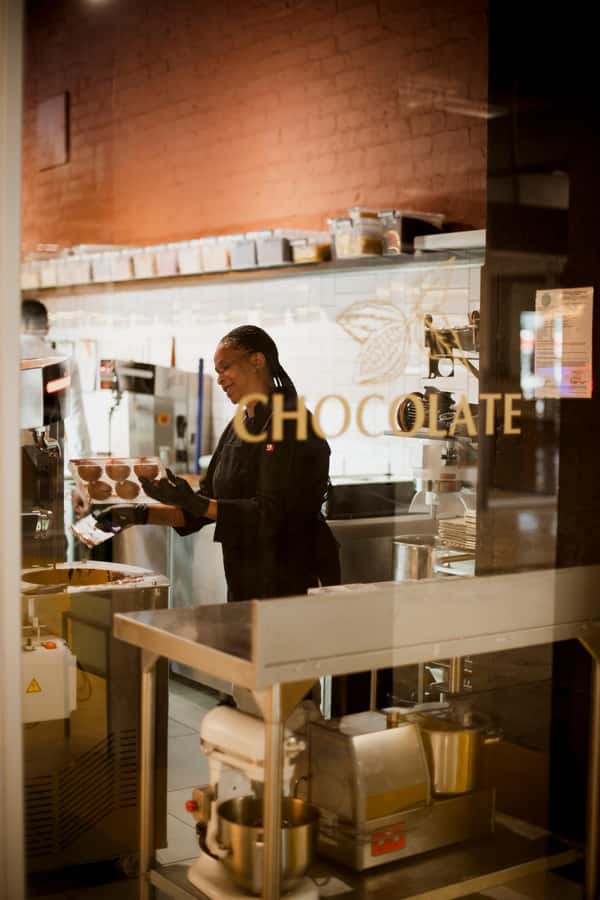
After roasting, the beans move through grinding, refining, and conching. These stages turn roasted cacao into a smoother chocolate mixture.
Grinding breaks down the roasted beans. Refining reduces the texture further, while conching helps develop the final feel and flavor. Together, these steps explain why finished chocolate can be smooth and polished rather than gritty or rough.
This is where the bean-to-bar idea becomes easy to understand. AFRIKOA is not starting with a ready-made chocolate coating and adding a flavor. The company works from cacao beans and controls the process through the stages that shape the finished product.
I find that distinction useful when comparing chocolate products. A bar made from carefully sourced beans and processed through these stages offers a more direct expression of its origin. That does not automatically mean every person will prefer it. If you mainly want a quick sweet treat, the technical explanation may feel like more information than you need.
The short format helps keep the lesson focused. You will not spend hours watching machinery, and that is a benefit if you are fitting the activity between other plans. The limitation is that the explanation may leave you wanting more detail about equipment, timing, and the precise changes at each stage.
A few more tours in Cape Town worth putting side by side
- Private Day Tour to Cape Point , Penguins, Wine or Beer Tasting
★ 5.0 · 80 reviews - Wildlife Safari, Olive, Beer/Wine Tasting Day Tour from Cape Town
★ 5.0 · 39 reviews - From Cape Town: Wildlife Safari, Olive, Beer & Wine Tasting
★ 4.7 · 18 reviews - Wine Beer and Biltong Safari – Stellenbosch
★ 5.0 · 17 reviews
Tempering and the finished chocolate
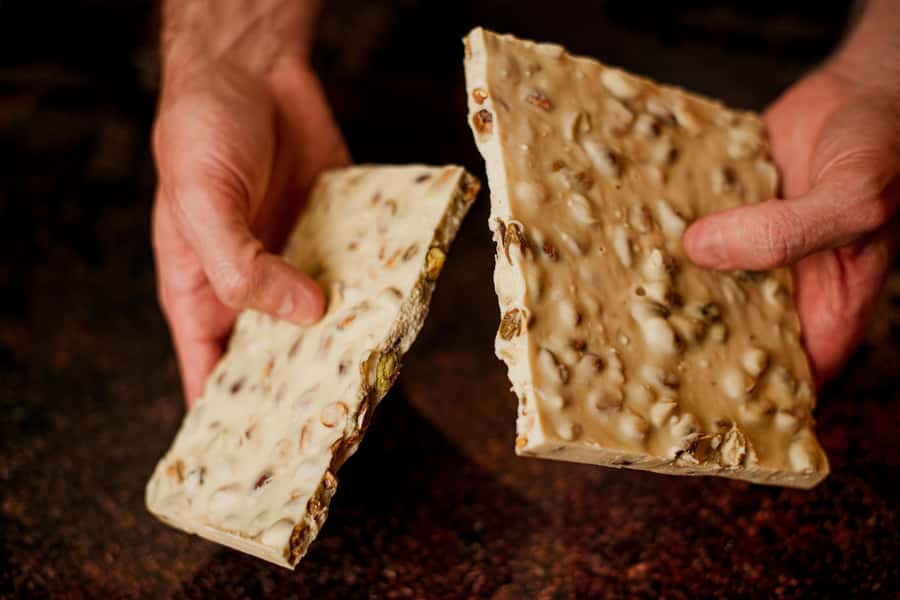
Tempering is the final named stage in the process. It helps prepare chocolate for its finished form, including the texture and appearance you expect from a well-made bar or confection.
This is an important point to include in a short lesson because it links the production process to what you actually taste. Earlier stages build the chocolate’s flavor and texture, while tempering helps create the finished product you can handle, break, and eat.
The activity includes a live look at how AFRIKOA crafts specific products. That gives the visit more energy than a display of finished bars alone. You can see the connection between the raw material, the process, and the items sold in the store.
One practical point: the $13 price includes the experience and tasting, but additional products are not included. You will have the chance to buy extra chocolate and gifts afterward, so set your spending limit before you browse. The store is part of the attraction, but shopping is optional.
What the tasting adds
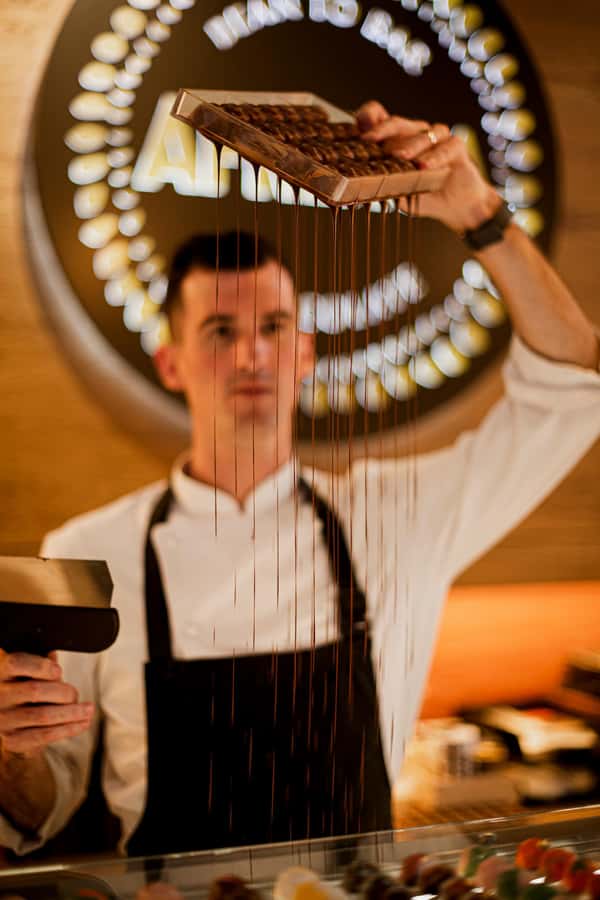
The tasting is not an afterthought. It is the part that lets you test the ideas you have just heard.
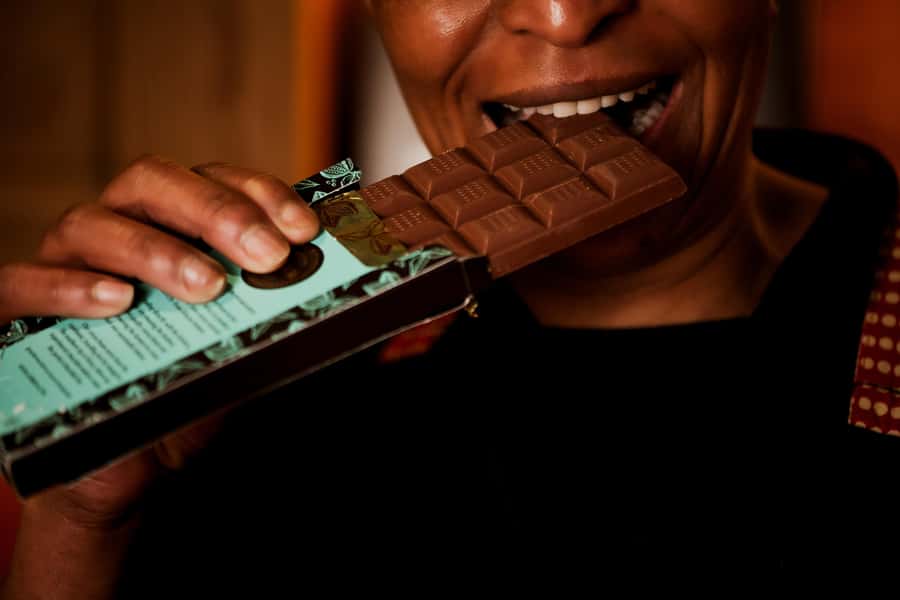
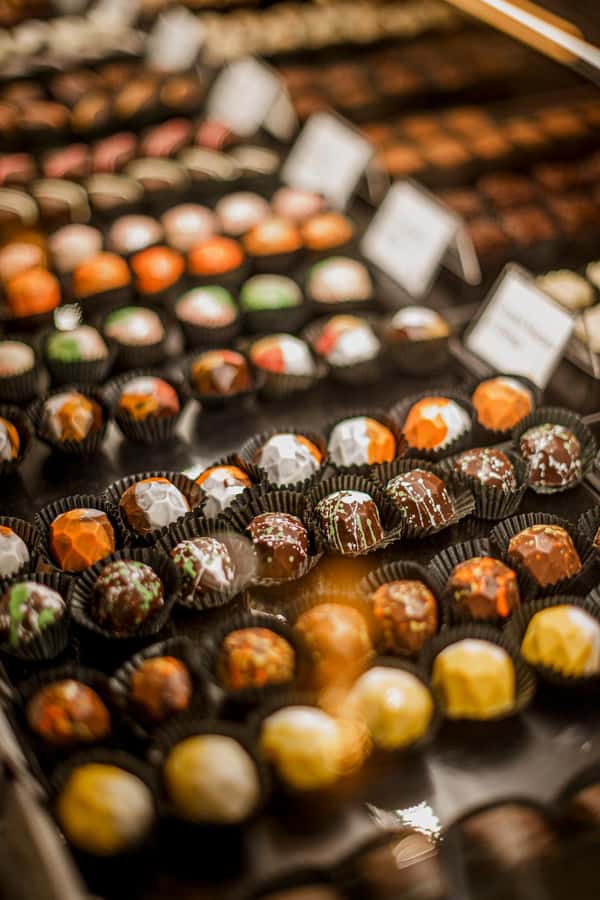
You can sample AFRIKOA’s cherished chocolates and consider the flavor of Tanzanian cacao for yourself. The tasting gives the lesson a clear finish: first you learn how the beans are handled, then you taste the result.
The strongest praise for the activity focuses on two things: the flavor and the useful information about sourcing and production. That pairing is important. A tasting without context can feel brief, while a process talk without samples can feel too abstract. Here, the two parts support each other.
You should keep your expectations sensible. This is a 30-minute session, so it is not designed as a large tasting menu or a long comparative workshop. The available information does not specify the number of samples or the exact chocolate varieties served. You will taste AFRIKOA chocolate, but the precise tasting selection may vary.
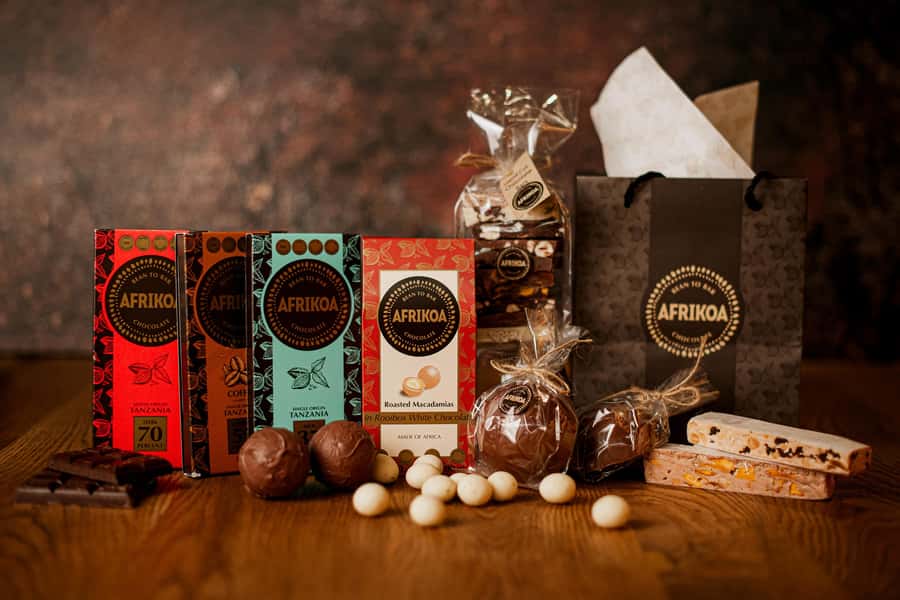
The store also gives you a chance to find distinctive gifts for family and friends. That works well if you want a small South African food souvenir with a clear Tanzanian cacao connection. Just remember that purchases beyond the included tasting cost extra.
Why single-origin chocolate matters here
AFRIKOA’s single-origin approach is more than a marketing label in this setting. The company says each creation comes from cacao grown in a specific region of Tanzania. That means the tasting can introduce you to the idea that origin affects chocolate in much the same way that growing region matters for other food and drink.
You may notice differences in flavor, texture, or aroma, although the available details do not promise a formal side-by-side comparison. The point is to understand that cacao has a source and a story before it becomes a bar.
The direct relationship with Tanzanian farmers also adds useful context. AFRIKOA says it oversees every stage of production, from the beans through tempering. For you, that means a clearer link between the farm source and the final product.
This focus may appeal to people who care about ethical buying and traceable food. It also makes the activity more than a sweet snack stop. You leave with a better sense of how sourcing, processing, and taste connect.
How much time and money to allow
At $13 per person, this is priced as an affordable short activity. You are paying for a 30-minute explanation, a look at chocolate production, and included samples. There is no transport listed, and shopping afterward is separate.
I think the value is strongest when you already plan to be at Makers Landing. The activity is easy to add to a food day, and its short length will not take over your schedule. It can also be a good choice before or after another planned stop in the area.
The value is less certain if you expect a long workshop. You will not be spending an afternoon making a bar from raw beans, and the experience does not promise that you will create your own chocolate. The wording points to watching AFRIKOA craft products and learning the stages.
The short format received one clear criticism: a participant wished the session lasted longer. I understand that reaction. Chocolate production has enough steps to fill much more than half an hour, especially if you want questions answered in detail.
Still, a concise visit can be exactly right for first-time learners. You get the main story without committing to a long specialist class.
The guide’s friendly approach
The chocolatier leading the session is described as friendly, energetic, and well suited to the 30-minute format. That matters because a short activity needs a clear pace. A dull or overly technical presentation could make the many production stages feel crowded.
The available feedback gives particular praise to the way the information is delivered. The tone appears welcoming rather than stiff, which should help if you know little about cacao before arriving.
The instructor speaks English, and the experience is designed for visitors who want an accessible introduction. You do not need specialist chocolate knowledge to follow the sequence from fermenting to tempering.
I would still plan one or two questions in advance if you are especially interested in sourcing or production. With only 30 minutes, a focused question about Tanzanian cacao, single-origin bars, or a particular stage will likely be more useful than trying to ask about everything.
Who will enjoy AFRIKOA most?
I would recommend this experience to:
- Chocolate lovers who want to understand how bars are made
- Food-focused visitors looking for a short activity at Makers Landing
- People interested in Tanzanian cacao and single-origin production
- Adults and children aged seven or older
- Shoppers looking for unusual chocolate gifts
- Visitors who value accessible, English-language instruction
It is also a sensible choice for anyone who wants a small cultural food experience without a major time commitment. The farm-to-finished-bar story gives the tasting more meaning.
I would be more cautious if you want a long technical workshop, extensive tasting flight, or hands-on chocolate-making session. None of those are promised. The activity is best understood as a guided introduction with samples and a chance to shop.
Practical booking advice
The activity runs Wednesday through Sunday, from 10:00 a.m. to 3:00 p.m., with the last booking at 3:00 p.m. It is closed on December 25, December 26, and January 1.
You can cancel up to 24 hours ahead for a full refund. A reserve-now, pay-later option is also available, which helps if your Western Cape plans may change.
Alcohol and drugs are not allowed. Children under seven cannot take part. The experience is wheelchair accessible, and instruction is in English.
Because the meeting point is inside a store, I would avoid arriving at the last second. Go to G11, allow time to find the unit, and let the smell of chocolate guide you the final few steps.
Should you book the 30-minute chocolate experience?
Book AFRIKOA if you want a friendly, affordable introduction to bean-to-bar chocolate with a real origin story. The Tanzanian heirloom cacao, single-origin focus, tasting, and clear 12-stage process give the visit more substance than a simple shop sample.
Skip it if you want to spend hours making chocolate or comparing many varieties. The only real weakness is the short running time, and that limit is worth keeping in mind.
For $13, I see it as a smart add-on to a Makers Landing visit. You learn how cacao changes from bean to finished chocolate, taste the result, and can take home a few gifts. That is a fair return for half an hour, with the added pleasure of entering a store that smells like dessert.
FAQ
Where does the AFRIKOA Bean-to-Bar Chocolate Experience take place?
It takes place at the AFRIKOA store, unit G11, inside Makers Landing in the Western Cape, South Africa.
How long does the experience last?
The experience lasts 30 minutes.
What are the operating days and hours?
It runs Wednesday through Sunday between 10:00 a.m. and 3:00 p.m. The last booking is at 3:00 p.m.
How much does the experience cost?
The listed price is $13 per person.
What does the price include?
The price includes an explanation of the chocolate-making journey from fermenting and drying through roasting, grinding, refining, conching, and tempering. Chocolate samples are also included.
Are extra chocolate products included?
No. Additional products are available to buy separately at the store.
Is the experience available in English?
Yes. The instructor leads the experience in English.
Can children take part?
Children under seven are not suitable for this experience.
Is the experience wheelchair accessible?
Yes, it is wheelchair accessible.
Newest reviews from Cape Town
- Explore Atlantis Sand Dunes with a 1hour 30mins sandboarding tour★ 5.0 · 5 reviews
- Transfer from Cape Town City Center to Cape Town Airport★ 5.0 · 5 reviews
- Pneuma private travel & tours, creating memories and friends never forgotten★ 5.0 · 5 reviews
- Private Transfer: CPT Airport to Cape Town in Luxury Van★ 4.0 · 5 reviews
- Cape Town Table Mountain and Peninsula Tour★ 5.0 · 5 reviews
- Cape of Good Hope-Cape Point & Penguins from Cape Town★ 5.0 · 5 reviews
- Cape Town Full Day Family Fun With Kids Private Tour★ 4.0 · 5 reviews
- Cape Town: Shark Cage Diving Tour (with Breakfast & Lunch)★ 4.8 · 5 reviews
Drinking Tours, compared.

Private Day Tour to Cape Point , Penguins, Wine or Beer Tasting
Read our review →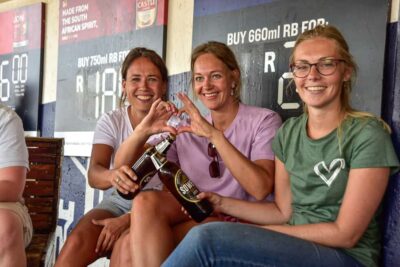
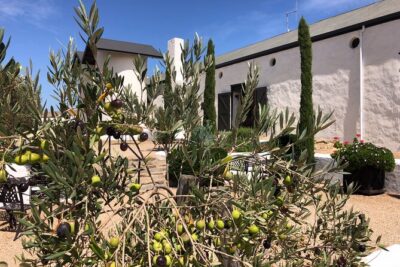
Wildlife Safari, Olive, Beer/Wine Tasting Day Tour from Cape Town
Read our review →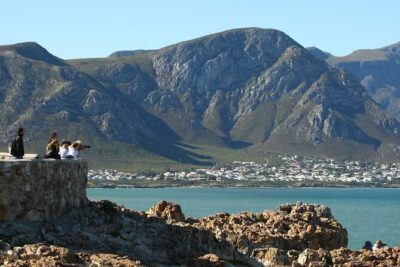
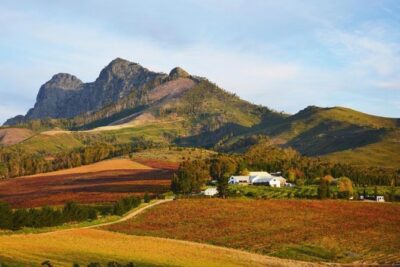
Hermanus Land based Whale Tour with Dave de Beer
Read our review →

Browse the lists this tour appears in