
Reviewed · FOOD & DRINK
African Food and Storytelling Tour Cape Town City Centre
Food tells the city’s story. This Cape Town walking tour links shared meals with public squares, local businesses, migration, and the pressures of gentrification. I like the three substantial food experiences, and I like that the route brings you into places you might pass without noticing. The main consideration is that this is a walking and conversation-heavy experience, not a quick stop-and-snack outing.
The small group, capped at 10 people, helps keep the mood personal. Guides including Dennis, Tawanda, Sifiso, and Fez have been praised for their warmth, storytelling, and command of Cape Town’s past and present. Come hungry, and schedule it early in your stay so you can return to the food spots or markets that catch your eye.
In This Review
- Five things to know before you book
- Why this Cape Town food tour is different
- Starting at Church Square and meeting Jan Hendrik Hofmeyr
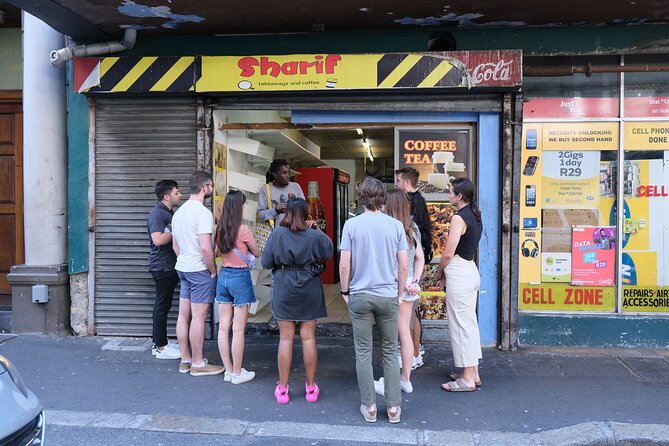
- Somali food and the first warm meal
- The Old Post Office, Cape Malay bites, and second-hand books
- The Grand Parade and Mandela’s balcony
- Adderley Street’s historic flower market
- Greenmarket Square and Cape Town’s West African community
- The second warm meal, with flavors from Mali
- Tea, coffee, and community at the Methodist Mission
- What the guide adds to the experience
- Is $92.02 a fair price?
- Walking, timing, and practical comfort
- Who should book this tour?
- Should you book the African Food and Storytelling Tour?
- FAQ
- Where does the African Food and Storytelling Tour begin?
- Where does the tour end?
- How long does the experience last?
- How much food is included?
- Is this only a food tour?
- How many people can join?
- How physically demanding is the tour?
- Can I cancel for a full refund?
- What happens if bad weather cancels the tour?
Five things to know before you book
- Three food experiences fill the afternoon: You receive two warm shared meals, one snack tasting, and warm and cold drinks.
- The route covers historic public spaces: Church Square, the Grand Parade, Greenmarket Square, the Old Post Office, and the flower market all help explain how the city works.
- Somali, Cape Malay, Creole, and West African flavors share the stage: This is a look at African food culture across borders, not only traditional Cape Town dishes.
- The group is limited to 10 people: That matters when you are walking through small businesses and asking questions at food stops.
- The tour ends at Greenmarket Square: From there, you arrange your own onward transport, with Uber recommended because city-centre parking is limited.
- Book with a good appetite: The food is generous enough that several people have skipped dinner afterward.
Why this Cape Town food tour is different
Many food tours are built around a string of tastings. This one uses food as the thread connecting Cape Town’s streets, people, and past. You move between public squares, small food businesses, market stalls, a mission, and places tied to colonial and political history.
That wider frame is the tour’s strongest feature. You are not simply told what is on your plate. You also hear how food traditions travel, how African entrepreneurs build businesses in the city centre, and how changes in rent and development affect the people who work there.
The experience lasts about two to three hours. That is enough time to cover a useful section of central Cape Town without turning the walk into an exhausting half-day march. The exact rhythm can change with group size and conversation, so do not expect every stop to run like a stopwatch.
I especially like the small-group limit. Ten people is still enough for a social outing, but it is far better suited to narrow food counters and informal businesses than a large coach group. It also gives you a better chance to ask about ingredients, family traditions, or the city sights along the way.
More City Tours in Cape Town
- Cape Town Hop-On Hop-Off City Tour with Optional Cruise
★ 4.5 · 1,793 reviews - Cape Town: 12-Minute City Scenic Helicopter Tour
★ 4.8 · 853 reviews - Cape Town City Pass: Save Over 50% on 80+ Top Attractions
★ 4.5 · 348 reviews
Starting at Church Square and meeting Jan Hendrik Hofmeyr
The tour begins at Church Square, at the statue of Jan Hendrik Hofmeyr, directly across from McDonald’s where Parliament and Spin Street meet. Pay close attention to this detail. There is another Church Square in Woodstock, and going to the wrong one would create a very poor opening act.
Church Square is a fitting starting point because it is South Africa’s second-oldest public square. The guide uses it to set up the tour’s main themes: who gets to use public space, which stories are remembered, and how commerce and community shape the city centre.
This first stop lasts about 15 minutes and involves no food. That is useful because you get your bearings before the eating begins. It also signals that this is not a tour designed only for people chasing the next bite.
The opening discussion may suit you if you enjoy history told through ordinary places. If you want a rapid succession of restaurant visits, the introductory stop may feel slow. I would give it a chance, since the later stops make more sense once you understand the route’s social focus.
Somali food and the first warm meal
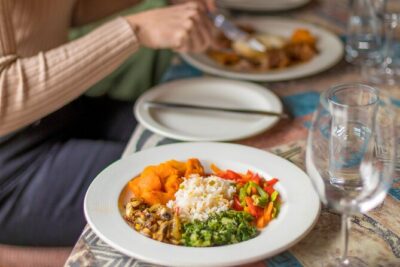
The first shared meal introduces Somali food culture in Cape Town. You taste signature East African dishes alongside spiced tea, with the guide explaining the flavors and traditions behind them.
This is one of the tour’s most useful features: you are not limited to a familiar South African menu. Somali food adds a different set of seasonings, cooking habits, and cultural connections to the afternoon. The meal is shared, which makes it easier to compare impressions and ask questions without the formality of a restaurant tasting menu.
Allow roughly 20 minutes here, though the timing depends on group size and how curious everyone is. That flexibility is a strength when the guide is good at drawing people into the story. It can also mean a slightly less predictable schedule.
You should arrive ready to try unfamiliar food. The tour is built around tasting, not choosing a standard dish from a menu. That said, the overall response to the food has been very strong, including from a self-described picky eater who found plenty of variety and enjoyed the stops.
The Old Post Office, Cape Malay bites, and second-hand books
At the Golden Acre Shopping Centre, the route turns to the Old Post Office. Here the guide discusses colonial layers and the changing use of public space before introducing Cape Malay and Creole snacks.
The combination is smart. Cape Malay food is often discussed as part of Cape Town’s cultural identity, but tasting a snack while standing in a former civic and commercial setting gives the subject a physical context. You are connecting a food tradition to the movement of people, the history of the city, and the businesses operating there now.
This stop also includes small food vendors and second-hand books. The book browsing is a pleasant change of pace from eating, and it gives you a chance to see the city centre through its independent businesses rather than its major attractions.
The snack tasting is one of three food experiences on the tour. It is not described as a full meal, so save room for the second warm serving later. You may also want a little spending money if a used book catches your eye, although purchases are not presented as a required part of the experience.
More Food Tours in Cape Town
- Cape Town: Full-Day Winelands Tour with Wine Tastings & Food
★ 4.9 · 1,288 reviews - The Cape Town Essentials Food Tour
★ 5.0 · 385 reviews - From Cape Town: Winelands Full Day Tour and Wine Tasting
★ 4.5 · 364 reviews - Stellenbosch & Franschhoek 20 Wine Tasting + Lunch Shared Tour
★ 4.5 · 290 reviews
The Grand Parade and Mandela’s balcony
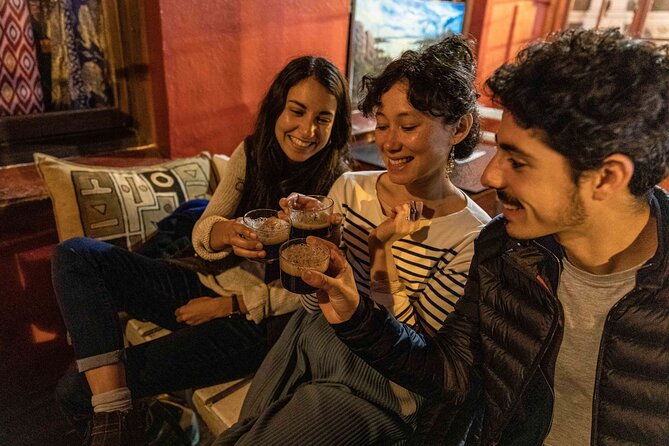
The Grand Parade is South Africa’s oldest public square, and the tour pauses near the City Hall balcony where Nelson Mandela made his first public address after his release from prison. This is the most overtly political stop on the route.
The guide links the landmark to present-day South African politics and to the informal food vendors who work in the square. That connection matters. You are not looking at the balcony as a frozen monument. You are also considering who trades, gathers, and earns a living in the same public space today.
Expect about 15 minutes here. The stop is short, but the subject is weighty. If you enjoy history with a current, human angle, this will likely be one of the tour’s highlights. If you prefer your food tours to avoid politics, you should know that social and political discussion is part of the experience by design.
I appreciate that the tour gives informal vendors a place in the story. Cape Town’s city centre is not only made up of official landmarks and polished restaurants. The people selling food every day are part of how the city functions.
Adderley Street’s historic flower market
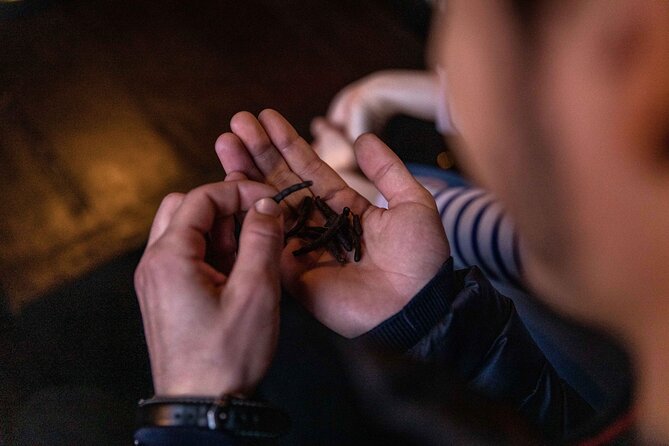
The walk continues along Adderley Street to one of Southern Africa’s oldest open-air flower markets. You greet the vendors and see a long-running piece of everyday city commerce.
This is a lighter stop, lasting about 15 minutes, but it broadens the tour beyond restaurants. The market offers a glimpse of trade that is visual, practical, and tied to the street. It also gives your appetite a brief rest before the next meal.
Do not expect a long shopping session or a formal market demonstration. The itinerary describes a walk through the market and introductions to vendors. The value is in seeing how an old city-centre market still fits into the route’s wider discussion of public space and small business.
Greenmarket Square and Cape Town’s West African community
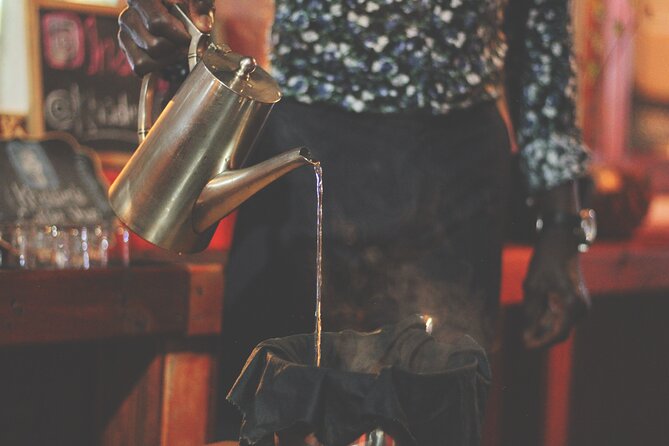
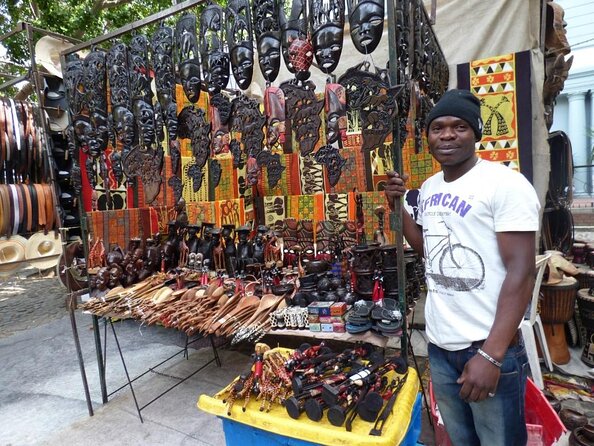
Greenmarket Square is the third-oldest public square in Cape Town and the tour’s final area. It is a meeting point for African traders and entrepreneurs from different parts of the continent.
You have the option to browse for souvenirs, and the route passes a favored Senegalese tailor known for African textiles. This is a good place to look at fabrics and hear about the people who sell and make goods in the city, even if you do not plan to buy anything.
The West African focus adds another layer to the food story. Cape Town’s African communities are not presented as a single culture. Instead, the tour points to different origins, businesses, and traditions that now share the inner city.
Greenmarket Square is also where the tour ends on foot. Since the route begins at Church Square and finishes elsewhere, you should think of it as a one-way walking experience. Uber is recommended because parking in central Cape Town is limited, and you will need to arrange your own ride home.
The second warm meal, with flavors from Mali
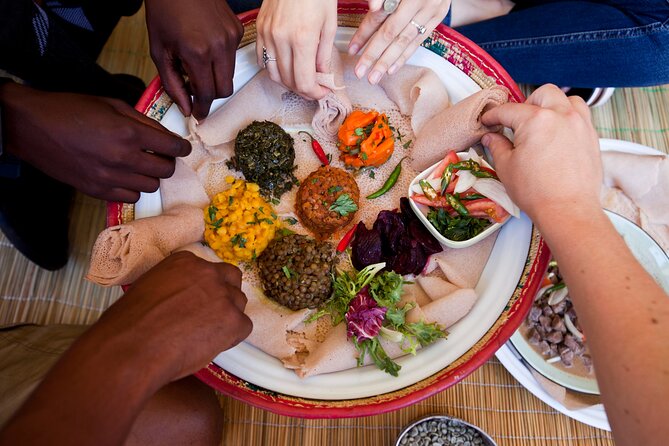
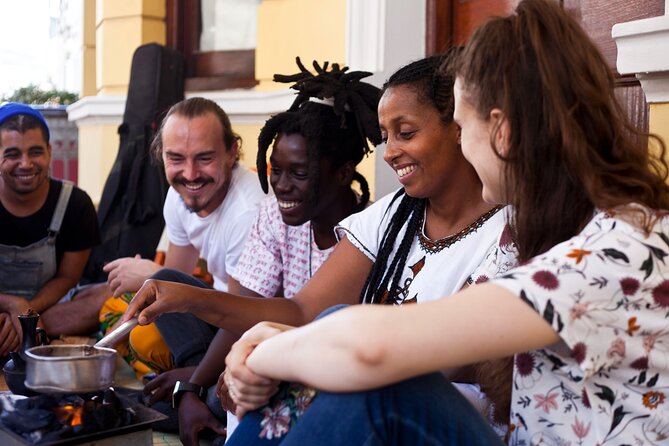
The second shared meal introduces West African cuisine from Mali. The guide uses the meal to discuss how food can bring people together across communities.
This is the most filling part of the route, especially when combined with the Somali meal, Cape Malay or Creole snack, drinks, and the final refreshment. You will want to plan your evening accordingly. A standard dinner reservation soon afterward may be unnecessary.
The Mali stop also helps the tour deliver on its promise of variety. You are not eating several versions of the same local dish. The experience moves across East, southern, and West African food traditions, showing how broad the continent’s cooking is.
The exact dishes are not specified in advance, so you should not book expecting a fixed menu. That uncertainty is part of the small-business character of the outing, but it may matter if you have strict dietary requirements. No specific dietary accommodations are provided in the available tour details, so ask before booking if this is important to you.
Tea, coffee, and community at the Methodist Mission
The Methodist Mission provides the final pause. It is described as a welcoming place where people from different walks of life gather, with a past tied to community activism and social justice.
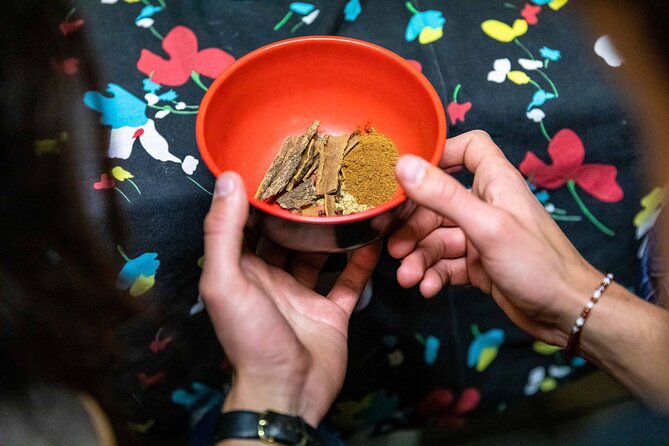
Here you stop for tea or coffee and a treat while reflecting on the stories connected with the building. After several food stops, this quieter ending is welcome. It gives the afternoon a chance to settle rather than finishing with one more hurried bite.
This stop also reinforces the tour’s central idea: food belongs to a wider network of places and people. Cafés, markets, churches, public squares, and small shops all contribute to the character of the city centre.
The mission stop lasts about 20 minutes. Along with the first Church Square introduction, it means the tour is not wall-to-wall eating. I see that as a benefit for anyone who wants context with lunch, but it is worth knowing before you book.
What the guide adds to the experience
The guides are a major part of the tour’s appeal. Dennis is praised for weaving questions into his storytelling, while Tawanda has been appreciated for combining food with Cape Town architecture and South African history. Sifiso has also been singled out for creating a strong experience, and Fez is remembered for making the route feel like a friend-led introduction to the city.
Those details point to a tour that depends on conversation rather than a memorized script. A strong guide can explain why a food tradition matters, introduce you to a vendor with respect, and connect a political landmark to daily life.
The experience is described as responsible and focused on African-owned food businesses. That gives your spending more direct meaning than a stop at a generic chain, although the businesses and stops may change as the city’s small-business scene changes.
Is $92.02 a fair price?
At $92.02 per person, this is not the cheapest way to eat lunch in Cape Town. You are paying for more than the cost of the food: the guide’s time, access to small businesses, the route between historic sites, three food experiences, drinks, and the work of organizing several stops.
The value improves if you would not feel comfortable finding these places alone. Some of the food businesses are the sort of spots that can be easy to miss or difficult to judge from the street. The tour removes that uncertainty and gives you a local introduction.
It is also good value for an early visit. Several food stops may become places you want to revisit, and the market and fabric stops can help you decide where to return during the rest of your stay. Just remember that the price does not include your transport after Greenmarket Square or any books, fabrics, spices, or souvenirs you choose to buy.
The 41-day average advance booking suggests that you should not leave this until the last minute, especially if your Cape Town dates are fixed. The small maximum group can fill more quickly than a large city sightseeing tour.
Walking, timing, and practical comfort
You need a moderate level of physical fitness. The tour moves through central Cape Town on foot, with walking between meals, markets, squares, and public buildings. It is not described as strenuous, but it is not a seated food crawl either.
Wear comfortable walking shoes and arrive ready for a few hours on city streets. The tour requires good weather, and a poor-weather cancellation may lead to another date or a full refund. The meeting point is close to public transportation, while the end point is Greenmarket Square.
The mobile ticket makes entry simple, and confirmation is provided when you book. The cancellation rule is clear: cancel at least 24 hours before the start time for a full refund. Within 24 hours, you receive no refund, and changes are not accepted.
Who should book this tour?
I would choose this tour if you want Cape Town food paired with the city’s people, politics, and public spaces. It suits curious eaters who like trying dishes they would not find through a standard online search.
It is especially useful for a first visit because it gives you restaurant ideas, market orientation, and city-centre context in one outing. It also suits anyone interested in African-owned businesses, migration, fabrics, books, and the effect of gentrification on local life.
I would hesitate if you want a polished culinary tour with a fixed menu, detailed dish list, or little walking. The route is flexible, social, and tied to small businesses, so the experience may feel less controlled than a formal restaurant crawl.
Should you book the African Food and Storytelling Tour?
Yes, if you want food to open a door into Cape Town rather than serve as the entire show. The strongest reasons to book are the generous variety, the small group, the local businesses, and the guides’ ability to link meals with places such as the Grand Parade and Mandela’s balcony.
Book it near the start of your visit, come hungry, and leave your evening open. If you prefer a simple tasting menu or need guaranteed dishes for dietary reasons, ask questions first or choose a more conventional food tour.
FAQ
Where does the African Food and Storytelling Tour begin?
It begins at the statue of Jan Hendrik Hofmeyr on Church Square in Cape Town City Centre, directly across from McDonald’s where Parliament and Spin Street meet.
Where does the tour end?
The tour ends on foot at Greenmarket Square in Cape Town City Centre. You arrange your own transport afterward.
How long does the experience last?
The tour lasts approximately two to three hours.
How much food is included?
The experience includes two warm shared meals, one snack tasting, and warm and cold beverages. The food includes Somali, Cape Malay or Creole, and West African influences.
Is this only a food tour?
No. Food is central, but the tour also covers public spaces, history, entrepreneurship, African-owned businesses, and the effects of gentrification on city life.
How many people can join?
The maximum group size is 10 people.
How physically demanding is the tour?
A moderate level of physical fitness is recommended because this is a walking tour with movement between food stops, markets, public squares, and other city-centre locations.
Can I cancel for a full refund?
Yes. You must cancel at least 24 hours before the experience start time for a full refund. Cancellations within 24 hours are not refunded.
What happens if bad weather cancels the tour?
If poor weather causes a cancellation, you are offered a different date or a full refund. A minimum number of participants is also required, and a cancellation for that reason brings the same options.
Newest reviews from Cape Town
- Explore Atlantis Sand Dunes with a 1hour 30mins sandboarding tour★ 5.0 · 5 reviews
- Transfer from Cape Town City Center to Cape Town Airport★ 5.0 · 5 reviews
- Pneuma private travel & tours, creating memories and friends never forgotten★ 5.0 · 5 reviews
- Cape Town Table Mountain and Peninsula Tour★ 5.0 · 5 reviews
- Private Transfer: CPT Airport to Cape Town in Luxury Van★ 4.0 · 5 reviews
- Cape Town Full Day Family Fun With Kids Private Tour★ 4.0 · 5 reviews
- Cape of Good Hope-Cape Point & Penguins from Cape Town★ 5.0 · 5 reviews
- Cape Town: Shark Cage Diving Tour (with Breakfast & Lunch)★ 4.8 · 5 reviews
Food & Drink, compared.

Full-Day Winelands Tour with Wine Tastings & Food
Read our review →


Stellenbosch & Franschhoek 20 Wine Tasting + Lunch Shared Tour
Read our review →

Browse the lists this tour appears in